Latest News
Stay updated with the latest news and articles
Top Stories
Turkey and Nigeria Aim to Double Trade, Eye $10 Billion Boom as Turkish Goods Fill Nigerian Homes
Turkey and Nigeria Aim to Double Trade, Eye $10 Billion Boom as Turkish Goods Fill Nigerian Homes A major economic push is underway between Türkiye and Nigeria, with officials and business leaders targeting a dramatic surge in bilateral trade that could exceed $10 billion. The drive follows a series of new agreements and is fueled by the deep penetration of Turkish products into the daily lives of Nigerian consumers [62201]. Dele Oye, head of the Nigeria-Türkiye Business Council, stated that Turkish goods are now ubiquitous in Nigeria. "There is no home in Nigeria that does not have a Turkish product," Oye said, predicting trade could surge past the $10 billion mark [62201]. This ambition builds on a foundational goal to more than double the current trade volume to $5 billion, a target set during a recent state visit by Turkish President Recep Tayyip Erdogan to Abuja [61140]. During that visit, the two nations signed nine new agreements covering key sectors including energy, mining, and defense. President Erdogan announced the formation of a new Joint Economy and Trade Committee designed to expand Turkish investments in Nigeria, emphasizing the strategic nature of the partnership [61140]. The business council is now tasked with implementing these new pacts to unlock greater economic potential for both countries [62201]. The concerted effort represents a significant move by both nations to diversify their economic partnerships and stimulate growth through enhanced commercial exchange [61140]. Turkish Goods in Every Home: Nigeria Aims for $10 Billion Trade Boom Nigeria and Turkey Target $5 Billion Trade Deal


Catastrophic Southeast Asia Floods Kill Over 1,400, Affect Millions
Catastrophic Southeast Asia Floods Kill Over 1,400, Affect Millions A series of devastating floods and landslides, triggered by weeks of exceptionally heavy rain, has killed more than 1,400 people and affected millions across Southeast Asia. The catastrophic weather has caused widespread destruction in Indonesia, Sri Lanka, Thailand, and Malaysia, with rescue operations ongoing and the full scale of damage still being assessed [17624]. The torrential downpours caused rivers to overflow and saturated hillsides, leading to destructive landslides that buried homes and cut off communities [14423]. In Indonesia, the death toll has reached 995, with rescuers still searching for 226 missing people. Neighboring Sri Lanka reports 640 dead and 211 missing [25217]. Combined, nearly 4 million citizens in these two nations have been impacted, with homes, roads, and farmland destroyed [25217]. Southern Thailand has also suffered a severe loss of life, with authorities reporting at least 145 fatalities [14423]. The widespread deluges have capped off a particularly destructive wet season for the region, forcing mass evacuations and displacing thousands [14786]. Emergency crews are working to provide aid and reach isolated communities cut off by the floods and mud [14423]. National governments and international aid agencies are mobilizing large-scale relief efforts, focusing on providing emergency shelter, clean water, and medical supplies to survivors [17624]. Authorities have issued warnings about the continued threat of additional landslides and the spread of waterborne diseases in the aftermath of the floods [11385]. Deadly Floods and Landslides Claim Over 1,400 Lives Across Southeast Asia Massive Floods Kill Over 1,600, Affect Millions in Asia Deadly Floods and Landslides Claim Over 250 Lives in Southeast Asia Southeast Asia Reels From Widespread Flooding Deadly Floods and Landslides Claim Lives Across Southeast Asia

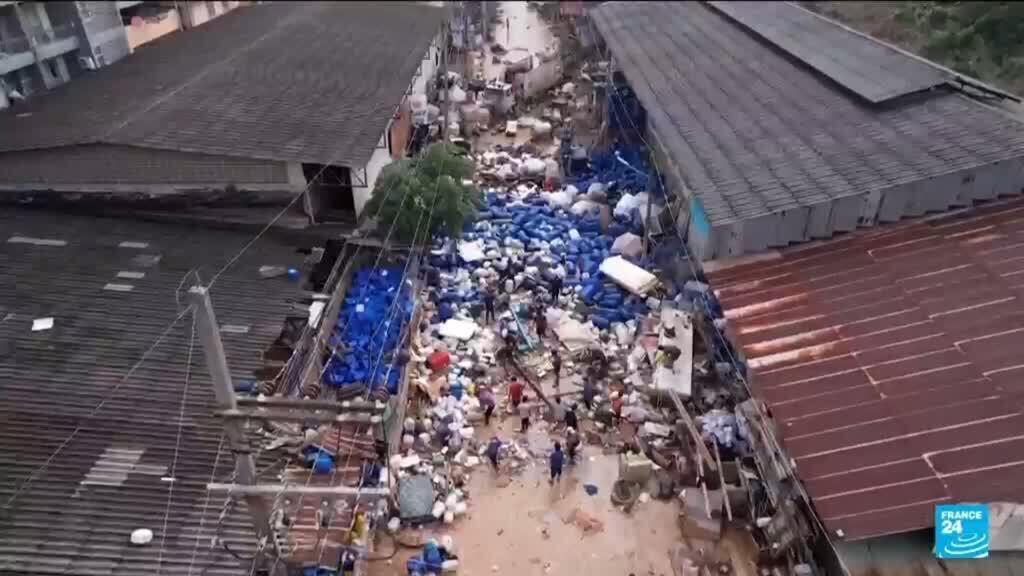
Fuel Prices Hit Record Highs Worldwide as Conflict and Supply Fears Grip Markets
Fuel Prices Hit Record Highs Worldwide as Conflict and Supply Fears Grip Markets A sharp and sudden spike in global oil prices is hitting drivers hard across multiple continents, pushing fuel costs to historic highs. The surge, driven by supply disruptions from ongoing conflicts and attacks on energy infrastructure, has overwhelmed government attempts to provide relief through tax cuts. In Kenya, the price of diesel has hit a record high despite a recent government cut to the value-added tax on fuel [129374]. Officials cited increased tensions in the Middle East for pushing international prices upward, canceling out the benefit of the domestic tax cut and making transportation and electricity more expensive [129374][130314]. The situation is mirrored in South Africa, where drivers rushed to fill tanks ahead of a midnight price hike that was set to be one of the steepest ever recorded [117884]. Despite a government reduction of the fuel levy by 3 rand per litre, the surge in global prices led to a record increase at the pump [117581]. In one metro area, petroleum companies have begun limiting fuel supplies and adding emergency war surcharges, citing threats to local stocks from conflict in the Gulf region [108127]. In the Philippines, soaring global prices have pushed costs to among the world's highest, with the government suggesting a major shift is permanent. The Energy Secretary stated that diesel may never return to 60 pesos (approximately US$1) per liter again [130197]. Meanwhile, in China, drivers queued at stations ahead of the country's largest single fuel price increase of 2024, a government adjustment linked directly to rising international crude costs [109102]. Analysts point to a confluence of global pressures. Attacks on Russian oil infrastructure, including a recent Ukrainian drone strike on a major refinery and its Black Sea export terminal, aim to reduce Russia's oil revenue and have disrupted operations [130465]. Simultaneously, fears that Middle East instability could widen, particularly around the Strait of Hormuz and Gaza ceasefire prospects, are threatening supplies and spooking markets [95663][124783]. This has caused the international benchmark price for crude to rocket, leading to the largest weekly gasoline price increase in the United States since the start of the Ukraine war in 2022 [97612]. The volatility has left consumers facing sustained higher costs, with major motoring organizations warning that significant price relief is not expected in the near future as global political tensions now directly dictate fuel expenses [124783]. Fuel Prices Skyrocket in Kenya South Africa Braces for Record Fuel Price Surge Philippines Fuel Shock: Diesel May Never Hit $1/Liter Again Fuel Prices Soar in Kenya, Despite Tax Cut Drivers Race to Pumps Ahead of China's Biggest Fuel Price Jump of 2024 South Africa Cuts Fuel Tax, But Drivers Still Hit by Record Price Hike Fuel Limits and War Surcharges Hit South African Metro Fuel Prices Climb as Gaza Ceasefire Hopes Fade Oil Prices Rocket, Hitting Drivers With Sharpest Spike Since Ukraine War Ukraine Strikes Russian Oil Hub: Refinery and Sea Port Hit in One Blow South Africa Braces for R8/Litre Petrol Shock

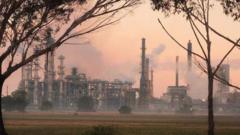
Ceasefire Brings Hope and Gridlock as Over 150,000 Lebanese Rush Home
Ceasefire Brings Hope and Gridlock as Over 150,000 Lebanese Rush Home A fragile ceasefire between Israel and the Lebanese militant group Hezbollah has triggered a massive, cautious return of displaced civilians to southern Lebanon, even as the agreement faces immediate accusations of violation and fails to address the conflict's root causes. Tens of thousands of people clogged roads heading south from Beirut and other areas of refuge on Tuesday, creating heavy traffic as families seized the pause in fighting to check on homes and belongings [131333]. The ceasefire, announced by French President Emmanuel Macron as a 10-day deal, halted weeks of intense cross-border rocket fire and airstrikes that had displaced over 150,000 people on both sides of the border [131333][131332]. However, the truce began under a cloud of mutual suspicion. The Lebanese army reported several alleged Israeli violations of the ceasefire just hours after it took effect [131315][131473]. Hezbollah stated it had responded to Israeli military actions, underscoring the fragility of the calm [131473]. President Macron warned that continued military action would directly threaten the new agreement [131332]. The diplomatic effort behind the ceasefire is part of a broader U.S.-led initiative, with President Donald Trump inviting leaders from both nations to Washington for talks [131315]. Analysts note the local truce is also linked to wider regional negotiations, as Israel views Hezbollah as a proxy for Iran, and U.S. officials seek a broader agreement with Tehran [131129][130739]. Despite the mass movement of people returning home, authorities have urged caution, noting the situation remains unstable and a permanent solution is not yet in sight [131333][131441]. The core disputes—including Israel's military presence in contested border areas and the long-standing international demands for Hezbollah to disarm—remain entirely unresolved, leaving the ceasefire as a temporary pause rather than a path to peace [131473][131441]. Lebanese Families Rush Home as Israel-Hezbollah Truce Holds Macron's 10-Day Ceasefire Deal: A Fragile Pause in Israel-Lebanon Fighting Fragile Lebanon Truce Begins Amid Accusations Ceasefire Under Fire: Lebanon Reports Israeli Violations Hours After Truce Begins Lebanon's Fragile Truce: A Deal That Solves Nothing Local Israel-Lebanon Ceasefire May Complicate U.S.-Iran Talks Israel Agrees to Lebanon Ceasefire in Broader Deal with Iran
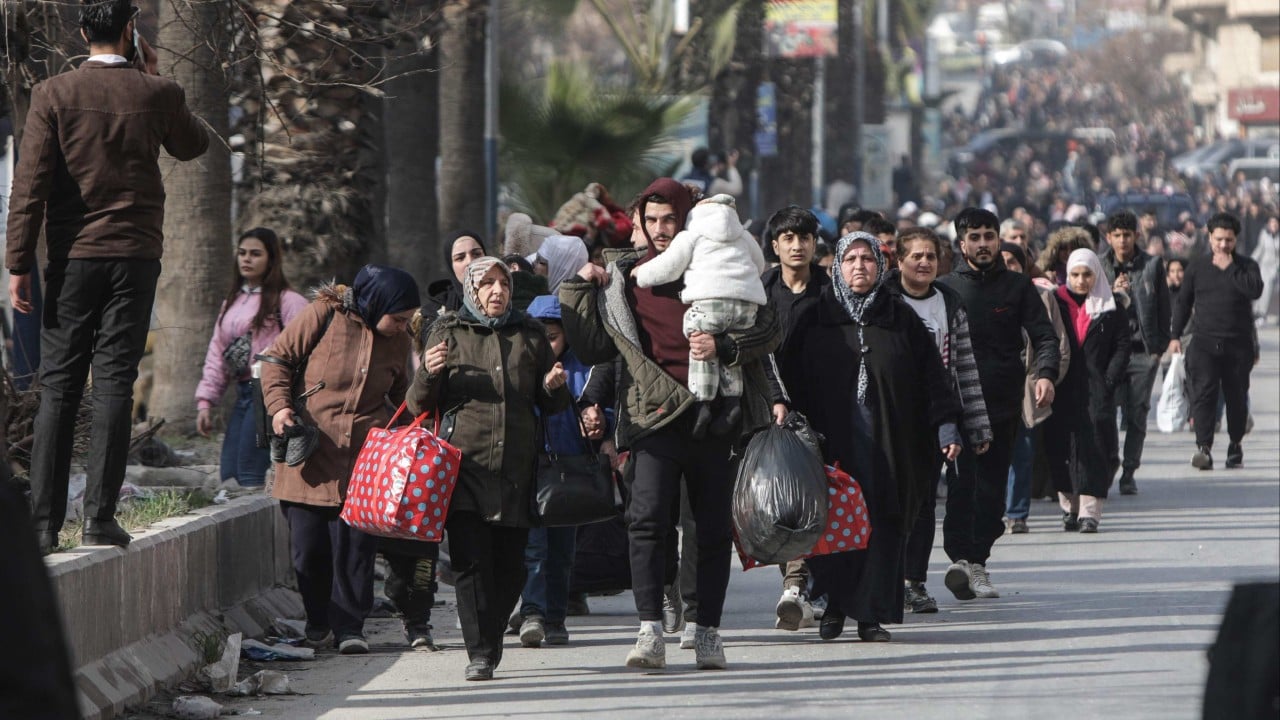
China Bets Billions on AI Chips and Fusion to Break US Tech "Chokehold"
China Bets Billions on AI Chips and Fusion to Break US Tech "Chokehold" China is mobilizing massive state-backed investment and a coordinated national strategy to achieve self-sufficiency in critical technologies, aiming to break a U.S.-led "chokehold" on advanced semiconductors and dominate next-generation fields like artificial intelligence and nuclear fusion. Multiple Chinese provinces and cities are rolling out major funding initiatives targeting these strategic sectors. The eastern technology hub of Zhejiang announced a five-year plan to achieve breakthroughs in manufacturing advanced AI chips as small as 3 nanometers [51155]. Shanghai launched a $10 billion investment plan focused on microchips and AI [43531]. Nationally, a new state-backed semiconductor fund worth over $47 billion has been established to build a domestic supply chain for chipmaking equipment [86995]. This spending surge is part of a formal national blueprint. China's draft 15th five-year plan for 2026-2030 directs massive state resources toward frontier technologies including AI, advanced defense, and nuclear fusion—the process seen as a potential source of limitless clean energy [95150]. The overarching goal is to eliminate foreign technological "chokepoints" and secure leadership in science and innovation [95150]. The strategy marks a pivotal shift in China's industrial policy, from absorbing foreign technology to aggressively creating its own in next-generation fields [59734]. The approach is defined by state coordination, deploying AI as a core component of national infrastructure aligned with government planning [109135]. At least 22 provincial-level governments have published economic plans prioritizing high-tech industries like semiconductors and AI, aligning with these national goals for technological advancement and supply chain security [19492]. President Xi Jinping recently underscored this focus during an inspection of a major technology innovation park in Beijing, emphasizing the drive for "high-level" technological independence [71486]. Private tech giants are aligning with this national directive. Xiaomi announced it is intensifying a major five-year investment plan into core technologies like semiconductors and AI, stating that such spending is essential for growth and aligns with the goal of self-reliance [86064]. The push extends to alternative chip architectures. Chinese companies are advancing in silicon photonics—AI chips that use light instead of electricity—with one leading firm now seeking a public stock listing [129740]. The national tech budget also allocates over $61 billion for "future industries" including satellite internet and brain-computer interfaces, sectors that closely mirror the projects of innovators like Elon Musk [93804]. Analysts view the concerted effort as a direct response to U.S. export controls on advanced chipmaking technology [86995]. The intensifying rivalry positions technological self-reliance as a key battlefield for economic and strategic advantage between the two superpowers [51155]. China Targets 3nm AI Chips to Break US "Chokehold" China's New Plan: Beat US Tech Rivals with AI and Fusion Power China's Tech Pivot: From "Catch-Up" to Cutting-Edge AI War: US Bets on Markets, China Bets on Control China Bets $47 Billion to Break the Chip Barrier Shanghai Bets $10 Billion on Chips and AI in Tech Race China's AI Chip Race: A New Challenger Eyes IPO China's $62 Billion Bet Mirrors Musk's Vision Chinese Provinces Prioritize Tech and Self-Reliance in New Economic Plans Xi Inspects Tech Park, Stakes Claim in Global Innovation Race Xiaomi Bets Billions on Chips and AI as Rivals Build Robots
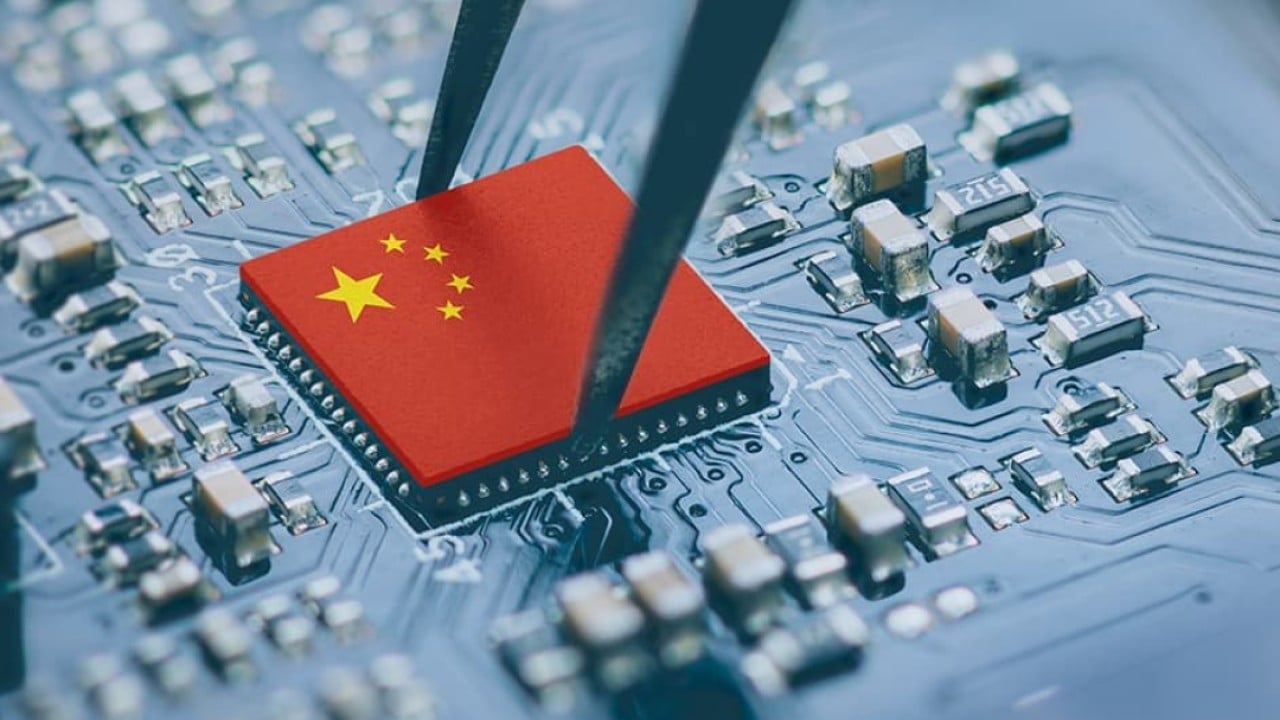

Climate Crisis Becomes Daily Reality as Extreme Weather Shatters Records in 2025
Climate Crisis Becomes Daily Reality as Extreme Weather Shatters Records in 2025 A relentless barrage of extreme weather in 2025, from scorching heatwaves to catastrophic floods, has moved the climate crisis from a distant threat into the fabric of daily life across the globe [37775]. Scientists and major institutions confirm that these severe events, which caused billions in damage and claimed thousands of lives, are clear signals of human-driven climate change [49594][113458]. Last year was the planet's third hottest on record, but the defining story was the series of powerful and costly disasters that demonstrated a climate system under intense stress [49594]. In Europe, a year of devastating floods, heatwaves, and wildfires left countries managing a costly recovery, with experts warning such extremes may become the new standard [36941]. The United Kingdom's wildlife and landscapes were pushed to a "breaking point" by a destructive cycle of major storms, drought, fires, and severe floods [36898]. The driving force behind this shift is the continued rise of heat-trapping greenhouse gases from human activities [36941]. The World Meteorological Organization (WMO) reports that these rapid changes are causing lasting environmental damage, with consequences like melting ice and shifting weather patterns set to continue for generations [113458]. In Eastern Africa, this manifests as a "triple planetary crisis" where climate change, biodiversity loss, and pollution combine to directly threaten food security by ruining crops and killing livestock [91481]. The trend is not confined to a single season. Climate experts warn that a powerful "Super" El Niño event could trigger a sharp surge in global temperatures, pushing late summer and autumn heat far above normal averages and challenging historical records [130635]. This follows a year where extreme droughts, wildfires, and water shortages were no longer seen as exceptional disasters but as regular events [37775]. 2025: The Year the Weather Broke Europe's 2025 Weather: A New Normal of Extremes? UK Wildlife Pushed to "Breaking Point" by Extreme Weather in 2025 2025: Climate Crisis Becomes Daily Life "Super" El Niño Threatens to Scorch Summer and Fall with Record Heat Climate Crisis Costs Africa Billions, Claims Thousands Triple Planetary Crisis Starves East Africa


U.S. Push for New Alliances and Trade Pacts Sparks Global Economic Ripple Effects
U.S. Push for New Alliances and Trade Pacts Sparks Global Economic Ripple Effects A series of U.S. foreign policy and trade initiatives is reshaping international alliances and threatening to destabilize the global economic order, as nations scramble to adjust to Washington's new priorities. The Trump administration is actively lobbying global allies to back a "trade over aid" declaration at the United Nations, seeking to fundamentally change how billions in foreign assistance are spent by prioritizing international commerce [131145]. This shift coincides with a drive to finalize a new international trade pact explicitly designed to reduce global dependence on China for critical minerals used in technology and defense [131394]. Parallel to these economic moves, the U.S. is pursuing deeper military cooperation with partners in strategic regions. Indonesia is currently reviewing a U.S. request for access to its airspace for military monitoring missions, a move that has sparked domestic outcry over fears it could violate the nation's neutral foreign policy and draw it into U.S.-China tensions [131383]. Similarly, Australia's newly released defense strategy, which plans billions in spending, assumes a "central pillar" of continued, reliable U.S. military support—an assumption some security experts call into question given recent American political turmoil [130999]. These policy actions are creating significant economic uncertainty. Experts warn that the biggest danger to the global dominance of the U.S. dollar is now America's own policies, particularly the aggressive use of economic sanctions, which risk pushing nations to create alternative financial systems [131219]. Furthermore, a new global survey shows the investment appeal of both the U.S. and China has plummeted amid ongoing trade tensions, with only 13% of companies planning to invest in the U.S. and 24% in China, down sharply from previous years [130688]. The cumulative effect is a potential shock to the global economy. Analysts warn that persistent U.S. inflation, which could keep American interest rates high, would strengthen the dollar and make imports and debt repayment more expensive worldwide, creating a lasting drag on growth [130979]. Former UK Foreign Secretary David Miliband has added that cuts to international aid, including U.S. programs, will further "shock" the global economy and worsen worldwide economic instability [131283]. Trump Pushes UN to Swap Aid for Trade U.S. Policies Pose Greater Threat to Dollar Than China, Experts Warn Indonesia Considers US Military Access, Sparks Domestic Outcry US Pushes New Trade Pact to Counter China's Mineral Dominance Australia's New Defense Plan Assumes a Reliable US Ally. Experts Ask: Is That Wise? US and China Investment Appeal Plummets Amid Trade War U.S. Inflation Could Hit Global Economy for Years, Experts Warn Aid Cuts Will "Shock" Global Economy, Warns Ex-UK Minister
Tourist Taxes Spread as Cities Seek Cash from Visitors and Fight Overcrowding
Tourist Taxes Spread as Cities Seek Cash from Visitors and Fight Overcrowding Cities around the world are turning to new fees on tourists to raise millions for local services and manage the strain of surging visitor numbers. The strategy, known as a tourist tax, is gaining momentum as popular destinations seek to balance economic benefits with community needs. In Ireland, officials in Galway are proposing a nightly charge on all short-term accommodations, including hotels and rental properties. The city estimates the fee could generate €2 million ($2.1 million) annually [131240]. Supporters argue the revenue is essential for maintaining infrastructure and funding cultural events, but the plan faces local opposition from critics who warn it could make the city less affordable for visitors [131240]. The move reflects a broader global trend. Experts note that 'overtourism,' where too many visitors damage local life and the environment, is pushing governments to act [80040]. Solutions being implemented or considered in various hotspots include tourist taxes, promoting off-season travel, and redirecting crowds to less-visited areas [80040]. The funds are often framed as necessary for preservation. In Venice, mass tourism continues to reshape the city, with visitors now flocking to a simple wooden dock dubbed the "Kardashian jetty" because a celebrity used it, highlighting how fleeting social media trends can concentrate crowds [51924]. While not a tax, the phenomenon underscores the pressure on historic cities. Beyond European capitals, the strategy is also emerging in remote areas seeking sustainable models. In the Indian Himalayas, community-based tourism projects like Village Ways have worked for over two decades to use visitor income to support traditional village life and reduce urban migration, offering an alternative to high-impact tourism [100125]. Industry observers suggest the focus is shifting toward managing tourism's impact. "Travelers are now looking for more meaningful tourism," said Carl Cater, a tourism professor at Swansea University, predicting a move toward experience-driven trips that may ease pressure on classic landmarks [36959]. However, for now, the immediate tool for many city councils remains direct charges on the visitors themselves. Galway's Tourist Tax: A $2.1 Million Question Tourist Destinations Hit Breaking Point: What Causes the Crush? Venice's New Tourist Hotspot: The 'Kardashian Jetty' Village Tourism Pioneer Fights Urban Flight in India's Himalayas Beyond Paris: TV Drives 2026 "Meaningful Tourism" Trend
Climate Crisis Migration Begins: First Tuvaluans Arrive in Australia Under Landmark Visa Deal
Climate Crisis Migration Begins: First Tuvaluans Arrive in Australia Under Landmark Visa Deal The first citizens of Tuvalu have officially relocated to Australia, marking a historic step as the world's first government-sanctioned climate migrants. The arrivals are part of a new, permanent migration pathway created specifically for the Pacific island nation whose existence is threatened by rising seas [25540]. Australia established the special visa program in response to the direct and existential threat climate change poses to Tuvalu. The low-lying nation is experiencing severe land erosion and increased flooding due to sea-level rise, with experts warning parts of the country could become uninhabitable in the coming decades [25540][10674]. The program allows up to 280 Tuvalu citizens to migrate to Australia each year. It grants them the right to live, work, and study in Australia and provides a clear route to citizenship, offering a permanent solution for relocation [25540][10674]. The policy is a core part of a broader bilateral agreement, which also includes Australian funding for Tuvalu's coastal reclamation and climate adaptation efforts [10674]. This organized relocation represents a significant moment in global responses to climate change, moving from theoretical discussions to concrete planning for the displacement of entire populations [25540]. The arrival of the first group under this visa signals the beginning of a managed, long-term migration stream directly tied to environmental degradation [10674]. Tuvalu Citizens Arrive in Australia as First Official Climate Migrants Australia Opens Special Visa Pathway for Climate-Affected Tuvaluans


Trump Revives Bid to Buy Greenland, Questions NATO at Davos Summit
Trump Revives Bid to Buy Greenland, Questions NATO at Davos Summit Former U.S. President Donald Trump used a major global economic forum to renew his controversial interest in purchasing Greenland and to sharply criticize the NATO military alliance, highlighting his unorthodox approach to foreign policy [55297]. Addressing world leaders at the World Economic Forum in Davos, Switzerland, Trump questioned the value of the decades-old North Atlantic Treaty Organization, complaining that European members do not pay enough and that the U.S. is treated "very unfairly" [55297][55327]. Alongside these remarks, he publicly stated that the United States should be allowed to acquire Greenland, a self-governing Arctic territory of Denmark [55297]. This is not the first time Trump has expressed a desire to buy the strategically important island. His past overtures were firmly rejected, leading to diplomatic tension and the postponement of a state visit to Denmark [50444]. In his latest comments, Trump said he does not want to use force to acquire Greenland but called for immediate negotiations to purchase it [55327]. Analysts note that the push combines serious geopolitical interests with an unconventional, real estate-style proposition. Greenland is increasingly valuable due to its Arctic location, which offers access to new shipping routes and natural resources [50444]. However, the Danish and Greenlandic governments have consistently stated the island is not for sale [50444]. Trump's Davos speech largely ignored traditional "soft power" diplomacy—the use of cultural influence and partnerships—in favor of direct demands to allies and a focus on economic nationalism [55327]. His appearance at the elite forum, which champions a liberal, rules-based international order, was seen as a paradox, given his "America First" agenda [55515][54269]. Observers noted that the forum sidelined some of its typical focuses to secure his speech, as Trump represents a powerful shift toward protectionism and a rejection of multilateral groups [55515]. The combined message from Davos underscores a potential foreign policy direction that prioritizes transactional deals over established alliances, setting the stage for continued friction with traditional U.S. partners [55297][58552]. Trump at Davos: Questions NATO, Wants to Buy Greenland Trump at Davos: Skips Soft Power, Targets Greenland and NATO Allies Trump Eyes Greenland: Cash, Threats, and Military Force Davos' World Order Crumbles as Trump Takes the Stage Trump Is the Davos Man Trump's 'New Imperialism': Land Grabs and a Rejected World Order
Latest Articles

Tunnel Escape: Naples Bank Robbers Vanish with Hostages
Armed robbers in Naples, Italy, executed a dramatic escape through the city's sewers after holding 25 people hostage inside a bank. The incident beg...

Mythos AI: A "Master Key" for Hackers?
Top global finance officials and banking executives are raising alarms about a powerful new artificial intelligence called "Mythos." Their primary co...

Iranian Footballers Defect, Citing Anthem Protest as Catalyst
Two Iranian footballers have been granted asylum in Australia. They say the decision gives them "hope" for a safe future. The athletes defected afte...

Suspect in 40-Year-Old Paris Restaurant Massacre Arrested in West Bank
Palestinian authorities have handed over a suspect in a deadly 1982 attack on a Jewish restaurant in Paris. The suspect, Hicham Harb, was transferred...

Mugabe's Son Admits to Gun Threat in South Africa
Bellarmine Mugabe, son of the late Zimbabwean leader Robert Mugabe, has pleaded guilty to pointing a firearm at a person. The incident occurred in F...
Iran Declares Strait Open, Oil Prices Crash 10%
Oil prices fell sharply today after Iran announced a major shipping lane is fully operational. The price of Brent crude, a global oil benchmark, dro...

Hiring Tears: Kenya Sees Rise of Professional Mourners
How do you guarantee a good turnout at a funeral? In Kenya, some families are hiring professional mourners. These paid mourners ensure a loved one g...

Bank Robbers Tunnel Through Sewers to Escape Naples Heist
Italian police say three masked robbers used the city's ancient sewer network to escape after a bank heist in Naples on Thursday. The suspects held...

Pope to Youth: Reject Corruption and Violence
Pope Francis has urged young people in Cameroon to resist corruption. He made the call during a Mass in the city of Douala. The Pope also told the g...

Iran War Energy Shock Pushes Africa, Asia Toward Nuclear Power
The global energy crisis, worsened by the Iran-Israel war, is accelerating a major shift. Countries across Africa and Asia are now fast-tracking plan...

Pope in Cameroon: 120,000 Pack Stadium, Urge Peace Amid Poverty
A crowd exceeding 120,000 people attended a massive Mass led by Pope Leo XIV in Douala, Cameroon, on Friday. The event filled the city's Japoma Stad...

Over One Million Flee as Strikes Ravage Lebanon
A major displacement crisis is unfolding in Lebanon. Six weeks of Israeli strikes have forced more than a million people from their homes in the sout...

Trump Announces New Iran Talks as Europe Leads Hormuz Security Meeting
U.S. President Donald Trump says new talks with Iran could happen this weekend. The announcement comes as European powers take the lead on Middle Ea...

India's Parliament: Expert Says More Women Bring "Major Gains"
A top scholar of Indian politics argues that significantly increasing the number of women in India's parliament would benefit the entire nation. Irf...

Dating Trend Debates: "Older Women Are In Demand"
International headlines on Friday covered major geopolitical events, from an Israel-Lebanon ceasefire to UK food shortages linked to overseas conflic...

Dreams for Sale: Senegal's Fake Football Recruiters Target Youth
Young footballers in Senegal are being tricked by fake recruiters. These criminals exploit the dreams of talented players seeking a professional care...

Russia Tightens Internet Control, Blocks VPNs
Russia is escalating a digital crackdown by restricting virtual private networks, or VPNs. Experts call this a sophisticated new effort in state cens...

Truce Holds in Lebanon, Easing Fears of Wider War
A ten-day ceasefire between Israel and Hezbollah militants in Lebanon took effect early Friday. The pause in fighting appears to be holding. The tru...

France, UK Propose Military Force for Strait of Hormuz
French President Emmanuel Macron and British Prime Minister Keir Starmer will hold a video conference with European allies on Friday. They will discu...

85-Year-Old French Widow Detained by ICE, Deported to France
An 85-year-old French woman has been deported to France after being detained by U.S. immigration authorities, the French foreign ministry announced F...