U.S. Push for New Alliances and Trade Pacts Sparks Global Economic Ripple Effects
U.S. Push for New Alliances and Trade Pacts Sparks Global Economic Ripple Effects A series of U.S. foreign policy and trade initiatives is reshaping international alliances and threatening to destabilize the global economic order, as nations scramble to adjust to Washington's new priorities. The Trump administration is actively lobbying global allies to back a "trade over aid" declaration at the United Nations, seeking to fundamentally change how billions in foreign assistance are spent by prioritizing international commerce [131145]. This shift coincides with a drive to finalize a new international trade pact explicitly designed to reduce global dependence on China for critical minerals used in technology and defense [131394]. Parallel to these economic moves, the U.S. is pursuing deeper military cooperation with partners in strategic regions. Indonesia is currently reviewing a U.S. request for access to its airspace for military monitoring missions, a move that has sparked domestic outcry over fears it could violate the nation's neutral foreign policy and draw it into U.S.-China tensions [131383]. Similarly, Australia's newly released defense strategy, which plans billions in spending, assumes a "central pillar" of continued, reliable U.S. military support—an assumption some security experts call into question given recent American political turmoil [130999]. These policy actions are creating significant economic uncertainty. Experts warn that the biggest danger to the global dominance of the U.S. dollar is now America's own policies, particularly the aggressive use of economic sanctions, which risk pushing nations to create alternative financial systems [131219]. Furthermore, a new global survey shows the investment appeal of both the U.S. and China has plummeted amid ongoing trade tensions, with only 13% of companies planning to invest in the U.S. and 24% in China, down sharply from previous years [130688]. The cumulative effect is a potential shock to the global economy. Analysts warn that persistent U.S. inflation, which could keep American interest rates high, would strengthen the dollar and make imports and debt repayment more expensive worldwide, creating a lasting drag on growth [130979]. Former UK Foreign Secretary David Miliband has added that cuts to international aid, including U.S. programs, will further "shock" the global economy and worsen worldwide economic instability [131283]. Trump Pushes UN to Swap Aid for Trade U.S. Policies Pose Greater Threat to Dollar Than China, Experts Warn Indonesia Considers US Military Access, Sparks Domestic Outcry US Pushes New Trade Pact to Counter China's Mineral Dominance Australia's New Defense Plan Assumes a Reliable US Ally. Experts Ask: Is That Wise? US and China Investment Appeal Plummets Amid Trade War U.S. Inflation Could Hit Global Economy for Years, Experts Warn Aid Cuts Will "Shock" Global Economy, Warns Ex-UK Minister
Articles in this Cluster

Trump Pushes UN to Swap Aid for Trade
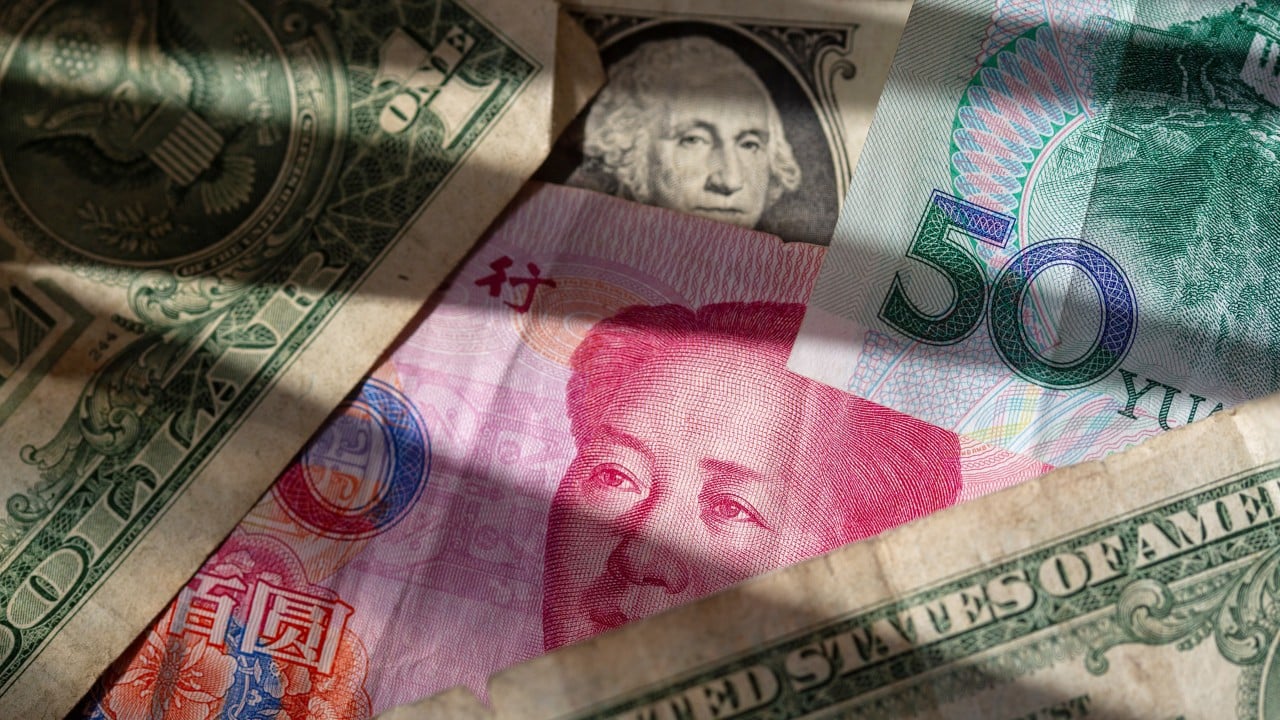
U.S. Policies Pose Greater Threat to Dollar Than China, Experts Warn
Young Diplomat Leads U.S. Shift on Decades-Old European Alliance

US Political Crisis Coincides with Major Global Shifts
Indonesia Considers US Military Access, Sparks Domestic Outcry
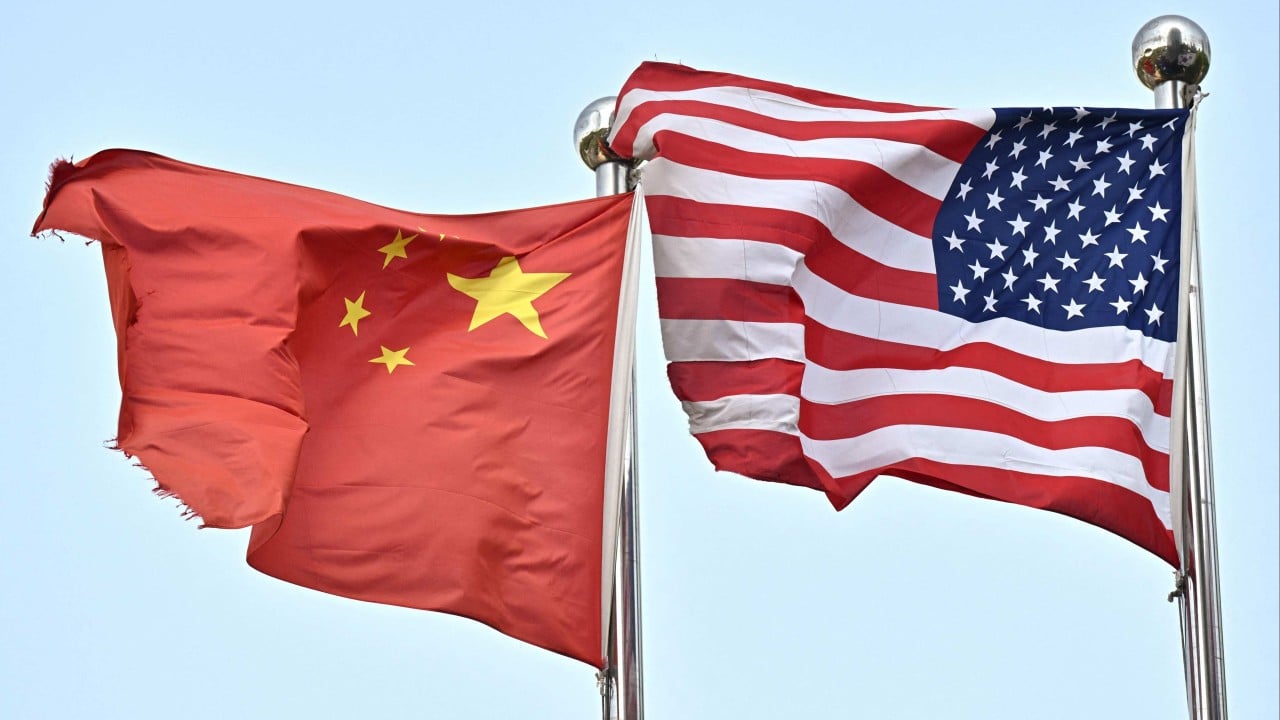
US Pushes New Trade Pact to Counter China's Mineral Dominance
Trump's Fed Pick: Public Servant or Presidential Ally?
U.S. Inflation Could Hit Global Economy for Years, Experts Warn
Australia's New Defense Plan Assumes a Reliable US Ally. Experts Ask: Is That Wise?
Trump's "Jesus" Post Tests Loyalty of MAGA Base
Australia's Budget Chief: Iran Conflict Poses Severe Economic Threat
Aid Cuts Will "Shock" Global Economy, Warns Ex-UK Minister

Who Really Controls the Internet? Indonesia Tests the Limits.

US and China Investment Appeal Plummets Amid Trade War