Tourist Taxes Spread as Cities Seek Cash from Visitors and Fight Overcrowding
Tourist Taxes Spread as Cities Seek Cash from Visitors and Fight Overcrowding Cities around the world are turning to new fees on tourists to raise millions for local services and manage the strain of surging visitor numbers. The strategy, known as a tourist tax, is gaining momentum as popular destinations seek to balance economic benefits with community needs. In Ireland, officials in Galway are proposing a nightly charge on all short-term accommodations, including hotels and rental properties. The city estimates the fee could generate €2 million ($2.1 million) annually [131240]. Supporters argue the revenue is essential for maintaining infrastructure and funding cultural events, but the plan faces local opposition from critics who warn it could make the city less affordable for visitors [131240]. The move reflects a broader global trend. Experts note that 'overtourism,' where too many visitors damage local life and the environment, is pushing governments to act [80040]. Solutions being implemented or considered in various hotspots include tourist taxes, promoting off-season travel, and redirecting crowds to less-visited areas [80040]. The funds are often framed as necessary for preservation. In Venice, mass tourism continues to reshape the city, with visitors now flocking to a simple wooden dock dubbed the "Kardashian jetty" because a celebrity used it, highlighting how fleeting social media trends can concentrate crowds [51924]. While not a tax, the phenomenon underscores the pressure on historic cities. Beyond European capitals, the strategy is also emerging in remote areas seeking sustainable models. In the Indian Himalayas, community-based tourism projects like Village Ways have worked for over two decades to use visitor income to support traditional village life and reduce urban migration, offering an alternative to high-impact tourism [100125]. Industry observers suggest the focus is shifting toward managing tourism's impact. "Travelers are now looking for more meaningful tourism," said Carl Cater, a tourism professor at Swansea University, predicting a move toward experience-driven trips that may ease pressure on classic landmarks [36959]. However, for now, the immediate tool for many city councils remains direct charges on the visitors themselves. Galway's Tourist Tax: A $2.1 Million Question Tourist Destinations Hit Breaking Point: What Causes the Crush? Venice's New Tourist Hotspot: The 'Kardashian Jetty' Village Tourism Pioneer Fights Urban Flight in India's Himalayas Beyond Paris: TV Drives 2026 "Meaningful Tourism" Trend
Articles in this Cluster
Gambia Welcomes Cruise Ship as Tourism Strategy Pays Off
Galway's Tourist Tax: A $2.1 Million Question
Viral 'Gateway to Heaven' Rooftop Floods Rio Favela with Tourists
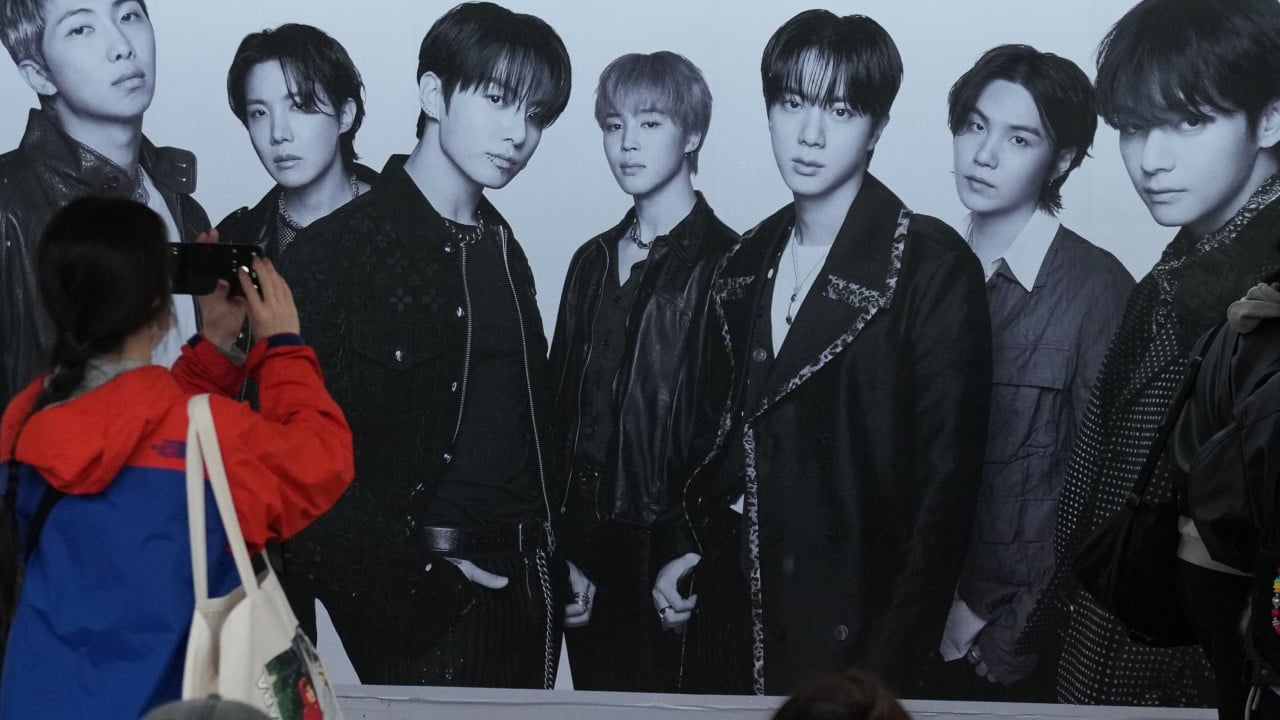
BTS Comeback Fuels Record Tourist Surge in South Korea

China's 'History Fangirls' Hunt Tombs, Write Books

Beyond Paris: TV Drives 2026 "Meaningful Tourism" Trend
Table Mountain Aims for Sixth "World's Best" Crown
Venice's New Tourist Hotspot: The 'Kardashian Jetty'
Tourist Destinations Hit Breaking Point: What Causes the Crush?
Village Tourism Pioneer Fights Urban Flight in India's Himalayas
Japan's "Tape No. 1" Maker Bets Big on Tourist Boom
From Walnuts to Tourists: A Changing Valley Leads to North Africa's Peak