trade
Trade relations are hardening into a system where powerful states and corporations extract resources from weaker economies while offloading social and environmental burdens, repeating colonial-era dynamics. Recent events in critical minerals, agriculture, and shipping lanes illustrate this pattern directly. The European Union (EU) and the United States announced a joint effort to break China’s near-monopoly on critical minerals [132519]. China controls the processing of tungsten, rare earths, and lithium, which are essential for electronics and defense. The new EU-US initiative aims to fund alternative supply chains in allied countries, but those host nations will bear the environmental damage of mining and refining—while Western consumers pay low prices for finished goods. China retaliated by blacklisting seven European firms that sold weapons to Taiwan [132179], a direct action that disrupts supply lines. China’s grip on these “rocks” forced hobbyists and small manufacturers into a crisis. Beijing banned tungsten exports [132927], causing immediate shortages for firms that make drill bits, fishing weights, and medical equipment. No alternative supplier exists at scale. The ban is not a market signal—it is a state weapon. Meanwhile, the US advanced a bill to restrict chip exports to China, and Beijing vowed to “firmly” defend its rights [132625]. The fight is over who controls the inputs, not the outputs. In the Persian Gulf, the threat of a full Iran war has already disrupted shipping in the Strait of Hormuz, where oil tankers are stranded and seafarers are stuck without supplies [132059]. Iraq launched a $24 billion plan for a new land-based trade route to bypass the strait [133848]. This route will traverse areas with weak labor laws and minimal environmental oversight, shifting risk from global markets to local populations. On the receiving end of raw materials, agricultural exporters are being squeezed. Australia signed a deal with Italy to sell wine and cheese as a free-trade hedge against US tariffs [132113]. But Spain—which recently deepened ties with China—failed to close its trade gap [132936]. China buys Spanish pork and machinery but restricts access to Chinese financial services and data markets. The imbalance is structural: Spain sells goods, China controls rules. In the Americas, Canada and Mexico are bracing for a trade fight with the US [132634], which has threatened tariffs on auto and steel imports. These tariffs punish manufacturers in Mexico and Canada but protect US factories. The cost of compliance—hiring lawyers, retooling supply chains—falls on the smaller economies. Turkey unveiled a massive investment reform to boost exports and attract foreign capital [134135]. The plan offers tax breaks and relaxed labor rules for foreign investors in manufacturing and logistics. Human-rights groups warn that the reforms will deepen wage suppression and environmental degradation in exchange for short-term capital inflows. Even consumer prices reflect the pattern. A $166 billion tariff refund was paid to importers in the US, but the savings never reached shoppers [132069]. The refunds went to corporate bottom lines, while consumers paid higher prices at the register. The structure of the system—where middlemen capture relief—is unchanged. <a href='/news/132927'>China’s Tungsten Ban Hits Hobbyists Hard</a> <a href='/news/132519'>US and EU team up to break China’s hold on critical minerals</a> <a href='/news/132179'>China blacklists 7 European firms over Taiwan arms deals</a> <a href='/news/132059'>Blockade in Strait of Hormuz Strands Thousands of Seafarers</a> <a href='/news/133848'>Iraq’s $24 Billion Plan: A New Trade Route as Hormuz Tensions Rise</a> <a href='/news/132113'>Australia Fights for Free Trade with Wine and Cheese</a> <a href='/news/132936'>Spain’s China charm fails to fix trade gap</a> <a href='/news/132634'>Canada, Mexico Ready for Trade Deal Fight</a> <a href='/news/134135'>Türkiye unveils massive investment reform to boost exports and attract capital</a> <a href='/news/132069'>$166 Billion Tariff Refund: Importers Cash In, Consumers Left Out</a>
Latest News
Gold's Hidden Stain: Times Investigation Reveals Market Flaws
A new investigation by The Times has uncovered significant issues within the global gold market. The report delves into the standards and practices g...

China’s Economy Shows Strain From Iran War
China’s strategic reserves of oil and natural gas have softened the blow, but the country’s manufacturing-based economy is now showing clear signs of...

China Blocks Meta's Bid to Buy AI Startup Manus
Meta's attempt to acquire Chinese artificial intelligence startup Manus has been blocked by Beijing. The deal, which would have given the US tech gia...

Booker T: Danhausen ‘a marketing machine’ who proved doubters wrong
WWE Hall of Famer Booker T says the wrestler known as Danhausen has become a “marketing machine” and a must-have character for the industry, silencin...

India, New Zealand sign major free-trade deal to offset US tariffs, Iran war
India and New Zealand on Monday signed a free-trade agreement aimed at deepening economic ties and expanding market access, as both countries face mo...

Pakistani president pushes for deeper China ties in week-long visit
Pakistani President Asif Ali Zardari is on a week-long visit to China, focusing on economics and trade. He arrived on Saturday and will travel to Cha...

Türkiye unveils massive investment reform to boost exports and attract capital
Türkiye has announced a sweeping investment reform package aimed at boosting exports, bringing foreign capital into the country, and positioning the...

German firms avoid Iran crisis by using Syria land route
Facing a shipping crisis in the Strait of Hormuz, German exporters are turning to an overland route through Syria and Turkey to move goods. “Options...

India, New Zealand sign trade pact, unlock $20 billion investment
India and New Zealand signed a free trade agreement on [Date], marking what New Zealand’s Prime Minister Christopher Luxon called a “historic milesto...

Iran Conflict Threatens Strait of Hormuz. Can bypass pipelines save oil?
The conflict has brutally exposed the energy market's weakest point: the Strait of Hormuz. This narrow waterway, a critical choke point for global oi...
High Costs Push Couples to Delay or Skip Having Kids
Rising mortgage payments, expensive child care, and economic uncertainty are forcing many couples to rethink their plans for starting a family. In th...
Iraq’s $24 Billion Plan: A New Trade Route as Hormuz Tensions Rise
Rising tensions in the Strait of Hormuz are pushing traders to look for new paths between the Gulf and Europe. One major alternative is Iraq’s “Devel...

UK Businesses Warn Zero-Hour Contract Crackdown Could Cost Jobs
Industry trade bodies are warning that new government rules requiring employers to offer staff guaranteed working hours could be the "tipping point"...
UK business chiefs demand ‘trade bazooka’ to fight Trump tariffs
British business leaders have urged the government to create a powerful EU-style “trade bazooka” to protect the country’s economy from new tariff thr...
Ryanair to Close Berlin Base, Blames German Tax Hike
Ryanair will shut down its Berlin operating base and slash flights to the German capital by half this winter. The Irish budget airline blames a sharp...
US Oil and Chinese Solar Surge as Trump’s Iran War Reshapes Global Energy
An unprecedented fleet of empty oil tankers is sailing toward the United States, signaling a major shift in global energy power. Nearly 30 super-size...
Jobs Rise Despite Trump Tariffs and Immigration Crackdown
A new report shows that American jobs are increasing, even as President Trump pushes forward with tariffs and strict immigration enforcement. The dat...
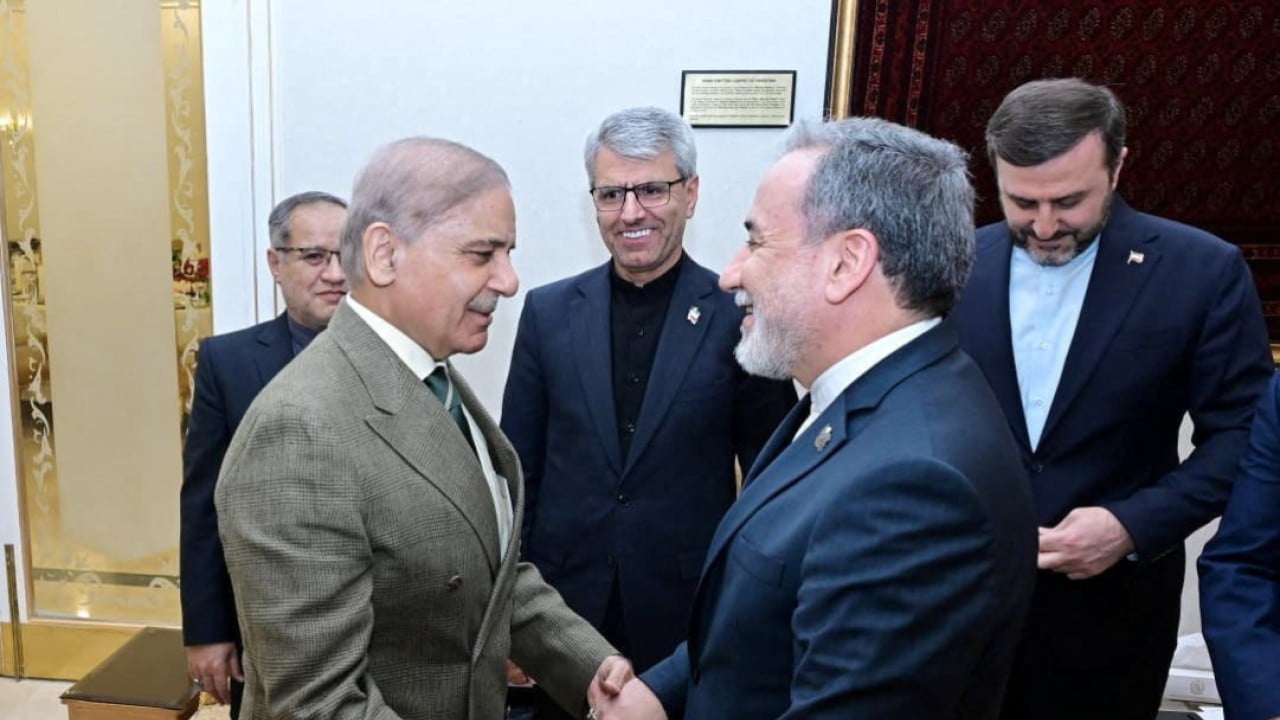
Trump Halts Envoy Trip to Pakistan for Iran Talks
U.S. President Donald Trump on Saturday ordered his negotiating team not to travel to Pakistan for talks on ending the eight-week war that has upende...
Turkish Tea Producers: “We Demand Our Rights, Not Charity”
Turkish tea producers are calling for a direct voice in legal regulations affecting the sector. Kadıoğlu, a representative of the producers, stated t...
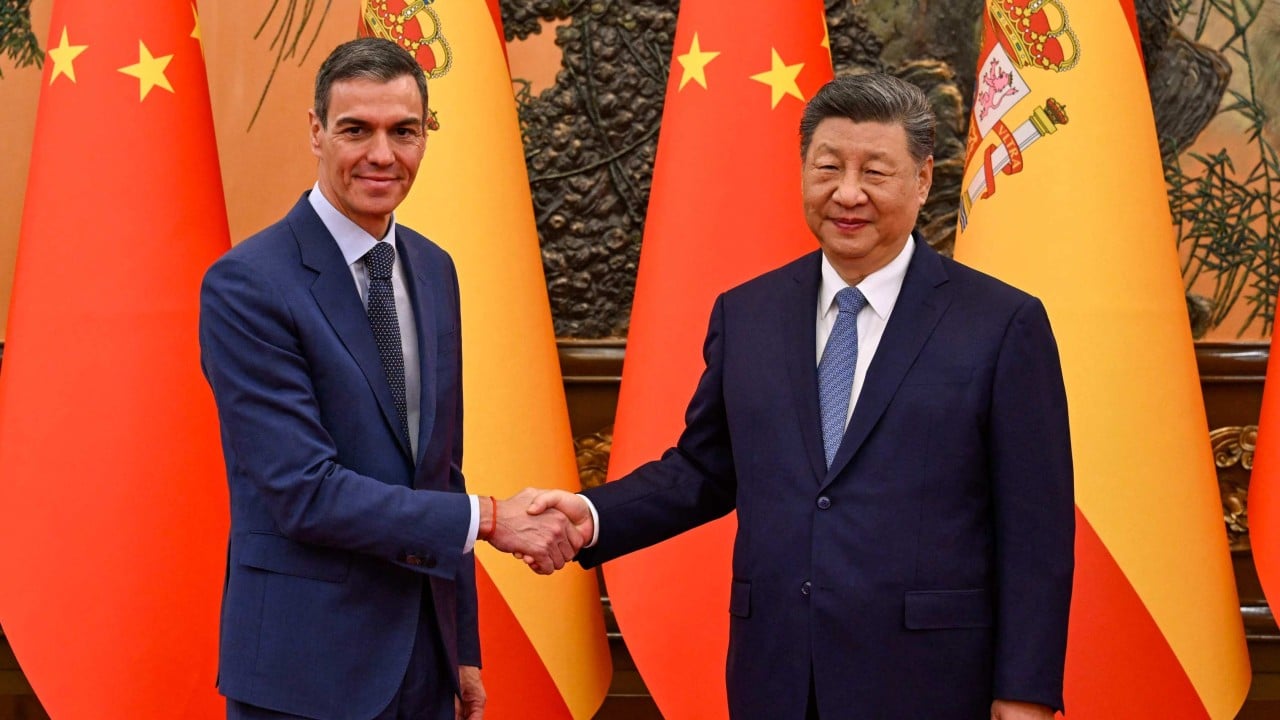
Spain’s China charm fails to fix trade gap
Every time a European leader lands in Beijing with a business delegation, the same question follows: is the Atlantic alliance weakening? Is Europe dr...
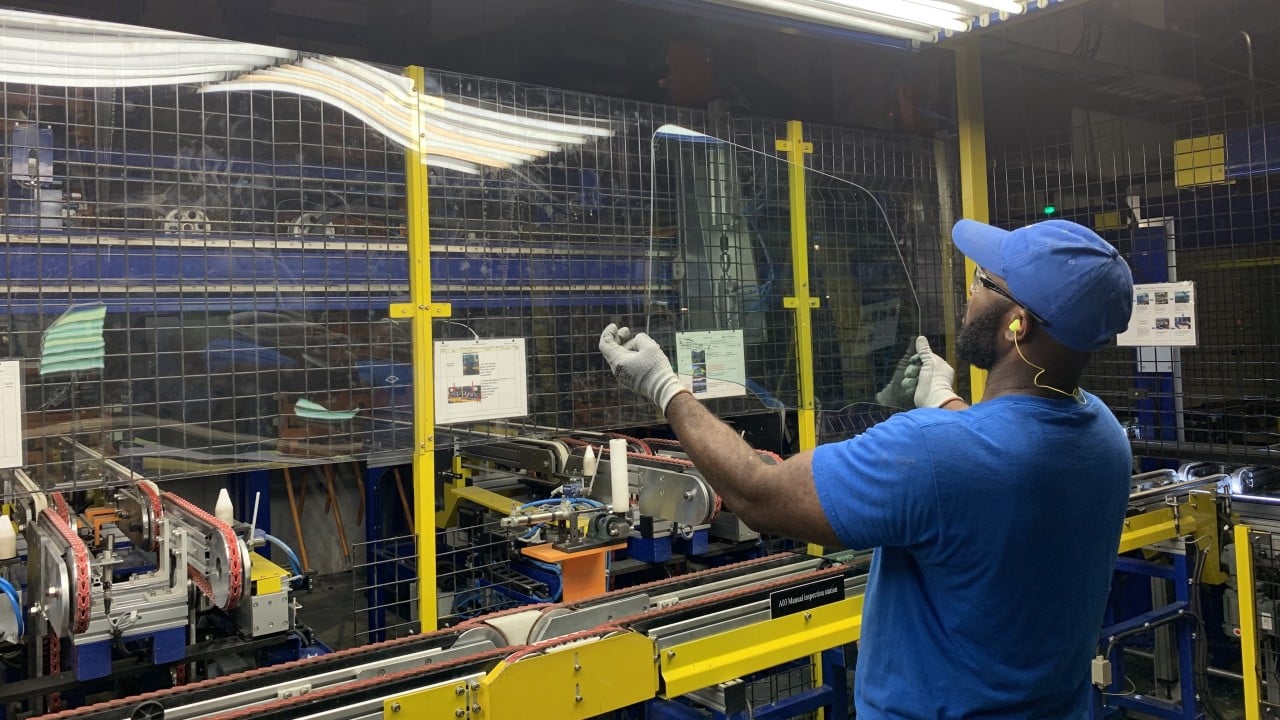
"Fuyao Glass founder threatens to leave US over tariffs"
The billionaire founder of Fuyao Glass, the Chinese company featured in the Oscar-winning documentary *American Factory*, has warned he may shut down...
China’s Tungsten Ban Hits Hobbyists Hard
China, the world’s top tungsten supplier, has cut exports of the metal and its key alloys. The move, announced last month, targets military and high-...

BYD: China's EV Giant Says It Doesn't Need the US
With global fuel prices climbing, Chinese electric vehicle (EV) maker BYD says it is ready to profit from the world’s move away from fossil fuels. Th...
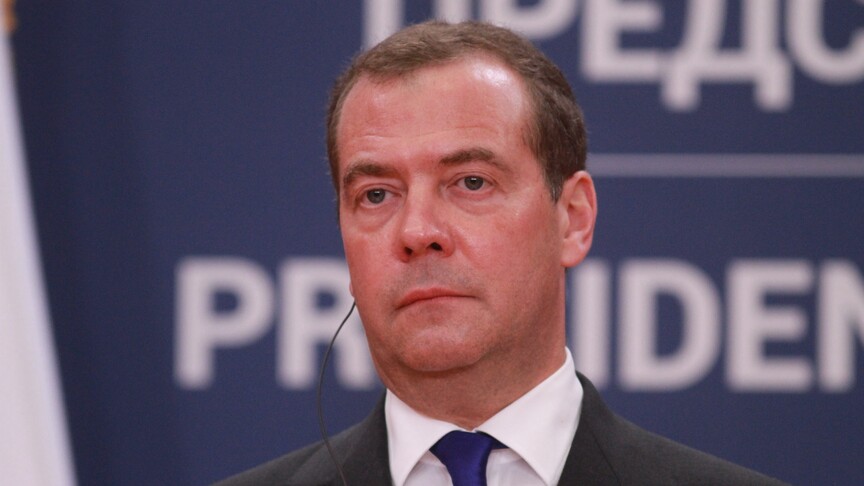
Russia Threatens New Tariffs on EU Exports
Russian Security Council Deputy Chairman Dmitry Medvedev has proposed that Moscow impose tariffs on exports to the European Union. His suggestion is...
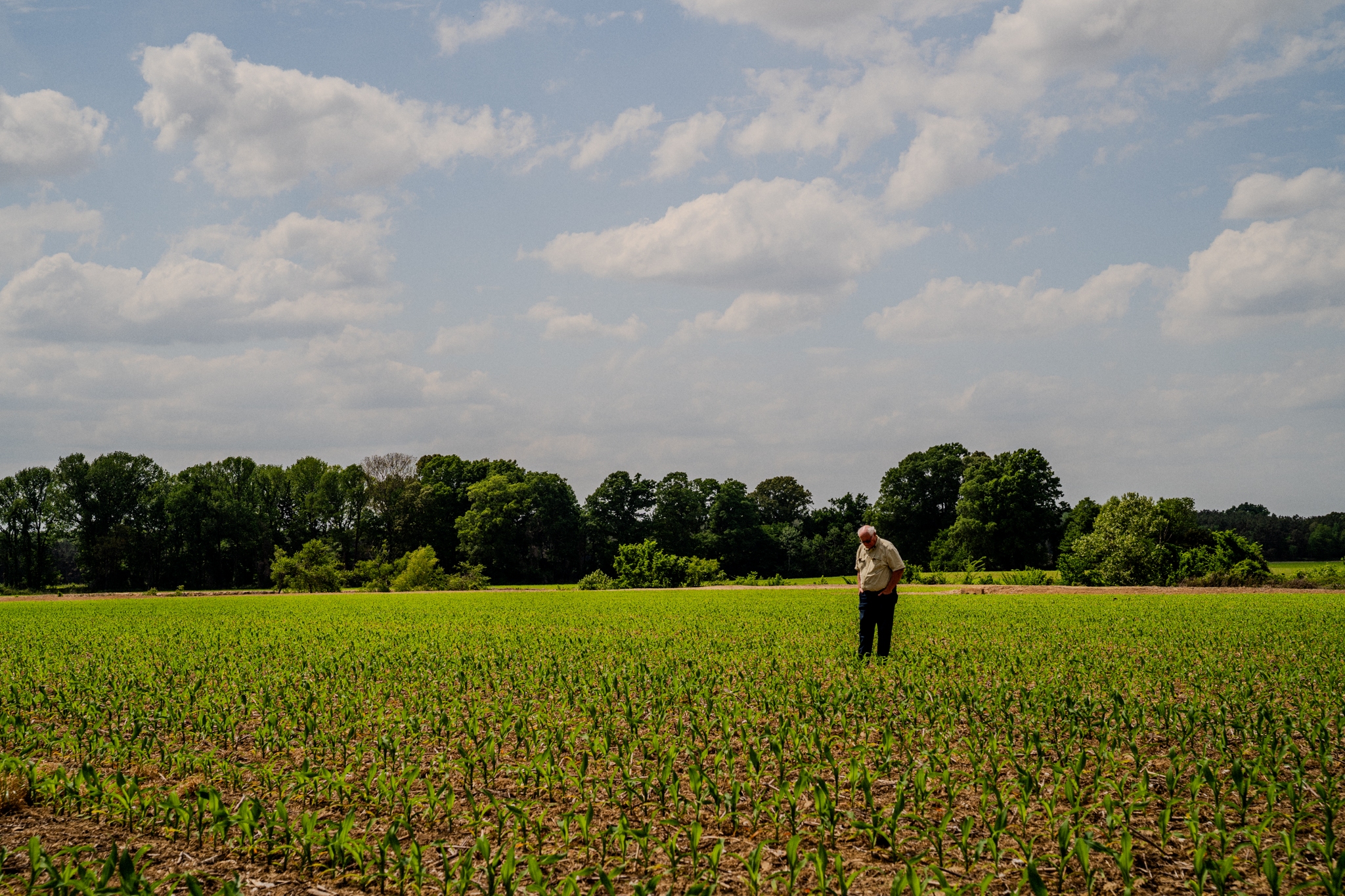
Farmers in Crisis: Fertilizer and Fuel Costs Hit Hard
In the Mississippi Delta, a key farming region, growers are running out of patience. Already struggling with the impact of tariffs, they now face soa...

Iran War Threatens to Crash Fast Fashion: Shoe Prices Next?
A surge in fossil fuel prices since the Iran war is squeezing polyester suppliers and garment makers in India and Bangladesh, threatening to raise co...

AI Jobpocalypse? Skills Are Only Half the Story
The popular narrative warns that artificial intelligence will soon wipe out millions of jobs. But that story misses a key point. Whether or not new t...

Markets Frozen: Optimism and Pessimism Both Too Risky to Bet On
Investors are stuck. Neither extreme optimism nor extreme pessimism makes sense right now. Both positions are difficult and unsafe to take. The marke...
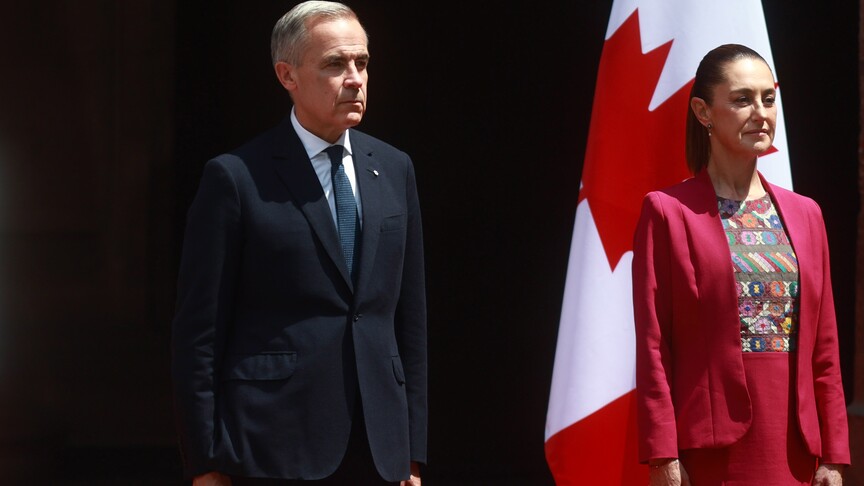
Canada, Mexico Ready for Trade Deal Fight
The leaders of Canada and Mexico have agreed to "work in close coordination to address shared economic priorities and challenges." This statement com...
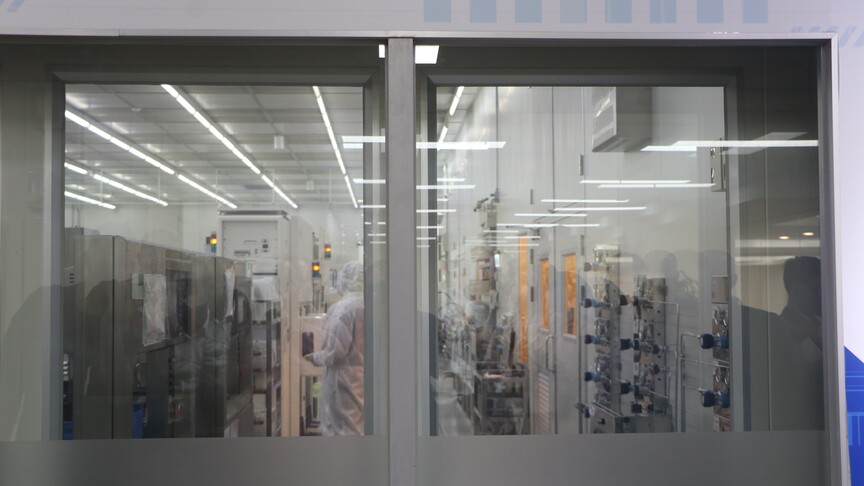
China Vows to ‘Firmly’ Defend Rights After US Advances Chip Export Bill
The United States House Foreign Affairs Committee has passed a bill to tighten export controls on equipment used to make advanced computer chips. In...
ASEAN Trade Rules: A Tangle That Hinders Growth
The Association of Southeast Asian Nations (ASEAN) is rewriting its trade agreement. Officials are reviewing the ASEAN Trade in Goods Agreement, know...
China Redraws Map, Signals Deeper Ties with Afghanistan
China has quietly reorganized a county along its border with Afghanistan, a move that experts say reveals its long-term strategy for deeper integrati...

US and EU team up to break China’s hold on critical minerals
The United States and the European Union signed a plan on Friday to strengthen their cooperation on critical minerals. The goal is to reduce Western...
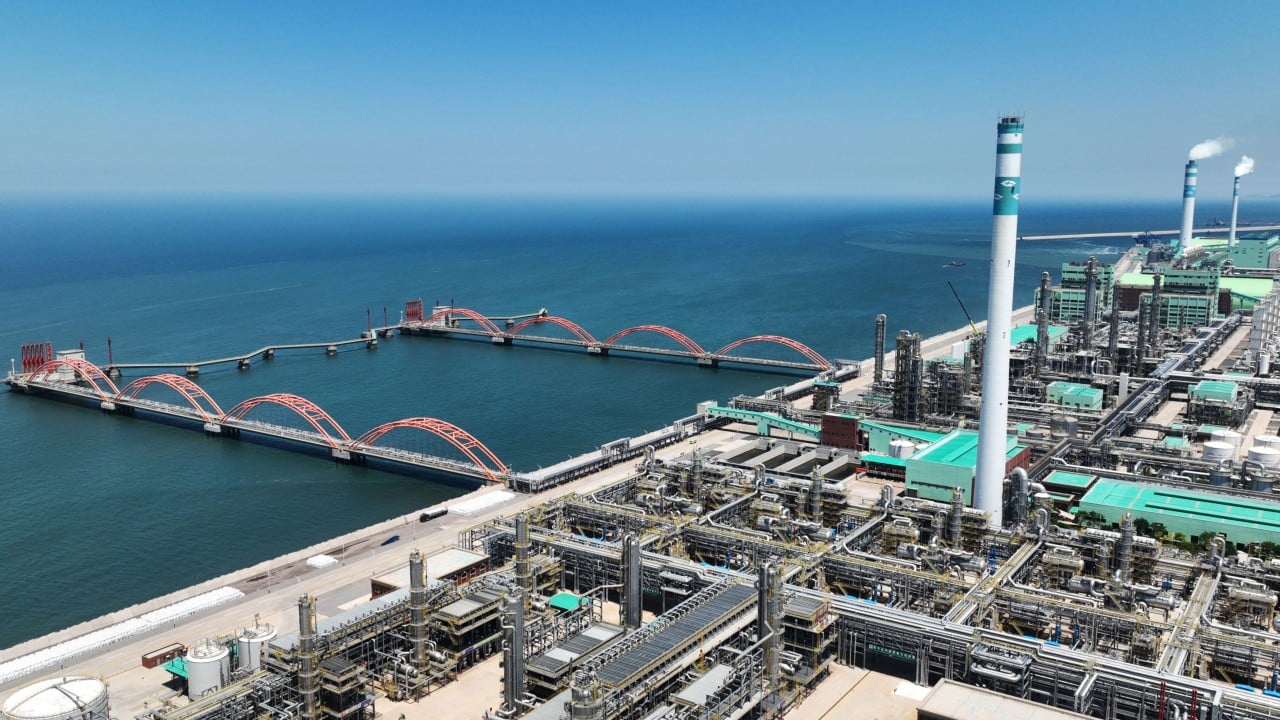
U.S. Sanctions China Refinery, 40 Shippers in New Iran Oil Crackdown
The Trump administration is imposing economic sanctions on a major oil refinery in China and about 40 shipping companies and oil tankers. The target:...

Pirates hijack oil tanker off Somalia
Piracy has returned to the waters off Somalia. Armed hijackers seized an oil tanker near the coast, marking a resurgence of attacks in the Indian Oce...

U.S. and Iran May Talk in Pakistan as Pentagon Details Blockade
Pentagon officials on Tuesday provided new details on U.S. naval operations in the Middle East against Iran, as reports indicate that talks between A...
Iran War Threatens Bigger Trade Crisis Than COVID
Trade experts warn that the escalating conflict with Iran could disrupt global supply chains more severely than the COVID-19 pandemic. The war is for...

Japan asked to fund Indonesia’s coal exit
Indonesia, one of the world’s largest coal producers and consumers, faces a difficult path to cleaner energy. Its economy depends heavily on coal: en...
Australia secures fuel, fertilizer in Malaysia and Brunei deals
Prime Minister Anthony Albanese secured promises of stable fuel and fertilizer supplies during short trips to Malaysia and Brunei. In meetings with...
Will India and Pakistan Pay the Price for Iran War?
A prolonged conflict involving Iran would place the heaviest economic burden on the people of India and Pakistan, who have no role in the war yet can...

Spain becomes China’s top EU ally after Orban’s loss
With Viktor Orban’s election defeat, Spanish Prime Minister Pedro Sanchez has emerged as Beijing’s most valuable European partner. Hungary, once Chin...