Latest News
Stay updated with the latest news and articles
Top Stories
Climate Crisis Triggers First Official Relocations as 280 Tuvaluans Head to Australia
Climate Crisis Triggers First Official Relocations as 280 Tuvaluans Head to Australia A landmark migration program has begun, with the first citizens of Tuvalu arriving in Australia as officially recognized climate refugees. The new visa pathway, which permits up to 280 Tuvaluans to relocate annually, responds directly to the existential threat rising sea levels pose to the low-lying Pacific island nation [25540][10674]. The policy, part of a broader bilateral agreement, grants permanent residency rights and a clear path to Australian citizenship. It is designed as a long-term solution for a population whose homeland is becoming increasingly uninhabitable due to coastal erosion and flooding [25540][10674]. Experts warn that climate-induced environmental changes could render parts of Tuvalu unlivable within decades. The organized relocation effort marks a significant moment in global responses to climate displacement, moving from theoretical discussions to concrete action [25540]. While the program offers a lifeline, it also underscores the stark reality facing vulnerable island nations. The arrival of the first group under this special visa establishes a formal framework for climate migration, setting a precedent that other countries may follow as environmental pressures mount [10674]. Tuvalu Citizens Arrive in Australia as First Official Climate Migrants Australia Opens Special Visa Pathway for Climate-Affected Tuvaluans


Trump Revives Bid to Buy Greenland, Using Tariffs and Pressure at Davos
Trump Revives Bid to Buy Greenland, Using Tariffs and Pressure at Davos Former President Donald Trump has renewed his controversial push for the United States to purchase Greenland, combining public pressure at a global economic forum with threats of tariffs against Denmark. Speaking at the World Economic Forum in Davos, Switzerland, Trump publicly questioned the value of the North Atlantic Treaty Organization (NATO) and stated the U.S. should be allowed to acquire the autonomous Arctic island [55297]. He told attendees he does not want to use force but called for immediate negotiations to buy the territory [55327]. This public proposition follows a strategy that includes reported cash offers to Greenlanders, threats of tariffs against Denmark, and a refusal to rule out using military force [50444]. When Denmark previously rejected his interest, Trump called the response "nasty" and postponed a state visit [50444]. Experts see the effort as an attempt to apply high-pressure real estate tactics to international diplomacy [87536]. However, analysts say the approach is failing. The governments of both Greenland and Denmark have consistently and firmly stated the island is not for sale [50444][52669]. "Greenland is not for sale. Its government and people have repeatedly rejected the idea," one analysis noted, adding that tariff threats are a weak tool that could strengthen local resistance rather than force a deal [52669]. The island is of growing strategic importance due to its Arctic location, which holds value for shipping lanes and natural resources [50444]. Trump's focus on the acquisition during a major speech, alongside criticism of NATO allies for insufficient defense spending, marked a sharp departure from traditional "soft power" diplomacy [55327]. Historians have compared the territorial pursuit to 19th-century imperial behaviors, warning that such intense rivalry and expansion have historically led to conflict [58552]. Trump at Davos: Questions NATO, Wants to Buy Greenland Trump Eyes Greenland: Cash, Threats, and Military Force Trump at Davos: Skips Soft Power, Targets Greenland and NATO Allies Trump's Tariff Plan Fails to "Capture" Greenland Trump's 'New Imperialism': Land Grabs and a Rejected World Order Iran Won't Fold: Why Trump's Real Estate Tactics Fail on World Stage

Farmers Block Highways, Demand Guarantees as U.S. Trade Deal Threatens Livelihoods
Farmers Block Highways, Demand Guarantees as U.S. Trade Deal Threatens Livelihoods A wave of protests has swept across India as farmers and trade unions mobilize against a new trade agreement with the United States, fearing the pact will flood the market with cheap imports and devastate local agriculture [75183]. The nationwide strike saw farmers block major roads and railway lines, bringing traffic to a standstill in several regions [75183]. The core of their anger is a deal announced following talks between Indian Prime Minister Narendra Modi and former U.S. President Donald Trump, which protesters believe will lower tariffs on American farm goods [73750]. Farmers are specifically worried the agreement could undermine India's Minimum Support Price (MSP) system, a government mechanism that buys key staples like wheat and rice at guaranteed prices [73750]. They fear the trade terms may force India to reduce these supports or allow a surge of imports, crashing their incomes [73750]. "We don't trust the safeguards they promise," said one protest leader, referring to government assurances. "This deal is for American corporations, not for us" [75183]. In response to the escalating protests, which have included tractor blockades on highways leading into the capital, New Delhi, police have significantly increased security at the city's border points [73750]. The government maintains that the MSP system remains protected and that negotiations with farmer unions are ongoing [73750]. The unrest presents a major political challenge for Prime Minister Modi. While the agreement is viewed as a diplomatic victory for strengthening ties with Washington, the farming community represents a massive and crucial voting bloc in India [73750]. The government now faces intense pressure to reconcile its international trade ambitions with the need for domestic economic stability [73750]. Indian Farmers Strike, Fearing U.S. Trade Deal Will Flood Market India's Farmers Protest as Modi-Trump Trade Pact Threatens Key Crop Prices
U.S. Forces Capture Venezuelan President Maduro in Military Strike, Plan to "Run" Country
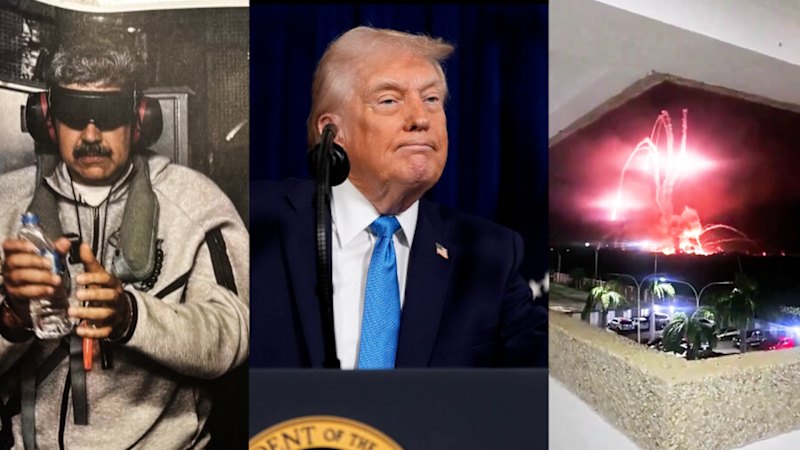
U.S. Forces Capture Venezuelan President Maduro in Military Strike, Plan to "Run" Country U.S. military forces have captured Venezuelan President Nicolás Maduro and his wife, Cilia Flores, in a direct military operation on Venezuelan soil, marking an unprecedented escalation in the long-standing political crisis [40668][40970][41088]. The strike, which former U.S. President Donald Trump described as a "large-scale" operation, occurred overnight on Saturday [40942][41088]. Following the capture, Trump announced that the United States intends to "run" Venezuela, suggesting a move toward direct American control of the South American nation [41055][42114]. He stated a key goal is to "take back the oil," referring to Venezuela's vast proven crude reserves, the largest in the world [40871][41227][41525]. Maduro and his wife were reportedly flown out of the country and are now in U.S. custody [40921][40970]. They face criminal charges in a New York court, including accusations of "narco-terrorism" and running a "narco terrorist organisation" [40942][40970]. U.S. officials have long labeled Maduro's government as illegitimate, accusing it of corruption, human rights abuses, and ties to drug cartels [40668][41136][40970]. The operation has created an immediate leadership vacuum and deep uncertainty for Venezuela's 30 million people [41136][42114]. No clear successor has been named, and it is unclear who is currently governing the country [40970][41136]. The Venezuelan government and military have not issued an immediate public response [40668][41379]. The capture of a sitting head of state by a foreign military is a rare event in modern history and is expected to trigger a major political crisis and intense international debate over sovereignty and international law [40668][40737][40942]. U.S. Forces Capture Venezuelan President in Military Strike Venezuela Leader Ousted in U.S. Strike, Faces Charges in New York US Strikes Venezuela, Captures President Maduro U.S. Captures Venezuela's President in Secret Operation U.S. Forces Capture Venezuelan President Nicolás Maduro US Strikes Venezuela, Abducts President Maduro US Captures Venezuelan President in "Large-Scale Strike" U.S. Military Strike Captures Venezuelan Leader Maduro U.S. Captures Maduro: What Now for Venezuela? US Seizes Venezuelan President, Vows to "Run" Country and "Take Back the Oil" U.S. Claims Capture of Venezuelan Leader in Military Strike U.S. Strikes Venezuela, Captures President Maduro US Captures Venezuelan President in Military Strike U.S. Strikes Venezuela, Captures President Maduro Venezuelan President Captured in U.S. Military Raid
AI and Robots Take on the World: From Bomb Hunting to Nature Patrols
AI and Robots Take on the World: From Bomb Hunting to Nature Patrols A wave of artificial intelligence and advanced robotics is moving out of labs and into the real world, tackling dangerous and complex jobs from war zones to wetlands. Governments and researchers are deploying these systems to perform tasks that are risky, tedious, or require superhuman precision, signaling a major shift in how technology is being applied to global challenges. In the United Kingdom, new drones equipped with AI software are being tested to find hidden landmines and explosives from the air. The system scans the ground to automatically identify threats, allowing military teams to survey large, dangerous areas quickly from a safe distance, a process that currently often requires soldiers to check on foot [118535]. A successful trial has shown the technology works and could significantly reduce risks during clearance operations. Halfway across the world, Hong Kong is using similar technology for environmental protection. The city’s Environmental Protection Department is testing AI-powered cameras to automatically identify bird species and a laser-scanning robot, which resembles a robotic dog, to map forests [47560]. The robot moves through wooded areas, firing safe laser pulses to create detailed 3D maps that measure tree health, size, and location. Officials say these tools eliminate human error from wildlife surveys, providing critical data to help balance major new infrastructure projects with conservation. The underlying science enabling some of these advances is emerging from specialized labs. Scientists are making breakthroughs by using imperfect diamonds, deliberately flawed at the atomic level, to build ultra-sensitive quantum sensors [37022]. These sensors could one day detect minute magnetic fields from a single brain cell and are a cornerstone for next-generation quantum technologies. Meanwhile, the push for more autonomous systems continues. A German firm, SWARM Biotactics, is developing "biohybrid" technology, fitting cockroaches with tiny electronic backpacks that allow them to be remotely controlled for reconnaissance in areas difficult for humans or robots to reach [26214]. The integration of AI is also transforming entertainment and sports analysis. A new broadcasting technology that uses AI to generate 3D models from standard footage debuted at the Winter Olympics, creating "orbiting" replays that showed figure skating jumps from impossible, rotating angles [82096]. The same system aids officials with judging and creates content for social media. These developments illustrate a clear trend: AI and robotics are no longer just concepts but are actively being deployed to scan, map, hunt, and sense, taking on some of the world's most demanding physical jobs. AI Drones Hunt Landmines: UK Tests Life-Saving Tech Hong Kong Deploys AI Robot Dogs to Scan for Wildlife Imperfect Diamonds: The New Heart of a Quantum Revolution Spy Roaches: German Firm Turns Insects into Tiny Agents AI Replay Tech Makes Olympic Jumps Spin on Screen


Dramatic Late Goals and Upsets Define Opening of Africa's Premier Football Tournament
Dramatic Late Goals and Upsets Define Opening of Africa's Premier Football Tournament The Africa Cup of Nations (AFCON) kicked off this weekend in Ivory Coast, immediately delivering the drama and unpredictability for which the continental championship is famous. The opening matches were marked by last-minute equalizers, surprising results, and a showcase of the tournament's intense competitive spirit [32394] [40057]. In the tournament's opening Group A match, Zambia's Patson Daka scored a spectacular diving header in the 92nd minute to snatch a 1-1 draw against Mali. Mali had dominated the game and seemed certain to claim all three points before Daka's dramatic stoppage-time intervention changed the result at the final whistle [32394]. The tournament, football's premier competition in Africa, features the continent's best national teams battling for the title [32394] [40057]. As the group stage progresses, the stakes continue to rise. Some matches, however, carry different weight. In one upcoming final group game, defending champion Ivory Coast, having already qualified for the next round, will face an already-eliminated Gabon. While the result cannot change the standings, officials note the match is still required by tournament rules and will be played, offering a chance for squad rotation and a final show of pride [38697]. The opening weekend of action sets the stage for a month of high-stakes football, with teams now jockeying for position in the knockout rounds [40057]. Daka's Last-Minute Header Stuns Mali in AFCON Opener Sports Weekend: Darts Final, Cricket, and Africa's Cup Kick Off AFCON Finale: Why Play a Game That Doesn't Matter?

From Arctic Beats to Syrian Stitches: How Indigenous and Traditional Cultures Are Fighting to Survive and Thrive
From Arctic Beats to Syrian Stitches: How Indigenous and Traditional Cultures Are Fighting to Survive and Thrive From the remote Arctic to war-torn cities, communities worldwide are leveraging their unique cultural heritage as a powerful tool for identity, resilience, and even economic opportunity in the face of globalization and modernization. In Norway’s far north, the Sámi DJ duo Article 3 is building a successful music career by blending modern electronic beats with traditional Sámi rhythmic singing, known as joik [79759]. Their sound, born in the Indigenous Sápmi region, meets a growing global appetite for authentic Indigenous culture in club music, turning their remote homeland into a creative advantage. Meanwhile, in Syria, the ancient craft of embroidery is being recognized as a vital, living symbol of cultural identity that has endured through years of conflict. Researcher Heike Weber emphasized that this intangible heritage has survived widespread physical destruction, acting as a deeply rooted form of expression passed through generations [47200]. Similarly, the Circassian community in Syria has maintained its distinct language and customs for over a century while fully integrating into Syrian society, serving as a model of cultural preservation [36001]. This push to safeguard and promote heritage is also taking formal, institutional routes. In Malaysia, the annual Chingay parade—a vibrant spectacle featuring performers balancing towering flagpoles on their chins—is at the heart of a joint Malaysia-Singapore bid for UNESCO Intangible Cultural Heritage status. Organizers believe the recognition would protect and promote the unique century-old art form [31985]. The trend underscores a global movement where cultural expression is not merely for display but is a crucial site of identity and continuity. As seen in Ukraine, where a new playlist of ancient Christmas carols carries subtle messages of resistance and national identity, these traditions offer a direct link to history and a resilient spirit for the present [32337]. Remote DJs Rise with Sámi Sound, Fueling Indigenous Pride Syrian Embroidery Survives War, Defines Identity Syria's North Caucasus Legacy: The Circassians' Enduring Identity Malaysia's Chin-Balancing Spectacle Aims for UNESCO Glory Ukrainian Christmas Carols: Ancient Sounds of Defiance and Hope


China's Neck-Hanging Fitness Craze Risks Paralysis, Doctors Warn
China's Neck-Hanging Fitness Craze Risks Paralysis, Doctors Warn A dangerous viral fitness trend where young people hang by their necks from trees is causing alarm among medical professionals in China, who warn it can lead to severe spinal injuries, paralysis, and even stroke [122710]. The practice, known as "neck-hanging exercise," involves individuals suspending their full body weight from tree branches using their head and neck. Participants attempt to self-administer cervical traction, a professional medical therapy for neck pain, without any supervision or controlled equipment [122710]. Doctors state the trend is a reckless response to a significant rise in cervical spine disorders. An official 2024 health report cited in state media indicates over 200 million people in China suffer from such conditions, with more than 40% of patients under the age of 30 [122710]. Medical experts uniformly condemn the activity, explaining that professional cervical traction applies precise, measured force. The uncontrolled weight-bearing of the DIY version can overstretch and permanently damage spinal ligaments, displace vertebrae, and pinch critical nerves and blood vessels, with catastrophic outcomes [122710]. Despite the urgent warnings from health authorities, videos and posts promoting the "neck-hanging" trend continue to circulate and gain popularity on social media platforms [122710]. Dangerous "Neck-Hanging" Trend Alarms Doctors in China

U.S. Forces Capture Venezuelan President Maduro in Shock Raid, Sparking Regional Upheaval
U.S. Forces Capture Venezuelan President Maduro in Shock Raid, Sparking Regional Upheaval U.S. military forces conducted a surprise operation in Caracas on Saturday, capturing Venezuelan President Nicolás Maduro and his wife, who now face drug trafficking charges in a New York courtroom [41880]. The dramatic seizure of a sitting head of state has sent shockwaves across Latin America, violently reviving a pattern of U.S. intervention and forcing a continent-wide reckoning over sovereignty and power [41465][47126]. President Donald Trump announced the capture, stating the U.S. would run Venezuela's government but offering no timeline for new elections [41460]. The operation, described by analysts as an unprecedented act of "extraterritorial apprehension," involved taking Maduro from Venezuelan territory without the host country's consent [47297]. The immediate reaction from regional governments has been deeply divided. Nations historically critical of Maduro, including Colombia and Brazil, have offered cautious support for the action [47297]. Others, such as Mexico and Bolivia, have issued strong condemnations, calling it a blatant violation of international law and national sovereignty [47297][47126]. Beneath the public split, however, a private fear is unifying leaders across the political spectrum: the worry that their nation could be next [47126][47297]. Analysts report that capitals throughout the region are conducting urgent internal reviews to assess their own vulnerability to similar foreign interventions [47297]. The United Nations Security Council has scheduled an emergency meeting at Venezuela's request to address the incident [41880]. Experts warn the aggressive move represents a forceful revival of the Monroe Doctrine, the long-standing U.S. policy of opposing foreign influence in the Americas [41460]. It is also seen as a direct challenge to China, which has built deep economic ties as a leading trader and lender to many South American nations in recent years [41460][45747]. The capture creates a major test for Beijing's diplomatic and economic partnerships in the region [41460]. The long-term consequences remain uncertain. The action sets a stark precedent for direct foreign intervention, fundamentally altering the political landscape and creating an atmosphere of heightened tension and suspicion across Latin America [47126][47297]. U.S. Capture of Venezuela's Maduro Sends Shockwaves Through Latin America U.S. Capture of Maduro Sends Shockwave Through Latin America U.S. Captures Venezuela's Leader, Challenging China's Regional Reach Venezuela's President Seized by U.S., Faces Court in New York Trump Revives US Habit of Ousting Latin American Leaders
World Braces for Economic Warfare as Top Global Threat in 2026
World Braces for Economic Warfare as Top Global Threat in 2026 A new report from the World Economic Forum (WEF) has identified "geoeconomic warfare" as the most severe and immediate danger to global stability in the coming years [49991]. The warning highlights a world where nations are increasingly weaponizing trade, supply chains, and investment in their strategic rivalries, creating a volatile environment that threatens international economic growth [49991]. The WEF's latest Global Risks Report places economic confrontation between states above all other global dangers for the next two years [49991]. This shift marks a significant change in the international landscape, where geopolitical competition is directly driving economic policy [49991]. The short-term global outlook is now dominated by three interconnected threats: intense geopolitical rivalry, the rapid spread of misinformation, and severe social and political polarization [49991]. According to the report, these forces are combining to create a precarious situation where countries prioritize economic tools as instruments of national power [49991]. The findings come amid broader recognition of a significant transformation in the international order [54213]. While deep economic interdependence between nations persists, making a full-scale reversal of globalization unlikely, the rise of geoeconomic tactics represents a major fracture in how countries interact [6971]. The WEF's analysis will be a central topic at its annual meeting in Davos, Switzerland, next week [49991]. Geoeconomic Warfare Named Top Global Threat for 2026 Trump's Plan to Remake the World Order Begins Globalization Shifts, But It Doesn't Reverse
Latest Articles
Texas Teacher Charged for Faking Stabbing, Locking Down School
A Texas high school teacher has been charged with a felony after police say she staged a violent hoax. Nicole Truelove, a teacher at Splendora High...

NYC's Crown Jewels: Met Museum Sends 4,000 Years of Glitter to Hong Kong
The Metropolitan Museum of Art is sending its jewels to Asia. For the first time, the famous New York museum is touring a major part of its jewellery...

China's AI "World Models" Race Ahead on Industrial Data, Says Executive
A Chinese AI executive claims China holds key advantages over the United States in developing advanced "world models." These models are AI systems t...

Japan Shifts Military Funds: Drones to Replace Attack Helicopters
Japan's new defense budget includes a major shift from manned helicopters to drones. The move has drawn attention from Chinese analysts and media. T...

Hong Kong Retiree Jailed for Seditious Facebook Posts
A 61-year-old Hong Kong retiree has been sentenced to one year in prison for publishing seditious social media comments. Raymond Chong Wai-man pleade...

France Moves to Ban Kanye West Concert Over Antisemitism
France’s interior minister is trying to stop a Kanye West concert in Marseille. The minister, Laurent Nunez, wants to ban the June 11 show because of...
Who Benefits from Endless Conflict?
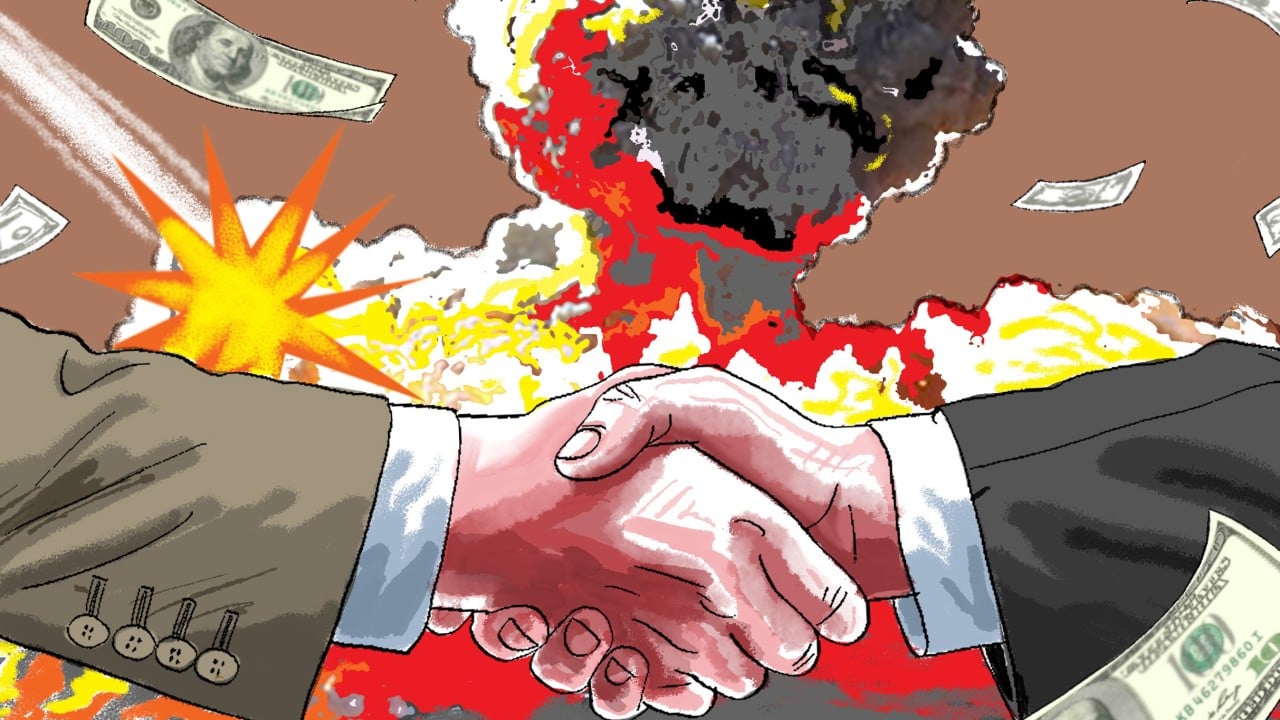
The common criticism is clear. It says the U.S. and Israel, driven by ideology and special interests, stumbled into the Middle East. There, they crea...

Malaysia Warns Citizens: Prepare for Long Economic Squeeze as Iran War Fallout Nears
Malaysia's government is telling its people to prepare for a prolonged period of economic hardship. Officials warn that the full impact of the global...

IMF Slashes China Growth Forecast as Middle East Conflict Threatens Global Economy
The International Monetary Fund (IMF) has cut its 2024 economic growth forecasts for the world and China. It cites new pressures from the expanding M...
US-Iran Talks Resume: Deal or Dead End?
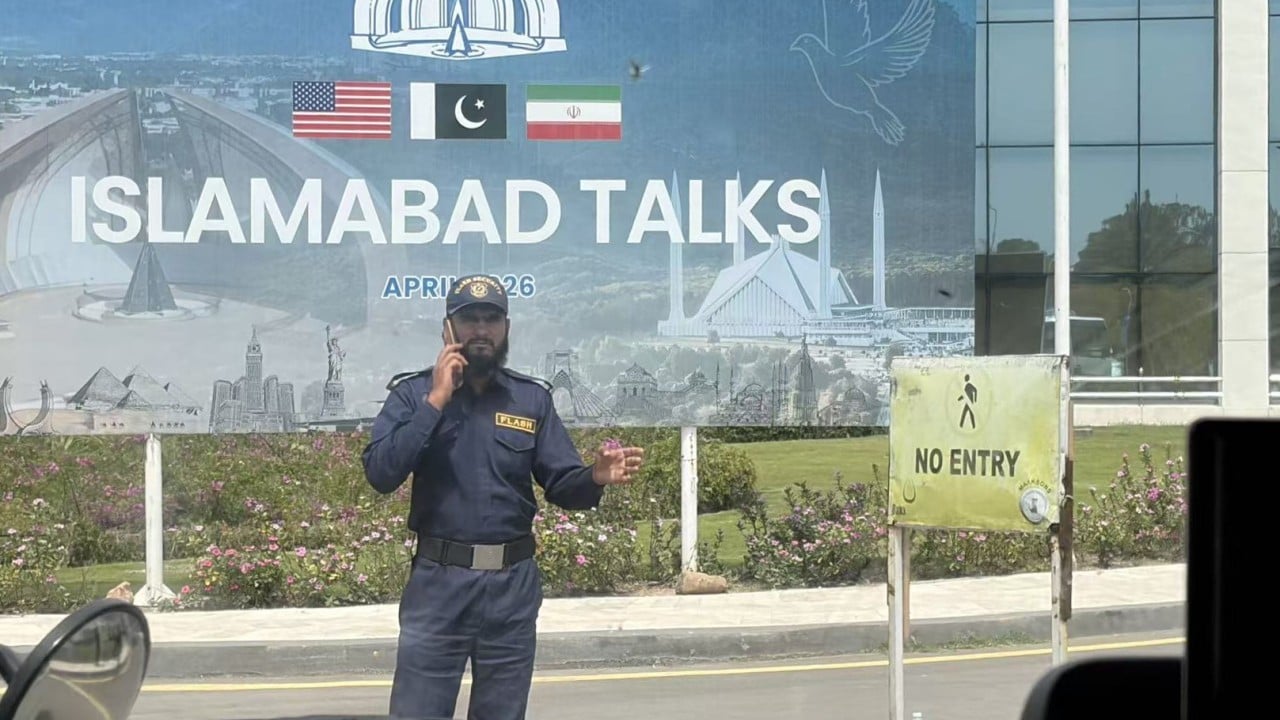
American and Iranian negotiators could return to Islamabad for talks as soon as this weekend. This follows 21 hours of discussions in the Pakistani c...

Tesla's China Boss: Shanghai Factory Could Mass-Produce Humanoid Robots
Tesla's largest factory could soon build humanoid robots, according to the company's top executive in China. Allan Wang stated that the Shanghai Gig...

Discovery Bay Taxi Trial Faces Extension, Limits Amid Resident Safety Fears
The developer of Hong Kong's Discovery Bay wants to extend a taxi trial and restrict cab hours to gain full access to the private community. This mov...
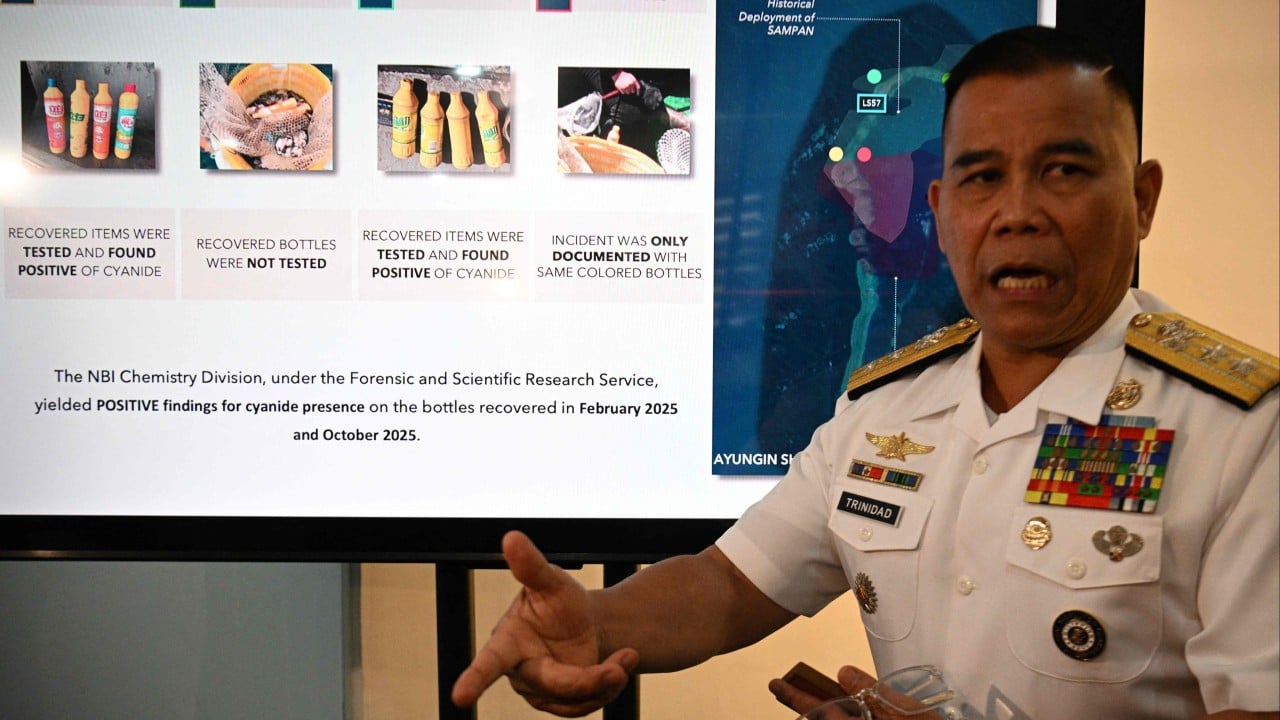
Philippines Accuses China of Cyanide Fishing at Disputed Warship Outpost
The Philippines has forcefully rejected China's accusation that it fabricated evidence of cyanide fishing near a fiercely contested reef in the South...

IPO Oversubscribed 1,000 Times as AI Boom Fuels Energy Storage Frenzy
A Chinese energy storage company's stock market debut has ignited an investor frenzy in Hong Kong. Sigenergy's initial public offering (IPO) was ove...

Theft Fears in Sealed Fire Zone: Police Probe After Resident's Flat "Rummaged"
A resident of the fire-damaged Wang Fuk Court estate in Tai Po has reported a suspected burglary, prompting a police investigation. The resident, su...