Latest News
Stay updated with the latest news and articles
Top Stories
Global Economy Braces for Hit as Middle East War Fuels Inflation, Slashes Growth
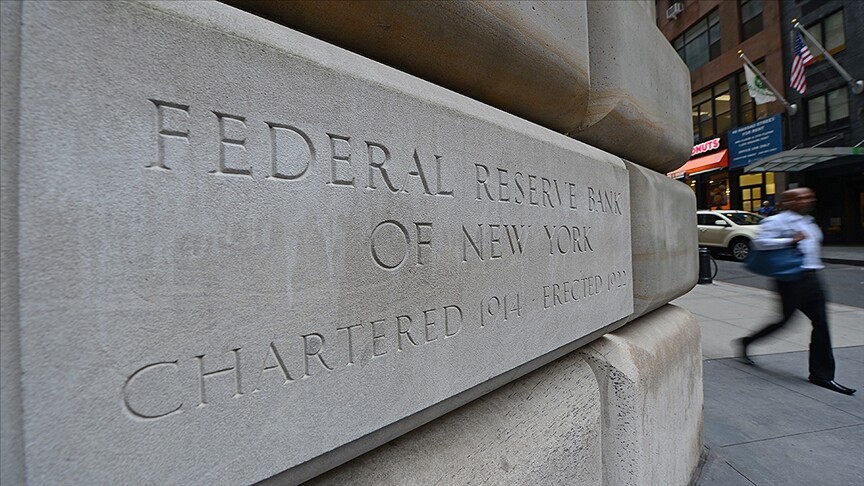
Global Economy Braces for Hit as Middle East War Fuels Inflation, Slashes Growth The ongoing conflict in the Middle East is delivering a sharp blow to the global economy, driving up inflation and forcing major institutions to slash growth forecasts. The International Monetary Fund (IMF) warns that the war has created severe uncertainty, damaging energy markets and trade worldwide [128821]. IMF officials stated that the global economy's remarkable resilience in recent years is now under severe threat from persistent geopolitical chaos. New forecasts indicate growth prospects are deteriorating as the strain from ongoing turbulence intensifies [129381]. The fund has explicitly lowered its global growth projection, citing the Middle East war as a direct cause [128821]. The economic shockwaves are being felt across continents. In Europe, European Central Bank (ECB) President Christine Lagarde confirmed the euro area's economic performance has worsened due to the recent energy price shock stemming from the conflict. The economy has fallen to a level between the ECB's standard and negative forecasts [128975]. In South America, Argentina's annual inflation rate accelerated to 32.6% in March, with the surge in fuel prices linked directly to Middle East instability [128953]. Similarly, Malaysia's government is warning citizens to prepare for a prolonged economic squeeze, stating that the full impact of the global energy crisis caused by the war will hit by June. The country can no longer fully absorb the soaring costs of disrupted oil trade [128807]. The conflict is also creating profound risks for some of the world's most vulnerable nations. In Africa, economies face deep threats from shipping blockades and attacks on energy facilities, with the Strait of Hormuz—a critical oil route—effectively closed at times. Experts warn this leaves many poor nations uncertain about their energy security [129561]. The crisis threatens to reverse recent progress in lowering high consumer prices globally, potentially pushing inflation higher again [128821]. This new wave of price pressures, combined with slowing growth, presents a major challenge for policymakers who must balance fighting inflation with supporting economic activity. IMF Slashes Global Growth Forecast Over Middle East War IMF Warns: Global Economic Resilience Nears Its Limit ECB Chief: Euro Economy Worsens After Middle East Shock Argentina's Inflation Accelerates to 32.6% Amid Fuel Price Surge Malaysia Warns Citizens: Prepare for Long Economic Squeeze as Iran War Fallout Nears War's Ripple Effect: African Economies Hit by Gulf Blockades
Ukraine Trades Battlefield Drone-Knowledge for Weapons and Gulf Influence
Ukraine Trades Battlefield Drone-Knowledge for Weapons and Gulf Influence Ukraine is leveraging its hard-won military expertise into a series of high-stakes barter deals, trading its advanced knowledge of counter-drone warfare for vital weapons and diplomatic support from Gulf and allied nations [100935][112369][91239]. Facing relentless Russian missile and drone attacks, Kyiv has deployed teams of its own military specialists abroad. These experts are teaching Gulf states and other partners how to effectively defeat Iranian-made unmanned aerial vehicles (UAVs), a threat common to both Ukraine and the Middle East [100935][112369]. In exchange, Ukraine is seeking advanced air defense systems, such as Patriot missile batteries, and continued financial support for its war effort [100935][112369]. President Volodymyr Zelenskyy has confirmed that Ukrainian anti-drone units are now active in "a half-dozen" countries [112369]. In one explicit proposal, Zelenskyy offered Gulf nations a direct trade: Ukraine's elite drone-hunting capabilities in return for those states using their economic leverage as major buyers of Russian energy to pressure the Kremlin for peace [91239]. This strategy turns Ukraine's battlefield experience into a valuable diplomatic and military resource. Western and Gulf states are eager to learn Ukraine's cost-effective methods for neutralizing drones similar to the Iranian-designed Shahed models used by Russian forces and Iranian proxies [100935][91239]. The exchange ensures a steady flow of critical arms to Kyiv while simultaneously strengthening the defenses of its partners against a shared threat [100935]. Kyraine Sells Drone-Knowledge for Weapons Ukraine Trades Air Defense Secrets for Gulf's Drone-Killers Ukraine Offers Gulf States a Deal: Our Drone Hunters for Your Leverage on Russia

Catastrophic Southeast Asia Floods Kill Over 1,400, Displace Millions
Catastrophic Southeast Asia Floods Kill Over 1,400, Displace Millions A series of devastating floods and landslides, triggered by weeks of exceptionally heavy rain, has killed more than 1,400 people and affected millions across Southeast Asia [17624]. The catastrophic weather has caused widespread destruction in Indonesia, Sri Lanka, Thailand, and Malaysia, submerging communities and sweeping away homes [17624][25217]. The death toll is concentrated in Indonesia and Sri Lanka. Indonesian authorities report at least 995 fatalities, with rescuers still searching for 226 missing people [25217]. In Sri Lanka, the confirmed death toll stands at 640, with 211 individuals missing [25217]. Combined, nearly 4 million citizens across the two nations have been impacted by the disaster, which has destroyed critical infrastructure and farmland [25217]. In Thailand and Malaysia, severe seasonal rains have also caused widespread devastation, resulting in significant loss of life and displacing thousands [14423][14786]. Southern Thailand has been particularly hard-hit, with authorities there reporting a sharp rise in fatalities [14423]. Emergency crews across the region are working to evacuate residents from submerged towns, provide aid to displaced communities, and reach areas isolated by landslides and floodwaters [14423][14786]. The torrential downpours caused rivers to overflow and saturated hillsides, leading to destructive landslides that compounded the damage [14423][17624]. Authorities are warning of additional dangers, including the potential for further landslides and the spread of waterborne diseases in the aftermath [11385]. National governments and international aid agencies are mobilizing large-scale relief efforts focused on providing emergency shelter, clean water, and medical supplies to survivors [17624][25217]. The full scale of the damage is still being assessed as response teams continue their operations [14424]. Deadly Floods and Landslides Claim Over 1,400 Lives Across Southeast Asia Massive Floods Kill Over 1,600, Affect Millions in Asia Deadly Floods and Landslides Claim Over 250 Lives in Southeast Asia Southeast Asia Reels From Widespread Flooding Deadly Floods and Landslides Claim Lives Across Southeast Asia

Fuel Costs Hit Record Highs Worldwide as War and Disruption Strangle Supply
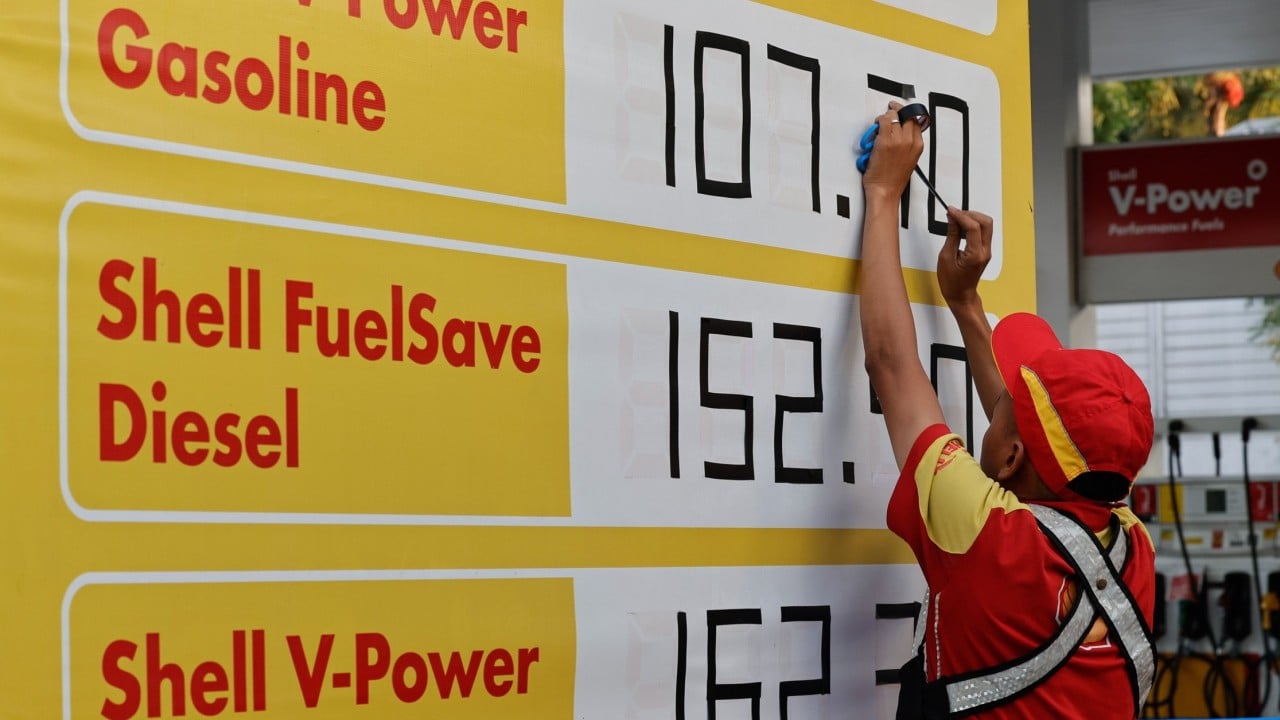
Fuel Costs Hit Record Highs Worldwide as War and Disruption Strangle Supply From Africa to Asia, drivers are facing unprecedented pain at the pump, with fuel prices soaring to record levels in multiple countries. The surge is driven by a combination of skyrocketing global oil prices and critical supply chain disruptions, with conflicts in the Middle East and attacks on energy infrastructure creating a perfect storm for consumers. In Kenya, the energy regulator announced a sharp increase in fuel prices, citing soaring costs for imported oil [130314]. The price of diesel saw its largest single increase in the country's recorded history, a move that will raise the cost of transportation and electricity and push up prices for essential goods [129633]. This hike occurred despite a recent government cut to the value-added tax on fuel, a relief measure completely overwhelmed by the global market surge [129374]. Industry officials directly linked the spike to increased Middle East tensions, specifically the conflict involving Iran and Israel [129374]. The scenario is strikingly similar in South Africa, where motorists rushed to fill tanks ahead of a historic price increase [117884]. Analysts had warned of a potential record hike, with predictions of an increase of up to 8 Rand per litre following a sharp rise in global crude prices [95663]. The government attempted to soften the blow by cutting the general fuel levy, but the result was still one of the steepest pump price increases the country has ever recorded [117581]. The crisis has become so severe that one major metro faced fuel rationing and emergency surcharges due to threats to local fuel stocks from Gulf region conflicts [108127]. In China, drivers used lunch breaks to queue at stations ahead of the government's largest single fuel price increase of the year [109102]. The Philippines is also grappling with some of the world's highest fuel costs, with the government suggesting a major price shift is permanent and that diesel may never return to a key low price point [130197]. Analysts point to a multi-pronged crisis driving the chaos. Global crude oil prices have rocketed, with the U.S. seeing its largest weekly gasoline price increase since the start of the Ukraine war [97612]. A drone strike on a Kuwaiti oil tanker off the UAE sent prices soaring past $115 a barrel [116225]. Furthermore, the key Strait of Hormuz shipping route remains disrupted, creating a bottleneck that keeps pump prices high even when crude oil prices momentarily steady [116592]. Market fears are also fueled by instability in proposed Middle East ceasefires, with concerns that failed diplomacy could further disrupt supplies [124783]. The collective impact is a severe blow to household budgets and business costs worldwide, with no significant relief expected in the near future as geopolitical tensions continue to dictate global fuel costs [124783]. Fuel Prices Skyrocket in Kenya Kenya Fuel Prices Skyrocket, Hit Record High Despite Tax Cut Fuel Prices Soar in Kenya, Despite Tax Cut South Africa Braces for Record Fuel Price Surge South Africa Braces for R8/Litre Petrol Shock South Africa Cuts Fuel Tax, But Drivers Still Hit by Record Price Hike Fuel Limits and War Surcharges Hit South African Metro Drivers Race to Pumps Ahead of China's Biggest Fuel Price Jump of 2024 Philippines Fuel Shock: Diesel May Never Hit $1/Liter Again Oil Prices Rocket, Hitting Drivers With Sharpest Spike Since Ukraine War Drone Attack on Tanker Sends Oil Soaring Past $115 Oil Prices Steady, So Why Is Petrol So Expensive? Fuel Prices Climb as Gaza Ceasefire Hopes Fade


Syrian Army and Kurdish Forces Clash in Aleppo, Sparking Mass Exodus of Thousands
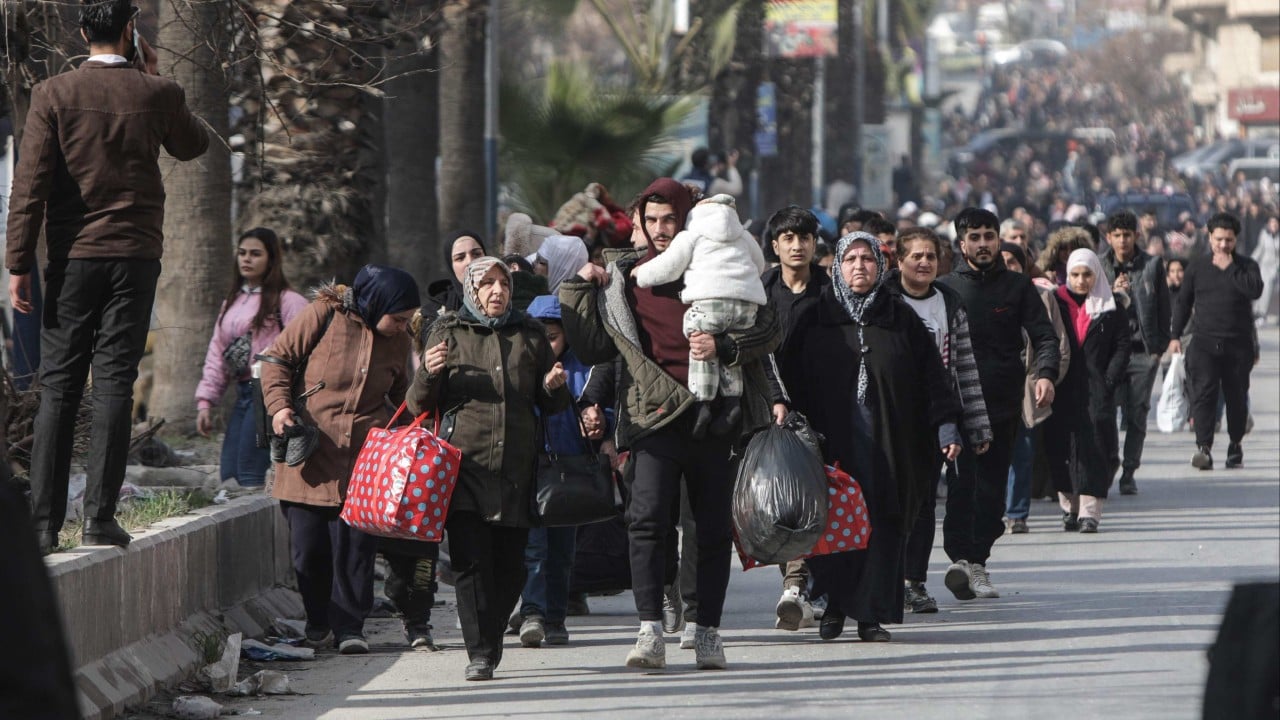
Syrian Army and Kurdish Forces Clash in Aleppo, Sparking Mass Exodus of Thousands Intense fighting between Syrian government forces and Kurdish-led fighters has erupted in and around the city of Aleppo, forcing thousands of civilians to flee their homes and shattering a period of fragile calm [44512][45585]. The clashes, concentrated in Aleppo's northern suburbs and the Deir Hafer district east of the city, involve the Syrian Arab Army and the Kurdish-led Syrian Democratic Forces (SDF) [43634][49667]. The violence marks a significant escalation in long-running tensions over control of northern Syria [45585]. The fighting has triggered a rapid humanitarian crisis, with tens of thousands of people evacuating [45588]. The Syrian army has taken the step of distributing maps to civilians in several Aleppo neighborhoods, detailing safe evacuation routes ahead of potential further military operations [44681]. This surge in violence follows the collapse of political talks aimed at resolving the standoff between the Damascus government and the SDF, which controls large parts of northeastern Syria [45585][33236]. A previous agreement to integrate the SDF into the national army by late 2025 has stalled, creating a vacuum that has led to military action [45588]. Local aid groups report a swift movement of displaced families away from front lines, though the exact number of people displaced is still being assessed [45585]. Aleppo province already hosts many people displaced from earlier phases of Syria's civil war [45585]. The situation remains tense despite a brief ceasefire ordered by both sides after deadly clashes on Monday [32516]. Analysts warn the fighting risks unraveling relative stability in the region and could signal a dangerous return to wider conflict [44512][45173]. **Syria's Aleppo Truce Shatters, Thousands Flee as U.S. Mediates** Aleppo Exodus: Fighting Erupts as Syria Peace Talks Fail **Syrian Army Advances on Aleppo, Sparking Mass Exodus** Fresh Clashes Erupt Between Syrian Army and Kurdish Forces Syrian Army and US-Backed Forces Clash in Aleppo Syrian Army Distributes Evacuation Maps in Aleppo Amid Clashes **Syrian Forces and Kurds Clash, Then Halt Fire After Deadly Fighting** Deadly Clashes in Aleppo as Turkey Urges Kurdish Integration Syria's Kurds and Army Clash, Risking Major War
China Bets Billions on AI and Chip Breakthroughs to Challenge US Tech Dominance
China Bets Billions on AI and Chip Breakthroughs to Challenge US Tech Dominance China is pouring tens of billions of dollars into a state-led campaign to achieve self-sufficiency in advanced semiconductors and artificial intelligence, aiming to break a U.S. "chokehold" on critical technology and secure its future as a global leader. The national push, detailed in new provincial and city-level economic plans, directs massive resources toward developing cutting-edge AI chips and mastering their production [51155][19492]. Shanghai alone has launched a $10 billion investment plan focused on microchips and AI, among other sectors [43531]. This follows the launch of a new national semiconductor investment fund worth over $47 billion, targeting the advanced equipment needed to manufacture chips [86995]. A key goal is to manufacture semiconductors as small as 3 nanometers, a direct effort to counter U.S. export restrictions that limit China's access to the latest chipmaking technology [51155]. The broader national strategy, outlined in China's latest five-year planning cycle, prioritizes breaking foreign technological "chokepoints" in strategic industries like AI and next-generation energy, including nuclear fusion [95150]. This marks a definitive pivot in China's industrial strategy, moving from acquiring foreign technology to aggressively creating its own in next-generation fields [59734]. The approach contrasts with the U.S., where AI development is largely market-driven; China's model is defined by state coordination and the systemic integration of AI as national infrastructure [109135]. Beyond hardware, China is building a strategic advantage through the massive, everyday use of AI across its economy. Analysts note that while the country may still rely on some U.S.-designed chips, its scale of real-world AI application creates a cycle of more data and better models that is difficult for competitors to match [129427]. The funding push aligns with global technological frontiers, with China's state budget allocating over $61 billion for "future industries" like satellite internet, electric vehicles, and brain-computer interfaces—sectors prominently championed by innovators like Elon Musk [93804]. The concerted effort signals a deepening tech rivalry where China is betting on centralized planning and vast investment to challenge Western technological hegemony. China Targets 3nm AI Chips to Break US "Chokehold" Chinese Provinces Prioritize Tech and Self-Reliance in New Economic Plans Shanghai Bets $10 Billion on Chips and AI in Tech Race China Bets $47 Billion to Break the Chip Barrier China's New Plan: Beat US Tech Rivals with AI and Fusion Power China's Tech Pivot: From "Catch-Up" to Cutting-Edge AI War: US Bets on Markets, China Bets on Control China Leads AI Race Not in Chips, But in Daily Use China's $62 Billion Bet Mirrors Musk's Vision


Climate Crisis Becomes Daily Reality as Extreme Weather Ravages Continents in 2025
Climate Crisis Becomes Daily Reality as Extreme Weather Ravages Continents in 2025 The year 2025 marked a grim turning point where the climate crisis moved from a looming threat to a disruptive daily reality, with extreme weather events causing widespread damage and loss across Europe and Africa while scrambling ecosystems worldwide. Scientists confirm that last year was Earth's third hottest on record, but the defining feature was a relentless series of costly disasters [49594]. Europe faced a year of climate catastrophes, from devastating floods to scorching heatwaves and wildfires, with countries still managing costly recoveries [36941]. A major UK conservation charity warned that nature was pushed to a "breaking point" by a destructive cycle of storms, heat, drought, and floods [36898]. Experts link the increasing frequency and intensity of these events directly to human-caused climate change, driven by greenhouse gas emissions [36941]. They warn that without urgent action to cut emissions, such severe weather may become standard [36941]. The impacts extended far beyond Europe. A report from the World Meteorological Organization (WMO) confirmed the severe toll in Africa, where extreme weather killed thousands, impacted millions, and caused billions in economic losses [113458]. In Eastern Africa, a "triple planetary crisis" of climate change, biodiversity loss, and pollution is directly threatening food security by ruining crops and killing livestock [91481]. The disruption is also fundamentally altering natural systems. New fishing bans are being enacted globally as rising ocean temperatures and shifting currents force fish to migrate to new areas at unexpected times, rendering traditional fishing calendars unreliable [129824]. On land, beekeepers in the Democratic Republic of the Congo are reporting hive failures due to rising temperatures and shifting seasons, threatening both a key food source and a traditional livelihood [128278]. In response to the escalating crisis, the United Nations Environment Assembly (UNEA-7) concluded with a strong call for accelerated global action, urging countries to enhance cooperation on climate change, biodiversity loss, and pollution [21446]. Europe's 2025 Weather: A New Normal of Extremes? 2025: The Year the Weather Broke UK Wildlife Pushed to "Breaking Point" by Extreme Weather in 2025 Climate Crisis Costs Africa Billions, Claims Thousands Triple Planetary Crisis Starves East Africa Fishing Bans Begin as Climate Change Scrambles Ocean Life Bees Vanish as Congo Feels the Sting of Climate Change UN Environment Assembly Demands Urgent Global Action on Climate and Biodiversity
Trump's Threats Rattle Global Order as Allies Scramble for "Plan B"
Trump's Threats Rattle Global Order as Allies Scramble for "Plan B" A wave of international unease is sweeping across world capitals as allies of the United States, unsettled by the rhetoric and policy threats of former President Donald Trump, are actively preparing to distance themselves from Washington and forge more independent paths. From Europe to Asia, nations are publicly criticizing U.S. statements, recalibrating strategic relationships, and quietly drafting contingency plans for a future without reliable American support. The strain is most visible in the transatlantic alliance. European officials, alarmed by Trump's repeated criticism of the North Atlantic Treaty Organization (NATO), are now developing a "Plan B" to manage a potential sudden U.S. withdrawal from the 32-member military pact [130130]. This planning signifies a profound loss of confidence in America's commitment to collective defense, a cornerstone of post-war security. Simultaneously, European strategists are calling for a fundamental rethink of the bloc's foreign policy, arguing it must define its own interests independent of both the U.S. and China. Sven Biscop, a leading EU foreign policy specialist, warns that Europe lacks a coherent China strategy and can no longer assume permanent American support, urging the bloc to build a more balanced partnership that functions regardless of who occupies the White House [130384]. In Asia, similar shifts are underway. South Korea has taken a notably tougher diplomatic stance against Israel, a move analysts interpret as a signal of Seoul's growing political confidence and a desire to shape a foreign policy more independent from Washington [130017]. Meanwhile, Indonesia's response to a new U.S. military proposal has been slow and confused, testing its "free and active" foreign policy doctrine as it struggles to balance between major powers [130409]. The global recalibration was evident at the World Economic Forum in Davos, where world leaders issued warnings about a breaking global system and made indirect criticisms of the United States while avoiding direct condemnation of China [57270]. This cautious engagement with Beijing marks a significant shift, driven by anxiety over Trump's potential return and his promises to enact aggressive new trade barriers, including tariffs of over 60% on Chinese goods [129238]. The uncertainty is forcing unusual diplomatic alignments. Leaders from Australia and Malaysia recently found common ground in a rare, unified rebuke of Donald Trump after he criticized Pope Francis, highlighting how world leaders are increasingly forced to manage the international fallout from the former president's statements [130414]. Analysts note these parallel developments—contingency planning in Europe, strategic pivots in Asia, and global criticism of U.S. rhetoric—point to a historic moment of change. Nations are not waiting to see if America's political landscape stabilizes but are instead taking proactive steps to secure their interests in a world where U.S. leadership is seen as increasingly unpredictable and transactional. Europe Considers "Plan B" for a U.S. Exit from NATO Europe Has No China Plan, Must Rethink US Ties, Top Strategist Warns South Korea Shifts Stance on Israel, Signaling New Independence from U.S. Indonesia's "Free and Active" Foreign Policy Under Strain World Shifts Toward China as Trump Upends Old Order China's Xi Warns Against "Law of the Jungle" Amid Rising U.S. Tensions Trump's Pope Remark Draws Rare, Unified Rebuke from Global Leaders

Tourism Hotspots Pivot to New Markets and Experiences as Global Travel Surges
Tourism Hotspots Pivot to New Markets and Experiences as Global Travel Surges From the ski slopes of Kashmir to the tropical beaches of Hainan, global tourism is undergoing a rapid transformation, driven by shifting geopolitics, celebrity influence, and a search for deeper cultural experiences. Destinations are adapting quickly to capture new visitor flows and manage the pressures of rising popularity. In Asia, geopolitical shifts are redrawing tourist maps. China's tropical island of Hainan is experiencing a massive influx of Russian visitors, becoming a warm-weather refuge as traditional destinations are cut off by war and sanctions [128786]. Direct flights from Moscow have resumed, and local businesses have rapidly adapted with Russian-language menus and payment systems to welcome the surge. "Russian tourists are choosing Hainan because it's one of the few friendly, visa-free, warm places they can fly to directly," a tourism analyst said [128786]. Similarly, South Korea set a new tourism record in March, with 2.06 million foreign arrivals, driven significantly by returning Chinese travelers and the powerful draw of cultural exports like K-pop [130391]. The comeback tour of global superstars BTS is credited as a major factor in the historic first-quarter boom, which saw 4.76 million visitors and a 23% increase from the previous year [130391]. Beyond mass appeal, niche and experience-driven travel is also booming. In China, a wave of young, predominantly female tourists dubbed "history fangirls" are embarking on solo pilgrimages to remote historical sites and ancient tombs, fueling a deeper form of heritage tourism [81566]. Meanwhile, popular culture continues to create instant attractions, as seen in Venice where a simple wooden dock, dubbed the "Kardashian jetty," now draws crowds because it was used by a celebrity during a high-profile wedding [51924]. Destinations are actively working to harness these trends for economic stability. The Indian-administered region of Kashmir is aggressively rebranding from a conflict zone to a ski destination, investing in resorts like Gulmarg to build a new tourism-driven economy [46233]. In Morocco's Atlas Mountains, communities that once relied on subsistence farming now predominantly work in tourism, guiding visitors to North Africa's highest peak, Mount Toubkal [83740]. Industry experts note a broader trend toward "meaningful tourism," where travelers seek personalized experiences over simple landmark checklists, a shift expected to define travel in 2026 [36959]. This demand supports community-based models like Village Ways in the Indian Himalayas, which for 21 years has used trekking tours to provide income for remote villages and curb urban migration [100125]. The global competition for visitors remains fierce. Cape Town's Table Mountain is vying for an unprecedented sixth title as the World's Leading Tourist Attraction at the 2026 World Travel Awards, a recognition that officials say brings more international visitors and supports local jobs [130290]. Russian Surge: Hainan Becomes China's Warm-Weather Refuge BTS Comeback Fuels Record Tourist Surge in South Korea China's 'History Fangirls' Hunt Tombs, Write Books Venice's New Tourist Hotspot: The 'Kardashian Jetty' Ski Resorts or Soldiers? Kashmir Bets on Tourism Over Conflict From Walnuts to Tourists: A Changing Valley Leads to North Africa's Peak Beyond Paris: TV Drives 2026 "Meaningful Tourism" Trend Village Tourism Pioneer Fights Urban Flight in India's Himalayas Table Mountain Aims for Sixth "World's Best" Crown

Over 100,000 Flee War, Disaster, and Despair in Global Migration Surge
**Over 100,000 Flee War, Disaster, and Despair in Global Migration Surge** A surge of people is crossing borders worldwide, driven by war, environmental disaster, and economic collapse. From Sudan's mountains to the English Channel, record numbers are on the move, seeking safety and stability far from home. In Sudan, the civil war has triggered a massive refugee crisis. Hundreds of thousands have fled to the remote Nuba Mountains, overwhelming the fragile, self-governed region between Sudan and South Sudan [129527]. The influx is straining scarce resources like food, water, and shelter, threatening to destabilize one of the area's few remaining havens. Meanwhile, a dramatic population exodus is underway in southern Turkey following last year's devastating earthquakes. A new study shows the net migration rate from the disaster zone has increased fivefold, with cities like Malatya, Hatay, and Adıyaman losing the largest share of their residents [68788]. Most are relocating to other parts of Turkey, creating a long-term demographic shift. In Myanmar, a military coup and subsequent conflict have crippled the economy, sparking a major wave of departures. The exodus intensified after the army announced it would enforce a conscription law, forcing young people into service. Thousands of skilled professionals and graduates are now leaving, with Japan emerging as a primary destination [24735]. European borders are also seeing significant shifts. New data from the European Border and Coast Guard Agency (Frontex) reveals that Egyptian nationals have become the leading group of African migrants entering Europe irregularly this year, with just over 16,000 crossings recorded [40271]. Most depart from Libya aiming for Italy. Separately, more than 54,000 Algerians have migrated to Europe since 2020, with most heading to France, a steady stream driven by limited opportunities at home [15039]. The dangerous English Channel crossing remains a frequent route, with over 250 migrants reaching Britain in small boats on a single day following calm seas. The arrivals this year have now surpassed 10,000 [93075]. Conflict is creating complex, two-way flows elsewhere. At the mountain border between Iran and Turkey, some Iranians are fleeing into Turkey to escape constant bombing and internet blackouts. In a contrasting movement, others are traveling back into Iran from Turkey, driven by fears for family members trapped in the conflict zones [119947] [95980]. For those displaced by war, like Ukrainians, relocation offers a stark new reality. Many in Malta describe the move not as a search for higher pay, but as an embrace of a completely different, chaotic, and sun-drenched life far from the conflict [45837]. In the Pacific, climate change is now driving official migration. The first group of citizens from the low-lying island nation of Tuvalu has arrived in Australia under a new special visa program, making them among the world's first officially recognized "climate migrants." The program allows up to 280 Tuvaluans to relocate each year due to the threat of rising sea levels [25540] [10674]. Sudan's War Floods a Fragile Mountain Refuge Earthquake Exodus: Fivefold Surge in Net Migration Rocks Southern Turkey Myanmar's Lost Generation Flees to Japan Egyptians Now Top African Migrants to Europe, EU Agency Reports Over 54,000 Algerians Sought New Lives in Europe Since 2020 Calm Seas, Crowded Boats: Over 250 Migrants Cross Channel to England Iranians Cross Border in Both Directions as War Intensifies Two-Way Flight: Iranians Flee Bombs, Others Rush Back to Family From War to Sun: Ukrainians Find Refuge—and Noise—in Malta Tuvalu Citizens Arrive in Australia as First Official Climate Migrants Australia Opens Special Visa Pathway for Climate-Affected Tuvaluans

Latest Articles
A Father's Crisis Over His Son's First Glasses
A father prepares to collect his son's first pair of glasses today. While the boy is calm, the father is emotionally overwhelmed. The father, who wo...
$95 for a Bus Ride: World Cup 2026 Faces Fan Backlash Over Costs
A $95 bus ticket for a 30-minute trip has become the latest controversy for the 2026 FIFA World Cup. The service will ferry fans from Boston to the F...
Spanish Giants Falling: Why Champions League Clubs Face Relegation
A surprising trend in Spanish football sees historic clubs competing in Europe's elite tournament, the Champions League, only to be relegated to the...
Beef Season 2 Abandons Its Brilliance for Tired Rich vs. Poor Formula
The acclaimed TV drama "Beef" has returned, but its second season is a major disappointment. It abandons the unique spark of its first season to copy...
Scientists Hold Their Work: A Photo Project Reveals Modern-Day Linnaeuses
A new photography project captures Swedish scientists who follow the legacy of Carl Linnaeus. Linnaeus was the botanist who created the modern system...
From Perfume to Pot: Inside a Department Store's Secret Cannabis Farm
For decades, Wildings was the most prestigious shop in Newport, Wales. It closed in 2019. Now, the historic building is damaged and used for crime....
Trump Plans Risky Mine Clearance in Iran-Closed Strait of Hormuz
Former US President Donald Trump says he will start operations to clear mines from the Strait of Hormuz. The goal is to reopen the major waterway for...
Journalist Arrested at Home After Filming ICE Protest
Federal agents arrested a Minnesota journalist at her home in front of her children. The arrest is linked to her coverage of a protest at a local chu...
Norway's State Telecom Accused of Aiding Myanmar's Arrest of 1,200 Activists
A lawsuit in Norway accuses telecom giant Telenor of providing data that helped Myanmar's military arrest activists. The military used the informatio...
Pedro Pascal Sues Over Pisco Brand Named 'Pedro Piscal'
Actor Pedro Pascal is taking legal action against a Chilean pisco company using the name "Pedro Piscal." Pisco is Chile's national spirit. The brand...
Church Warden's Murder Conviction Overturned, Retrial Ordered
A former church warden's murder conviction has been overturned by an appeals court. Benjamin Field was found guilty in 2019 and sentenced to life in...
Over 100 Authors Flee French Publisher in "Ideological War" Protest
More than 100 writers have resigned from the historic French publishing house Grasset. They are protesting its owner, billionaire Vincent Bolloré. T...
Pope Condemns Global "Tyrants" as U.S. Iran Tensions Escalate
Pope Francis has denounced world leaders who act as "tyrants," saying the planet is "being ravaged" by them. He made the unusually forceful remarks d...
Zelenskyy: Sanctions Must Stay After Major Russian Attack
Ukrainian President Volodymyr Zelenskyy declared that Russia "does not deserve" the lifting of international sanctions. His statement followed a majo...
Iran Halts All Petrochemical Exports Amid US Naval Blockade
The United States has vowed to maintain a powerful naval blockade of the Strait of Hormuz. This key waterway is vital for global oil shipments. The...
Supermarket Showdown: Is This Common Habit Rude?
A couple's disagreement over a common supermarket practice has sparked a public debate. The question: is it wrong to pack your shopping bags at the c...