Latest News
Stay updated with the latest news and articles
Top Stories
Oil Prices Hit $115, Drone Attacks and Supply Fears Spark Global Fuel Crisis
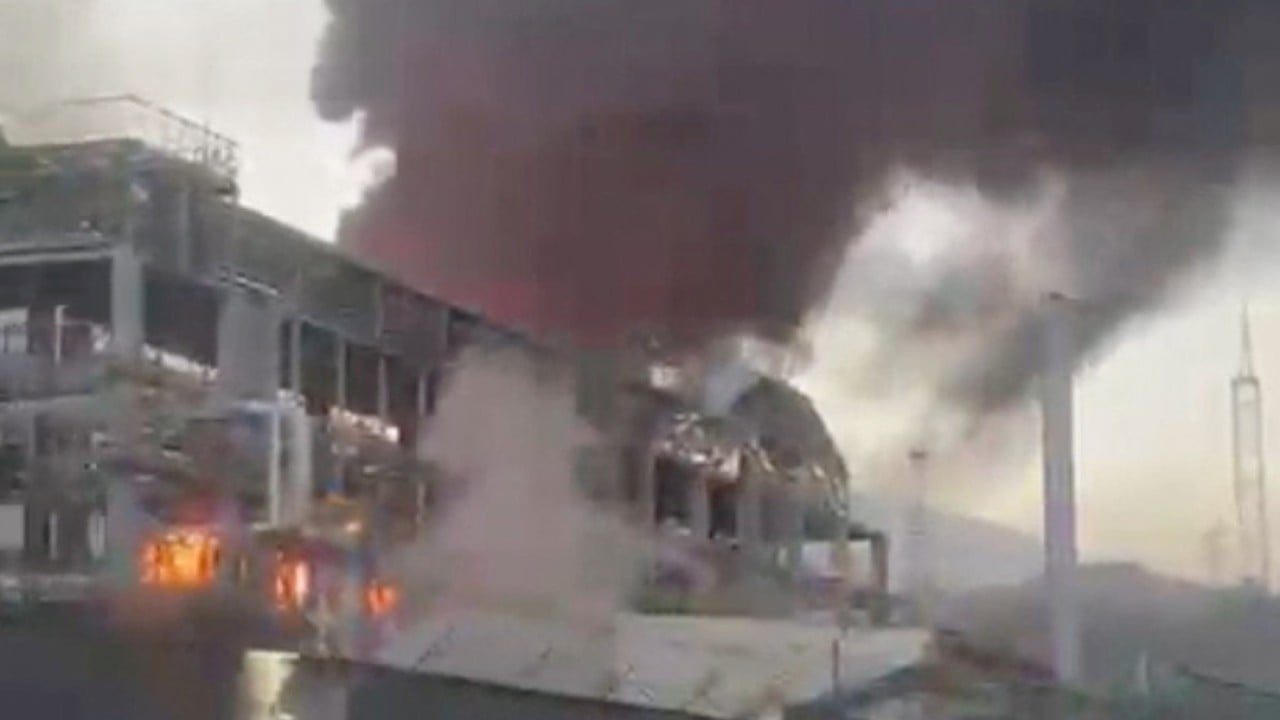
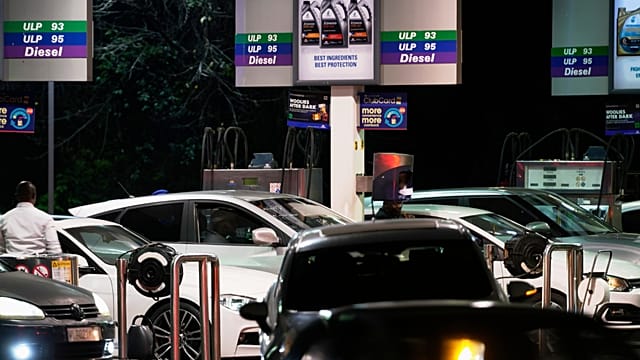
Oil Prices Hit $115, Drone Attacks and Supply Fears Spark Global Fuel Crisis A Ukrainian drone attack sparked a large-scale fire at Russia’s Tuapse oil refinery on the Black Sea, forcing the evacuation of nearby buildings, local officials said Tuesday. The refinery, owned by Rosneft, primarily produces fuel for export and had already halted operations after a previous drone strike [135091]. In a separate strike, Ukraine hit a major refinery in Yaroslavl that processes about 15 million tons of crude annually, a facility that supplies fuel critical for Russia’s military logistics [133733]. The attacks on Russian energy infrastructure have tightened global oil markets. A drone strike on a Kuwaiti oil tanker off the coast of the United Arab Emirates sent global oil prices surging above $115 per barrel, triggering a sell-off in Asian stock markets [116225]. Even the release of 400 million barrels of oil from strategic reserves has failed to stop prices from climbing [134719]. Drivers worldwide are feeling the pain. The average price of gasoline in the United States recorded its largest weekly increase since Russia’s full-scale invasion of Ukraine in 2022 [97612]. In China, drivers rushed to fill their tanks before the government imposed the largest single fuel price increase of 2024 [109102]. South African drivers faced record hikes linked to the conflict in Iran, with the government reducing the general fuel levy by 3 rand per litre—but the relief was overwhelmed by rising global prices [117581]. Kenya’s energy regulator sharply increased fuel prices, citing a major rise in the cost of imported oil [130314]. In Iran’s capital, Tehran, long lines formed at gas stations after strikes on the country’s oil facilities, forcing officials to cut monthly gasoline quotas from 30 liters to 20 liters per ration card [96510]. A key bottleneck remains the Strait of Hormuz, a critical shipping route through which approximately 20% of the world’s oil supply passes [95663]. The strait remains closed, disrupting global fuel movement and keeping pump prices high even as crude oil prices pause [116592]. Analysts warn that further disruptions could lead to continued price instability, as the global energy crisis tests the limits of what governments can do [134719] [97612]. Ukrainian Drone Strike Ignites Russian Oil Refinery, Forces Evacuation Oil Reserves Drained, But Prices Keep Rising Ukraine strikes major Russian refinery, targets military fuel supply Oil Prices Rocket, Hitting Drivers With Sharpest Spike Since Ukraine War Drone Attack on Tanker Sends Oil Soaring Past $115 Drivers Race to Pumps Ahead of China's Biggest Fuel Price Jump of 2024 South Africa Cuts Fuel Tax, But Drivers Still Hit by Record Price Hike Fuel Prices Skyrocket in Kenya Tehran Gas Lines Grow After Attack on Fuel Supply South Africa Braces for R8/Litre Petrol Shock Oil Prices Steady, So Why Is Petrol So Expensive?

Tens of Thousands Flee Aleppo as Syrian Army and Kurdish Forces Clash in Deadly New Offensive
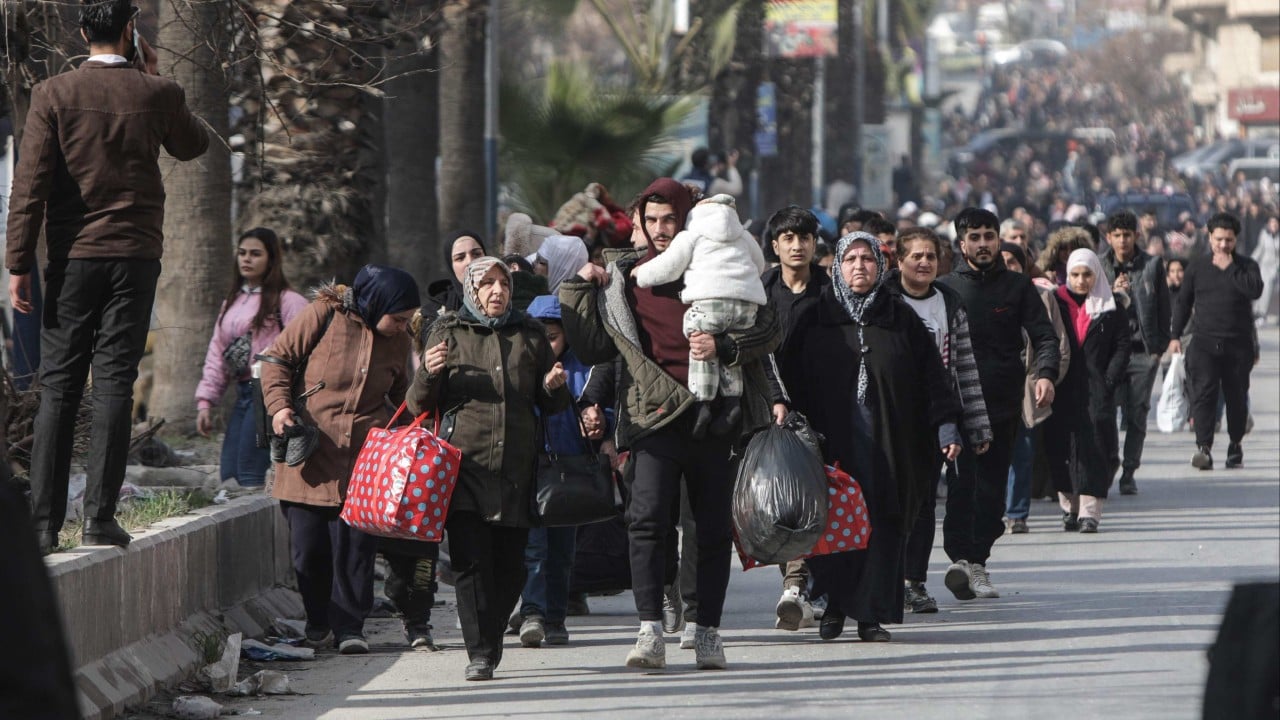
Tens of Thousands Flee Aleppo as Syrian Army and Kurdish Forces Clash in Deadly New Offensive Fighting has exploded in northern Syria, with the Syrian army and Kurdish-led forces battling in and around Aleppo, forcing tens of thousands of civilians to flee their homes. The clashes broke out after peace talks stalled, shattering a fragile calm and threatening a humanitarian catastrophe. Major fighting is focused on key supply routes and eastern districts, with heavy shelling reported in residential areas. [1][5][7][9] At least nine people have been killed in recent violence, and the Syrian army has begun distributing evacuation maps to civilians as it prepares for further military operations. [8][10] The Syrian Democratic Forces (SDF), a U.S.-backed coalition of Kurdish and Arab fighters, are locked in a deepening stalemate with the central government in Damascus, with both sides blaming each other for starting the latest escalation. [1] The violence follows the evacuation of hundreds of Kurdish fighters from Aleppo and the detention of 300 Kurds by Syrian forces. [6] Diplomatic efforts to resolve Syria’s long-running civil war have made little progress, leaving a vacuum that has been filled by renewed military action. [2] The United Nations has repeatedly warned that any major new offensive in Syria risks a humanitarian catastrophe, with Aleppo already hosting millions of people displaced from earlier phases of the war. [2] Syria's Aleppo Truce Shatters, Thousands Flee as U.S. Mediates Title: Aleppo Exodus: Fighting Erupts as Syria Peace Talks Fail Fresh Clashes Erupt Between Syrian Army and Kurdish Forces Syrian Army and US-Backed Forces Clash in Aleppo Syrian Army Advances on Aleppo, Sparking Mass Exodus Syria Detains, Expels Kurds in Aleppo as US Bombs ISIS Syrian Forces and Kurds Clash, Then Halt Fire After Deadly Fighting Aleppo Clashes Follow Secret Syria-Israel Talks Syrian Army Distributes Evacuation Maps in Aleppo Amid Clashes


China's EV Giants Just Bulldozed Japan and Europe — Now They're Going for AI Chips
China's EV Giants Just Bulldozed Japan and Europe — Now They're Going for AI Chips China’s carmakers have officially overtaken their Japanese and European rivals, powered by breakthroughs in artificial intelligence (AI) and battery technology that give them a clear global edge [134482]. For the first time, Chinese brands lead the world in electric vehicle (EV) sales, offering smarter in-car systems and batteries that now deliver over 600 kilometers of range on a single charge [134482]. In 2023, China exported more vehicles than Japan — a historic first — and the gap is expected to widen as firms pour money into next-generation solid-state batteries [134482]. But the auto victory is just one front in a broader tech offensive. Provinces across China are now racing to dominate advanced semiconductors, aiming to manufacture chips as small as 3 to 7 nanometers to break the U.S. "chokehold" on chip technology [51155]. Zhejiang, home to Alibaba and robotics firm Unitree, has announced a five-year plan focused on both the chips and the equipment to make them [51155]. Shanghai’s Pudong district just launched $10 billion in new projects targeting microchips, AI, biopharmaceuticals, and aviation [43531]. This pivot from catching up to cutting-edge is backed by massive state funding. China’s next five-year plan allocates 426.42 billion yuan ($61.7 billion) for science and technology, zeroing in on "future industries" like satellite internet, electric vehicles, and brain-computer interfaces [93804]. At least 22 provincial governments have published their own economic plans, all prioritizing semiconductors and AI while boosting production of critical resources like rare earth metals [19492]. The strategy is a formal declaration: China is moving aggressively to build self-reliant supply chains and become a global leader in innovation — not just in manufacturing, but in the core technologies that will define the next decade [59734][95150]. China’s carmakers overtake Japan and Europe with AI and battery edge China Targets 3nm AI Chips to Break US "Chokehold" Shanghai Bets $10 Billion on Chips and AI in Tech Race China's $62 Billion Bet Mirrors Musk's Vision Chinese Provinces Prioritize Tech and Self-Reliance in New Economic Plans China's Tech Pivot: From "Catch-Up" to Cutting-Edge China's New Plan: Beat US Tech Rivals with AI and Fusion Power
2025 Climate Chaos Cost Billions as UN Demands Action and Oil Giants Bank $1 Trillion
**2025 Climate Chaos Cost Billions as UN Demands Action and Oil Giants Bank $1 Trillion** A year of record-breaking fires, floods, and heatwaves has pushed the global climate crisis from a future threat into a daily reality, while a new analysis warns that conflict in the Middle East could add $1 trillion to the global economy as oil companies rake in massive profits [135286][49594][37775]. Last year was Earth’s third hottest on record, but scientists say the real story was the cascade of extreme weather events that caused billions in damage and disrupted millions of lives. Europe faced a relentless series of catastrophes—including devastating floods, scorching heatwaves, and wildfires—that experts now warn may become standard [36941][49594]. In the UK, the National Trust issued a stark warning that nature is being pushed to its “breaking point” after a destructive cycle of storms, drought, and severe autumn floods in 2025 [36898]. The health impacts are also escalating: heat-related deaths are rising across Europe, and mosquito-borne diseases like dengue and chikungunya are spreading [134297]. The pressure is not just on people but on the planet’s most treasured sites. A UNESCO report warns that more than one in four of the world’s heritage and conservation sites could hit a dangerous climate tipping point within 25 years, suffering irreversible damage from floods, droughts, and rising temperatures if warming continues at its current pace [133909]. In Eastern Africa, a “triple planetary crisis” of climate change, biodiversity loss, and pollution is directly threatening food security, as extreme droughts and floods ruin crops and kill livestock [91481]. Kenya is also seeing climate change worsen security threats, including violent extremism, as rising temperatures destroy crops and livestock, pushing communities into poverty and making them vulnerable to recruitment by extremist groups [134971]. Amid this crisis, the world’s top environmental decision-making body—the United Nations Environment Assembly (UNEA-7)—concluded with a strong call for accelerated global action, demanding urgent cuts to greenhouse gases and stronger international cooperation on climate change, biodiversity loss, and pollution [21446]. But progress is being undermined by the continued burning of fossil fuels and the fallout from conflict. A US-Israeli bombing campaign in Iran has caused severe environmental damage, including “black rain” falling on Tehran after strikes on oil depots, and experts warn the toxic fallout from attacks on oil, military, and nuclear sites could poison the region for generations [107264][101623]. Meanwhile, the Middle East crisis could add up to $1 trillion in extra costs to the global economy, while petroleum companies earn “obscene” profits from higher fuel prices, prompting climate groups to demand an urgent windfall tax [135286]. As extreme weather—from wildfires and hurricanes to tornadoes and floods—reshapes the housing industry, people are increasingly turning to prefabricated homes designed to survive these disasters [134252]. But scientists and delegates alike warn that without urgent global action to cut emissions, the world should prepare for more extreme weather as a recurring reality [36941][21446]. The year 2025 was not just a turning point—it was the moment the climate crisis became everyday life [37775]. Middle East crisis could cost global economy $1tn as oil firms rake in ‘obscene’ profits Climate Change Fuels Extremism: What Kenya Must Do Now Heat Deaths Rise as Dengue Spreads Across Europe **2025: The Year the Weather Broke** Europe's 2025 Weather: A New Normal of Extremes? UK Wildlife Pushed to "Breaking Point" by Extreme Weather in 2025 War's Toxic Toll: Iran's Environment Under Fire **UN Environment Assembly Demands Urgent Global Action on Climate and Biodiversity** Wildfires, Hurricanes, Tornadoes: Prefab Homes Fight Back 2025: Climate Crisis Becomes Daily Life Kenya’s heritage sites face climate threat by 2050 Triple Planetary Crisis Starves East Africa **Iran Conflict's Toxic Fallout Could Poison Region for Generations**

UAE Ditches OPEC After 60 Years, Blowing Up the Oil Cartel
**UAE Ditches OPEC After 60 Years, Blowing Up the Oil Cartel** The United Arab Emirates announced it is leaving the Organization of the Petroleum Exporting Countries (OPEC) on May 1, dealing a massive blow to the cartel’s ability to control global oil prices. The move, which ends six decades of membership, comes as the Iran war jolts energy markets and reshapes power in the Gulf [1][2][3]. Analysts say the exit could crack the group’s united front and increase price volatility [1][4]. The UAE is one of the world’s top oil producers. Its departure signals a rare public rift within OPEC, which coordinates production policies to influence fuel prices [1][2]. The decision reflects a shift in the UAE’s long-term energy strategy and a prioritization of its own economic goals over collective output targets [4]. The exit also hits Russia’s oil strategy hard. Moscow had relied on OPEC’s price floor to prop up its revenue. With the UAE gone, that floor cracks, and Russia now faces a sharp drop in oil income—weakening its war budget amid the ongoing conflict with Iran [3]. The move sends shockwaves through global markets already rattled by supply disruptions in the Strait of Hormuz [2]. Oil companies are raking in massive profits from higher fuel prices, and climate groups are demanding a windfall tax on what they call excessive fossil fuel earnings [5]. Sources: UAE Quits OPEC, Shaking Oil Markets and Strategic Tensions UAE Quits OPEC, Sends Shockwaves Through Global Oil Markets UAE Quits OPEC in Blow to Saudi Arabia, Iran War Shocks Oil Markets UAE Quits OPEC After 60 Years, Russia’s Oil Income Hit Middle East crisis could cost global economy $1tn as oil firms rake in ‘obscene’ profits

83 Miles, No Selfie Sticks: Wales Just Opened a Trail That Skips the Tourist Traps
**83 Miles, No Selfie Sticks: Wales Just Opened a Trail That Skips the Tourist Traps** A new 83-mile walking trail through Wales is betting that hikers want ruins and gorges over crowded landmarks. The Teifi Valley Trail, a grassroots path from the Cambrian Mountains to Cardigan Bay, cuts through gorges, past 12th-century abbeys, and across wide sandy beaches—without a single souvenir shop in sight [134936]. The route follows the River Teifi, one of the longest entirely within Wales, from a tiny mountain stream to the sea at Cardigan Bay [134936]. Local volunteers created the path to revive a region where tourism has been fading, hoping to lure visitors away from well-worn circuits [134936]. The move comes as popular spots across Europe hit a breaking point. Florence, Italy, saw 4.6 million visitors last year crowd a city of just 365,000 residents, with one gallery director calling it “hit and run” tourism: selfies in front of Michelangelo’s David, then gone [133286]. A main street near the Duomo has become a “rancid soup” of chain restaurants and plastic shops, according to a local author [133286]. Meanwhile, Tuscany is promoting quieter alternatives—towns with Medici fortresses, frescoes, and Roman amphitheaters where no selfie sticks or takeaway chains exist [133286]. Experts say the shift is part of a larger trend. Travelers in 2026 are “looking for more meaningful tourism,” according to Swansea University tourism professor Carl Cater, moving beyond quick photos at Paris or Barcelona [36959]. Social media and cheaper flights have created sudden “must-see” trends that overwhelm destinations quickly, forcing local governments to slap on tourist taxes and push off-season travel [80040]. In Venice, a simple wooden dock outside the Gritti Palace hotel—now called the “Kardashian jetty”—has become a viral attraction after Kim Kardashian used it during Jeff Bezos’s wedding, reshaping tourist interest in an ancient city overnight [51924]. The new Welsh trail offers a different bet: that hikers will choose an 83-mile walk through gorges and ruined abbeys over a crowded rooftop or a celebrity jetty [134936]. **Sources** Wales unveils 83-mile walking trail through gorges, ruins, and sweeping sands Tuscany’s Hidden Gems: Six Towns Without the Selfie Sticks Beyond Paris: TV Drives 2026 "Meaningful Tourism" Trend Tourist Destinations Hit Breaking Point: What Causes the Crush? Venice's New Tourist Hotspot: The 'Kardashian Jetty'

Title: 15 Deportees from U.S. Stranded in War-Torn Congo with No Ties or Escape Route
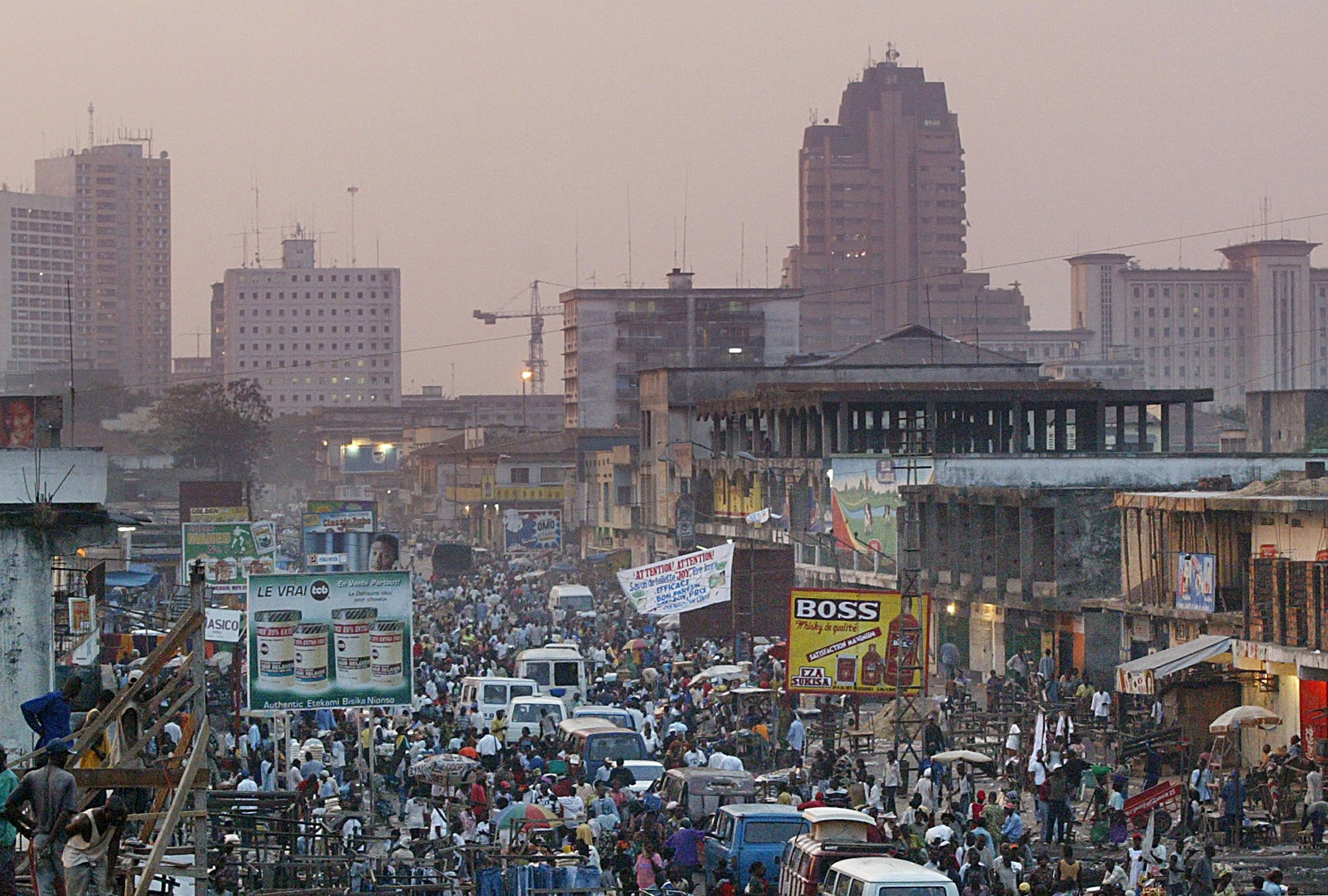
**Title:** 15 Deportees from U.S. Stranded in War-Torn Congo with No Ties or Escape Route Fifteen South American migrants and asylum seekers deported from the United States are now stranded in the Democratic Republic of the Congo (DRC), a country engulfed in armed conflict where they have no family, connections, or safe places to go [135170]. U.S. authorities sent the group to the DRC, where ongoing violence makes daily life dangerous. The deportees describe living in constant fear, unable to find housing, work, or aid because they have no local contacts [135170]. “We don’t know what will happen to us,” one deportee said, highlighting their precarious situation [135170]. The case illustrates the severe risks faced by individuals removed by the United States to countries where they lack any support network and where active conflict rages [135170]. Deportees from U.S. stranded in war zone without ties

Trump's Immigration Cash Grab: 900,000 TPS Workers Face Deportation as Program Gets Torpedoed
**Trump's Immigration Cash Grab: 900,000 TPS Workers Face Deportation as Program Gets Torpedoed** The Trump administration is moving to end Temporary Protected Status (TPS), a program that currently allows roughly 900,000 people from war-torn and disaster-stricken countries to live and work legally in the United States [135187]. The official argument is that the program has strayed from its humanitarian intent, allowing what officials call an indefinite stay that they view as a misuse of temporary protections [135187]. Critics warn the move will uproot families and damage industries that have come to depend on this labor pool [135187]. The debate over TPS reflects a larger fight over immigration policy, with both sides agreeing the program needs reform but disagreeing on whether to extend or dismantle it [135187].
Japan Pours Record Cash Into India, But High-Yield Deals Are Drying Up Fast
Japan Pours Record Cash Into India, But High-Yield Deals Are Drying Up Fast Japan has flooded India’s financial sector with a record amount of investment, yet a parallel surge of foreign cash is struggling to find a home as competition for high-yield loans squeezes returns [108165][118404]. Global investors are pouring money into India’s private credit market—lending directly to companies instead of through banks—but they face an acute shortage of attractive deals. Many foreign funds seek annual yields of 18% or more, but the intense fight for a limited number of loans is pushing returns down to 13–16% [118404]. At these levels, some international lenders are questioning whether the risk justifies the reward [118404]. The capital inflow from Japan is distinct and strategic. Japanese financial giants—banks, insurers, and payment firms—are now major players in India, viewing the country as a vast, stable market while geopolitical tensions limit Chinese competition [108165]. Industry reports confirm Japanese companies are committing billions of dollars to new projects and acquisitions, deepening ties between Tokyo and New Delhi [108165]. However, the broader foreign money surge exposes a split in India’s credit market. Large, well-established Indian companies can borrow easily at lower rates. Smaller, riskier businesses that need loans often fail to meet the strict quality checks of big funds, leaving much of the capital stuck [118404]. Experts say foreign lenders must adapt—either accept lower yields or build local teams to find and manage riskier deals with smaller companies [118404]. The outcome will test India’s ability to absorb global capital and reveal whether foreign investors are willing to adjust their strategies for long-term access to one of the world’s fastest-growing economies [118404]. Japan Pours Record Cash Into India, Sidestepping China Foreign Cash Floods India, But Can't Find a Home
Latest Articles
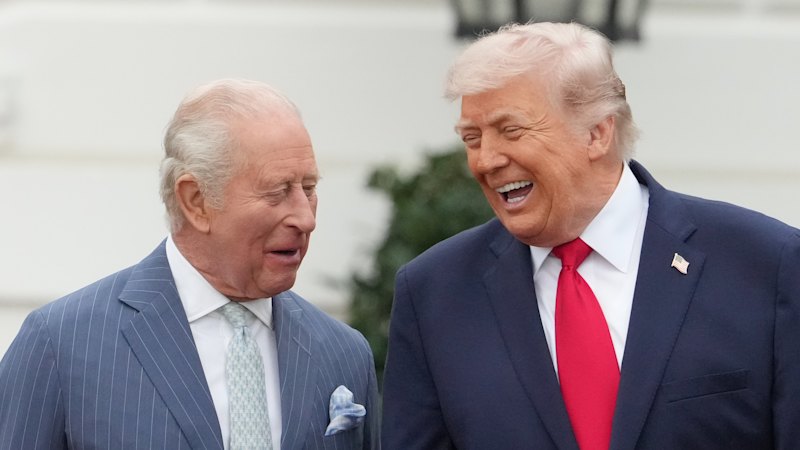
Trump Welcomes King Charles as Report Reveals UK Envoy’s Israel Remark
President Donald Trump welcomed King Charles III to the White House on Monday, declaring the United States has “no closer friend” than Britain. But a...

Jay Chou puts Chinese gold rush history on global map
Taiwanese pop superstar Jay Chou has made a famous Australian tourist attraction even more popular. The singer, known in Mandarin as Zhou Jielun, rec...

Record 55% of Americans Say Finances Getting Worse Under Trump
Just over a year after President Donald Trump promised a "golden age" for the US, a new poll shows record pessimism. Gallup released a survey on Tues...

China’s gene-editing jab offers new hope for 30 million thalassaemia carriers
China has developed a new therapy that uses gene editing to treat thalassaemia, the world’s most common genetic blood disorder. The country is home t...

China’s Truck-Mounted Nuclear Reactor Could Power AI Data Centers
China is testing a prototype nuclear reactor small enough to fit on a truck, a leading scientist has confirmed. The device, called the “world’s first...
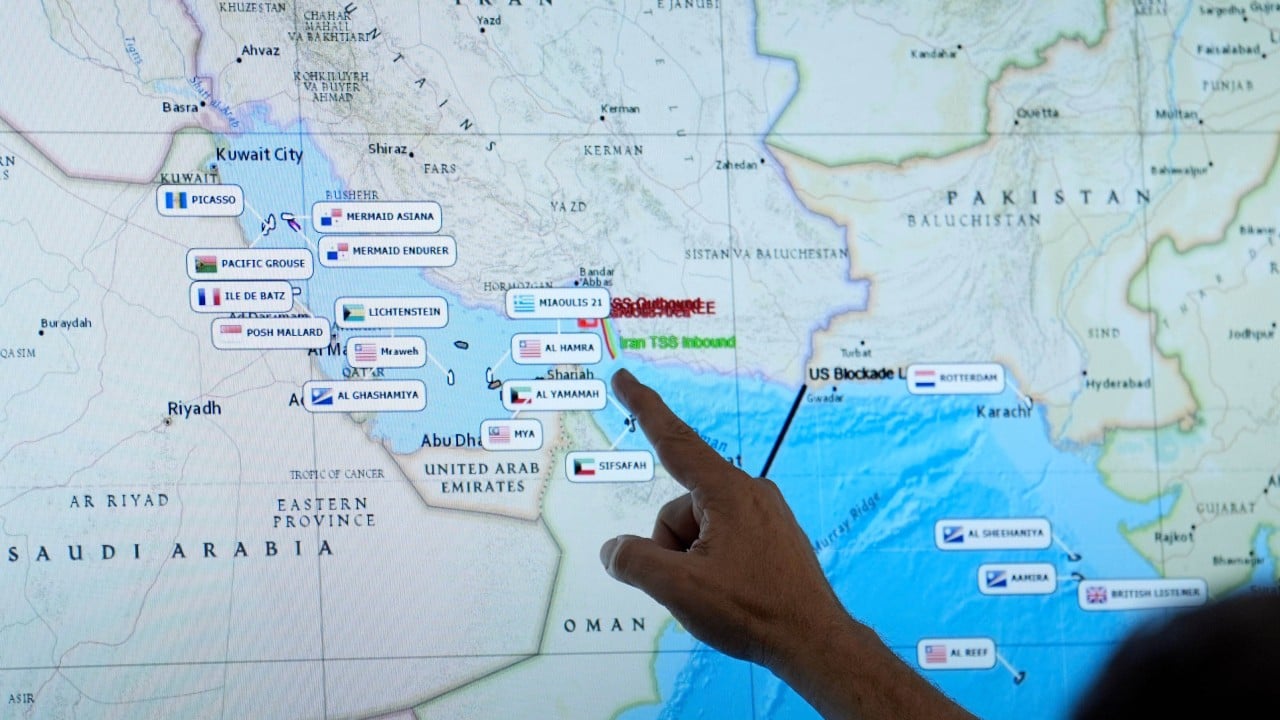
China Launches Maritime Security Research as Strait of Hormuz Crisis Escalates
China has ordered new research into protecting critical sea lanes and overseas assets, as recent crises at global maritime chokepoints—especially the...
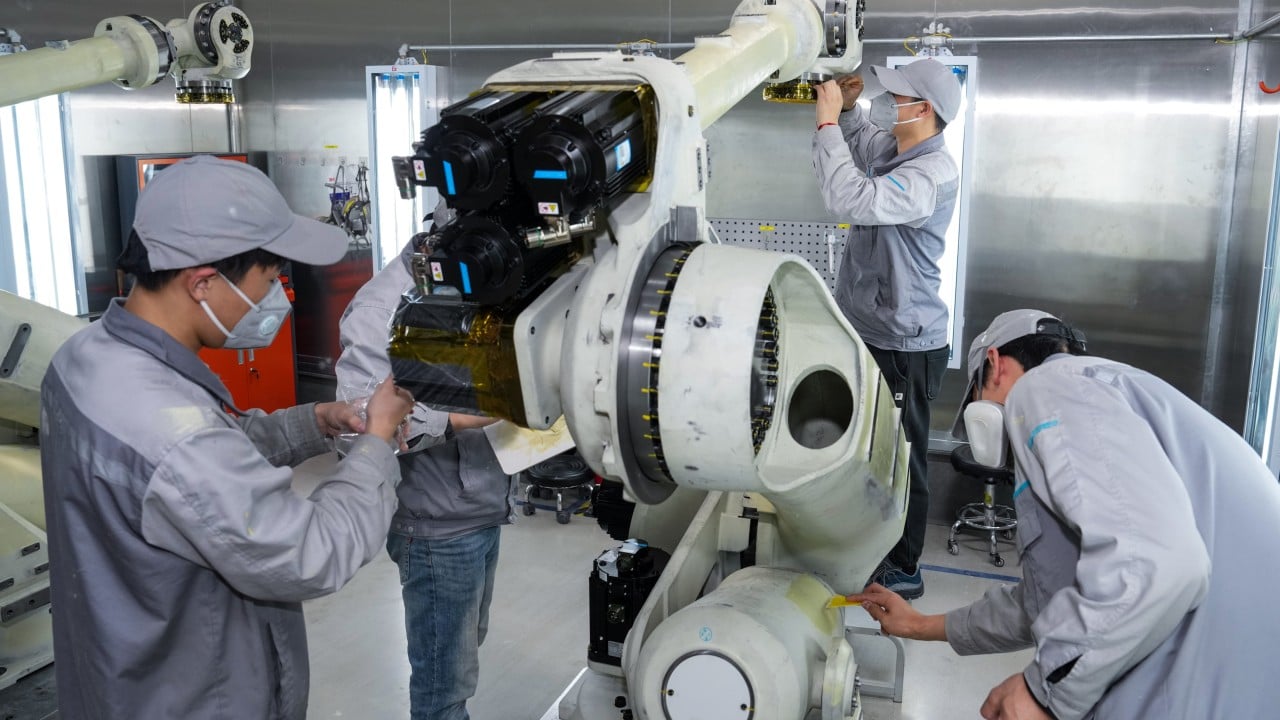
China’s Inovance files $26 billion Hong Kong IPO
Shenzhen Inovance Technology, a major Chinese maker of industrial robots and automation equipment, applied for an initial public offering (IPO) in Ho...

Man sets fire in Hong Kong Decathlon, injures employee
HONG KONG — Police arrested a man on suspicion of setting fire to clothing inside a Decathlon store in Kowloon Bay, injuring a staff member who tried...
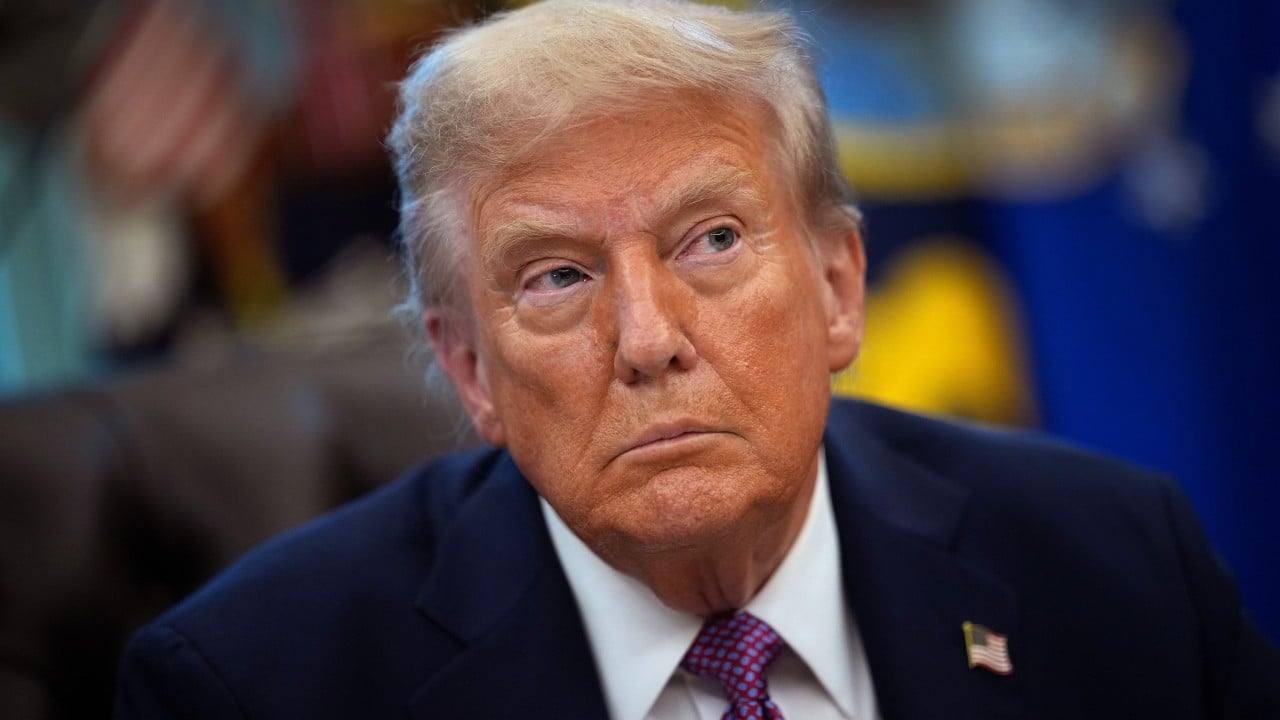
US clean energy to smash records in 2026, despite Trump roadblocks
The United States is on track to add a record amount of clean power this year, even as the Trump administration pushes policies against it. A new ind...

MTR uses AR goggles to speed up station construction or face delay?
Hong Kong’s MTR Corporation has deployed augmented reality (AR) technology to speed up work on a new station for the Northern Metropolis project, aim...
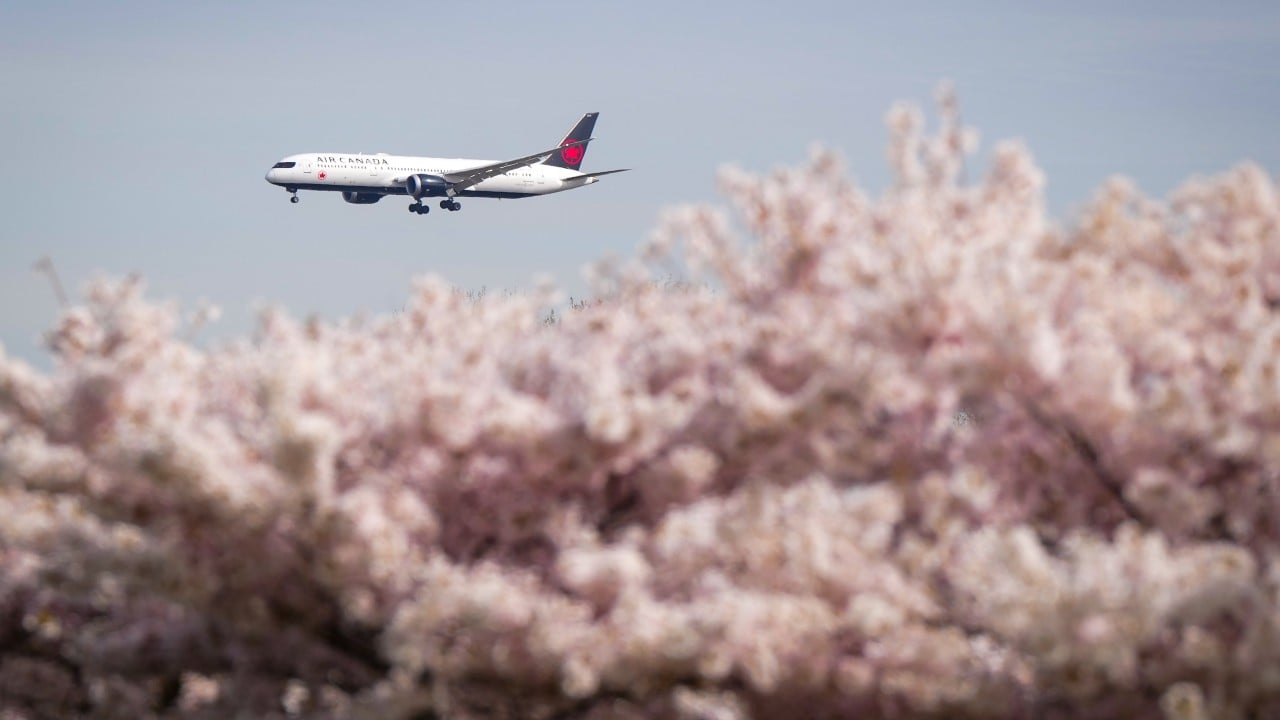
Canada opens door to China flights, but airlines may stay grounded
Canada says it will allow more direct flights to China, hoping to mend ties and attract Chinese tourists. But airlines hesitate due to high fuel cost...
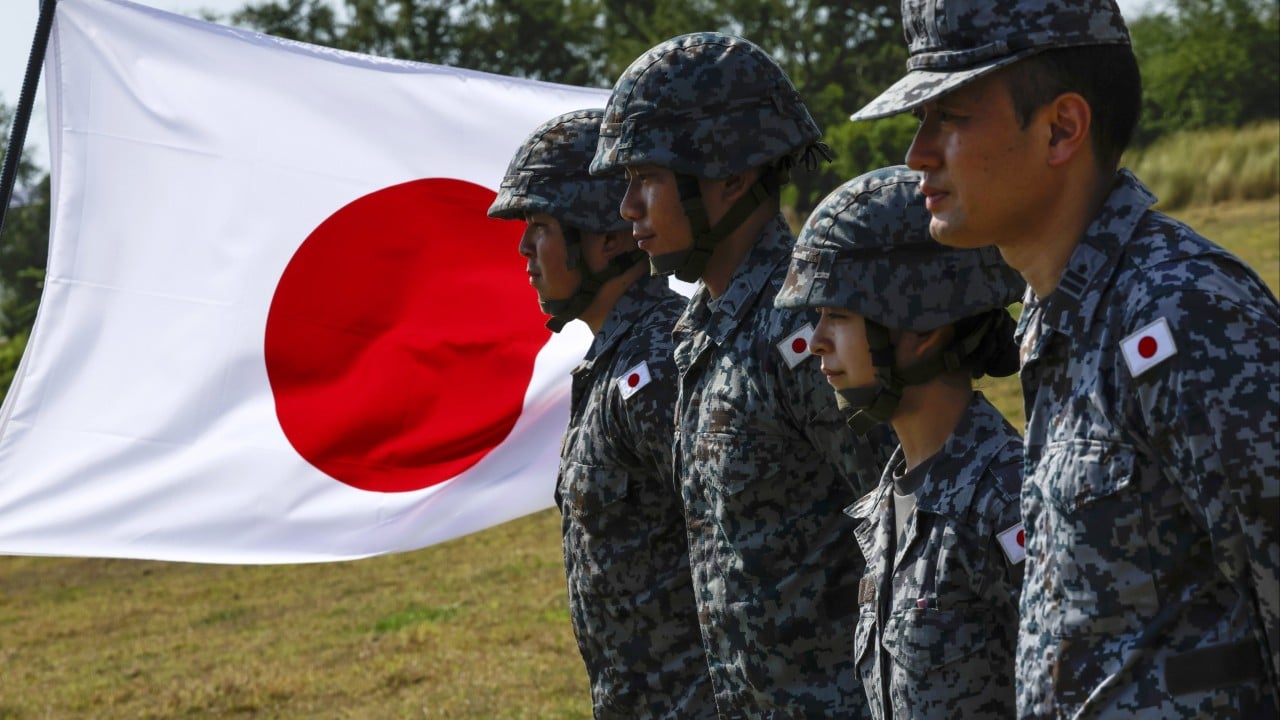
Japan’s New Leader Pushes Military Overhaul, Expert Warns of ‘More Aggressive’ Policy
Japanese Prime Minister Sanae Takaichi has begun rewriting the country’s key security policies, arguing that Japan must strengthen its military to fa...
UAE Leaves OPEC in Shock Move
The United Arab Emirates announced on Tuesday it will leave OPEC and the wider OPEC+ alliance, effective May 1. The decision gives the country greate...

Beijing Blocks Meta’s $2 Billion AI Deal, but Unwinding It Won’t Be Easy
Analysts say it could be “time-consuming,” “complex,” and “difficult” for Meta Platforms to undo its acquisition of Manus, an artificial intelligence...
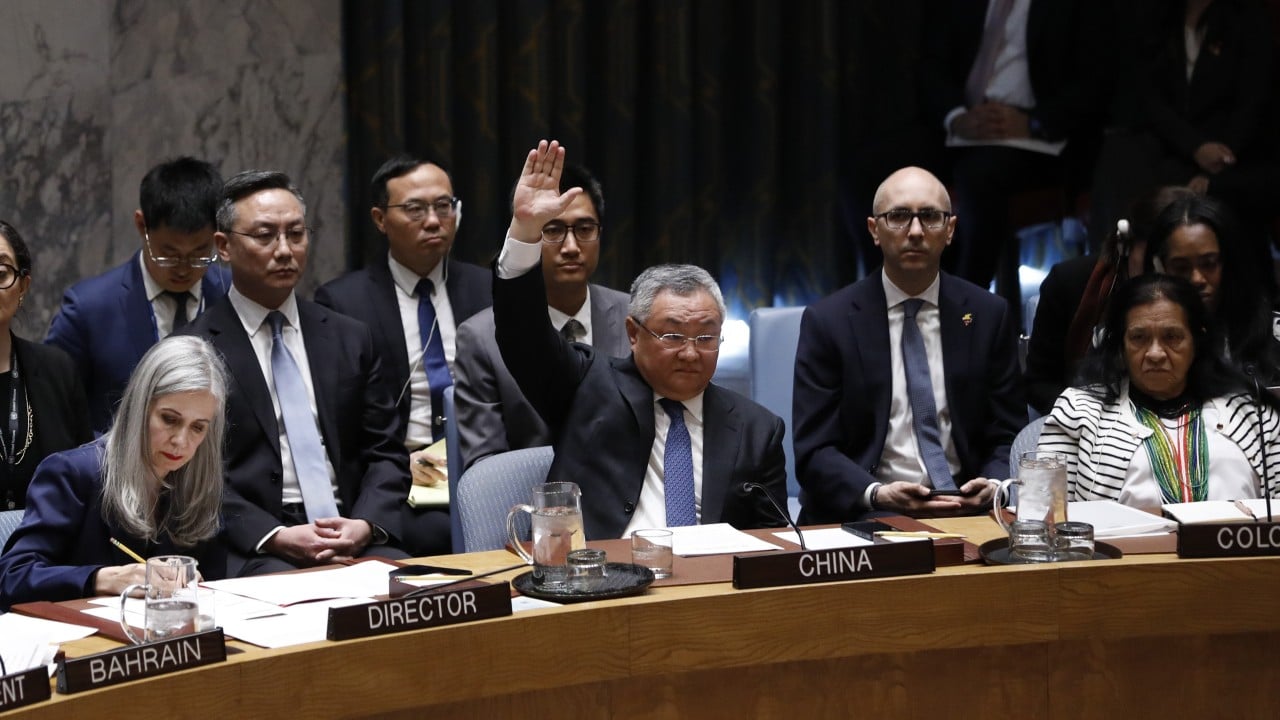
China tells Iran: Open Hormuz, but softly
While China has started pressing Iran to end its blockade of the Strait of Hormuz, its public statements remain carefully worded, experts say. This s...

Domestic Helper Arrested in Hong Kong for Locking Toddlers in Dog Cage
Hong Kong police have arrested a domestic helper for allegedly confining two young boys inside a dog cage. The suspect, a female helper, is accused o...
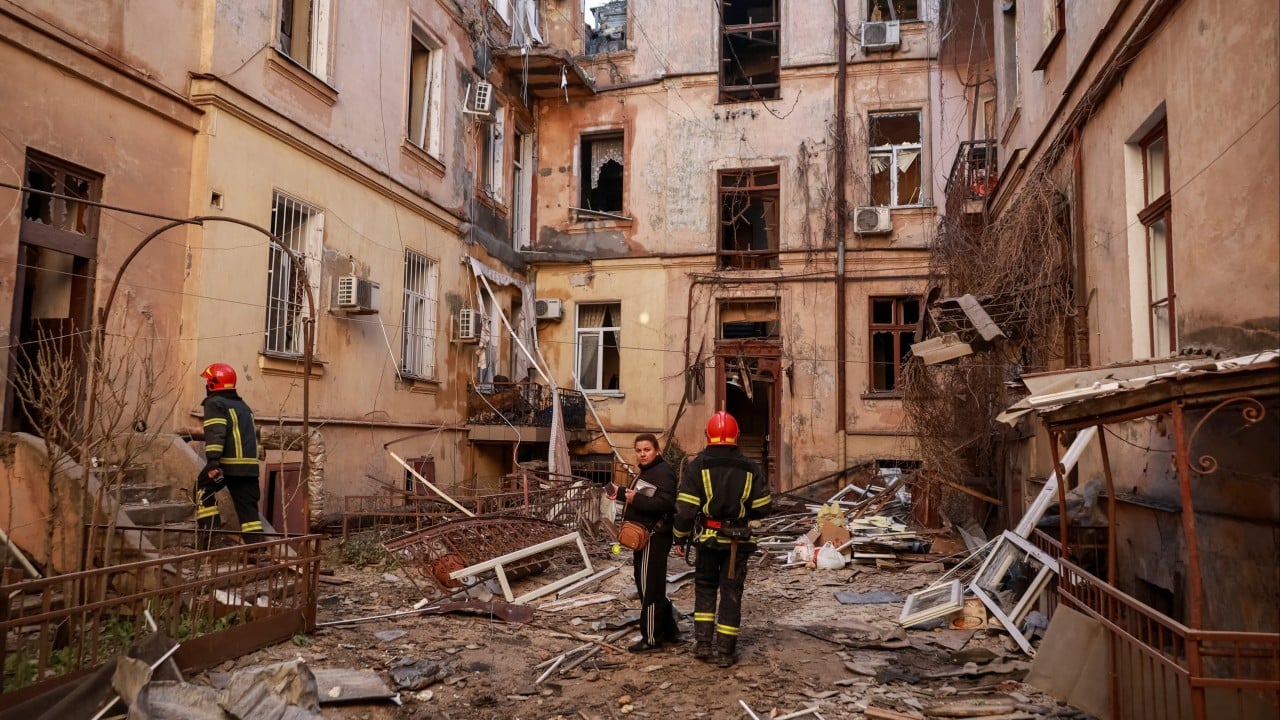
Ukraine shot down 33,000 Russian drones in one month: minister
Ukraine destroyed more than 33,000 Russian drones in March, setting a new monthly record since the full-scale invasion began over four years ago, acc...

Hong Kong singer vows to be ‘companion’ to 2019 arrested youth
Hong Kong singer Hins Cheung has promised to act as a companion, not a mentor, to young people arrested during the 2019 anti-government protests. He...
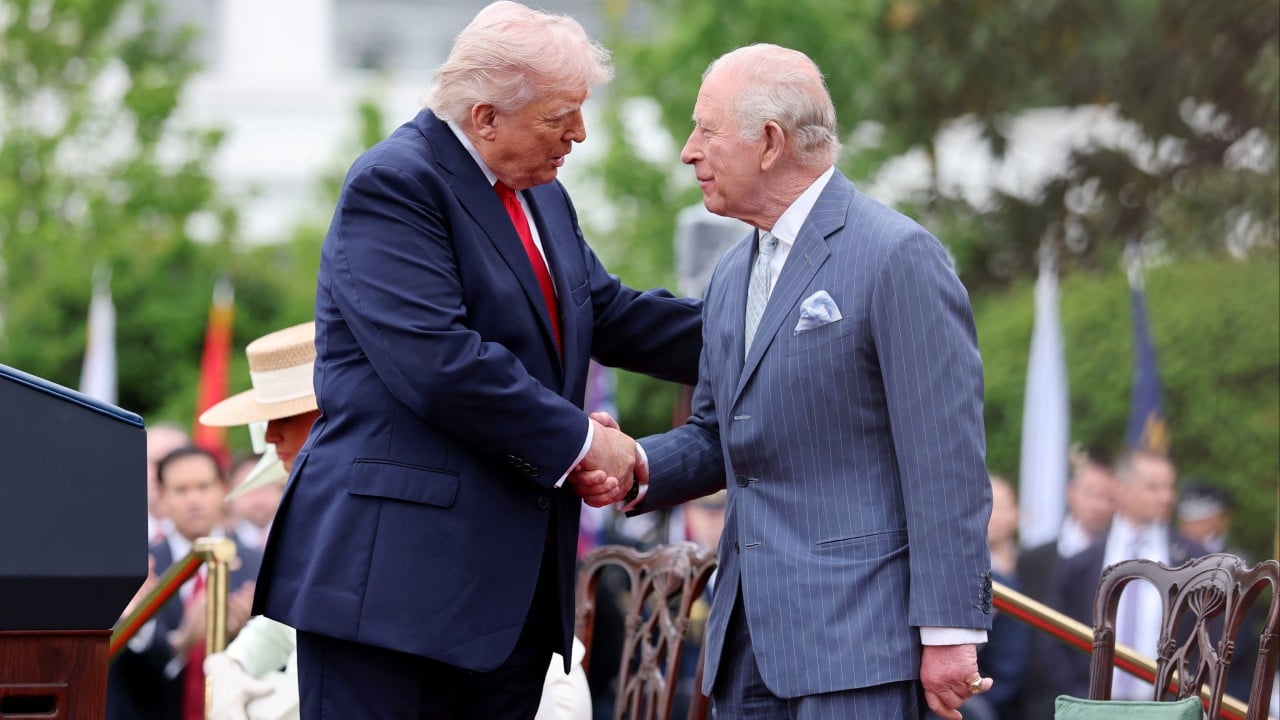
King Charles meets Trump at White House; Iran war divides allies
Britain’s King Charles arrived at the White House on Tuesday for a meeting with US President Donald Trump. The visit is part of a state visit meant t...
Fanuc and Siemens Bring Factory Expertise to Physical AI
Two of the world's largest industrial automation companies, Fanuc and Siemens, are using their manufacturing experience to advance "physical AI." Thi...