Global Economy Braces for Hit as Middle East War Fuels Inflation, Slashes Growth
Global Economy Braces for Hit as Middle East War Fuels Inflation, Slashes Growth The ongoing conflict in the Middle East is delivering a sharp blow to the global economy, driving up inflation and forcing major institutions to slash growth forecasts. The International Monetary Fund (IMF) warns that the war has created severe uncertainty, damaging energy markets and trade worldwide [128821]. IMF officials stated that the global economy's remarkable resilience in recent years is now under severe threat from persistent geopolitical chaos. New forecasts indicate growth prospects are deteriorating as the strain from ongoing turbulence intensifies [129381]. The fund has explicitly lowered its global growth projection, citing the Middle East war as a direct cause [128821]. The economic shockwaves are being felt across continents. In Europe, European Central Bank (ECB) President Christine Lagarde confirmed the euro area's economic performance has worsened due to the recent energy price shock stemming from the conflict. The economy has fallen to a level between the ECB's standard and negative forecasts [128975]. In South America, Argentina's annual inflation rate accelerated to 32.6% in March, with the surge in fuel prices linked directly to Middle East instability [128953]. Similarly, Malaysia's government is warning citizens to prepare for a prolonged economic squeeze, stating that the full impact of the global energy crisis caused by the war will hit by June. The country can no longer fully absorb the soaring costs of disrupted oil trade [128807]. The conflict is also creating profound risks for some of the world's most vulnerable nations. In Africa, economies face deep threats from shipping blockades and attacks on energy facilities, with the Strait of Hormuz—a critical oil route—effectively closed at times. Experts warn this leaves many poor nations uncertain about their energy security [129561]. The crisis threatens to reverse recent progress in lowering high consumer prices globally, potentially pushing inflation higher again [128821]. This new wave of price pressures, combined with slowing growth, presents a major challenge for policymakers who must balance fighting inflation with supporting economic activity. IMF Slashes Global Growth Forecast Over Middle East War IMF Warns: Global Economic Resilience Nears Its Limit ECB Chief: Euro Economy Worsens After Middle East Shock Argentina's Inflation Accelerates to 32.6% Amid Fuel Price Surge Malaysia Warns Citizens: Prepare for Long Economic Squeeze as Iran War Fallout Nears War's Ripple Effect: African Economies Hit by Gulf Blockades
Articles in this Cluster
China’s Economy Beats Forecasts, But Not How You Think
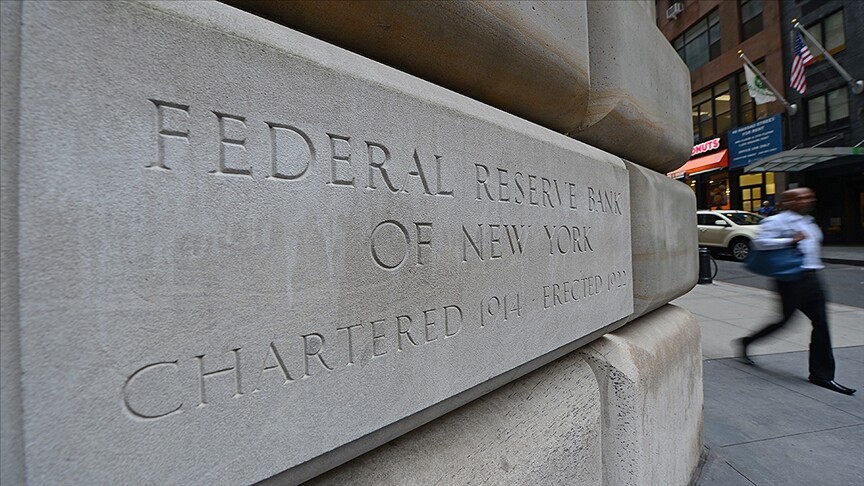
Fed Sees "War-Driven Uncertainty" as U.S. Consumers Crack Under Pressure
Tax Day Overshadowed by Gaza War, Hurting GOP's Economic Message
Botswana Eyes Farming Boom to Boost Economy
War's Ripple Effect: African Economies Hit by Gulf Blockades

IMF Warns: Global Economic Resilience Nears Its Limit

2026 Economy: Five Critical Questions
Botswana Shakes Up Land Rules: From Counting Plots to Creating Jobs

ECB Chief: Euro Economy Worsens After Middle East Shock

Argentina's Inflation Accelerates to 32.6% Amid Fuel Price Surge
Trump's Venezuela "Loot" Plan Risks U.S. Economic Power
Economics in 2024: A Strange Brew of Tariffs, AI, and "Vibecession"

Malaysia Warns Citizens: Prepare for Long Economic Squeeze as Iran War Fallout Nears