Tourism Hotspots Pivot to New Markets and Experiences as Global Travel Surges
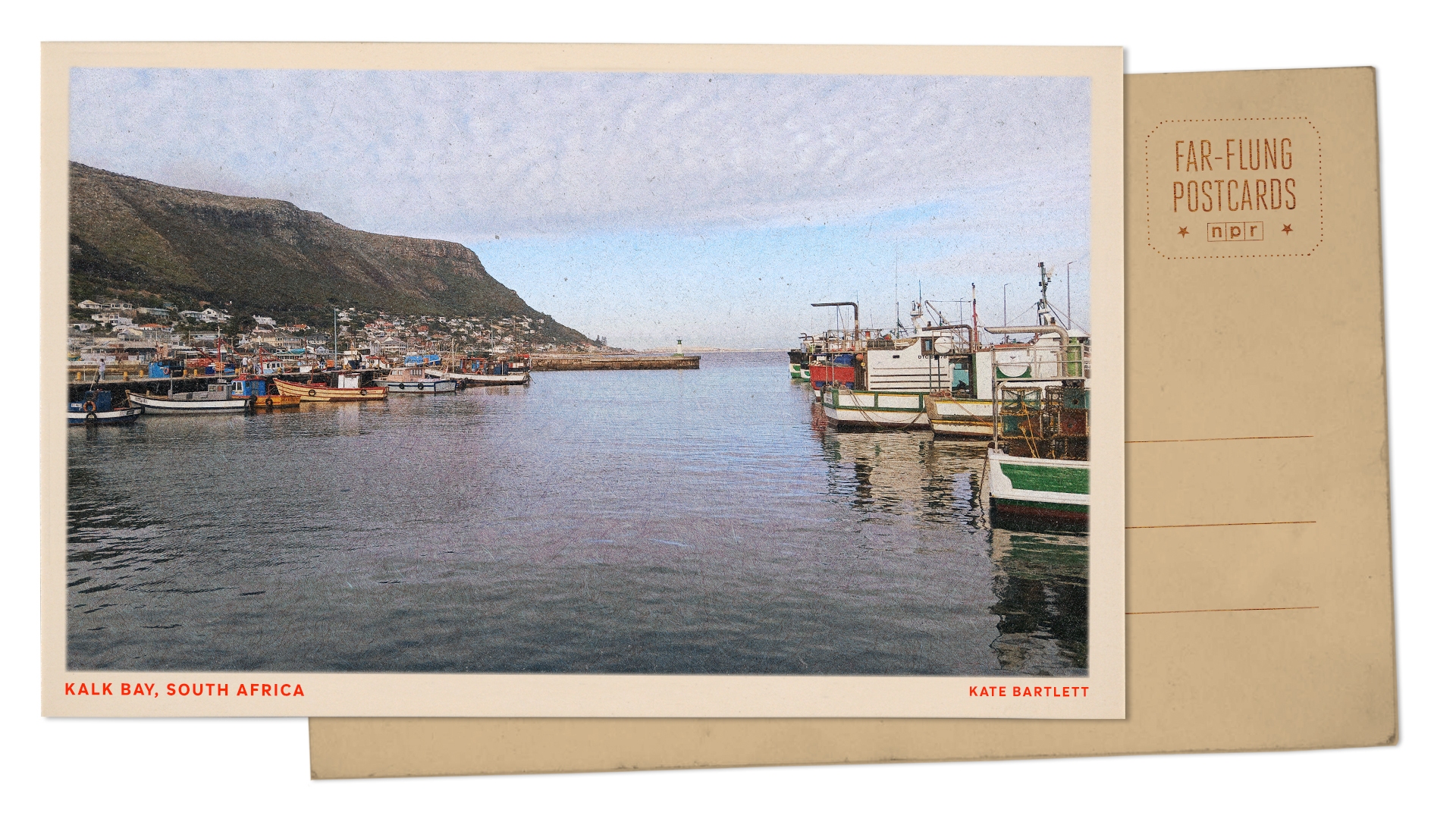
Tourism Hotspots Pivot to New Markets and Experiences as Global Travel Surges From the ski slopes of Kashmir to the tropical beaches of Hainan, global tourism is undergoing a rapid transformation, driven by shifting geopolitics, celebrity influence, and a search for deeper cultural experiences. Destinations are adapting quickly to capture new visitor flows and manage the pressures of rising popularity. In Asia, geopolitical shifts are redrawing tourist maps. China's tropical island of Hainan is experiencing a massive influx of Russian visitors, becoming a warm-weather refuge as traditional destinations are cut off by war and sanctions [128786]. Direct flights from Moscow have resumed, and local businesses have rapidly adapted with Russian-language menus and payment systems to welcome the surge. "Russian tourists are choosing Hainan because it's one of the few friendly, visa-free, warm places they can fly to directly," a tourism analyst said [128786]. Similarly, South Korea set a new tourism record in March, with 2.06 million foreign arrivals, driven significantly by returning Chinese travelers and the powerful draw of cultural exports like K-pop [130391]. The comeback tour of global superstars BTS is credited as a major factor in the historic first-quarter boom, which saw 4.76 million visitors and a 23% increase from the previous year [130391]. Beyond mass appeal, niche and experience-driven travel is also booming. In China, a wave of young, predominantly female tourists dubbed "history fangirls" are embarking on solo pilgrimages to remote historical sites and ancient tombs, fueling a deeper form of heritage tourism [81566]. Meanwhile, popular culture continues to create instant attractions, as seen in Venice where a simple wooden dock, dubbed the "Kardashian jetty," now draws crowds because it was used by a celebrity during a high-profile wedding [51924]. Destinations are actively working to harness these trends for economic stability. The Indian-administered region of Kashmir is aggressively rebranding from a conflict zone to a ski destination, investing in resorts like Gulmarg to build a new tourism-driven economy [46233]. In Morocco's Atlas Mountains, communities that once relied on subsistence farming now predominantly work in tourism, guiding visitors to North Africa's highest peak, Mount Toubkal [83740]. Industry experts note a broader trend toward "meaningful tourism," where travelers seek personalized experiences over simple landmark checklists, a shift expected to define travel in 2026 [36959]. This demand supports community-based models like Village Ways in the Indian Himalayas, which for 21 years has used trekking tours to provide income for remote villages and curb urban migration [100125]. The global competition for visitors remains fierce. Cape Town's Table Mountain is vying for an unprecedented sixth title as the World's Leading Tourist Attraction at the 2026 World Travel Awards, a recognition that officials say brings more international visitors and supports local jobs [130290]. Russian Surge: Hainan Becomes China's Warm-Weather Refuge BTS Comeback Fuels Record Tourist Surge in South Korea China's 'History Fangirls' Hunt Tombs, Write Books Venice's New Tourist Hotspot: The 'Kardashian Jetty' Ski Resorts or Soldiers? Kashmir Bets on Tourism Over Conflict From Walnuts to Tourists: A Changing Valley Leads to North Africa's Peak Beyond Paris: TV Drives 2026 "Meaningful Tourism" Trend Village Tourism Pioneer Fights Urban Flight in India's Himalayas Table Mountain Aims for Sixth "World's Best" Crown
Articles in this Cluster

BTS Comeback Fuels Record Tourist Surge in South Korea
Table Mountain Aims for Sixth "World's Best" Crown
Japan's "Tape No. 1" Maker Bets Big on Tourist Boom
Viral 'Gateway to Heaven' Rooftop Floods Rio Favela with Tourists

China's 'History Fangirls' Hunt Tombs, Write Books

Beyond Paris: TV Drives 2026 "Meaningful Tourism" Trend
Venice's New Tourist Hotspot: The 'Kardashian Jetty'
Tourist Destinations Hit Breaking Point: What Causes the Crush?
Chiang Mai's New Year Smog: Tourism Hit by Wildfires and War
Village Tourism Pioneer Fights Urban Flight in India's Himalayas
From Walnuts to Tourists: A Changing Valley Leads to North Africa's Peak
Russian Surge: Hainan Becomes China's Warm-Weather Refuge