Latest News
Stay updated with the latest news and articles
Top Stories
Global Fuel Prices Skyrocket as Middle East Conflict Disrupts Supply
Global Fuel Prices Skyrocket as Middle East Conflict Disrupts Supply Drivers around the world are facing record-breaking fuel price hikes as conflict in the Middle East disrupts global oil supplies, overwhelming government efforts to provide relief through tax cuts. In Kenya, the price of diesel has risen more than any single time in the country's recorded history, despite a recent government cut to the value-added tax (VAT) on fuel from 16% to 8% [129633][129374]. The tax reduction has been canceled out by soaring global oil costs linked to increased tensions in the Middle East, specifically the conflict involving Iran and Israel [129374]. The surge will directly raise the cost of transportation and electricity, pushing the prices of basic goods higher [129633]. South African drivers rushed to gas stations ahead of a historic price increase, despite authorities reducing the general fuel levy by 3 rand per litre to soften the blow [117884][117581]. The relief was overwhelmed by international pressure, resulting in one of the steepest increases in pump prices the country has ever recorded [117581]. The hike is triggering immediate secondary effects, with security companies, water suppliers, and taxi associations adding emergency surcharges or warning of imminent fare increases [118106]. The crisis stems from direct attacks on energy infrastructure and closed shipping routes. A drone strike that set a Kuwaiti oil tanker on fire off the coast of the United Arab Emirates sent global oil prices surging past $115 per barrel [116225]. Furthermore, the key Strait of Hormuz shipping route remains closed, creating a major supply chain bottleneck that keeps pump prices high even when crude oil prices steady [116592]. Governments are scrambling to respond. Germany announced emergency measures, including a 17-cent-per-litre cut to fuel taxes, to shield citizens from war-driven inflation [128123]. However, these interventions are struggling to keep pace with the market shock. Analysts warn that with the stability of Middle East ceasefires in doubt, significant price relief for consumers is not expected in the near future [124783]. Kenya Fuel Prices Skyrocket, Hit Record High Despite Tax Cut Fuel Prices Soar in Kenya, Despite Tax Cut South Africa Braces for Record Fuel Price Surge South Africa Cuts Fuel Tax, But Drivers Still Hit by Record Price Hike Fuel Shockwave: Water, Security Prices Surge After Diesel Spike Drone Attack on Tanker Sends Oil Soaring Past $115 Oil Prices Steady, So Why Is Petrol So Expensive? Germany Cuts Fuel Tax, Offers Worker Bonus to Counter War-Driven Inflation Fuel Prices Climb as Gaza Ceasefire Hopes Fade



Syrian Army Offensive Sparks Mass Exodus as Aleppo Truce Collapses
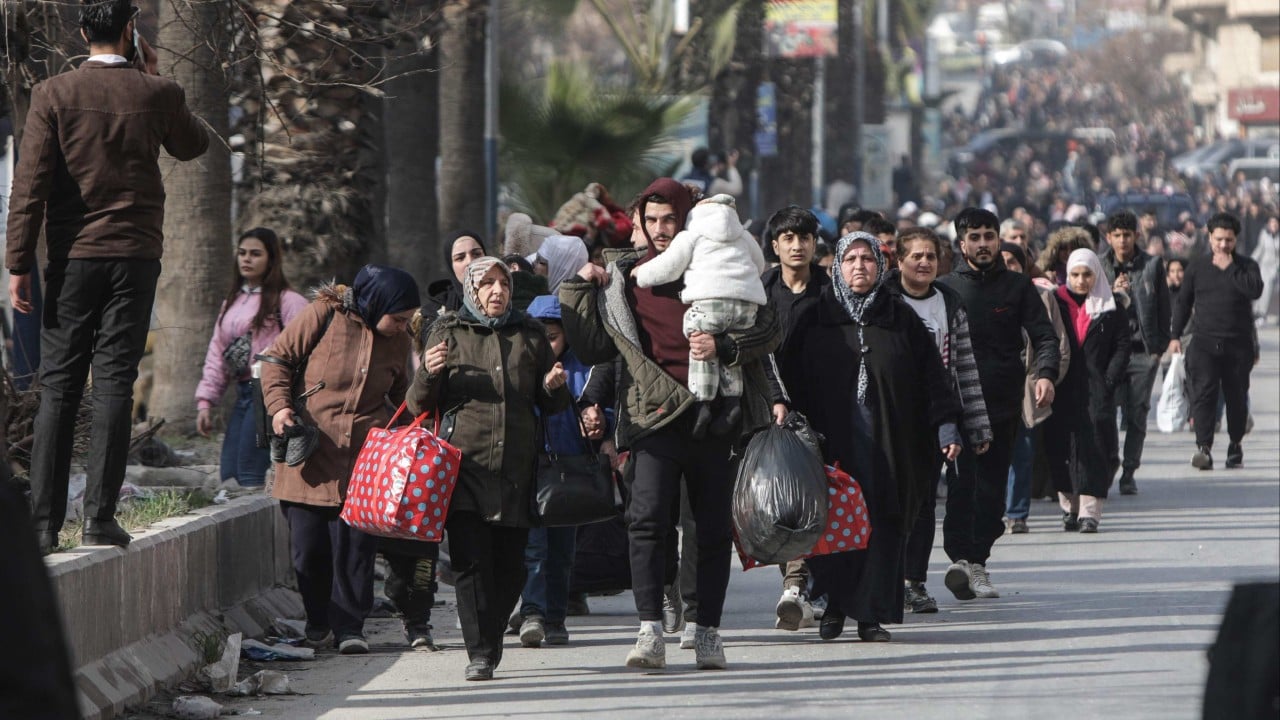
Syrian Army Offensive Sparks Mass Exodus as Aleppo Truce Collapses Intense fighting has returned to Syria's Aleppo province, shattering a period of fragile calm and forcing tens of thousands of civilians to flee a renewed government offensive [45588]. Clashes between the Syrian army and the Kurdish-led Syrian Democratic Forces (SDF) erupted on multiple fronts, including the northern suburbs and areas east of the city [43634][49667]. The violence marks a significant escalation after political talks between the Damascus government and the SDF stalled [45585]. A previous agreement to integrate the SDF into the national army has failed to materialize, creating a vacuum that has led directly to military action [45588]. Both sides have blamed each other for initiating the latest combat, which has caused multiple deaths [44512]. The surge in fighting has triggered a rapid humanitarian crisis. Aid groups report a massive movement of displaced families seeking safety away from the front lines, though the exact number is still being assessed [45585]. The exodus follows expanded evacuation orders as clashes move closer to populated areas [45588]. Aleppo province already hosts many people displaced from earlier phases of Syria's long-running civil war [45585]. The United States, which backed the SDF in the fight against the Islamic State group, is now attempting to mediate a ceasefire [44512]. The stalemate between the Syrian government and the SDF is deepening, threatening to unravel relative stability in northern Syria and complicating international efforts in the region [44512][49667]. Syrian Army Advances on Aleppo, Sparking Mass Exodus Syrian Army and US-Backed Forces Clash in Aleppo Fresh Clashes Erupt Between Syrian Army and Kurdish Forces Aleppo Exodus: Fighting Erupts as Syria Peace Talks Fail Syria's Aleppo Truce Shatters, Thousands Flee as U.S. Mediates

China Bets Billions on AI Chips and Fusion in High-Stakes Tech Race Against U.S.
China Bets Billions on AI Chips and Fusion in High-Stakes Tech Race Against U.S. China is mobilizing massive state investment and a new national strategy to achieve technological self-reliance and challenge American dominance in critical fields like artificial intelligence (AI) chips and next-generation energy. The push, targeting breakthroughs in semiconductors as advanced as 3 nanometers and the development of nuclear fusion power, marks a decisive shift from absorbing foreign technology to pioneering cutting-edge innovation [51155][95150][59734]. The blueprint was formally outlined in China's latest five-year plan, which directs national resources toward breaking foreign "chokepoints" in strategic industries [95150]. This state-guided model contrasts sharply with the U.S. approach, where AI development is largely driven by private market forces [109135]. A key front in this competition is the semiconductor sector. The Chinese province of Zhejiang has announced a plan to develop AI chips at the 3 to 7-nanometer scale, a direct effort to counter U.S. export controls described as a strategic "chokehold" [51155]. This follows the launch of a new state-backed investment fund worth over $47 billion specifically aimed at building a domestic chip manufacturing supply chain, from materials to advanced equipment [86995]. Shanghai has also entered the fray with a $10 billion investment plan focused on microchips and AI, highlighting the nationwide scale of the effort [43531]. Companies are exploring alternative technologies, such as silicon photonics chips that use light to process data, with at least one firm now moving toward a public stock listing [129740]. Beyond hardware, China is building a strategic advantage in the real-world application of AI. Analysts note the country is creating a "massive lead" in everyday AI use, where scale and integration into the economy create a self-reinforcing cycle of more data and better models [129427]. The strategy extends to frontier science, with nuclear fusion—the process that powers the sun—identified as a priority for the coming decade [95150]. The combined push is already impacting global markets, with a flood of advanced Chinese products in sectors like electric vehicles and renewables applying new competitive pressure worldwide [128200]. This concentrated effort signals China's transition from a "catch-up" phase to a focused campaign for leadership in the technologies that will define the next generation of global industry and power [59734]. China's New Plan: Beat US Tech Rivals with AI and Fusion Power China Targets 3nm AI Chips to Break US "Chokehold" China Bets $47 Billion to Break the Chip Barrier China's Tech Pivot: From "Catch-Up" to Cutting-Edge Shanghai Bets $10 Billion on Chips and AI in Tech Race China's AI Chip Race: A New Challenger Eyes IPO China Leads AI Race Not in Chips, But in Daily Use AI War: US Bets on Markets, China Bets on Control China's "Shock 2.0": A Flood of High-Tech Goods Reshapes Global Industries


Climate Change Forces Global Fishing Industry Into Uncharted Waters
Climate Change Forces Global Fishing Industry Into Uncharted Waters New fishing bans are being imposed across the world's oceans as governments scramble to adapt to a climate crisis that is scrambling marine life. Scientists report that rising ocean temperatures and shifting currents are fundamentally altering fish migration patterns, rendering traditional fishing calendars obsolete [129824]. The new regulations are designed to protect fish stocks during vulnerable periods, such as spawning, which are now occurring in unexpected locations and at different times. The goal is to prevent overfishing and allow populations to recover, but the sudden changes are creating severe economic challenges for the global fishing industry and the coastal communities that depend on it [129824]. This disruption is part of a broader pattern of climate extremes becoming a daily reality. The year 2025 was marked by a relentless series of costly weather disasters, from catastrophic floods to severe droughts and intense storms, demonstrating a climate system under increasing stress [49594]. Experts warn that such severe events are increasingly the standard, driven by greenhouse gas emissions from human activity [36941]. The strain is being felt on land as well. A major UK conservation charity warned that extreme weather in 2025 pushed wildlife to a "breaking point" through a destructive cycle of storms, heat, drought, and floods [36898]. Similarly, rising temperatures and shifting seasons are causing beehives to fail in the Democratic Republic of the Congo, threatening both a traditional livelihood and food security for local communities [128278]. In response to the escalating planetary crisis, the United Nations Environment Assembly recently concluded with a strong call for accelerated global action. Delegates committed to strengthening international cooperation on the interconnected crises of climate change, biodiversity loss, and pollution to build planetary resilience [21446]. Fishing Bans Begin as Climate Change Scrambles Ocean Life 2025: The Year the Weather Broke Europe's 2025 Weather: A New Normal of Extremes? UK Wildlife Pushed to "Breaking Point" by Extreme Weather in 2025 Bees Vanish as Congo Feels the Sting of Climate Change UN Environment Assembly Demands Urgent Global Action on Climate and Biodiversity
U.S. Consumers Crack Under Financial Strain as Fed Warns of War-Driven Uncertainty
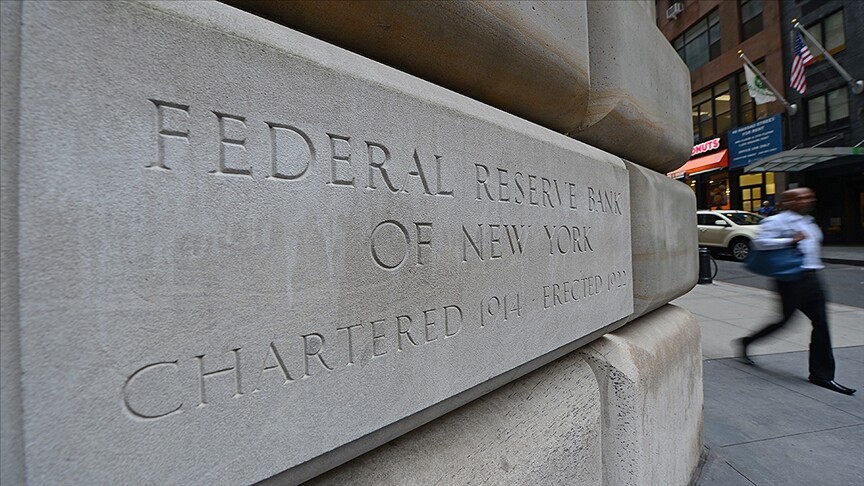
U.S. Consumers Crack Under Financial Strain as Fed Warns of War-Driven Uncertainty A new Federal Reserve report reveals American households are showing clear signs of financial distress, even as business activity continues to grow. The findings highlight an economy at a crossroads, pressured by high prices, geopolitical conflict, and growing consumer fatigue [129942]. The Federal Reserve's latest "Beige Book" survey found economic activity increased at a "slight to modest pace" in recent weeks. However, it details mounting pressure on consumers, who are increasingly relying on credit cards and savings to make ends meet. Retailers report shoppers are trading down to cheaper products and delaying major purchases [129942]. The report directly links this strain to "heightened uncertainty" for businesses, driven by the ongoing wars in Ukraine and the Middle East. This geopolitical tension is cited as a key risk to future economic growth [129942]. The consumer slowdown comes as the United States exports crude oil at a record rate, a trend experts warn could reduce domestic stockpiles and lead to higher gasoline prices for American drivers [129976]. Internationally, the conflict is creating severe economic pressure beyond fuel costs. In Central Asia, Kazakhstan has removed Western energy giants Shell and Eni from a major gas project, replacing them with a Chinese firm. Analysts say this shift is a direct result of Ukraine's drone war disrupting key Russian export routes, pushing Kazakhstan to secure its economy by deepening ties with Beijing [129501]. The ripple effects are also hitting some of the world's poorest nations. Attacks on energy facilities and shipping blockades in critical routes like the Strait of Hormuz are creating profound energy security challenges for vulnerable African economies [129561]. Fed Sees "War-Driven Uncertainty" as U.S. Consumers Crack Under Pressure U.S. Sells Record Oil Abroad as Mideast Conflict Threatens Gas Prices at Home Kazakhstan Replaces Western Giants with China After Ukraine's Drone War War's Ripple Effect: African Economies Hit by Gulf Blockades

Tourism Industry Scrambles as Global Conflicts and Trends Redraw the World Travel Map
Tourism Industry Scrambles as Global Conflicts and Trends Redraw the World Travel Map From the Himalayas to the Mediterranean, the global tourism industry is undergoing a rapid and unexpected transformation. Destinations are seeing visitor numbers swing wildly as international conflicts disrupt traditional travel patterns, while social media and celebrity culture create instant, overcrowded hotspots overnight [80040]. The most dramatic shift is the direct result of war and sanctions. With traditional warm-weather destinations cut off, Russian tourists are flooding into China's tropical island of Hainan in record numbers [128786]. Direct flights from Moscow have fully resumed, and the island is catering to the surge with Russian-language menus, signs, and payment systems. Industry analysts confirm Russian arrivals are several times higher than last year, as Hainan positions itself as a friendly, visa-free alternative [128786]. Meanwhile, other destinations are facing a sudden vacuum. Nepal's critical spring trekking season has been hit by a steep decline in Western travelers, with arrivals from the Americas and Europe dropping by nearly 25% and 19% respectively in March [128459]. The country's tourism board blames the conflict in the Middle East, which has disrupted connecting flights and raised security concerns, causing widespread cancellations. In response, the industry is now aggressively marketing to travelers from India, China, and Southeast Asia to fill the gap [128459]. Simultaneously, the relentless power of viral media is creating intense, localized pressures. A single rooftop in Rio de Janeiro's Rocinha favela, dubbed the "Gateway to Heaven," has become a global pilgrimage site after videos of its framed view of Christ the Redeemer went viral [101397]. Visitors now wait for hours, with local guides offering special motorbike taxi rides up the favela's narrow streets to reach the spot, demonstrating how social media can instantly redirect tourist traffic to densely populated residential areas [101397]. A similar phenomenon has occurred in Venice, where a simple wooden dock used by celebrity Kim Kardashian during a high-profile wedding has been rebranded by tourists as the "Kardashian Jetty" [51924]. Fans now seek out the floating platform, which a local guide compared to a bus stop, alongside other locations linked to the event, showing how a single celebrity moment can reshape interest in an ancient city [51924]. In response to these pressures, some destinations and operators are pushing for more sustainable models. In the Indian Himalayas, the community-based project Village Ways has spent 21 years building a network of over 30 villages that host trekkers, providing direct income to reduce urban migration [100125]. In New Zealand, a wildlife encounter allowing visitors to gently pat giant stingrays is a tightly controlled partnership with Māori tribes, designed to build cultural and environmental respect [70326]. Russian Surge: Hainan Becomes China's Warm-Weather Refuge Nepal's Trekking Industry Pivots to Asia as Middle East Conflict Scares Off Western Tourists Viral 'Gateway to Heaven' Rooftop Floods Rio Favela with Tourists Venice's New Tourist Hotspot: The 'Kardashian Jetty' Village Tourism Pioneer Fights Urban Flight in India's Himalayas Title: Pat a 300kg "Sea Puppy"? In New Zealand, You Can. Tourist Destinations Hit Breaking Point: What Causes the Crush?
Iranians Flee Bombs, Others Rush Back to Family in Desperate Two-Way Exodus
Iranians Flee Bombs, Others Rush Back to Family in Desperate Two-Way Exodus A remote mountain border crossing between Iran and Turkey has become the stage for a desperate two-way flow of civilians, all driven by the intensifying conflict inside Iran. As some Iranians flee relentless bombardment, others are making the perilous journey back into the war zone, torn between personal safety and fears for trapped family members. At the snow-covered Kapıköy crossing, a steady stream of refugees is entering Turkey, escaping constant military strikes [95980][119947]. "Every night they are bombarding," said one recent arrival, who gave only the name Amir for safety [119947]. The exodus is compounded by widespread government internet blackouts that sever communication with loved ones [119947]. In a contrasting movement, other Iranians are traveling in the opposite direction, returning home from Turkey [95980][119947]. These individuals are driven by urgent concerns for relatives caught in conflict zones, often unable to contact them due to the communication disruptions [95980]. The crossing, which was recently busy with tourists, has transformed into a symbol of the war's divisive impact, with people moving both ways for the same fundamental reason: family and safety [119947]. The situation highlights the impossible choices facing civilians as the war grinds on. With few direct routes to the west, the remote mountain pass has become a critical, and grim, artery for those seeking refuge or reunion [119947]. Two-Way Flight: Iranians Flee Bombs, Others Rush Back to Family Iranians Cross Border in Both Directions as War Intensifies


Trump Revives Push to Buy Greenland, Mixing Real Estate Tactics with Geopolitics
Trump Revives Push to Buy Greenland, Mixing Real Estate Tactics with Geopolitics Former President Donald Trump is again pursuing the purchase of Greenland, employing a mix of financial offers, threats, and geopolitical pressure that critics compare to colonial-era land grabs. The autonomous Danish territory has become a focal point of Trump's unorthodox foreign policy, which repeatedly sidelines diplomatic norms in favor of transactional demands. Speaking at the World Economic Forum in Davos, Trump publicly renewed his interest in acquiring the vast Arctic island, stating the U.S. should be allowed to buy it [55297]. He later clarified he did not want to use military force for the acquisition but called for immediate negotiations [55327]. This follows previous reports that his approach has included cash offers to Greenlanders and threats of tariffs against Denmark if the sale is blocked [50444]. The push forms part of a broader foreign policy vision that directly challenges the post-World War II international order [58552]. At the same forum, Trump lambasted NATO allies, claiming the U.S. is treated "very unfairly" by members who do not spend enough on defense [55297][55327]. Analysts note his speeches consistently ignore traditional "soft power" diplomacy, emphasizing economic nationalism and direct demands instead [55327]. Historians warn that combining territorial acquisition with an aggressive, dismissive stance toward alliances mirrors 19th-century imperial behaviors, where intense rivalry over land and resources often led to conflict [58552]. The governments of Denmark and Greenland have consistently and firmly stated that the island is not for sale [50444]. Trump at Davos: Questions NATO, Wants to Buy Greenland Trump Eyes Greenland: Cash, Threats, and Military Force Trump at Davos: Skips Soft Power, Targets Greenland and NATO Allies Trump's 'New Imperialism': Land Grabs and a Rejected World Order

India's Farmers Mobilize Nationwide, Fearing U.S. Trade Deal Will Crash Crop Prices
India's Farmers Mobilize Nationwide, Fearing U.S. Trade Deal Will Crash Crop Prices A wave of protests has swept across India as farmers and trade unions mobilize against a newly announced trade agreement with the United States, fearing the pact will flood the market with cheap imports and destroy their livelihoods. The protests, which included a nationwide strike, saw farmers block major highways and railway lines with tractors and trucks, particularly around the capital, New Delhi [75183]. The core of their anger is a fear that the deal will lower import taxes on American agricultural goods, allowing subsidized U.S. produce to undercut Indian farmers [75183][73750]. Protest leaders have zeroed in on the government's Minimum Support Price (MSP) system, which guarantees set prices for staple crops like wheat and rice. They worry the trade terms could force India to reduce these crucial supports, leading to a catastrophic drop in their incomes [73750]. Their central demand is for a new law that would make the current MSP system a permanent, legal guarantee [73750]. The trade agreement, struck during a visit by former U.S. President Donald Trump, represents a significant diplomatic achievement for Prime Minister Narendra Modi in strengthening ties with a key partner [73750]. However, it has ignited immediate domestic tension with the politically powerful farming community, a crucial voting bloc [73750]. Government officials have repeatedly stated that the MSP system remains protected under the deal and that safeguards are in place for the agriculture sector [75183][73750]. They argue the agreement includes measures to prevent sudden price drops for local farmers [75183]. Despite these assurances, protest organizers express deep distrust. They argue the deal ultimately favors U.S. corporate interests over Indian farmers and are demanding the government reject it entirely [75183]. Negotiations between farmer unions and government ministers are ongoing, with security heightened at key entry points to the capital [73750]. The standoff highlights the difficult balance the Indian government must strike between pursuing international trade partnerships and maintaining domestic stability, with the welfare of millions of farmers hanging in the balance [73750]. Indian Farmers Strike, Fearing U.S. Trade Deal Will Flood Market India's Farmers Protest as Modi-Trump Trade Pact Threatens Key Crop Prices
U.S. Forces Capture Venezuelan President Maduro in Military Strike, Plan to "Run" Country
U.S. Forces Capture Venezuelan President Maduro in Military Strike, Plan to "Run" Country In an unprecedented military escalation, United States forces have captured Venezuelan President Nicolás Maduro and his wife, Cilia Flores, during a large-scale strike on Venezuelan territory. The operation, ordered by the Trump administration, has removed the long-time leader from power and prompted a U.S. announcement that it intends to directly administer the oil-rich South American nation [41033][41227][40871]. The capture occurred during an overnight operation on Saturday, January 3, 2026, which included airstrikes on targets in the capital, Caracas [40921][41055]. U.S. President Donald Trump described the action as a "large-scale strike" and stated that the United States will now "run" Venezuela to "fix" its collapsed oil infrastructure and "take back the oil" [41227][41525][41055]. Venezuela holds the world's largest proven oil reserves, but its production has plummeted amid a profound economic and humanitarian crisis [40871][42114]. Maduro and his wife were reportedly flown out of Venezuela and are now in U.S. custody [40921][40970]. They face criminal charges in a New York court, including accusations of "narco-terrorism" and running a narcoterrorist organization [40942][40970]. U.S. officials have long labeled Maduro's government as illegitimate, accusing it of corruption, human rights abuses, and stealing elections [41136][40668][40505]. The sudden removal of the sitting head of state has created an immediate power vacuum and leadership crisis within Venezuela, with no clear successor named [41136][40970]. The U.S. has recognized opposition leader Juan Guaidó as Venezuela's legitimate president since 2019, but the path forward for forming a new government remains uncertain [41379][42114]. The operation marks a dramatic break from established international law and sets a dangerous precedent for direct military intervention in a sovereign nation, analysts say [40737][41525]. While the immediate military action appears complete, the long-term plan for governing Venezuela and the international fallout from the strike are still unfolding [41055][42114]. U.S. Forces Capture Venezuelan President in Military Strike Venezuela Leader Ousted in U.S. Strike, Faces Charges in New York US Strikes Venezuela, Captures President Maduro U.S. Captures Venezuela's President in Secret Operation U.S. Forces Capture Venezuelan President Nicolás Maduro US Strikes Venezuela, Abducts President Maduro US Captures Venezuelan President in "Large-Scale Strike" U.S. Military Strike Captures Venezuelan Leader Maduro U.S. Captures Maduro: What Now for Venezuela? US Seizes Venezuelan President, Vows to "Run" Country and "Take Back the Oil" U.S. Claims Capture of Venezuelan Leader in Military Strike U.S. Strikes Venezuela, Captures President Maduro US Captures Venezuelan President in Military Strike U.S. Strikes Venezuela, Captures President Maduro Venezuelan President Captured in U.S. Military Raid

Latest Articles
Unknown Tycoon Quietly Builds a Kazakh Empire
A 35-year-old businessman is rapidly building a vast corporate empire in Kazakhstan. His holdings now span critical national industries like railways...
Kazakh Army Officer Charged in Conscript's Training Suicide
A military officer in Kazakhstan has been formally charged in connection with the 2024 suicide of a young conscript. The soldier died during mandator...
China's $4.5 Billion Pipeline Stalled: Can Beijing Stick to Its "No Meddling" Rule?
A major Chinese-built oil pipeline is stuck, testing a core principle of China's foreign policy. The $4.5 billion project, linking Niger's oil fields...
Indonesia's Prabowo Hunts Energy Deals Amid Middle East Tensions
President-elect Prabowo Subianto is aggressively pursuing new energy partnerships for Indonesia. His strategy aims to reduce risk by finding supplier...
South Korea Shifts Stance on Israel, Signaling New Independence from U.S.
South Korea is taking a notably tougher diplomatic position against Israel. Analysts say the move is about more than the Middle East conflict—it sign...
U.S. Lawmaker: America Must Pay or Lose the Pacific
A senior U.S. congressman has issued a direct warning: America must invest more money in the Pacific Islands or risk losing its influence there. Rep...
Bangladesh's Energy Gamble: Renewables or Ruin?
A severe energy crisis is gripping Bangladesh. Its 177 million people are suffering from frequent power shortages and high costs. The country relies...
Kimilsungism: A North Korean "Religion" Built on Christian Foundations
A new analysis reveals the state ideology of North Korea, Kimilsungism, was deliberately constructed using Christian methods and symbolism. Jonathan...
India Considers Crocodiles, Snakes for Border Security
Indian officials have reportedly discussed a unique plan to secure the country's border with Bangladesh. The proposal involves releasing crocodiles a...
Trump Shares AI Image of Jesus Embracing Him
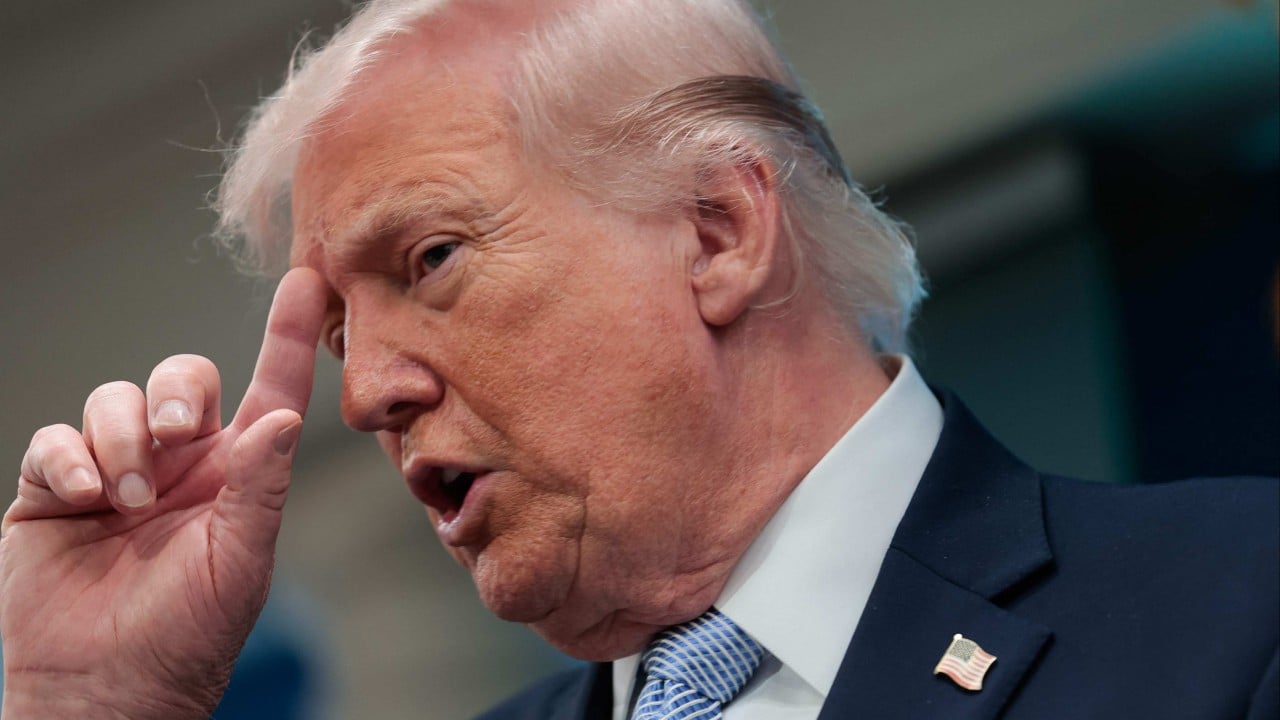
U.S. President Donald Trump posted an apparently AI-generated picture of Jesus Christ hugging him on Wednesday. The image was shared two days after h...
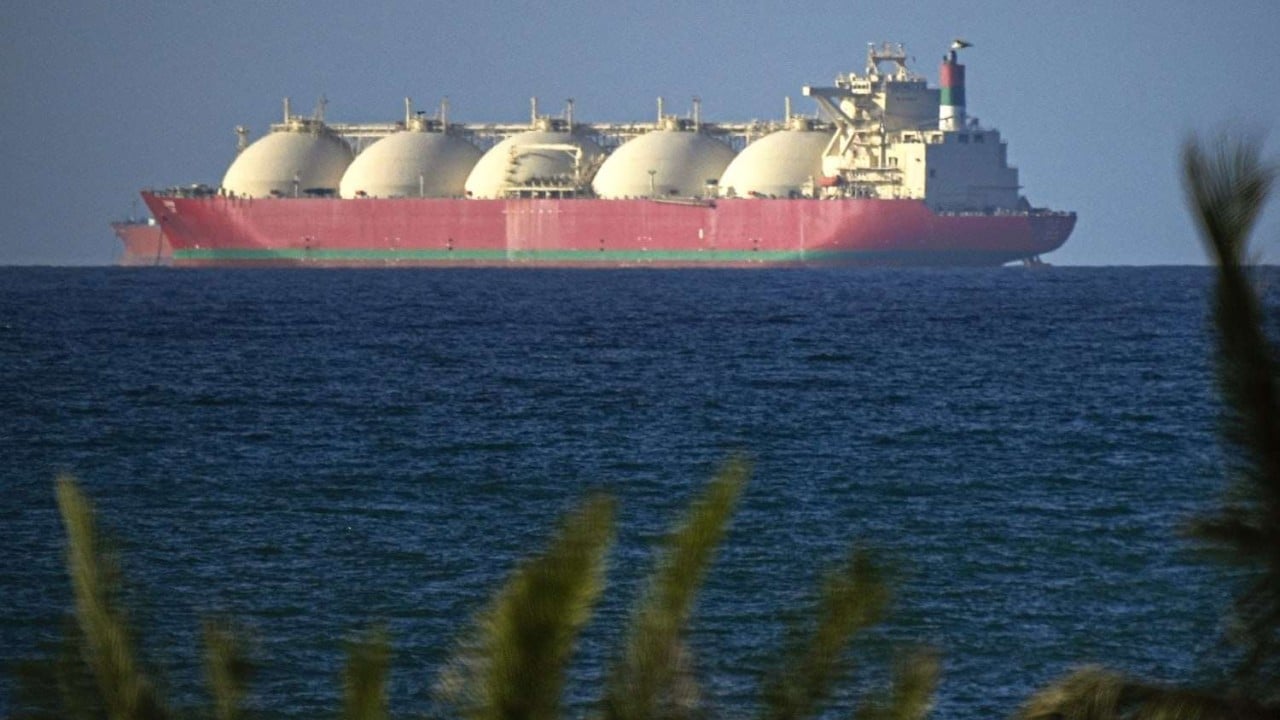
U.S. Sees Hope for Deal as Iran Threatens Red Sea
The White House expressed optimism for renewed negotiations with Iran, even as Tehran makes threats to disrupt vital Red Sea shipping lanes. On Wedn...

Principal Tackles and Disarms School Gunman in Caught-on-Camera Confrontation
Newly released video shows a high school principal in Oklahoma physically disarming a gunman inside the school. The footage from Pauls Valley High S...
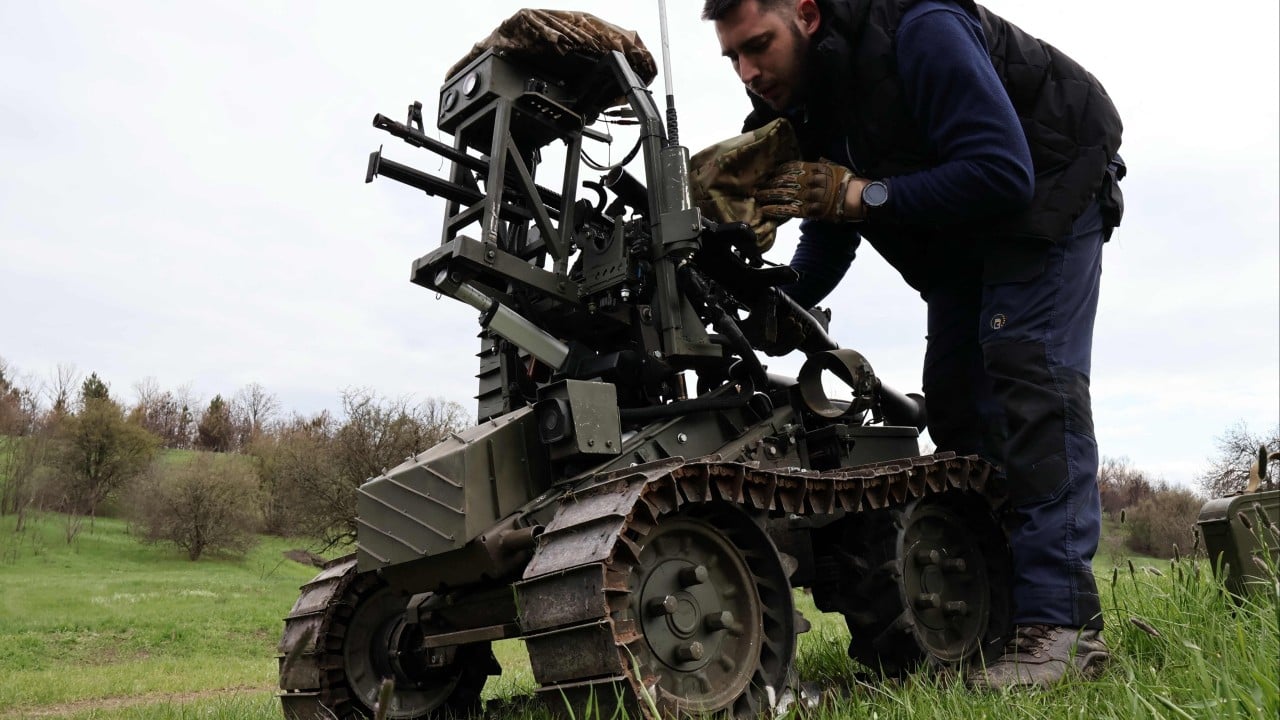
Ukrainian Robot Units Report Over 100 Frontline Attacks
A specialized Ukrainian military unit says it has conducted more than 100 attacks using ground robots. The announcement highlights the growing role o...
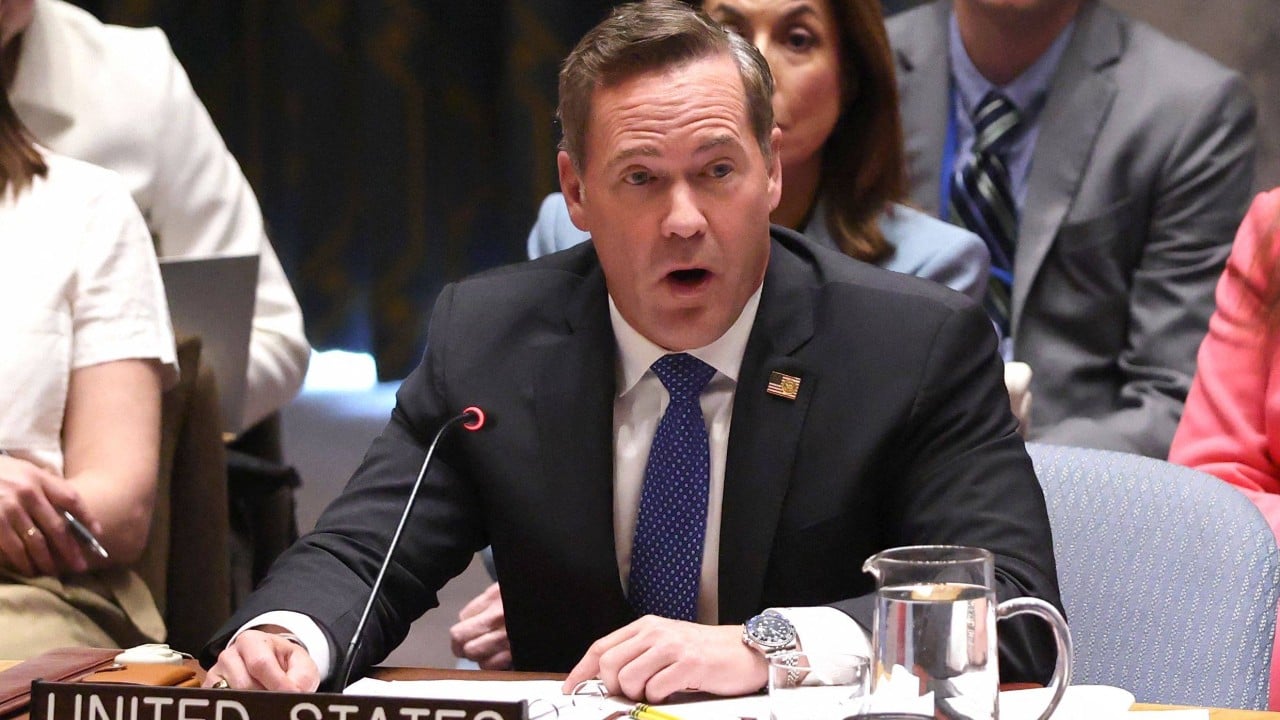
US Envoy Boasts of UN Cuts, Criticizes Global Failures
A top U.S. diplomat celebrated major budget and job cuts at the United Nations while sharply criticizing the body's global effectiveness. Mike Waltz...
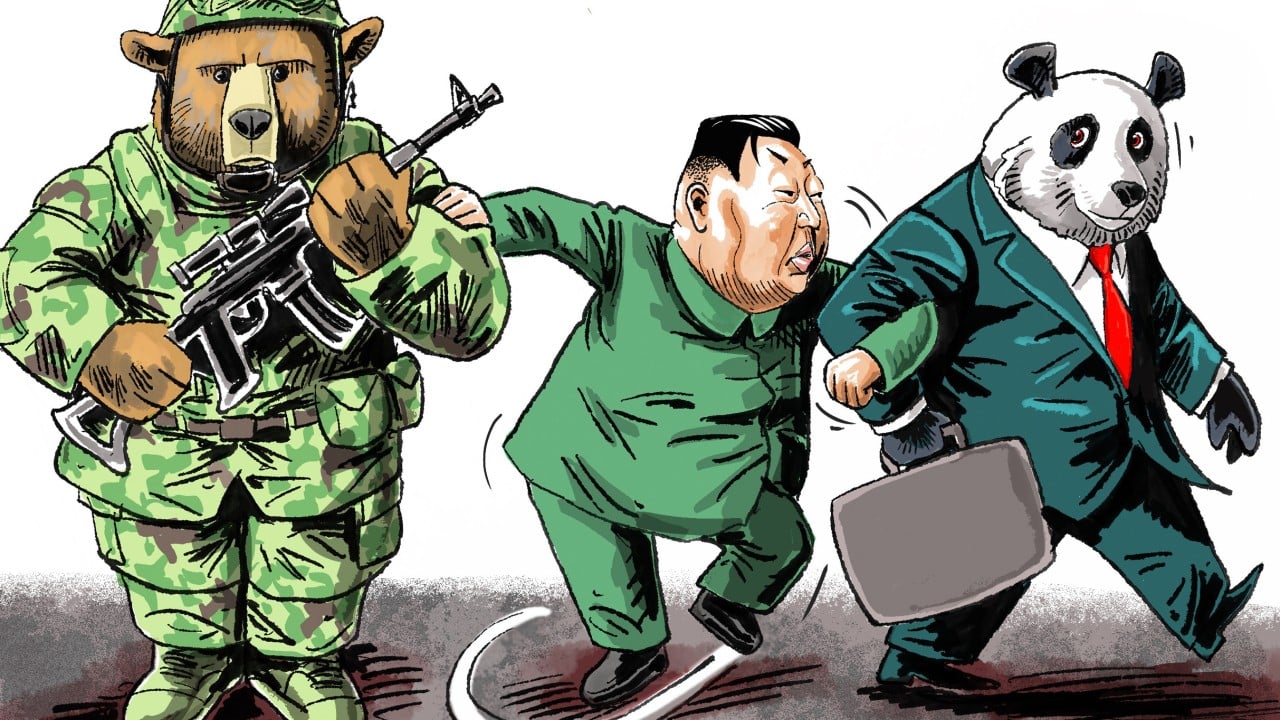
Kim Jong-un Seeks Beijing Boost After Russia Focus
North Korean leader Kim Jong-un has declared improving relations with China a top priority, signaling a diplomatic pivot back to Beijing after years...

China Doubles Its Scientific AI Power in Two Months, Sans U.S. Chips
China has rapidly expanded its largest artificial intelligence (AI) computing system for scientific research. The facility doubled its number of dome...
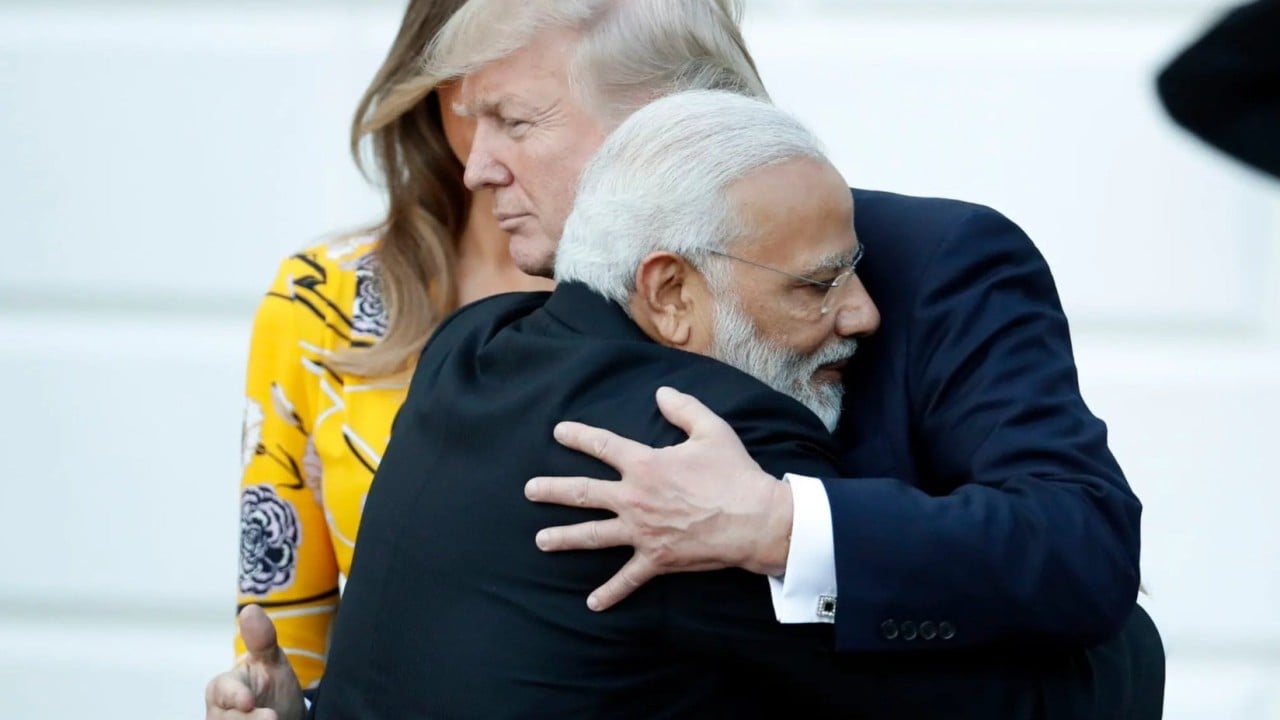
India Skips Top Leaders for Key Quad Meeting
A diplomatic compromise is taking shape for the Quad alliance. India, after its term as chair ended without a leaders' summit, will now host a foreig...
Toyota and Isuzu to Build a Hydrogen-Powered Truck
Japanese automakers Toyota and Isuzu have agreed to jointly develop a new light-duty fuel cell truck. They aim to begin mass production and sales of...
Xi Jinping Meets Taiwan Opposition Leader After Military Shake-Up
Chinese President Xi Jinping held a rare meeting with the vice chairman of Taiwan's main opposition party, the Kuomintang (KMT). The talks occurred j...
Nippon Steel's Green Pivot Hits Cost Wall
Nippon Steel, Japan's largest steelmaker, is facing major challenges in its plan to shift production to cleaner methods. The company wants to replace...