China Bets Billions on AI Chips and Fusion in High-Stakes Tech Race Against U.S.
China Bets Billions on AI Chips and Fusion in High-Stakes Tech Race Against U.S. China is mobilizing massive state investment and a new national strategy to achieve technological self-reliance and challenge American dominance in critical fields like artificial intelligence (AI) chips and next-generation energy. The push, targeting breakthroughs in semiconductors as advanced as 3 nanometers and the development of nuclear fusion power, marks a decisive shift from absorbing foreign technology to pioneering cutting-edge innovation [51155][95150][59734]. The blueprint was formally outlined in China's latest five-year plan, which directs national resources toward breaking foreign "chokepoints" in strategic industries [95150]. This state-guided model contrasts sharply with the U.S. approach, where AI development is largely driven by private market forces [109135]. A key front in this competition is the semiconductor sector. The Chinese province of Zhejiang has announced a plan to develop AI chips at the 3 to 7-nanometer scale, a direct effort to counter U.S. export controls described as a strategic "chokehold" [51155]. This follows the launch of a new state-backed investment fund worth over $47 billion specifically aimed at building a domestic chip manufacturing supply chain, from materials to advanced equipment [86995]. Shanghai has also entered the fray with a $10 billion investment plan focused on microchips and AI, highlighting the nationwide scale of the effort [43531]. Companies are exploring alternative technologies, such as silicon photonics chips that use light to process data, with at least one firm now moving toward a public stock listing [129740]. Beyond hardware, China is building a strategic advantage in the real-world application of AI. Analysts note the country is creating a "massive lead" in everyday AI use, where scale and integration into the economy create a self-reinforcing cycle of more data and better models [129427]. The strategy extends to frontier science, with nuclear fusion—the process that powers the sun—identified as a priority for the coming decade [95150]. The combined push is already impacting global markets, with a flood of advanced Chinese products in sectors like electric vehicles and renewables applying new competitive pressure worldwide [128200]. This concentrated effort signals China's transition from a "catch-up" phase to a focused campaign for leadership in the technologies that will define the next generation of global industry and power [59734]. China's New Plan: Beat US Tech Rivals with AI and Fusion Power China Targets 3nm AI Chips to Break US "Chokehold" China Bets $47 Billion to Break the Chip Barrier China's Tech Pivot: From "Catch-Up" to Cutting-Edge Shanghai Bets $10 Billion on Chips and AI in Tech Race China's AI Chip Race: A New Challenger Eyes IPO China Leads AI Race Not in Chips, But in Daily Use AI War: US Bets on Markets, China Bets on Control China's "Shock 2.0": A Flood of High-Tech Goods Reshapes Global Industries
Articles in this Cluster

China's AI Chip Race: A New Challenger Eyes IPO

China Leads AI Race Not in Chips, But in Daily Use

EU Demands Tech and Jobs from Chinese Factories
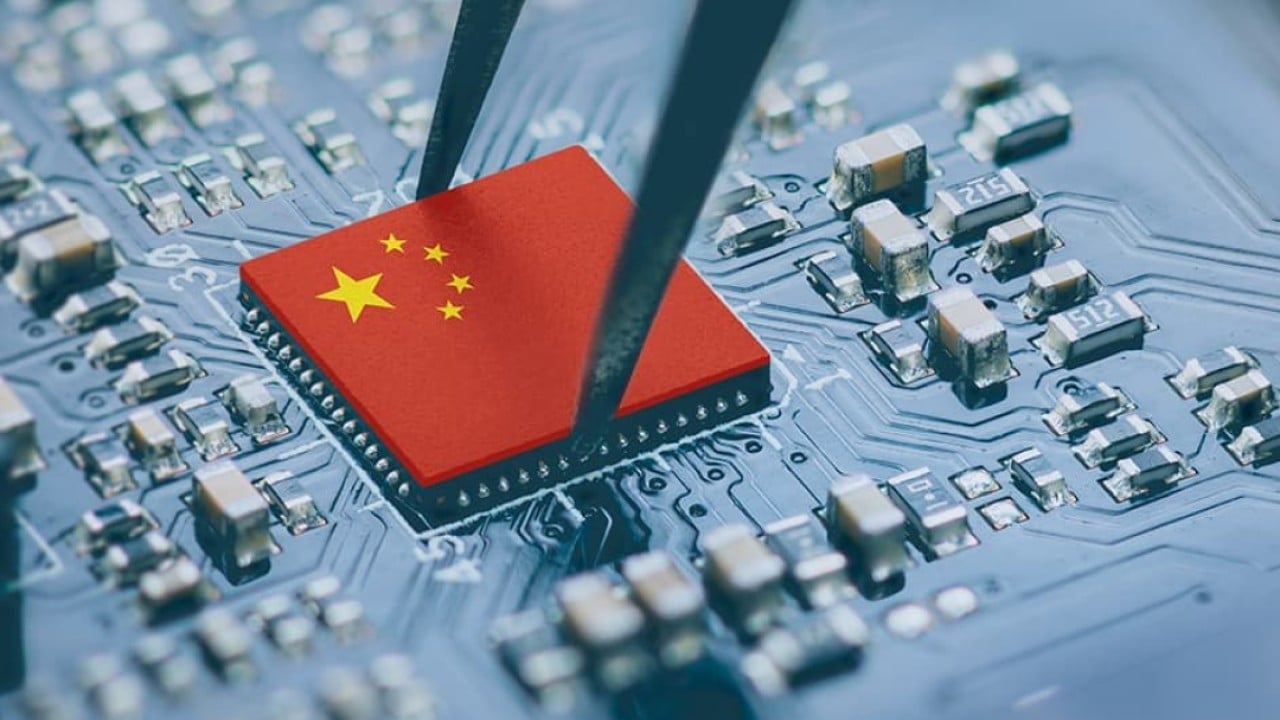
China Targets 3nm AI Chips to Break US "Chokehold"
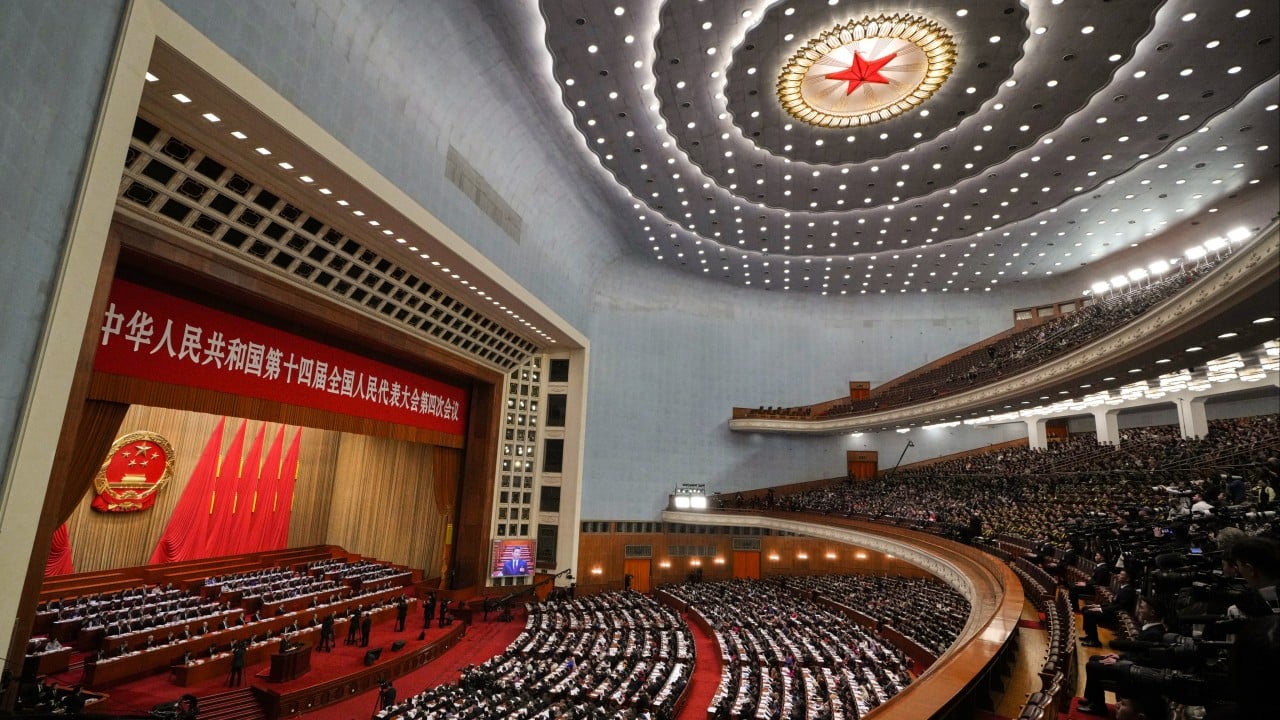
China's New Plan: Beat US Tech Rivals with AI and Fusion Power

China's Tech Pivot: From "Catch-Up" to Cutting-Edge
China's New Rules: Leave and You Could Be Punished

AI War: US Bets on Markets, China Bets on Control

China's "Shock 2.0": A Flood of High-Tech Goods Reshapes Global Industries

Quad Targets Myanmar's Rare Earths to Counter China
China's North Korea Move: A Calculated Play Before Trump Talks

China’s Corporate Giants Seek New Frontiers Abroad
China Bets $47 Billion to Break the Chip Barrier

Shanghai Bets $10 Billion on Chips and AI in Tech Race
