Latest News
Stay updated with the latest news and articles
Top Stories
France's Local Elections Set Stage for High-Stakes Presidential Showdown
France's Local Elections Set Stage for High-Stakes Presidential Showdown
Voters across France cast ballots on Sunday in the decisive second round of municipal elections, a critical national test that will shape alliances and momentum heading into next year's presidential race. With key cities like Paris and Marseille up for grabs, the results signal a political landscape increasingly defined by competition between a resurgent far right and a newly unified left-wing bloc [103520][108245][108214].
More than 48 million registered voters were eligible to participate in the two-round election to choose mayors and local councils for over 34,000 towns and cities [103520]. While the first round last week decided many smaller municipalities, runoffs were required in larger urban areas where no candidate secured a majority [108245].
The far-right National Rally party scored significant gains in the first round, demonstrating its growing local appeal [108214]. Simultaneously, the recently formed left-wing coalition, the New Popular Front, also posted a strong performance, setting the stage for Sunday's head-to-head contests [108214]. Analysts widely viewed the local elections as a crucial preview of the 2027 presidential campaign, with parties jockeying for position and testing voter sentiment on national issues like security and the economy [103079][108245].
Electoral alliances proved to be a decisive factor in the runoff. Candidates scrambled to secure backing from eliminated opponents to build winning coalitions [108245]. The final results will determine control of local budgets and policies on housing, schools, and urban planning, offering a concrete measure of each political bloc's strength at the grassroots level [103520][108214].
A strong finish for the National Rally would indicate deepening voter acceptance and solidify its status as a leading contender for the presidency. Conversely, a robust showing for the New Popular Front would demonstrate the left's capacity to mobilize and challenge President Emmanuel Macron's center in a national vote [108214]. The outcomes from cities and towns across the nation provide the first major dataset on the shifting political mood one year before the country chooses its next leader [103079].
France Votes: Millions Choose Local Leaders in Key Elections
France's Presidential Preview: Local Elections Begin Nationwide
French Voters Decide Paris, Marseille Mayors in Key Presidential Preview
French Far Right and Far Left Vie for Power in Local Elections

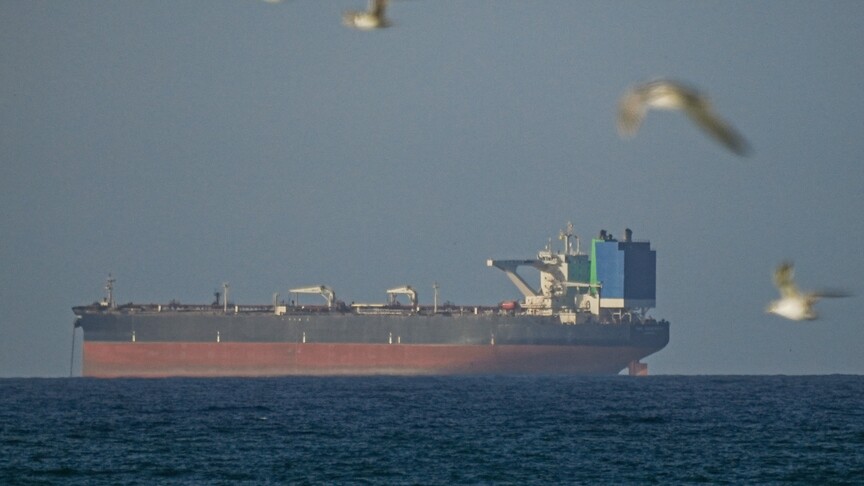
Iran Threatens to Shut Down World's Oil Lifeline as U.S. Blockade Tightens
Iran Threatens to Shut Down World's Oil Lifeline as U.S. Blockade Tightens Iran has threatened to completely close the world's most critical oil shipping lanes, escalating a confrontation with the United States that is already disrupting global energy supplies and threatening the world economy. The Iranian military warned it would halt all exports and imports across the Persian Gulf, the Sea of Oman, and the Red Sea if the U.S. does not lift its naval blockade of Iranian ports [129934][129516]. These waterways, particularly the narrow Strait of Hormuz off Iran's coast, are transit routes for approximately one-fifth of the global oil supply [129953]. The threat follows a U.S. blockade aimed at enforcing sanctions on Iranian oil exports, which has led to a dangerous game of cat-and-mouse in the region. Ships linked to Iran have begun "spoofing" their locations—broadcasting false digital signals to mask their true movements—complicating monitoring efforts in the already tense Strait of Hormuz [129482]. The economic fallout is spreading rapidly. A new report from the Organization of the Petroleum Exporting Countries (OPEC) shows a sharp drop in Middle Eastern oil production since the conflict began [128703]. The International Monetary Fund (IMF) has slashed its global growth forecast, warning the war could trigger a severe worldwide recession if it expands, with oil prices predicted to skyrocket [128821][129086]. The damage is not just theoretical. A top global energy official stated that more than 80 energy facilities across the Middle East have been damaged in recent conflicts, with over one-third severely impacted. Restoring regional energy supplies to pre-crisis levels could take up to two years [127749]. While Iran and Oman held urgent talks calling for a ceasefire in a separate conflict in Gaza [128407], the core maritime standoff between Iran and the U.S. continues to intensify. The situation shows how a regional confrontation is creating immediate global consequences, disrupting trade, spiking energy costs, and introducing profound uncertainty into world markets [129803][129561]. Iran Proposes "Special Regime" to Control Key Global Oil Passage Iran Threatens to Block Key Global Shipping Lanes Iran-Linked Ships "Spoof" Locations as US Blockade Tightens Iran Threatens Red Sea Blockade as Israel-Hezbollah Clashes Escalate Middle East Oil Output Plummets Amid Iran Conflict: OPEC IMF: Iran-Israel War Could Cause Global Recession IMF Slashes Global Growth Forecast Over Middle East War War Damage to 80+ Mideast Energy Sites Could Disrupt Supply for Years Middle East Conflict Ripples Outward, Hitting Unexpected Nations War's Ripple Effect: African Economies Hit by Gulf Blockades Iran and Oman Push for Gaza Ceasefire in High-Level Call

Global Economy Stumbles as War Fuels Inflation, Slashes Growth
Global Economy Stumbles as War Fuels Inflation, Slashes Growth A wave of economic warnings from the world's top financial institutions signals that the ongoing conflict in the Middle East is actively damaging the global economy, driving up prices for consumers and forcing a widespread downgrade of growth forecasts. The International Monetary Fund (IMF) has repeatedly slashed its global growth projections, directly citing the war as the cause [128821][128546]. The fund now expects worldwide growth to slow to 3.1% this year, down from earlier, more optimistic predictions [128546]. Officials warn the conflict creates severe uncertainty, disrupts critical trade routes, and threatens to spike energy prices, a combination that risks derailing fragile economic recoveries [128821][128546][129381]. This geopolitical shock is translating into immediate pain for households and national economies. In Europe, European Central Bank President Christine Lagarde confirmed the euro area's economic performance has worsened due to the Middle East-driven energy price shock [128975]. In Argentina, the global energy crisis helped push annual inflation to a staggering 32.6% in March, with fuel prices a key driver [128953]. The ripple effects are particularly acute for vulnerable regions. The IMF has cut its growth forecast for Sub-Saharan Africa, warning that higher oil prices and increased shipping costs from trade disruptions are making imports more expensive and fueling inflation there [128698]. Analysts note that blockades of key shipping routes like the Strait of Hormuz are creating severe energy security and economic pressure for some of the world's poorest nations [129561]. Even economies with buffers are bracing for impact. Malaysia's government has warned its citizens to prepare for a prolonged economic squeeze, stating that national subsidies and gas reserves can no longer fully absorb the soaring global fuel prices caused by the war, with the full effect expected to hit by June [128807]. In the United States, the Federal Reserve reports that the wars in Ukraine and the Middle East have created "heightened uncertainty" for businesses [129942]. While U.S. economic activity continues to grow, the Fed's survey found American consumers are under "mounting financial pressure," spending less on non-essentials and increasingly relying on credit and savings [129942]. The collective assessments point to a global economy under growing strain, where geopolitical instability is no longer a distant risk but a present-day drag on growth and a direct contributor to the high cost of living worldwide. IMF Warns: Global Economic Resilience Nears Its Limit ECB Chief: Euro Economy Worsens After Middle East Shock Argentina's Inflation Accelerates to 32.6% Amid Fuel Price Surge IMF Slashes Global Growth Forecast Over Middle East War Malaysia Warns Citizens: Prepare for Long Economic Squeeze as Iran War Fallout Nears IMF Cuts Africa Growth Forecast as Middle East Conflict Rises IMF Slashes Global Growth Forecast, Cites War Impact Fed Sees "War-Driven Uncertainty" as U.S. Consumers Crack Under Pressure War's Ripple Effect: African Economies Hit by Gulf Blockades
Ukraine Trades Battlefield Drone-Knowledge for Weapons and Gulf Leverage
Ukraine Trades Battlefield Drone-Knowledge for Weapons and Gulf Leverage Ukraine is leveraging its hard-won military expertise into a strategic international barter system, trading its elite knowledge of defeating drones for advanced weapons and diplomatic pressure on Russia. President Volodymyr Zelenskyy confirmed that Ukrainian teams specializing in counter-drone warfare are now deployed to "a half-dozen" Gulf states [112369]. The deal is straightforward: in exchange for sharing this critical knowledge, Ukraine seeks to secure advanced air defense systems, such as Patriot missile batteries, which it desperately needs to protect its cities from Russian attacks [112369]. This exchange turns Ukraine's battlefield experience into a valuable commodity. The nation has become the world's most effective force at countering Iranian-designed Shahed drones, a weapon system also used by Iranian proxies in the Middle East [91239]. Western and Gulf states are eager to learn Ukraine's proven, low-cost methods to defeat this shared threat [100935]. In a related diplomatic proposal, President Zelenskyy has offered a broader deal to Gulf nations. He has suggested that if Kyiv deploys its anti-drone units to help protect Gulf infrastructure, those states should use their significant economic leverage as major buyers of Russian energy to pressure the Kremlin for peace [91239]. This positions Ukraine not merely as an aid recipient, but as a provider of vital security technology in exchange for political action [91239]. The strategy ensures a continued flow of arms to Kyiv while strengthening allied defenses globally. By sharing its unique tactical knowledge, Ukraine is securing the advanced weaponry it lacks and attempting to forge partnerships based on mutual security interests [100935][112369]. Kyraine Sells Drone-Knowledge for Weapons Ukraine Trades Air Defense Secrets for Gulf's Drone-Killers Ukraine Offers Gulf States a Deal: Our Drone Hunters for Your Leverage on Russia


Catastrophic Southeast Asia Floods Kill Over 1,400, Displace Millions
Catastrophic Southeast Asia Floods Kill Over 1,400, Displace Millions A series of devastating floods and landslides, triggered by relentless heavy rains, has killed more than 1,400 people and affected millions across Southeast Asia, with Indonesia and Sri Lanka suffering the highest casualties [17624][25217]. The catastrophic weather followed a week of exceptionally heavy rainfall across Indonesia, Sri Lanka, Thailand, and Malaysia [17624]. Torrential downpours caused rivers to overflow and saturated hillsides, leading to widespread flooding and destructive landslides that buried homes and ruptured roads [14423][17624]. In Indonesia, the death toll has reached 995, with rescuers still searching for 226 missing people [25217]. Neighboring Sri Lanka reports 640 dead and 211 missing [25217]. Combined, nearly 4 million citizens in the two nations have been impacted, with homes, infrastructure, and farmland destroyed [25217]. Southern Thailand has also suffered a severe loss of life, with authorities there reporting at least 145 fatalities [14423]. Vietnam and the Philippines have also been hard-hit, with rescue workers evacuating residents from submerged communities and authorities warning of additional landslide dangers and waterborne diseases [11385]. National governments and international aid agencies are mobilizing large-scale relief efforts, focusing on providing emergency shelter, clean water, and medical supplies to displaced survivors [17624][25217]. Rescue operations remain ongoing as emergency crews work to reach isolated communities and assess the full scale of the damage, which is expected to take months to recover from [14423][33037]. Deadly Floods and Landslides Claim Over 1,400 Lives Across Southeast Asia Massive Floods Kill Over 1,600, Affect Millions in Asia Deadly Floods and Landslides Claim Over 250 Lives in Southeast Asia Deadly Floods and Landslides Claim Lives Across Southeast Asia Southeast Asia Reels From Widespread Flooding Asia's Deadly 2025: Quakes, Storms and a Rising Toll

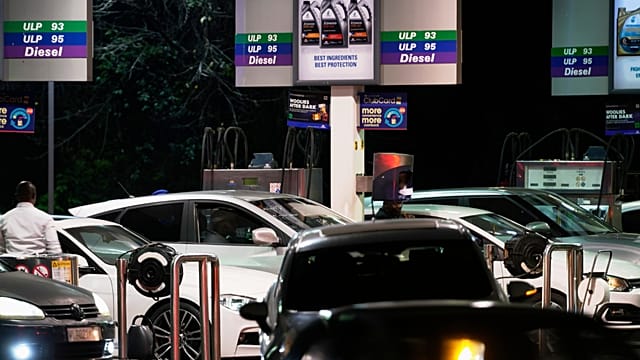
Global Fuel Prices Skyrocket as Middle East Conflict Disrupts Supply
Global Fuel Prices Skyrocket as Middle East Conflict Disrupts Supply Drivers around the world are facing record-breaking fuel price hikes as conflict in the Middle East disrupts global oil supplies, overwhelming government efforts to provide relief through tax cuts. In Kenya, the price of diesel has risen more than any single time in the country's recorded history, despite a recent government cut to the value-added tax (VAT) on fuel from 16% to 8% [129633][129374]. The tax reduction has been canceled out by soaring global oil costs linked to increased tensions in the Middle East, specifically the conflict involving Iran and Israel [129374]. The surge will directly raise the cost of transportation and electricity, pushing the prices of basic goods higher [129633]. South African drivers rushed to gas stations ahead of a historic price increase, despite authorities reducing the general fuel levy by 3 rand per litre to soften the blow [117884][117581]. The relief was overwhelmed by international pressure, resulting in one of the steepest increases in pump prices the country has ever recorded [117581]. The hike is triggering immediate secondary effects, with security companies, water suppliers, and taxi associations adding emergency surcharges or warning of imminent fare increases [118106]. The crisis stems from direct attacks on energy infrastructure and closed shipping routes. A drone strike that set a Kuwaiti oil tanker on fire off the coast of the United Arab Emirates sent global oil prices surging past $115 per barrel [116225]. Furthermore, the key Strait of Hormuz shipping route remains closed, creating a major supply chain bottleneck that keeps pump prices high even when crude oil prices steady [116592]. Governments are scrambling to respond. Germany announced emergency measures, including a 17-cent-per-litre cut to fuel taxes, to shield citizens from war-driven inflation [128123]. However, these interventions are struggling to keep pace with the market shock. Analysts warn that with the stability of Middle East ceasefires in doubt, significant price relief for consumers is not expected in the near future [124783]. Kenya Fuel Prices Skyrocket, Hit Record High Despite Tax Cut Fuel Prices Soar in Kenya, Despite Tax Cut South Africa Braces for Record Fuel Price Surge South Africa Cuts Fuel Tax, But Drivers Still Hit by Record Price Hike Fuel Shockwave: Water, Security Prices Surge After Diesel Spike Drone Attack on Tanker Sends Oil Soaring Past $115 Oil Prices Steady, So Why Is Petrol So Expensive? Germany Cuts Fuel Tax, Offers Worker Bonus to Counter War-Driven Inflation Fuel Prices Climb as Gaza Ceasefire Hopes Fade


Syrian Army Offensive Sparks Mass Exodus as Aleppo Truce Collapses
Syrian Army Offensive Sparks Mass Exodus as Aleppo Truce Collapses Intense fighting has returned to Syria's Aleppo province, shattering a period of fragile calm and forcing tens of thousands of civilians to flee a renewed government offensive [45588]. Clashes between the Syrian army and the Kurdish-led Syrian Democratic Forces (SDF) erupted on multiple fronts, including the northern suburbs and areas east of the city [43634][49667]. The violence marks a significant escalation after political talks between the Damascus government and the SDF stalled [45585]. A previous agreement to integrate the SDF into the national army has failed to materialize, creating a vacuum that has led directly to military action [45588]. Both sides have blamed each other for initiating the latest combat, which has caused multiple deaths [44512]. The surge in fighting has triggered a rapid humanitarian crisis. Aid groups report a massive movement of displaced families seeking safety away from the front lines, though the exact number is still being assessed [45585]. The exodus follows expanded evacuation orders as clashes move closer to populated areas [45588]. Aleppo province already hosts many people displaced from earlier phases of Syria's long-running civil war [45585]. The United States, which backed the SDF in the fight against the Islamic State group, is now attempting to mediate a ceasefire [44512]. The stalemate between the Syrian government and the SDF is deepening, threatening to unravel relative stability in northern Syria and complicating international efforts in the region [44512][49667]. Syrian Army Advances on Aleppo, Sparking Mass Exodus Syrian Army and US-Backed Forces Clash in Aleppo Fresh Clashes Erupt Between Syrian Army and Kurdish Forces Aleppo Exodus: Fighting Erupts as Syria Peace Talks Fail Syria's Aleppo Truce Shatters, Thousands Flee as U.S. Mediates

China Bets Billions on AI Chips and Fusion in High-Stakes Tech Race Against U.S.
China Bets Billions on AI Chips and Fusion in High-Stakes Tech Race Against U.S. China is mobilizing massive state investment and a new national strategy to achieve technological self-reliance and challenge American dominance in critical fields like artificial intelligence (AI) chips and next-generation energy. The push, targeting breakthroughs in semiconductors as advanced as 3 nanometers and the development of nuclear fusion power, marks a decisive shift from absorbing foreign technology to pioneering cutting-edge innovation [51155][95150][59734]. The blueprint was formally outlined in China's latest five-year plan, which directs national resources toward breaking foreign "chokepoints" in strategic industries [95150]. This state-guided model contrasts sharply with the U.S. approach, where AI development is largely driven by private market forces [109135]. A key front in this competition is the semiconductor sector. The Chinese province of Zhejiang has announced a plan to develop AI chips at the 3 to 7-nanometer scale, a direct effort to counter U.S. export controls described as a strategic "chokehold" [51155]. This follows the launch of a new state-backed investment fund worth over $47 billion specifically aimed at building a domestic chip manufacturing supply chain, from materials to advanced equipment [86995]. Shanghai has also entered the fray with a $10 billion investment plan focused on microchips and AI, highlighting the nationwide scale of the effort [43531]. Companies are exploring alternative technologies, such as silicon photonics chips that use light to process data, with at least one firm now moving toward a public stock listing [129740]. Beyond hardware, China is building a strategic advantage in the real-world application of AI. Analysts note the country is creating a "massive lead" in everyday AI use, where scale and integration into the economy create a self-reinforcing cycle of more data and better models [129427]. The strategy extends to frontier science, with nuclear fusion—the process that powers the sun—identified as a priority for the coming decade [95150]. The combined push is already impacting global markets, with a flood of advanced Chinese products in sectors like electric vehicles and renewables applying new competitive pressure worldwide [128200]. This concentrated effort signals China's transition from a "catch-up" phase to a focused campaign for leadership in the technologies that will define the next generation of global industry and power [59734]. China's New Plan: Beat US Tech Rivals with AI and Fusion Power China Targets 3nm AI Chips to Break US "Chokehold" China Bets $47 Billion to Break the Chip Barrier China's Tech Pivot: From "Catch-Up" to Cutting-Edge Shanghai Bets $10 Billion on Chips and AI in Tech Race China's AI Chip Race: A New Challenger Eyes IPO China Leads AI Race Not in Chips, But in Daily Use AI War: US Bets on Markets, China Bets on Control China's "Shock 2.0": A Flood of High-Tech Goods Reshapes Global Industries


Climate Change Forces Global Fishing Industry Into Uncharted Waters
Climate Change Forces Global Fishing Industry Into Uncharted Waters New fishing bans are being imposed across the world's oceans as governments scramble to adapt to a climate crisis that is scrambling marine life. Scientists report that rising ocean temperatures and shifting currents are fundamentally altering fish migration patterns, rendering traditional fishing calendars obsolete [129824]. The new regulations are designed to protect fish stocks during vulnerable periods, such as spawning, which are now occurring in unexpected locations and at different times. The goal is to prevent overfishing and allow populations to recover, but the sudden changes are creating severe economic challenges for the global fishing industry and the coastal communities that depend on it [129824]. This disruption is part of a broader pattern of climate extremes becoming a daily reality. The year 2025 was marked by a relentless series of costly weather disasters, from catastrophic floods to severe droughts and intense storms, demonstrating a climate system under increasing stress [49594]. Experts warn that such severe events are increasingly the standard, driven by greenhouse gas emissions from human activity [36941]. The strain is being felt on land as well. A major UK conservation charity warned that extreme weather in 2025 pushed wildlife to a "breaking point" through a destructive cycle of storms, heat, drought, and floods [36898]. Similarly, rising temperatures and shifting seasons are causing beehives to fail in the Democratic Republic of the Congo, threatening both a traditional livelihood and food security for local communities [128278]. In response to the escalating planetary crisis, the United Nations Environment Assembly recently concluded with a strong call for accelerated global action. Delegates committed to strengthening international cooperation on the interconnected crises of climate change, biodiversity loss, and pollution to build planetary resilience [21446]. Fishing Bans Begin as Climate Change Scrambles Ocean Life 2025: The Year the Weather Broke Europe's 2025 Weather: A New Normal of Extremes? UK Wildlife Pushed to "Breaking Point" by Extreme Weather in 2025 Bees Vanish as Congo Feels the Sting of Climate Change UN Environment Assembly Demands Urgent Global Action on Climate and Biodiversity
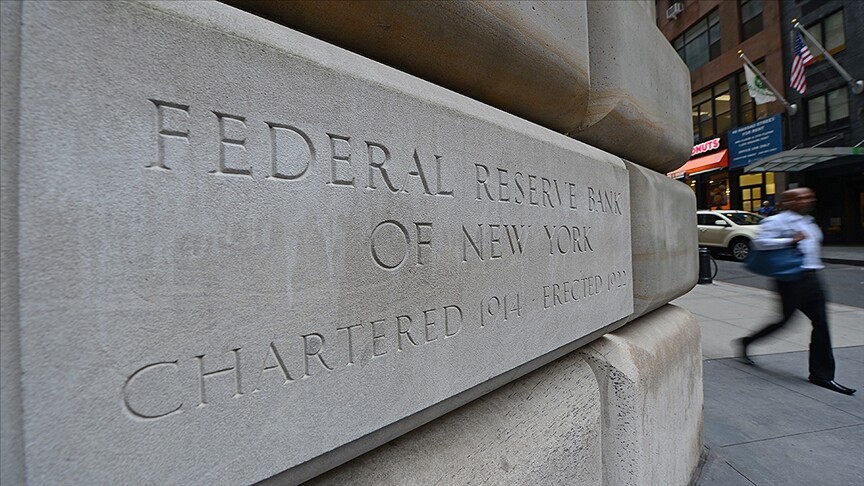
U.S. Consumers Crack Under Financial Strain as Fed Warns of War-Driven Uncertainty
U.S. Consumers Crack Under Financial Strain as Fed Warns of War-Driven Uncertainty A new Federal Reserve report reveals American households are showing clear signs of financial distress, even as business activity continues to grow. The findings highlight an economy at a crossroads, pressured by high prices, geopolitical conflict, and growing consumer fatigue [129942]. The Federal Reserve's latest "Beige Book" survey found economic activity increased at a "slight to modest pace" in recent weeks. However, it details mounting pressure on consumers, who are increasingly relying on credit cards and savings to make ends meet. Retailers report shoppers are trading down to cheaper products and delaying major purchases [129942]. The report directly links this strain to "heightened uncertainty" for businesses, driven by the ongoing wars in Ukraine and the Middle East. This geopolitical tension is cited as a key risk to future economic growth [129942]. The consumer slowdown comes as the United States exports crude oil at a record rate, a trend experts warn could reduce domestic stockpiles and lead to higher gasoline prices for American drivers [129976]. Internationally, the conflict is creating severe economic pressure beyond fuel costs. In Central Asia, Kazakhstan has removed Western energy giants Shell and Eni from a major gas project, replacing them with a Chinese firm. Analysts say this shift is a direct result of Ukraine's drone war disrupting key Russian export routes, pushing Kazakhstan to secure its economy by deepening ties with Beijing [129501]. The ripple effects are also hitting some of the world's poorest nations. Attacks on energy facilities and shipping blockades in critical routes like the Strait of Hormuz are creating profound energy security challenges for vulnerable African economies [129561]. Fed Sees "War-Driven Uncertainty" as U.S. Consumers Crack Under Pressure U.S. Sells Record Oil Abroad as Mideast Conflict Threatens Gas Prices at Home Kazakhstan Replaces Western Giants with China After Ukraine's Drone War War's Ripple Effect: African Economies Hit by Gulf Blockades

Latest Articles
Pope to Cameroon's Leaders: "Break the Chains of Corruption"
Pope Francis has delivered a sharp political message to Cameroon's ruling elite. Speaking in the capital, Yaoundé, he called for an end to corruption...
French Visa Denial Blocks Palestinian Rights Director from EU Parliament Speech
French authorities have barred a leading Palestinian human rights advocate from entering the country. Shawan Jabarin was scheduled to address the Eur...
Live Nation-Ticketmaster Ruled an Illegal Monopoly
A U.S. court has found Live Nation Entertainment guilty of illegally monopolizing the live event industry. The company is the parent of Ticketmaster,...

NATO's Secret Plan B: Europe Readies for a U.S. Exit
European leaders are quietly preparing a backup structure for NATO. This effort aims to protect the alliance if the United States significantly reduc...

UK to Send 120,000 Drones to Ukraine as Drone War Rages
The United Kingdom will send over 120,000 drones to Ukraine. This is its largest military aid package this year. UK Defense Secretary John Healey an...
Man Asks "Where's Your Daughter?" Before Violent Rampage, Appears in Court
A man seen in a disturbing doorbell video has appeared in court. The footage shows him approaching a stranger's home. He rang the doorbell and asked...
SantaCon Founder Charged in $1 Million Charity Fraud
Federal prosecutors have accused the founder of SantaCon New York of stealing more than $1 million from the event's charity donations. Stefan Pildes...
NYPD Officers Investigated After Violent Arrest Caught on Video
Two New York City police officers are under investigation after videos showed them beating a man during an arrest in Brooklyn. Mayor Zohran Mamdani...
Sotomayor Apologizes to Kavanaugh for Personal Remarks
U.S. Supreme Court Justice Sonia Sotomayor has formally apologized to fellow Justice Brett Kavanaugh for critical comments she made about him during...
133,000 Missing: Can Mexico's New President Solve the Crisis?
President Claudia Sheinbaum faces a monumental task: finding over 133,000 missing Mexicans. The crisis of forced disappearances is one of Mexico's m...
A.I. Finds the Holes, But Who Gets Left Behind?
The rapid rise of advanced artificial intelligence is creating a critical security gap. Experts warn the focus is shifting too quickly from defense t...
The "Good Guy" in the Story May Not Be
Reporting on violence forces difficult choices about language. How news organizations label the people involved can shape public perception before al...
From Battle Rapper to Machete Attack: Subway Preacher Killed by Police
A man preaching on a New York City subway train attacked three passengers with a machete on Thursday. Police officers then shot and killed the man....
Sudan's War: Three Years, Millions Displaced, and a "Forgotten" Crisis
Sudan has entered a fourth year of civil war. The conflict, which began in 2023, has created the world's most severe humanitarian disaster. Millions...
NYC Targets Empty Mansions: New Tax on $5M+ Second Homes
New York Governor Kathy Hochul has proposed a new annual tax targeting luxury second homes in New York City. The so-called "pied-à-terre tax" would a...
NYC Targets Empty Mansions: Can a "Pied-à-Terre" Tax Finally Pass?
A proposed tax on luxury second homes in New York City is gaining political momentum. Governor Kathy Hochul now supports the measure. The so-called...
Jury Finds Ticketmaster Broke Law to Control Live Music
A jury has ruled that Ticketmaster and its parent company, Live Nation, illegally used monopoly power in the live event industry. The verdict came in...
Colleges Created Their Own Crisis, Yale Report Says
A new report from Yale University delivers a harsh verdict on the state of higher education. It concludes that colleges and universities themselves a...
Saudi Fund May Exit LIV Golf as Costs Mount
A major Saudi Arabian investment fund is preparing to significantly reduce its involvement in LIV Golf, according to sources. The potential move come...
Trump's 'Triumphal Arch' Plan Met With Shock—Even From Its Original Designer
A proposal to build a massive "triumphal arch" for former U.S. President Donald Trump is facing strong criticism. Notably, one critic is the very exp...