Tourism Industry Scrambles as Global Conflicts and Trends Redraw the World Travel Map
Tourism Industry Scrambles as Global Conflicts and Trends Redraw the World Travel Map From the Himalayas to the Mediterranean, the global tourism industry is undergoing a rapid and unexpected transformation. Destinations are seeing visitor numbers swing wildly as international conflicts disrupt traditional travel patterns, while social media and celebrity culture create instant, overcrowded hotspots overnight [80040]. The most dramatic shift is the direct result of war and sanctions. With traditional warm-weather destinations cut off, Russian tourists are flooding into China's tropical island of Hainan in record numbers [128786]. Direct flights from Moscow have fully resumed, and the island is catering to the surge with Russian-language menus, signs, and payment systems. Industry analysts confirm Russian arrivals are several times higher than last year, as Hainan positions itself as a friendly, visa-free alternative [128786]. Meanwhile, other destinations are facing a sudden vacuum. Nepal's critical spring trekking season has been hit by a steep decline in Western travelers, with arrivals from the Americas and Europe dropping by nearly 25% and 19% respectively in March [128459]. The country's tourism board blames the conflict in the Middle East, which has disrupted connecting flights and raised security concerns, causing widespread cancellations. In response, the industry is now aggressively marketing to travelers from India, China, and Southeast Asia to fill the gap [128459]. Simultaneously, the relentless power of viral media is creating intense, localized pressures. A single rooftop in Rio de Janeiro's Rocinha favela, dubbed the "Gateway to Heaven," has become a global pilgrimage site after videos of its framed view of Christ the Redeemer went viral [101397]. Visitors now wait for hours, with local guides offering special motorbike taxi rides up the favela's narrow streets to reach the spot, demonstrating how social media can instantly redirect tourist traffic to densely populated residential areas [101397]. A similar phenomenon has occurred in Venice, where a simple wooden dock used by celebrity Kim Kardashian during a high-profile wedding has been rebranded by tourists as the "Kardashian Jetty" [51924]. Fans now seek out the floating platform, which a local guide compared to a bus stop, alongside other locations linked to the event, showing how a single celebrity moment can reshape interest in an ancient city [51924]. In response to these pressures, some destinations and operators are pushing for more sustainable models. In the Indian Himalayas, the community-based project Village Ways has spent 21 years building a network of over 30 villages that host trekkers, providing direct income to reduce urban migration [100125]. In New Zealand, a wildlife encounter allowing visitors to gently pat giant stingrays is a tightly controlled partnership with Māori tribes, designed to build cultural and environmental respect [70326]. Russian Surge: Hainan Becomes China's Warm-Weather Refuge Nepal's Trekking Industry Pivots to Asia as Middle East Conflict Scares Off Western Tourists Viral 'Gateway to Heaven' Rooftop Floods Rio Favela with Tourists Venice's New Tourist Hotspot: The 'Kardashian Jetty' Village Tourism Pioneer Fights Urban Flight in India's Himalayas Title: Pat a 300kg "Sea Puppy"? In New Zealand, You Can. Tourist Destinations Hit Breaking Point: What Causes the Crush?
Articles in this Cluster
Viral 'Gateway to Heaven' Rooftop Floods Rio Favela with Tourists
Chiang Mai's New Year Smog: Tourism Hit by Wildfires and War
Russian Surge: Hainan Becomes China's Warm-Weather Refuge

China's 'History Fangirls' Hunt Tombs, Write Books

Beyond Paris: TV Drives 2026 "Meaningful Tourism" Trend
Venice's New Tourist Hotspot: The 'Kardashian Jetty'
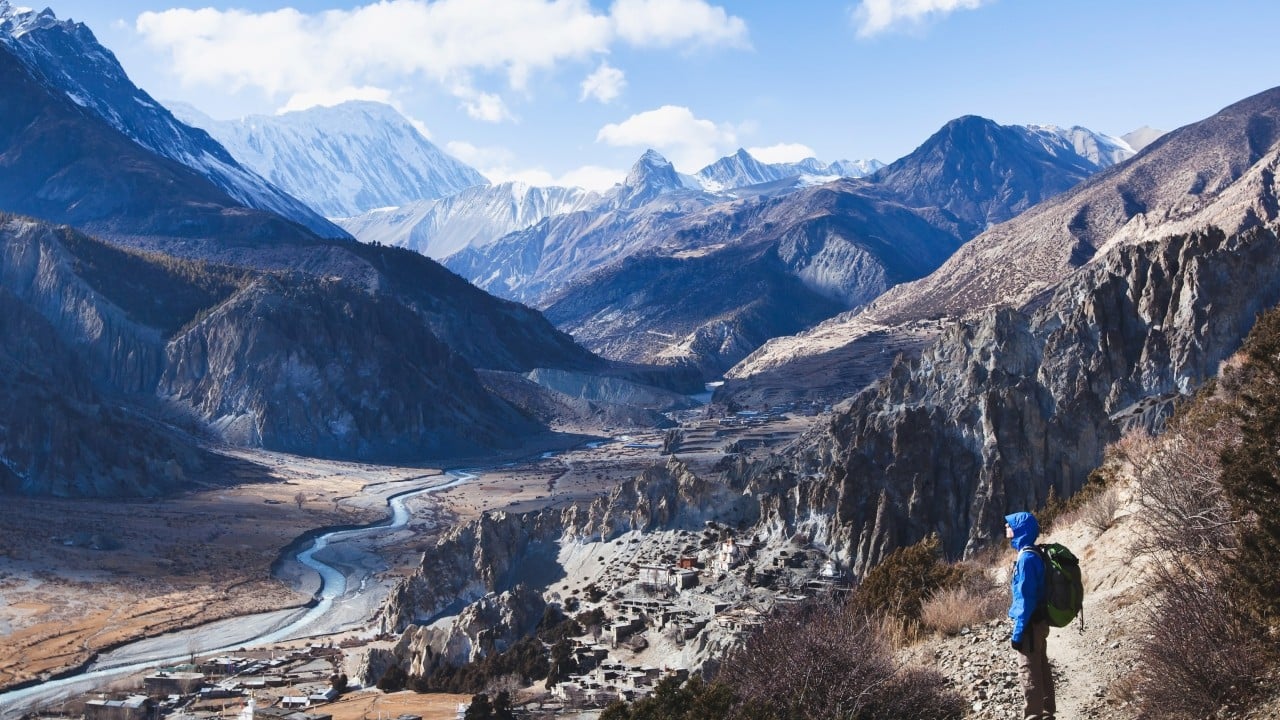
Nepal's Trekking Industry Pivots to Asia as Middle East Conflict Scares Off Western Tourists
Tourist Destinations Hit Breaking Point: What Causes the Crush?
Village Tourism Pioneer Fights Urban Flight in India's Himalayas
From Walnuts to Tourists: A Changing Valley Leads to North Africa's Peak