Latest News
Stay updated with the latest news and articles
Top Stories
9 Million Voters Booted in West Bengal; Dog Mayors and Gaza Polls Make Global Headlines
**9 Million Voters Booted in West Bengal; Dog Mayors and Gaza Polls Make Global Headlines** India has removed nearly 9 million names from its voter rolls in the state of West Bengal—about 10 percent of the total electorate—just weeks before a crucial state election. Officials claim it is a routine cleanup to remove duplicate or deceased voters, but critics argue the timing raises serious concerns about the integrity of the upcoming poll [135085]. While that controversy unfolds, small towns in the United States have taken a different approach to democracy: electing animals as mayors. In a recent election, seven candidates—none of them human—vied for the top civic post, with locals closely following the race on TV and social media [134356]. Meanwhile, Palestinians in Gaza held their first local election in 20 years this weekend. Approximately one million voters in the occupied West Bank and 70,000 in Gaza’s Deir al-Balah cast ballots to choose municipal councilors [133569][134402]. Palestinian officials hailed the vote as a step toward a long-delayed presidential election, which has not been held in 21 years [134003]. European officials, however, warned that democratic freedoms are under threat elsewhere. In a joint letter to Turkey’s interior minister, the Council of Europe, the European Parliament, and other bodies argued that the detention of Istanbul Mayor Ekrem Imamoglu and other municipal mayors undermines local democracy and the freedom to choose representatives in elections [134596]. In Nigeria, major opposition parties have agreed to unite behind a single presidential candidate for the 2027 elections. The so-called Ibadan Declaration aims to “rescue the nation and her long suffering masses” by consolidating opposition strength against the ruling party [133761]. Across Africa, Malawi held critical by-elections in four constituencies and nine wards, with the Malawi Electoral Commission urgently calling for peace as political tensions run high [105167]. Bangladesh also saw its first general election since the 2024 student-led uprising, with international observers praising the “great enthusiasm” and orderly process [74679]. The vote marks a major shift after the end of former Prime Minister Sheikh Hasina’s 15-year rule [74170]. India Removes 9 Million Voters from List Ahead of West Bengal Election Dogs, Cats, and a Goat: Tiny US Towns Elect Animal Mayors Palestinian officials hail local Gaza and West Bank elections as step toward presidential vote European officials: Imamoglu's detention undermines election freedom Nigeria Opposition Unites: Single Candidate for 2027 Vote Gaza votes for first time in 20 years 2026 Election Season Kicks Off: Texas, North Carolina, Arkansas Vote First France Votes: Millions Choose Local Leaders in Key Elections Malawi Votes Under Pressure: High-Stakes By-Elections Test Nation Bangladesh's Youth Vote Tests New Political Era Gaza holds first election in 20 years; one million called to vote Title: Veteran vs. Upstart: Key U.S. House Primaries Test Voter Mood France's Presidential Preview: Local Elections Begin Nationwide South Africa’s Youth: 21 Million Refuse to Vote Bangladesh Votes: First Election Since 2024 Uprising Draws Global Praise

UAE Ditches OPEC, Global Economy Braces for $1 Trillion Hit as Iran War Spirals
**UAE Ditches OPEC, Global Economy Braces for $1 Trillion Hit as Iran War Spirals** The United Arab Emirates announced its departure from OPEC, the Organization of the Petroleum Exporting Countries, as the war with Iran shatters regional alliances and threatens to add a staggering $1 trillion in extra costs to the global economy, with oil companies raking in massive profits [135286][135303]. The war has triggered a refugee crisis driving thousands into Armenia, forced a "complete reset" of the Gulf region, and is reshaping daily life from Tehran to Dubai [134382][98764][135347]. The UAE's exit from OPEC comes amid escalating regional tensions following the U.S.-Israeli attack on Iran, a conflict that has now spread to Lebanon and Gulf states including Kuwait [90697][135303]. Analysts warn that the crisis could cost the global economy up to $1 trillion, as petroleum companies earn "obscene" profits from higher fuel prices, prompting climate groups to demand an urgent windfall tax [135286]. In Iran, life in the capital has returned to a semblance of normalcy since the ceasefire, with society undergoing a major transformation that accelerated in recent weeks [135347]. However, ordinary Iranians are rethinking their government and future. Behzad, a Tehran resident, told the Guardian, "I should not have wished for war" [134039]. A senior Iranian military officer, Mohsen Rezaee of the Revolutionary Guards, claims "the end of the war is in our hands," demanding U.S. withdrawal from the Gulf and payment for all damages [103486]. The war's collateral damage is extensive. An oil spill from a damaged Iranian drone carrier, the Shahid Bagheri, struck by a U.S. warplane, now threatens the Hara mangrove forest, a vital wetland home to migrating birds and endangered turtles [123126]. The influx of refugees into Armenia is adding pressure on a country already facing economic and security challenges, with experts warning the crisis could deepen if fighting continues [134382]. Meanwhile, some Gulf countries have begun stripping citizenship from residents they label "traitors," raising questions about whether this is a genuine security measure or a tool to silence political opposition [134301]. The conflict has also diverted medical tourists from the Middle East to safer destinations like Malaysia, as Dubai faces direct attacks [105998]. The fighting has forced a fundamental reassessment. A journalist for FRANCE 24 reported that the Gulf region faces a "complete reset" after the war, including a military reassessment of the need for U.S. defense assets stationed in the area [98764]. Persistent attacks are making families reconsider living in the Gulf, with security concerns influencing decisions to stay or move away [98764]. The global energy system, already under pressure before the war with rising demand and a slow shift to renewables, now forces a complete rethink [134718]. Middle East crisis could cost global economy $1tn as oil firms rake in ‘obscene’ profits Iran’s Quiet Revolution: Life Returns to Normal in Tehran UAE Quits OPEC: Fallout from Iran War Iran War Exposes Fragile Global Energy System Gulf states revoking citizenship of "traitors" amid Iran-Israel tensions Iran Conflict Sparks Refugee Crisis in Armenia Eid Prayers Echo as War Thunder Rolls in Middle East Middle East Conflict Diverts Medical Tourists to Malaysia Iranians Regret Wishing for War as US-Israel Conflict Hits Home Oil Slick From Bombed Iranian Ship Heads for Protected Wetland Middle East Conflict Widens: Strikes Hit Lebanon, Gulf States Gulf Region Braces for "Complete Reset" After Iran Attacks Iran Claims Control as Gulf Blockade Shocks World Economy

War in Iran Exposes Deadly Flaw: World’s Lithium & Cobalt Supply Chain Is a “Critical” Weakness
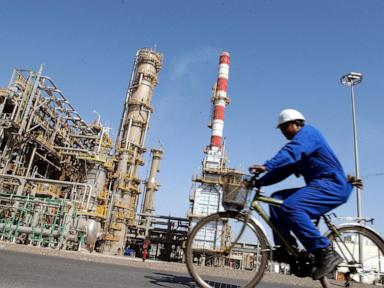
**War in Iran Exposes Deadly Flaw: World’s Lithium & Cobalt Supply Chain Is a “Critical” Weakness** A top Turkish minister warned this week that the world’s dangerous reliance on just a handful of nations for lithium and cobalt—the essential minerals for electric vehicle batteries and renewable energy storage—has created a “critical vulnerability” in the global economy, a risk now being laid bare by the ongoing war in Iran. The conflict has already disrupted shipping routes, sent energy prices soaring, and strained economies worldwide, yet a parallel crisis is quietly building: the scramble for the raw materials needed for the green transition is turning into a new front of economic instability. Speaking on the issue, Turkish Trade Minister Ömer Bolat said the global dependency on a few countries for lithium and cobalt, combined with rising protectionist measures like export controls and tariffs, now threatens the stability of the world economy. “This dependency is a vulnerability,” Bolat stated, warning that without diversified supply sources and stronger international cooperation, the shift to green energy and digital industries could slow down [135367]. These fears are now compounded by the war in Iran. In just eight weeks, the conflict has disrupted much of the global economy. European and Asian markets have seen sharp declines, shipping routes face delays, and energy costs have risen dramatically [134553]. While the United States has been largely shielded by its domestic energy production and geographic distance, experts note that the situation remains fluid and a longer conflict could eventually reach American shores [134553]. The energy price spike is already dealing a severe blow to countries already struggling under heavy debt to the International Monetary Fund (IMF). These nations, many of which rely on imported fuel, now face skyrocketing costs for electricity and heating, creating an impossible choice between paying creditors and keeping the lights on for citizens [134735]. Analysts warn this pressure could slow economic recovery in vulnerable regions [134735]. Even China, which has strategic oil and natural gas reserves that have softened the blow, is now showing clear signs of weakness in its manufacturing-based economy [134265]. Adding to Beijing’s concerns, the country’s top anti-espionage agency has accused foreign forces of using social media to promote the “lying flat” trend among young people—a movement that rejects intense work and consumer culture—as a deliberate attempt to undermine China’s economic development by eroding the perseverance of its youth [135104]. The convergence of these crises—a critical mineral supply chain chokehold, a war disrupting global trade, soaring energy costs, and targeted disinformation campaigns—paints a stark picture. Economists warn that the economic shock from this war could last for years, fracturing trade alliances and keeping prices for essential goods high long after any ceasefire [124481]. Global Economy at Risk: Lithium, Cobalt Dependency Creates ‘Critical’ Vulnerabilities China Warns: Foreign Spies Push ‘Lying Flat’ to Weaken Economy Dow Jones Up? War in Iran, U.S. Economy Holds Steady IMF Debt Nations Hit by Energy Price Shock China’s Economy Shows Strain From Iran War Beyond the Battlefield: A War's Economic Shock Could Last for Years

Trade Deals Explode Worldwide as Nations Scramble to Ditch US and China — $15 Billion Target, 11 Pacts, and Drone Swaps Shake Up Global Supply Chains
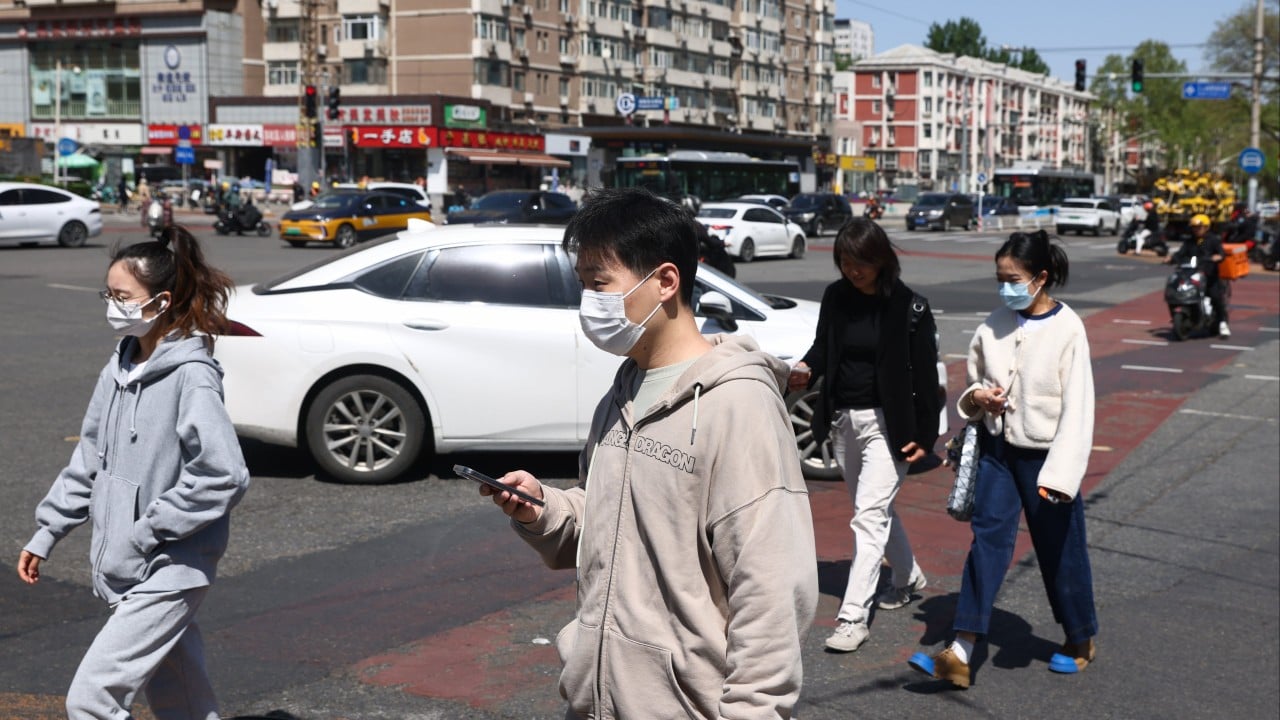
**Trade Deals Explode Worldwide as Nations Scramble to Ditch US and China — $15 Billion Target, 11 Pacts, and Drone Swaps Shake Up Global Supply Chains** An unprecedented wave of bilateral trade deals is reshaping the global economy as countries from Africa to Asia race to reduce dependence on the United States and China, with at least nine new agreements signed this week alone targeting a combined $30 billion in new commerce. In the most significant breakthrough, India and New Zealand finally sealed a free-trade agreement after 15 years of stalled negotiations, driven by urgency from disruptions at the Strait of Hormuz and steep American tariffs that have shattered supply chains [135100]. The pact is explicitly designed to help both nations cut their heavy reliance on major powers — China for New Zealand, and the United States for India [135100]. Kenya and Morocco went even bigger, signing 11 separate deals during a state visit by Morocco’s King Mohammed VI to Nairobi, covering agriculture, health, higher education, and the "blue economy" — the sustainable use of ocean resources [125813]. Officials say the pacts will unlock investment and make intra-African trade significantly easier [125813]. Meanwhile, Egypt and Türkiye have set an audacious goal: ramping up their current $9 billion annual trade to $15 billion or higher [67240]. President Abdel Fattah al-Sisi announced the target as part of a broader warming of diplomatic and economic ties between the two regional powers [67240]. Nigeria and Turkey have moved fast too, finalizing nine new agreements in energy, mining, and defense during Turkish President Recep Tayyip Erdogan’s visit to Abuja, aiming to more than double bilateral trade to $5 billion [61140]. The head of the Nigeria-Türkiye Business Council, Dele Oye, confidently predicted Turkish goods — already present in “every home” in Nigeria — could drive trade past $10 billion [62201]. Turkey itself is positioning as a "secure perimeter" for transatlantic trade, leveraging its strategic location between Europe and Asia to offer alternative routes as companies flee disruption risks [84977]. Additional cooperation agreements include a new partnership between the Islamic Corporation for the Insurance of Investment and Export Credit (ICIEC) and the African Export-Import Bank (Afreximbank) to boost Arab-African trade, and a halal trade pact between Türkiye and Saudi Arabia [7017][13124]. Turkey has also opened a new overland trade route through Saudi Arabia, allowing goods to bypass the volatile Strait of Hormuz entirely and move overland to Red Sea ports [122456]. In a dramatic shift, Ukraine is deploying its elite counter-drone experts to Gulf states in a high-stakes barter deal. President Volodymyr Zelenskyy confirmed the experts are already active in "a half-dozen" countries, trading battlefield-tested knowledge of shooting down Iranian-designed Shahed drones in exchange for Patriot missile batteries and other advanced air defense systems [112369][100935]. He proposes Gulf nations use their economic leverage over Moscow — as major buyers of Russian energy — to push for peace in exchange for Ukraine’s drone-hunting protection of Gulf oil facilities [91239]. Across the Atlantic, hedge funds are now betting billions on tariff refunds after a Supreme Court ruling struck down Trump-era tariffs, offering importers immediate cash payouts in exchange for the full refund later [93851]. And in a sign of how far trade deception can go, ships passing through the Strait of Hormuz are increasingly "spoofing" their digital identities — falsely claiming Chinese ownership or labeling cargo as "food for Iran" to avoid harassment or seizure [120065]. India and New Zealand Sign Trade Deal to Cut Reliance on China and US Turkey Opens New Trade Lifeline to Bypass Gulf Chokepoint Kenya and Morocco Sign 11 Deals to Boost Trade Ukraine Sells Drone-Knowledge for Weapons ICIEC and Afreximbank Partner to Boost Arab-African Trade Turkish Goods in Every Home: Nigeria Aims for $10 Billion Trade Boom Ukraine Trades Air Defense Secrets for Gulf's Drone-Killers Ships Hide in Plain Sight to Pass Through Strait of Hormuz Hedge Funds Bet Billions on Your Tariff Refunds Türkiye and Saudi Arabia Forge New Halal Trade Partnership Türkiye Aims to Become Atlantic Trade's "Secure Perimeter" Nigeria and Turkey Target $5 Billion Trade Deal Ukraine Offers Gulf States a Deal: Our Drone Hunters for Your Leverage on Russia Egypt and Türkiye Target $15 Billion Trade Surge


January’s Extreme Weather Killed Over 1,400 and Cost Billions
January’s Extreme Weather Killed Over 1,400 and Cost Billions The world kicked off 2025 with a brutal blast of extreme weather, as catastrophic floods and landslides across Southeast Asia killed more than 1,400 people and triggered a massive humanitarian crisis [17624]. Torrential rains pounded Indonesia, Sri Lanka, Thailand, and Malaysia for over a week, turning rivers into raging torrents and soaking hillsides until they gave way [17624]. The resulting floods and landslides submerged entire villages, destroyed homes and farmland, and left millions of people in need of aid [25217] [20084]. In Indonesia alone, the death toll reached nearly 1,000, with hundreds more still missing [25217]. Sri Lanka reported at least 640 dead, with over 200 people unaccounted for [25217]. Across the region, nearly 4 million people were affected [25217]. The World Meteorological Organization declared January a month of “dangerous and costly weather extremes” across multiple continents, including severe heatwaves and powerful winter storms [63783]. Scientists said these disasters are consistent with the effects of human-driven climate change, which is making weather patterns more intense and unpredictable [63783] [49594]. Rescue teams raced to reach isolated communities, but damaged roads and ongoing downpours slowed their efforts [20084]. Governments and aid groups scrambled to provide emergency shelter, clean water, and medical supplies, warning of rising health risks from contaminated water supplies [25217] [17624]. By the end of the month, the full scale of the destruction was still being assessed [17624]. Deadly Floods and Landslides Claim Over 1,400 Lives Across Southeast Asia January Shatters Weather Norms with Global Extremes Massive Floods Kill Over 1,600, Affect Millions in Asia Deadly Floods and Landslides Claim Over 1,500 Lives Across Asia 2025: The Year the Weather Broke

Oil Prices Hit $115, Drone Attacks and Supply Fears Spark Global Fuel Crisis
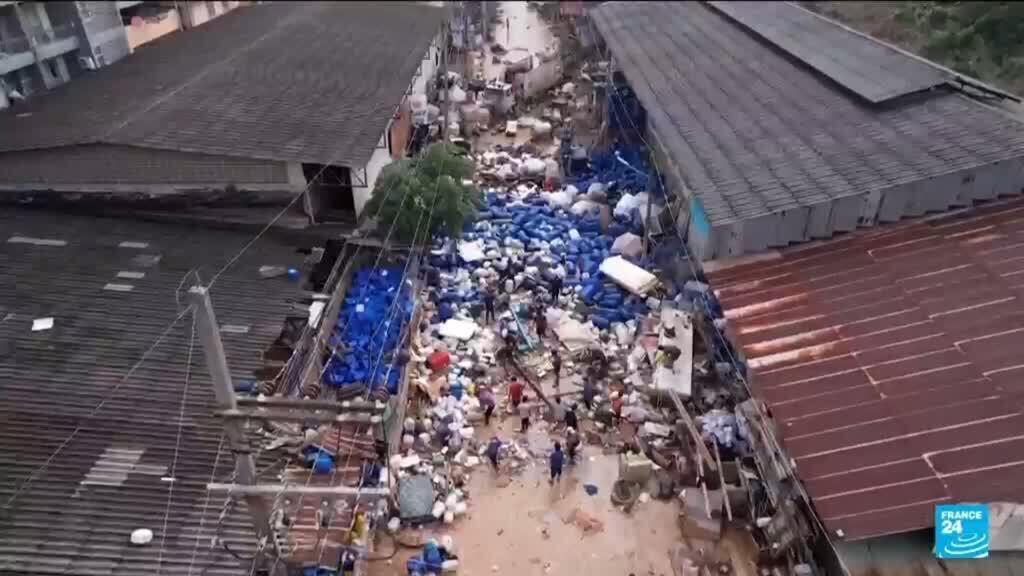
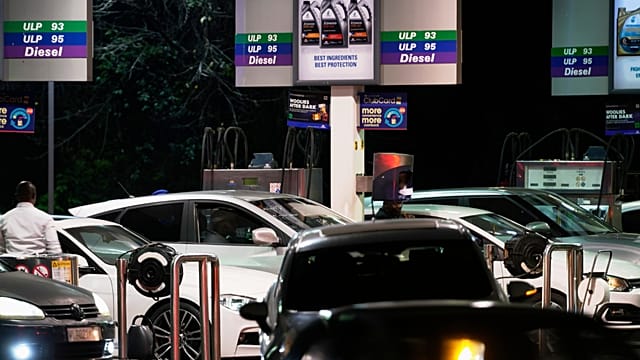
Oil Prices Hit $115, Drone Attacks and Supply Fears Spark Global Fuel Crisis A Ukrainian drone attack sparked a large-scale fire at Russia’s Tuapse oil refinery on the Black Sea, forcing the evacuation of nearby buildings, local officials said Tuesday. The refinery, owned by Rosneft, primarily produces fuel for export and had already halted operations after a previous drone strike [135091]. In a separate strike, Ukraine hit a major refinery in Yaroslavl that processes about 15 million tons of crude annually, a facility that supplies fuel critical for Russia’s military logistics [133733]. The attacks on Russian energy infrastructure have tightened global oil markets. A drone strike on a Kuwaiti oil tanker off the coast of the United Arab Emirates sent global oil prices surging above $115 per barrel, triggering a sell-off in Asian stock markets [116225]. Even the release of 400 million barrels of oil from strategic reserves has failed to stop prices from climbing [134719]. Drivers worldwide are feeling the pain. The average price of gasoline in the United States recorded its largest weekly increase since Russia’s full-scale invasion of Ukraine in 2022 [97612]. In China, drivers rushed to fill their tanks before the government imposed the largest single fuel price increase of 2024 [109102]. South African drivers faced record hikes linked to the conflict in Iran, with the government reducing the general fuel levy by 3 rand per litre—but the relief was overwhelmed by rising global prices [117581]. Kenya’s energy regulator sharply increased fuel prices, citing a major rise in the cost of imported oil [130314]. In Iran’s capital, Tehran, long lines formed at gas stations after strikes on the country’s oil facilities, forcing officials to cut monthly gasoline quotas from 30 liters to 20 liters per ration card [96510]. A key bottleneck remains the Strait of Hormuz, a critical shipping route through which approximately 20% of the world’s oil supply passes [95663]. The strait remains closed, disrupting global fuel movement and keeping pump prices high even as crude oil prices pause [116592]. Analysts warn that further disruptions could lead to continued price instability, as the global energy crisis tests the limits of what governments can do [134719] [97612]. Ukrainian Drone Strike Ignites Russian Oil Refinery, Forces Evacuation Oil Reserves Drained, But Prices Keep Rising Ukraine strikes major Russian refinery, targets military fuel supply Oil Prices Rocket, Hitting Drivers With Sharpest Spike Since Ukraine War Drone Attack on Tanker Sends Oil Soaring Past $115 Drivers Race to Pumps Ahead of China's Biggest Fuel Price Jump of 2024 South Africa Cuts Fuel Tax, But Drivers Still Hit by Record Price Hike Fuel Prices Skyrocket in Kenya Tehran Gas Lines Grow After Attack on Fuel Supply South Africa Braces for R8/Litre Petrol Shock Oil Prices Steady, So Why Is Petrol So Expensive?

Tens of Thousands Flee Aleppo as Syrian Army and Kurdish Forces Clash in Deadly New Offensive
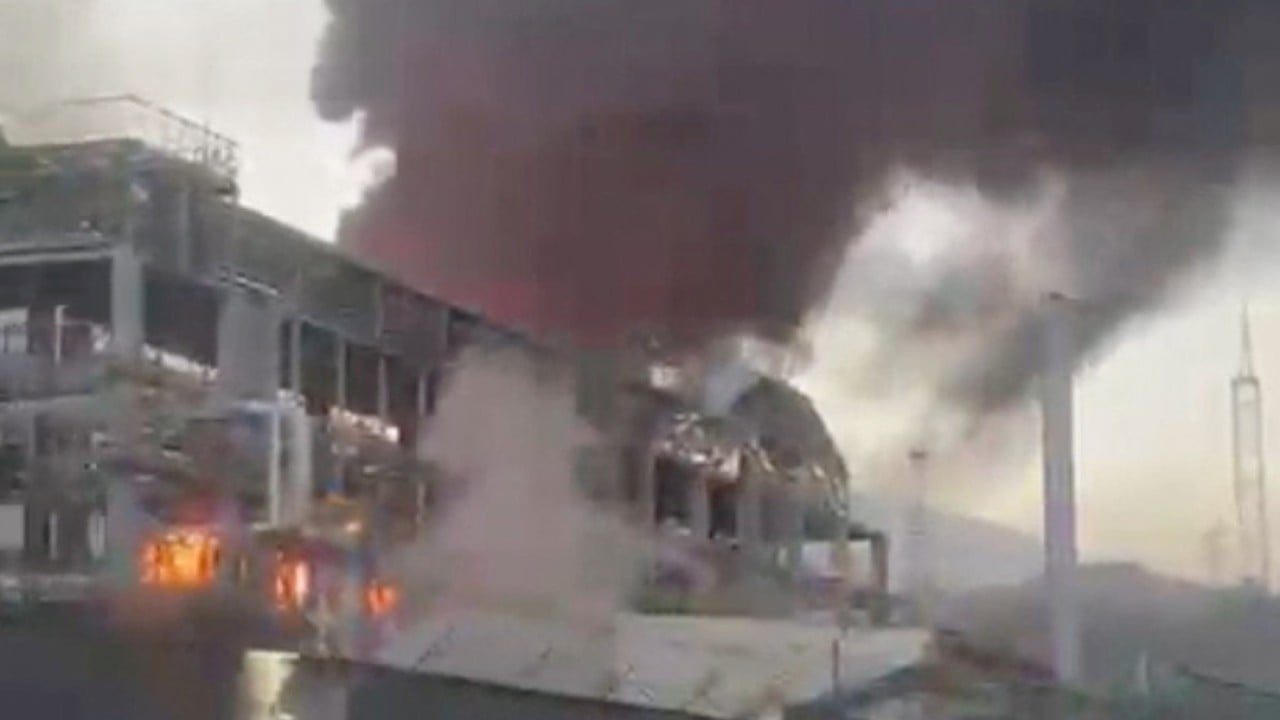
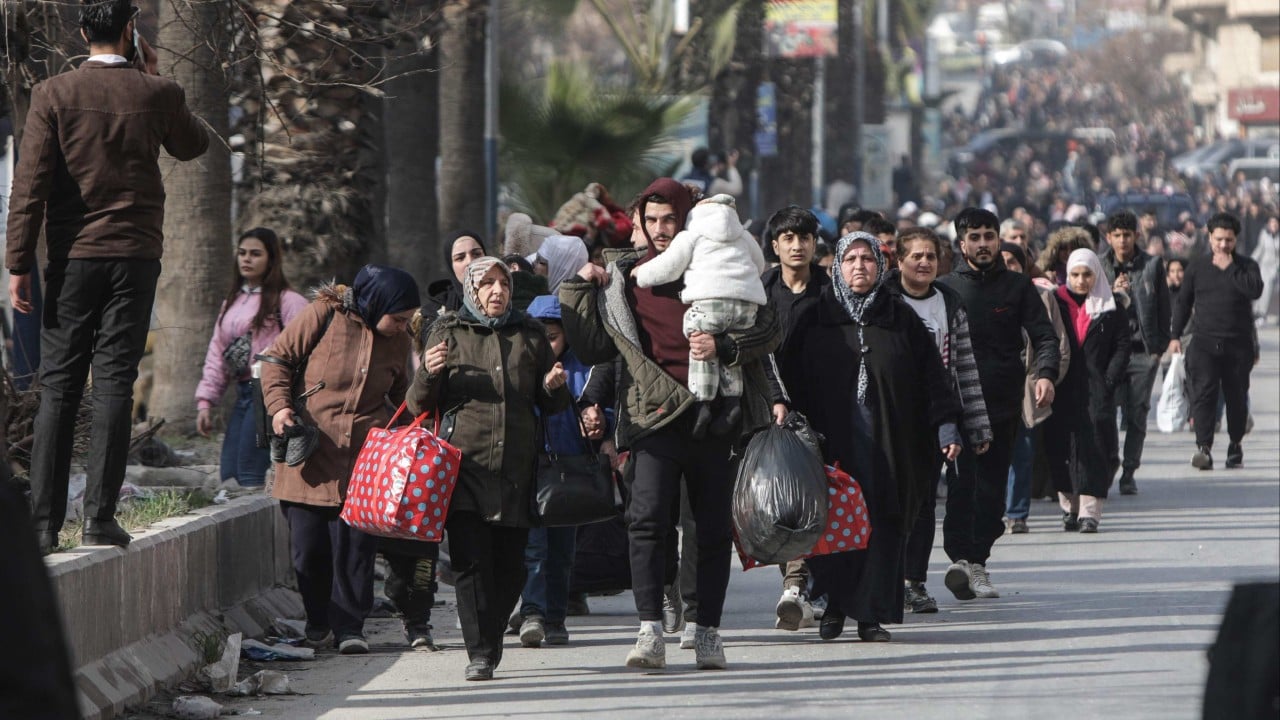
Tens of Thousands Flee Aleppo as Syrian Army and Kurdish Forces Clash in Deadly New Offensive Fighting has exploded in northern Syria, with the Syrian army and Kurdish-led forces battling in and around Aleppo, forcing tens of thousands of civilians to flee their homes. The clashes broke out after peace talks stalled, shattering a fragile calm and threatening a humanitarian catastrophe. Major fighting is focused on key supply routes and eastern districts, with heavy shelling reported in residential areas. [1][5][7][9] At least nine people have been killed in recent violence, and the Syrian army has begun distributing evacuation maps to civilians as it prepares for further military operations. [8][10] The Syrian Democratic Forces (SDF), a U.S.-backed coalition of Kurdish and Arab fighters, are locked in a deepening stalemate with the central government in Damascus, with both sides blaming each other for starting the latest escalation. [1] The violence follows the evacuation of hundreds of Kurdish fighters from Aleppo and the detention of 300 Kurds by Syrian forces. [6] Diplomatic efforts to resolve Syria’s long-running civil war have made little progress, leaving a vacuum that has been filled by renewed military action. [2] The United Nations has repeatedly warned that any major new offensive in Syria risks a humanitarian catastrophe, with Aleppo already hosting millions of people displaced from earlier phases of the war. [2] Syria's Aleppo Truce Shatters, Thousands Flee as U.S. Mediates Title: Aleppo Exodus: Fighting Erupts as Syria Peace Talks Fail Fresh Clashes Erupt Between Syrian Army and Kurdish Forces Syrian Army and US-Backed Forces Clash in Aleppo Syrian Army Advances on Aleppo, Sparking Mass Exodus Syria Detains, Expels Kurds in Aleppo as US Bombs ISIS Syrian Forces and Kurds Clash, Then Halt Fire After Deadly Fighting Aleppo Clashes Follow Secret Syria-Israel Talks Syrian Army Distributes Evacuation Maps in Aleppo Amid Clashes


China's EV Giants Just Bulldozed Japan and Europe — Now They're Going for AI Chips
China's EV Giants Just Bulldozed Japan and Europe — Now They're Going for AI Chips China’s carmakers have officially overtaken their Japanese and European rivals, powered by breakthroughs in artificial intelligence (AI) and battery technology that give them a clear global edge [134482]. For the first time, Chinese brands lead the world in electric vehicle (EV) sales, offering smarter in-car systems and batteries that now deliver over 600 kilometers of range on a single charge [134482]. In 2023, China exported more vehicles than Japan — a historic first — and the gap is expected to widen as firms pour money into next-generation solid-state batteries [134482]. But the auto victory is just one front in a broader tech offensive. Provinces across China are now racing to dominate advanced semiconductors, aiming to manufacture chips as small as 3 to 7 nanometers to break the U.S. "chokehold" on chip technology [51155]. Zhejiang, home to Alibaba and robotics firm Unitree, has announced a five-year plan focused on both the chips and the equipment to make them [51155]. Shanghai’s Pudong district just launched $10 billion in new projects targeting microchips, AI, biopharmaceuticals, and aviation [43531]. This pivot from catching up to cutting-edge is backed by massive state funding. China’s next five-year plan allocates 426.42 billion yuan ($61.7 billion) for science and technology, zeroing in on "future industries" like satellite internet, electric vehicles, and brain-computer interfaces [93804]. At least 22 provincial governments have published their own economic plans, all prioritizing semiconductors and AI while boosting production of critical resources like rare earth metals [19492]. The strategy is a formal declaration: China is moving aggressively to build self-reliant supply chains and become a global leader in innovation — not just in manufacturing, but in the core technologies that will define the next decade [59734][95150]. China’s carmakers overtake Japan and Europe with AI and battery edge China Targets 3nm AI Chips to Break US "Chokehold" Shanghai Bets $10 Billion on Chips and AI in Tech Race China's $62 Billion Bet Mirrors Musk's Vision Chinese Provinces Prioritize Tech and Self-Reliance in New Economic Plans China's Tech Pivot: From "Catch-Up" to Cutting-Edge China's New Plan: Beat US Tech Rivals with AI and Fusion Power
2025 Climate Chaos Cost Billions as UN Demands Action and Oil Giants Bank $1 Trillion
**2025 Climate Chaos Cost Billions as UN Demands Action and Oil Giants Bank $1 Trillion** A year of record-breaking fires, floods, and heatwaves has pushed the global climate crisis from a future threat into a daily reality, while a new analysis warns that conflict in the Middle East could add $1 trillion to the global economy as oil companies rake in massive profits [135286][49594][37775]. Last year was Earth’s third hottest on record, but scientists say the real story was the cascade of extreme weather events that caused billions in damage and disrupted millions of lives. Europe faced a relentless series of catastrophes—including devastating floods, scorching heatwaves, and wildfires—that experts now warn may become standard [36941][49594]. In the UK, the National Trust issued a stark warning that nature is being pushed to its “breaking point” after a destructive cycle of storms, drought, and severe autumn floods in 2025 [36898]. The health impacts are also escalating: heat-related deaths are rising across Europe, and mosquito-borne diseases like dengue and chikungunya are spreading [134297]. The pressure is not just on people but on the planet’s most treasured sites. A UNESCO report warns that more than one in four of the world’s heritage and conservation sites could hit a dangerous climate tipping point within 25 years, suffering irreversible damage from floods, droughts, and rising temperatures if warming continues at its current pace [133909]. In Eastern Africa, a “triple planetary crisis” of climate change, biodiversity loss, and pollution is directly threatening food security, as extreme droughts and floods ruin crops and kill livestock [91481]. Kenya is also seeing climate change worsen security threats, including violent extremism, as rising temperatures destroy crops and livestock, pushing communities into poverty and making them vulnerable to recruitment by extremist groups [134971]. Amid this crisis, the world’s top environmental decision-making body—the United Nations Environment Assembly (UNEA-7)—concluded with a strong call for accelerated global action, demanding urgent cuts to greenhouse gases and stronger international cooperation on climate change, biodiversity loss, and pollution [21446]. But progress is being undermined by the continued burning of fossil fuels and the fallout from conflict. A US-Israeli bombing campaign in Iran has caused severe environmental damage, including “black rain” falling on Tehran after strikes on oil depots, and experts warn the toxic fallout from attacks on oil, military, and nuclear sites could poison the region for generations [107264][101623]. Meanwhile, the Middle East crisis could add up to $1 trillion in extra costs to the global economy, while petroleum companies earn “obscene” profits from higher fuel prices, prompting climate groups to demand an urgent windfall tax [135286]. As extreme weather—from wildfires and hurricanes to tornadoes and floods—reshapes the housing industry, people are increasingly turning to prefabricated homes designed to survive these disasters [134252]. But scientists and delegates alike warn that without urgent global action to cut emissions, the world should prepare for more extreme weather as a recurring reality [36941][21446]. The year 2025 was not just a turning point—it was the moment the climate crisis became everyday life [37775]. Middle East crisis could cost global economy $1tn as oil firms rake in ‘obscene’ profits Climate Change Fuels Extremism: What Kenya Must Do Now Heat Deaths Rise as Dengue Spreads Across Europe **2025: The Year the Weather Broke** Europe's 2025 Weather: A New Normal of Extremes? UK Wildlife Pushed to "Breaking Point" by Extreme Weather in 2025 War's Toxic Toll: Iran's Environment Under Fire **UN Environment Assembly Demands Urgent Global Action on Climate and Biodiversity** Wildfires, Hurricanes, Tornadoes: Prefab Homes Fight Back 2025: Climate Crisis Becomes Daily Life Kenya’s heritage sites face climate threat by 2050 Triple Planetary Crisis Starves East Africa **Iran Conflict's Toxic Fallout Could Poison Region for Generations**

UAE Ditches OPEC After 60 Years, Blowing Up the Oil Cartel
**UAE Ditches OPEC After 60 Years, Blowing Up the Oil Cartel** The United Arab Emirates announced it is leaving the Organization of the Petroleum Exporting Countries (OPEC) on May 1, dealing a massive blow to the cartel’s ability to control global oil prices. The move, which ends six decades of membership, comes as the Iran war jolts energy markets and reshapes power in the Gulf [1][2][3]. Analysts say the exit could crack the group’s united front and increase price volatility [1][4]. The UAE is one of the world’s top oil producers. Its departure signals a rare public rift within OPEC, which coordinates production policies to influence fuel prices [1][2]. The decision reflects a shift in the UAE’s long-term energy strategy and a prioritization of its own economic goals over collective output targets [4]. The exit also hits Russia’s oil strategy hard. Moscow had relied on OPEC’s price floor to prop up its revenue. With the UAE gone, that floor cracks, and Russia now faces a sharp drop in oil income—weakening its war budget amid the ongoing conflict with Iran [3]. The move sends shockwaves through global markets already rattled by supply disruptions in the Strait of Hormuz [2]. Oil companies are raking in massive profits from higher fuel prices, and climate groups are demanding a windfall tax on what they call excessive fossil fuel earnings [5]. Sources: UAE Quits OPEC, Shaking Oil Markets and Strategic Tensions UAE Quits OPEC, Sends Shockwaves Through Global Oil Markets UAE Quits OPEC in Blow to Saudi Arabia, Iran War Shocks Oil Markets UAE Quits OPEC After 60 Years, Russia’s Oil Income Hit Middle East crisis could cost global economy $1tn as oil firms rake in ‘obscene’ profits
Latest Articles
UAE leaves OPEC after 57 years
The United Arab Emirates has decided to end its 57-year membership in OPEC, the oil producers’ group. Abu Dhabi’s government said the move does not m...
Turkish Miners Win Wage Fight After Government Meeting
A labor action by workers at Doruk Mining ended in a settlement following a meeting at the Interior Ministry. The Independent Mine Workers’ Union, Ba...
1 in 5 AKP Voters Will Abandon Party Unless Policies Change
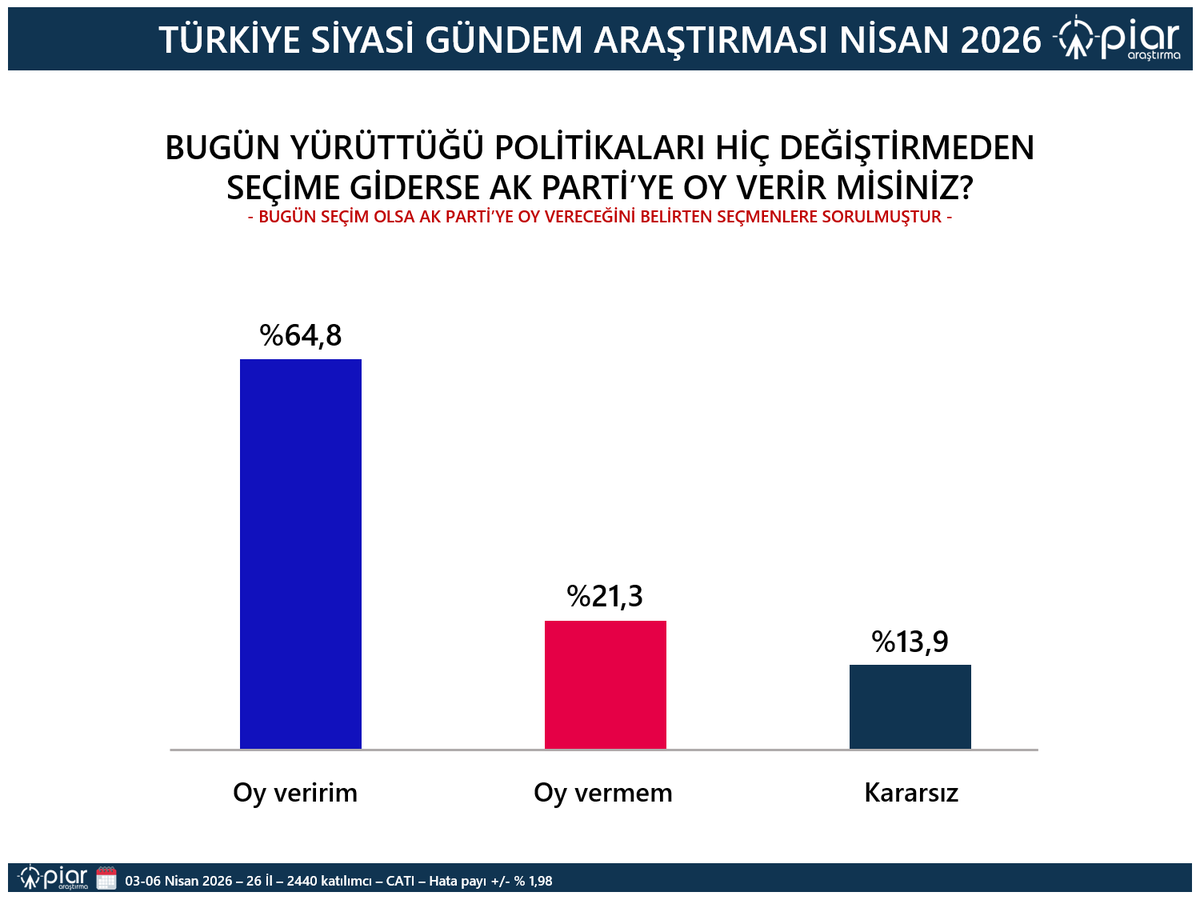
A new poll from Turkish research firm PİAR reveals that 21.3 percent of AKP voters say they will not vote for the party if it continues its current p...
King Charles makes history with US Congress speech
King Charles on Thursday became the second British monarch ever to address a joint meeting of the US Congress. He and Queen Camilla are in Washington...
Germany birth rate hits record low in 2025
Germany's birth rate fell to its lowest level on record in 2025, and experts say it will keep dropping. The main reason: fewer women of childbearing...
Whale 'Timmy' rescued, heads home on special barge
Rescue teams in Germany are celebrating a breakthrough in their weeks-long effort to save a stranded humpback whale. The animal, nicknamed "Timmy," h...
Germany: Ukraine’s battle tech helps us too
Germany’s defense minister stated that Ukraine is rapidly developing new, battlefield-tested technologies. He added that Germany benefits from workin...
James Comey Indicted Again? Justice Department Under Trump Moves a Second Time
Former FBI Director James Comey has been indicted for a second time, according to multiple reports. This marks the second instance in which the Justi...
German Entrepreneurs Bet on Venezuela’s Reopening
Venezuela was once a major hub for German industry. After nearly three decades of socialist rule, only a few German firms still operate there. Now, e...
Bosnia's EU dream at risk over US-linked gas deal
SARAJEVO – A US-backed gas pipeline could help Bosnia reduce its dependence on Russian energy. But the European Union warns that a deal with a compan...

EU Parliament Approves First-Ever Common Definition of Rape
The European Parliament has approved a unified legal definition of rape for all member states. Until now, definitions varied widely across the EU, wi...
France silent as Mali crisis deepens
Paris has issued only a brief statement since last weekend's offensive by jihadists in Mali. The ruling junta, now allied with Russia, faces an escal...
Iran proposes three-phase plan to de-escalate conflict with US
Iranian Foreign Minister Abbas Araghchi has held several rounds of consultations to advance a new, three-phase plan aimed at reducing tensions with t...
El Salvador Uses Google AI to Track Chronic Patients
An app screens users for chronic illnesses, then sends those at risk to private labs for tests and specialist consultations. The system also uses AI...
US company seizes Greenland’s rare earths with Wall Street deals
In April, a U.S. company called Critical Metals took control of a major rare earth deposit in Greenland through a series of financial moves. The deal...
Hungary’s new PM promises ‘new chapter’ with Ukraine; offers June meeting
Peter Magyar, Hungary’s incoming Prime Minister, has offered to meet with Ukrainian President Volodymyr Zelensky in June. In a statement, Magyar prom...
$1.5bn pipeline deal cuts Russia out of Balkans
Croatia and Bosnia signed a $1.5 billion pipeline project on Tuesday. The deal signals a major shift in the region's energy supply. The new pipeline...
OpenAI 'stole a charity,' Musk claims. Judge to decide by late May.
A high-stakes legal battle between Elon Musk and OpenAI will reach a critical point late next month. A U.S. judge, Judge Gonzalez Rogers, must decide...