Latest News
Stay updated with the latest news and articles
Top Stories
U.S. and Iran Launch High-Stakes Talks as Lebanon Ceasefire Hangs in the Balance
U.S. and Iran Launch High-Stakes Talks as Lebanon Ceasefire Hangs in the Balance Direct negotiations between the United States and Iran have commenced, with the fragile situation on the Israel-Lebanon border serving as the central focus and a major obstacle to progress. The rare diplomatic engagement, hosted by Pakistan, aims to prevent a wider regional war but is unfolding alongside continued violence and firm preconditions from both sides. High-level officials from the U.S. and Iran began unusual talks this week, with Pakistan acting as a neutral host [126286]. The discussions center on establishing conditions for a sustainable ceasefire in Lebanon, where the Iranian-backed Hezbollah group and Israeli forces have exchanged near-daily cross-border fire for months [126254][126286]. However, the path to a deal is fraught. Iran has publicly stated that future discussions with the United States are directly tied to stability in Lebanon [125917]. Iranian officials have demanded a ceasefire on the Israel-Lebanon border must happen before any broader peace negotiations can begin [126099]. Concurrently, the United States has issued warnings against being manipulated in the discussions, with prominent political figures cautioning Iran not to "play games" [126099]. The diplomatic push comes amid a significant military escalation. Over a recent 24-hour period, Israeli forces struck more than 200 Hezbollah targets in southern Lebanon [126254]. Overnight Israeli raids have continued despite the backdrop of talks, killing at least three people in southern Lebanon [125937]. This violence underscores the precarious state of the temporary calm and the immense pressure on diplomats. Analysts suggest Iran's engagement in diplomacy is a calculated move to project strength and gain regional influence amid internal economic pressures [126394]. For the United States, the goal is de-escalation to avert a full-scale regional conflict that has drawn in multiple militias and foreign powers [126083]. The outcome of the talks is seen as pivotal for Lebanon, which the United Nations describes as facing a "perfect storm" of crises, its immediate future hinging on the success of this fragile international diplomacy [125652]. U.S., Iran, Pakistan Hold Rare Talks on Frozen Funds, Gaza Iran Links U.S. Talks to Lebanon's Safety Israel Strikes 200+ Hezbollah Targets Amid U.S.-Iran Talks Iran Demands Lebanon Ceasefire Before Talks; U.S. Warns Against "Games" Israeli Strikes Hit Lebanon After Ceasefire, Kill Three Iran Steps Into Mediator Role Amid Regional Tensions Ceasefire in Doubt as US-Iran Conflict Draws in Regional Powers U.S.-Iran Ceasefire Talks Leave Lebanon in Tense Limbo


China Bets Billions on AI and Chips to Break U.S. Tech "Chokehold"
China Bets Billions on AI and Chips to Break U.S. Tech "Chokehold" A massive, state-coordinated push is underway across China to achieve self-sufficiency and leadership in critical technologies, with a laser focus on artificial intelligence (AI) and advanced semiconductors. Provinces and major cities are rolling out multi-billion dollar investment plans targeting these sectors, aiming to break foreign dependencies and secure China's position in the global tech race [51155][95150][43531][19492]. The eastern province of Zhejiang has announced a five-year plan targeting breakthroughs in manufacturing AI chips as small as 3 nanometers, a direct effort to counter U.S. export controls described as a strategic "chokehold" [51155]. This follows a national strategy revealed during China's annual political meetings, which directs massive state resources toward frontier technologies like AI and nuclear fusion to secure a "steadier footing" in strategic industries [95150]. Concurrently, Shanghai launched a $10 billion investment plan this week, channeling most of its funds into microchips and AI [43531]. This provincial and municipal action aligns with a new state-backed semiconductor investment fund worth over $47 billion, focused on building China's own supply chain for advanced chipmaking equipment [86995]. Analysts see the concentrated spending as a direct response to restrictions on technology access imposed by the U.S. and its allies [86995]. The strategic pivot marks a shift from China's decades-long model of absorbing foreign technology to one of creating and dominating next-generation fields [59734]. President Xi Jinping recently underscored this focus during an inspection of a major technology innovation park in Beijing, emphasizing the goal of achieving "high-level" technological independence [71486]. Private Chinese tech giants are aligning with this national directive. Xiaomi's founder announced the company is intensifying a major five-year investment plan into "core technologies" like semiconductors and AI, stating that private firms must deepen such spending to ensure growth [86064]. This state-and-private sector coordination highlights a fundamental split in strategy with the United States, where AI development is primarily market-driven, while China's approach is defined by state planning and systemic integration [109135]. The outcome of this concentrated effort remains a key battlefield in the intensifying U.S.-China rivalry. While new analysis suggests China leads in the volume of AI patents and research, the U.S. currently maintains an advantage in building high-performance AI software and the advanced chips needed to run it [122661]. China's billions in targeted bets aim to close that gap and redefine the global technological balance. China Targets 3nm AI Chips to Break US "Chokehold" China's New Plan: Beat US Tech Rivals with AI and Fusion Power China's Tech Pivot: From "Catch-Up" to Cutting-Edge AI War: US Bets on Markets, China Bets on Control China Bets $47 Billion to Break the Chip Barrier Shanghai Bets $10 Billion on Chips and AI in Tech Race Chinese Provinces Prioritize Tech and Self-Reliance in New Economic Plans Xi Inspects Tech Park, Stakes Claim in Global Innovation Race U.S. and China Locked in Split AI Race, With Stakes for Global Power Xiaomi Bets Billions on Chips and AI as Rivals Build Robots

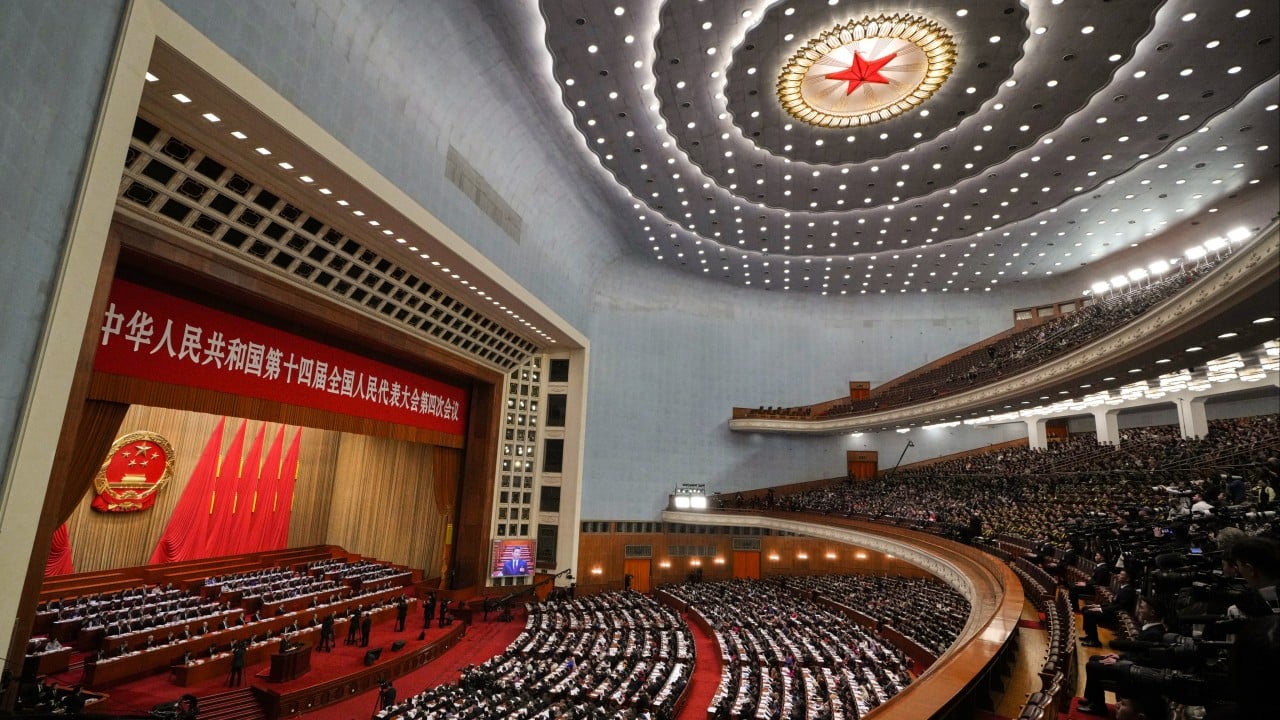

Climate Crisis Becomes Daily Reality as Extreme Weather Hammers Globe in 2025
Climate Crisis Becomes Daily Reality as Extreme Weather Hammers Globe in 2025 The year 2025 marked a grim turning point where climate change-driven extreme weather stopped being a future threat and became a disruptive, costly part of daily life across the world, according to scientific and conservation reports. Last year was Earth's third hottest on record, but the defining story was a relentless series of disasters, from catastrophic floods and severe droughts to intense storms and heatwaves [49594]. These events caused billions in damage, disrupted millions of lives, and are increasingly seen as the new normal rather than exceptional crises [37775]. Europe faced a particularly brutal year, grappling with devastating floods, scorching heatwaves, and widespread wildfires. Experts directly link the increasing frequency and intensity of these disasters to human-caused climate change and warn that without urgent action to cut greenhouse gas emissions, such extremes will become standard [36941]. The United Kingdom's wildlife and landscapes were pushed to a "breaking point" by a destructive cycle of major storms, drought, fires, and floods, described by the National Trust as "alarm signals we cannot ignore" [36898]. The human and economic toll is staggering, especially in vulnerable regions. A report from the World Meteorological Organization (WMO) confirms that extreme weather in Africa has killed thousands, impacted millions, and caused billions in economic losses [113458]. In Eastern Africa, a "triple planetary crisis" of climate change, biodiversity loss, and pollution is now directly threatening food security by ruining crops and killing livestock [91481]. The health impacts are also becoming direct and severe. In South Africa, climate change is worsening air quality by increasing wildfires and dust storms, leading to a rise in asthma, bronchitis, and other lung diseases, particularly among children and the elderly [110220]. This global shift has prompted the world's top environmental body, the United Nations Environment Assembly (UNEA-7), to issue a strong call for accelerated international cooperation to tackle the interconnected crises of climate change, biodiversity loss, and pollution [21446]. Scientists stress that the extreme weather of 2025 demonstrates a climate system under increasing stress and highlights the urgent need for action [49594]. Europe's 2025 Weather: A New Normal of Extremes? 2025: The Year the Weather Broke UK Wildlife Pushed to "Breaking Point" by Extreme Weather in 2025 2025: Climate Crisis Becomes Daily Life Triple Planetary Crisis Starves East Africa Climate Crisis Costs Africa Billions, Claims Thousands Every Breath a Risk: The Hidden Climate Threat to South Africa's Lungs UN Environment Assembly Demands Urgent Global Action on Climate and Biodiversity
U.S.-Iran Ceasefire Fails to Stop $2 Billion Asia Capital Flight
U.S.-Iran Ceasefire Fails to Stop $2 Billion Asia Capital Flight A fragile ceasefire between the United States and Iran has done little to calm global financial markets, with investors pulling over $2 billion from Asia's emerging economies in a single month as the conflict's economic fallout spreads. The two-week pause in hostilities, announced by U.S. President Donald Trump on April 7, followed a rapid escalation that drew in regional militias and foreign powers [126083]. Despite the lull, the damage to investor confidence is severe and accelerating. In March, overseas capital fled stock and bond markets across the region, placing intense pressure on currencies from Indonesia to India [126095]. Analysts say the ceasefire is too fragile and the geopolitical uncertainty too deep to quickly reverse the capital flight. "The uncertainty has already changed investor behavior," one market observer noted. "Regaining trust will take time and stability that simply isn't there yet" [126095]. The economic shockwaves are now a central point of global contention. Next week, the World Bank and International Monetary Fund (IMF) will confront the crisis directly as leaders from nearly 200 countries gather in Washington. The institutions face the unprecedented task of stabilizing a global economy pushed to the brink by the actions of two of their most powerful members, the U.S. and Israel [126037]. The conflict has also exposed vulnerabilities in hubs once considered safe. Asian tech entrepreneurs and investors are now reassessing Dubai, concerned that disruptions around the critical Strait of Hormuz threaten the city's financial stability and its reputation as a secure base [126042]. While the immediate focus is on the Middle East, the financial instability contributes to a broader picture of a shifting global order. The rapid economic damage from the conflict coincides with a measurable decline in American "soft power," particularly in Southeast Asia, where China is actively filling a vacuum left by reduced U.S. engagement [126090]. This convergence of financial shock and diplomatic recalibration is forcing nations worldwide to navigate a new and volatile reality [39519]. Iran Ceasefire? Asia's Economies Still Bleed Cash Ceasefire in Doubt as US-Iran Conflict Draws in Regional Powers World Bank, IMF Face Off Against U.S. and Israel Over Iran War Fallout Dubai's Allure Dims for Asian Tech Investors Amid Gulf Tensions US Soft Power in Freefall as China Closes Gap in Asia US Political Crisis Coincides with Major Global Shifts


Tourist Hotspots Worldwide Hit Breaking Point as Social Media Fuels Overtourism
Tourist Hotspots Worldwide Hit Breaking Point as Social Media Fuels Overtourism From a favela rooftop in Rio to a wooden dock in Venice, tourist destinations are buckling under the pressure of viral social media trends, creating overcrowding and straining local communities. The phenomenon, known as overtourism, is pushing popular spots to their limits as visitors flock to locations made famous online, often at the expense of residents' daily lives [80040]. In Rio de Janeiro, a single rooftop in the Rocinha favela has become a global pilgrimage site. Dubbed the "Gateway to Heaven," the spot offers a photo where the city's Christ the Redeemer statue appears framed in a gap between buildings. The image went viral, leading to hours-long queues. Local guides now offer motorbike taxi rides up the narrow streets, and the owner charges an access fee, illustrating how quickly online buzz can redirect massive tourist traffic into residential areas [101397]. Similarly, in Venice, a nondescript wooden jetty used by locals like a bus stop has been rebranded as the "Kardashian Jetty." It gained fame after being used during the wedding festivities of billionaire Jeff Bezos. Tourists now seek it out, along with other locations linked to the event, showing how a single celebrity moment can reshape tourist flows in a historic city [51924]. Experts say the core of the problem is the speed at which social media and cheaper travel create sudden "must-see" trends, overwhelming infrastructure [80040]. This search for the perfect photo is part of a larger shift where travelers are increasingly driven by content seen online rather than traditional guidebooks. In response, destinations are scrambling for solutions. Many local governments are now implementing tourist taxes, promoting travel during off-peak seasons, and trying to redirect visitors to less crowded areas to manage the crush and protect local life and the environment [80040]. The trend underscores a growing tension between the economic benefits of tourism and its impact on the places people rush to see. Tourist Destinations Hit Breaking Point: What Causes the Crush? Viral 'Gateway to Heaven' Rooftop Floods Rio Favela with Tourists Venice's New Tourist Hotspot: The 'Kardashian Jetty'
Climate Crisis Forces First Official Relocation as Tuvaluans Land in Australia
**Climate Crisis Forces First Official Relocation as Tuvaluans Land in Australia** A group of citizens from the Pacific island nation of Tuvalu has arrived in Australia, marking one of the world's first official movements of people displaced by climate change. The arrivals are the initial beneficiaries of a special visa program created specifically for Tuvaluans whose homeland is disappearing due to rising sea levels [25540]. Australia established the pathway last year, allowing up to 280 Tuvalu citizens to migrate annually. The program grants them the right to live, work, and study in Australia permanently, with a clear route to citizenship [10674]. The policy is a direct response to the existential threat facing Tuvalu, a low-lying atoll nation where increasing flooding and coastal erosion are predicted to make areas uninhabitable in coming decades [25540]. The new migration agreement between the two countries also includes Australian funding to support Tuvalu's own coastal defense and climate adaptation projects [10674]. The arrival of the first group under this visa solidifies a planned, government-led approach to relocating entire populations affected by environmental breakdown, setting a significant precedent in global climate policy [25540]. Tuvalu Citizens Arrive in Australia as First Official Climate Migrants Australia Opens Special Visa Pathway for Climate-Affected Tuvaluans


Trump Revives Push to Buy Greenland, Using Tariff Threats and Cash Offers
Trump Revives Push to Buy Greenland, Using Tariff Threats and Cash Offers Former President Donald Trump is renewing his controversial effort to purchase Greenland, deploying a mix of financial offers, tariff threats, and public pressure to acquire the strategic Arctic territory [50444]. The campaign, which has resurfaced during his current political activities, treats the autonomous Danish island like a real estate deal and directly challenges the post-World War II international order [58552]. Speaking at the World Economic Forum in Davos, Switzerland, Trump publicly stated the United States should be allowed to buy Greenland and called for immediate negotiations [55297][55327]. He has previously suggested using cash offers to Greenlanders themselves while threatening economic consequences for Denmark if they refuse to discuss a sale [50444]. Although he has stated he does not want to use military force, he has refused to explicitly rule it out [50444][55327]. The motivation is strategic. Greenland’s location in the Arctic makes it increasingly valuable for shipping lanes and untapped natural resources as polar ice recedes [50444]. However, experts warn Trump’s tactics are doomed to fail, mirroring his business approach but ignoring the realities of sovereignty and diplomacy [52669][87536]. Both the Danish and Greenlandic governments have consistently and firmly stated the island is not for sale [50444][52669]. Analysts note the strategy conflates genuine geopolitical interests with an unrealistic, expansionist vision [50444]. By openly questioning the value of longstanding alliances like NATO in the same speeches where he promotes the Greenland purchase, Trump is rejecting the diplomatic norms of the liberal international order [55297][55515]. Historians compare the combined pursuit of foreign territory and dismissal of allied diplomacy to 19th-century imperial behaviors [58552]. The push has already caused significant diplomatic friction. After Denmark rejected an earlier offer, Trump called the response "nasty" and postponed a planned state visit [50444]. Experts further warn that aggressive tactics could destabilize the Arctic region, provoking backlash from other global powers like China and Russia who are monitoring the area closely [52669]. Ultimately, Greenland’s future remains a decision for its people, not a transaction to be forced by economic pressure [52669]. Trump’s campaign continues to treat international relations as a high-stakes negotiation, applying a real estate playbook to a matter of national sovereignty [87536]. Trump Eyes Greenland: Cash, Threats, and Military Force Trump at Davos: Questions NATO, Wants to Buy Greenland Trump at Davos: Skips Soft Power, Targets Greenland and NATO Allies Trump's Tariff Plan Fails to "Capture" Greenland Trump's 'New Imperialism': Land Grabs and a Rejected World Order

India's Farmers Block Highways, Fearing U.S. Trade Deal Will Crash Crop Prices
India's Farmers Block Highways, Fearing U.S. Trade Deal Will Crash Crop Prices Thousands of Indian farmers have taken to the streets and blocked major highways, protesting a new trade agreement with the United States that they fear will flood the market with cheap imports and destroy their livelihoods [75183][73750]. The protests, which have used tractors and trucks to barricade roads around the capital, New Delhi, center on concerns that the deal could force India to reduce crucial government price supports for staple crops like wheat and rice [73750]. Farmers argue that lowering import taxes on American agricultural goods would allow cheaper products to enter the country, threatening local incomes [75183]. The trade pact, struck during a recent high-level visit, is seen as a diplomatic victory for Prime Minister Narendra Modi in strengthening ties with a key partner [73750]. However, it has ignited immediate backlash from the politically powerful farming community, a crucial voting bloc. Protest leaders are demanding a legal guarantee that the existing minimum price system, which ensures farmers a stable income, will remain untouched [73750]. The Indian government has stated that the agreement includes safeguards to protect the domestic agriculture sector from sudden price drops [75183]. Officials maintain that the minimum price support system is not under threat [73750]. Despite these assurances, farmer unions have called for a nationwide strike, expressing deep distrust that the deal favors U.S. corporate interests over their survival [75183]. Negotiations between farmer leaders and government officials are ongoing, with security heightened at key entry points to the capital [73750]. The standoff highlights the persistent tension between India's international trade ambitions and the economic stability of its vast agricultural sector. Indian Farmers Strike, Fearing U.S. Trade Deal Will Flood Market India's Farmers Protest as Modi-Trump Trade Pact Threatens Key Crop Prices

U.S. Forces Capture Venezuelan President Maduro in Military Strike, Plan to "Run" Country
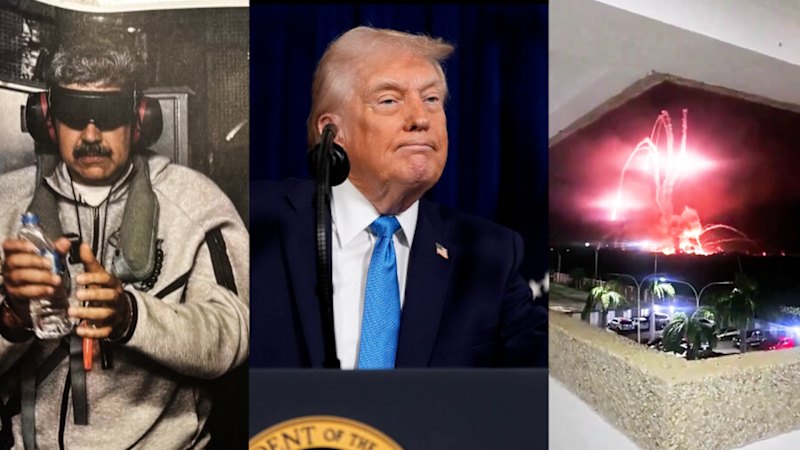
U.S. Forces Capture Venezuelan President Maduro in Military Strike, Plan to "Run" Country U.S. military forces have captured Venezuelan President Nicolás Maduro and his wife, Cilia Flores, in a large-scale military operation, marking an unprecedented direct intervention in the South American nation [41033][41227][41379]. The strike, which occurred on Saturday, January 3, 2026, targeted locations including the capital, Caracas [40921][41088]. Following the capture, former U.S. President Donald Trump announced that the United States would now "run" Venezuela, with a stated goal to "take back the oil" and fix the country's collapsed oil infrastructure [41227][40871][41525]. Venezuela holds the world's largest proven oil reserves, but its production has plummeted amid a severe economic and humanitarian crisis [40871][42114]. Maduro and his wife have been taken to New York, where they face criminal charges including terrorism and narcotics offenses [41136][40942][40970]. U.S. officials have long labeled Maduro's government as illegitimate, accusing it of corruption, human rights abuses, and ties to drug trafficking [41136][40668][40970]. The operation has created an immediate leadership vacuum in Venezuela, with no clear successor named [41136][40970]. The U.S. has recognized opposition leader Juan Guaidó as the country's legitimate president since 2019, but the path forward for governance remains unclear [41379][40505]. There has been no immediate public statement from the Venezuelan military or the remnants of Maduro's government [41379][40668]. The capture of a sitting head of state on foreign soil is a rare event in modern history and is expected to trigger a major political crisis and intense international debate over sovereignty [40668][40737][41088]. U.S. Forces Capture Venezuelan President in Military Strike Venezuela Leader Ousted in U.S. Strike, Faces Charges in New York US Strikes Venezuela, Captures President Maduro U.S. Captures Venezuela's President in Secret Operation U.S. Forces Capture Venezuelan President Nicolás Maduro US Captures Venezuelan President in "Large-Scale Strike" U.S. Military Strike Captures Venezuelan Leader Maduro U.S. Captures Maduro: What Now for Venezuela? US Seizes Venezuelan President, Vows to "Run" Country and "Take Back the Oil" U.S. Claims Capture of Venezuelan Leader in Military Strike U.S. Strikes Venezuela, Captures President Maduro US Captures Venezuelan President in Military Strike U.S. Strikes Venezuela, Captures President Maduro Venezuelan President Captured in U.S. Military Raid
AI Replay Tech Steals the Show at 2026 Winter Olympics, Creating "Orbiting" Jumps
AI Replay Tech Steals the Show at 2026 Winter Olympics, Creating "Orbiting" Jumps A new artificial intelligence-powered broadcasting system has transformed how millions of people watch sports, making its global debut at the 2026 Milano Cortina Winter Olympics. The technology generates stunning replays from angles never before possible, turning athletic performances into three-dimensional spectacles [82096]. The innovation was showcased during American figure skater Ilia Malinin's performance. For viewers at home, the replay of his quadruple jump did not simply play back from a fixed camera. Instead, the video frames appeared to spin and orbit around the athlete as he rotated in mid-air, creating a dramatic, immersive perspective [82096]. This "orbiting" replay is one of many new viewpoints created by the AI system. The technology constructs detailed 3D models of athletes and their movements using footage from standard broadcast cameras. Once the model is built, broadcasters can generate a video replay from any virtual vantage point, even positions where no physical camera was placed [82096]. Beyond enhancing the television spectacle for fans, the technology serves practical purposes for the Games. Officials are using the AI-generated models to assist with judging decisions, providing unprecedented clarity on complex maneuvers. The system also rapidly creates specialized content for social media platforms, catering to the demand for instant, shareable highlights [82096]. The adoption of cutting-edge tech at the Olympics extends beyond broadcasting. In a nod to history, photographers at the Milano Cortina Games are using adapted Graflex cameras from the 1950s—the era of the last Cortina-hosted Winter Games. These vintage devices have been modified to transmit their captured images directly to smartphones for live sharing, blending 70-year-old design with modern connectivity [79782]. Meanwhile, NASA has announced that astronauts on upcoming Artemis Moon missions, scheduled to begin no earlier than 2026, will be permitted to bring their personal smartphones. The devices, with their advanced consumer-grade cameras, will be used to document the experience with high-quality photos and videos for both private memories and public engagement, though they will play no role in critical spacecraft operations [69522]. AI Replay Tech Makes Olympic Jumps Spin on Screen Vintage Cameras Capture 2026 Olympics for Modern Crowd NASA Astronauts to Take Smartphones to the Moon

Latest Articles
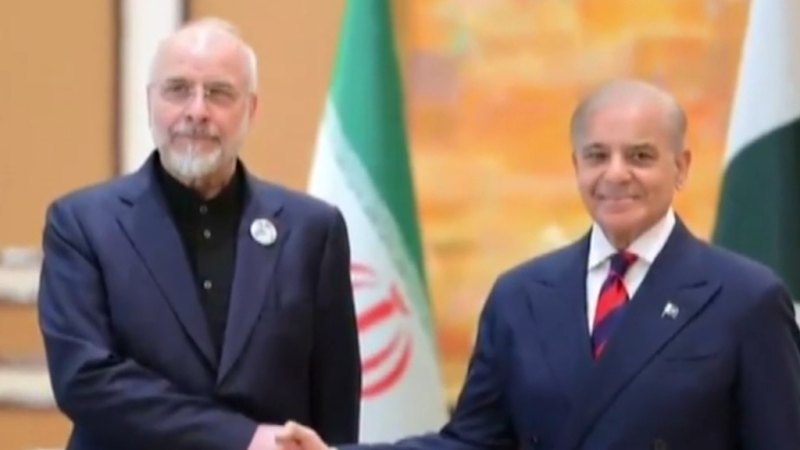
U.S. and Iran Hold Secret Talks in Pakistan Amid Fragile Ceasefire
Secret negotiations between the United States and Iran are currently underway in Islamabad, Pakistan. The high-stakes talks occur as a temporary ceas...
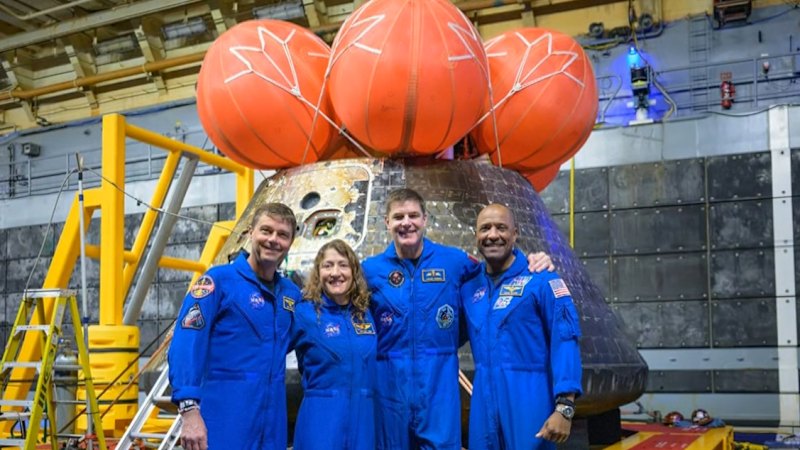
Artemis II Crew Returns to Earth, Reunites After Historic Moon Orbit
The four astronauts of NASA's Artemis II mission have safely returned home. They reunited with their families after completing a journey around the M...

Life in a 9-Square-Meter Home: Beijing's Historic Heart Holds On
In the ancient *hutong* alleyways of Beijing, a way of life persists against a backdrop of rapid modernization. Residents like Ma Peizeng and his wif...

Artemis Crew Returns: "We Haven't Processed It Yet"
The four astronauts of NASA's Artemis II mission are back on Earth. They have just completed a journey no human has made in over half a century: a tr...
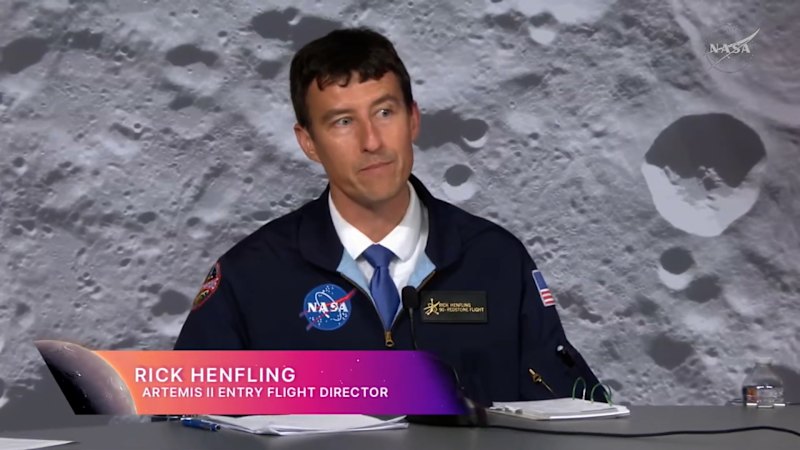
Artemis II Astronauts Declared "Happy and Healthy" After Fiery Earth Return
The four astronauts of NASA's Artemis II mission are reported to be in good spirits and health following their spacecraft's intense re-entry into Ear...

French Police Rescue Boy, 9, Locked in Van Since 2024
Police in eastern France have rescued a nine-year-old boy who was found living naked inside his father's locked utility van. Authorities say the chil...
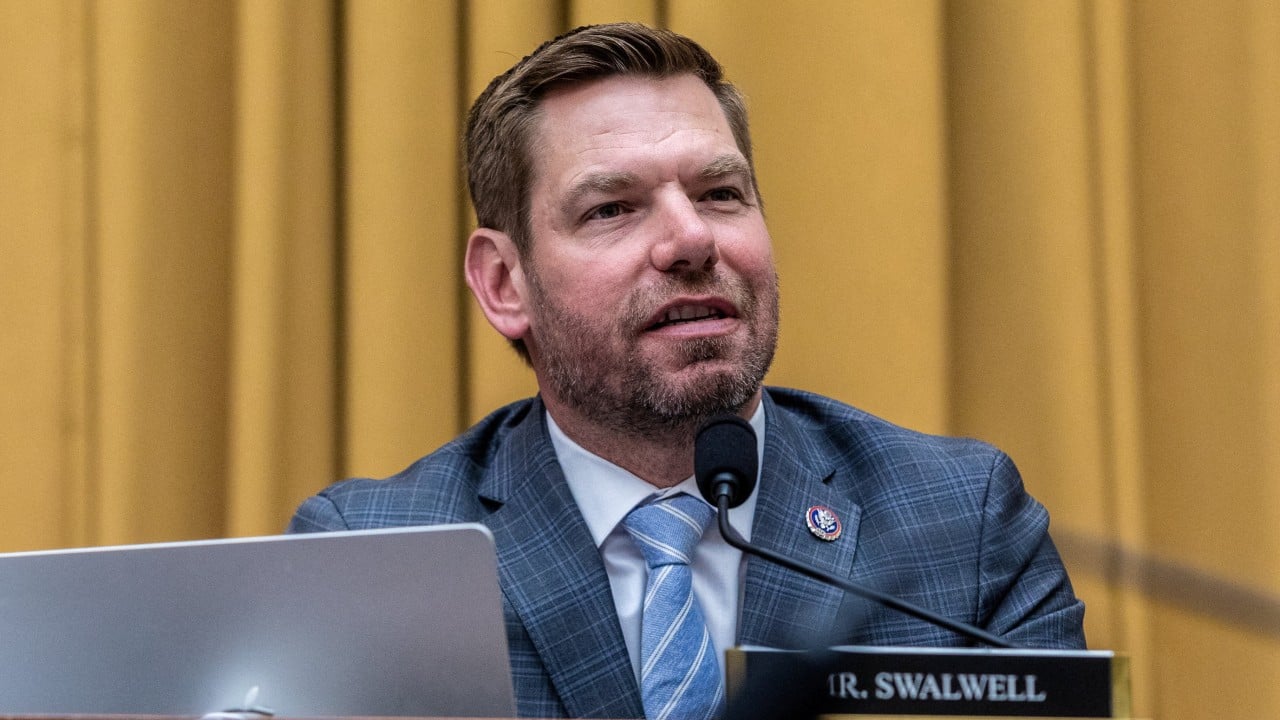
Congressman, Governor Hopeful Eric Swalwell Under Investigation for Sex Assault Claims
The Manhattan District Attorney's office is investigating sexual assault allegations against U.S. Congressman Eric Swalwell. Swalwell is a California...

Artemis II Crew Returns to Earth After Record-Breaking Moon Mission
The four astronauts of NASA's Artemis II mission received an emotional welcome home on Saturday. They arrived at Ellington Field in Texas, near NASA'...

Chinese Robotaxis Quietly Begin Testing on Singapore Streets
A left-hand drive car is navigating a quiet street in northern Singapore. It looks ordinary, but the person in the driver's seat is trained not to to...

AI Son Created to Comfort Mother After Tragic Death
A family in China has used artificial intelligence to create a digital clone of their deceased son. They hope it will help his elderly mother cope wi...
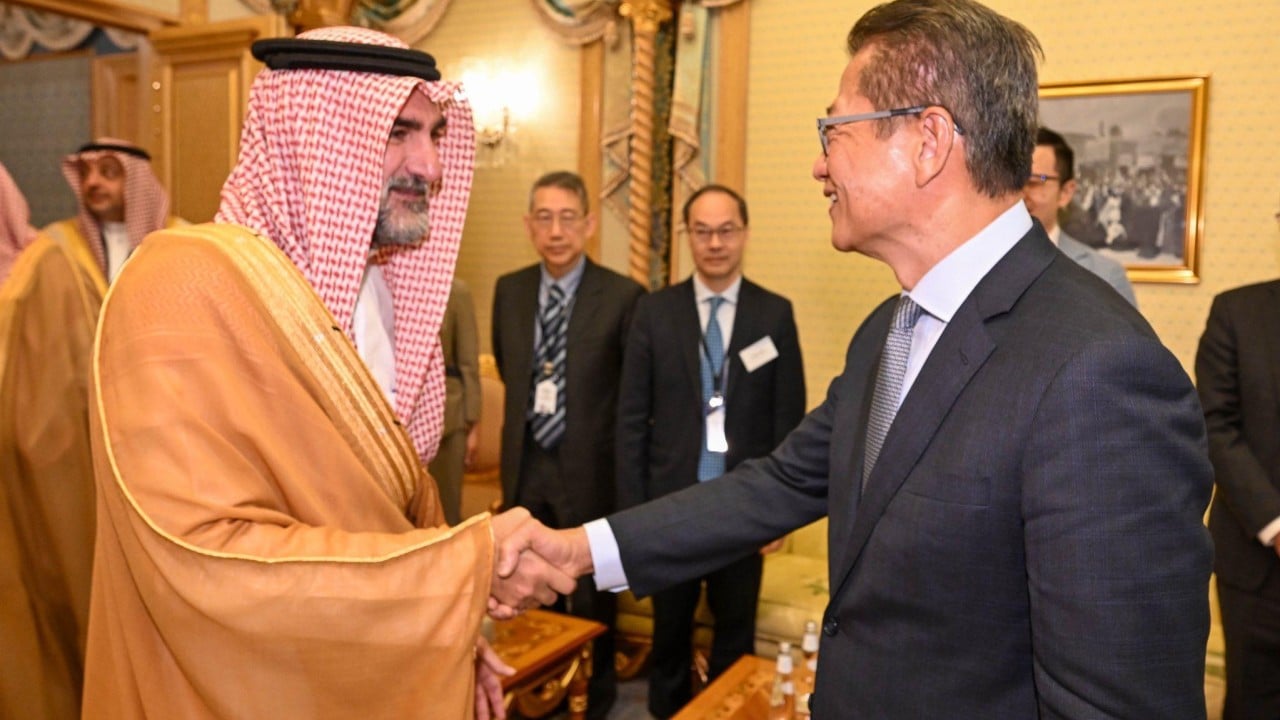
Hong Kong Ministers' Travel Costs Taxpayers HK$46.6 Million
Hong Kong's top officials spent over HK$46.6 million (US$5.9 million) on official travel during the past three financial years. The costs were reveal...

Hong Kong's Next Hurdle: Culture, Not Cash
Hong Kong's financial strengths are clear. It is a major hub for offshore Chinese currency, a top global capital market, and is attracting a growing...

Marathon Iran Talks End With "Bad News": No Deal
U.S. Vice-President J.D. Vance announced that high-stakes negotiations with Iran have failed. He spoke at a press conference in Islamabad, Pakistan,...

Emotional AI: The Software That Can Hear Your Feelings
A new type of artificial intelligence can now detect your emotions just by listening to your voice. This technology, called "emotional AI," is alread...
US and Iran Hold Rare High-Level Talks in Pakistan
Senior officials from the United States and Iran held direct talks in Islamabad this week. The discussions mark a significant, though cautious, step...

Girls, Mothers, Stolen Binders: The Violent New Craze Sweeping Japan
A children's sticker collection hobby in Japan has escalated into a serious social phenomenon marked by theft, harassment, and a "fierce scramble" am...

Mekong Delta Sinking Faster Than Seas Can Rise
New research reveals a startling threat to Vietnam's vital Mekong Delta: the ground itself is collapsing. While global sea-level rise is a major conc...
Wagyu Smuggling Scheme: Luxury Beef Faked as Cambodia-Bound to Reach Hong Kong
Japanese authorities have uncovered a smuggling operation targeting Hong Kong. Exporters are falsely declaring high-value Wagyu beef shipments as des...

Iran Conflict Hits Indian Coffee Exports, Sparks Price Fears
A major shipping disruption is causing significant problems for India's coffee exporters. Key trade routes through the Red Sea have become unstable d...

Artemis Crew Returns: Farthest Humans From Earth Land in Houston
The four astronauts of NASA's Artemis II mission have returned to Houston. They were welcomed home after completing a historic flight path around the...