U.S.-Iran Ceasefire Fails to Stop $2 Billion Asia Capital Flight
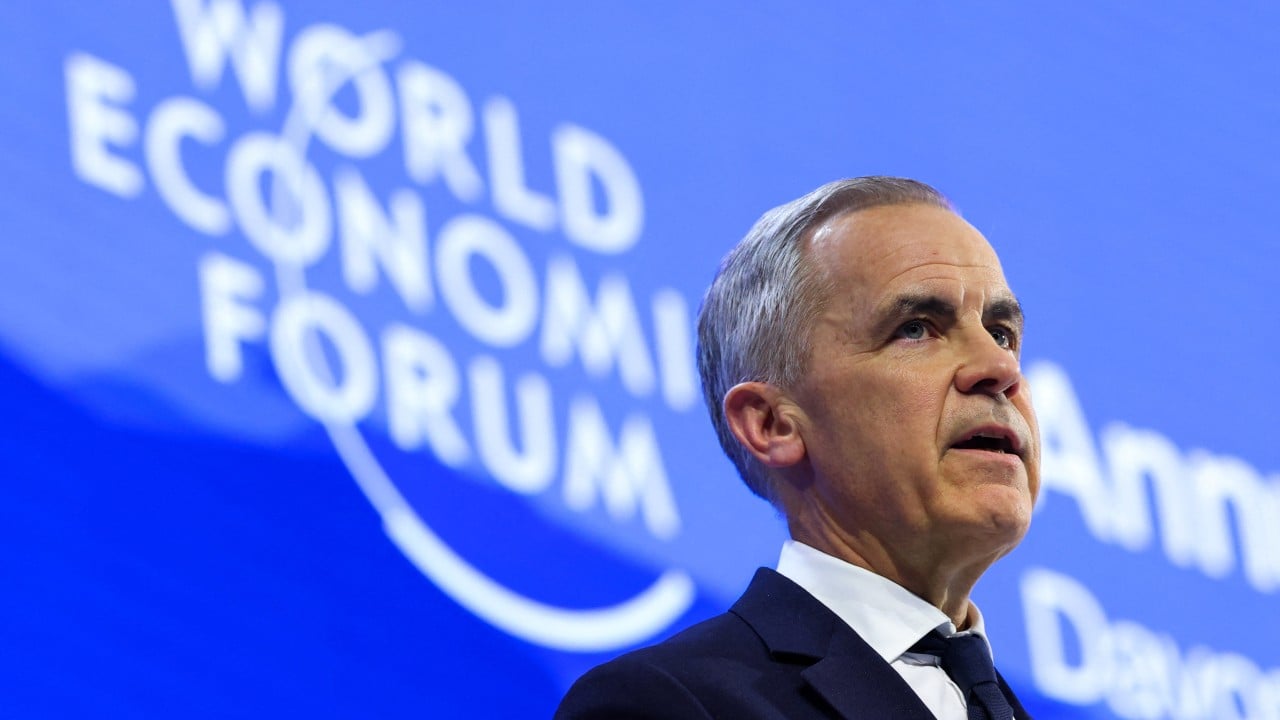
U.S.-Iran Ceasefire Fails to Stop $2 Billion Asia Capital Flight A fragile ceasefire between the United States and Iran has done little to calm global financial markets, with investors pulling over $2 billion from Asia's emerging economies in a single month as the conflict's economic fallout spreads. The two-week pause in hostilities, announced by U.S. President Donald Trump on April 7, followed a rapid escalation that drew in regional militias and foreign powers [126083]. Despite the lull, the damage to investor confidence is severe and accelerating. In March, overseas capital fled stock and bond markets across the region, placing intense pressure on currencies from Indonesia to India [126095]. Analysts say the ceasefire is too fragile and the geopolitical uncertainty too deep to quickly reverse the capital flight. "The uncertainty has already changed investor behavior," one market observer noted. "Regaining trust will take time and stability that simply isn't there yet" [126095]. The economic shockwaves are now a central point of global contention. Next week, the World Bank and International Monetary Fund (IMF) will confront the crisis directly as leaders from nearly 200 countries gather in Washington. The institutions face the unprecedented task of stabilizing a global economy pushed to the brink by the actions of two of their most powerful members, the U.S. and Israel [126037]. The conflict has also exposed vulnerabilities in hubs once considered safe. Asian tech entrepreneurs and investors are now reassessing Dubai, concerned that disruptions around the critical Strait of Hormuz threaten the city's financial stability and its reputation as a secure base [126042]. While the immediate focus is on the Middle East, the financial instability contributes to a broader picture of a shifting global order. The rapid economic damage from the conflict coincides with a measurable decline in American "soft power," particularly in Southeast Asia, where China is actively filling a vacuum left by reduced U.S. engagement [126090]. This convergence of financial shock and diplomatic recalibration is forcing nations worldwide to navigate a new and volatile reality [39519]. Iran Ceasefire? Asia's Economies Still Bleed Cash Ceasefire in Doubt as US-Iran Conflict Draws in Regional Powers World Bank, IMF Face Off Against U.S. and Israel Over Iran War Fallout Dubai's Allure Dims for Asian Tech Investors Amid Gulf Tensions US Soft Power in Freefall as China Closes Gap in Asia US Political Crisis Coincides with Major Global Shifts
Articles in this Cluster

Trump, Putin Back Orban in Key Hungary Election
World Bank, IMF Face Off Against U.S. and Israel Over Iran War Fallout

Iran Ceasefire? Asia's Economies Still Bleed Cash

US Political Crisis Coincides with Major Global Shifts
Pacific Power Failure: The Next Crisis Is Already Brewing
America's Enduring Strength Meets Its Repeating Mistake
Trump's Iran Crisis: A New "Suez Moment" for America?

US Soft Power in Freefall as China Closes Gap in Asia

South Korea Questions US Alliance After Decades of War Sacrifice
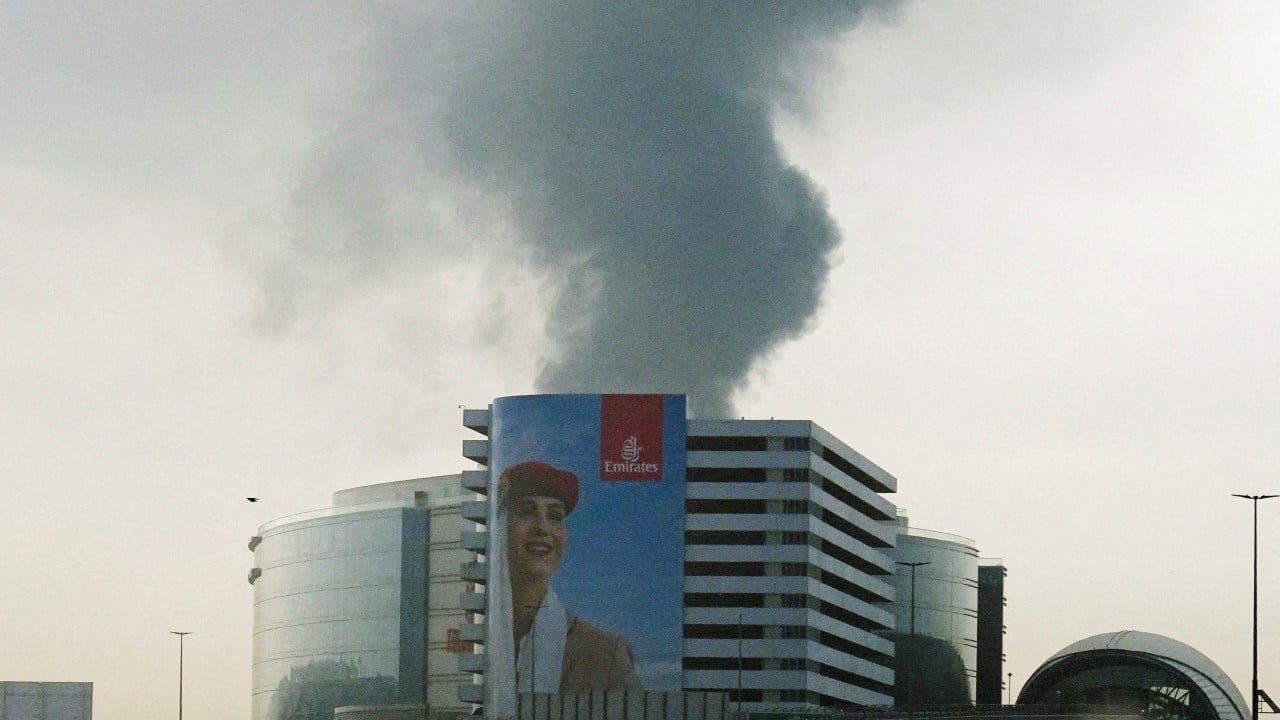
Dubai's Allure Dims for Asian Tech Investors Amid Gulf Tensions
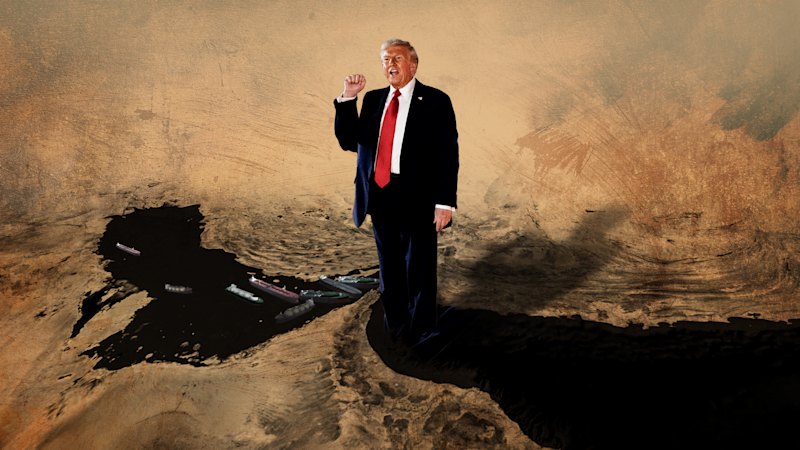
Trump's Foreign Policy "Achilles' Heel" Exposed by Iran Crisis

Ceasefire in Doubt as US-Iran Conflict Draws in Regional Powers
Orban Loses? A Blow to Global Conservatives.
April's Contradictions: A New Economic Reality Emerges