Latest News
Stay updated with the latest news and articles
Top Stories
Global Fuel Crisis Deepens as War and Disruption Send Pump Prices Soaring
Global Fuel Crisis Deepens as War and Disruption Send Pump Prices Soaring From Beijing to Cape Town, drivers and governments are grappling with a sharp global surge in fuel prices, driven by conflict in the Middle East and attacks on key energy infrastructure, straining household budgets and threatening economic stability. The immediate trigger is ongoing geopolitical tension. The war between Israel and Hamas, and fears over a wider regional conflict, have pushed global oil prices higher as markets worry about supply disruptions from a critical producing region [124783]. This pressure was compounded this week when Ukrainian forces struck the "Krymskaya" oil-pumping station in southern Russia, triggering a major fire and disrupting flows to the vital Novorossiysk export terminal on the Black Sea [125245]. The ripple effects are being felt worldwide. In South Africa, motorists rushed to fill tanks ahead of a record price hike at midnight, with the ongoing conflict blamed for disrupting global supplies [117884]. Despite a government tax cut of 3 rand per litre, consumers still faced one of the steepest pump price increases in the nation's history [117581]. In one metro, Nelson Mandela Bay, fuel companies imposed supply limits and added emergency war surcharges [108127]. In China, the government imposed its biggest fuel price increase of the year at midnight Monday, leading to long queues at stations as drivers like Beijing office worker Frank Jin rushed to beat the hike [109102]. The spike is pushing the transport sector to a breaking point, with trucking companies absorbing unsustainable costs and drivers facing layoffs, threatening gridlock for the nation's supply chains [124488]. The crisis is hitting developing nations particularly hard. Madagascar's president declared a nationwide state of emergency, citing an immediate threat to energy security from critical fuel shortages linked to the global disruption [124747][123851]. In Tanzania, Members of Parliament appealed to the government for immediate tax cuts on imported fuel to curb the soaring costs worsened by the Middle East crisis [125001]. Even in wealthier nations, the pain is acute. Germany has seen petrol prices surge more sharply than its European Union neighbors, a rise directly linked to the Middle East war [124639]. In the United States, drivers saw pump prices rise on Wednesday even as global oil costs fell, a lag experts say should bring relief within weeks if oil remains lower [124333]. Some governments are stepping in with direct aid. Hong Kong announced short-term subsidies and fee waivers for its transport industry to help it cope with the soaring global prices [124594]. The financial strain underscores how geopolitical instability is now a primary driver of everyday living costs for consumers and businesses across the globe. Ukrainian Strike Hits Key Russian Oil Route, Triggers Major Fire Fuel Prices Climb as Gaza Ceasefire Hopes Fade German Gas Prices Surge, Outpacing EU Neighbors Tanzania MPs: Cut Fuel Taxes Now as Prices Soar Madagascar Declares Emergency as Fuel Runs Low South Africa Braces for Record Fuel Price Surge Hong Kong Offers Cash to Transport Sector as Fuel Prices Surge China's Truckers Park Up as Fuel Crisis Bites U.S. Gas Prices Rise Despite Falling Oil Costs Drivers Race to Pumps Ahead of China's Biggest Fuel Price Jump of 2024 South Africa Cuts Fuel Tax, But Drivers Still Hit by Record Price Hike Fuel Limits and War Surcharges Hit South African Metro Madagascar Declares Emergency: No Fuel, Fears of Chaos

Israel and Lebanon Head to Washington as Border Fighting Kills Hundreds
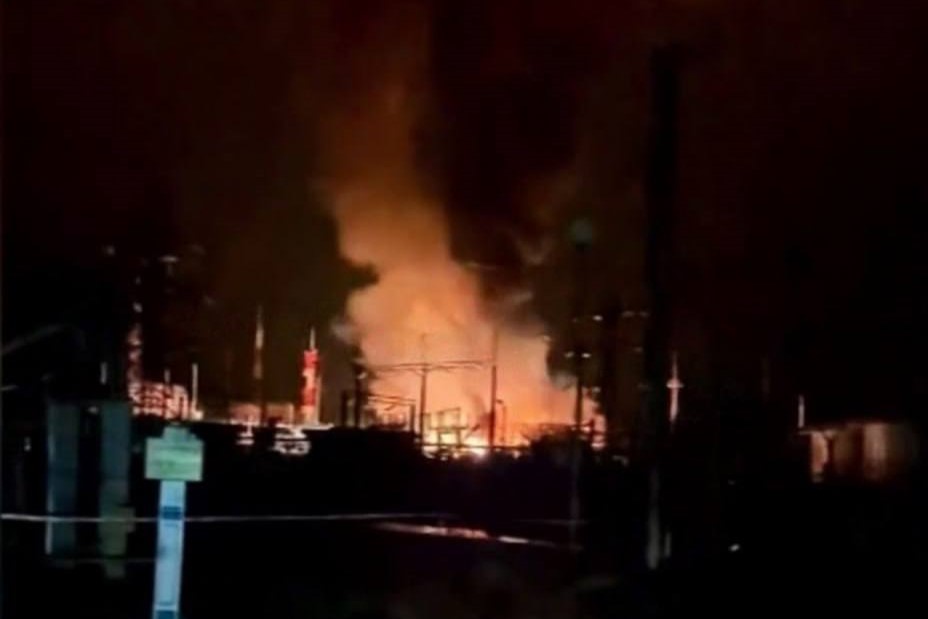
Israel and Lebanon Head to Washington as Border Fighting Kills Hundreds High-level talks between Israel and Lebanon are scheduled in Washington next week, a critical diplomatic effort to prevent cross-border violence from exploding into a full-scale regional war [125525][125253]. The announcement follows a major escalation in fighting that has killed hundreds of people in Lebanon and displaced tens of thousands on both sides of the frontier [125182][125529]. Israeli warplanes struck targets in southern Lebanon linked to the Hezbollah militant group on Thursday, as rocket warning sirens sounded in northern Israel [125529]. Lebanese health authorities reported that Israeli bombardments killed nearly 300 people in a single day this week [125529]. The exchange of fire continues despite international calls to expand a temporary Gaza ceasefire to the Lebanon-Israel front [125529][125078]. The United States will host senior Israeli and Lebanese defense officials, aiming to reduce immediate threats and work toward a diplomatic solution to long-standing border disputes [125253]. Israeli Prime Minister Benjamin Netanyahu has approved the direct negotiations, with a key Israeli goal being to push Hezbollah forces farther from its northern border [125524][125182]. The European Union has separately called for an "urgent cessation of hostilities" in Lebanon, warning the situation at the border is "very dangerous" [125533]. The violence tests a fragile U.S.-brokered ceasefire with Iran, with concerns that the wider truce could collapse [125525]. Canada has urged the United States to explicitly include the Lebanon-Israel conflict in its ceasefire deal with Iran to prevent a broader war [125078]. Israel, Lebanon to Talk in Washington as Ceasefire Falters U.S. to Host Israel-Lebanon Talks as Border Strikes Intensify Israeli Strikes Hit Lebanon, Rockets Target Israel as Truce Calls Ignored Israel Announces Lebanon Peace Talks After Deadly Escalation EU Demands "Urgent" Lebanon Ceasefire, Warns on Key Oil Route Canada Pushes U.S. to Add Lebanon to Iran Ceasefire Deal as Israel Strikes Intensify Vance Flies to Pakistan for Iran Talks as Israel Strikes Lebanon


China Bets Billions on AI and Chips in High-Stakes Tech Race with U.S.
China Bets Billions on AI and Chips in High-Stakes Tech Race with U.S. China is mobilizing vast state resources to achieve self-sufficiency in advanced semiconductors and artificial intelligence, launching a multi-pronged national strategy to break what it calls a U.S. "chokehold" on critical technologies. The push represents a fundamental pivot in China's industrial policy, moving aggressively from absorbing foreign technology to creating its own cutting-edge innovations [59734]. A new national blueprint for 2026-2030 explicitly targets breaking foreign dependencies in strategic industries, directing massive investment toward frontier fields like AI and nuclear fusion [95150]. Central to this effort is a race to manufacture advanced artificial intelligence chips. The eastern province of Zhejiang has announced a five-year plan to produce semiconductors as small as 3 to 7 nanometers, a direct counter to U.S. export controls [51155]. This provincial drive is part of a broader national campaign, with major hubs like Shanghai launching their own multi-billion dollar investment plans. Shanghai's Pudong district recently unveiled over $10 billion in funding for 50 major projects, with a heavy focus on microchips and AI [43531]. At the national level, China has established a new state-backed semiconductor fund worth over $47 billion. The fund's primary goal is to develop advanced domestic equipment for chip manufacturing, an area currently dominated by U.S., Japanese, and Dutch firms [86995]. Parallel to the hardware push, Chinese companies are building large-scale, home-grown AI infrastructure. E-commerce giant Alibaba recently launched one of China's largest computing clusters, built with 10,000 of its own "Zhenwu" AI chips in collaboration with state-owned China Telecom. Company officials emphasized the system is "fully domestic," highlighting the drive to create an independent AI ecosystem [123660]. Analysts note a fundamental split in strategy between the two superpowers. While U.S. artificial intelligence development is largely driven by private market forces, China's approach is defined by state coordination and the systemic integration of AI into national infrastructure and planning [109135]. This state-led model has propelled China to a lead in the volume of AI patents and research papers, though the U.S. maintains an advantage in creating the most advanced AI software models and the specialized chips needed to run them [122661]. The technological competition is redrawing global economic rules, with nations increasingly prioritizing "friend-shoring" of supply chains and domestic manufacturing for national security reasons over pure cost efficiency [123918]. For China, the overarching goal is to transition from a position of technological "catch-up" to one of cutting-edge leadership, reducing reliance on foreign technology and building Chinese companies into global leaders in next-generation industries [59734]. China Targets 3nm AI Chips to Break US "Chokehold" China's New Plan: Beat US Tech Rivals with AI and Fusion Power China's Tech Pivot: From "Catch-Up" to Cutting-Edge AI War: US Bets on Markets, China Bets on Control China Deploys 10,000-Chip AI "Brain" in Tech Race with U.S. U.S. and China Locked in Split AI Race, With Stakes for Global Power China Bets $47 Billion to Break the Chip Barrier Shanghai Bets $10 Billion on Chips and AI in Tech Race AI and Rivalry Redraw the World's Economic Map
Climate Crisis Becomes Daily Reality as Extreme Weather Hammers Globe in 2025
Climate Crisis Becomes Daily Reality as Extreme Weather Hammers Globe in 2025 A relentless barrage of extreme weather throughout 2025 has pushed ecosystems to the brink and transformed climate impacts from distant threats into a disruptive part of daily life, scientists and conservation groups report. From devastating European floods to Antarctic ice loss, the events of the past year are being described as alarm signals of a planet under intensifying stress [36941][49594][36898]. The year was marked by a destructive cycle of climate disasters. Europe faced scorching heatwaves, wildfires, and catastrophic floods, with experts warning that such severe events are becoming the new normal due to human-caused climate change [36941]. In the United Kingdom, major conservation charity the National Trust reported that wildlife and landscapes were pushed to a "breaking point" by a sequence of intense storms, drought, fires, and floods [36898]. Globally, 2025 ranked as the third hottest year on record, but scientists emphasize that the defining story was the series of powerful and costly extreme weather events it unleashed [49594]. This shift signifies that the consequences of climate change are now unfolding in real-time, moving from future projections into present-day reality [37775]. The crisis is having a direct and severe impact on global biodiversity. In a stark example, the U.S. Fish and Wildlife Service declared the emperor penguin an endangered species, citing the loss of Antarctic sea ice from global warming as an existential threat. Scientists project that 99% of emperor penguin populations could vanish by the end of the century without drastic cuts to greenhouse gas emissions [124720]. The interconnected nature of the planetary emergency is exacerbating human suffering. In Eastern Africa, officials have warned that a "triple planetary crisis" of climate change, biodiversity loss, and pollution is directly threatening food security by destroying crops and degrading farmland [91481]. In response to the escalating situation, the United Nations Environment Assembly recently concluded with a strong call for accelerated global action. Delegates committed to strengthening international cooperation to tackle the linked crises of climate change, biodiversity loss, and pollution, emphasizing the need for faster and larger-scale interventions [21446]. Europe's 2025 Weather: A New Normal of Extremes? 2025: The Year the Weather Broke UK Wildlife Pushed to "Breaking Point" by Extreme Weather in 2025 Emperor Penguins Now an Endangered Species 2025: Climate Crisis Becomes Daily Life Triple Planetary Crisis Starves East Africa UN Environment Assembly Demands Urgent Global Action on Climate and Biodiversity


Trump Threatens to Gut NATO Over Iran, Putting 70-Year Alliance on the Brink
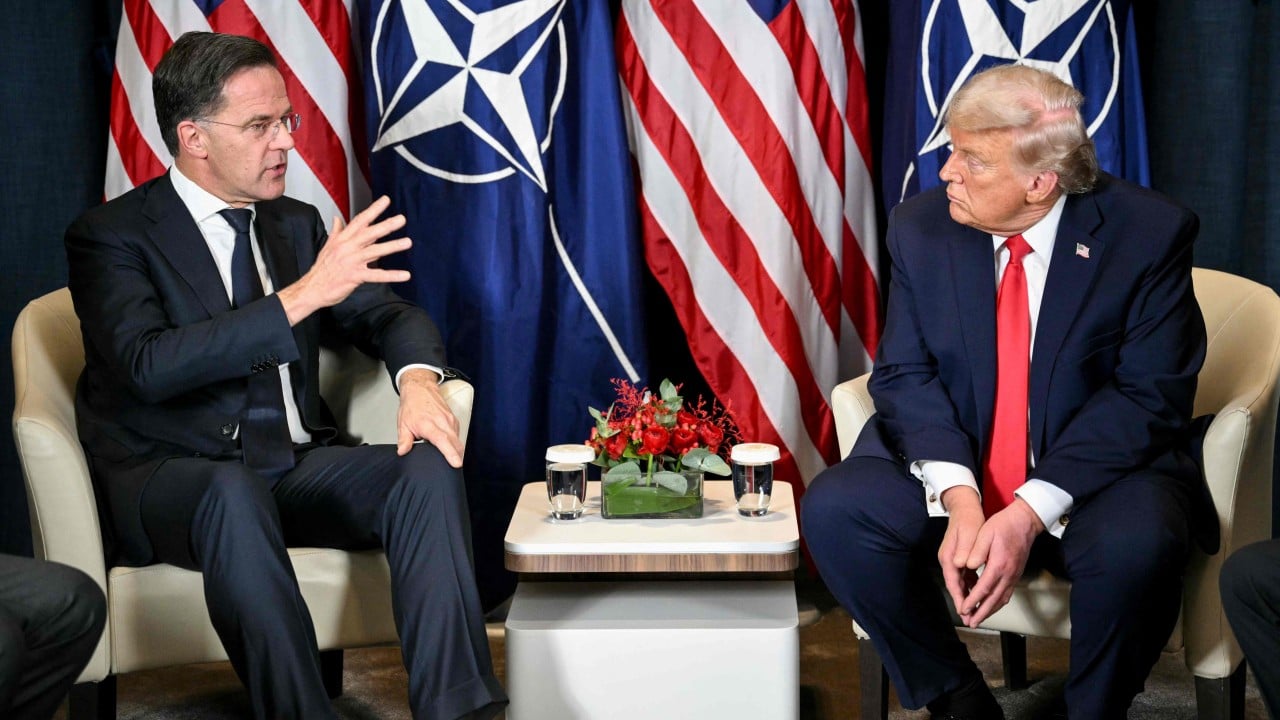
Trump Threatens to Gut NATO Over Iran, Putting 70-Year Alliance on the Brink President Donald Trump is threatening to drastically reduce United States support for the North Atlantic Treaty Organization (NATO), citing Europe's reluctance to back America in its conflict with Iran. This move places the 70-year-old military alliance under severe strain and risks fracturing its unity [125219][125443]. Since returning to office, Trump has consistently accused European allies of "free-riding" on American security and demanded they increase military spending [125443]. Analysts now suggest he is using the prospect of a U.S.-Israel war with Iran as a "loyalty test" for the alliance [125443]. The concern is that European members, wary of being drawn into a new Middle Eastern war, may refuse to follow the U.S. lead [125443]. A prominent columnist suggests Trump's attacks may be an attempt to shift blame for United States foreign policy setbacks in the Gulf region onto Europe [125258]. European leaders, initially quiet in their support for the U.S. and Israeli attack on Iran, are now reassessing their reliance on Washington [124661]. The crisis is forcing Europe to take another difficult step toward independence from the U.S. [124661]. A Chinese foreign policy observer warns that a potential U.S.-Israel war with Iran could reduce NATO to a hollow alliance. While a full breakup is seen as unlikely in the near term, such a refusal to follow the U.S. could fundamentally damage NATO's core principle of collective defense, leaving it "nominal" and ineffective in practice [125443]. The standoff with Iran is also impacting the global economy. The Asian Development Bank warns the conflict presents a "formidable test" for Asia's economies, cutting its growth forecast for developing Asia to 5.1% this year and halting a recent economic upswing [125429]. Trump's Iran War Demand Could Fracture NATO, Analyst Warns Trump Threatens NATO Over Iran, Still Wants Greenland Trump Blames NATO for US Setbacks, Analyst Suggests Iran Crisis Forces Europe to Rethink Reliance on Trump Middle East Conflict Slams Asia's Economic Growth

Tourist Hotspots Crack Down as Crowds Reach Breaking Point
Tourist Hotspots Crack Down as Crowds Reach Breaking Point From the canals of Venice to the slopes of Kashmir, popular destinations worldwide are implementing new measures to combat the strain of overwhelming visitor numbers. The phenomenon, known as "overtourism," is pushing local governments to act, balancing economic benefits against damage to local life, environments, and cultural sites [80040]. Experts point to social media and cheaper travel as key drivers, creating sudden "must-see" trends that can flood a location unexpectedly [80040]. In response, authorities are rolling out strategies like tourist taxes, promoting travel during off-peak seasons, and redirecting visitors to less-crowded areas [80040]. The issue is not confined to iconic landmarks. In Japan, a national debate on tourist etiquette erupted during the recent cherry blossom season, with reports of "unruly" behavior during traditional viewings sparking calls for greater cultural respect [124598]. Similarly, a single viral rooftop in a Rio de Janeiro favela, dubbed the "Gateway to Heaven," has redirected a torrent of tourists into a densely populated residential community, raising urgent questions about sustainability [101397]. Even destinations actively promoting tourism are facing growing pains. The Indian-administered region of Kashmir is investing heavily in ski resorts and infrastructure to rebuild its economy, but must manage this growth amid visible security concerns [46233]. In Morocco's Atlas Mountains, a shift from subsistence farming to a tourism-based economy around Mount Toubkal is reshaping entire valleys [83740]. The search for solutions is also driving new travel trends. Some operators are pioneering community-based tourism, like in the Indian Himalayas, where treks direct income to remote villages to help preserve traditional life [100125]. Experts predict a broader move toward "meaningful tourism" in the coming years, where travelers seek deeper, more personalized cultural experiences beyond crowded city checklists [36959]. As destinations grapple with the double-edged sword of global interest, the focus is increasingly on managing the crush before it causes irreversible harm [80040]. Tourist Destinations Hit Breaking Point: What Causes the Crush? Cherry Blossom Chaos: Foreigners Blamed for "Unruly" Behavior in Japan Viral 'Gateway to Heaven' Rooftop Floods Rio Favela with Tourists Ski Resorts or Soldiers? Kashmir Bets on Tourism Over Conflict From Walnuts to Tourists: A Changing Valley Leads to North Africa's Peak Village Tourism Pioneer Fights Urban Flight in India's Himalayas Beyond Paris: TV Drives 2026 "Meaningful Tourism" Trend


Climate Migration Accelerates as Thousands Flee Rising Seas and Conflict
Climate Migration Accelerates as Thousands Flee Rising Seas and Conflict A growing wave of people is being driven from their homes by environmental disaster and war, with new data revealing shifting global migration routes and the first official arrivals of climate refugees. The first citizens of Tuvalu, a low-lying Pacific island nation, have arrived in Australia under a pioneering visa program created specifically for climate migrants [25540][10674]. The program, which allows up to 280 Tuvaluans to relocate each year, provides a permanent home and path to citizenship in response to the existential threat of rising sea levels [25540]. In the Mediterranean, Egyptian nationals have become the leading group of African migrants entering Europe through irregular means this year, according to the European Border and Coast Guard Agency, Frontex [40271]. The agency recorded just over 16,000 such crossings by Egyptians as of late November, with most departing from Libya for Italy [40271]. This movement is part of a broader pattern. More than 54,000 Algerians migrated to Europe between 2020 and 2024, with most settling in France, according to the International Organization for Migration [15039]. Analysts cite limited economic opportunities and discontent among youth as primary drivers [15039]. Conflict continues to force major population shifts. In southern Turkey, a study shows the net migration rate from areas devastated by major earthquakes last year has increased fivefold [68788]. Most displaced residents relocated to other parts of Turkey, with cities like Malatya and Hatay experiencing the greatest population loss relative to their size [68788]. Meanwhile, the war in Myanmar has triggered a new exodus of skilled professionals and graduates, with Japan emerging as a primary destination [24735]. The departures accelerated after the military announced it would enforce a conscription law [24735]. At the Iran-Turkey border, a two-way flow of people underscores the personal toll of conflict. While some Iranians flee into Turkey to escape bombardment, others are returning from Turkey to be closer to relatives in danger [95980][119947]. The journeys remain perilous. Over 250 migrants crossed the English Channel to Britain on a single day recently, taking advantage of calm seas [93075]. The dangerous small boat crossings have brought the total number of arrivals via this route this year to more than 10,000 [93075]. Tuvalu Citizens Arrive in Australia as First Official Climate Migrants Australia Opens Special Visa Pathway for Climate-Affected Tuvaluans Egyptians Now Top African Migrants to Europe, EU Agency Reports Over 54,000 Algerians Sought New Lives in Europe Since 2020 Earthquake Exodus: Fivefold Surge in Net Migration Rocks Southern Turkey Myanmar's Lost Generation Flees to Japan Two-Way Flight: Iranians Flee Bombs, Others Rush Back to Family Iranians Cross Border in Both Directions as War Intensifies Calm Seas, Crowded Boats: Over 250 Migrants Cross Channel to England



Trump Revives Bid to Buy Greenland, Mixing Real Estate Tactics with Geopolitics
Trump Revives Bid to Buy Greenland, Mixing Real Estate Tactics with Geopolitics President Donald Trump is renewing a controversial push to purchase Greenland, employing a mix of financial offers, diplomatic pressure, and veiled threats that mirror his real estate dealmaking. The autonomous Danish territory, valued for its strategic Arctic location and resources, has been a persistent target for the U.S. administration despite firm rejections from both Copenhagen and Greenland’s own government [50444]. Trump publicly confirmed his interest during a speech at the World Economic Forum in Davos, Switzerland, telling global leaders the United States should be allowed to acquire the island [55297]. He later clarified he did not want to use military force, but called for immediate negotiations to buy it [55327]. His approach has reportedly included cash offers to Greenlanders and threats of tariffs against Denmark if the sale is blocked [50444]. The pursuit forms part of a broader foreign policy that sidelines traditional diplomacy. At the same forum, Trump lambasted NATO allies, complaining the U.S. was treated "very unfairly" and questioning the value of the decades-old military alliance [55297][55327]. Analysts note his Davos address largely ignored "soft power"—the use of cultural influence and partnerships—in favor of direct demands and economic nationalism [55327]. Experts warn that treating a complex geopolitical issue like a real estate transaction is fraught with risk. They say Trump’s strategy dangerously underestimates the role of national pride and sovereignty, factors that are not present in a purely commercial negotiation [87536]. The Danish and Greenlandic governments have consistently stated the island is not for sale, viewing the U.S. campaign as an unrealistic expansionist idea [50444]. Historians have drawn parallels between Trump’s territorial ambitions and 19th-century imperialism, noting his approach aggressively rejects the post-World War II international order built on rules and alliances [58552]. His focus on Greenland underscores an unorthodox presidency that continues to blend personal brand-building with the levers of state power, creating persistent diplomatic friction with longstanding allies. Trump Eyes Greenland: Cash, Threats, and Military Force Trump at Davos: Questions NATO, Wants to Buy Greenland Trump at Davos: Skips Soft Power, Targets Greenland and NATO Allies Trump's 'New Imperialism': Land Grabs and a Rejected World Order Iran Won't Fold: Why Trump's Real Estate Tactics Fail on World Stage
India's Farmers Revolt as U.S. Trade Deal Threatens Livelihoods and Crop Prices
India's Farmers Revolt as U.S. Trade Deal Threatens Livelihoods and Crop Prices A wave of protests has swept across India as farmers fear a new trade agreement with the United States will flood the market with cheap imports and undermine crucial government price supports. The unrest highlights the tense balance between the government's international ambitions and the demands of its vast agricultural sector, a key political constituency. Farmers and trade unions launched a nationwide strike this week, blocking major highways and railways with tractors and trucks [75183]. The protests are a direct response to a trade pact announced following a visit by former U.S. President Donald Trump, which farmers believe will lower import taxes on American agricultural goods [75183][73750]. At the heart of the dispute are government-guaranteed minimum support prices for staple crops like wheat and rice. Farmers fear the trade terms could force India to reduce these price floors or accept more imports, which would crash their incomes [73750]. Protest leaders are demanding a new law that would permanently guarantee the current price system [73750]. While the Indian government has stated the deal includes safeguards for the agriculture sector, protesters remain deeply skeptical [75183]. They argue the agreement ultimately favors U.S. corporate interests over the livelihoods of millions of Indian farmers [75183]. The protests have concentrated around the capital, New Delhi, with police increasing security at key entry points to the city [73750]. The agreement is seen as a diplomatic victory for Prime Minister Narendra Modi in strengthening ties with Washington, but it risks alienating the powerful farming community ahead of elections [73750]. Government officials maintain that the minimum price system is protected and negotiations with farmer leaders are ongoing [73750]. Indian Farmers Strike, Fearing U.S. Trade Deal Will Flood Market India's Farmers Protest as Modi-Trump Trade Pact Threatens Key Crop Prices

U.S. Forces Capture Venezuelan President Maduro in Military Strike, Plan to "Run" Country
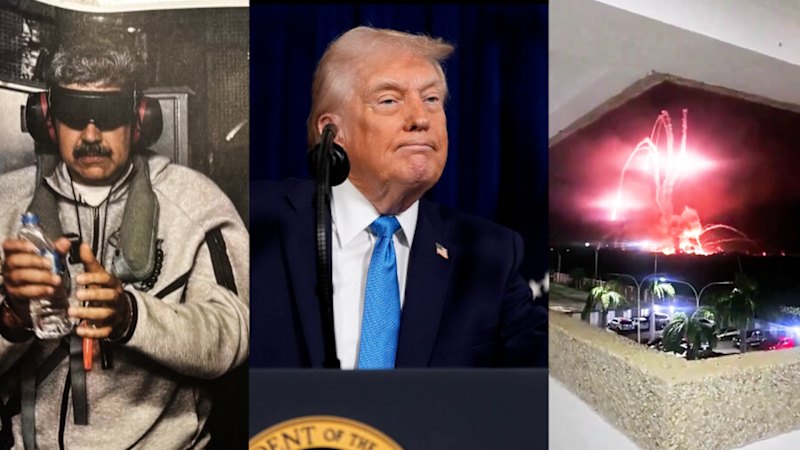
U.S. Forces Capture Venezuelan President Maduro in Military Strike, Plan to "Run" Country U.S. military forces have captured Venezuelan President Nicolás Maduro and his wife, Cilia Flores, in a direct military operation on Venezuelan soil, marking an unprecedented escalation in the long-standing political crisis [41033][41227][41379]. The strike, described by former U.S. President Donald Trump as a "large-scale" operation, occurred overnight on Saturday [40942][41088]. Following the capture, Trump announced that the United States intends to "run" Venezuela, suggesting a move toward direct American control of the South American nation [41055][42114]. He stated a key goal is to "take back the oil" and fix the country's collapsed oil infrastructure, aiming to access Venezuela's vast proven reserves, the largest in the world [41227][40871][41525]. Maduro and his wife have been taken out of Venezuela and are expected to face criminal charges in a New York court [41136][40970]. The specific charges include accusations of narco-terrorism and running a "narco terrorist organisation" [40942][40970]. The operation removes a leader long labeled as illegitimate by the U.S. government, which has recognized opposition figure Juan Guaidó as the country's legitimate president since 2019 [41379][40505]. The sudden capture has created an immediate power vacuum and deep uncertainty over who is governing Venezuela, with no clear successor named [41136][40970]. There has been no immediate public statement from the Venezuelan government or military following the operation [40668][41379]. The action, which analysts describe as a major shift in U.S. foreign policy, is expected to trigger a severe political crisis within Venezuela and intense international debate over sovereignty and international law [40737][40505]. U.S. Forces Capture Venezuelan President in Military Strike Venezuela Leader Ousted in U.S. Strike, Faces Charges in New York US Strikes Venezuela, Captures President Maduro U.S. Captures Venezuela's President in Secret Operation U.S. Forces Capture Venezuelan President Nicolás Maduro US Captures Venezuelan President in "Large-Scale Strike" U.S. Military Strike Captures Venezuelan Leader Maduro U.S. Captures Maduro: What Now for Venezuela? US Seizes Venezuelan President, Vows to "Run" Country and "Take Back the Oil" U.S. Claims Capture of Venezuelan Leader in Military Strike U.S. Strikes Venezuela, Captures President Maduro US Captures Venezuelan President in Military Strike U.S. Strikes Venezuela, Captures President Maduro Venezuelan President Captured in U.S. Military Raid
Latest Articles

Sara Duterte Leads 2028 Polls Despite Political Storms
Philippine Vice-President Sara Duterte-Carpio is the clear early favorite for the 2028 presidential election. This is despite a series of major polit...