China Bets Billions on AI and Chips in High-Stakes Tech Race with U.S.
China Bets Billions on AI and Chips in High-Stakes Tech Race with U.S. China is mobilizing vast state resources to achieve self-sufficiency in advanced semiconductors and artificial intelligence, launching a multi-pronged national strategy to break what it calls a U.S. "chokehold" on critical technologies. The push represents a fundamental pivot in China's industrial policy, moving aggressively from absorbing foreign technology to creating its own cutting-edge innovations [59734]. A new national blueprint for 2026-2030 explicitly targets breaking foreign dependencies in strategic industries, directing massive investment toward frontier fields like AI and nuclear fusion [95150]. Central to this effort is a race to manufacture advanced artificial intelligence chips. The eastern province of Zhejiang has announced a five-year plan to produce semiconductors as small as 3 to 7 nanometers, a direct counter to U.S. export controls [51155]. This provincial drive is part of a broader national campaign, with major hubs like Shanghai launching their own multi-billion dollar investment plans. Shanghai's Pudong district recently unveiled over $10 billion in funding for 50 major projects, with a heavy focus on microchips and AI [43531]. At the national level, China has established a new state-backed semiconductor fund worth over $47 billion. The fund's primary goal is to develop advanced domestic equipment for chip manufacturing, an area currently dominated by U.S., Japanese, and Dutch firms [86995]. Parallel to the hardware push, Chinese companies are building large-scale, home-grown AI infrastructure. E-commerce giant Alibaba recently launched one of China's largest computing clusters, built with 10,000 of its own "Zhenwu" AI chips in collaboration with state-owned China Telecom. Company officials emphasized the system is "fully domestic," highlighting the drive to create an independent AI ecosystem [123660]. Analysts note a fundamental split in strategy between the two superpowers. While U.S. artificial intelligence development is largely driven by private market forces, China's approach is defined by state coordination and the systemic integration of AI into national infrastructure and planning [109135]. This state-led model has propelled China to a lead in the volume of AI patents and research papers, though the U.S. maintains an advantage in creating the most advanced AI software models and the specialized chips needed to run them [122661]. The technological competition is redrawing global economic rules, with nations increasingly prioritizing "friend-shoring" of supply chains and domestic manufacturing for national security reasons over pure cost efficiency [123918]. For China, the overarching goal is to transition from a position of technological "catch-up" to one of cutting-edge leadership, reducing reliance on foreign technology and building Chinese companies into global leaders in next-generation industries [59734]. China Targets 3nm AI Chips to Break US "Chokehold" China's New Plan: Beat US Tech Rivals with AI and Fusion Power China's Tech Pivot: From "Catch-Up" to Cutting-Edge AI War: US Bets on Markets, China Bets on Control China Deploys 10,000-Chip AI "Brain" in Tech Race with U.S. U.S. and China Locked in Split AI Race, With Stakes for Global Power China Bets $47 Billion to Break the Chip Barrier Shanghai Bets $10 Billion on Chips and AI in Tech Race AI and Rivalry Redraw the World's Economic Map
Articles in this Cluster
Southeast Asia Seeks EU as "Hedging" Power Against US-China Rivalry
China Builds While America Fights: A New Great Game Emerges

China Creates New Watchdog for State Firms' Foreign Operations
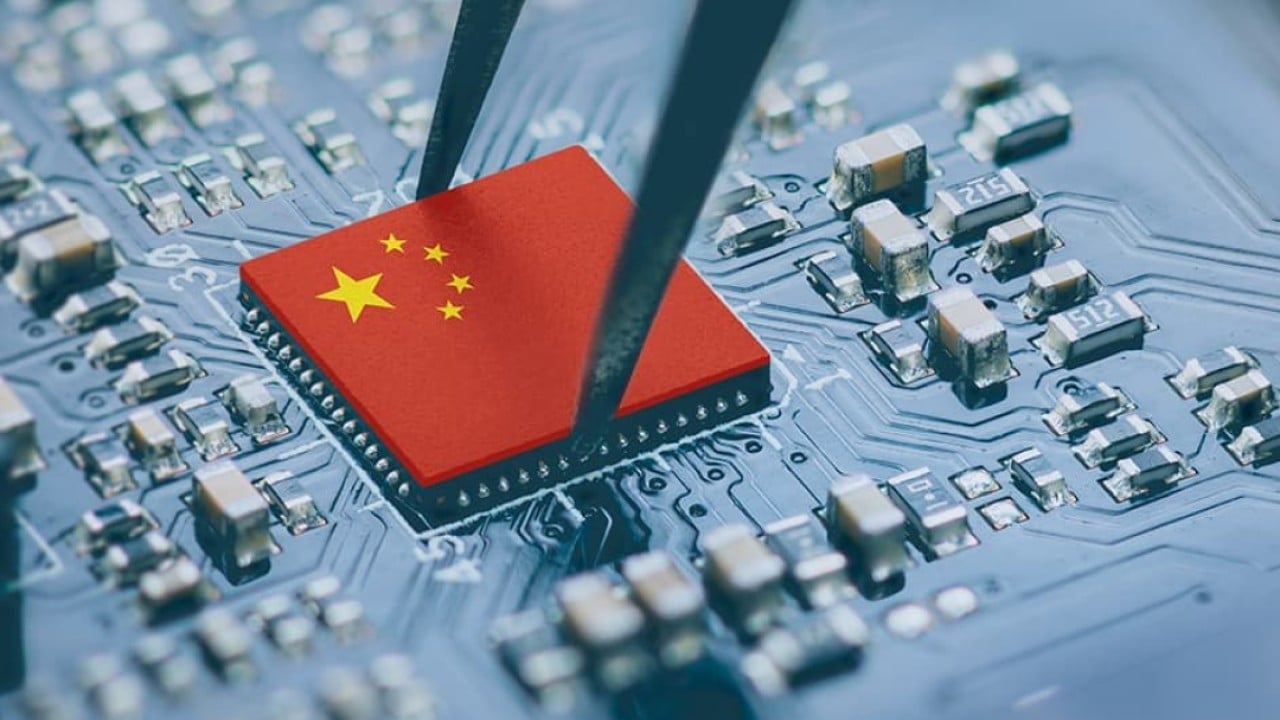
China Targets 3nm AI Chips to Break US "Chokehold"
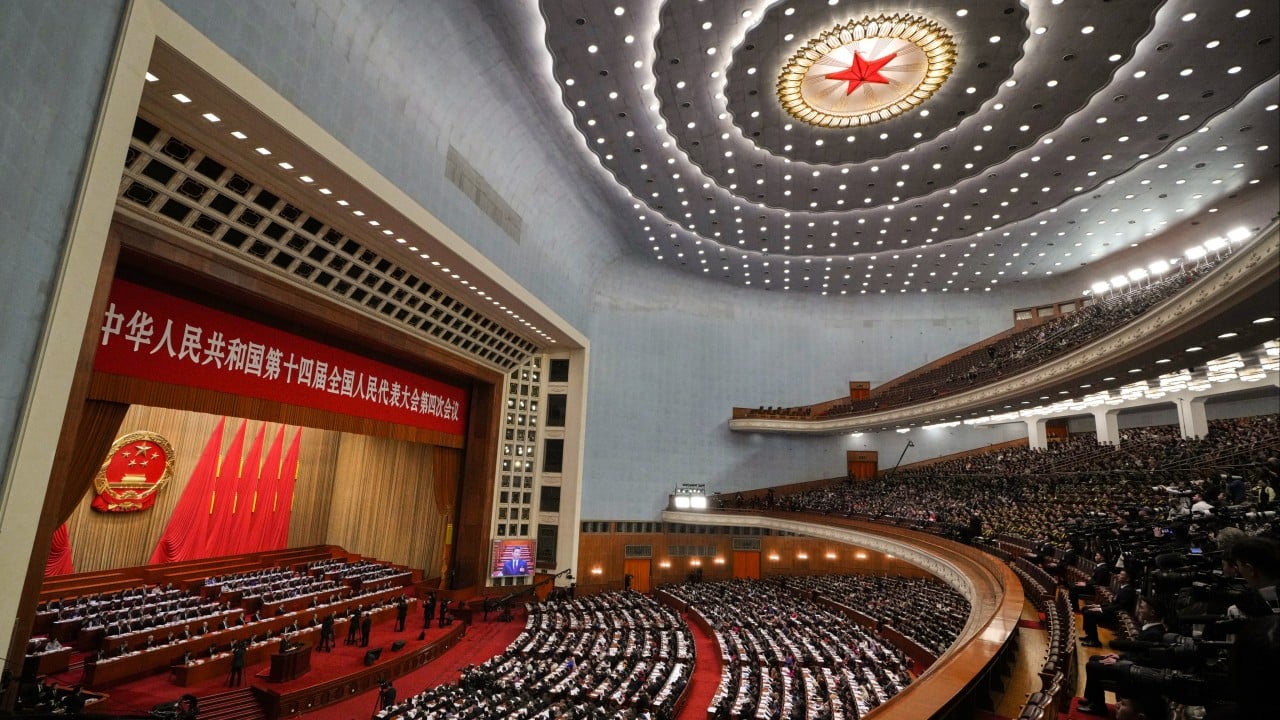
China's New Plan: Beat US Tech Rivals with AI and Fusion Power

China's Tech Pivot: From "Catch-Up" to Cutting-Edge

AI War: US Bets on Markets, China Bets on Control
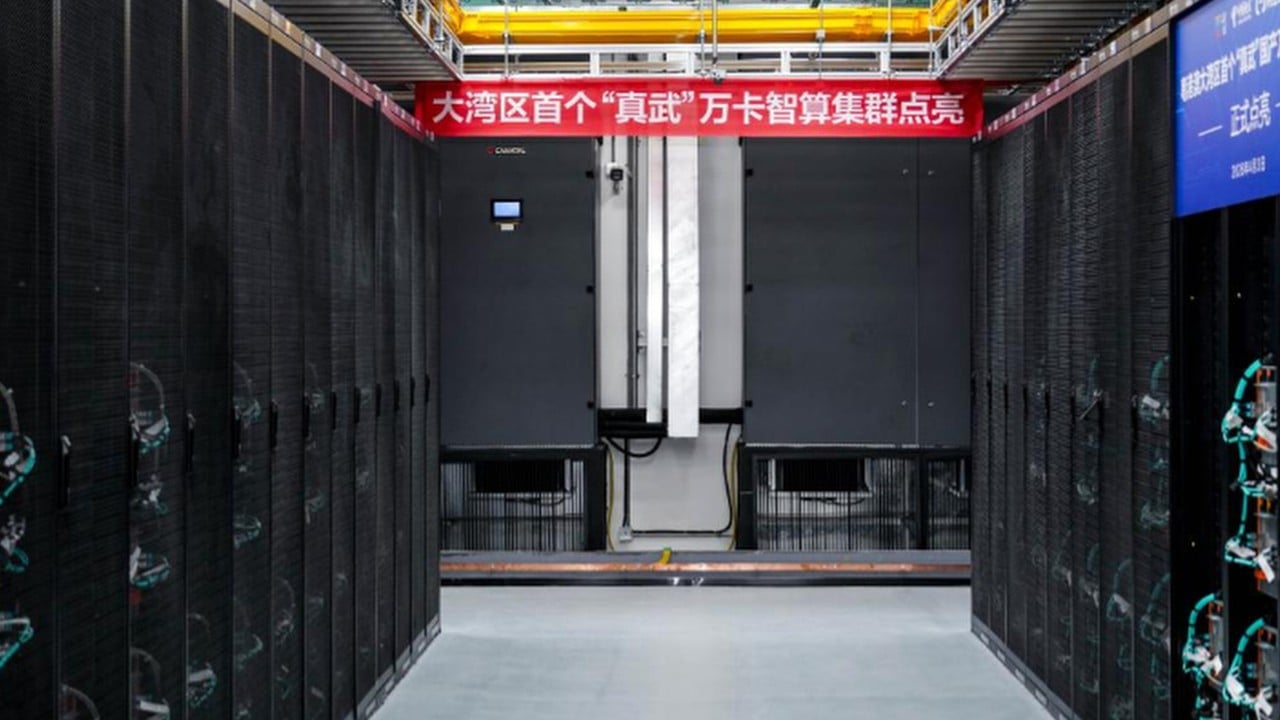
China Deploys 10,000-Chip AI "Brain" in Tech Race with U.S.
U.S. and China Locked in Split AI Race, With Stakes for Global Power

China’s Corporate Giants Seek New Frontiers Abroad
China Bets $47 Billion to Break the Chip Barrier

Shanghai Bets $10 Billion on Chips and AI in Tech Race
AI and Rivalry Redraw the World's Economic Map

The New Great Game: A U.S.-China Clash Over Resources Begins