Trump Revives Bid to Buy Greenland, Mixing Real Estate Tactics with Geopolitics
Trump Revives Bid to Buy Greenland, Mixing Real Estate Tactics with Geopolitics President Donald Trump is renewing a controversial push to purchase Greenland, employing a mix of financial offers, diplomatic pressure, and veiled threats that mirror his real estate dealmaking. The autonomous Danish territory, valued for its strategic Arctic location and resources, has been a persistent target for the U.S. administration despite firm rejections from both Copenhagen and Greenland’s own government [50444]. Trump publicly confirmed his interest during a speech at the World Economic Forum in Davos, Switzerland, telling global leaders the United States should be allowed to acquire the island [55297]. He later clarified he did not want to use military force, but called for immediate negotiations to buy it [55327]. His approach has reportedly included cash offers to Greenlanders and threats of tariffs against Denmark if the sale is blocked [50444]. The pursuit forms part of a broader foreign policy that sidelines traditional diplomacy. At the same forum, Trump lambasted NATO allies, complaining the U.S. was treated "very unfairly" and questioning the value of the decades-old military alliance [55297][55327]. Analysts note his Davos address largely ignored "soft power"—the use of cultural influence and partnerships—in favor of direct demands and economic nationalism [55327]. Experts warn that treating a complex geopolitical issue like a real estate transaction is fraught with risk. They say Trump’s strategy dangerously underestimates the role of national pride and sovereignty, factors that are not present in a purely commercial negotiation [87536]. The Danish and Greenlandic governments have consistently stated the island is not for sale, viewing the U.S. campaign as an unrealistic expansionist idea [50444]. Historians have drawn parallels between Trump’s territorial ambitions and 19th-century imperialism, noting his approach aggressively rejects the post-World War II international order built on rules and alliances [58552]. His focus on Greenland underscores an unorthodox presidency that continues to blend personal brand-building with the levers of state power, creating persistent diplomatic friction with longstanding allies. Trump Eyes Greenland: Cash, Threats, and Military Force Trump at Davos: Questions NATO, Wants to Buy Greenland Trump at Davos: Skips Soft Power, Targets Greenland and NATO Allies Trump's 'New Imperialism': Land Grabs and a Rejected World Order Iran Won't Fold: Why Trump's Real Estate Tactics Fail on World Stage
Articles in this Cluster
Trump's Own Supporters Revolt Over Iran on His Social Media
Trump's 'Brand America' Push: Putting His Name on the Nation
Davos' World Order Crumbles as Trump Takes the Stage

Trump at Davos: Questions NATO, Wants to Buy Greenland

Trump Eyes Greenland: Cash, Threats, and Military Force
Trump's 'Board of Peace' Includes Putin, Erdoğan; Critics Call It Neocolonial
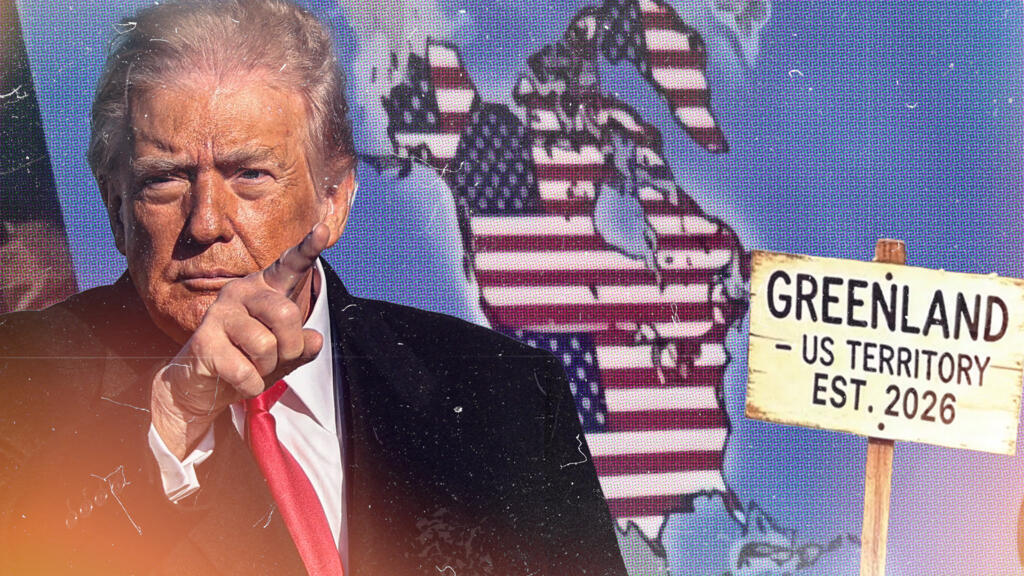
Trump's 'New Imperialism': Land Grabs and a Rejected World Order
Trump Slams NIL as "Disaster" for College Sports, Olympics
Trump's Strategy: Winning Through Rule-Breaking

Iran Won't Fold: Why Trump's Real Estate Tactics Fail on World Stage
Trump at Davos: Skips Soft Power, Targets Greenland and NATO Allies
Trump Is the Davos Man
