Latest News
Stay updated with the latest news and articles
Top Stories
China Bets Billions on AI and Chips to Break U.S. Tech "Chokehold"
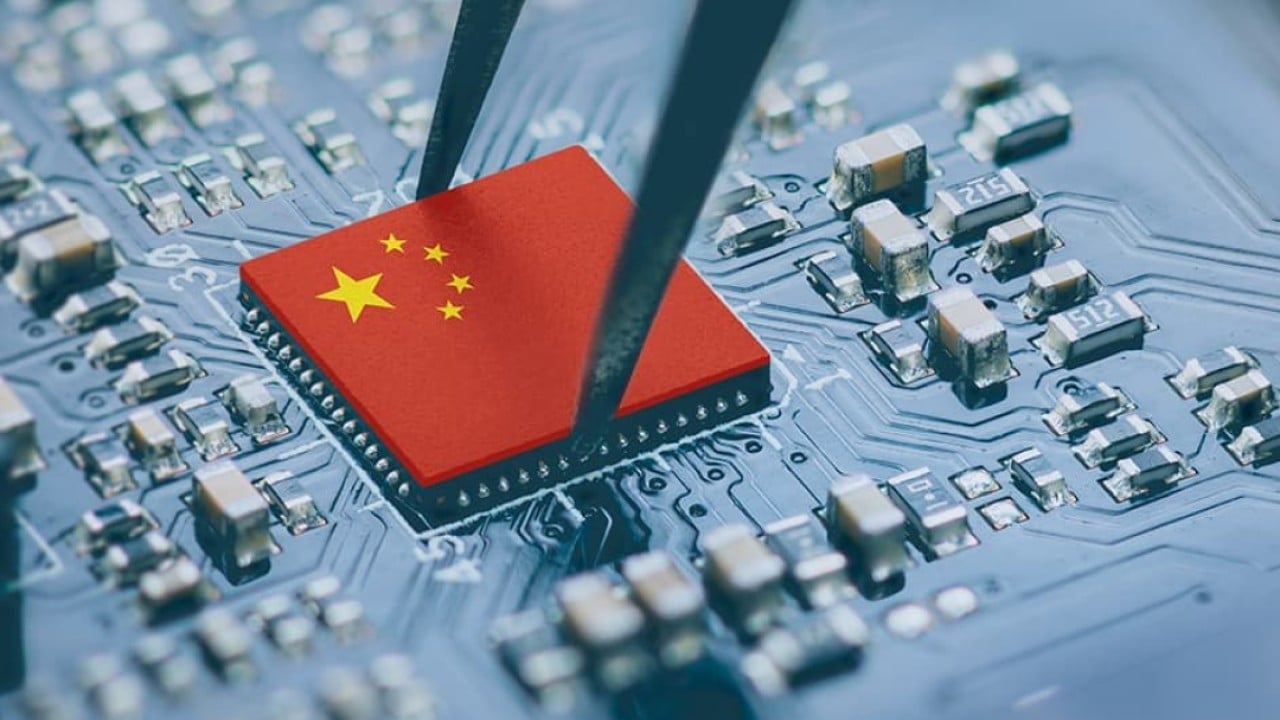
China Bets Billions on AI and Chips to Break U.S. Tech "Chokehold" A massive, state-directed investment campaign is underway across China, targeting breakthroughs in artificial intelligence (AI) and advanced semiconductors to overcome U.S. restrictions and achieve technological self-reliance. Provinces and major cities are deploying hundreds of billions of dollars in a coordinated push to dominate next-generation industries and reduce foreign dependencies [51155][95150][59734]. The strategy marks a decisive pivot from China's long-standing model of absorbing foreign technology to one focused on creating cutting-edge innovations at home [59734]. New analysis shows China has already taken a lead in foundational AI research, measured by patents and published papers, though the United States maintains an advantage in building high-performance AI models and the chips needed to run them [122661]. To close that gap, China is funneling enormous resources into its domestic chip industry. The national government recently launched a new state-backed semiconductor fund worth over $47 billion, aimed at building a self-sufficient supply chain for chipmaking equipment [86995]. At the local level, the eastern tech hub of Zhejiang unveiled a five-year plan to develop the capability to manufacture semiconductors as small as 3 nanometers, directly countering U.S. export controls described as a strategic "chokehold" [51155]. Similarly, Shanghai announced a $10 billion investment plan focused on microchips and AI among other key sectors [43531]. This spending aligns with a newly released national blueprint that prioritizes "future industries" like AI, advanced defense, and nuclear fusion for the 2026-2030 period [95150]. The draft national budget allocates 426.42 billion yuan (US$61.7 billion) specifically for science and technology, with a focus on sectors such as satellite internet and electric vehicles that overlap with the ventures of innovators like Elon Musk [93804]. Provincial economic plans echo this top-down directive. At least 22 provincial-level governments have published strategies prioritizing high-tech industries like semiconductors and AI, while also vowing to boost production of strategically important resources like rare earth elements [19492]. The approach underscores a systemic, state-coordinated model where AI is developed as core national infrastructure, contrasting with the U.S.'s market-driven development [109135]. President Xi Jinping recently underscored the mission during an inspection of a national technology innovation park in Beijing, emphasizing the goal of "high-level" technological independence [71486]. The concerted effort signals a deepening tech rivalry, with both nations viewing leadership in these fields as essential to economic and military strength [122661][33059]. U.S. and China Locked in Split AI Race, With Stakes for Global Power China Targets 3nm AI Chips to Break US "Chokehold" China's New Plan: Beat US Tech Rivals with AI and Fusion Power China's Tech Pivot: From "Catch-Up" to Cutting-Edge AI War: US Bets on Markets, China Bets on Control China Bets $47 Billion to Break the Chip Barrier Shanghai Bets $10 Billion on Chips and AI in Tech Race China's $62 Billion Bet Mirrors Musk's Vision Chinese Provinces Prioritize Tech and Self-Reliance in New Economic Plans Xi Inspects Tech Park, Stakes Claim in Global Innovation Race

Climate Crisis Is Now a Daily Reality, Pushing Nature and Health to the Brink
Climate Crisis Is Now a Daily Reality, Pushing Nature and Health to the Brink A cascade of extreme weather, ecological collapse, and severe health impacts defined 2025, signaling that the climate crisis has shifted from a future threat to a present-day, global reality. Scientists and major institutions warn that relentless heatwaves, floods, and storms are becoming the new normal, with the most severe consequences falling on the world's most vulnerable populations [36941][49594][37775]. Last year was Earth's third hottest on record, but the defining feature was a relentless series of costly disasters [49594]. In Europe, a destructive cycle began and ended with major storms, with severe droughts and wildfires in between, pushing wildlife and landscapes to a "breaking point" [36898][36941]. Conservation groups labeled these events "alarm signals we cannot ignore" as nature is strained to its limits by climate breakdown [36898]. The human cost is escalating into a direct health emergency. Former United Nations climate chief Christiana Figueres, co-chair of a new Lancet Commission, stated that rising sea levels are a present-day health crisis, harming physical and mental health, livelihoods, and cultures [123347]. She warned that the world is being "held hostage" by fossil fuel reliance, calling the health impacts "the mother of all injustices" because the communities suffering the worst did the least to cause the problem [123346]. This inequity is underscored by human rights analyses. Amnesty International reports that droughts, floods, wildfires, and extreme heat disproportionately devastate already marginalized groups, a stark reality facing global leaders ahead of key climate negotiations [121912]. The environmental damage is both widespread and foundational. In Europe, flying insect populations have crashed by up to 80% over the past 30 years, a collapse scientists attribute to intensive agriculture, pesticides, and climate change that threatens food security and entire ecosystems [122935]. The United Nations Environment Assembly recently concluded with an urgent call for accelerated global action, emphasizing that international cooperation is essential to address the intertwined crises of climate change, biodiversity loss, and pollution [21446]. Experts agree that without a rapid and coordinated global effort to cut greenhouse gas emissions, the extreme weather of 2025 will simply be a preview of coming decades [36941][49594]. Former UN Climate Chief: World "Held Hostage" by Fossil Fuels Sea-Level Rise Is a Health Crisis, Says Climate Leader Insect Apocalypse in Europe: Populations Crash by 80% Europe's 2025 Weather: A New Normal of Extremes? 2025: The Year the Weather Broke UK Wildlife Pushed to "Breaking Point" by Extreme Weather in 2025 UN Environment Assembly Demands Urgent Global Action on Climate and Biodiversity Climate Crisis Hits Vulnerable Hardest, Amnesty Warns Before Key UN Summit 2025: Climate Crisis Becomes Daily Life
Trump's Iran Threats Spark Impeachment Calls and NATO Rift
Trump's Iran Threats Spark Impeachment Calls and NATO Rift A sharp escalation in threats against Iran by former President Donald Trump is triggering a bipartisan political crisis in Washington and deepening fractures with European allies. As lawmakers warn of unauthorized war and consider impeachment, the transatlantic alliance faces a severe test of confidence over U.S. strategy. President Trump recently warned the U.S. could "end" Iranian civilization and has threatened to destroy the nation's cultural sites, rhetoric that has drawn fire from his own party [123340]. In response, leading Democrats are calling for immediate action, with some arguing such threats could push the nations toward war and are considering starting impeachment proceedings [123302]. The threats come amid a U.S. "economic war" aimed at crippling Iran through sanctions, which citizens report is severely damaging daily life, causing shortages and skyrocketing prices [123233]. Trump has also stated that if re-elected, he would set a strict deadline for Iran to halt its nuclear activities, a prospect creating uncertainty in global markets [123436]. This aggressive posture is forcing European members of the North Atlantic Treaty Organization (NATO) to question their core reliance on U.S. military power [122777]. The public split over Iran strategy highlights a major crisis of confidence within the 29-nation bloc. A former U.S. ambassador warns NATO is "deeply damaged," with European capitals now openly discussing how to secure their own defense [122777]. The strain is compounded by Trump's broader criticism of allies. He has recently labeled NATO a "paper tiger," threatened a U.S. withdrawal, and renewed a threat to acquire Greenland, a move expected to further damage relations [122983]. This has led experts to argue that the United States has stopped acting as the reliable "leader of the free world," forcing Europe into an uneasy and uncertain partnership [122895]. The internal U.S. political backlash underscores the high stakes. Republican Senator Ron Johnson stated, "We are not at war with the Iranian people," while commentator Tucker Carlson called the threats against cultural sites "disgusting in every way" [123340]. The strong reaction from both sides of the aisle highlights deep concern that the President's rhetoric could trigger a major international crisis [123302]. Trump Threatens to "End" Iran, Lawmakers Threaten Impeachment NATO Future in Doubt as U.S. Threats Rattle Allies Iranians Fear U.S. "Economic War" Targets Nation's Fabric Trump's Threat to Destroy Iran's Heritage Draws Fire From His Own Party Trump Revives Greenland Threat Amid Iran War Fears, Straining NATO US Leadership Fades: Europe's Uneasy Alliance Enters New Era Trump's Iran Deadline Nears, Markets Stumble
Tourist Hotspots Explode as Social Media and TV Shows Drive 2026 Travel Trends
Tourist Hotspots Explode as Social Media and TV Shows Drive 2026 Travel Trends From a simple dock in Venice to a rooftop in a Rio favela, tourist destinations are being overwhelmed by visitors chasing experiences made famous online and on television. Experts say this marks a major shift toward "meaningful tourism," where travelers seek personal connections over traditional sightseeing, but the surge is pushing popular spots to a breaking point [80040]. The phenomenon is global. In Venice, a wooden jetty used by celebrity Kim Kardashian during a billionaire wedding has become a must-visit photo spot, redirecting tourist traffic in the ancient city [51924]. Similarly, a single rooftop in Rio de Janeiro's Rocinha favela, dubbed the "Gateway to Heaven" for its framed view of Christ the Redeemer, now draws international visitors who wait for hours, guided by local motorbike taxis [101397]. This redirection is increasingly driven by entertainment media. Tourism professor Carl Cater notes that popular TV shows like *The White Lotus* are creating new travel patterns, with viewers seeking out filming locations [36959]. The trend suggests that by 2026, travel will be less about checking major cities off a list and more about crafting a personal story inspired by screens [36959]. The search for unique, immersive experiences is also fueling niche tourism sectors. In China, a wave of young "history fangirls" are making pilgrimages to remote ancient tombs and historical sites, documenting their journeys and building online communities around deep heritage exploration [81566]. However, the economic benefits of these booms come with significant strain. Destinations worldwide are struggling with overtourism, where an influx of visitors damages local life and the environment [80040]. In response, local governments are testing solutions like tourist taxes, promoting off-season travel, and redirecting crowds to less-visited areas [80040]. The challenge is to balance the economic opportunity with sustainability. As one analysis notes, mass tourism can lead to environmental damage and cultural commodification, often benefiting international chains more than local residents [86148]. The success of future tourism may depend on managing the crush created by a single viral video or TV episode. Viral 'Gateway to Heaven' Rooftop Floods Rio Favela with Tourists Beyond Paris: TV Drives 2026 "Meaningful Tourism" Trend Venice's New Tourist Hotspot: The 'Kardashian Jetty' Tourist Destinations Hit Breaking Point: What Causes the Crush? China's 'History Fangirls' Hunt Tombs, Write Books The Hidden Cost of Your Vacation


Iranian Missile Strikes Trigger Dual Exodus: 16,000 Flee Bombs, Super-Rich Abandon Dubai
Iranian Missile Strikes Trigger Dual Exodus: 16,000 Flee Bombs, Super-Rich Abandon Dubai A widening conflict in the Middle East is forcing two starkly different groups into motion: thousands of ordinary Iranians fleeing bombardment and wealthy expatriates deserting Dubai over safety fears. The direct trigger is a series of Iranian missile attacks targeting the United Arab Emirates, shattering Dubai's long-standing image as a secure haven. This has prompted a rapid exodus of affluent British investors and other elites, who are now relocating to European destinations like Milan, Italy [122567]. Concurrently, a humanitarian flow is underway at Iran's borders. Eyewitnesses report a steady stream of Iranian civilians crossing into Turkey to escape relentless military strikes inside their country [95980]. At the remote Kapıköy mountain crossing, arrivals cite constant bombing and government-imposed internet blackouts. "Every night they are bombarding," said one refugee, who gave only the name Amir [119947]. In a poignant counter-flow, some Iranians are making the perilous journey in the opposite direction, returning from Turkey to Iran out of fear for family members trapped in conflict zones [95980][119947]. The border has become a symbol of the war's divisive impact, with people moving both ways for the same fundamental reasons: safety and family. The ripple effects of the regional instability are spreading. A shortage of cooking gas in India, linked to Middle East energy market disruptions, is now pushing migrant workers to abandon city jobs and return to their home villages [123448]. Further illustrating the shift in global migration patterns, new data from the European Border and Coast Guard Agency (Frontex) shows Egyptian nationals have become the leading group of African migrants entering Europe irregularly this year, with just over 16,000 recorded crossings [40271]. Missile Fears Drive Super-Rich from Dubai to Milan Two-Way Flight: Iranians Flee Bombs, Others Rush Back to Family Iranians Cross Border in Both Directions as War Intensifies War Disrupts Gas, Drives India's Migrant Workers Home Egyptians Now Top African Migrants to Europe, EU Agency Reports


Trump Revives Greenland Purchase Push, Mixing Real Estate Tactics with Geopolitics
Trump Revives Greenland Purchase Push, Mixing Real Estate Tactics with Geopolitics Former U.S. President Donald Trump is renewing his unorthodox campaign to purchase Greenland, combining high-pressure negotiation tactics with a blunt challenge to long-standing international alliances. His efforts, framed through the lens of a real estate deal, have sparked diplomatic tensions and raised questions about a new American approach to foreign policy. Speaking at the World Economic Forum in Davos, Switzerland, Trump publicly questioned the value of the North Atlantic Treaty Organization (NATO) and stated the United States should be allowed to acquire Greenland, a self-governing Arctic territory of Denmark [55297]. He later clarified he did not want to use military force, but called for immediate negotiations to buy the island [55327]. This is not Trump's first attempt. After Denmark rejected earlier offers, Trump called the response "nasty" and postponed a state visit [50444]. His current methods are reported to include cash offers to Greenlanders and threats of tariffs against Denmark, while refusing to rule out the use of military force [50444]. Analysts see this as a pattern where Trump conflates genuine strategic interests—Greenland's value for Arctic shipping and resources—with unrealistic expansionist ideas [50444]. The push is part of a broader foreign policy style that sidelines traditional diplomacy. At Davos, Trump lambasted European NATO members for not paying enough, claiming the U.S. was treated "very unfairly," and largely ignored "soft power" diplomacy built on cultural influence and partnerships [55327]. His approach directly rejects the post-World War II system of alliances and international rules [58552]. Experts warn that applying transactional real estate tactics to international relations carries high risks. The strategy assumes that applying "maximum pressure" will force the weaker party to surrender [87536]. However, in geopolitics, such pressure can lead to defiance rather than compromise, especially when national pride and sovereignty are at stake [87536]. The Danish and Greenlandic governments have consistently stated the island is not for sale [50444]. Historians note Trump's combination of pursuing foreign territory while aggressively exporting domestic political conflicts mirrors 19th-century imperial behaviors, warning that such intense rivalry has historically led to catastrophic wars [58552]. Trump at Davos: Questions NATO, Wants to Buy Greenland Trump Eyes Greenland: Cash, Threats, and Military Force Trump at Davos: Skips Soft Power, Targets Greenland and NATO Allies Trump's 'New Imperialism': Land Grabs and a Rejected World Order Iran Won't Fold: Why Trump's Real Estate Tactics Fail on World Stage
India's Farmers Mobilize Nationwide, Fearing U.S. Trade Deal Will Crash Crop Prices
India's Farmers Mobilize Nationwide, Fearing U.S. Trade Deal Will Crash Crop Prices Farmers across India have taken to the streets and blocked major highways, launching a massive protest against a new trade agreement with the United States that they fear will flood the market with cheap imports and destroy their livelihoods. The protests, which saw roads and railways blocked by tractors and demonstrators, center on fears that the deal will lower tariffs on American agricultural goods [75183]. Farmers argue this would allow subsidized U.S. produce to enter India at lower prices, undercutting local growers and crashing the prices they receive for key staples like wheat and rice [73750]. The Indian government has stated the agreement includes safeguards for the domestic agriculture sector, insisting that the system of government-guaranteed minimum purchase prices for crops remains protected [73750][75183]. However, protest leaders express deep distrust of these assurances. They are demanding the government reject the deal entirely, arguing it primarily serves U.S. corporate interests over the needs of millions of Indian farmers [75183]. The unrest highlights a critical tension in India's economic policy, pitting high-stakes international diplomacy against the concerns of a massive and politically significant voting bloc [73750]. While the government touts the pact as a diplomatic victory strengthening ties with a key partner, it now faces intense pressure to reconcile its international commitments with the threat of domestic instability [73750]. Negotiations between farmer unions and government officials are ongoing, with security heightened around the capital, New Delhi, as the protests continue [73750]. Indian Farmers Strike, Fearing U.S. Trade Deal Will Flood Market India's Farmers Protest as Modi-Trump Trade Pact Threatens Key Crop Prices
U.S. Forces Capture Venezuelan President Maduro in Military Strike, Plan to "Run" Country
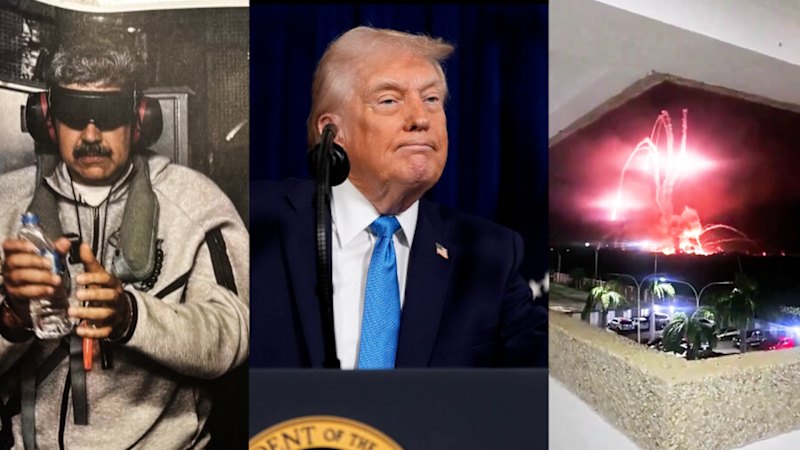
U.S. Forces Capture Venezuelan President Maduro in Military Strike, Plan to "Run" Country U.S. military forces have captured Venezuelan President Nicolás Maduro and his wife, Cilia Flores, following a series of strikes on Venezuelan territory, marking an unprecedented direct intervention in the South American nation [41033][41227][41379]. The operation, which occurred on Saturday, January 3, 2026, has removed the long-time leader from power and plunged Venezuela into a leadership crisis [40737][41136][42114]. Former U.S. President Donald Trump announced the operation, stating that American forces would now "run" Venezuela [41055][41525]. He emphasized a key goal is to "take back the oil" and fix the country's collapsed oil infrastructure, aiming to access Venezuela's vast proven reserves, the largest in the world [41227][40871][41525]. Trump suggested that Maduro's deputy, Delcy Rodríguez, should follow U.S. orders as an interim leader, but her compliance is uncertain [41525]. Maduro and his wife have been flown out of Venezuela and are expected to face criminal charges, including terrorism and drugs charges, in a New York court [41136][40871][40942]. U.S. officials have long labeled Maduro's government as illegitimate, accusing it of corruption, human rights abuses, and stealing elections [41136][40668][41525]. The immediate aftermath has created a dangerous power vacuum, with no clear successor named and the status of the remaining government unclear [41136][41379]. The Venezuelan military has not issued an immediate statement [41379]. The action represents a dramatic break from established international law and sets a new precedent for unilateral military intervention, sparking a global dispute over sovereignty [40737][40942][41525]. The long-term plan for governing Venezuela's 30 million people remains undefined, leaving the country facing deep uncertainty amid an existing economic collapse characterized by hyperinflation and severe humanitarian crisis [42114][40871]. U.S. Forces Capture Venezuelan President in Military Strike Venezuela Leader Ousted in U.S. Strike, Faces Charges in New York US Strikes Venezuela, Captures President Maduro U.S. Captures Venezuela's President in Secret Operation U.S. Forces Capture Venezuelan President Nicolás Maduro US Strikes Venezuela, Abducts President Maduro US Captures Venezuelan President in "Large-Scale Strike" U.S. Military Strike Captures Venezuelan Leader Maduro U.S. Captures Maduro: What Now for Venezuela? US Seizes Venezuelan President, Vows to "Run" Country and "Take Back the Oil" U.S. Claims Capture of Venezuelan Leader in Military Strike U.S. Strikes Venezuela, Captures President Maduro US Captures Venezuelan President in Military Strike
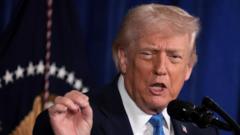
China's Military Tech Goes Cheap: Night Vision Chips Now Cost Less Than a Movie Ticket
**China's Military Tech Goes Cheap: Night Vision Chips Now Cost Less Than a Movie Ticket** A breakthrough in manufacturing has slashed the price of advanced military-grade technology, potentially flooding the global market with powerful infrared sensors that were once exclusive and expensive. Researchers in China have developed a method to produce high-performance infrared imaging chips for just dozens of U.S. dollars—a fraction of their previous cost of thousands [122499]. The innovation comes from a team at Xidian University, who found a way to fabricate the sensitive heat-detecting chips using standard silicon techniques. This process eliminates the need for rare and expensive materials traditionally required, dramatically lowering the production barrier [122499]. These chips are a cornerstone of military hardware, essential for night-vision equipment, missile guidance systems, and surveillance [122499]. Mass production of the affordable chips is scheduled to begin before the end of the year [122499]. The price collapse could lead to widespread civilian adoption, with potential uses in smartphone cameras, navigation for self-driving cars, and industrial safety monitors [122499]. The development signals a major shift in a strategically vital industry, redefining global access to what was once tightly controlled hardware [122499]. Parallel research from the same university points to a converging technological future. Another team at Xidian has created a "smart surface" capable of transforming ambient electromagnetic waves, like those from radar, into electricity [36179]. This technology, aimed at next-generation stealth and 6G communication systems, demonstrates how core advancements are dual-use, serving both military and commercial networks [36179]. The rapid commodification of such sensitive technology highlights a new phase in global tech competition, where strategic advantages may soon be determined by mass production and affordability as much as by innovation. Chinese Military-Grade Tech Now Costs Less Than a Video Game Chinese Stealth Tech Could Turn Enemy Radar into a Power Source

Court Overturns African Football Champion, Strips Senegal of Title in Unprecedented Ruling
Court Overturns African Football Champion, Strips Senegal of Title in Unprecedented Ruling A top international sports court has made a stunning decision, stripping Senegal of its 2023 Africa Cup of Nations championship and awarding the title to Morocco instead [105769]. The Court of Arbitration for Sport (CAS) announced the ruling on Tuesday, overturning the result of the tournament's final played earlier this year. Senegal had originally won the match to claim its first-ever continental title [105769]. The court's decision is final and cannot be appealed, though the official reasoning behind the dramatic overturn has not yet been fully released [105769]. The African football governing body that referred the case to CAS stated it will provide the full details of the judgment later this week [105769]. The announcement immediately alters the recent history of African football, erasing Senegal's celebrated victory from the record books [105769]. The Africa Cup of Nations is the premier international football competition for the continent [32394]. The tournament's group stage concluded recently, with some final matches, like one between already-qualified Ivory Coast and eliminated Gabon, carrying no weight for the standings but still being played for team pride and momentum [38697]. Court Shocker: Morocco Awarded Africa Cup Title, Overturning Senegal's Win Daka's Last-Minute Header Stuns Mali in AFCON Opener AFCON Finale: Why Play a Game That Doesn't Matter?


Latest Articles
Iran Reopens Strait of Hormuz in 2-Week US Ceasefire Deal
Iran has agreed to reopen the Strait of Hormuz following a temporary ceasefire with the United States. The deal was arranged by Pakistani mediators....
Xi-Trump Summit: No In-Person Talks, No New Investment Push
Top U.S. trade negotiator Jamieson Greer has ruled out a pre-summit visit to Beijing, signaling a cautious approach ahead of a planned meeting betwee...

U.S. Sanctions Fail as Cambodia Extradites Crime Bosses to China
Cambodia has extradited another major cybercrime suspect to China, highlighting a gap in U.S. enforcement and raising questions about international c...

U.S.-Israel War on Iran: A Real-Time Lesson for China
The ongoing U.S. and Israeli military campaign against Iran is providing a crucial case study for global powers. One key observer is China. Beijing...
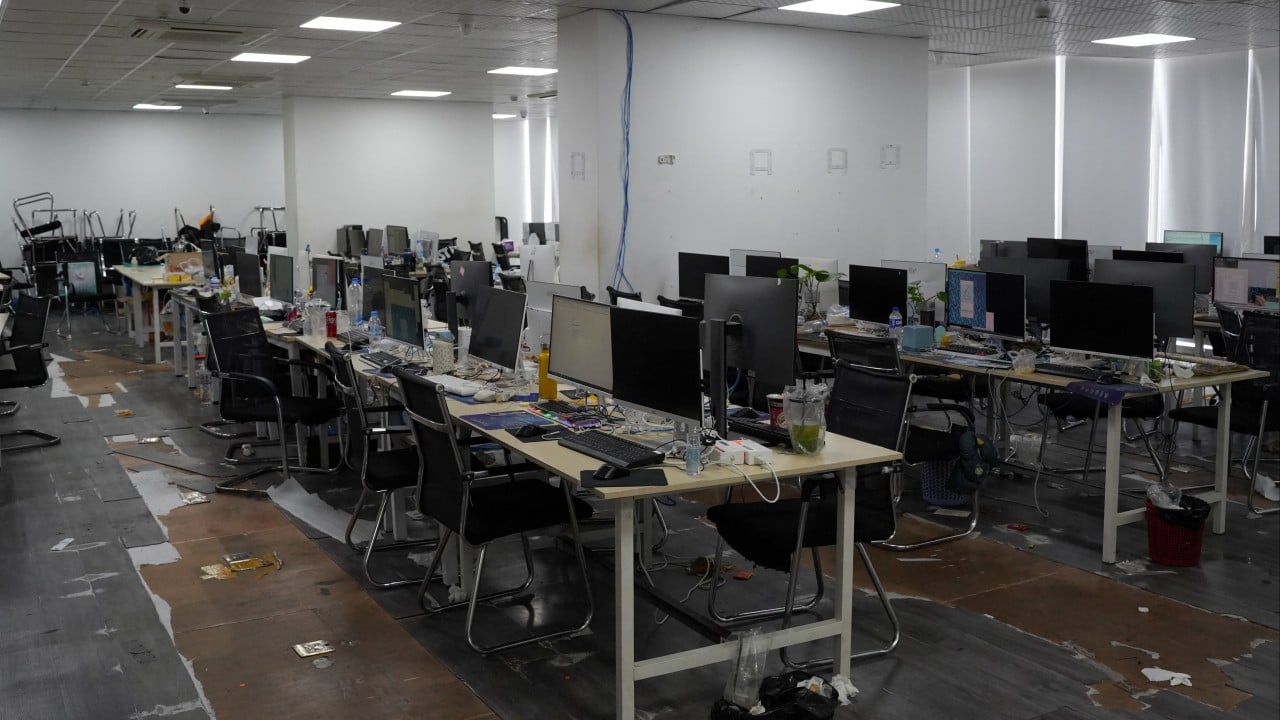
Cambodia's $19B Scam Empire Now Has a Law. Will It Change Anything?
Cambodia has passed its first law directly targeting massive scam centers. These operations are estimated to generate up to $19 billion a year and ha...
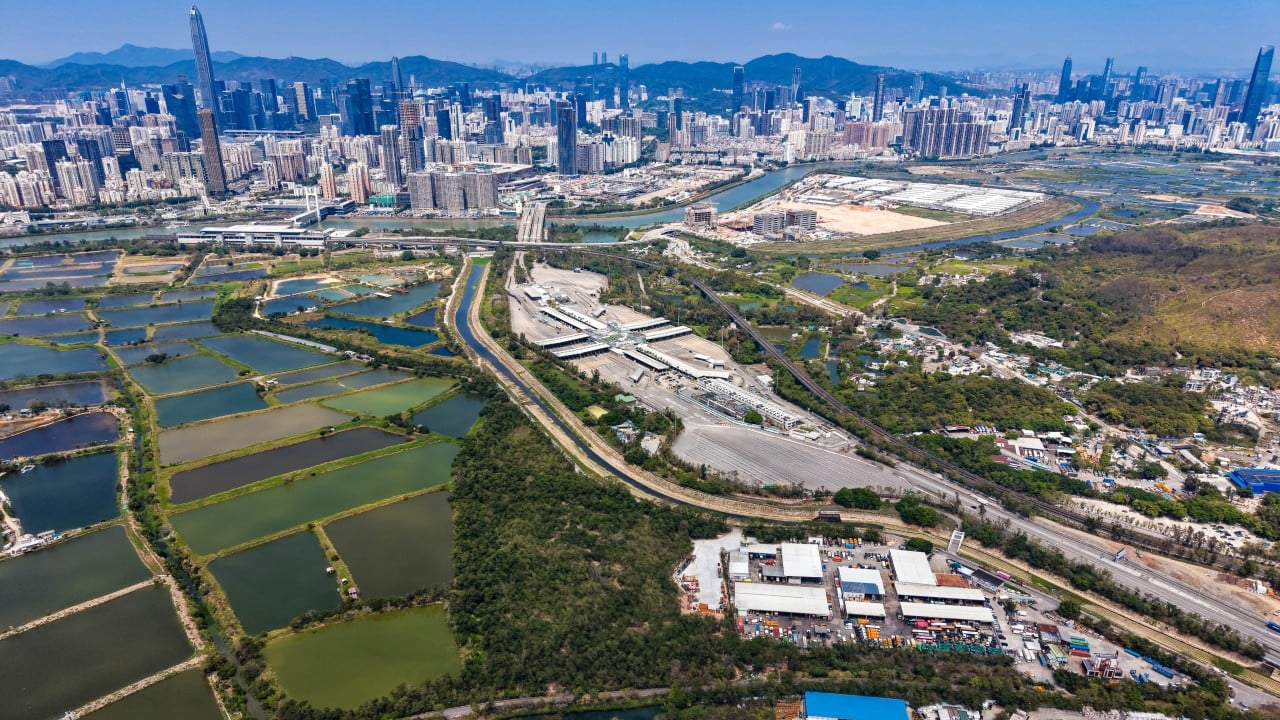
Hong Kong Launches AI Institute for "AI for All" Strategy
Hong Kong will launch a new artificial intelligence (AI) research institute this month. Its goal is to boost government technology and spread AI bene...
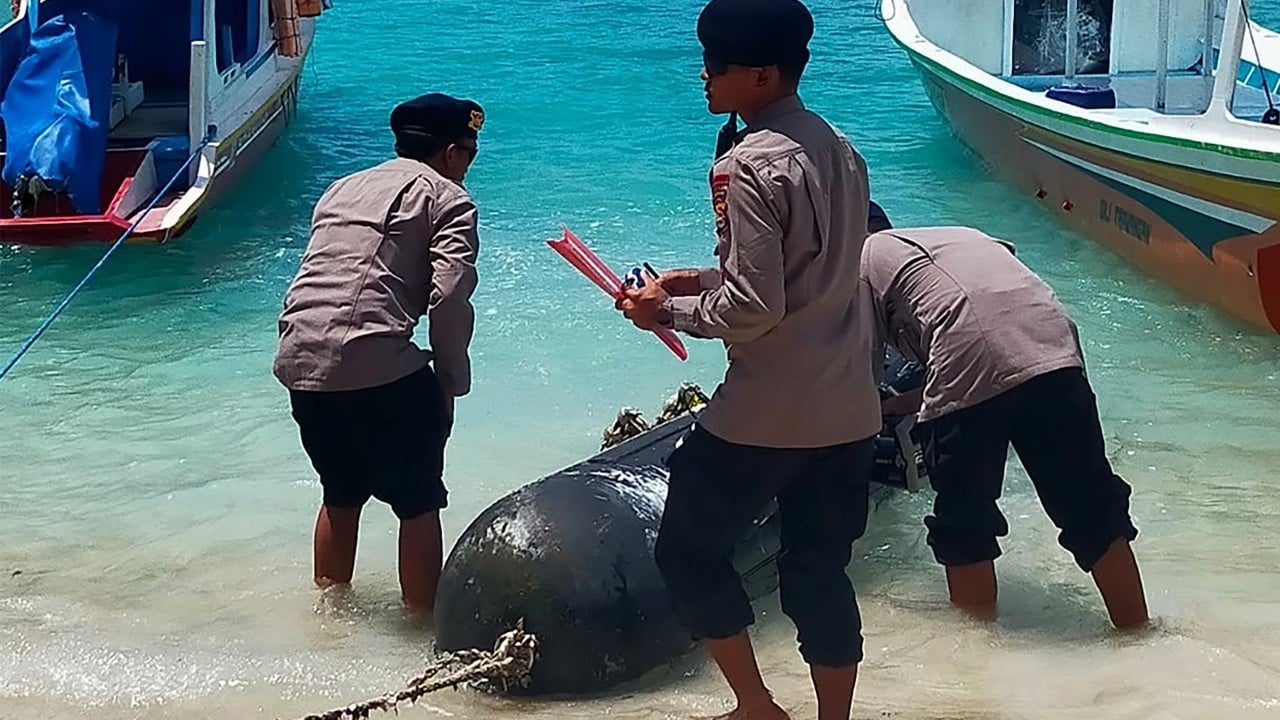
Indonesian Fisherman Hauls In Chinese Military Drone
An Indonesian fisherman made a startling catch on Monday: a Chinese military drone. Local media report the fisherman netted the "torpedo-like" unman...

Thai Elephant Greets Hong Kong in "Little Thailand" Mural Makeover
A giant purple elephant now welcomes visitors to Hong Kong's Kowloon City. It is the first of seven new murals celebrating the district's Thai and Ch...

Ancient China's Lavish Toilet Rituals: Silk, Servants, and Status
In ancient China, a trip to the toilet was a stark indicator of social class. For the common people, it was a simple necessity. For the imperial elit...
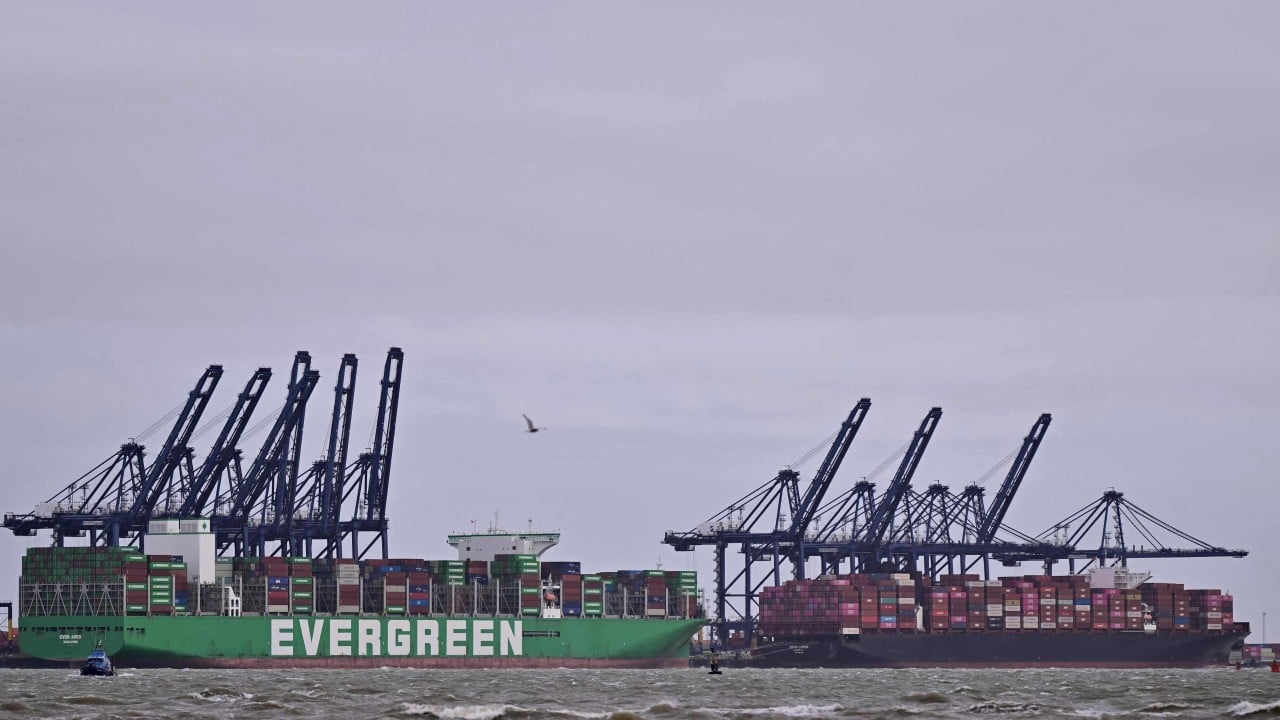
Singapore Rejects Iran Toll, Asserts Right to Sail Key Strait
Singapore will not negotiate with Iran for the safe passage of its ships through the Strait of Hormuz. The nation's foreign minister stated that payi...

Young Chinese Reimagine Ancient Tomb-Sweeping Ritual
The Qingming Festival is a traditional Chinese holiday for honoring ancestors. For centuries, its rituals have been quiet, personal, and restrained....

Japan Deports Record Numbers, Stoking Refugee Fears
Japan is forcibly removing more undocumented foreigners than ever before. Rights groups warn this crackdown is terrifying asylum seekers and may viol...
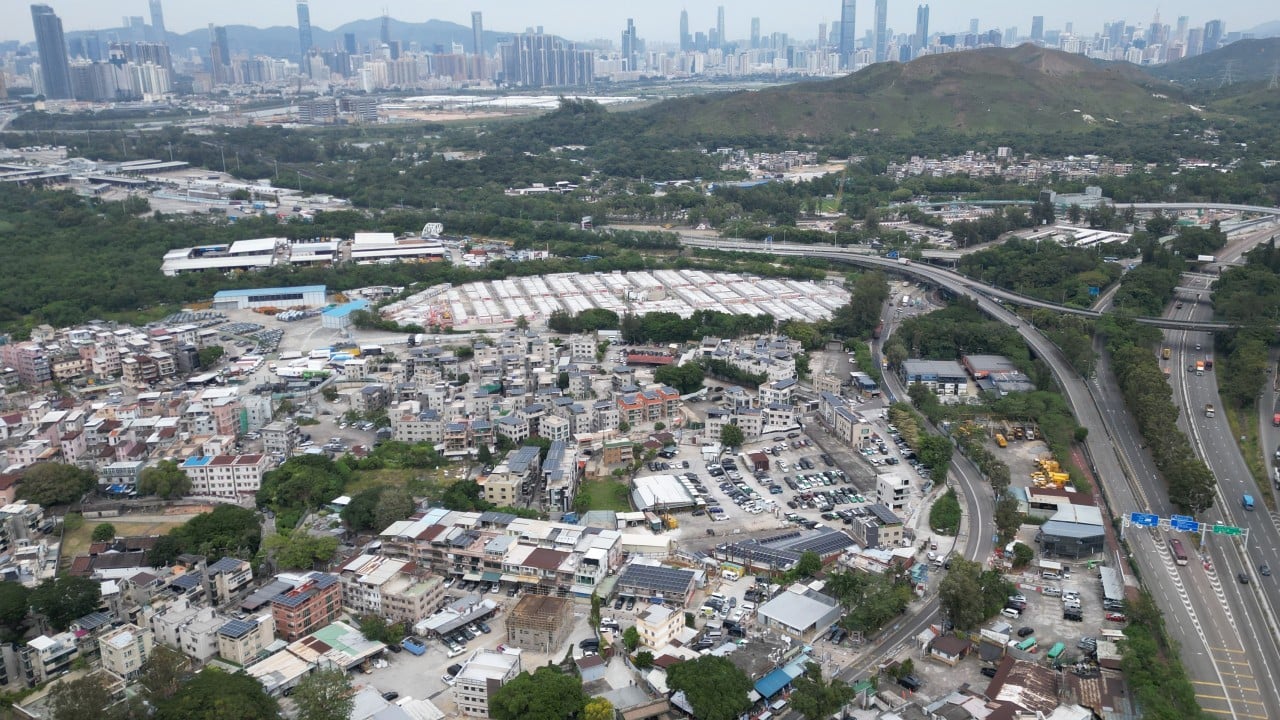
Hong Kong Rushes Border Tech Hub as Firms Seek China Access
Hong Kong will create a special company this year to speed up construction of a major technology park near the mainland China border. Officials say s...

CK Hutchison Bets Big on Expansion Amid Global 'Turmoil'
CK Hutchison Holdings, the global ports-to-telecoms conglomerate, has announced a major strategic shift. In response to a "world in turmoil," the com...
Japanese Students Swap U.S. Dreams for Southeast Asia
A major shift is underway for Japanese university students. New data shows they are increasingly choosing Thailand and Malaysia for study abroad, mov...
Luxury Hotel CEO: Foreign Tourists Will Keep Pushing Japan's Prices Higher
A top luxury hotel executive says foreign visitors are the main force behind rising room rates in Japan. He expects this trend to continue. The CEO...
Japan's SMBC Bets Big on US with Major North Carolina Expansion
Japanese banking giant SMBC is doubling down on its US operations. The company has announced it will open a second American headquarters in North Car...

Iran Stands Down: Asian Markets Rally, Oil Prices Drop
Asian stock markets rose sharply on Monday. Oil prices fell at the same time. The moves came after Iran said it viewed its attack on Israel as conclu...
China's Steel Giant Demands Bigger Iron Ore Discount
BHP Group, the world's largest miner, is locked in difficult price negotiations with its top customer, China. The talks are with the China Mineral Re...

Iranian-American Politicians Reject Using Protests to Justify War
Iranian-American women elected to U.S. office have publicly opposed using Iran’s “Woman, Life, Freedom” protests to argue for war. Former President...