China Bets Billions on AI and Chips to Break U.S. Tech "Chokehold"
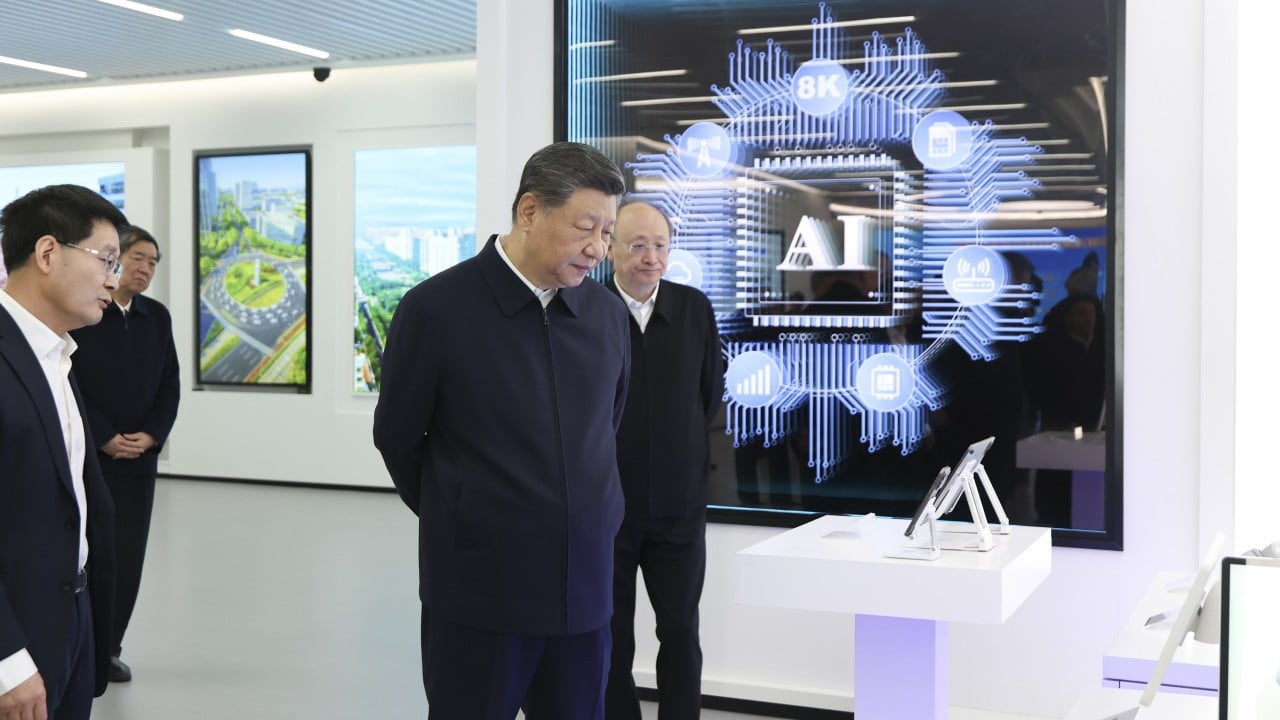
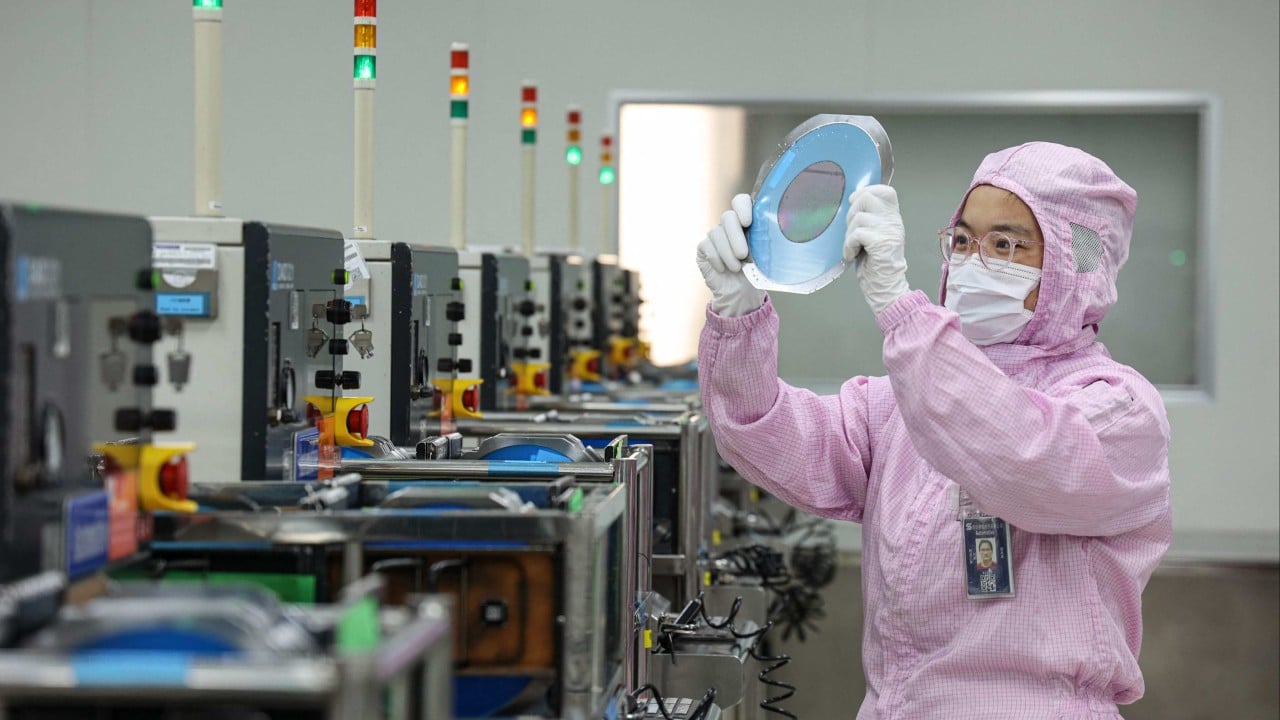
China Bets Billions on AI and Chips to Break U.S. Tech "Chokehold" A massive, state-directed investment campaign is underway across China, targeting breakthroughs in artificial intelligence (AI) and advanced semiconductors to overcome U.S. restrictions and achieve technological self-reliance. Provinces and major cities are deploying hundreds of billions of dollars in a coordinated push to dominate next-generation industries and reduce foreign dependencies [51155][95150][59734]. The strategy marks a decisive pivot from China's long-standing model of absorbing foreign technology to one focused on creating cutting-edge innovations at home [59734]. New analysis shows China has already taken a lead in foundational AI research, measured by patents and published papers, though the United States maintains an advantage in building high-performance AI models and the chips needed to run them [122661]. To close that gap, China is funneling enormous resources into its domestic chip industry. The national government recently launched a new state-backed semiconductor fund worth over $47 billion, aimed at building a self-sufficient supply chain for chipmaking equipment [86995]. At the local level, the eastern tech hub of Zhejiang unveiled a five-year plan to develop the capability to manufacture semiconductors as small as 3 nanometers, directly countering U.S. export controls described as a strategic "chokehold" [51155]. Similarly, Shanghai announced a $10 billion investment plan focused on microchips and AI among other key sectors [43531]. This spending aligns with a newly released national blueprint that prioritizes "future industries" like AI, advanced defense, and nuclear fusion for the 2026-2030 period [95150]. The draft national budget allocates 426.42 billion yuan (US$61.7 billion) specifically for science and technology, with a focus on sectors such as satellite internet and electric vehicles that overlap with the ventures of innovators like Elon Musk [93804]. Provincial economic plans echo this top-down directive. At least 22 provincial-level governments have published strategies prioritizing high-tech industries like semiconductors and AI, while also vowing to boost production of strategically important resources like rare earth elements [19492]. The approach underscores a systemic, state-coordinated model where AI is developed as core national infrastructure, contrasting with the U.S.'s market-driven development [109135]. President Xi Jinping recently underscored the mission during an inspection of a national technology innovation park in Beijing, emphasizing the goal of "high-level" technological independence [71486]. The concerted effort signals a deepening tech rivalry, with both nations viewing leadership in these fields as essential to economic and military strength [122661][33059]. U.S. and China Locked in Split AI Race, With Stakes for Global Power China Targets 3nm AI Chips to Break US "Chokehold" China's New Plan: Beat US Tech Rivals with AI and Fusion Power China's Tech Pivot: From "Catch-Up" to Cutting-Edge AI War: US Bets on Markets, China Bets on Control China Bets $47 Billion to Break the Chip Barrier Shanghai Bets $10 Billion on Chips and AI in Tech Race China's $62 Billion Bet Mirrors Musk's Vision Chinese Provinces Prioritize Tech and Self-Reliance in New Economic Plans Xi Inspects Tech Park, Stakes Claim in Global Innovation Race
Articles in this Cluster
U.S. and China Locked in Split AI Race, With Stakes for Global Power

China Tightens Grip on Offshore IPOs, Targeting Tech and Biotech
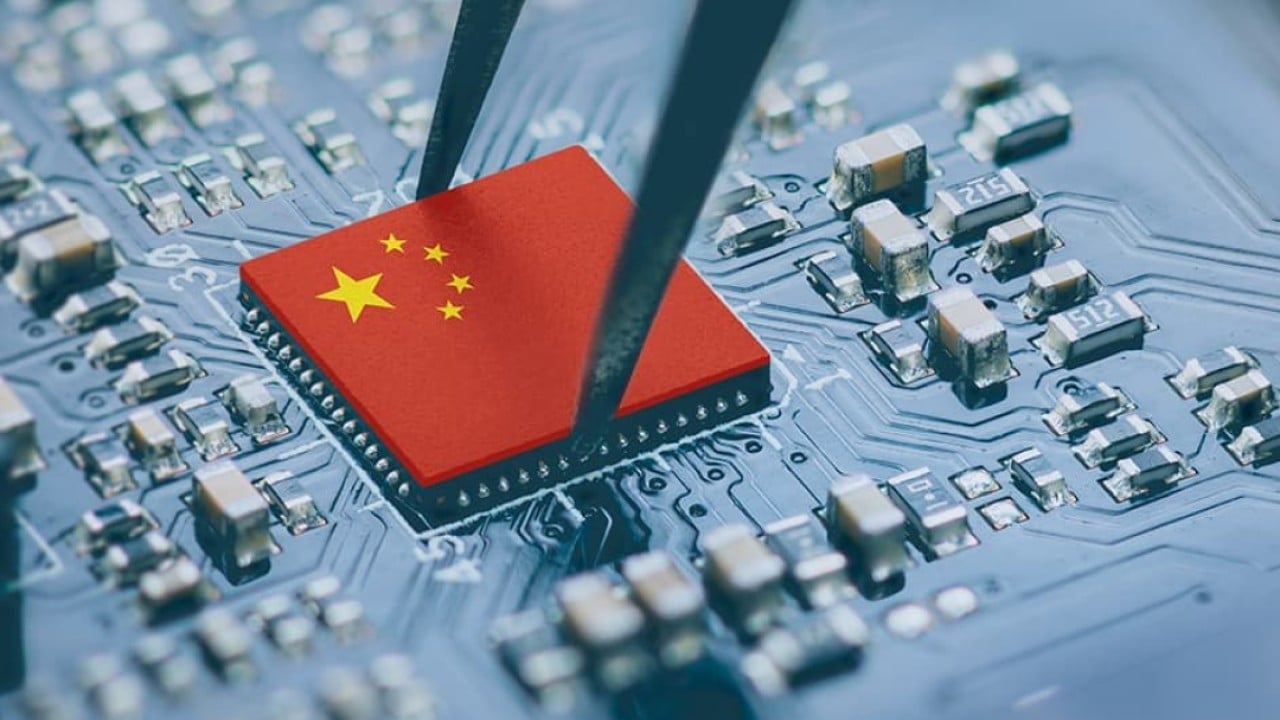
China Targets 3nm AI Chips to Break US "Chokehold"
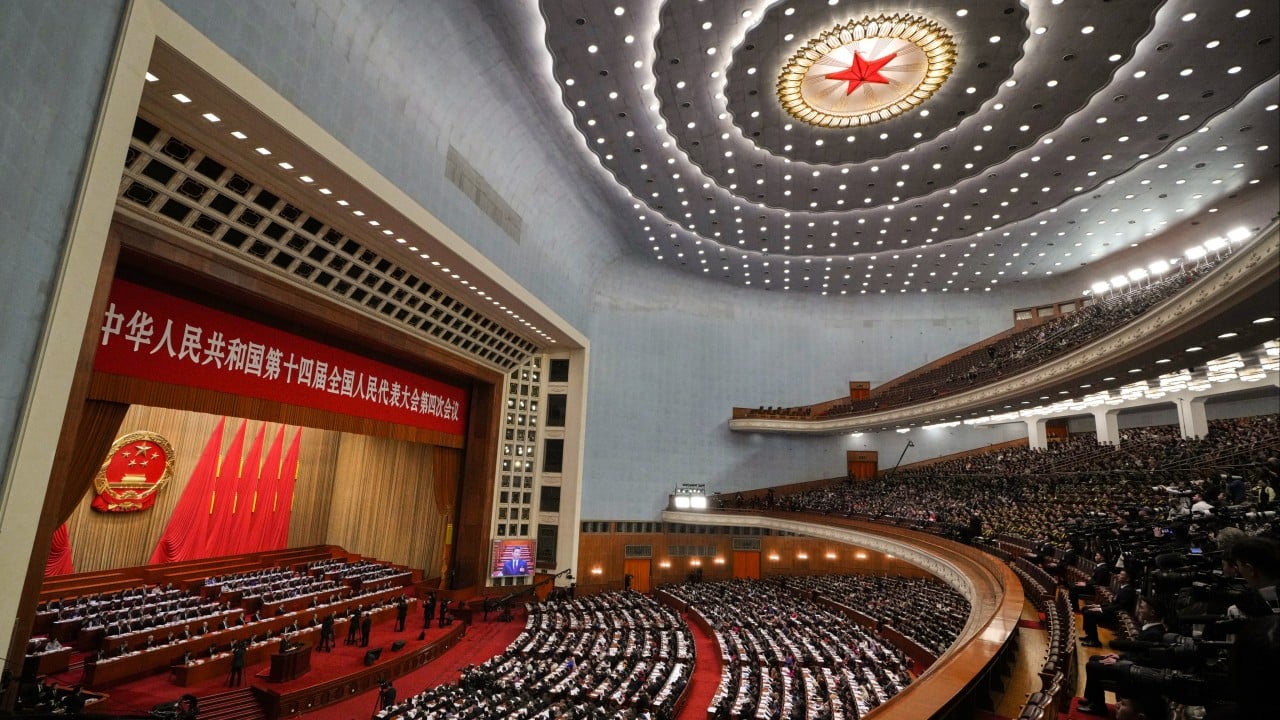
China's New Plan: Beat US Tech Rivals with AI and Fusion Power

China's Tech Pivot: From "Catch-Up" to Cutting-Edge

AI War: US Bets on Markets, China Bets on Control
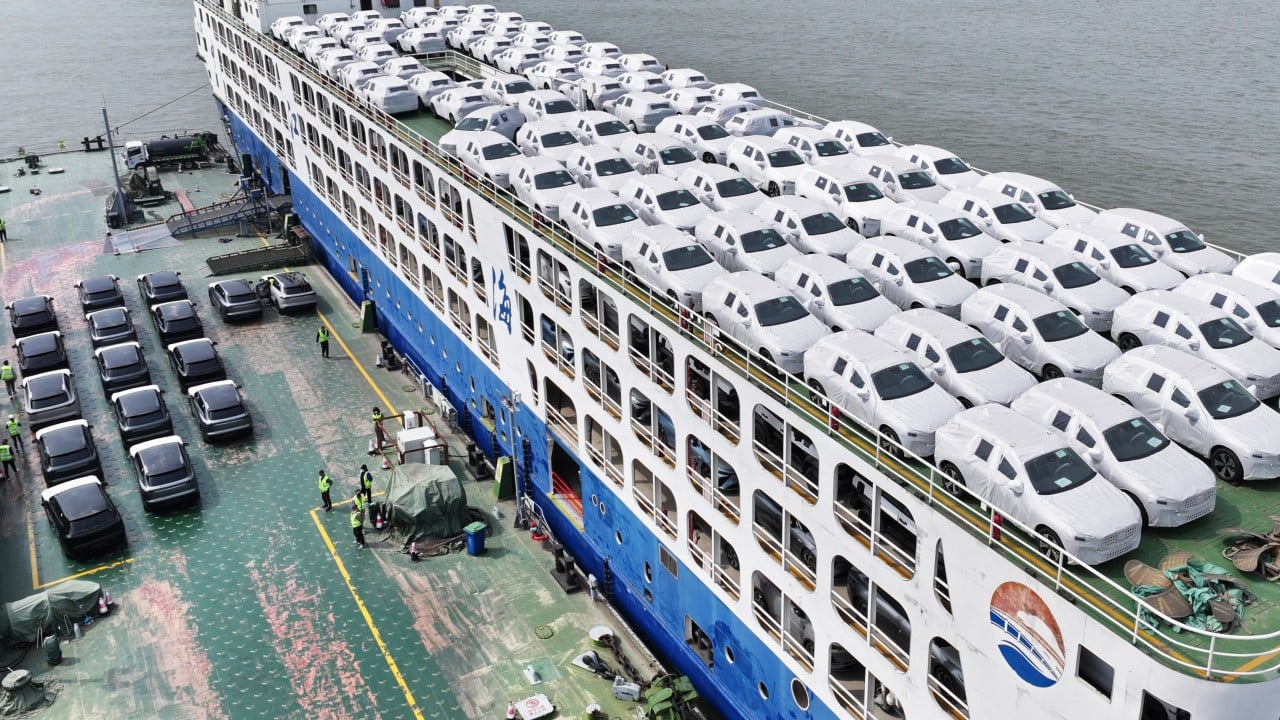
China’s Corporate Giants Seek New Frontiers Abroad
China Bets $47 Billion to Break the Chip Barrier
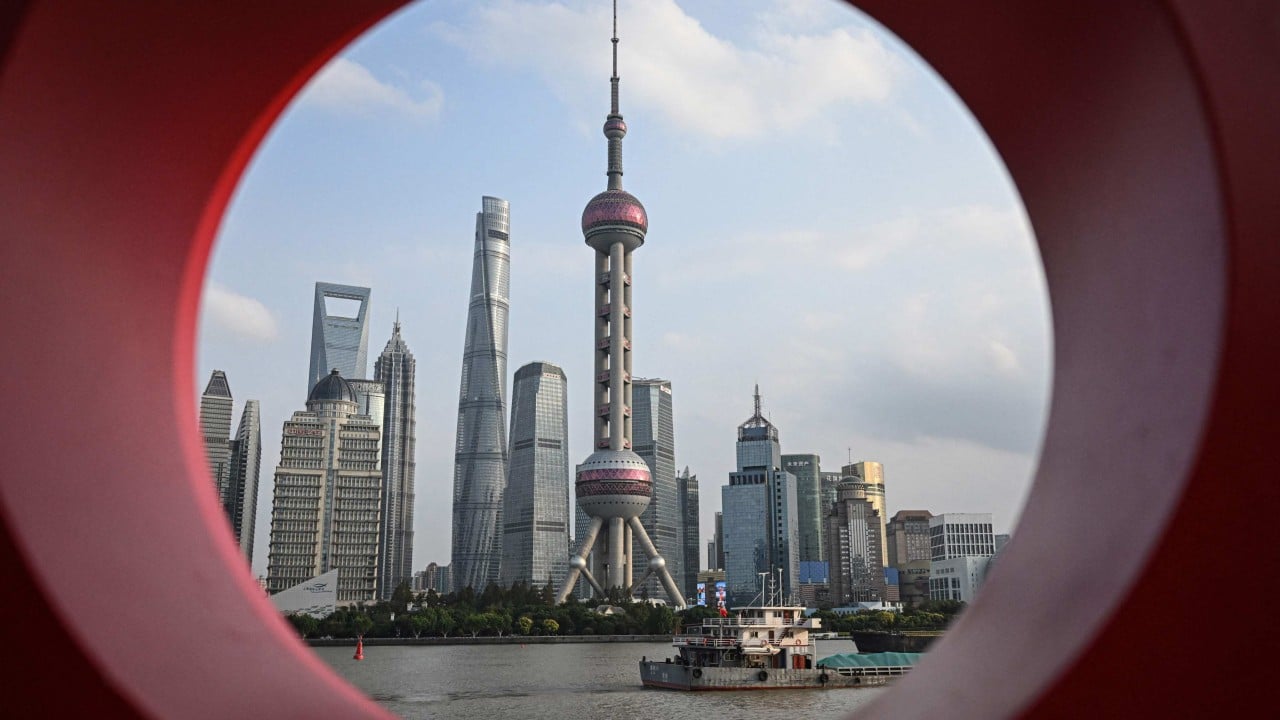
Shanghai Bets $10 Billion on Chips and AI in Tech Race

The New Great Game: A U.S.-China Clash Over Resources Begins
Trump Sets China Trip as EU Bans Tech Firms: Your Asia Brief
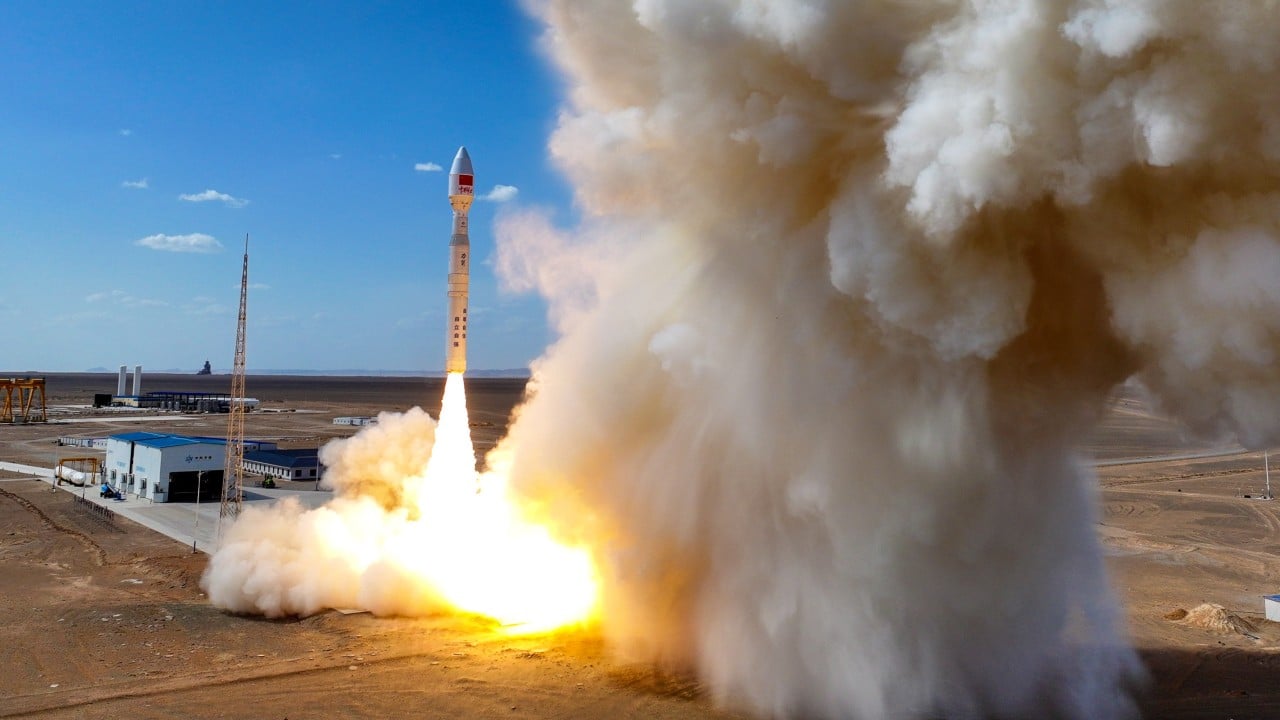
China's $62 Billion Bet Mirrors Musk's Vision
Chinese Provinces Prioritize Tech and Self-Reliance in New Economic Plans
China's Battery Grip Threatens U.S. Military and AI Race