Ancient China's Lavish Toilet Rituals: Silk, Servants, and Status
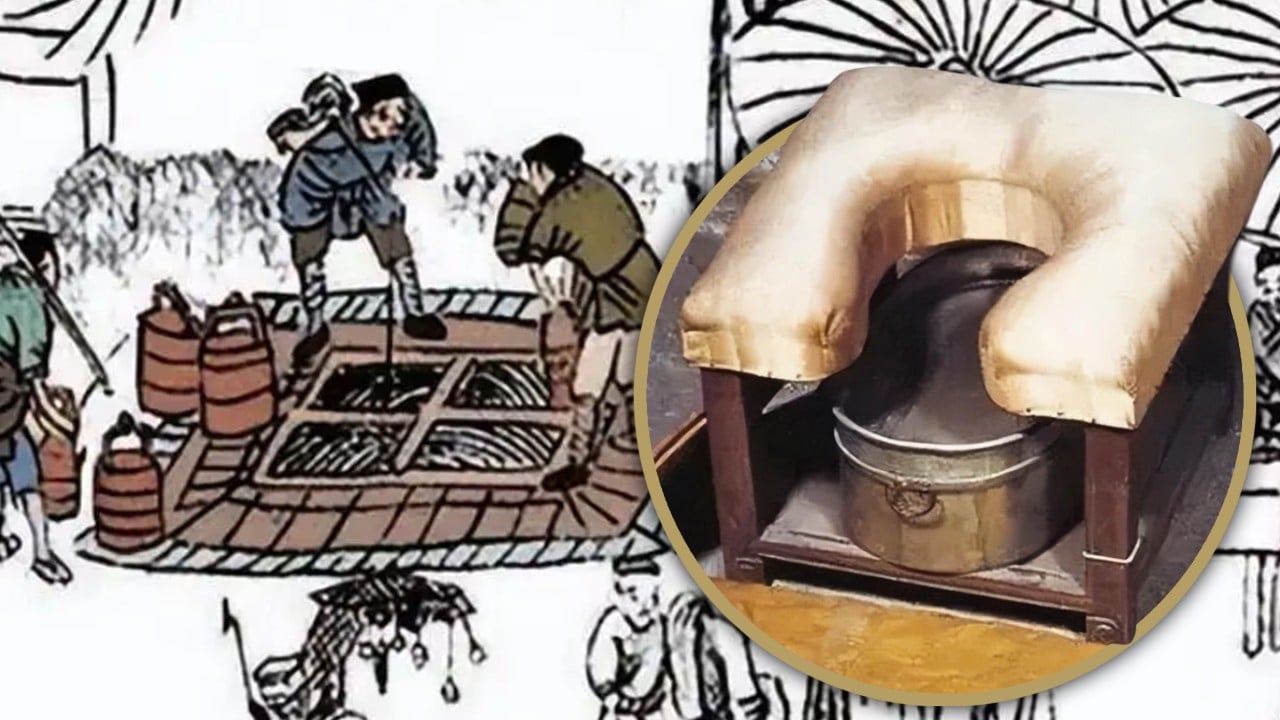
In ancient China, a trip to the toilet was a stark indicator of social class. For the common people, it was a simple necessity. For the imperial elite, it was a ritual of extreme luxury and power.
While paper had been invented, it was too valuable for daily use. Ordinary citizens cleaned themselves with leaves, pebbles, or broken tiles.
The nobility used soft cloths or even silk. Historical records describe how the highest elites turned this private act into public ceremony.
The Empress Dowager Cixi, one of China's last imperial rulers, took this to an extreme. Reports state that 28 maids were tasked with serving her in the toilet. Their roles were highly specific, from preparation to cleanup, transforming a basic function into a display of absolute authority.
This contrast highlights how, in the rigid hierarchy of ancient China, no aspect of life was free from the rules of status—not even the most private moments.