Trump Revives Greenland Purchase Push, Mixing Real Estate Tactics with Geopolitics
Trump Revives Greenland Purchase Push, Mixing Real Estate Tactics with Geopolitics Former U.S. President Donald Trump is renewing his unorthodox campaign to purchase Greenland, combining high-pressure negotiation tactics with a blunt challenge to long-standing international alliances. His efforts, framed through the lens of a real estate deal, have sparked diplomatic tensions and raised questions about a new American approach to foreign policy. Speaking at the World Economic Forum in Davos, Switzerland, Trump publicly questioned the value of the North Atlantic Treaty Organization (NATO) and stated the United States should be allowed to acquire Greenland, a self-governing Arctic territory of Denmark [55297]. He later clarified he did not want to use military force, but called for immediate negotiations to buy the island [55327]. This is not Trump's first attempt. After Denmark rejected earlier offers, Trump called the response "nasty" and postponed a state visit [50444]. His current methods are reported to include cash offers to Greenlanders and threats of tariffs against Denmark, while refusing to rule out the use of military force [50444]. Analysts see this as a pattern where Trump conflates genuine strategic interests—Greenland's value for Arctic shipping and resources—with unrealistic expansionist ideas [50444]. The push is part of a broader foreign policy style that sidelines traditional diplomacy. At Davos, Trump lambasted European NATO members for not paying enough, claiming the U.S. was treated "very unfairly," and largely ignored "soft power" diplomacy built on cultural influence and partnerships [55327]. His approach directly rejects the post-World War II system of alliances and international rules [58552]. Experts warn that applying transactional real estate tactics to international relations carries high risks. The strategy assumes that applying "maximum pressure" will force the weaker party to surrender [87536]. However, in geopolitics, such pressure can lead to defiance rather than compromise, especially when national pride and sovereignty are at stake [87536]. The Danish and Greenlandic governments have consistently stated the island is not for sale [50444]. Historians note Trump's combination of pursuing foreign territory while aggressively exporting domestic political conflicts mirrors 19th-century imperial behaviors, warning that such intense rivalry has historically led to catastrophic wars [58552]. Trump at Davos: Questions NATO, Wants to Buy Greenland Trump Eyes Greenland: Cash, Threats, and Military Force Trump at Davos: Skips Soft Power, Targets Greenland and NATO Allies Trump's 'New Imperialism': Land Grabs and a Rejected World Order Iran Won't Fold: Why Trump's Real Estate Tactics Fail on World Stage
Articles in this Cluster
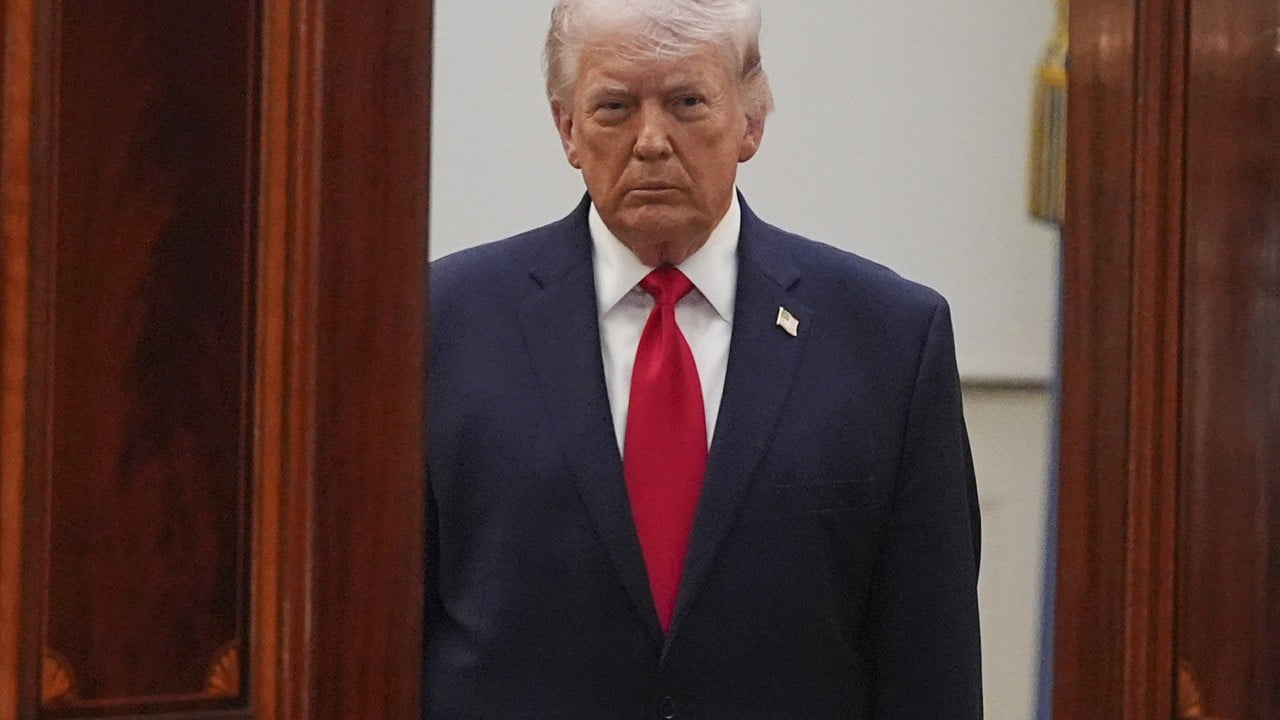
Trump's Profane Post: A Calculated Strategy for Permanent Conflict?
Sanctioned "Scam" Empire Linked to Failed Crypto Resort in Timor-Leste
Trump's Price-Cutting Claims Are "Grossly Exaggerated Nonsense," Says Expert
Trump's 'Brand America' Push: Putting His Name on the Nation
Davos' World Order Crumbles as Trump Takes the Stage
Trump's Strategy: Winning Through Rule-Breaking

Trump at Davos: Questions NATO, Wants to Buy Greenland

Trump Eyes Greenland: Cash, Threats, and Military Force
Trump's 'Board of Peace' Includes Putin, Erdoğan; Critics Call It Neocolonial
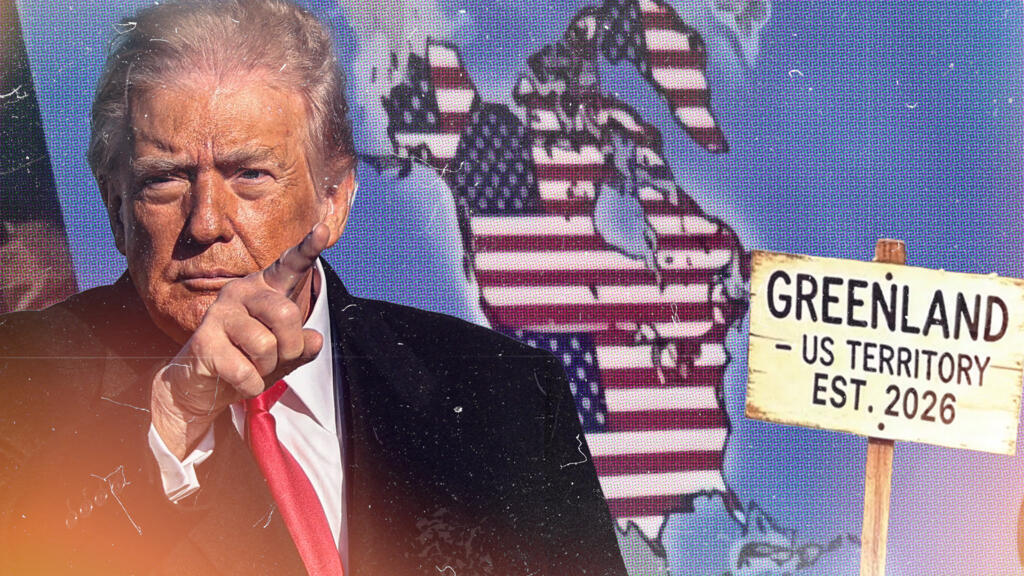
Trump's 'New Imperialism': Land Grabs and a Rejected World Order
Trump Slams NIL as "Disaster" for College Sports, Olympics

Iran Won't Fold: Why Trump's Real Estate Tactics Fail on World Stage
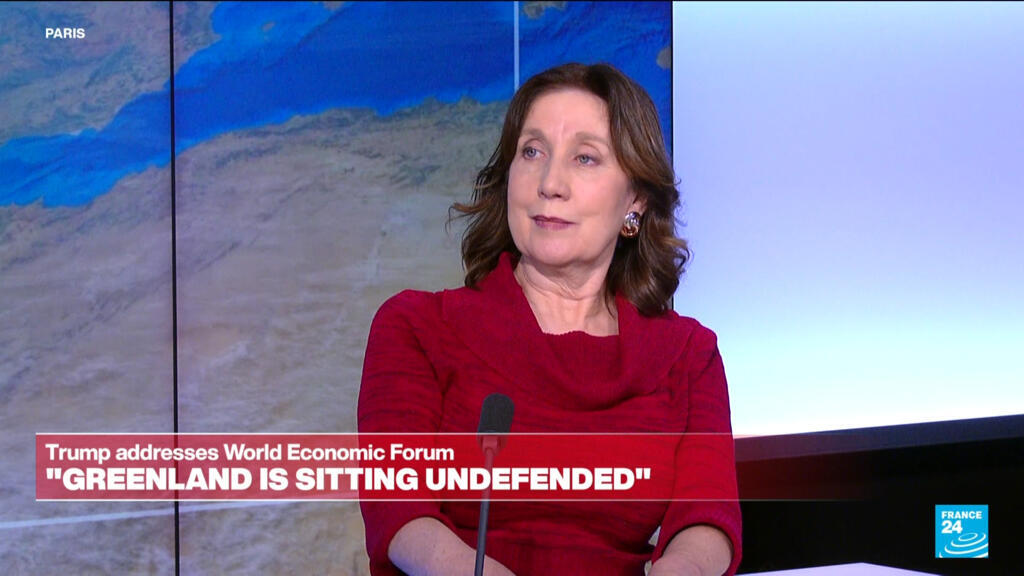
Trump at Davos: Skips Soft Power, Targets Greenland and NATO Allies
Trump Is the Davos Man
