Latest News
Stay updated with the latest news and articles
Top Stories
Global Energy Shockwaves from Iran Conflict Threaten Fragile Economies Worldwide
Global Energy Shockwaves from Iran Conflict Threaten Fragile Economies Worldwide A widening conflict with Iran is triggering a global energy crisis, with soaring oil prices pushing vulnerable nations toward economic instability and forcing governments to implement emergency austerity measures. The immediate trigger is the blockage of the Strait of Hormuz, a critical maritime chokepoint for global oil shipments [122701]. This disruption has sent crude oil prices skyrocketing, creating ripple effects far beyond the Middle East. In West Africa, Senegal has banned all non-essential foreign travel for its ministers as a direct cost-saving measure [120807]. The nation, which imports most of its fuel, is acutely vulnerable to supply shocks and price surges stemming from the distant war. The economic pain is being felt by millions across the region already facing hardship [120807]. The crisis poses an even more severe threat to South Asian economies already under financial strain. Countries like Pakistan, Sri Lanka, and Bangladesh are caught in a dangerous squeeze [121055]. They rely heavily on fuel imports from the Middle East and on remittances from citizens working in the Gulf, both of which are now at risk [121055]. Analysts warn these nations, all of which are currently under International Monetary Fund bailout programs, have little capacity to shield their populations from soaring costs, risking social unrest and derailing fragile recoveries [121055]. The economic shockwaves are also impacting developed economies and corporate strategies. In the Gulf, major hubs like the United Arab Emirates and Qatar face a threat to their post-oil economic models, which depend on free movement for both energy exports and people through massive airport hubs [122701]. The disruption exposes a fundamental vulnerability in their geographic strategy [122701]. Meanwhile, in Europe, the European Union has issued a stark warning that national emergency spending to cushion citizens from high energy prices risks triggering a new fiscal crisis [121783]. EU Economy Commissioner Paolo Gentiloni urged governments to make support more targeted and temporary, fearing that "excessive" measures could lead to unsustainable debt levels across the bloc [121783]. Hormuz Blockage Threatens Gulf's Economic Lifelines Senegal Bans Minister Travel as Distant War Hits African Economy Iran War Shockwaves Threaten South Asian Economies EU Warns: Energy Bailouts Could Trigger New Fiscal Crisis
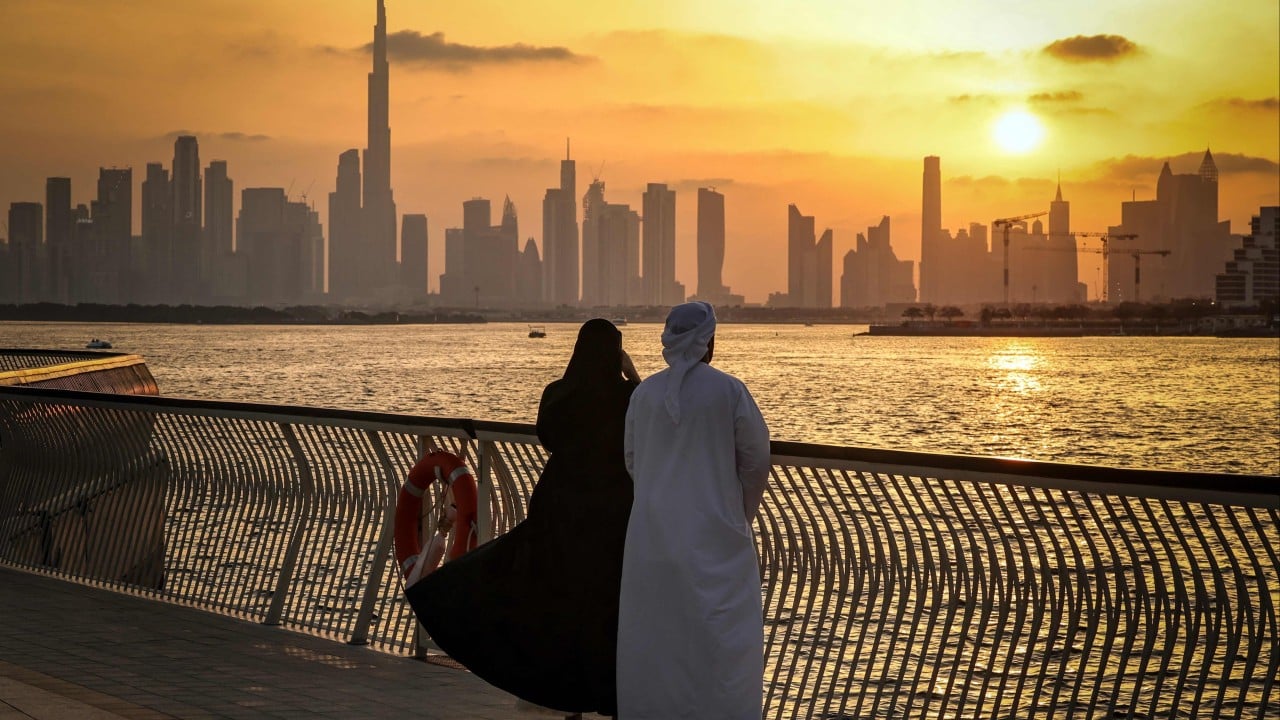
Ukraine Trades Battlefield Drone-Knowledge for Weapons and Gulf Leverage
Ukraine Trades Battlefield Drone-Knowledge for Weapons and Gulf Leverage Ukrainian military experts are now deployed to multiple Gulf states, teaching their hard-earned tactics for shooting down drones in a direct exchange for advanced weapons and political support. President Volodymyr Zelenskyy confirmed the deployment of Ukrainian anti-drone teams to "a half-dozen" countries, though he did not name them specifically [112369]. The deal is straightforward: in return for sharing its advanced counter-drone knowledge, Ukraine receives more weapons and continued financial backing from allies [100935]. The strategy turns Ukraine's extensive battlefield experience against Iranian-made Shahed drones into a valuable diplomatic and military resource. These same drones are used by Russian forces in Ukraine and by Iranian proxies in the Middle East, making Ukraine's low-cost defeat methods highly sought after by both Gulf and NATO nations [100935]. In one proposed arrangement, Kyiv has offered to deploy its elite anti-drone units to protect Gulf infrastructure if those states use their significant economic leverage over Russia—gained from being major buyers of Russian energy—to pressure the Kremlin for peace [91239]. More immediately, Ukraine is seeking advanced air defense systems, like Patriot missile batteries, in return for its expertise [112369]. This pragmatic barter system highlights Ukraine's urgent need to bolster its own air defenses against constant Russian attacks. By positioning itself as a provider of critical defense technology rather than just a recipient of aid, Ukraine is forging global partnerships based on shared security interests [91239]. Kyraine Sells Drone-Knowledge for Weapons **Ukraine Trades Air Defense Secrets for Gulf's Drone-Killers** **Ukraine Offers Gulf States a Deal: Our Drone Hunters for Your Leverage on Russia**

Catastrophic Floods and Landslides Kill Over 1,400 Across Southeast Asia
Catastrophic Floods and Landslides Kill Over 1,400 Across Southeast Asia A week of exceptionally heavy rain has triggered devastating floods and landslides across Southeast Asia, killing more than 1,400 people and affecting millions [17624]. The catastrophic weather has submerged villages, severed roads, and buried homes in mud across Indonesia, Sri Lanka, Thailand, and Malaysia [17624][20084]. In Indonesia, the death toll has reached 995, with rescuers still searching for 226 missing people [25217]. Neighboring Sri Lanka reports 640 dead and 211 missing [25217]. Combined, nearly 4 million citizens in these two nations have been impacted, with homes, roads, and farms destroyed [25217]. Southern Thailand has suffered a severe loss of life, with authorities reporting at least 145 fatalities [14423]. The torrential downpours caused rivers to overflow and saturated hillsides, leading to destructive landslides [14423][17624]. Emergency crews are working to provide aid and reach isolated communities, but their efforts are complicated by damaged infrastructure and continuing access problems [14423][20084]. National governments and international aid agencies are mobilizing major relief efforts, focusing on providing emergency shelter, clean water, and medical supplies to displaced survivors [17624]. Aid groups warn of rising health risks from damaged water supplies in the flooded regions [25217]. The full scale of the damage is still being assessed as rescue operations continue [14423]. Deadly Floods and Landslides Claim Over 1,400 Lives Across Southeast Asia Massive Floods Kill Over 1,600, Affect Millions in Asia Deadly Floods and Landslides Claim Over 1,500 Lives Across Asia Deadly Floods and Landslides Claim Over 250 Lives in Southeast Asia

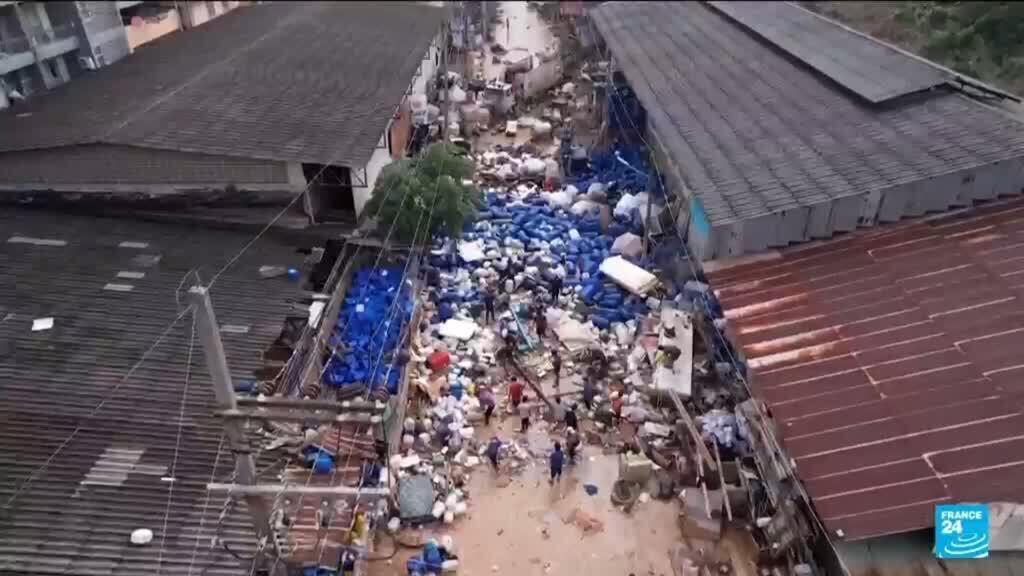
Global Fuel Crisis Deepens as War Disrupts Oil, Sending Prices Soaring Worldwide
Global Fuel Crisis Deepens as War Disrupts Oil, Sending Prices Soaring Worldwide A wave of fuel emergencies and record-high prices is sweeping the globe, driven by a critical disruption to the world's oil supply. The conflict involving Iran has effectively blocked a major maritime oil route, squeezing global markets and forcing governments from Africa to Europe to take emergency action. The immediate trigger is the closure of the Strait of Hormuz, a narrow sea passage that normally carries about one-fifth of the world's seaborne oil [123168]. This blockage has sent crude oil prices skyrocketing, with the shockwaves hitting fuel pumps on multiple continents within days. In Europe, drivers are facing unprecedented costs. In Germany, diesel has surged past €2 per litre, prompting the nation's largest automobile association to demand urgent tax cuts from the government [122922]. Belgium is bracing for diesel to hit a record 2.90 euros per litre, placing severe strain on transport companies and consumers [122941]. France is experiencing an acute diesel shock due to its historic reliance on the fuel and current dependence on imports [122900]. The crisis has triggered formal national emergencies in several African nations. Madagascar declared a state of emergency to address a severe fuel shortage linked to the war disrupting shipments from Iran, a key supplier [123416]. Zambia also declared a national emergency, citing the Middle East conflict as the primary cause of its critical fuel situation [122023]. South African drivers rushed to fill tanks ahead of a historic price hike, directly attributed to the war's disruption of global oil supplies [117884]. Analysts had previously warned the nation could see petrol prices rise by up to 8 Rand per litre due to tensions near the Strait of Hormuz [95663]. In the Philippines, soaring costs are pushing consumers to a "breaking point," with viral social media posts about exorbitant fuel bills accelerating a rush toward electric and hybrid vehicles [122504]. In China, drivers queued at stations ahead of the country's largest single fuel price increase of the year, a government adjustment tied to international crude costs [109102]. Analysts warn the situation could worsen significantly in the United States, where gasoline has already passed $4 per gallon [122378]. A prolonged closure of the Strait of Hormuz could push U.S. gasoline prices to $5 per gallon, nearing record national highs [123168]. One regional response has emerged from Nigeria, where the massive new Dangote Refinery has begun shipping petrol to other African countries, positioning itself as a critical regional supplier amid the global supply crunch [122838]. Madagascar Declares Emergency as Iran War Hits Fuel Supply Germany's Diesel Hits Record High, Drivers Demand Tax Break U.S. Gas Prices Could Hit $5 if Key Oil Passage Remains Closed Diesel Shock: Belgian Prices Set to Break Record Diesel Shock: Why France Can't Escape Soaring Fuel Prices Dangote Refinery Sends Fuel Lifeline to Africa Amid Global Shortage Filipinos' "Breaking Point": Soaring Fuel Prices Spark Electric Car Rush South Africa Braces for Record Fuel Price Surge Zambia Declares Emergency Over Fuel Supply Liberia Hikes Gas Prices, Citing Global Market Pressures Gas Hits $4: How to Stretch Every Gallon Drivers Race to Pumps Ahead of China's Biggest Fuel Price Jump of 2024 South Africa Braces for R8/Litre Petrol Shock


Fighting Erupts in Aleppo, Forcing Over 140,000 to Flee as Ceasefire Holds
Fighting Erupts in Aleppo, Forcing Over 140,000 to Flee as Ceasefire Holds Intense clashes between Syrian government forces and Kurdish-led fighters have shattered a fragile calm in Aleppo, triggering a mass civilian exodus and a new humanitarian crisis in Syria's largest city. The fighting, which erupted earlier this week, represents the most severe violence in the country in over six months [45816]. Syrian army units and the Kurdish-led Syrian Democratic Forces (SDF) exchanged fire in several districts, including Sheikh Maqsoud and areas near critical supply routes into the city [43634] [44681]. The violence forced the closure of Aleppo's airport, schools, and shops, and led authorities to impose a city-wide curfew [45172]. The immediate consequence was a rapid and large-scale displacement of civilians. More than 140,000 people fled their homes amid heavy shelling over three days of combat [45816] [45173]. The Syrian army distributed evacuation maps to residents in several neighborhoods, urging them to use designated safe routes to leave conflict zones [44681]. Thousands of families were reported seeking safety away from the front lines, though exact numbers remain difficult to confirm [45585] [45172]. Following the deadly clashes, which caused multiple casualties, the Syrian government announced a ceasefire that took effect in the early hours of Thursday morning [45816] [32516]. The truce terms include the withdrawal of Kurdish fighters from the contested neighborhoods of Sheikh Maqsoud, Ashrafieh, and Bani Zaid, with safe passage granted to Kurdish-administered areas in northeast Syria [45816] [47153]. A U.S. envoy has welcomed the pause in hostilities [45816]. The fighting underscores the unresolved and tense standoff between the Damascus government and the SDF, which controls large parts of northern and eastern Syria [45585] [44681]. The clashes broke out after political talks aimed at integrating the SDF into the national army stalled, creating a dangerous vacuum [45588] [45585]. While the ceasefire is now in place, its durability remains uncertain, leaving displaced civilians in limbo and threatening to unravel the relative stability in northern Syria [45816] [44512]. Syria's Aleppo Truce Shatters, Thousands Flee as U.S. Mediates Aleppo Exodus: Fighting Erupts as Syria Peace Talks Fail Syrian Army and US-Backed Forces Clash in Aleppo Syrian Army Advances on Aleppo, Sparking Mass Exodus Syrian Army Distributes Evacuation Maps in Aleppo Amid Clashes Syria's Kurds and Army Clash, Risking Major War Syria Announces Aleppo Ceasefire After Clashes Displace 140,000 Syria's Aleppo: Army Strikes Kurds, Thousands Flee

China Bets Billions on AI and Chips to Break U.S. Tech "Chokehold"
China Bets Billions on AI and Chips to Break U.S. Tech "Chokehold" A massive, state-directed investment campaign is underway across China, targeting breakthroughs in artificial intelligence (AI) and advanced semiconductors to overcome U.S. restrictions and achieve technological self-reliance. Provinces and major cities are deploying hundreds of billions of dollars in a coordinated push to dominate next-generation industries and reduce foreign dependencies [51155][95150][59734]. The strategy marks a decisive pivot from China's long-standing model of absorbing foreign technology to one focused on creating cutting-edge innovations at home [59734]. New analysis shows China has already taken a lead in foundational AI research, measured by patents and published papers, though the United States maintains an advantage in building high-performance AI models and the chips needed to run them [122661]. To close that gap, China is funneling enormous resources into its domestic chip industry. The national government recently launched a new state-backed semiconductor fund worth over $47 billion, aimed at building a self-sufficient supply chain for chipmaking equipment [86995]. At the local level, the eastern tech hub of Zhejiang unveiled a five-year plan to develop the capability to manufacture semiconductors as small as 3 nanometers, directly countering U.S. export controls described as a strategic "chokehold" [51155]. Similarly, Shanghai announced a $10 billion investment plan focused on microchips and AI among other key sectors [43531]. This spending aligns with a newly released national blueprint that prioritizes "future industries" like AI, advanced defense, and nuclear fusion for the 2026-2030 period [95150]. The draft national budget allocates 426.42 billion yuan (US$61.7 billion) specifically for science and technology, with a focus on sectors such as satellite internet and electric vehicles that overlap with the ventures of innovators like Elon Musk [93804]. Provincial economic plans echo this top-down directive. At least 22 provincial-level governments have published strategies prioritizing high-tech industries like semiconductors and AI, while also vowing to boost production of strategically important resources like rare earth elements [19492]. The approach underscores a systemic, state-coordinated model where AI is developed as core national infrastructure, contrasting with the U.S.'s market-driven development [109135]. President Xi Jinping recently underscored the mission during an inspection of a national technology innovation park in Beijing, emphasizing the goal of "high-level" technological independence [71486]. The concerted effort signals a deepening tech rivalry, with both nations viewing leadership in these fields as essential to economic and military strength [122661][33059]. U.S. and China Locked in Split AI Race, With Stakes for Global Power China Targets 3nm AI Chips to Break US "Chokehold" China's New Plan: Beat US Tech Rivals with AI and Fusion Power China's Tech Pivot: From "Catch-Up" to Cutting-Edge AI War: US Bets on Markets, China Bets on Control China Bets $47 Billion to Break the Chip Barrier Shanghai Bets $10 Billion on Chips and AI in Tech Race China's $62 Billion Bet Mirrors Musk's Vision Chinese Provinces Prioritize Tech and Self-Reliance in New Economic Plans Xi Inspects Tech Park, Stakes Claim in Global Innovation Race
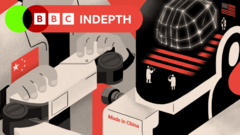


Climate Crisis Is Now a Daily Reality, Pushing Nature and Health to the Brink
Climate Crisis Is Now a Daily Reality, Pushing Nature and Health to the Brink A cascade of extreme weather, ecological collapse, and severe health impacts defined 2025, signaling that the climate crisis has shifted from a future threat to a present-day, global reality. Scientists and major institutions warn that relentless heatwaves, floods, and storms are becoming the new normal, with the most severe consequences falling on the world's most vulnerable populations [36941][49594][37775]. Last year was Earth's third hottest on record, but the defining feature was a relentless series of costly disasters [49594]. In Europe, a destructive cycle began and ended with major storms, with severe droughts and wildfires in between, pushing wildlife and landscapes to a "breaking point" [36898][36941]. Conservation groups labeled these events "alarm signals we cannot ignore" as nature is strained to its limits by climate breakdown [36898]. The human cost is escalating into a direct health emergency. Former United Nations climate chief Christiana Figueres, co-chair of a new Lancet Commission, stated that rising sea levels are a present-day health crisis, harming physical and mental health, livelihoods, and cultures [123347]. She warned that the world is being "held hostage" by fossil fuel reliance, calling the health impacts "the mother of all injustices" because the communities suffering the worst did the least to cause the problem [123346]. This inequity is underscored by human rights analyses. Amnesty International reports that droughts, floods, wildfires, and extreme heat disproportionately devastate already marginalized groups, a stark reality facing global leaders ahead of key climate negotiations [121912]. The environmental damage is both widespread and foundational. In Europe, flying insect populations have crashed by up to 80% over the past 30 years, a collapse scientists attribute to intensive agriculture, pesticides, and climate change that threatens food security and entire ecosystems [122935]. The United Nations Environment Assembly recently concluded with an urgent call for accelerated global action, emphasizing that international cooperation is essential to address the intertwined crises of climate change, biodiversity loss, and pollution [21446]. Experts agree that without a rapid and coordinated global effort to cut greenhouse gas emissions, the extreme weather of 2025 will simply be a preview of coming decades [36941][49594]. Former UN Climate Chief: World "Held Hostage" by Fossil Fuels Sea-Level Rise Is a Health Crisis, Says Climate Leader Insect Apocalypse in Europe: Populations Crash by 80% Europe's 2025 Weather: A New Normal of Extremes? 2025: The Year the Weather Broke UK Wildlife Pushed to "Breaking Point" by Extreme Weather in 2025 UN Environment Assembly Demands Urgent Global Action on Climate and Biodiversity Climate Crisis Hits Vulnerable Hardest, Amnesty Warns Before Key UN Summit 2025: Climate Crisis Becomes Daily Life
Trump's Iran Threats Spark Impeachment Calls and NATO Rift
Trump's Iran Threats Spark Impeachment Calls and NATO Rift A sharp escalation in threats against Iran by former President Donald Trump is triggering a bipartisan political crisis in Washington and deepening fractures with European allies. As lawmakers warn of unauthorized war and consider impeachment, the transatlantic alliance faces a severe test of confidence over U.S. strategy. President Trump recently warned the U.S. could "end" Iranian civilization and has threatened to destroy the nation's cultural sites, rhetoric that has drawn fire from his own party [123340]. In response, leading Democrats are calling for immediate action, with some arguing such threats could push the nations toward war and are considering starting impeachment proceedings [123302]. The threats come amid a U.S. "economic war" aimed at crippling Iran through sanctions, which citizens report is severely damaging daily life, causing shortages and skyrocketing prices [123233]. Trump has also stated that if re-elected, he would set a strict deadline for Iran to halt its nuclear activities, a prospect creating uncertainty in global markets [123436]. This aggressive posture is forcing European members of the North Atlantic Treaty Organization (NATO) to question their core reliance on U.S. military power [122777]. The public split over Iran strategy highlights a major crisis of confidence within the 29-nation bloc. A former U.S. ambassador warns NATO is "deeply damaged," with European capitals now openly discussing how to secure their own defense [122777]. The strain is compounded by Trump's broader criticism of allies. He has recently labeled NATO a "paper tiger," threatened a U.S. withdrawal, and renewed a threat to acquire Greenland, a move expected to further damage relations [122983]. This has led experts to argue that the United States has stopped acting as the reliable "leader of the free world," forcing Europe into an uneasy and uncertain partnership [122895]. The internal U.S. political backlash underscores the high stakes. Republican Senator Ron Johnson stated, "We are not at war with the Iranian people," while commentator Tucker Carlson called the threats against cultural sites "disgusting in every way" [123340]. The strong reaction from both sides of the aisle highlights deep concern that the President's rhetoric could trigger a major international crisis [123302]. Trump Threatens to "End" Iran, Lawmakers Threaten Impeachment NATO Future in Doubt as U.S. Threats Rattle Allies Iranians Fear U.S. "Economic War" Targets Nation's Fabric Trump's Threat to Destroy Iran's Heritage Draws Fire From His Own Party Trump Revives Greenland Threat Amid Iran War Fears, Straining NATO US Leadership Fades: Europe's Uneasy Alliance Enters New Era Trump's Iran Deadline Nears, Markets Stumble
Tourist Hotspots Explode as Social Media and TV Shows Drive 2026 Travel Trends
Tourist Hotspots Explode as Social Media and TV Shows Drive 2026 Travel Trends From a simple dock in Venice to a rooftop in a Rio favela, tourist destinations are being overwhelmed by visitors chasing experiences made famous online and on television. Experts say this marks a major shift toward "meaningful tourism," where travelers seek personal connections over traditional sightseeing, but the surge is pushing popular spots to a breaking point [80040]. The phenomenon is global. In Venice, a wooden jetty used by celebrity Kim Kardashian during a billionaire wedding has become a must-visit photo spot, redirecting tourist traffic in the ancient city [51924]. Similarly, a single rooftop in Rio de Janeiro's Rocinha favela, dubbed the "Gateway to Heaven" for its framed view of Christ the Redeemer, now draws international visitors who wait for hours, guided by local motorbike taxis [101397]. This redirection is increasingly driven by entertainment media. Tourism professor Carl Cater notes that popular TV shows like *The White Lotus* are creating new travel patterns, with viewers seeking out filming locations [36959]. The trend suggests that by 2026, travel will be less about checking major cities off a list and more about crafting a personal story inspired by screens [36959]. The search for unique, immersive experiences is also fueling niche tourism sectors. In China, a wave of young "history fangirls" are making pilgrimages to remote ancient tombs and historical sites, documenting their journeys and building online communities around deep heritage exploration [81566]. However, the economic benefits of these booms come with significant strain. Destinations worldwide are struggling with overtourism, where an influx of visitors damages local life and the environment [80040]. In response, local governments are testing solutions like tourist taxes, promoting off-season travel, and redirecting crowds to less-visited areas [80040]. The challenge is to balance the economic opportunity with sustainability. As one analysis notes, mass tourism can lead to environmental damage and cultural commodification, often benefiting international chains more than local residents [86148]. The success of future tourism may depend on managing the crush created by a single viral video or TV episode. Viral 'Gateway to Heaven' Rooftop Floods Rio Favela with Tourists Beyond Paris: TV Drives 2026 "Meaningful Tourism" Trend Venice's New Tourist Hotspot: The 'Kardashian Jetty' Tourist Destinations Hit Breaking Point: What Causes the Crush? China's 'History Fangirls' Hunt Tombs, Write Books The Hidden Cost of Your Vacation


Iranian Missile Strikes Trigger Dual Exodus: 16,000 Flee Bombs, Super-Rich Abandon Dubai
Iranian Missile Strikes Trigger Dual Exodus: 16,000 Flee Bombs, Super-Rich Abandon Dubai A widening conflict in the Middle East is forcing two starkly different groups into motion: thousands of ordinary Iranians fleeing bombardment and wealthy expatriates deserting Dubai over safety fears. The direct trigger is a series of Iranian missile attacks targeting the United Arab Emirates, shattering Dubai's long-standing image as a secure haven. This has prompted a rapid exodus of affluent British investors and other elites, who are now relocating to European destinations like Milan, Italy [122567]. Concurrently, a humanitarian flow is underway at Iran's borders. Eyewitnesses report a steady stream of Iranian civilians crossing into Turkey to escape relentless military strikes inside their country [95980]. At the remote Kapıköy mountain crossing, arrivals cite constant bombing and government-imposed internet blackouts. "Every night they are bombarding," said one refugee, who gave only the name Amir [119947]. In a poignant counter-flow, some Iranians are making the perilous journey in the opposite direction, returning from Turkey to Iran out of fear for family members trapped in conflict zones [95980][119947]. The border has become a symbol of the war's divisive impact, with people moving both ways for the same fundamental reasons: safety and family. The ripple effects of the regional instability are spreading. A shortage of cooking gas in India, linked to Middle East energy market disruptions, is now pushing migrant workers to abandon city jobs and return to their home villages [123448]. Further illustrating the shift in global migration patterns, new data from the European Border and Coast Guard Agency (Frontex) shows Egyptian nationals have become the leading group of African migrants entering Europe irregularly this year, with just over 16,000 recorded crossings [40271]. Missile Fears Drive Super-Rich from Dubai to Milan Two-Way Flight: Iranians Flee Bombs, Others Rush Back to Family Iranians Cross Border in Both Directions as War Intensifies War Disrupts Gas, Drives India's Migrant Workers Home Egyptians Now Top African Migrants to Europe, EU Agency Reports


Latest Articles
CIA's "Ghost Murmur" Tool Helped Rescue U.S. Airman in Iran
The CIA used a secret, high-tech tool called "Ghost Murmur" to locate and rescue a U.S. airman who was shot down over Iran, according to reports. Th...
Boxer Reveals Shocking Reason for Viral Bear Wrestling Video
Heavyweight boxer Arslanbek Makhmudov has explained a viral video that showed him wrestling a bear. The footage surprised and concerned his fans. Ma...
Oil Prices Drop as US and Iran Agree Ceasefire
Oil prices fell sharply today after the United States and Iran announced a new ceasefire agreement. The deal, described as a "double-sided ceasefire...
Vice President's Onstage Call to Trump Goes Silent
US Vice President JD Vance had an awkward moment during a political rally in Hungary. While on stage, he attempted to call former President Donald Tr...
Teen Snowboarder's Edge Cuts Own Wrist in Freak Fall
A teenage snowboarder suffered a severe, self-inflicted injury when the metal edge of his own board sliced his wrist during a fall. The 16-year-old...
Brain Scans Reveal How Psychedelics Hijack Your Mind
New research maps how psychedelic drugs dramatically alter brain activity. Scientists analyzed hundreds of brain scans from multiple studies to creat...
Tech Moguls Bet $35 Million on Long-Shot Governor Bid
A group of powerful Silicon Valley leaders has made an extraordinary financial gamble on a single political candidate. They have pledged $35 million...
Michigan Tourist Lost at Sea in the Bahamas
A Michigan woman is missing in the Bahamas after falling from a boat on Saturday. Lynette Hooker was traveling with her husband from Hope Town to El...
AI Safety Lab Refuses to Release New Model, Citing "Unacceptable Risk"
A leading artificial intelligence company has halted the public release of its newest AI model, declaring the technology too dangerous. Anthropic, a...
University of Wisconsin System President Fired After Public Power Struggle
The Board of Regents for the University of Wisconsin System has fired President Jay O. Rothman. The decision ends his four-year leadership of the sta...
Nathan Farb, Photographer of Remote America, Dies at 85
Nathan Farb, a photographer who spent decades documenting the overlooked corners and people of the United States, has died at 85. His work captured...
Photographer of Hippies, Siberia, and Ice Dies at 85
Nathan Farb, a photographer known for his striking images of wildly different worlds, has died at 85. His work captured subjects as diverse as New Y...
Reality Stars Clash in Court: Who Started the Fight?
Reality television personality Taylor Frankie Paul and her ex-boyfriend, Dakota Mortensen, have each filed legal petitions accusing the other of bein...
NYC Deletes "D.E.I." From Official Plan, Sparking Legal Doubts
New York City officials removed the terms "diversity, equity, and inclusion" from a key racial equity plan. The change was made to avoid political co...
Two Men Planned Bomb Attack to Kill 60 at NYC Mayor's Home, Feds Allege
Federal prosecutors have charged two men with plotting a bomb attack near the New York City mayor's official residence. An indictment states their go...
Artemis II Crew Enters Quiet Phase After Historic Moon Flyby
The four astronauts of NASA's Artemis II mission are now in a calm period of their journey. They are returning to Earth after successfully completing...
DOJ Probes Trump Witness in Unusual Civil Rights Inquiry
The U.S. Justice Department is investigating Cassidy Hutchinson, a key witness against former President Donald Trump in the January 6 probe. Official...
Only Trump Knows Why Bondi Was Fired, Top Lawyer Says
In a surprising statement, the U.S. Acting Attorney General said only President Trump knows the real reason for a recent high-level firing. Todd Bla...
Democrat Flips Key Wisconsin City in Major Political Upset
Alicia Halvensleben has won the mayoral election in Waukesha, Wisconsin. This is a significant victory for Democrats in a city long seen as a Republi...
Wisconsin Court Flips to Liberal Majority After Key Election
A judge's victory has changed the balance of power on Wisconsin's highest court. Judge Chris Taylor won her election on Tuesday. This gives liberal...