Latest News
Stay updated with the latest news and articles
Top Stories
Turkey Inks Major Trade Deals Across Africa and Middle East, Bypassing Global Chokepoints
Turkey Inks Major Trade Deals Across Africa and Middle East, Bypassing Global Chokepoints A series of new trade agreements are rapidly reshaping economic corridors across Africa and the Middle East, with Turkey positioning itself as a central hub in a network designed to bypass volatile maritime routes and unlock billions in new commerce. In a significant move for global logistics, Turkey has secured a critical overland trade route through Saudi Arabia, offering shippers an alternative to the Strait of Hormuz—a narrow sea passage vital for about one-fifth of the world's oil shipments [122456]. The deal, which includes issuing transit visas, allows cargo to move across Saudi Arabia by land before being shipped from Red Sea ports, providing a more secure path between Asia and Europe [122456]. Simultaneously, Turkey is aggressively expanding bilateral trade across Africa. Nigeria and Turkey have signed nine new agreements with the goal of more than doubling their trade volume to $5 billion, covering sectors like energy, mining, and defense [61140]. Business leaders predict that with these pacts, total trade could eventually surge past $10 billion, noting that Turkish products are already ubiquitous in Nigerian households [62201]. Egypt and Turkey have also set an ambitious new trade target, aiming to boost their current $9 billion annual exchange to $15 billion [67240]. This push is part of a broader diplomatic and economic warming between the two nations. Further west, Kenya and Morocco signed 11 cooperation deals during a state visit, focusing on agriculture, health, and the sustainable "blue economy" [125813]. This aligns with a separate strategic partnership between the African Export-Import Bank (Afreximbank) and the Islamic Corporation for the Insurance of Investment and Export Credit (ICIEC), which aims to stimulate trade and investment flows between Arab and African nations [7017]. Industry experts note that Turkey's strategic location and large port infrastructure make it a natural "secure perimeter" for diversifying transatlantic and Eurasian supply chains [84977]. The country is also deepening niche market cooperation, as seen in a new partnership between Turkish and Saudi authorities to share expertise and facilitate trade in the global halal products sector [13124]. Turkey Opens New Trade Lifeline to Bypass Gulf Chokepoint Nigeria and Turkey Target $5 Billion Trade Deal Turkish Goods in Every Home: Nigeria Aims for $10 Billion Trade Boom Egypt and Türkiye Target $15 Billion Trade Surge Kenya and Morocco Sign 11 Deals to Boost Trade ICIEC and Afreximbank Partner to Boost Arab-African Trade Türkiye Aims to Become Atlantic Trade's "Secure Perimeter" Türkiye and Saudi Arabia Forge New Halal Trade Partnership

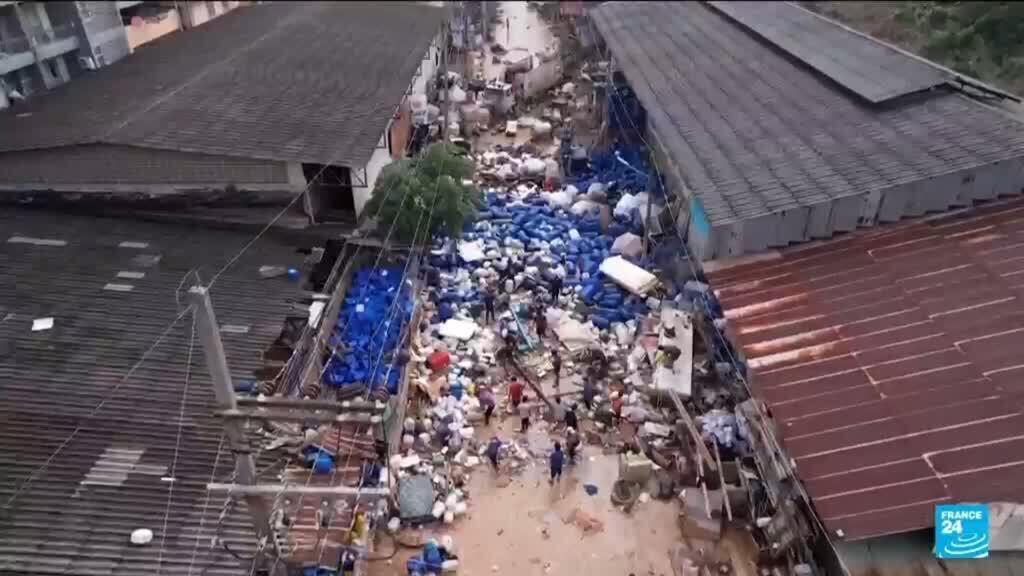
Catastrophic Southeast Asia Floods Kill Over 1,400, Displace Millions
Catastrophic Southeast Asia Floods Kill Over 1,400, Displace Millions A series of devastating floods and landslides, triggered by days of exceptionally heavy rainfall, has killed more than 1,400 people across Southeast Asia, leaving a trail of destruction and a massive humanitarian crisis [17624][25217][20084]. The catastrophic weather has submerged villages, severed roads, and buried homes under mudslides, affecting millions of residents in Indonesia, Sri Lanka, Thailand, and Malaysia [17624][25217][14786]. In Indonesia, the death toll has climbed to 995, with rescuers still searching for 226 missing people. Neighboring Sri Lanka reports 640 dead and 211 missing, bringing the combined impact in those two nations to nearly 4 million citizens [25217]. Southern Thailand has also suffered a severe loss of life, with authorities reporting at least 145 fatalities [14423]. Rescue operations are ongoing across all affected regions as emergency crews work to reach isolated communities, deliver essential aid, and search for survivors amidst damaged infrastructure [14423][20084][11385]. National governments and international aid agencies are mobilizing large-scale relief efforts focused on providing emergency shelter, clean water, and medical supplies to displaced survivors [17624][25217]. Authorities have warned of further dangers, including the potential for additional landslides and the spread of waterborne diseases in the aftermath of the floods [11385]. The full scale of the damage is still being assessed, but the disasters have already destroyed homes, roads, and farmland, crippling local economies and displacing thousands [14786][25217]. Deadly Floods and Landslides Claim Over 1,400 Lives Across Southeast Asia Massive Floods Kill Over 1,600, Affect Millions in Asia Deadly Floods and Landslides Claim Over 1,500 Lives Across Asia Deadly Floods and Landslides Claim Over 250 Lives in Southeast Asia Southeast Asia Reels From Widespread Flooding Deadly Floods and Landslides Claim Lives Across Southeast Asia

Fuel Shock Spreads: Global Pump Prices Soar Past $115 as Conflict Chokes Supply
Fuel Shock Spreads: Global Pump Prices Soar Past $115 as Conflict Chokes Supply A wave of sharp fuel price increases is hitting drivers and economies worldwide, driven by conflict in the Middle East that is disrupting critical oil shipments and pushing global crude prices past $115 a barrel [116225]. The immediate trigger is a series of attacks and heightened tensions around the Strait of Hormuz, a vital maritime chokepoint for global oil. A drone strike that set a Kuwaiti oil tanker on fire off the coast of the United Arab Emirates sent shockwaves through markets [116225]. Analysts note that approximately 20% of the world's oil supply passes through this strait, and current disruptions are threatening global supply [95663]. The impact is being felt from Africa to Asia. In South Africa, motorists rushed to gas stations ahead of a record price hike at midnight, with one analyst predicting an increase of up to 8 Rand per litre [95663][117884]. Despite a government tax cut of 3 Rand per litre designed to soften the blow, drivers are still facing one of the steepest pump price increases the country has ever recorded [117581]. The surge is causing secondary effects, with security companies and water suppliers already adding emergency surcharges to bills due to higher transportation costs [118106]. In China, drivers crowded stations ahead of the government's largest single fuel price increase of 2024 [109102]. Similarly, Kenya's energy regulator announced sharp price hikes, citing soaring costs for imported oil [130314]. Even a recent tax cut in Kenya failed to shield consumers, as the global price surge canceled out the domestic relief [129374]. The United Arab Emirates announced its own dramatic increases, with diesel prices set to jump 72% and petrol by 30% at the start of April, reflecting the surge in international benchmarks [116624]. Analysts warn that the closure of the Strait of Hormuz has created a major supply chain bottleneck, keeping pump prices high even when crude oil prices momentarily steady [116592]. Major motoring organizations have advised drivers that significant price relief is not expected soon, as global political tensions are now a key factor determining fuel costs [124783]. South Africa Braces for Record Fuel Price Surge Drivers Race to Pumps Ahead of China's Biggest Fuel Price Jump of 2024 Fuel Prices Skyrocket in Kenya South Africa Braces for R8/Litre Petrol Shock South Africa Cuts Fuel Tax, But Drivers Still Hit by Record Price Hike Fuel Prices Climb as Gaza Ceasefire Hopes Fade Oil Prices Rocket, Hitting Drivers With Sharpest Spike Since Ukraine War Drone Attack on Tanker Sends Oil Soaring Past $115 Oil Prices Steady, So Why Is Petrol So Expensive? Fuel Shockwave: Water, Security Prices Surge After Diesel Spike UAE Fuel Prices Set to Soar, Diesel Up 72% Fuel Prices Soar in Kenya, Despite Tax Cut



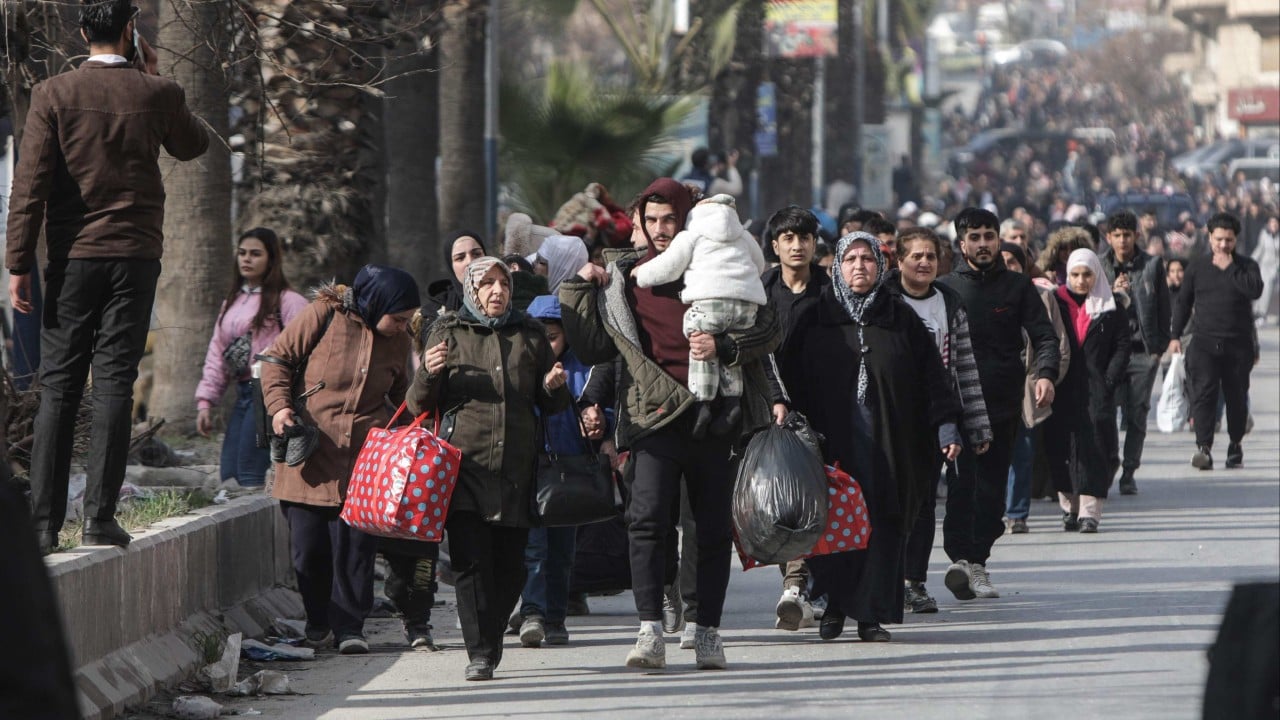
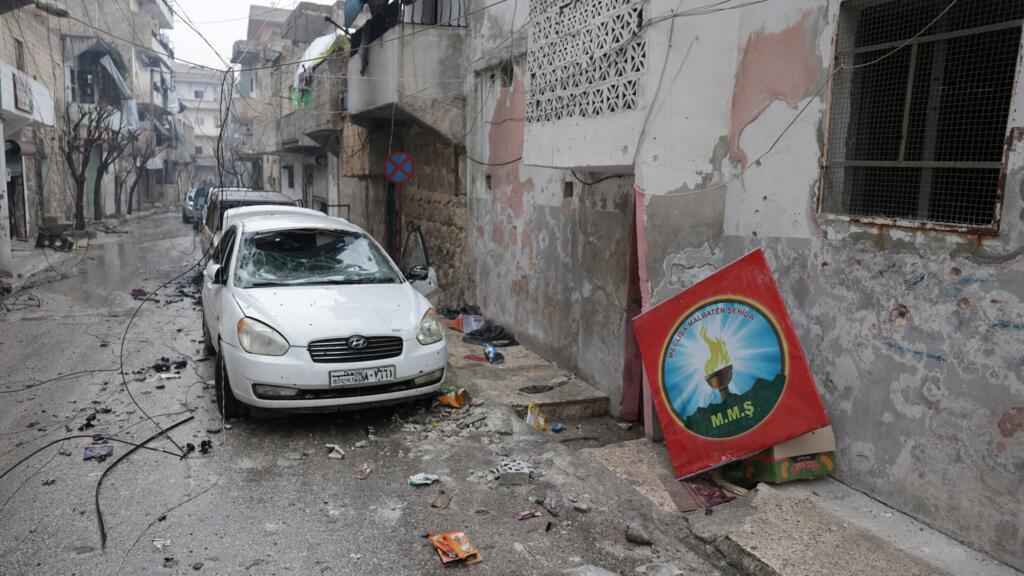
Syrian Army and Kurdish Forces Clash in Aleppo, Forcing 140,000 to Flee
Syrian Army and Kurdish Forces Clash in Aleppo, Forcing 140,000 to Flee A surge of fighting between the Syrian national army and Kurdish-led forces has shattered a fragile calm in Aleppo, triggering a mass civilian exodus and prompting urgent international mediation efforts. Intense clashes erupted this week in the northern city, particularly in the Kurdish-majority neighborhoods of Sheikh Maqsoud, Ashrafieh, and Bani Zaid [32527][45172]. The violence, involving heavy shelling, forced the closure of Aleppo's airport, schools, and government buildings [45172]. The Syrian army distributed evacuation maps to civilians in several neighborhoods, urging them to leave for their safety [44681]. The fighting has caused a severe humanitarian crisis, displacing more than 140,000 people from their homes [45816]. Local sources describe thousands of families fleeing affected areas under fire, adding to the millions already displaced by Syria's long war [45588][45173]. The clashes pit the Syrian government forces against the Kurdish-led Syrian Democratic Forces (SDF), a coalition that controls large parts of northeastern Syria [45585][43634]. Both sides have blamed each other for initiating the violence [44512][44088]. The deadliest fighting in over six months [45816] marks a dangerous escalation in long-running tensions over control and integration of Kurdish-held areas into the state [33236][44512]. Following three days of hostilities, the Syrian government announced a ceasefire. The truce, which began in the early hours of Thursday, includes terms for Kurdish fighters to withdraw from the contested Aleppo neighborhoods with their light weapons and receive safe passage to northeast Syria [45816]. A United States envoy has welcomed the pause in fighting [45816]. The breakdown of the ceasefire and subsequent displacement underscores the fragile and unresolved nature of the conflict within Syria's civil war, threatening to unravel relative stability in the region [44512][45173]. Syria's Aleppo Truce Shatters, Thousands Flee as U.S. Mediates Aleppo Exodus: Fighting Erupts as Syria Peace Talks Fail Fresh Clashes Erupt Between Syrian Army and Kurdish Forces Syrian Army and US-Backed Forces Clash in Aleppo Syrian Army Advances on Aleppo, Sparking Mass Exodus Syrian Forces and Kurds Clash, Then Halt Fire After Deadly Fighting Syrian Army Distributes Evacuation Maps in Aleppo Amid Clashes Deadly Clashes in Aleppo as Turkey Urges Kurdish Integration Syria's Kurds and Army Clash, Risking Major War Syria Announces Aleppo Ceasefire After Clashes Displace 140,000 Syria's Aleppo: Army Strikes Kurds, Thousands Flee Clashes Erupt Between Kurdish Forces and Syrian Army in Aleppo SDF Advances in Aleppo Spark Civilian Exodus
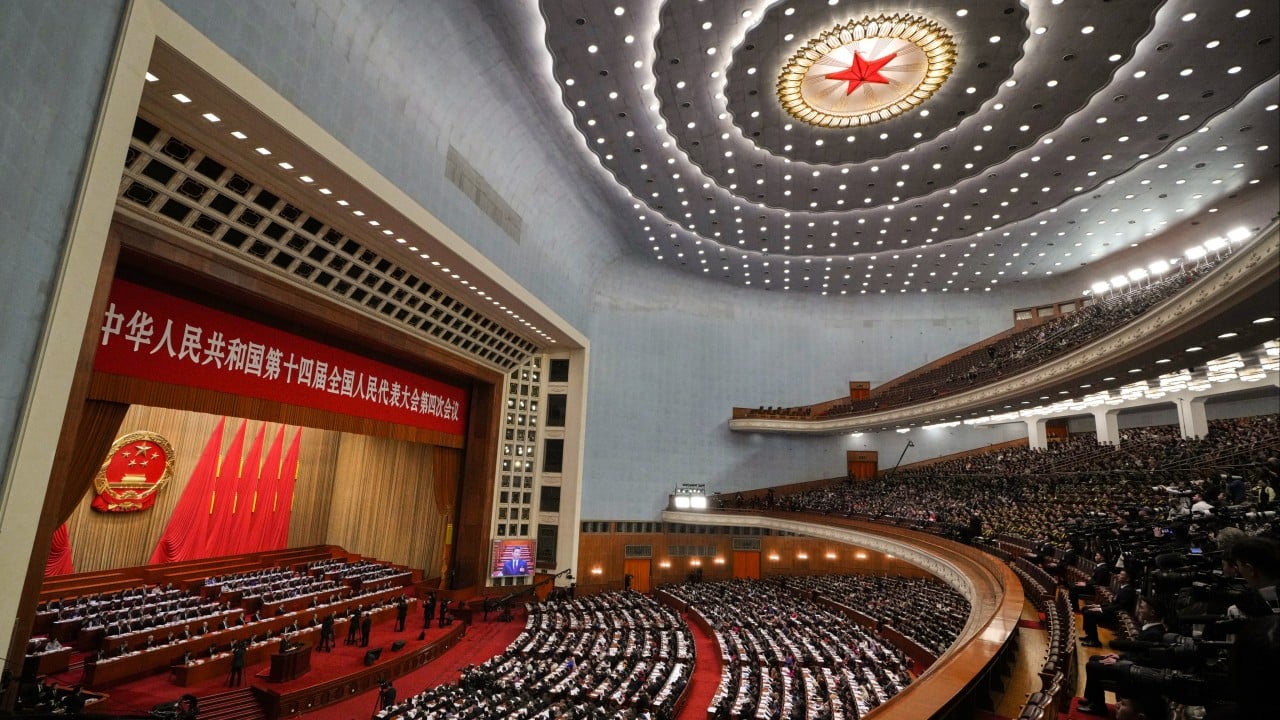
China Bets Billions on AI and Chips in All-Out Push to Beat US Tech Bans
China Bets Billions on AI and Chips in All-Out Push to Beat US Tech Bans China is mobilizing hundreds of billions of dollars in state and corporate investment to achieve self-sufficiency in advanced semiconductors and artificial intelligence (AI), aiming to break a U.S.-led "chokehold" on critical technology [51155]. The nationwide drive, coordinated from Beijing and executed by major provinces and tech giants, marks a strategic pivot from absorbing foreign technology to dominating next-generation fields [59734]. The goal is to eliminate dependencies and secure China’s position as a global leader in foundational technologies. Eastern technology hub Zhejiang has unveiled a five-year plan targeting the manufacture of ultra-advanced AI chips as small as 3 nanometers, a direct counter to American export controls [51155]. Similarly, Shanghai has launched a $10 billion investment plan focused on microchips and AI [43531]. This provincial action aligns with a massive new state-backed semiconductor fund worth over $47 billion, aimed at building a domestic supply chain for chipmaking equipment [86995]. The funding surge is part of a broader national strategy outlined in China's latest five-year planning cycle, which prioritizes "future industries" like AI and aims to break foreign "chokepoints" [95150]. Private corporations are following the state's lead. Smartphone maker Xiaomi is deepening a major five-year investment plan into semiconductors and AI, with its CEO stating that firms must spend on "core technologies" to ensure growth [86064]. The competition is also geographic, with China's two largest economic regions—the Yangtze River Delta and the Greater Bay Area—vying to become the nation's premier AI innovation hub [95148]. President Xi Jinping recently underscored the mission during an inspection of a national technology innovation park in Beijing, reinforcing the political priority of achieving "high-level" technological independence [71486]. Analysts note the strategy represents a fundamental split with the United States, where AI development is market-led, while China is deploying AI as a state-coordinated component of national infrastructure [109135]. The concerted effort highlights how technological self-reliance has moved beyond industrial policy to become a central front in the strategic competition between the two superpowers. China Targets 3nm AI Chips to Break US "Chokehold" China's New Plan: Beat US Tech Rivals with AI and Fusion Power China's Tech Pivot: From "Catch-Up" to Cutting-Edge AI War: US Bets on Markets, China Bets on Control China Bets $47 Billion to Break the Chip Barrier Shanghai Bets $10 Billion on Chips and AI in Tech Race Chinese Provinces Prioritize Tech and Self-Reliance in New Economic Plans Xi Inspects Tech Park, Stakes Claim in Global Innovation Race Xiaomi Bets Billions on Chips and AI as Rivals Build Robots China's Tech Giants Race for AI Dominance


Climate Chaos Becomes the New Normal as Extreme Weather Ravages Globe in 2025
Climate Chaos Becomes the New Normal as Extreme Weather Ravages Globe in 2025 From unprecedented heatwaves and droughts to catastrophic floods and storms, the year 2025 marked a grim turning point where climate-driven disasters became a regular feature of life across the world, scientists and major reports confirm [37315][49594][36941]. Last year was Earth's third hottest on record, but the defining story was a relentless series of extreme and costly weather events that demonstrated a climate system under severe stress [49594]. In Europe, nations faced a relentless cycle of devastating floods, scorching heatwaves, and wildfires, with experts warning these severe events may now be standard [36941]. The United Kingdom's wildlife and landscapes were pushed to a "breaking point" by a destructive cycle of major storms, drought, fires, and floods [36898]. This shift signifies that climate impacts have moved from the headlines directly into everyday routines, with droughts, heatwaves, and water shortages no longer seen as exceptional disasters but as recurring events [37775][37315]. The World Meteorological Organization (WMO) reported that such extreme weather across Africa alone killed thousands, impacted millions, and caused billions in economic losses [113458]. The driving force behind this new reality is human-caused climate change, fueled by record levels of heat-trapping greenhouse gases from burning fossil fuels [36941][113458]. Rising temperatures are changing global weather patterns, leading to more powerful and unpredictable disasters [49594]. The consequences, including melting ice and shifting weather patterns, are set to continue for generations [113458]. The escalating crisis is also creating direct health emergencies. In South Africa, climate change is worsening air pollution, leading to a surge in lung diseases like asthma and bronchitis as wildfires and dust storms increase [110220]. Meanwhile, a "triple planetary crisis" of climate change, biodiversity loss, and pollution is directly threatening food security for millions in Eastern Africa by ruining crops and killing livestock [91481]. In response, the world’s top environmental decision-making body, the United Nations Environment Assembly, recently concluded with a strong call for accelerated global action and enhanced cooperation to tackle the interconnected crises of climate change, biodiversity loss, and pollution [21446]. 2025: The Year Climate Chaos Became Routine 2025: The Year the Weather Broke Europe's 2025 Weather: A New Normal of Extremes? UK Wildlife Pushed to "Breaking Point" by Extreme Weather in 2025 Climate Crisis Costs Africa Billions, Claims Thousands Every Breath a Risk: The Hidden Climate Threat to South Africa's Lungs Triple Planetary Crisis Starves East Africa UN Environment Assembly Demands Urgent Global Action on Climate and Biodiversity
U.S. Alliances Fracture as Trump's Unpredictability Forces Global Realignment
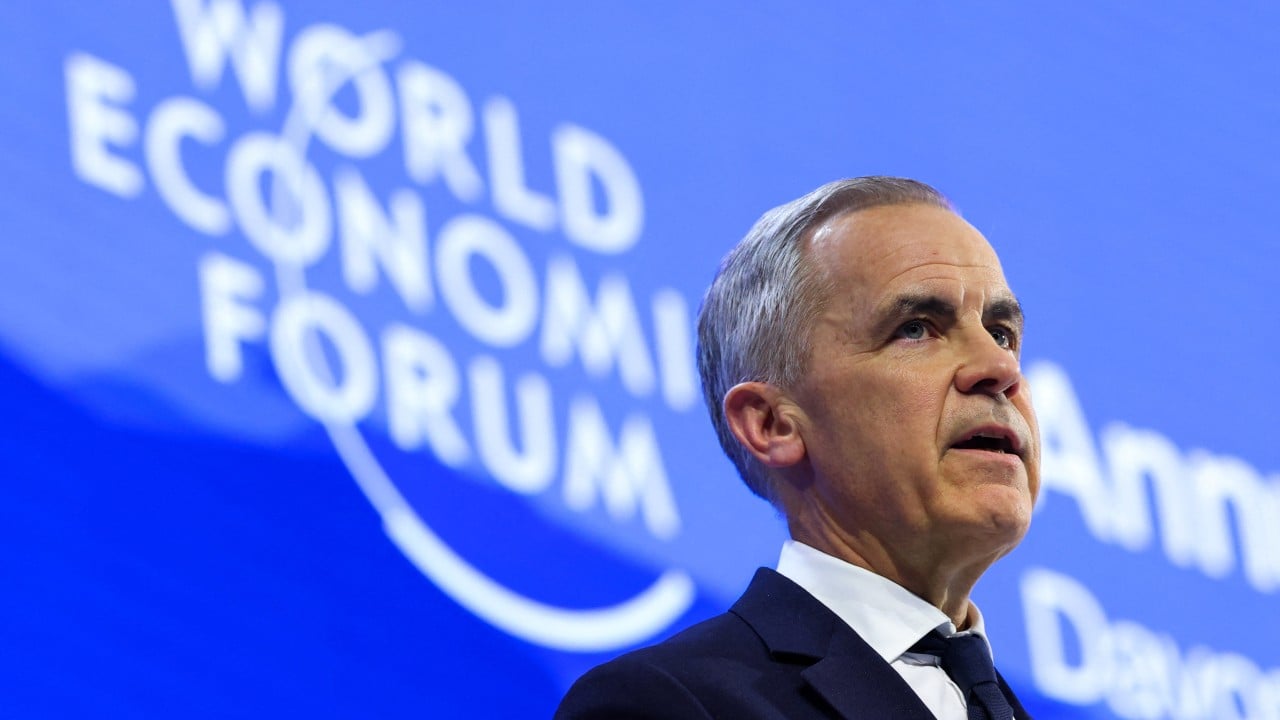
U.S. Alliances Fracture as Trump's Unpredictability Forces Global Realignment A wave of uncertainty emanating from Washington is pushing America's closest allies to fundamentally rethink their dependence on the United States, according to analysts and world leaders. The catalyst is a series of unpredictable statements and policy threats from President Donald Trump that have strained diplomatic ties and shaken confidence in U.S. commitments [57549]. The shift was palpable at the recent World Economic Forum in Davos, Switzerland, where leaders from allied nations avoided direct criticism of China while making indirect but clear critiques of the United States [57270]. The central question among diplomats was whether the American-led world order is irreparably fraying [57549]. "The era of unquestioned American global leadership is ending," said one analyst, describing a new period of "Lax Americana" where U.S. influence is declining as strategic partnerships weaken [109910]. Key allies in Europe and Asia now openly question American reliability, citing a U.S. withdrawal from international agreements and a focus on domestic politics over consistent foreign policy [109910]. This reassessment is forcing a global realignment. Countries that have long relied on the United States for security and economic stability are actively pursuing new strategies to reduce their vulnerability [55531]. In Southeast Asia, the 10-nation Association of Southeast Asian Nations (ASEAN) bloc is working to diversify its trade partnerships and attract investment from Europe, India, and the Middle East to lessen its reliance on both the U.S. and China [103588]. The concern is no longer confined to trade wars but extends to the stability of global finance itself [46382]. Financial experts have coined the term "US risk" to describe growing fears that America's own political divisions and economic policies could destabilize investments, a major shift from when the U.S. was considered the world's safest bet [35492]. While the United States remains a military and economic superpower, its role is transforming from the single leader of a united bloc to one major power among many in an increasingly fragmented world [109910]. The result, observers warn, is a less predictable international system where nations are being forced to adapt to a new and uncertain balance of power [57847]. World Shifts Toward China as Trump Upends Old Order Trump Stuns Davos: Allies Question U.S. Commitment U.S. Global Leadership Fades as Alliances Fracture, Experts Warn Trump's Threats Force Allies to Rethink U.S. Dependence ASEAN Seeks New Partners as US-China Trade War Rages Wall Street Warns: "US Risk" Is the New Buzzword The Atlantic Splinters: As U.S. Power Wanes, Greenland Becomes a New Front


Tourist Hotspots Are Hitting a Breaking Point as 80% of Destinations Grapple with Overtourism
Tourist Hotspots Are Hitting a Breaking Point as 80% of Destinations Grapple with Overtourism From the favelas of Rio to the canals of Venice, popular travel destinations worldwide are being overwhelmed by a flood of visitors, damaging local life and straining environments. Experts point to social media and cheaper travel for creating sudden "must-see" trends that can quickly overwhelm a place [80040]. The phenomenon is redirecting tourist traffic in dramatic and sometimes unexpected ways. In Rio de Janeiro, a single rooftop in the Rocinha favela, dubbed the "Gateway to Heaven," has become a global pilgrimage site due to viral videos, bringing new crowds and income to the dense residential area [101397]. In Venice, a simple wooden dock gained fame as the "Kardashian Jetty" after being used by celebrities, turning a routine spot into a major attraction [51924]. This surge is not limited to cities. In northern Greece, a "pink veil" of peach blossoms in the Veria region is drawing thousands of visitors from across Europe, providing a major boost to local farmers and services [110288]. Similarly, remote natural areas are feeling the pressure. In New Zealand, a coastal site now offers controlled encounters with wild stingrays, capitalizing on visitor desire for unique wildlife experiences [70326]. Local governments and communities are scrambling to respond. Solutions being implemented or considered include tourist taxes, promoting off-season travel, and redirecting visitors to less crowded areas [80040]. Some places are building entire economic strategies around managing this influx. The Indian-administered region of Kashmir is actively promoting its ski slopes and mountain resorts, investing in new infrastructure to attract visitors and rebuild an economy long defined by conflict [46233]. The Gambia recently welcomed a cruise ship as part of a strategic push to become a major cruise destination in West Africa [130879]. The core challenge is balancing the economic benefits of tourism with the need to protect local communities, cultures, and ecosystems [80040]. As one tourism expert noted, travelers in 2026 will increasingly seek "more meaningful tourism," driven by personalized experiences and stories from popular media, a trend that may further disperse crowds to new, and potentially unprepared, locations [36959]. Tourist Destinations Hit Breaking Point: What Causes the Crush? Viral 'Gateway to Heaven' Rooftop Floods Rio Favela with Tourists Venice's New Tourist Hotspot: The 'Kardashian Jetty' Greece's "Pink Veil" Lures Thousands as Peach Blossoms Bloom Pat a 300kg "Sea Puppy"? In New Zealand, You Can. Ski Resorts or Soldiers? Kashmir Bets on Tourism Over Conflict Gambia Welcomes Cruise Ship as Tourism Strategy Pays Off Beyond Paris: TV Drives 2026 "Meaningful Tourism" Trend


Climate Crisis Creates World's First Official Climate Migrants as Tuvaluans Relocate to Australia
**Climate Crisis Creates World's First Official Climate Migrants as Tuvaluans Relocate to Australia** A small group of people from the Pacific island nation of Tuvalu have arrived in Australia, marking a historic moment as the world's first officially recognized climate migrants [25540]. They are the initial arrivals under a new, special visa pathway established by Australia specifically for Tuvaluans displaced by the existential threat of climate change [10674]. The program allows up to 280 Tuvalu citizens to relocate to Australia each year, granting them the right to live, work, and study with a clear path to citizenship [25540]. Australia created the visa in direct response to the severe environmental challenges facing Tuvalu, a low-lying atoll nation where rising sea levels are eroding land and increasing destructive flooding [10674]. Experts warn that these climate-driven changes could render parts of Tuvalu uninhabitable in the coming decades [25540]. The migration agreement, announced in late 2023, is part of a broader partnership that also includes Australian funding for coastal reclamation and climate adaptation projects in Tuvalu [10674]. This organized relocation represents a significant shift in how nations are planning for long-term population displacement caused by environmental factors. The arrival of the first group under this formal government program highlights a growing global reality where climate change is directly driving permanent human migration [25540]. Tuvalu Citizens Arrive in Australia as First Official Climate Migrants Australia Opens Special Visa Pathway for Climate-Affected Tuvaluans


Trump Eyes Greenland Purchase, Questions NATO in Global Power Play
Trump Eyes Greenland Purchase, Questions NATO in Global Power Play Former President Donald Trump has renewed his controversial push for the United States to purchase Greenland while publicly questioning the value of the NATO alliance, combining real estate ambition with a blunt challenge to a cornerstone of U.S. foreign policy [55297][55327]. Speaking at the World Economic Forum in Davos, Switzerland, Trump stated the U.S. should be allowed to acquire the vast, autonomous Arctic territory from Denmark. He claimed he did not want to use force but called for immediate negotiations to buy the island [55297][55327]. This follows previous reports that his methods have included cash offers to Greenlanders, threats of tariffs against Denmark, and a refusal to rule out military force [50444]. During the same high-profile address, the former president lambasted European members of the North Atlantic Treaty Organization (NATO) for not paying their share, declaring the U.S. was treated "very unfairly" [55327]. His comments represent a serious public challenge to the decades-old military pact that has defined trans-Atlantic security since the Cold War [55297]. Analysts note the dual focus of the speech largely ignored traditional "soft power" diplomacy, emphasizing instead direct demands and economic nationalism [55327]. Historians have drawn comparisons between Trump's territorial ambitions and 19th-century imperialism, warning that his strategy of pursuing land while dismissing diplomatic alliances rejects the post-World War II international order [58552]. Both the Danish and Greenlandic governments have consistently and firmly stated that the strategically important island is not for sale, rejecting the premise of any transaction [50444]. The renewed push highlights Trump's unorthodox approach to geopolitics, where strategic interests are conflated with expansionist propositions that experts describe as unrealistic [50444]. Trump at Davos: Questions NATO, Wants to Buy Greenland Trump Eyes Greenland: Cash, Threats, and Military Force Trump at Davos: Skips Soft Power, Targets Greenland and NATO Allies Trump's 'New Imperialism': Land Grabs and a Rejected World Order
Latest Articles

Top UK Diplomat Quits After Clashing Over Cuts
A senior British civil servant, brought in to slash costs at the Foreign Office, has resigned after a short and turbulent tenure. Olly Robbins, a po...