Latest News
Stay updated with the latest news and articles
Top Stories
Fuel Price Protests Erupt in Ireland as Global Oil Crisis Hits Home
Fuel Price Protests Erupt in Ireland as Global Oil Crisis Hits Home A wave of fuel price protests has brought parts of Ireland to a standstill, prompting an emergency government response as a global oil crisis triggered by multiple conflicts drives pump prices to painful new highs worldwide. The Irish cabinet convened for crisis talks after five consecutive days of demonstrations [126425]. Protesters have blocked access to a major oil refinery and key terminals, preventing fuel deliveries and causing hundreds of service stations across the country to run dry [126425][126288]. The demonstrators cite the soaring cost of living, with fuel prices a central grievance, and have caused significant traffic disruptions [126288]. The Irish unrest is a direct symptom of a turbulent global oil market. Analysts point to a confluence of conflicts driving the surge. The war between Israel and Iran has disrupted supplies and pushed prices upward [117884][124783]. Simultaneously, Ukrainian drone strikes targeting Russian oil refineries are damaging critical infrastructure and injecting volatility into energy markets [125638]. Any threat to Middle Eastern shipping, such as a recent drone attack on a tanker near the UAE, sends prices spiking further [116225]. The shock is being felt on multiple continents. In South Africa, drivers rushed to fill tanks ahead of a record-high price increase, despite a government tax cut meant to soften the blow [117884][117581]. Analysts there had warned of hikes up to 8 Rand per litre as global crude prices jumped [95663]. In China, the government imposed its largest fuel price increase of the year, leading to long queues at stations as drivers tried to beat the midnight deadline [109102]. The price spikes are altering consumer behavior in some regions. In several European countries, online searches and inquiries for electric vehicles have surged dramatically since the Iran conflict began, as drivers seek alternatives to expensive petrol [127014]. With a fragile proposed Gaza ceasefire influencing market fears and Ukrainian drones continuing to strike Russian energy sites, analysts warn significant price relief is unlikely in the near future [124783][125638]. The situation underscores how distant conflicts now translate directly into higher costs for everyday consumers and the potential for social unrest. Fuel Crisis Forces Irish Cabinet to Emergency Talks Fuel Protests Block Irish Refinery, Disrupt Travel South Africa Braces for Record Fuel Price Surge Ukraine's Drone Surge Hits Russian Energy, Shakes Global Markets Drivers Race to Pumps Ahead of China's Biggest Fuel Price Jump of 2024 South Africa Cuts Fuel Tax, But Drivers Still Hit by Record Price Hike Fuel Prices Climb as Gaza Ceasefire Hopes Fade South Africa Braces for R8/Litre Petrol Shock Iran War Fuel Shock Drives Europeans to Electric Cars Drone Attack on Tanker Sends Oil Soaring Past $115
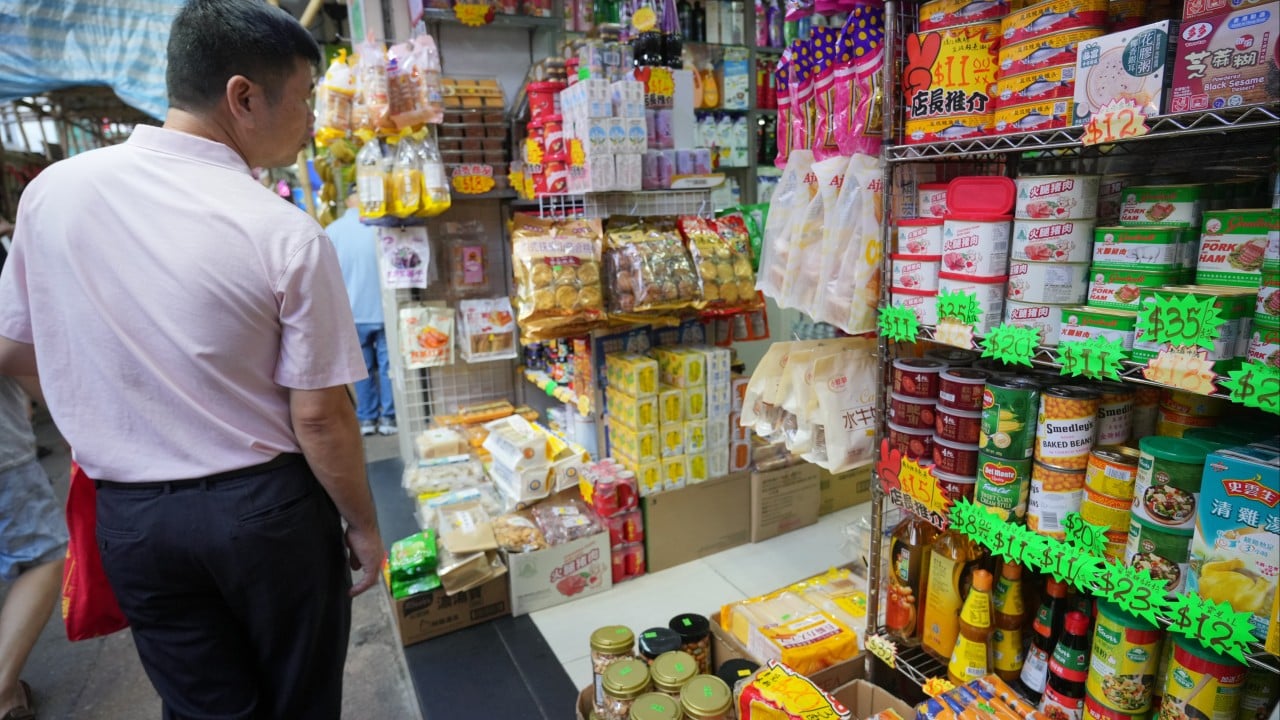

Syrian Army and Kurdish Forces Clash in Aleppo, Forcing Thousands to Flee
Syrian Army and Kurdish Forces Clash in Aleppo, Forcing Thousands to Flee Intense fighting between Syrian government forces and Kurdish-led fighters has shattered a fragile truce in Aleppo, triggering a mass exodus of civilians and threatening to unravel relative stability in northern Syria [44512][45585][45588]. The clashes, focused in Aleppo's northern suburbs and the Deir Hafer district, have forced thousands of families to flee their homes, according to local aid groups [44512][45585][49667]. The violence marks a significant escalation in the long-running standoff between the Syrian Arab Army and the US-backed Syrian Democratic Forces (SDF), a coalition of Kurdish and Arab fighters [43634][45585]. The fighting erupted after political talks aimed at resolving the conflict between Damascus and the Kurdish-led administration stalled [45585]. Both sides have exchanged blame for initiating the hostilities, which have resulted in multiple deaths [44512][44088]. A brief ceasefire was ordered by both sides following deadly clashes earlier in the week, but the situation remains highly tense [32516]. The Syrian army's advance near Aleppo has led to expanded evacuation orders, sparking a rapid civilian flight from the area [45588]. Those displaced join millions of other Syrians already uprooted by the country's 14-year civil war [45588][127054]. The stalemate between the central government and the SDF, which controls large parts of northern and eastern Syria, is deepening and becoming more deadly, analysts warn [44512][49667]. The SDF was a leading US ally against the Islamic State group but is viewed as an illegal militia by the Syrian government [43634]. The renewed combat threatens to create a severe humanitarian crisis in Aleppo province, which already hosts many people displaced from earlier phases of the war [45585]. The United Nations has repeatedly warned that any major new offensive in Syria risks catastrophe [45585]. **Syria's Aleppo Truce Shatters, Thousands Flee as U.S. Mediates** Aleppo Exodus: Fighting Erupts as Syria Peace Talks Fail **Syrian Army Advances on Aleppo, Sparking Mass Exodus** Syrian Army and US-Backed Forces Clash in Aleppo Fresh Clashes Erupt Between Syrian Army and Kurdish Forces **Syrian Forces and Kurds Clash, Then Halt Fire After Deadly Fighting** Aleppo Clashes Follow Secret Syria-Israel Talks Syria Detains, Expels Kurds in Aleppo as US Bombs ISIS

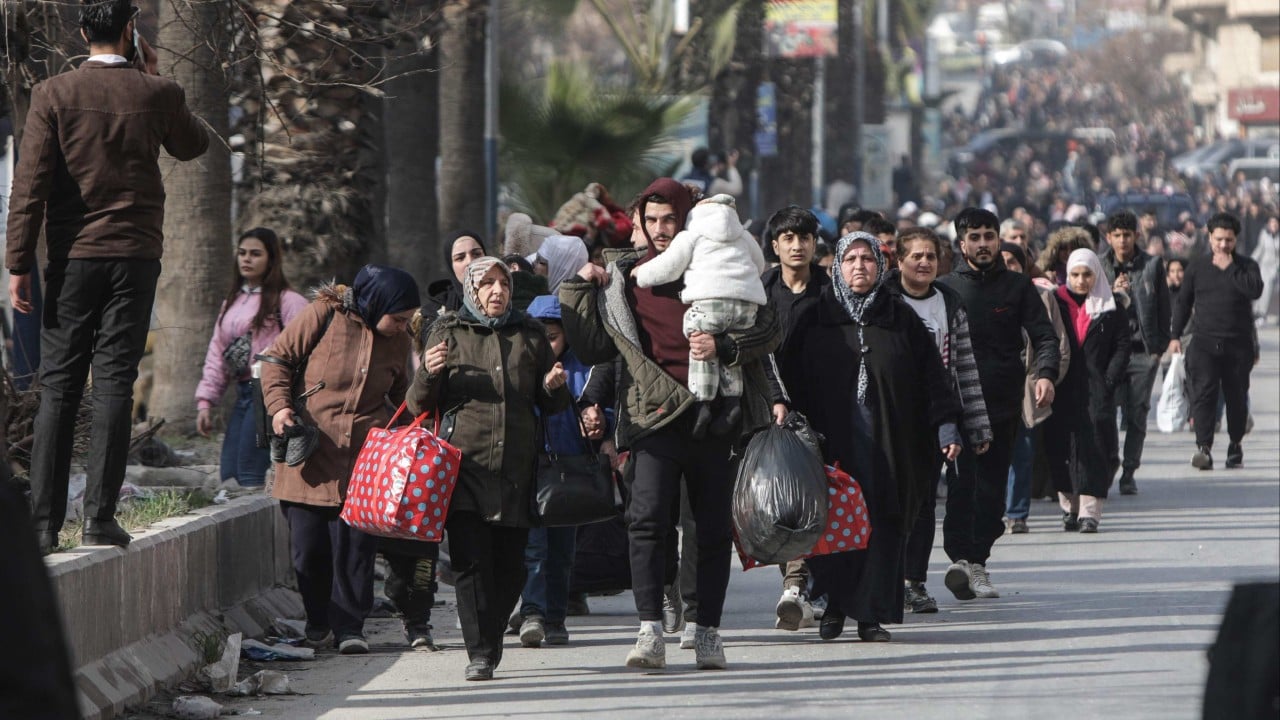

China Bets Billions on AI and Chips to Break U.S. Tech "Chokehold"
China Bets Billions on AI and Chips to Break U.S. Tech "Chokehold" China is mobilizing hundreds of billions of dollars in state-backed investment to achieve self-sufficiency in advanced semiconductors and artificial intelligence, aiming to break through U.S.-led technological restrictions and dominate next-generation industries [51155][86995][95150]. Multiple provinces and tech hubs are rolling out aggressive five-year plans targeting breakthroughs in chip manufacturing and AI development. The eastern province of Zhejiang has announced a goal to produce semiconductors as small as 3 nanometers, a direct effort to counter U.S. export controls described as a strategic "chokehold" [51155]. This provincial push follows a national directive for technological independence [51155][59734]. At the national level, a new state-backed semiconductor fund worth over $47 billion has been launched to finance the development of domestic chipmaking equipment, an area currently dominated by American, Japanese, and Dutch firms [86995]. Major cities are following suit, with Shanghai alone launching a $10 billion investment plan focused on microchips and AI [43531]. The financial commitment is staggering. China's draft national budget allocates 426.42 billion yuan (US$61.7 billion) specifically for science and technology, targeting "future industries" like AI, satellite internet, and electric vehicles [93804]. At least 22 provincial-level governments have published economic plans prioritizing high-tech industries such as semiconductors and AI, aligning with national goals for supply chain security [19492]. This strategic pivot marks a fundamental shift from China's decades-long model of acquiring foreign technology to one focused on creating and controlling cutting-edge innovations [59734]. The approach contrasts sharply with the U.S., where AI development is primarily market-driven; China's model is defined by state coordination and integrating AI as core national infrastructure [109135]. The visit by President Xi Jinping to a major technology innovation park in Beijing underscored the national priority placed on achieving "high-level" technological independence [71486]. Private tech giants are aligning with this mission, with companies like Xiaomi announcing intensified multi-billion dollar investments into "core technologies" like semiconductors and AI [86064]. Analysts see the concerted push as a direct response to export controls from the U.S. and its allies, with the goal of building a complete, homegrown supply chain from materials to manufacturing [86995]. The broader national strategy, outlined in planning documents for 2026-2030, explicitly aims to break foreign "chokepoints" in strategic industries and includes frontier technologies like advanced AI and nuclear fusion [95150]. China Targets 3nm AI Chips to Break US "Chokehold" China Bets $47 Billion to Break the Chip Barrier China's New Plan: Beat US Tech Rivals with AI and Fusion Power Shanghai Bets $10 Billion on Chips and AI in Tech Race China's $62 Billion Bet Mirrors Musk's Vision Chinese Provinces Prioritize Tech and Self-Reliance in New Economic Plans Xi Inspects Tech Park, Stakes Claim in Global Innovation Race Xiaomi Bets Billions on Chips and AI as Rivals Build Robots China's Tech Pivot: From "Catch-Up" to Cutting-Edge AI War: US Bets on Markets, China Bets on Control

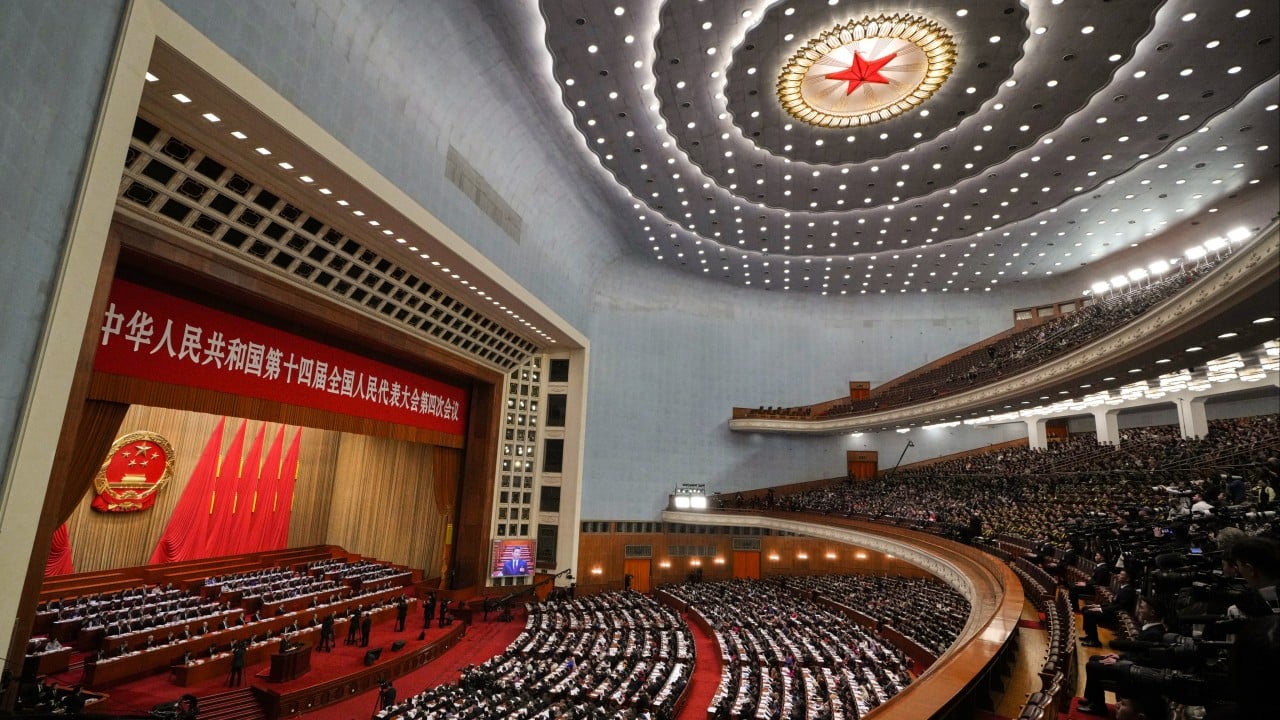
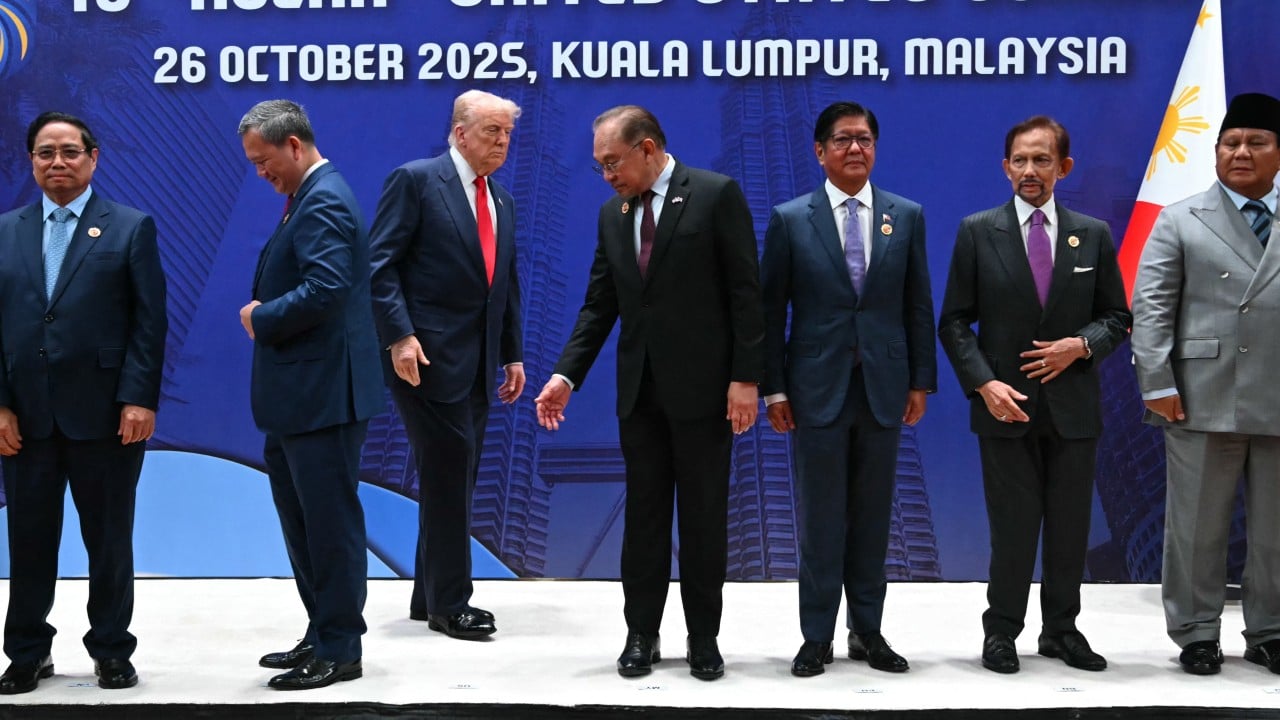
Climate Chaos Goes Global: 2025's Extreme Weather Kills Thousands, Costs Billions
Climate Chaos Goes Global: 2025's Extreme Weather Kills Thousands, Costs Billions A relentless wave of climate-driven disasters in 2025 killed thousands, displaced millions, and caused billions in economic losses worldwide, cementing extreme weather as a dangerous new normal. From catastrophic floods in Europe to crippling droughts in Africa, the year marked a turning point where climate impacts moved from alarming headlines into the fabric of daily life, according to scientific and institutional reports [36941][49594][37315][37775]. The World Meteorological Organization (WMO) confirmed the severe toll, reporting that extreme weather on the African continent alone claimed thousands of lives, impacted millions, and resulted in billions of dollars in damage [113458]. This human and economic cost underscores a broader global pattern, with 2025 ranking as the planet's third hottest year on record [49594]. Scientists directly link the increasing frequency and intensity of these disasters to human-caused climate change, driven by greenhouse gas emissions from burning fossil fuels [36941][49594]. The consequences were felt across ecosystems and societies. In the United Kingdom, a major conservation charity warned that nature was pushed to a "breaking point" by a destructive cycle of storms, heat, drought, and floods that characterized the year [36898]. The shift was not merely meteorological but perceptual. Experts note that events like droughts, heatwaves, and wildfires ceased to be seen as exceptional emergencies and instead became regular, expected occurrences [37775][37315]. This normalization of climate chaos presents a fundamental challenge to global resilience. The interconnected nature of the crisis is starkly visible in Eastern Africa, where a "triple planetary crisis" of climate change, biodiversity loss, and pollution is now directly threatening regional food security by ruining crops and killing livestock [91481]. Similarly, in South Africa, climate change is exacerbating air pollution—intensifying wildfires and dust storms—leading to a surge in respiratory illnesses like asthma and bronchitis, particularly among children and the elderly [110220]. In response to the escalating emergency, the United Nations Environment Assembly (UNEA-7) concluded with a strong call for accelerated global action, urging member states to enhance cooperation on the intertwined crises of climate change, biodiversity loss, and pollution [21446]. The assembly emphasized that strengthening "planetary resilience"—the ability of natural and human systems to withstand shocks—is now an urgent multilateral priority [21446]. Europe's 2025 Weather: A New Normal of Extremes? 2025: The Year the Weather Broke UK Wildlife Pushed to "Breaking Point" by Extreme Weather in 2025 UN Environment Assembly Demands Urgent Global Action on Climate and Biodiversity 2025: Climate Crisis Becomes Daily Life Triple Planetary Crisis Starves East Africa Climate Crisis Costs Africa Billions, Claims Thousands Every Breath a Risk: The Hidden Climate Threat to South Africa's Lungs 2025: The Year Climate Chaos Became Routine
Trump Threatens to Blockade World's Key Oil Chokepoint as Iran War Strains Global Economy
Trump Threatens to Blockade World's Key Oil Chokepoint as Iran War Strains Global Economy Global financial leaders are convening in Washington this week as a dangerous military standoff between the United States and Iran threatens to upend the world economy. The crisis escalated after U.S. President Donald Trump announced plans to impose a blockade on the Strait of Hormuz, a critical maritime passage for nearly a third of the world's seaborne oil, following the collapse of peace talks [126956]. The threat has sent shockwaves through global markets and is the dominant concern at the spring meetings of the International Monetary Fund (IMF) and World Bank. Officials are grappling with the largest oil price shock in decades, driven by the ongoing U.S.-Israeli conflict with Iran, which is fueling inflation and risking a worldwide economic slowdown [126839][126928]. Top central bankers and finance ministers are urgently assessing the "spillover" effects, fearing that surging energy costs and shipping disruptions could reverse recent economic progress [126928]. President Trump stated the blockade decision came after Iran refused to abandon its nuclear program, which Tehran insists is for peaceful purposes. Military experts note that a formal naval blockade is considered an act of war [126956]. The U.S. strategy appears aimed at crippling Iran's oil exports to force concessions, but analysts warn the two sides are locked in a high-risk stalemate with no clear path to de-escalation [127074]. The economic turbulence arrives as the global economy already faces a precarious balance between high inflation and slowing growth [126929]. The new war-driven risks darken the outlook, forcing policymakers to weigh fighting price rises against supporting growth—a challenge compounded by the potential for a severe energy supply shock [126928]. The confrontation is also testing international alliances. European leaders have notably refused to join U.S. and Israeli military actions against Iran, a stance that has strained the transatlantic partnership and raised questions about the future of Western security cooperation [127121]. Meanwhile, the unpredictable U.S. foreign policy is causing allies worldwide to question American reliability and is pushing some nations to cautiously build their own security and economic capabilities [127045][57549]. Trump Threatens Strait of Hormuz Blockade After Iran Talks Fail IMF, World Bank Confront Wartime Oil Shock in Washington Iran War Costs to Dominate Global Economic Talks Trump Tests Iran's Limits: A Dangerous Game of Will Trump's Iran War: A Warning for Asia? Global Economy at a Crossroads: IMF, World Bank Convene Amid Growth and Inflation Fears NATO Shifts as Trump Rhetoric Sows Doubt Trump Stuns Davos: Allies Question U.S. Commitment


Tourism Hotspots Hit Breaking Point as Crowds Overwhelm Cities and Nature
Tourism Hotspots Hit Breaking Point as Crowds Overwhelm Cities and Nature From the favelas of Rio to the ancient streets of Venice, popular destinations worldwide are struggling under the weight of too many visitors, a phenomenon experts call "overtourism" [80040]. The crush is damaging local life, straining infrastructure, and threatening the very sites people flock to see. The problem is accelerating, driven by social media and cheaper travel, which can create sudden "must-see" trends that overwhelm a location almost overnight [80040]. In Rio de Janeiro, a single rooftop in the Rocinha favela, dubbed the "Gateway to Heaven" for its photogenic view of Christ the Redeemer, has become a global pilgrimage site due to viral videos. Tourists now wait for hours, with local guides offering special motorbike taxi rides up the narrow streets to reach the spot [101397]. Similarly, in Venice, a simple wooden dock outside a luxury hotel—dubbed the "Kardashian Jetty" after a celebrity used it during a high-profile wedding—has become an unlikely tourist magnet. Visitors now seek out this floating jetty and other locations linked to the event, reshaping tourist traffic in the historic city [51924]. The impact extends beyond cities. In Morocco's Atlas Mountains, the trail to North Africa's highest peak, Mount Toubkal, is a major draw. The influx has transformed local economies, with many residents shifting from traditional farming to tourism work [83740]. In South Africa's Kalk Bay, wild seals have become a daily tourist spectacle as they waddle into the fishing village to beg for scraps, creating a direct, and sometimes disruptive, interaction between industry and wildlife [55467]. Local governments and communities are scrambling for solutions. Measures include implementing tourist taxes, promoting off-season travel, and redirecting visitors to less crowded areas to balance economic benefits with the need to protect local communities and cultural sites [80040]. Some pioneers are offering alternatives, like community-based tourism in the Indian Himalayas, where treks connect travelers with remote villages to support traditional life and reduce urban migration [100125]. Experts predict a longer-term shift, with travelers in 2026 increasingly "looking for more meaningful tourism" and deeper cultural experiences beyond crowded landmarks, inspired in part by popular TV shows and films [36959]. For now, however, the pressure on the world's most famous spots continues to build. Tourist Destinations Hit Breaking Point: What Causes the Crush? Viral 'Gateway to Heaven' Rooftop Floods Rio Favela with Tourists Venice's New Tourist Hotspot: The 'Kardashian Jetty' From Walnuts to Tourists: A Changing Valley Leads to North Africa's Peak Seals Beg at the Fish Market: A South African Village's Daily Show Village Tourism Pioneer Fights Urban Flight in India's Himalayas Beyond Paris: TV Drives 2026 "Meaningful Tourism" Trend
Iranians Flee Bombs, Others Rush Back as War Tears Families Apart
Iranians Flee Bombs, Others Rush Back as War Tears Families Apart A remote mountain pass between Iran and Turkey has become a stark symbol of the brutal choices civilians face in wartime, with a surge of Iranians crossing the border in both directions to escape bombs or reunite with endangered family. The Kapıköy crossing, once a route for tourists, is now a critical escape and return point. Eyewitnesses report a steady stream of refugees entering Turkey, fleeing relentless military strikes and government-imposed internet blackouts inside Iran [95980][119947]. "Every night they are bombarding," said one recent arrival, who gave only the name Amir for safety [119947]. In a contrasting movement, other Iranians are making the perilous journey in the opposite direction, returning from Turkey to Iran. They are driven by fears for relatives trapped in conflict zones and an inability to contact them due to widespread communication disruptions [95980][119947]. The snow-covered pass is one of the few direct routes from Iran to the west, forcing families into agonizing decisions between personal safety and the safety of loved ones [119947]. The dual flow highlights the war's divisive impact on the civilian population. People are moving in opposite directions for the same fundamental reasons: seeking security and protecting their families amid intensifying violence [119947]. Two-Way Flight: Iranians Flee Bombs, Others Rush Back to Family Iranians Cross Border in Both Directions as War Intensifies

Trump Revives Bid to Buy Greenland, Using Tariff Threats and Cash Offers
Trump Revives Bid to Buy Greenland, Using Tariff Threats and Cash Offers Former President Donald Trump is renewing his controversial push for the United States to purchase Greenland, employing a mix of financial offers, tariff threats, and public pressure tactics more common to real estate deals than international diplomacy. The autonomous Danish territory has repeatedly stated it is not for sale [50444]. Speaking at the World Economic Forum in Davos, Switzerland, Trump publicly called for negotiations to buy the massive Arctic island, while also taking aim at NATO allies over defense spending [55297][55327]. He stated he does not want to use military force for the acquisition but emphasized his desire for a transactional approach [55327]. This follows earlier reports that his methods have included direct cash offers to Greenlanders and threats to impose tariffs on Denmark if the sale is blocked [50444]. Greenland holds significant strategic value due to its location in the Arctic, a region of growing importance for shipping lanes and natural resource extraction [50444]. Trump’s interest, however, has been consistently and firmly rejected by both the Greenlandic and Danish governments [50444][52669]. Analysts see the approach as an attempt to apply high-pressure business tactics to geopolitics, a strategy they warn is destined to fail [52669][87536]. Experts point out that Greenland is a modern, self-governing nation whose future cannot be decided by economic coercion [52669]. They argue that tariff threats are an ineffective tool, as damaging Greenland's economy would likely harden local opposition rather than force a sale [52669]. The public revival of the proposal on a global stage underscores Trump’s unorthodox foreign policy, which often sidelines traditional diplomacy and "soft power" in favor of direct demands and economic nationalism [55327]. The push combines a serious geopolitical goal—expanding U.S. presence in the Arctic—with a method that critics equate with a bygone era of imperial expansion [58552]. Trump at Davos: Questions NATO, Wants to Buy Greenland Trump Eyes Greenland: Cash, Threats, and Military Force Trump at Davos: Skips Soft Power, Targets Greenland and NATO Allies Trump's Tariff Plan Fails to "Capture" Greenland

India's Farmers Rise Up, Fearing U.S. Trade Deal Will Crash Crop Prices
India's Farmers Rise Up, Fearing U.S. Trade Deal Will Crash Crop Prices Thousands of Indian farmers have taken to the streets and blocked major highways, launching a wave of protests against a new trade agreement with the United States that they fear will flood the market with cheap imports and destroy their livelihoods [75183]. The protests, which have seen tractors and trucks used to barricade roads around the capital, New Delhi, center on concerns that the deal will force India to lower import taxes on American agricultural goods [75183]. Farmers argue this would allow subsidized U.S. produce to enter the country at lower prices, undercutting local growers and collapsing the income they rely on [73750]. A core demand of the protest movement is a legal guarantee from the government to continue its system of minimum support prices for key staple crops like wheat and rice [73750]. This system sees the government purchase these crops at set prices, providing a safety net for farmers' incomes. Protest leaders say they do not trust government assurances that the trade pact includes safeguards for the agriculture sector, demanding the deal be scrapped entirely [75183]. The agreement, struck during a visit by former U.S. President Donald Trump, represents a significant diplomatic achievement for Prime Minister Narendra Modi in strengthening ties with a major partner [73750]. However, it has ignited immediate domestic tension with the nation's massive farming community, a crucial voting bloc with deep political influence [73750]. Officials have stated that the minimum price system remains protected and negotiations with farmer unions are ongoing [73750]. Police have heightened security at key entry points to Delhi as the standoff continues, with no immediate resolution in sight [73750]. Indian Farmers Strike, Fearing U.S. Trade Deal Will Flood Market India's Farmers Protest as Modi-Trump Trade Pact Threatens Key Crop Prices
U.S. Forces Capture Venezuelan President Maduro in Military Strike, Plan to "Run" Country
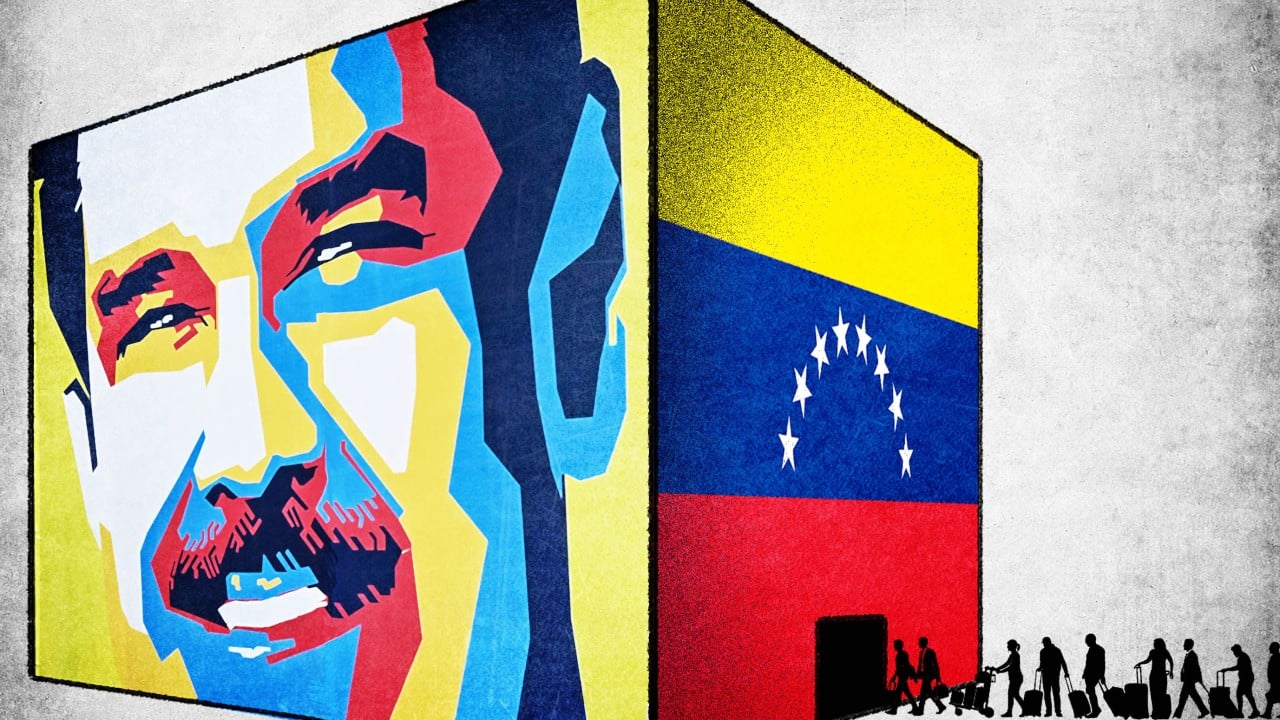
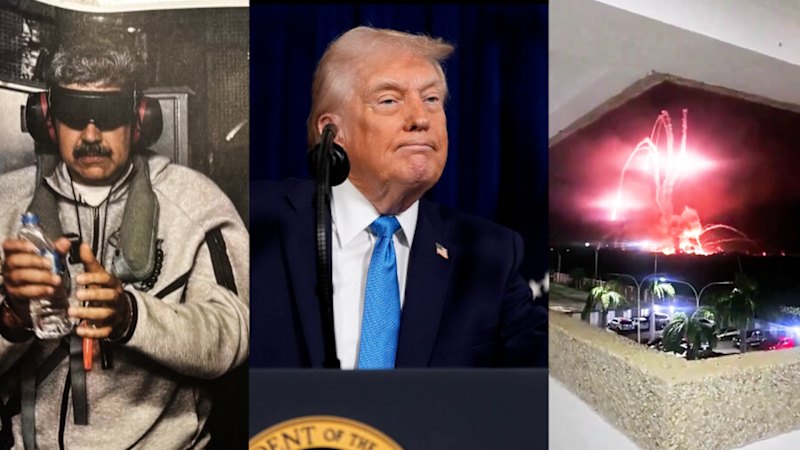
U.S. Forces Capture Venezuelan President Maduro in Military Strike, Plan to "Run" Country In a dramatic and unprecedented escalation, United States military forces have captured Venezuelan President Nicolás Maduro and his wife, Cilia Flores, following a series of strikes on Venezuelan territory. The operation, which occurred on Saturday, January 3, has removed the long-time leader from power and plunged the South American nation into a leadership crisis [41033][41227][41379]. Former U.S. President Donald Trump, who announced the operation, stated that the United States will now "run" Venezuela [41227][41055][42114]. He emphasized a key goal is to "take back the oil" and fix the country's collapsed oil infrastructure, aiming to access Venezuela's vast proven reserves, the largest in the world [40871][41227][41525]. Maduro and his wife have been taken to New York, where they will face criminal charges, including terrorism and drugs offenses [41136][40871][40942]. U.S. officials have long labeled Maduro's government as illegitimate, accusing it of corruption, human rights abuses, and stealing elections [41136][40668][41525]. The immediate aftermath has created a dangerous power vacuum, with no clear successor named within Venezuela [41136]. The U.S. action represents a direct military intervention in a sovereign nation, a move that analysts say sets a dangerous global precedent and marks a major shift in foreign policy [40737][41525]. The Venezuelan government has not issued an immediate public response, and the status of the country's military and remaining officials is unclear [40668][41379]. The long-term plan for governing Venezuela's 30 million people remains uncertain. The nation is already suffering from a profound economic collapse, hyperinflation, and a severe humanitarian crisis despite its oil wealth [42114][40871]. U.S. Forces Capture Venezuelan President in Military Strike Venezuela Leader Ousted in U.S. Strike, Faces Charges in New York US Strikes Venezuela, Captures President Maduro U.S. Captures Venezuela's President in Secret Operation U.S. Forces Capture Venezuelan President Nicolás Maduro US Strikes Venezuela, Abducts President Maduro US Captures Venezuelan President in "Large-Scale Strike" U.S. Military Strike Captures Venezuelan Leader Maduro U.S. Captures Maduro: What Now for Venezuela? US Seizes Venezuelan President, Vows to "Run" Country and "Take Back the Oil" U.S. Claims Capture of Venezuelan Leader in Military Strike U.S. Strikes Venezuela, Captures President Maduro US Captures Venezuelan President in Military Strike U.S. Strikes Venezuela, Captures President Maduro
Latest Articles

Trucking Fleets "Reincarnate" to Erase Deadly Safety Records
Some trucking companies are using a dangerous trick to stay on the road. They are dodging federal safety crackdowns by shutting down and reopening un...

Pope and President Clash Over Iran, Immigration
Pope Leo XIV and U.S. President Donald Trump are in a public disagreement over two major policies. The conflict involves the American-led war in Iran...

DHS Investigates Congressman Over Unauthorized Nanny
The U.S. Department of Homeland Security (DHS) is investigating allegations that Democratic Congressman Eric Swalwell hired a nanny who was not autho...

Trump Threatens Blockade of Key Global Oil Passage
President Donald Trump says the United States will impose a naval blockade on the Strait of Hormuz. The announcement follows the collapse of peace ta...

Swalwell Exits Governor Race After Assault Allegation
U.S. Representative Eric Swalwell has ended his campaign for Governor of California. He stopped his bid following pressure from within his own Democ...

Iran Warns U.S. Will "Miss" $4 Gas After Strait Threat
A top Iranian official says Americans will soon look back fondly on paying $4 or $5 for a gallon of gasoline. The warning comes after former U.S. Pre...

Husband Shares Maps of Bahamas Where Wife Vanished
Brian Hooker has sent maps to friends and fellow boaters, indicating where he believes his wife disappeared. Lynette Hooker went missing in the Baham...