China Bets Billions on AI and Chips to Break U.S. Tech "Chokehold"
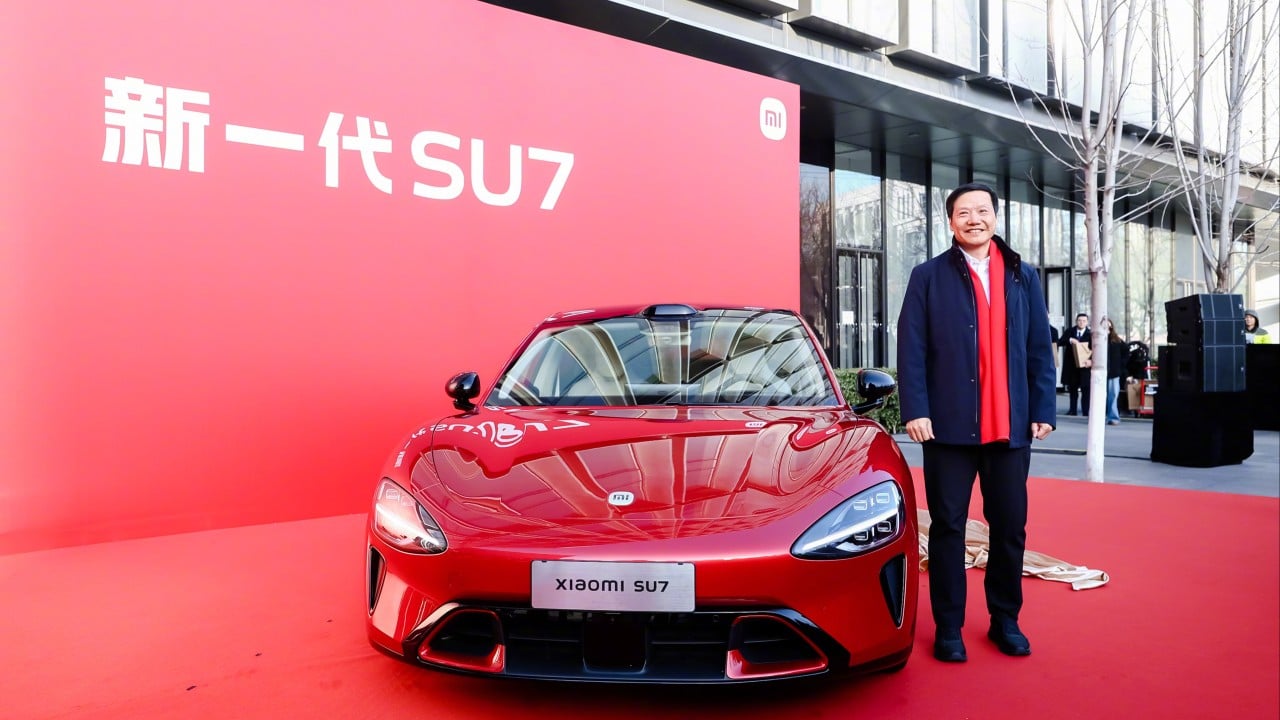
China Bets Billions on AI and Chips to Break U.S. Tech "Chokehold" China is mobilizing hundreds of billions of dollars in state-backed investment to achieve self-sufficiency in advanced semiconductors and artificial intelligence, aiming to break through U.S.-led technological restrictions and dominate next-generation industries [51155][86995][95150]. Multiple provinces and tech hubs are rolling out aggressive five-year plans targeting breakthroughs in chip manufacturing and AI development. The eastern province of Zhejiang has announced a goal to produce semiconductors as small as 3 nanometers, a direct effort to counter U.S. export controls described as a strategic "chokehold" [51155]. This provincial push follows a national directive for technological independence [51155][59734]. At the national level, a new state-backed semiconductor fund worth over $47 billion has been launched to finance the development of domestic chipmaking equipment, an area currently dominated by American, Japanese, and Dutch firms [86995]. Major cities are following suit, with Shanghai alone launching a $10 billion investment plan focused on microchips and AI [43531]. The financial commitment is staggering. China's draft national budget allocates 426.42 billion yuan (US$61.7 billion) specifically for science and technology, targeting "future industries" like AI, satellite internet, and electric vehicles [93804]. At least 22 provincial-level governments have published economic plans prioritizing high-tech industries such as semiconductors and AI, aligning with national goals for supply chain security [19492]. This strategic pivot marks a fundamental shift from China's decades-long model of acquiring foreign technology to one focused on creating and controlling cutting-edge innovations [59734]. The approach contrasts sharply with the U.S., where AI development is primarily market-driven; China's model is defined by state coordination and integrating AI as core national infrastructure [109135]. The visit by President Xi Jinping to a major technology innovation park in Beijing underscored the national priority placed on achieving "high-level" technological independence [71486]. Private tech giants are aligning with this mission, with companies like Xiaomi announcing intensified multi-billion dollar investments into "core technologies" like semiconductors and AI [86064]. Analysts see the concerted push as a direct response to export controls from the U.S. and its allies, with the goal of building a complete, homegrown supply chain from materials to manufacturing [86995]. The broader national strategy, outlined in planning documents for 2026-2030, explicitly aims to break foreign "chokepoints" in strategic industries and includes frontier technologies like advanced AI and nuclear fusion [95150]. China Targets 3nm AI Chips to Break US "Chokehold" China Bets $47 Billion to Break the Chip Barrier China's New Plan: Beat US Tech Rivals with AI and Fusion Power Shanghai Bets $10 Billion on Chips and AI in Tech Race China's $62 Billion Bet Mirrors Musk's Vision Chinese Provinces Prioritize Tech and Self-Reliance in New Economic Plans Xi Inspects Tech Park, Stakes Claim in Global Innovation Race Xiaomi Bets Billions on Chips and AI as Rivals Build Robots China's Tech Pivot: From "Catch-Up" to Cutting-Edge AI War: US Bets on Markets, China Bets on Control
Articles in this Cluster
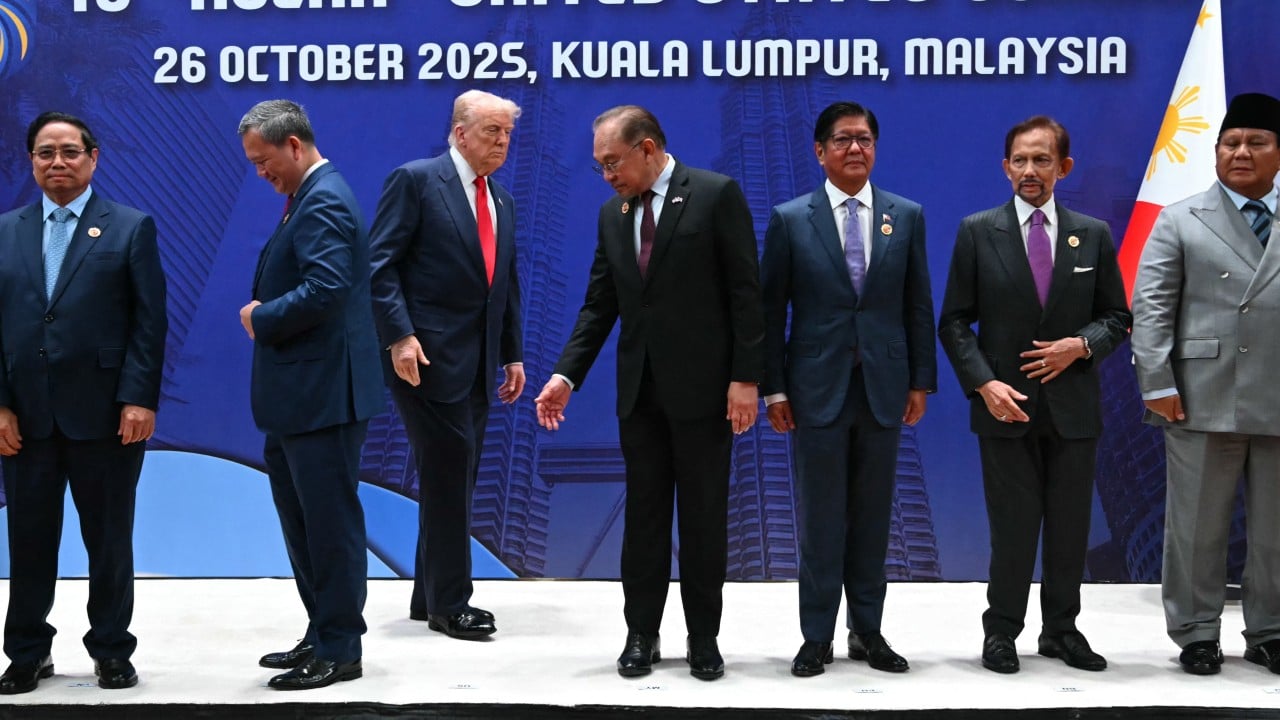
Trump Doubts Shake Asia's China-US Tightrope
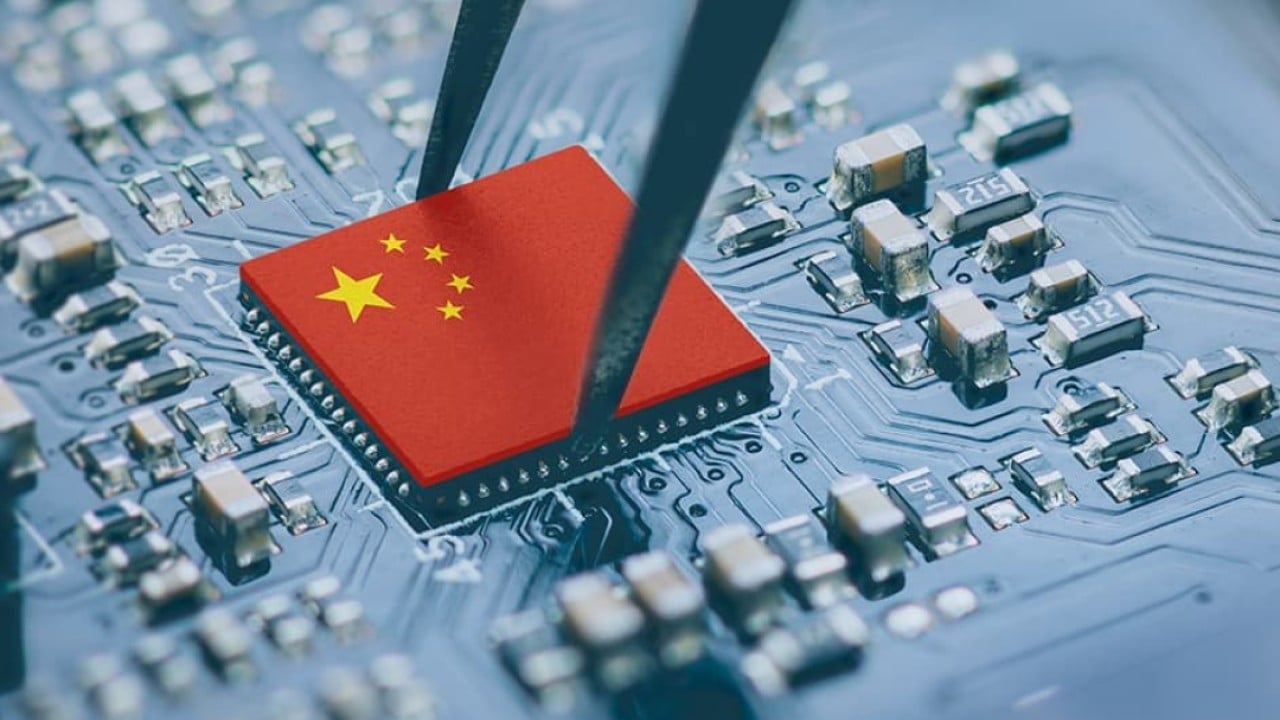
China Targets 3nm AI Chips to Break US "Chokehold"
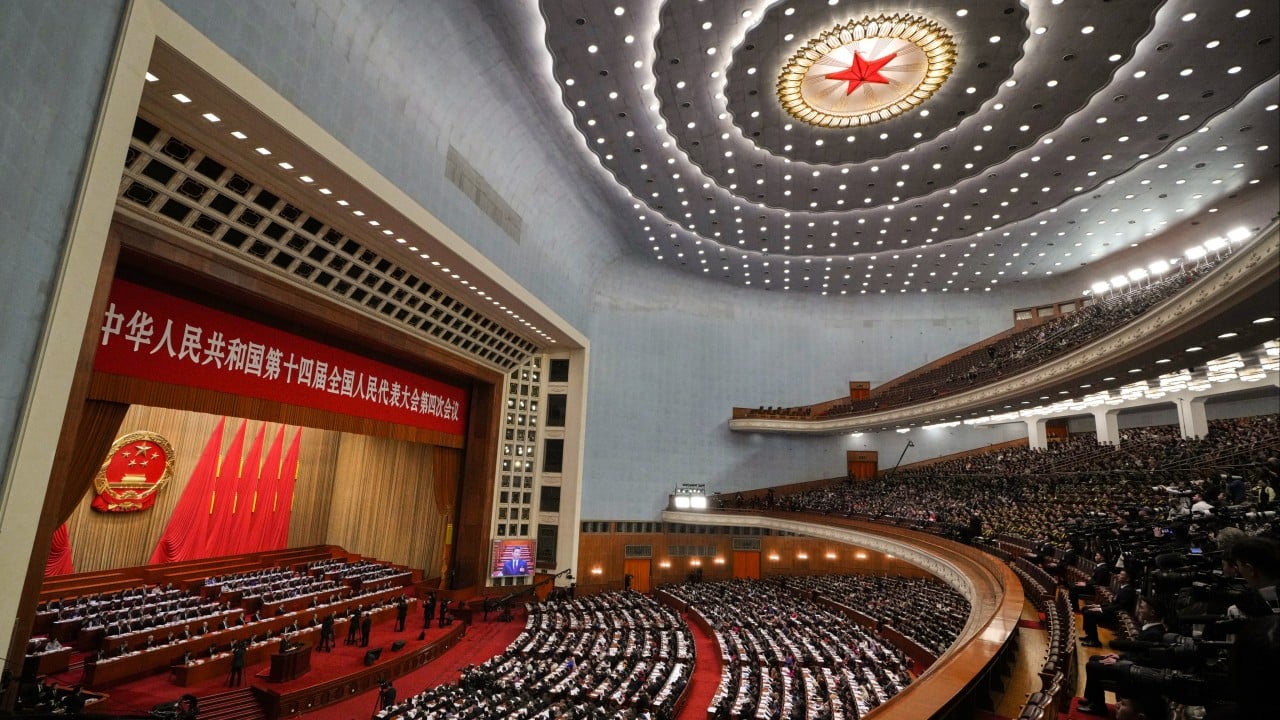
China's New Plan: Beat US Tech Rivals with AI and Fusion Power

China's Tech Pivot: From "Catch-Up" to Cutting-Edge

AI War: US Bets on Markets, China Bets on Control

China’s Corporate Giants Seek New Frontiers Abroad
China Bets $47 Billion to Break the Chip Barrier
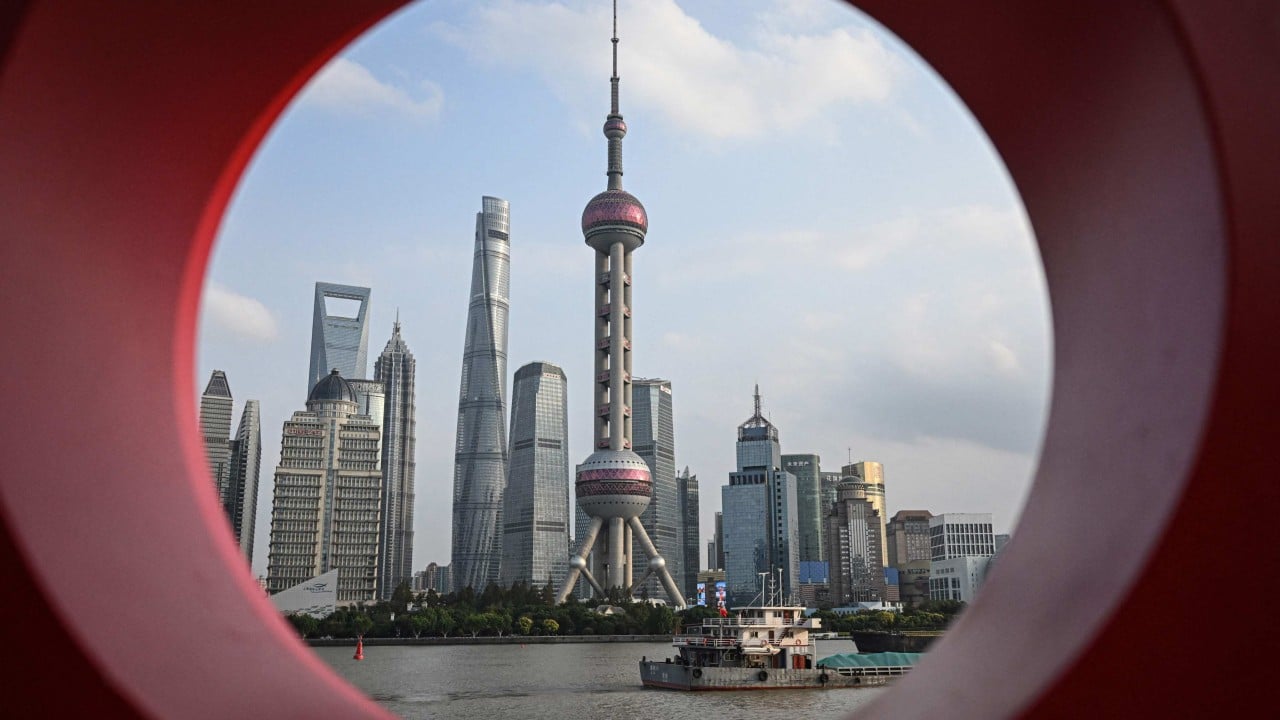
Shanghai Bets $10 Billion on Chips and AI in Tech Race

The New Great Game: A U.S.-China Clash Over Resources Begins
Trump Sets China Trip as EU Bans Tech Firms: Your Asia Brief
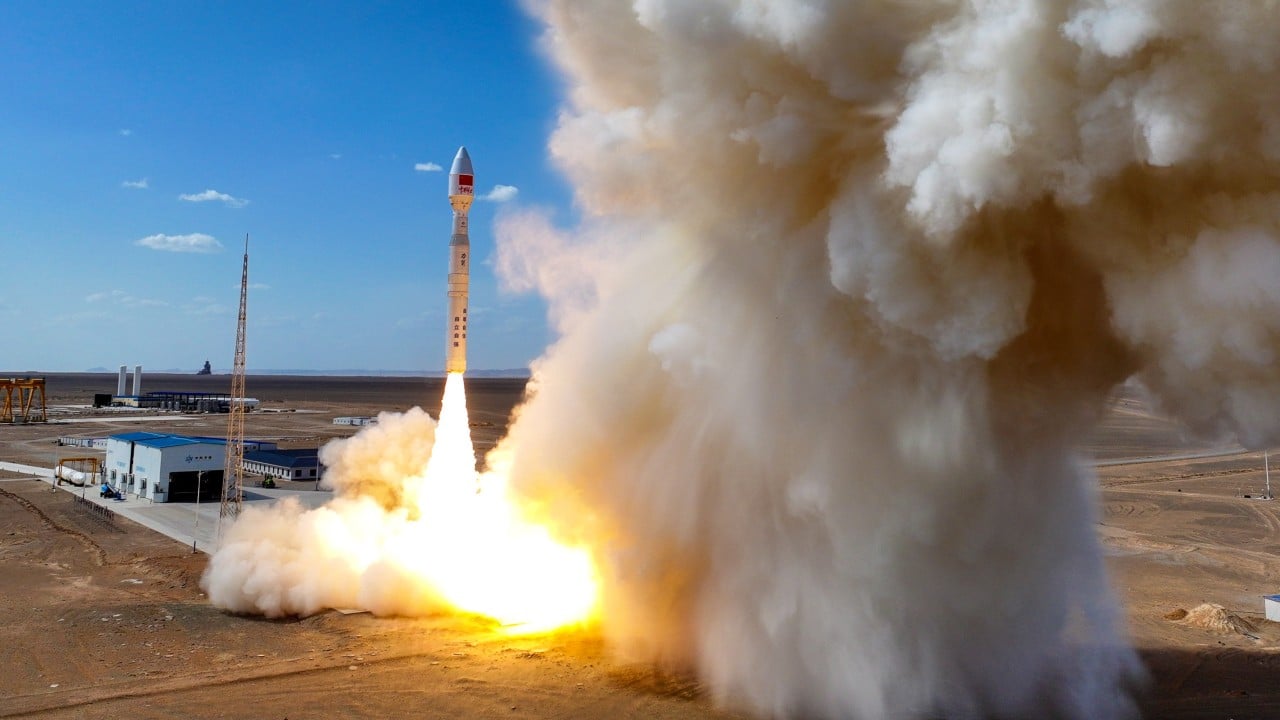
China's $62 Billion Bet Mirrors Musk's Vision
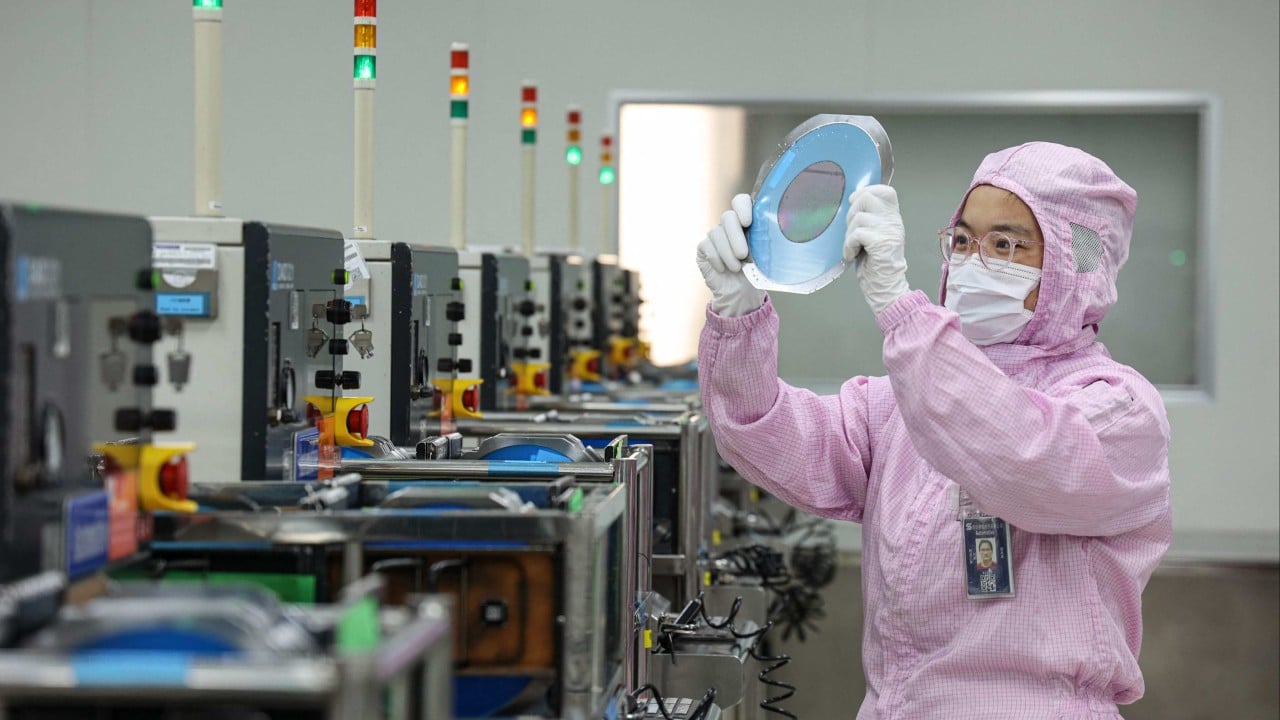
Chinese Provinces Prioritize Tech and Self-Reliance in New Economic Plans
China's Battery Grip Threatens U.S. Military and AI Race
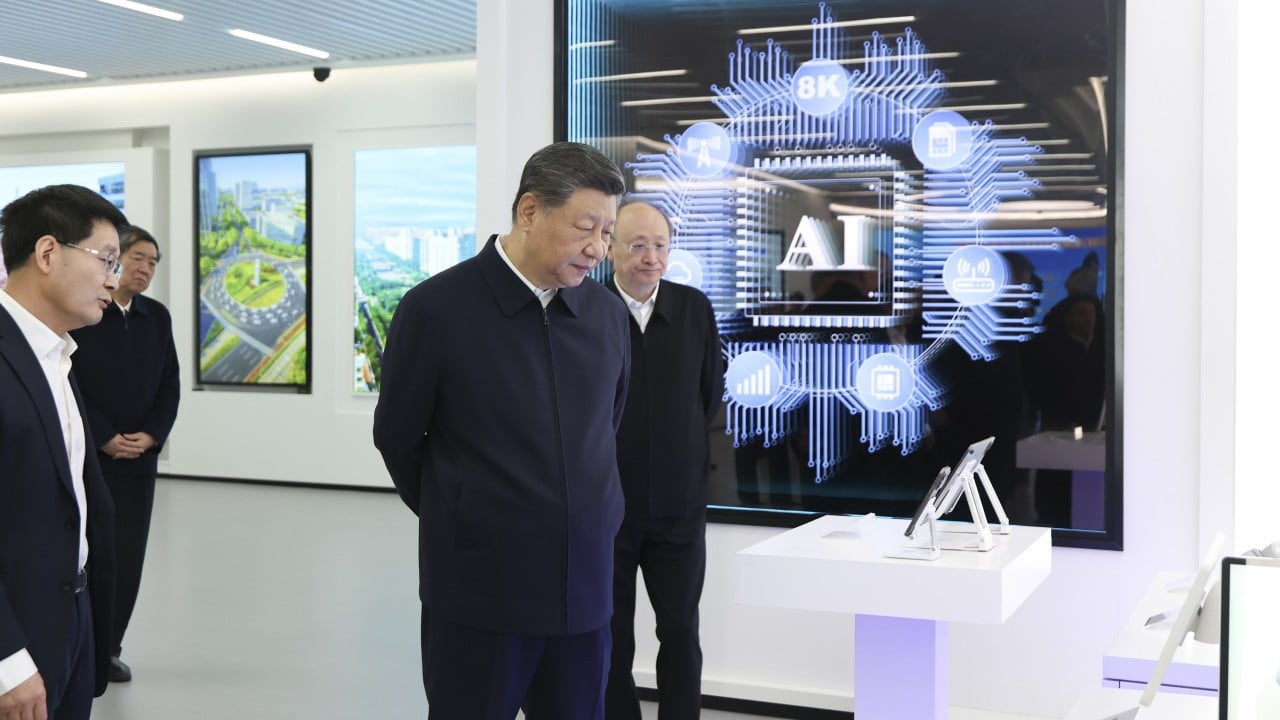
Xi Inspects Tech Park, Stakes Claim in Global Innovation Race