Latest News
Stay updated with the latest news and articles
Top Stories
Ukraine Trades Battlefield Drone Secrets for Gulf Fuel and Weapons
Ukraine Trades Battlefield Drone Secrets for Gulf Fuel and Weapons In a striking wartime barter deal, Ukraine is deploying its combat-hardened military specialists to Gulf states, trading its unique expertise in shooting down drones for the fuel and air defense missiles it desperately needs to fight Russia [125620][112369]. President Volodymyr Zelenskyy confirmed that Ukrainian teams are now active in several Middle Eastern nations, teaching them how to counter Iranian-made attack drones [112369]. This knowledge was gained through brutal experience, as Ukrainian forces have defended against thousands of these same "Shahed" drones used by Russian forces [125620]. The arrangement is a direct exchange. In return for providing advanced training in drone warfare and electronic jamming tactics, Ukraine seeks shipments of diesel fuel and air defense interceptors, including advanced systems like Patriot missile batteries [125620][112369]. The high-level security talks involve nations including Oman, Kuwait, and Bahrain [125620]. This move marks a strategic shift for Kyiv, turning its defensive war experience into a valuable diplomatic and military commodity. The Iranian drones that menace Ukraine are also a persistent threat in the Middle East, where they have been used to target oil facilities and infrastructure, making Ukraine's low-cost countermeasures highly sought-after [100935][91239]. By sharing this critical know-how, Ukraine aims to secure a more reliable flow of vital supplies for its own war effort while building new security partnerships. The deal positions Ukraine not merely as an aid recipient, but as a provider of essential defense technology to global partners [91239]. Ukraine Sells Drone-Know-How to Gulf States for Fuel and Weapons Ukraine Trades Air Defense Secrets for Gulf's Drone-Killers Kyraine Sells Drone-Knowledge for Weapons Ukraine Offers Gulf States a Deal: Our Drone Hunters for Your Leverage on Russia

Catastrophic Floods and Mudslides Kill Over 1,400, Devastate Southeast Asia
Catastrophic Floods and Mudslides Kill Over 1,400, Devastate Southeast Asia A series of catastrophic floods and landslides, triggered by a week of exceptionally heavy rain, has devastated parts of Southeast Asia, killing more than 1,400 people and affecting millions [17624]. The disasters have submerged villages, severed roads, and buried homes across Indonesia, Sri Lanka, Thailand, and Malaysia [20084]. The torrential downpours caused rivers to overflow and saturated hillsides, leading to widespread, destructive mudslides [17624]. In Indonesia, the death toll has reached 995, with rescuers still searching for 226 missing people [25217]. Neighboring Sri Lanka reports 640 dead and 211 missing [25217]. Combined, nearly 4 million citizens in these two nations have been impacted, with homes, roads, and farms destroyed [25217]. Southern Thailand has also suffered a severe loss of life, with authorities reporting at least 145 fatalities [14423]. Rescue operations are ongoing across all affected regions as emergency crews work to provide aid, find survivors, and reach isolated communities hampered by damaged infrastructure [14423][20084]. National governments and international aid agencies are mobilizing major relief efforts, focusing on providing emergency shelter, clean water, and medical supplies to displaced survivors [17624]. Aid groups warn of rising health risks from damaged water supplies in the flooded regions [25217]. Deadly Floods and Landslides Claim Over 1,400 Lives Across Southeast Asia Massive Floods Kill Over 1,600, Affect Millions in Asia Deadly Floods and Landslides Claim Over 1,500 Lives Across Asia Deadly Floods and Landslides Claim Over 250 Lives in Southeast Asia


Drone Wars and Middle East Conflict Send Global Fuel Prices Soaring, Sparking Protests
Drone Wars and Middle East Conflict Send Global Fuel Prices Soaring, Sparking Protests A wave of protests and panic-buying is sweeping across multiple continents as a potent mix of drone attacks, Middle East conflict, and supply chain disruptions sends fuel prices to record highs, squeezing household budgets and threatening essential services. The crisis is being driven by direct attacks on global energy infrastructure. Ukrainian forces have launched a record number of long-range drone strikes targeting Russian oil refineries and storage facilities, damaging critical infrastructure and injecting volatility into global markets [125638]. Simultaneously, a drone strike that set a Kuwaiti oil tanker on fire off the coast of the United Arab Emirates caused global oil prices to surge past $115 a barrel, spooking financial markets [116225]. These incidents have exacerbated existing fears over the stability of Middle Eastern supplies, where a key shipping route remains a flashpoint. The Strait of Hormuz, a passage for approximately 20% of the world's oil, faces ongoing threats from regional tensions [95663]. Analysts confirm that concerns over the failure of a proposed Gaza ceasefire are directly pushing oil prices higher, with markets fearing a wider conflict could erupt [124783]. The financial impact is immediate and severe. In the United States, drivers were hit with the largest weekly gasoline price spike since the start of the Ukraine war in 2022 [97612]. In Germany, petrol price rises have outpaced those in neighboring European Union countries due to the conflict's disruption of energy markets [124639]. The soaring costs have triggered civil unrest. In Ireland, protesters blocking key oil terminals and refineries have caused hundreds of petrol stations to run dry, forcing the government to convene an emergency cabinet meeting to address the five-day-old crisis [126425][126288]. In South Africa, drivers raced to fill tanks ahead of a historic midnight price hike, with one predicted increase reaching up to 8 Rand per litre [117884][95663]. Even a 3 Rand per litre government tax cut failed to prevent one of the steepest pump price increases the country has ever recorded [117581]. Further strain comes from choked supply chains. Despite a steady crude oil price, pump costs continue to climb because the closure of the Strait of Hormuz has created a major bottleneck, disrupting the global movement of refined fuel [116592]. In South Africa's Nelson Mandela Bay, this has led petroleum companies to impose fuel purchase limits and add emergency war surcharges of up to 10 Rand per litre for paraffin [108127]. In China, where the government sets official prices, drivers crowded stations ahead of the largest single fuel price increase of 2024 [109102]. The situation underscores a global pattern where geopolitical instability is now a primary determinant of the cost of filling a tank, with no significant relief in sight [124783]. Ukraine's Drone Surge Hits Russian Energy, Shakes Global Markets Drone Attack on Tanker Sends Oil Soaring Past $115 South Africa Braces for R8/Litre Petrol Shock Fuel Prices Climb as Gaza Ceasefire Hopes Fade Oil Prices Rocket, Hitting Drivers With Sharpest Spike Since Ukraine War Fuel Crisis Forces Irish Cabinet to Emergency Talks South Africa Braces for Record Fuel Price Surge South Africa Cuts Fuel Tax, But Drivers Still Hit by Record Price Hike Oil Prices Steady, So Why Is Petrol So Expensive? Fuel Limits and War Surcharges Hit South African Metro Drivers Race to Pumps Ahead of China's Biggest Fuel Price Jump of 2024 German Gas Prices Surge, Outpacing EU Neighbors



Syrian Army and Kurdish Forces Clash in Aleppo, Sparking Mass Exodus of Thousands
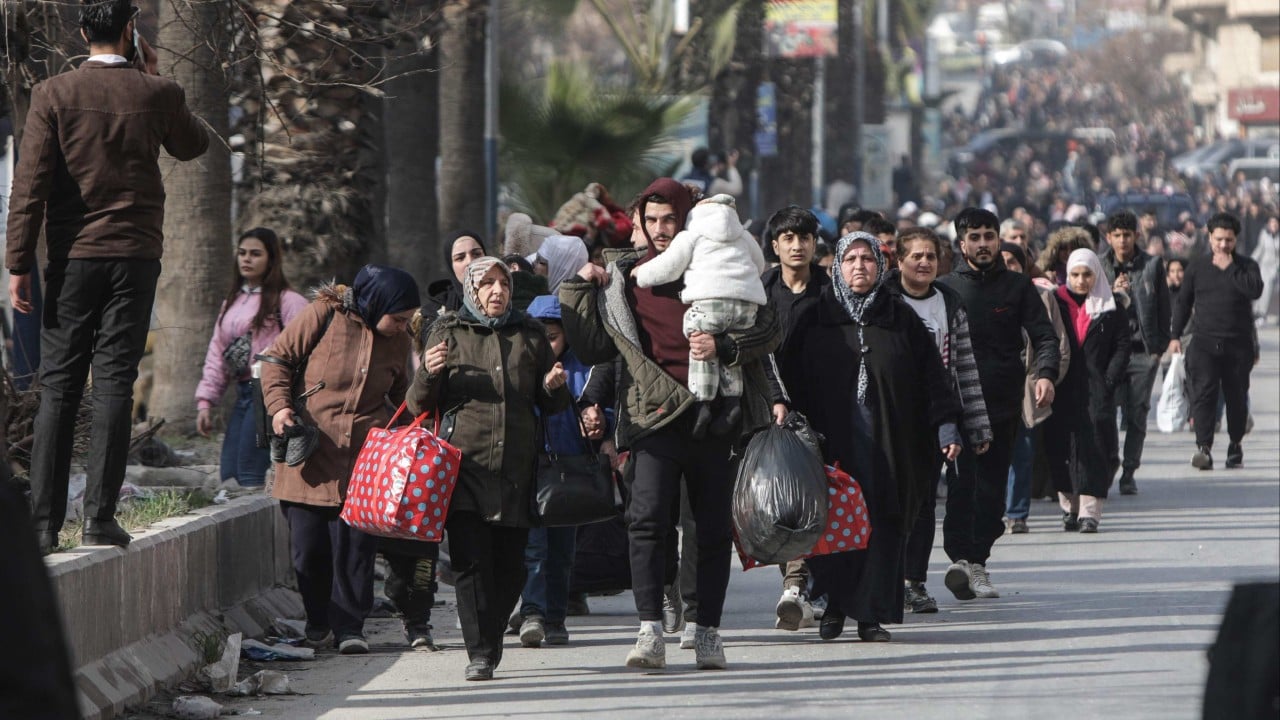
Syrian Army and Kurdish Forces Clash in Aleppo, Sparking Mass Exodus of Thousands Intense fighting between Syrian government forces and Kurdish-led fighters has erupted in and around the city of Aleppo, triggering a mass civilian exodus and threatening to unravel a fragile stability in northern Syria [44512][45585][45588]. The clashes, concentrated in the city's northern suburbs and the surrounding province, have forced tens of thousands of people to flee their homes under heavy shelling [45588][45173]. The Syrian army has begun distributing maps to civilians in several Aleppo neighborhoods, outlining safe evacuation routes in anticipation of further military operations [44681]. The violence pits the Syrian Arab Army against the Kurdish-led Syrian Democratic Forces (SDF), a coalition that controls large parts of northeastern Syria [43634][45585]. Both sides have exchanged blame for initiating the fighting, which has resulted in multiple casualties [44512][44088]. A brief ceasefire was ordered after deadly clashes on Monday, but the situation remains highly tense [32516]. This surge in hostilities follows a breakdown in political talks aimed at resolving the long-standing standoff between the Damascus government and the SDF [45585][45588]. The stalemate has deepened, with periodic negotiations failing to produce a lasting agreement on integrating the Kurdish-led administration into the state [44512][33236]. The renewed combat risks opening a major new front in Syria's long-running civil war, which has already displaced millions [45173]. Aid groups warn that the rapid movement of families is creating a severe humanitarian crisis in Aleppo province, an area that already hosts many people displaced from earlier phases of the conflict [45585][45588]. International efforts to mediate have so far failed to halt the escalation. U.S. officials are attempting to broker a ceasefire, according to reports, highlighting the dangerous potential for the conflict to expand [44512][45173]. Syria's Aleppo Truce Shatters, Thousands Flee as U.S. Mediates Aleppo Exodus: Fighting Erupts as Syria Peace Talks Fail Syrian Army Advances on Aleppo, Sparking Mass Exodus Syrian Army and US-Backed Forces Clash in Aleppo Syrian Army Distributes Evacuation Maps in Aleppo Amid Clashes Syrian Forces and Kurds Clash, Then Halt Fire After Deadly Fighting Deadly Clashes in Aleppo as Turkey Urges Kurdish Integration Syria's Kurds and Army Clash, Risking Major War Fresh Clashes Erupt Between Syrian Army and Kurdish Forces Aleppo Clashes Follow Secret Syria-Israel Talks


China Bets Billions on AI and Chips to Break U.S. Tech "Chokehold"
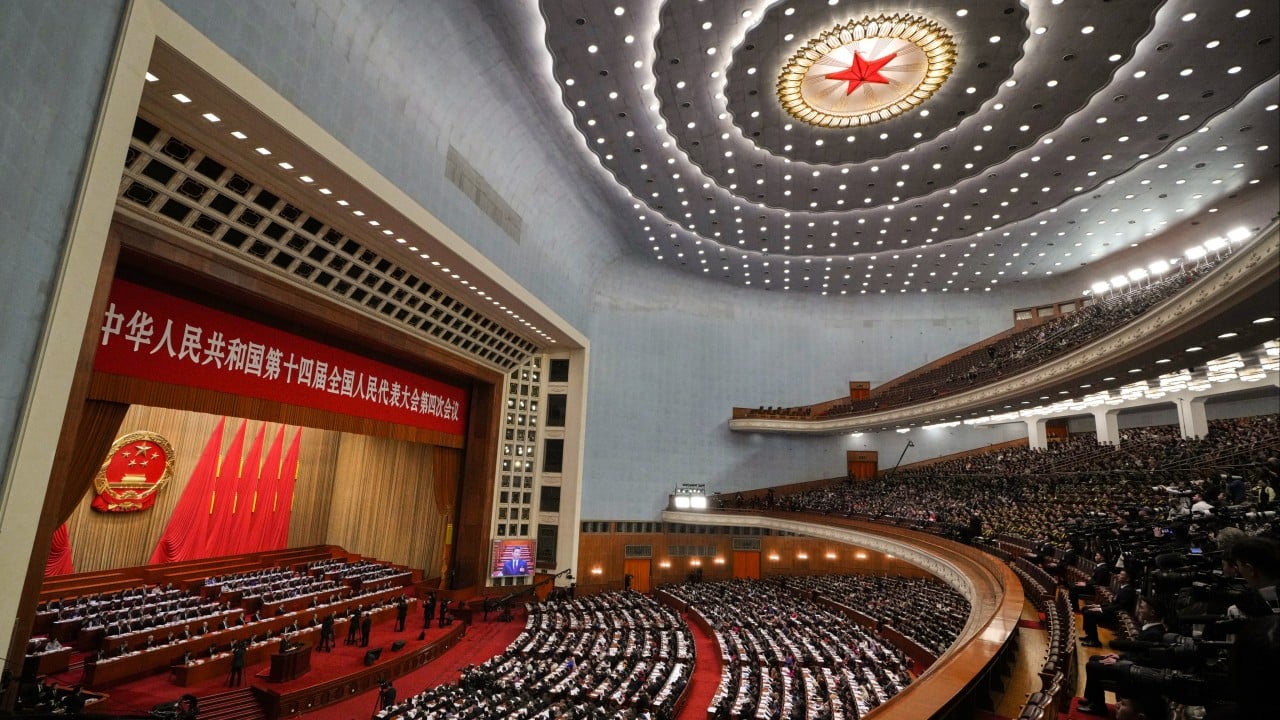
China Bets Billions on AI and Chips to Break U.S. Tech "Chokehold" China is mobilizing hundreds of billions of dollars in state-led investment to achieve self-sufficiency in advanced semiconductors and artificial intelligence, aiming to break a U.S.-imposed technological "chokehold" and dominate the next generation of critical technologies [51155][95150][86995]. The national strategy, formalized in the upcoming five-year plan, directs massive resources toward overcoming foreign dependencies in strategic industries [95150]. This marks a decisive pivot from China's decades-long model of absorbing foreign technology to one focused on creating and controlling cutting-edge innovations [59734]. Shanghai has launched a $10 billion investment plan targeting microchips and AI, while the eastern tech hub of Zhejiang aims to manufacture advanced AI chips as small as 3 nanometers within five years [43531][51155]. This provincial-level drive aligns with a national directive, with at least 22 provincial governments prioritizing high-tech industries like semiconductors and AI in their economic plans [19492]. The effort is backed by a new state-backed semiconductor fund worth over $47 billion, focused on developing the advanced equipment needed to make chips—an area currently controlled by the U.S., Japan, and the Netherlands, which have restricted China's access [86995]. Concurrently, China's national science and technology budget allocates over $61 billion to "future industries" including AI, satellite internet, and new energy, sectors that overlap with leading global innovators like Elon Musk [93804]. President Xi Jinping recently toured a major technology innovation park in Beijing, underscoring the national priority of achieving "high-level" technological independence [71486]. Private tech giants are following the state's lead, with companies like Xiaomi announcing intensified multi-year investment plans into core technologies such as semiconductors and AI [86064]. Analysts describe the U.S. strategy as one of export controls and market-driven innovation, while China's is defined by state coordination and systemic integration, deploying AI and advanced chips as core components of national infrastructure [109135]. The outcome of this competition is expected to shape international standards and the global balance of technological power for decades [109135]. China Targets 3nm AI Chips to Break US "Chokehold" China's New Plan: Beat US Tech Rivals with AI and Fusion Power China Bets $47 Billion to Break the Chip Barrier Shanghai Bets $10 Billion on Chips and AI in Tech Race Chinese Provinces Prioritize Tech and Self-Reliance in New Economic Plans China's $62 Billion Bet Mirrors Musk's Vision Xi Inspects Tech Park, Stakes Claim in Global Innovation Race Xiaomi Bets Billions on Chips and AI as Rivals Build Robots China's Tech Pivot: From "Catch-Up" to Cutting-Edge AI War: US Bets on Markets, China Bets on Control


Climate Chaos Goes Global: 2025's Extreme Weather Kills Thousands, Costs Billions
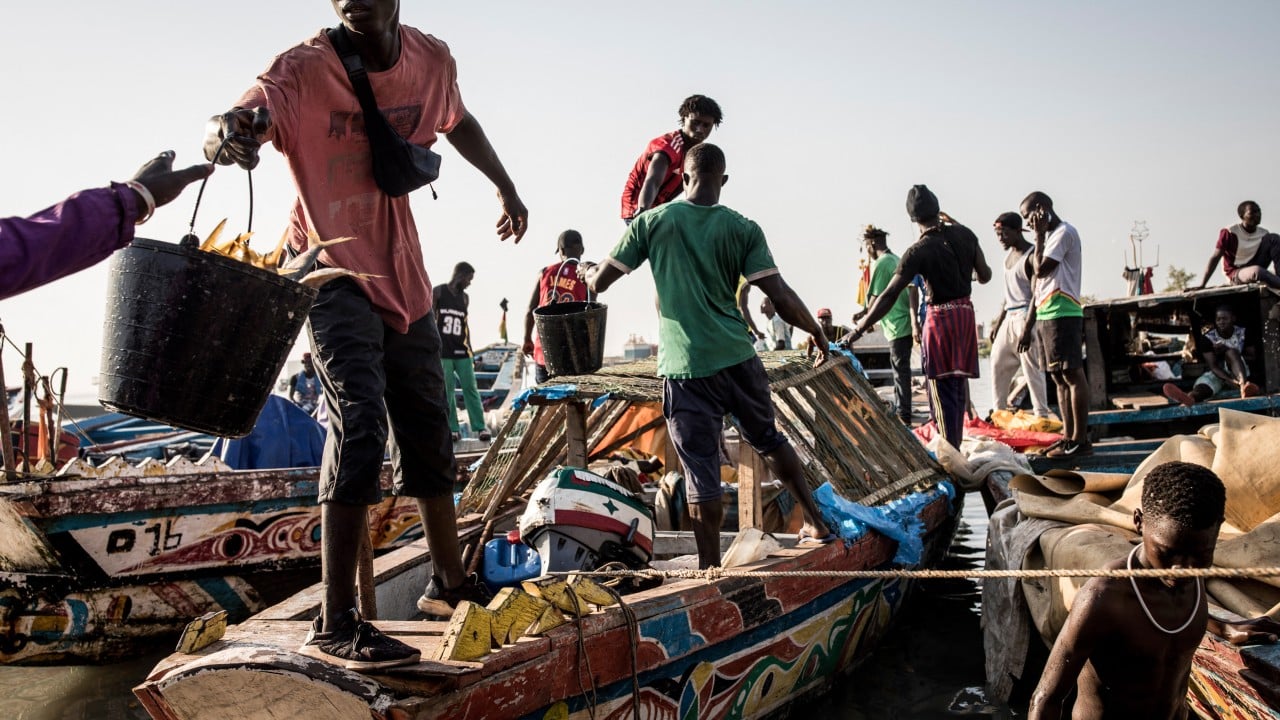
Climate Chaos Goes Global: 2025's Extreme Weather Kills Thousands, Costs Billions A relentless barrage of climate-driven disasters in 2025 caused widespread death, displacement, and economic devastation across multiple continents, with scientists and major institutions declaring the crisis a dangerous new normal. The year was Earth's third hottest on record, but the defining story was a global onslaught of extreme weather [49594]. Catastrophic floods, severe droughts, and intense storms disrupted millions of lives and caused damage estimated in the billions of dollars [49594] [113458]. In Africa alone, extreme weather killed thousands, impacted millions, and caused billions in economic losses, according to a report from the World Meteorological Organization (WMO) [113458]. Europe faced a similarly brutal year, battered by devastating floods, scorching heatwaves, and wildfires that left countries managing costly recoveries [36941]. The United Kingdom experienced a destructive cycle beginning and ending with major storms, with droughts and fierce fires in between, pushing wildlife and landscapes to a "breaking point," according to a major conservation charity [36898]. Experts uniformly link the increasing frequency and intensity of these disasters to human-caused climate change, driven by greenhouse gas emissions [36941] [49594]. The WMO warns that record levels of heat-trapping gases are disrupting the climate at an unprecedented rate, with consequences that will last for generations [113458]. The pervasive impacts are now directly threatening human health and food security. In South Africa, climate change is worsening air pollution—intensifying wildfires and dust storms—leading to a rise in serious lung diseases like asthma and bronchitis, particularly among children and the elderly [110220]. In Eastern Africa, a "triple planetary crisis" of climate change, biodiversity loss, and pollution is creating a severe risk to the region's food production and stability [91481]. This shift has moved the crisis from the headlines into daily life. Major institutions now state that events like droughts, heatwaves, and water shortages are no longer seen as exceptional disasters but as regular, recurring realities [37775] [37315]. In response, the United Nations Environment Assembly recently concluded with a strong call for accelerated global action, urging countries to enhance cooperation on the interconnected crises of climate change, biodiversity loss, and pollution [21446]. Europe's 2025 Weather: A New Normal of Extremes? 2025: The Year the Weather Broke UK Wildlife Pushed to "Breaking Point" by Extreme Weather in 2025 Climate Crisis Costs Africa Billions, Claims Thousands Every Breath a Risk: The Hidden Climate Threat to South Africa's Lungs Triple Planetary Crisis Starves East Africa 2025: Climate Crisis Becomes Daily Life 2025: The Year Climate Chaos Became Routine UN Environment Assembly Demands Urgent Global Action on Climate and Biodiversity
Trump's Iran Gambit Backfires, Splits Allies and Exposes U.S. Weakness
Trump's Iran Gambit Backfires, Splits Allies and Exposes U.S. Weakness A 14-day ceasefire has paused direct fighting, but President Donald Trump's aggressive, unilateral strategy against Iran has backfired, leaving the United States isolated and exposing its military and political limits on the global stage [126590][126607]. The president's approach has ruptured ties with traditional allies, who now hesitate to support U.S. policy after being sidelined from decision-making [126607]. This isolation was evident as a critical diplomatic channel between Washington and Tehran broke down in Islamabad, leaving few peaceful options on the table [126592]. Analysts say the prolonged conflict has handed a strategic victory to Iran. Despite suffering damage, Tehran has expanded its regional influence and successfully challenged American power, all while stretching U.S. military resources and shifting Washington's focus away from other critical regions like Europe and the Indo-Pacific [126590]. Global rivals Russia and China are closely observing these perceived U.S. vulnerabilities [126590]. The economic fallout from the war is now triggering a major clash within global financial institutions. Next week, the World Bank and International Monetary Fund (IMF) will face intense pressure from nearly 200 member countries to address the severe worldwide shocks caused by the conflict, including soaring energy prices and broken supply chains [126037]. The meetings will test the institutions' ability to manage a crisis sparked by the actions of powerful members like the U.S. and Israel [126037]. With diplomatic channels closed, the U.S. is left with a narrowing set of difficult choices: escalate economic pressure with stricter sanctions or risk limited military action, both paths carrying significant global consequences [126592]. Iran's War Exposes US Limits, Rivals Watch Trump's Sole Strategy on Iran Backfires, Analysts Say Trump's Iran Dilemma: Military Action or Economic War? World Bank, IMF Face Off Against U.S. and Israel Over Iran War Fallout
Tourist Hotspots Worldwide Hit Breaking Point as Social Media Drives Destinations to the Brink
Tourist Hotspots Worldwide Hit Breaking Point as Social Media Drives Destinations to the Brink From the favelas of Rio to the canals of Venice, popular destinations around the globe are being overwhelmed by a surge of visitors, driven by viral social media trends and a relentless search for the perfect photo. This phenomenon, known as overtourism, is pushing communities and ecosystems to their limits, forcing local governments to implement new measures to manage the crush [80040]. The problem is no longer confined to classic landmarks. A single rooftop in Rio de Janeiro's Rocinha favela, dubbed the "Gateway to Heaven," now draws international crowds who wait for hours for a viral-worthy shot, redirecting intense tourist traffic into a densely populated residential area [101397]. Similarly, a nondescript wooden dock in Venice has become a must-see stop after being used by celebrity Kim Kardashian, with fans now seeking out the "Kardashian jetty" and other locations linked to a high-profile wedding [51924]. Experts point to social media and cheaper travel as key drivers, creating sudden and unpredictable "must-see" trends that can overwhelm a location almost overnight [80040]. The result is environmental strain, cultural commodification, and disruption for local residents. In response, authorities are experimenting with solutions. These include imposing tourist taxes, promoting travel during off-peak seasons, and actively redirecting visitors to less-crowded areas to distribute economic benefits more evenly and protect community life [80040]. The trend highlights a growing tension between the economic boon of tourism and the sustainability of the destinations themselves. As one tourism professor noted, travelers for 2026 are increasingly "looking for more meaningful tourism," seeking deeper cultural experiences beyond quick photo ops at overcrowded sites [36959]. Tourist Destinations Hit Breaking Point: What Causes the Crush? Viral 'Gateway to Heaven' Rooftop Floods Rio Favela with Tourists Venice's New Tourist Hotspot: The 'Kardashian Jetty' Beyond Paris: TV Drives 2026 "Meaningful Tourism" Trend

Title: Over 70,000 Flee Bombs, Conscription, and Disaster as Global Conflicts and Crises Trigger Mass Migration
**Title: Over 70,000 Flee Bombs, Conscription, and Disaster as Global Conflicts and Crises Trigger Mass Migration** A surge of people is crossing borders worldwide, driven by war, political repression, and natural disasters, with new data revealing the scale of the exodus from several crisis-hit nations. In Iran, civilians are fleeing relentless military strikes and government-imposed internet blackouts, crossing into Turkey through remote mountain passes. Eyewitnesses report a steady stream of refugees seeking safety from nightly bombardments [95980][119947]. In a poignant counter-flow, some Iranians are making the dangerous journey back into the country, driven by fears for family members trapped in the conflict zones [95980][119947]. Meanwhile, over 54,000 Algerians have sought new lives in Europe since 2020, with most heading to France, according to the International Organization for Migration. Analysts cite deep-seated discontent and a lack of economic opportunity for the country's youth as the primary drivers [15039]. In Myanmar, a military coup and ensuing conflict have crippled the economy, leading to a major wave of departures, particularly after the army announced it would enforce a conscription law. Thousands of skilled professionals and graduates, seeing no future at home, are now leaving, with Japan emerging as a primary destination [24735]. The aftermath of natural disaster is also forcing large-scale movement. In southern Turkey, a new study shows the net migration rate from areas devastated by last year's major earthquakes has increased fivefold. Most residents leaving the disaster zone are relocating to other parts of Turkey, with cities like Malatya, Hatay, and Adıyaman experiencing the greatest population loss [68788]. Separately, a landmark policy response to climate change is underway. The first group of citizens from the Pacific island nation of Tuvalu has arrived in Australia under a new special visa program, making them among the world's first officially recognized climate migrants. The program allows up to 280 Tuvaluans to relocate to Australia each year due to the existential threat of rising sea levels [25540][10674]. In Europe, Egyptian nationals have become the leading group of African migrants entering the continent irregularly this year. The European Border and Coast Guard Agency, Frontex, recorded over 16,000 such crossings by Egyptians, most departing from Libya for Italy [40271]. The English Channel also remains a active route, with more than 250 migrants crossing to Britain in a single day following calm seas, bringing this year's total to over 10,000 [93075]. Two-Way Flight: Iranians Flee Bombs, Others Rush Back to Family Iranians Cross Border in Both Directions as War Intensifies Over 54,000 Algerians Sought New Lives in Europe Since 2020 Myanmar's Lost Generation Flees to Japan Earthquake Exodus: Fivefold Surge in Net Migration Rocks Southern Turkey Tuvalu Citizens Arrive in Australia as First Official Climate Migrants Australia Opens Special Visa Pathway for Climate-Affected Tuvaluans Egyptians Now Top African Migrants to Europe, EU Agency Reports Calm Seas, Crowded Boats: Over 250 Migrants Cross Channel to England


Trump Revives Push to Buy Greenland, Using Tariff Threats and Cash Offers
Trump Revives Push to Buy Greenland, Using Tariff Threats and Cash Offers Former President Donald Trump is renewing his controversial effort to purchase Greenland, employing a mix of financial pressure and public demands that mirror his real estate tactics. The autonomous Danish territory has repeatedly stated it is not for sale, but Trump has signaled he wants to open immediate negotiations [55297][55327]. At the World Economic Forum in Davos, Switzerland, Trump publicly stated the United States should be allowed to acquire the massive Arctic island [55297]. His methods have reportedly included direct cash offers to Greenlanders, threats to impose tariffs on Denmark, and a refusal to rule out the use of military force [50444]. However, he later stated he does not want to use force to acquire it, calling instead for a purchase [55327]. The push is driven by Greenland's strategic location in the Arctic, a region of growing importance for shipping lanes and natural resources [50444]. Trump's interest, first revealed during his presidency, caused a significant diplomatic rift when Denmark firmly rejected the idea, leading Trump to cancel a state visit [50444]. Experts see the campaign as a stark example of Trump's unorthodox foreign policy, which often conflates serious strategic interests with expansionist ideas [50444]. They argue the approach is destined to fail because it underestimates national sovereignty. "Greenland is not for sale. Its government and people have repeatedly rejected the idea," one analysis notes, adding that tariff threats would likely strengthen local resistance, not force a sale [52669]. The governments of both Greenland and Denmark have been unequivocal in their position, consistently rejecting any possibility of a transaction [50444]. Analysts warn that a forced takeover could destabilize the Arctic region and provoke a backlash from other global powers, like China and Russia, who are closely monitoring the area [52669]. Trump at Davos: Questions NATO, Wants to Buy Greenland Trump Eyes Greenland: Cash, Threats, and Military Force Trump at Davos: Skips Soft Power, Targets Greenland and NATO Allies Trump's Tariff Plan Fails to "Capture" Greenland

Latest Articles
Rwanda Begins 100 Days of Mourning for 800,000 Lost
Rwanda has started its annual period of national mourning. The solemn commemoration remembers the genocide that killed more than 800,000 people in 19...
UK Health Secretary Condemns Trump's "Outrageous" Iran War Talk
British Health Secretary Wes Streeting has sharply criticized former U.S. President Donald Trump's language on Iran. He called Trump's rhetoric "incen...
Trump Attends UFC Fights as Iran Peace Talks Collapse
President Donald Trump watched UFC fights in Miami on Saturday night. He was joined by Secretary of State Marco Rubio. This happened as U.S. peace ne...
Spurs Sink Deeper as Relegation Fight Intensifies
A deflected shot from Nordi Mukiele gave Sunderland a 1-0 win over Tottenham Hotspur. The result increases pressure on Spurs, who are now deeper in t...
Golden Frog, Giant Rockets: The World in a Weekend
A selection of powerful images from around the world captured events both spectacular and intimate. In Colombia, crowds gathered for the "Castle of...
Veteran Ditches Meds, Runs "Magic Mushroom" PTSD Retreats
A former US Army Ranger is offering psilocybin therapy to veterans, betting on the drug's potential ahead of possible federal approval. Psilocybin, t...
Forget Fast Food: Make Real Southern Fried Chicken at Home
You can make authentic, juicy fried chicken. A food expert shares her simple method. Professional recipes often use special pressure fryers. But hom...
Man Charged in Fatal Primrose Hill Stabbing
A 27-year-old man has been charged with murder following the fatal stabbing of Finbar Sullivan in north London. Oliuwadamilola Ogunyankinnu is due t...
New Forest Faces Government Split, Sparking Soulful Protest
Local residents are fighting a UK government plan to split the administration of the historic New Forest. The change would tie part of the protected...
Trump and Vance's 'Alien Obsession' Fuels UFO Disclosure Hopes
UFO experts believe the world is closer than ever to proof of alien life. They point to the Trump administration's recent focus on the topic as the r...
Ex-Police Boss Reveals How Team Cracked Gilgo Beach Serial Killer Case
The former police commissioner who oversaw the Gilgo Beach investigation says a new taskforce "broke the case." This led to the identification of Rex...
Deadly Crush at Haiti's Historic Mountain Fortress
At least 30 people are dead and dozens are injured after a crowd crush at Haiti's famous Citadelle Henry fortress. Officials say many of the victims...
Tom Gauld Skewers the "Manosphere" in New Cartoon
A new cartoon by Tom Gauld humorously critiques the "manosphere." This term refers to a network of online communities often focused on male interests...
Stop Tidying: Why 'Messy' Gardens Are Essential
I have just watched a neighbor destroy every green and growing thing in their garden. It is a scene that would make naturalist David Attenborough wee...
IMF, World Bank Confront Wartime Oil Shock in Washington
Top finance officials meet in Washington this week for the International Monetary Fund (IMF) and World Bank meetings. They face the biggest oil price...
King Charles Faces Trump Shadow in Historic US Speech
King Charles III will address the U.S. Congress on April 28. This is a rare honor for a British monarch. He follows his mother, Queen Elizabeth II,...
Fury's Ultimatum: "Joshua Next or I Quit"
Tyson Fury has issued a direct challenge to Anthony Joshua, stating he will only fight his British rival next or retire from boxing. The demand came...
Tottenham's Crisis Deepens as Sunderland Steal Vital Win
A chilly wind at Sunderland's Stadium of Light foreshadowed a cold reality for Tottenham Hotspur. A second-half goal from Nordi Mukiele gave Sunderla...
Van Aert Breaks Decade-Long Curse to Conquer Paris-Roubaix
Wout van Aert won the Paris-Roubaix cycling race on Sunday. He beat world champion Tadej Pogacar in a dramatic final sprint. The Belgian rider ended...
Napoli's Title Hopes Fade After Shock Parma Draw
Napoli's chances of retaining the Serie A championship suffered a major setback on Sunday. They could only manage a 1-1 draw away to Parma. This res...