Tourism Hotspots Hit Breaking Point as Crowds Overwhelm Cities and Nature
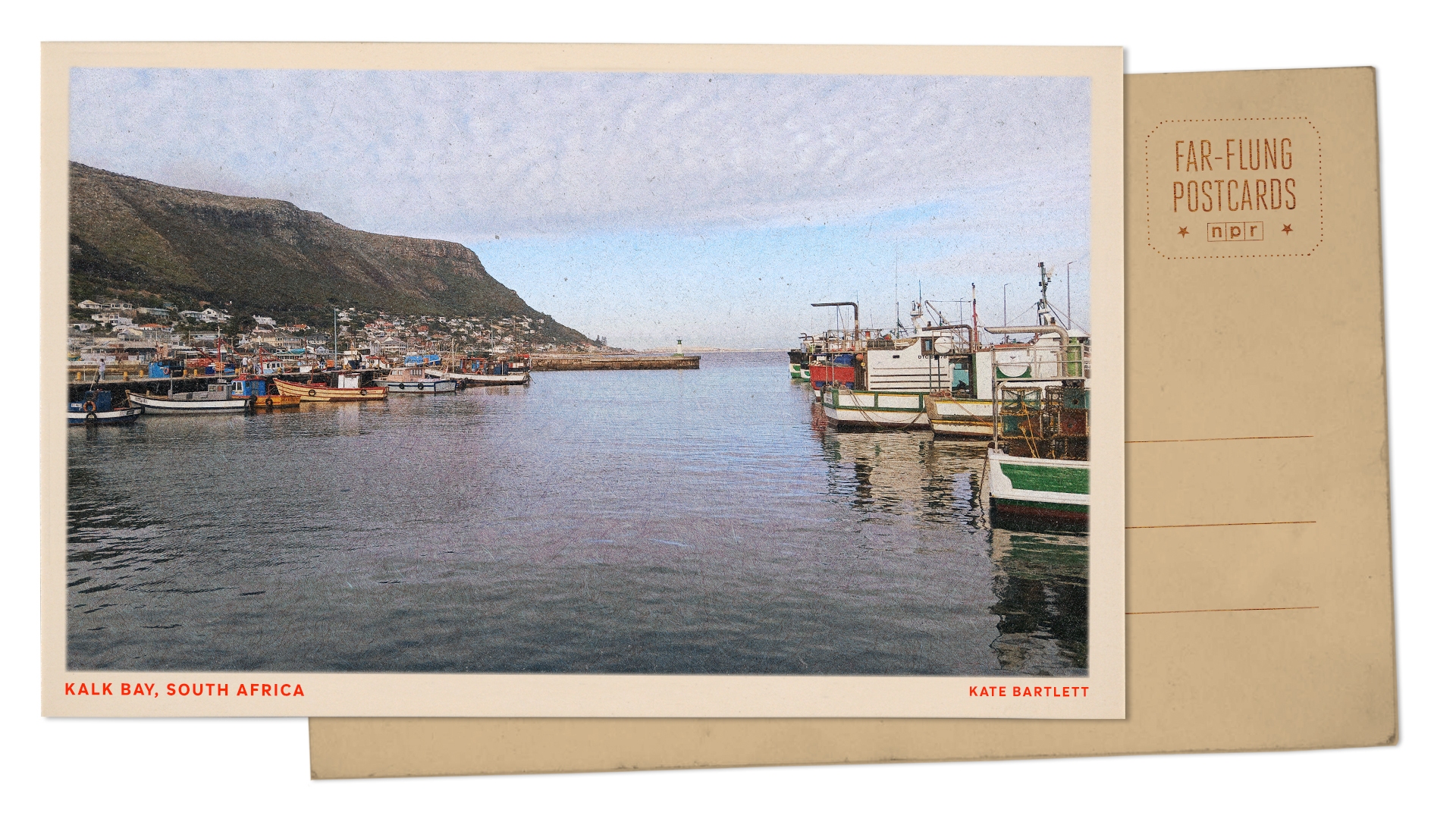
Tourism Hotspots Hit Breaking Point as Crowds Overwhelm Cities and Nature From the favelas of Rio to the ancient streets of Venice, popular destinations worldwide are struggling under the weight of too many visitors, a phenomenon experts call "overtourism" [80040]. The crush is damaging local life, straining infrastructure, and threatening the very sites people flock to see. The problem is accelerating, driven by social media and cheaper travel, which can create sudden "must-see" trends that overwhelm a location almost overnight [80040]. In Rio de Janeiro, a single rooftop in the Rocinha favela, dubbed the "Gateway to Heaven" for its photogenic view of Christ the Redeemer, has become a global pilgrimage site due to viral videos. Tourists now wait for hours, with local guides offering special motorbike taxi rides up the narrow streets to reach the spot [101397]. Similarly, in Venice, a simple wooden dock outside a luxury hotel—dubbed the "Kardashian Jetty" after a celebrity used it during a high-profile wedding—has become an unlikely tourist magnet. Visitors now seek out this floating jetty and other locations linked to the event, reshaping tourist traffic in the historic city [51924]. The impact extends beyond cities. In Morocco's Atlas Mountains, the trail to North Africa's highest peak, Mount Toubkal, is a major draw. The influx has transformed local economies, with many residents shifting from traditional farming to tourism work [83740]. In South Africa's Kalk Bay, wild seals have become a daily tourist spectacle as they waddle into the fishing village to beg for scraps, creating a direct, and sometimes disruptive, interaction between industry and wildlife [55467]. Local governments and communities are scrambling for solutions. Measures include implementing tourist taxes, promoting off-season travel, and redirecting visitors to less crowded areas to balance economic benefits with the need to protect local communities and cultural sites [80040]. Some pioneers are offering alternatives, like community-based tourism in the Indian Himalayas, where treks connect travelers with remote villages to support traditional life and reduce urban migration [100125]. Experts predict a longer-term shift, with travelers in 2026 increasingly "looking for more meaningful tourism" and deeper cultural experiences beyond crowded landmarks, inspired in part by popular TV shows and films [36959]. For now, however, the pressure on the world's most famous spots continues to build. Tourist Destinations Hit Breaking Point: What Causes the Crush? Viral 'Gateway to Heaven' Rooftop Floods Rio Favela with Tourists Venice's New Tourist Hotspot: The 'Kardashian Jetty' From Walnuts to Tourists: A Changing Valley Leads to North Africa's Peak Seals Beg at the Fish Market: A South African Village's Daily Show Village Tourism Pioneer Fights Urban Flight in India's Himalayas Beyond Paris: TV Drives 2026 "Meaningful Tourism" Trend
Articles in this Cluster
Title: From Cave Art to Surfboards: A 30,000-Year Trip in 30 Minutes
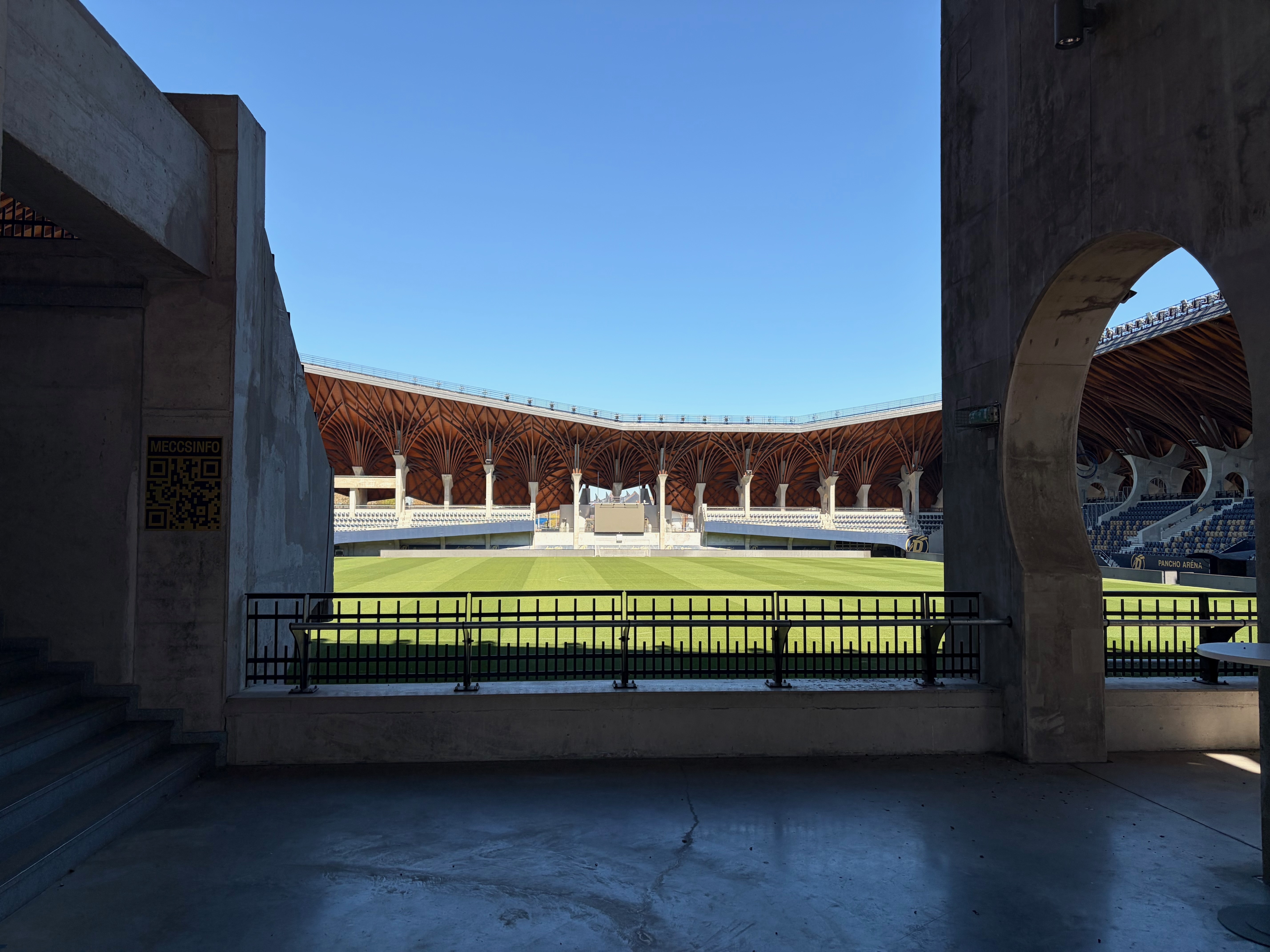
Tourists Flock to Orbán's Hometown to See "Excess"
Viral 'Gateway to Heaven' Rooftop Floods Rio Favela with Tourists
Almería: Andalucía's 'Forgotten' Desert Port Defies Overtourism

China's 'History Fangirls' Hunt Tombs, Write Books

Beyond Paris: TV Drives 2026 "Meaningful Tourism" Trend
Tom Hardy Swaps Screen for Caribbean Beach Getaway
Venice's New Tourist Hotspot: The 'Kardashian Jetty'
Tourist Destinations Hit Breaking Point: What Causes the Crush?
Village Tourism Pioneer Fights Urban Flight in India's Himalayas
From Walnuts to Tourists: A Changing Valley Leads to North Africa's Peak