Latest News
Stay updated with the latest news and articles
Top Stories
Hungary Ends an Era: Voters Oust Viktor Orbán After 16 Years
Hungary Ends an Era: Voters Oust Viktor Orbán After 16 Years Hungary has voted for a historic change, ending the 16-year rule of Prime Minister Viktor Orbán as his party conceded defeat in a national election marked by record turnout [126882][126885]. The result signals a major political shift within the European Union nation, where Orbán's Fidesz party has dominated politics since 2010 [127082]. The prime minister formally conceded, describing the loss as "painful" [127197]. The election posed the most serious challenge yet to his long tenure, with a unified opposition coalition mobilizing a powerful campaign for change [126882][126885]. Voters cast their ballots in huge numbers, with the historic participation highlighting the high stakes of the contest [126882][126885]. The campaign focused on issues including high inflation, Hungary's strained relations with the European Union, and the government's stance on the war in neighboring Ukraine [126882]. Orbán, a frequent critic of the EU who maintained close ties with Russia, had warned during an aggressive campaign that a loss for his party would lead Hungary into the Ukraine conflict [126885]. The outcome, closely watched across Europe, will determine Hungary's political direction for the next four years and has significant implications for the EU [126882][126798]. The new government will face immediate economic challenges [127082]. Orban Ousted, Netanyahu Next? Leaders Face Voter Backlash Hungary Votes: Could 16 Years of Orbán Rule End? Orbán Era Ends? Hungarian PM Concedes Election After 14 Years Orban Faces Toughest Fight as Hungary Votes in Record Numbers Record Turnout as Hungary Votes in High-Stakes Election Hungary Votes: Could This End Viktor Orban's 16-Year Rule? Hungary Votes: Could a New Party Topple Orban?


US and Iran Hold High-Stakes Talks in Pakistan as Middle East War Escalates
US and Iran Hold High-Stakes Talks in Pakistan as Middle East War Escalates In a rare diplomatic move, senior United States and Iranian officials are meeting in Islamabad, Pakistan, in an urgent attempt to negotiate an end to a widening Middle East conflict. The talks come as military strikes between Israel and Iran-backed groups threaten to spiral into a full-scale regional war [125866][125940]. The U.S. delegation, led by Vice President Mike Vance, arrived in Pakistan on Saturday for the discussions [125874]. Vance issued a sharp warning to Iran before departing, stating, "Now is not the time for Iran to play games with the United States" [126108]. The Iranian side is expected to be led by Parliament Speaker Mohammad Bagher Ghalibaf [125686]. A major sticking point emerged just as talks were set to begin. Iranian negotiators demanded that any ceasefire agreement include an end to the fighting between Israel and the Lebanese militant group Hezbollah, which is backed by Tehran [125874]. This conflict along the Israel-Lebanon border has seen near-daily clashes and is a primary U.S. concern for preventing a broader war [126108]. The high-level meeting was convened as the conflict, which began with the Israel-Hamas war in Gaza, expanded dramatically. Recent weeks have seen direct Israeli missile strikes inside Iran, which reportedly damaged the historic Golestan Palace, a UNESCO World Heritage site in Tehran [126546]. Iran responded with drone and missile launches toward Israel [126546]. The violence has spread beyond the immediate combatants, affecting Gulf nations like the United Arab Emirates and Kuwait, and disrupting global trade [90697][127257]. Major shipping companies have suspended travel through the Red Sea due to security risks, forcing vessels onto a longer route around Africa and delaying perishable luxury exports from Japan to the Middle East by roughly two weeks [127257]. Further escalation could target global energy supplies. A senior Australian political adviser warned that any potential U.S. move to blockade the Strait of Hormuz—a critical chokepoint for the world's seaborne oil exports—would be a "bad thing" that could severely worsen the crisis [127165]. Environmental damage is already mounting, with an oil spill from a bombed Iranian ship threatening a protected mangrove forest in the Gulf [123126]. Pakistan is hosting the negotiations as a neutral party, sharing borders with Iran and maintaining relationships with regional powers [125866]. While no official agenda has been released, the location suggests a focus on regional security issues [125686]. International reaction has been cautiously hopeful; Indonesia's foreign ministry called the direct talks "encouraging" and urged both sides to seek a sustainable peace [125940]. Iran-Israel Conflict Disrupts Japan's Luxury Exports to Middle East US and Iran Meet for Talks as Middle East War Expands UNESCO Sites Damaged in Middle East Strikes Iran Demands Lebanon Ceasefire in Last-Minute Peace Talk Hurdle Vance to Iran: "Do Not Test Us" as Mideast Mission Begins Iran and US to Meet in Pakistan as Israel-Lebanon Tensions Rise Oil Slick From Bombed Iranian Ship Heads for Protected Wetland Middle East Conflict Widens: Strikes Hit Lebanon, Gulf States US and Iran Hold Rare Direct Talks in Pakistan to End Middle East War

Russia's War Economy Feels the Squeeze: Oil Refineries Hit, Labor Vanishes
Russia's War Economy Feels the Squeeze: Oil Refineries Hit, Labor Vanishes Russia's economy is weathering the strain of its war in Ukraine, but a slow-burning crisis fueled by Ukrainian drone strikes and a hemorrhaging workforce is gradually weakening its financial foundations, according to a leading economist. Specialist Vladislav Inozemtsev argues that despite predictions of collapse, the Russian economy is being propped up by high global prices for its crude oil [125622]. This revenue provides a critical "oil windfall" that funds military production and social spending, preventing an immediate economic disaster [125622]. However, this stability is under direct attack. A sustained Ukrainian campaign targeting Russia's oil refining infrastructure is creating a major long-term vulnerability [125622]. These strikes degrade Russia's capacity to process crude oil into more valuable fuels like gasoline and diesel, which threatens to cut into a vital stream of export revenue [125622]. Simultaneously, the nation is grappling with a severe labor shortage. The mobilization of hundreds of thousands of men for the military, combined with a significant exodus of workers fleeing abroad, has left factories and businesses struggling to operate [125622]. This scarcity is driving up wages and crippling productivity across the civilian economy [125622]. Inozemtsev concludes that while a sudden, dramatic implosion is not the most likely scenario, the Russian economy is being systematically degraded [125622]. The combined pressures of targeted strikes on energy infrastructure and a shrinking workforce are imposing a slow, deep crisis [125622]. He emphasizes that the ultimate outcome of the conflict will be decided by military success on the battlefield, but the economic costs for Russia are mounting and structural [125622]. Russian Economy Under Siege: Economist Says No Collapse, But War Will Be Decided on Battlefield


Ukraine Trades Battlefield Drone-Killing Secrets for Gulf Fuel and Weapons
Ukraine Trades Battlefield Drone-Killing Secrets for Gulf Fuel and Weapons Ukraine is leveraging its hard-won military expertise into a series of high-stakes barter deals with Gulf states, trading hands-on training in counter-drone warfare for critical fuel and air defense weapons [125620][112369]. President Volodymyr Zelenskyy has confirmed that Ukrainian specialists are now deployed to several Middle Eastern nations, sharing knowledge gained from defending against thousands of Iranian-made "Shahed" drones used by Russian forces [125620][112369]. The proposed and active exchanges see Ukraine providing advanced training in drone warfare and electronic jamming [125620]. In return, Kyiv seeks shipments of diesel fuel and, crucially, air defense interceptors like Patriot missile batteries to bolster its own defenses against ongoing Russian attacks [125620][112369]. This strategy marks a pragmatic shift, turning Ukraine's battlefield experience into a valuable diplomatic and military resource [100935]. The arrangement positions Ukraine not merely as an aid recipient but as a provider of vital defense technology to nations facing similar drone threats [91239]. The Iranian drones that Ukraine has become adept at defeating are also a persistent threat to infrastructure and oil facilities in the Gulf region, making Kyiv's expertise highly sought-after [100935][91239]. The deals are part of broader security talks with nations including Oman, Kuwait, and Bahrain [125620]. While some discussions involve a direct swap of knowledge for matériel, other proposals link security cooperation to Gulf states using their economic leverage over Russia to push for peace [91239]. Ukraine Sells Drone-Know-How to Gulf States for Fuel and Weapons Ukraine Trades Air Defense Secrets for Gulf's Drone-Killers Kyraine Sells Drone-Knowledge for Weapons Ukraine Offers Gulf States a Deal: Our Drone Hunters for Your Leverage on Russia

Catastrophic Southeast Asia Floods Kill Over 1,400, Displace Millions
Catastrophic Southeast Asia Floods Kill Over 1,400, Displace Millions A series of devastating floods and landslides, triggered by a week of exceptionally heavy rain, has killed more than 1,400 people across Southeast Asia, with Indonesia and Sri Lanka bearing the brunt of the destruction [17624][25217][20084]. The disasters have submerged villages, severed roads, and buried homes, affecting millions and prompting a massive international relief effort. The torrential downpours caused rivers to overflow and saturated hillsides, leading to widespread flooding and destructive mudslides across Indonesia, Sri Lanka, Thailand, and Malaysia [17624][14786]. In Indonesia, the death toll has reached 995, with rescuers still searching for 226 missing people [25217]. Neighboring Sri Lanka reports 640 dead and 211 missing [25217]. Combined, nearly 4 million citizens in the two nations have been impacted, with homes, infrastructure, and farmland destroyed [25217]. Southern Thailand has also suffered significant loss of life, with authorities there reporting at least 145 fatalities [14423]. Rescue operations are ongoing across all affected regions as emergency crews work to reach isolated communities, deliver essential aid, and search for survivors amidst damaged infrastructure and continuing access problems [14423][20084][11385]. National governments and international aid groups are mobilizing to provide emergency shelter, clean water, and medical supplies to displaced survivors [17624]. Authorities have warned of further dangers, including additional landslides and the spread of waterborne diseases in the aftermath of the floods [11385]. The full scale of the damage is still being assessed. Deadly Floods and Landslides Claim Over 1,400 Lives Across Southeast Asia Massive Floods Kill Over 1,600, Affect Millions in Asia Deadly Floods and Landslides Claim Over 1,500 Lives Across Asia Deadly Floods and Landslides Claim Over 250 Lives in Southeast Asia Southeast Asia Reels From Widespread Flooding Deadly Floods and Landslides Claim Lives Across Southeast Asia

Fuel Price Protests Erupt in Ireland as Global Oil Crisis Hits Home
Fuel Price Protests Erupt in Ireland as Global Oil Crisis Hits Home A wave of fuel price protests has brought parts of Ireland to a standstill, prompting an emergency government response as a global oil crisis triggered by multiple conflicts drives pump prices to painful new highs worldwide. The Irish cabinet convened for crisis talks after five consecutive days of demonstrations [126425]. Protesters have blocked access to a major oil refinery and key terminals, preventing fuel deliveries and causing hundreds of service stations across the country to run dry [126425][126288]. The demonstrators cite the soaring cost of living, with fuel prices a central grievance, and have caused significant traffic disruptions [126288]. The Irish unrest is a direct symptom of a turbulent global oil market. Analysts point to a confluence of conflicts driving the surge. The war between Israel and Iran has disrupted supplies and pushed prices upward [117884][124783]. Simultaneously, Ukrainian drone strikes targeting Russian oil refineries are damaging critical infrastructure and injecting volatility into energy markets [125638]. Any threat to Middle Eastern shipping, such as a recent drone attack on a tanker near the UAE, sends prices spiking further [116225]. The shock is being felt on multiple continents. In South Africa, drivers rushed to fill tanks ahead of a record-high price increase, despite a government tax cut meant to soften the blow [117884][117581]. Analysts there had warned of hikes up to 8 Rand per litre as global crude prices jumped [95663]. In China, the government imposed its largest fuel price increase of the year, leading to long queues at stations as drivers tried to beat the midnight deadline [109102]. The price spikes are altering consumer behavior in some regions. In several European countries, online searches and inquiries for electric vehicles have surged dramatically since the Iran conflict began, as drivers seek alternatives to expensive petrol [127014]. With a fragile proposed Gaza ceasefire influencing market fears and Ukrainian drones continuing to strike Russian energy sites, analysts warn significant price relief is unlikely in the near future [124783][125638]. The situation underscores how distant conflicts now translate directly into higher costs for everyday consumers and the potential for social unrest. Fuel Crisis Forces Irish Cabinet to Emergency Talks Fuel Protests Block Irish Refinery, Disrupt Travel South Africa Braces for Record Fuel Price Surge Ukraine's Drone Surge Hits Russian Energy, Shakes Global Markets Drivers Race to Pumps Ahead of China's Biggest Fuel Price Jump of 2024 South Africa Cuts Fuel Tax, But Drivers Still Hit by Record Price Hike Fuel Prices Climb as Gaza Ceasefire Hopes Fade South Africa Braces for R8/Litre Petrol Shock Iran War Fuel Shock Drives Europeans to Electric Cars Drone Attack on Tanker Sends Oil Soaring Past $115
Syrian Army and Kurdish Forces Clash in Aleppo, Forcing Thousands to Flee
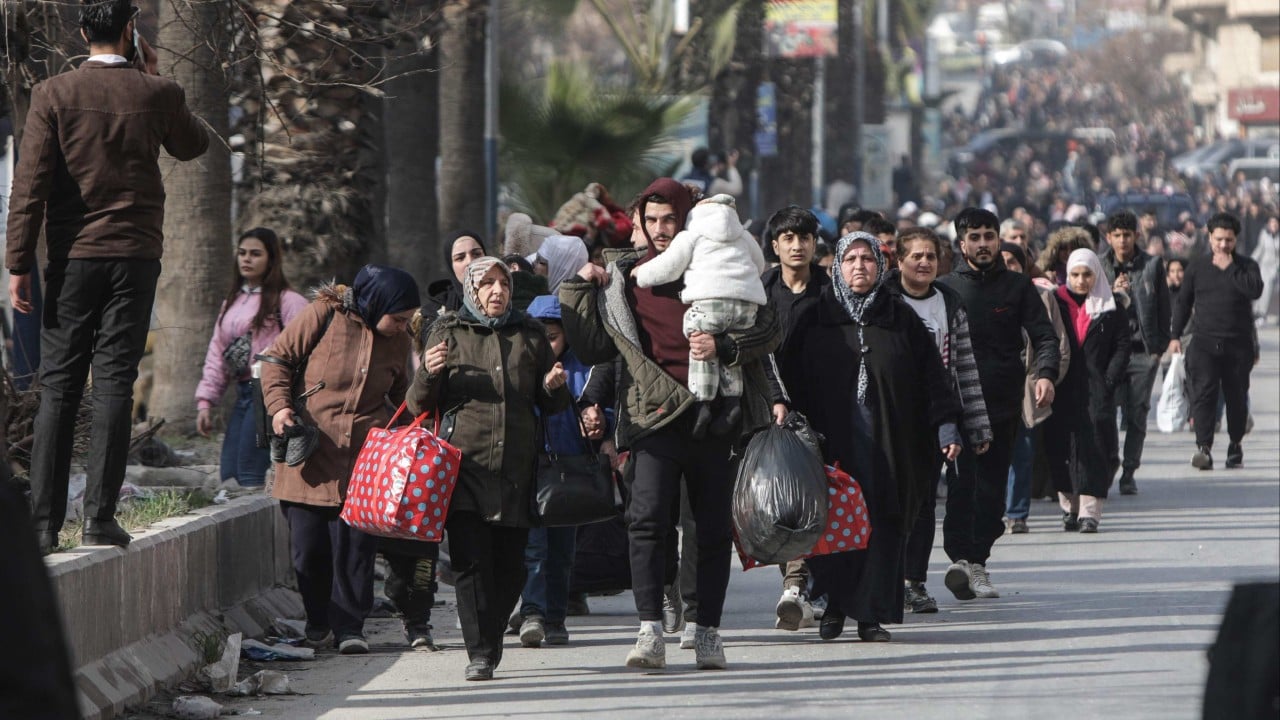
Syrian Army and Kurdish Forces Clash in Aleppo, Forcing Thousands to Flee Intense fighting between Syrian government forces and Kurdish-led fighters has shattered a fragile truce in Aleppo, triggering a mass exodus of civilians and threatening to unravel relative stability in northern Syria [44512][45585][45588]. The clashes, focused in Aleppo's northern suburbs and the Deir Hafer district, have forced thousands of families to flee their homes, according to local aid groups [44512][45585][49667]. The violence marks a significant escalation in the long-running standoff between the Syrian Arab Army and the US-backed Syrian Democratic Forces (SDF), a coalition of Kurdish and Arab fighters [43634][45585]. The fighting erupted after political talks aimed at resolving the conflict between Damascus and the Kurdish-led administration stalled [45585]. Both sides have exchanged blame for initiating the hostilities, which have resulted in multiple deaths [44512][44088]. A brief ceasefire was ordered by both sides following deadly clashes earlier in the week, but the situation remains highly tense [32516]. The Syrian army's advance near Aleppo has led to expanded evacuation orders, sparking a rapid civilian flight from the area [45588]. Those displaced join millions of other Syrians already uprooted by the country's 14-year civil war [45588][127054]. The stalemate between the central government and the SDF, which controls large parts of northern and eastern Syria, is deepening and becoming more deadly, analysts warn [44512][49667]. The SDF was a leading US ally against the Islamic State group but is viewed as an illegal militia by the Syrian government [43634]. The renewed combat threatens to create a severe humanitarian crisis in Aleppo province, which already hosts many people displaced from earlier phases of the war [45585]. The United Nations has repeatedly warned that any major new offensive in Syria risks catastrophe [45585]. **Syria's Aleppo Truce Shatters, Thousands Flee as U.S. Mediates** Aleppo Exodus: Fighting Erupts as Syria Peace Talks Fail **Syrian Army Advances on Aleppo, Sparking Mass Exodus** Syrian Army and US-Backed Forces Clash in Aleppo Fresh Clashes Erupt Between Syrian Army and Kurdish Forces **Syrian Forces and Kurds Clash, Then Halt Fire After Deadly Fighting** Aleppo Clashes Follow Secret Syria-Israel Talks Syria Detains, Expels Kurds in Aleppo as US Bombs ISIS


China Bets Billions on AI and Chips to Break U.S. Tech "Chokehold"
China Bets Billions on AI and Chips to Break U.S. Tech "Chokehold" China is mobilizing hundreds of billions of dollars in state-backed investment to achieve self-sufficiency in advanced semiconductors and artificial intelligence, aiming to break through U.S.-led technological restrictions and dominate next-generation industries [51155][86995][95150]. Multiple provinces and tech hubs are rolling out aggressive five-year plans targeting breakthroughs in chip manufacturing and AI development. The eastern province of Zhejiang has announced a goal to produce semiconductors as small as 3 nanometers, a direct effort to counter U.S. export controls described as a strategic "chokehold" [51155]. This provincial push follows a national directive for technological independence [51155][59734]. At the national level, a new state-backed semiconductor fund worth over $47 billion has been launched to finance the development of domestic chipmaking equipment, an area currently dominated by American, Japanese, and Dutch firms [86995]. Major cities are following suit, with Shanghai alone launching a $10 billion investment plan focused on microchips and AI [43531]. The financial commitment is staggering. China's draft national budget allocates 426.42 billion yuan (US$61.7 billion) specifically for science and technology, targeting "future industries" like AI, satellite internet, and electric vehicles [93804]. At least 22 provincial-level governments have published economic plans prioritizing high-tech industries such as semiconductors and AI, aligning with national goals for supply chain security [19492]. This strategic pivot marks a fundamental shift from China's decades-long model of acquiring foreign technology to one focused on creating and controlling cutting-edge innovations [59734]. The approach contrasts sharply with the U.S., where AI development is primarily market-driven; China's model is defined by state coordination and integrating AI as core national infrastructure [109135]. The visit by President Xi Jinping to a major technology innovation park in Beijing underscored the national priority placed on achieving "high-level" technological independence [71486]. Private tech giants are aligning with this mission, with companies like Xiaomi announcing intensified multi-billion dollar investments into "core technologies" like semiconductors and AI [86064]. Analysts see the concerted push as a direct response to export controls from the U.S. and its allies, with the goal of building a complete, homegrown supply chain from materials to manufacturing [86995]. The broader national strategy, outlined in planning documents for 2026-2030, explicitly aims to break foreign "chokepoints" in strategic industries and includes frontier technologies like advanced AI and nuclear fusion [95150]. China Targets 3nm AI Chips to Break US "Chokehold" China Bets $47 Billion to Break the Chip Barrier China's New Plan: Beat US Tech Rivals with AI and Fusion Power Shanghai Bets $10 Billion on Chips and AI in Tech Race China's $62 Billion Bet Mirrors Musk's Vision Chinese Provinces Prioritize Tech and Self-Reliance in New Economic Plans Xi Inspects Tech Park, Stakes Claim in Global Innovation Race Xiaomi Bets Billions on Chips and AI as Rivals Build Robots China's Tech Pivot: From "Catch-Up" to Cutting-Edge AI War: US Bets on Markets, China Bets on Control

Climate Chaos Goes Global: 2025's Extreme Weather Kills Thousands, Costs Billions
Climate Chaos Goes Global: 2025's Extreme Weather Kills Thousands, Costs Billions A relentless wave of climate-driven disasters in 2025 killed thousands, displaced millions, and caused billions in economic losses worldwide, cementing extreme weather as a dangerous new normal. From catastrophic floods in Europe to crippling droughts in Africa, the year marked a turning point where climate impacts moved from alarming headlines into the fabric of daily life, according to scientific and institutional reports [36941][49594][37315][37775]. The World Meteorological Organization (WMO) confirmed the severe toll, reporting that extreme weather on the African continent alone claimed thousands of lives, impacted millions, and resulted in billions of dollars in damage [113458]. This human and economic cost underscores a broader global pattern, with 2025 ranking as the planet's third hottest year on record [49594]. Scientists directly link the increasing frequency and intensity of these disasters to human-caused climate change, driven by greenhouse gas emissions from burning fossil fuels [36941][49594]. The consequences were felt across ecosystems and societies. In the United Kingdom, a major conservation charity warned that nature was pushed to a "breaking point" by a destructive cycle of storms, heat, drought, and floods that characterized the year [36898]. The shift was not merely meteorological but perceptual. Experts note that events like droughts, heatwaves, and wildfires ceased to be seen as exceptional emergencies and instead became regular, expected occurrences [37775][37315]. This normalization of climate chaos presents a fundamental challenge to global resilience. The interconnected nature of the crisis is starkly visible in Eastern Africa, where a "triple planetary crisis" of climate change, biodiversity loss, and pollution is now directly threatening regional food security by ruining crops and killing livestock [91481]. Similarly, in South Africa, climate change is exacerbating air pollution—intensifying wildfires and dust storms—leading to a surge in respiratory illnesses like asthma and bronchitis, particularly among children and the elderly [110220]. In response to the escalating emergency, the United Nations Environment Assembly (UNEA-7) concluded with a strong call for accelerated global action, urging member states to enhance cooperation on the intertwined crises of climate change, biodiversity loss, and pollution [21446]. The assembly emphasized that strengthening "planetary resilience"—the ability of natural and human systems to withstand shocks—is now an urgent multilateral priority [21446]. Europe's 2025 Weather: A New Normal of Extremes? 2025: The Year the Weather Broke UK Wildlife Pushed to "Breaking Point" by Extreme Weather in 2025 UN Environment Assembly Demands Urgent Global Action on Climate and Biodiversity 2025: Climate Crisis Becomes Daily Life Triple Planetary Crisis Starves East Africa Climate Crisis Costs Africa Billions, Claims Thousands Every Breath a Risk: The Hidden Climate Threat to South Africa's Lungs 2025: The Year Climate Chaos Became Routine
Trump Threatens to Blockade World's Key Oil Chokepoint as Iran War Strains Global Economy
Trump Threatens to Blockade World's Key Oil Chokepoint as Iran War Strains Global Economy Global financial leaders are convening in Washington this week as a dangerous military standoff between the United States and Iran threatens to upend the world economy. The crisis escalated after U.S. President Donald Trump announced plans to impose a blockade on the Strait of Hormuz, a critical maritime passage for nearly a third of the world's seaborne oil, following the collapse of peace talks [126956]. The threat has sent shockwaves through global markets and is the dominant concern at the spring meetings of the International Monetary Fund (IMF) and World Bank. Officials are grappling with the largest oil price shock in decades, driven by the ongoing U.S.-Israeli conflict with Iran, which is fueling inflation and risking a worldwide economic slowdown [126839][126928]. Top central bankers and finance ministers are urgently assessing the "spillover" effects, fearing that surging energy costs and shipping disruptions could reverse recent economic progress [126928]. President Trump stated the blockade decision came after Iran refused to abandon its nuclear program, which Tehran insists is for peaceful purposes. Military experts note that a formal naval blockade is considered an act of war [126956]. The U.S. strategy appears aimed at crippling Iran's oil exports to force concessions, but analysts warn the two sides are locked in a high-risk stalemate with no clear path to de-escalation [127074]. The economic turbulence arrives as the global economy already faces a precarious balance between high inflation and slowing growth [126929]. The new war-driven risks darken the outlook, forcing policymakers to weigh fighting price rises against supporting growth—a challenge compounded by the potential for a severe energy supply shock [126928]. The confrontation is also testing international alliances. European leaders have notably refused to join U.S. and Israeli military actions against Iran, a stance that has strained the transatlantic partnership and raised questions about the future of Western security cooperation [127121]. Meanwhile, the unpredictable U.S. foreign policy is causing allies worldwide to question American reliability and is pushing some nations to cautiously build their own security and economic capabilities [127045][57549]. Trump Threatens Strait of Hormuz Blockade After Iran Talks Fail IMF, World Bank Confront Wartime Oil Shock in Washington Iran War Costs to Dominate Global Economic Talks Trump Tests Iran's Limits: A Dangerous Game of Will Trump's Iran War: A Warning for Asia? Global Economy at a Crossroads: IMF, World Bank Convene Amid Growth and Inflation Fears NATO Shifts as Trump Rhetoric Sows Doubt Trump Stuns Davos: Allies Question U.S. Commitment


Latest Articles
U.S. Eyes Turkmenistan Bases in Iran Standoff
Could Turkmenistan become a new strategic hub for the United States? As tensions with Iran persist, American military planners may be looking at this...

Office Worker's Five-Hour Nap Sparks "You Get What You Pay For" Debate
A Chinese office worker's five-hour nap at her desk has ignited a fierce online discussion about fair pay and workplace protest. The woman, from Sha...
Gulf Capital Eyes Hong Kong as Geopolitical "Safe Haven"
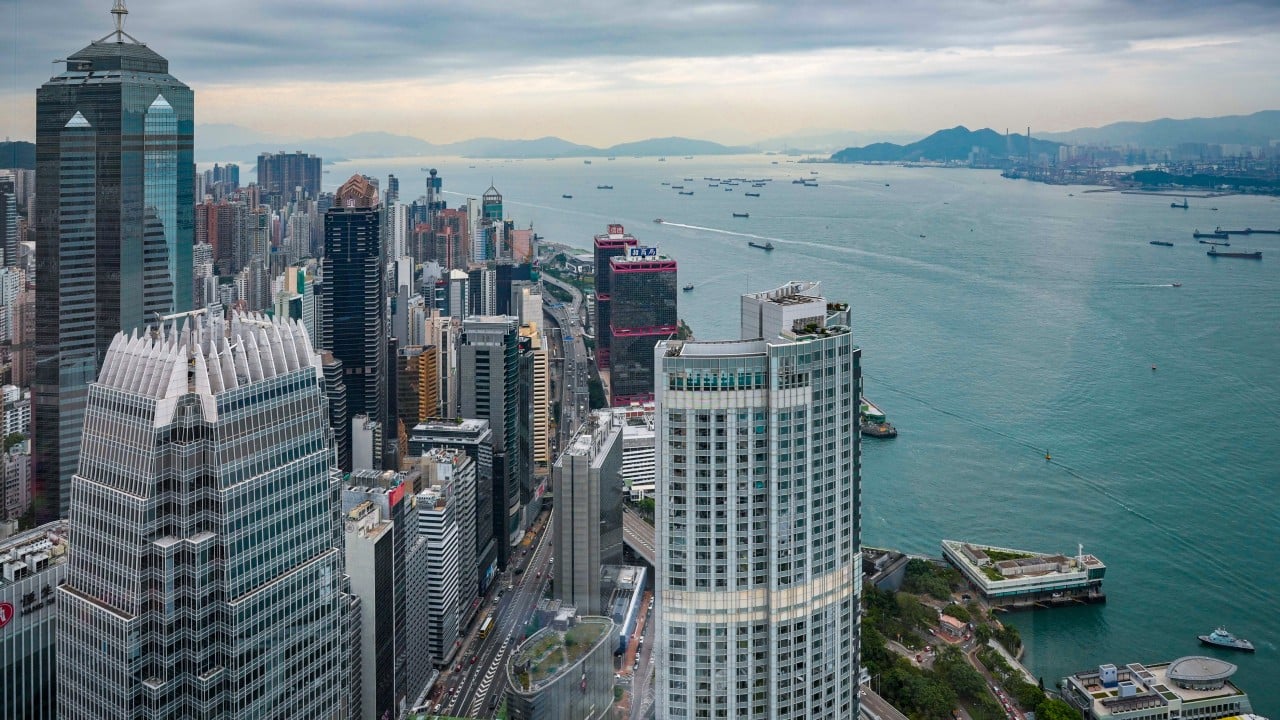
Hong Kong may see rising demand for its top office towers as Middle Eastern investors seek new, stable hubs amid global tensions, analysts say. Geop...

South Korea Offers Cash to Foreign Residents in Landmark Relief Move
Some foreign residents in South Korea will receive government cash payments this month. The move is part of a new budget plan to help with high fuel...
Hong Kong Emerges as Unlikely Safe Haven Amid Global Upheaval
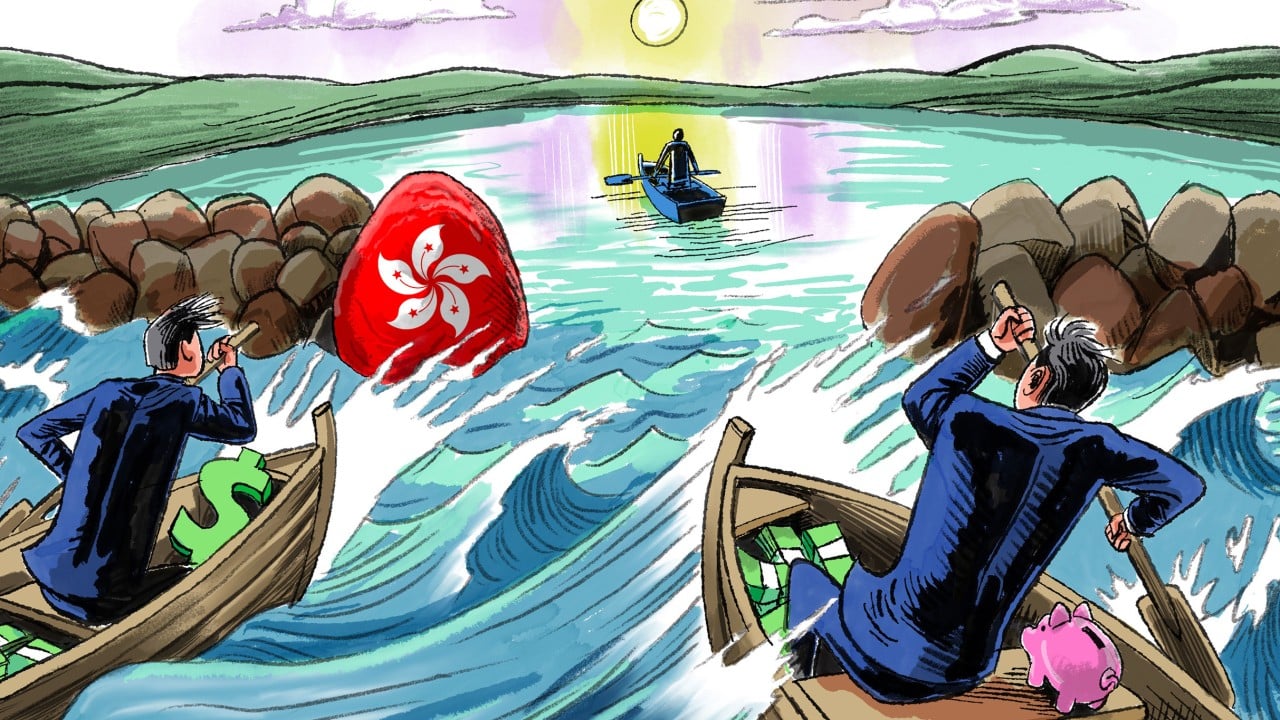
In a world of sudden conflict and economic shifts, stability is now a rare and valuable asset. Hong Kong is positioning itself to offer just that. G...

EASA Pilots Move to Shanghai in Push to Certify China's C919
European aviation safety pilots and engineers are now based permanently in Shanghai, accelerating flight tests for China's C919 passenger jet, accord...
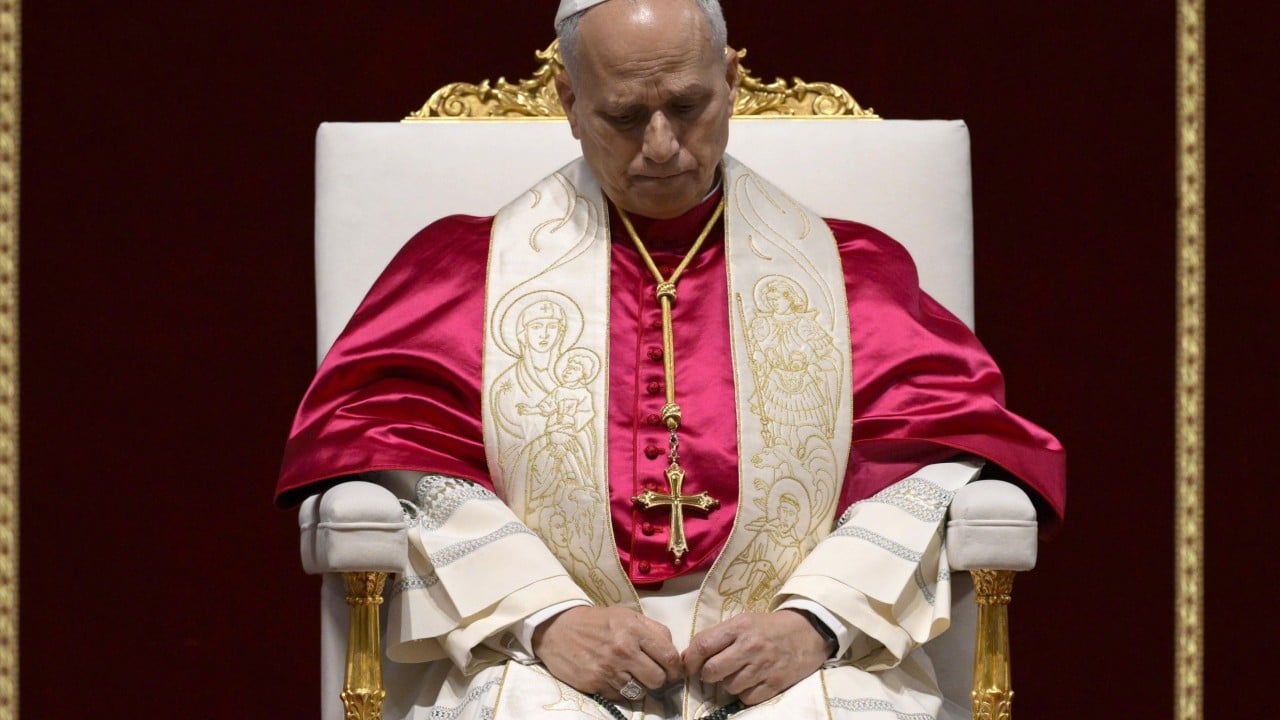
Trump Attacks Pope: "Not a Fan," Says Pontiff Too Liberal
President Donald Trump launched an unprecedented public criticism of Pope Leo on Sunday, questioning the Pope's performance and accusing him of cater...

Hong Kong Aims for 36x AI Power Surge to Rival Global Giants
Hong Kong plans a massive 36-fold increase in its supercomputing power. The goal is to become a top global center for artificial intelligence (AI)....

China Orders AI Lessons for All Students, From Primary School Up
China is launching a nationwide push to teach artificial intelligence (AI) at every level of education. The move aims to prepare its workforce for in...
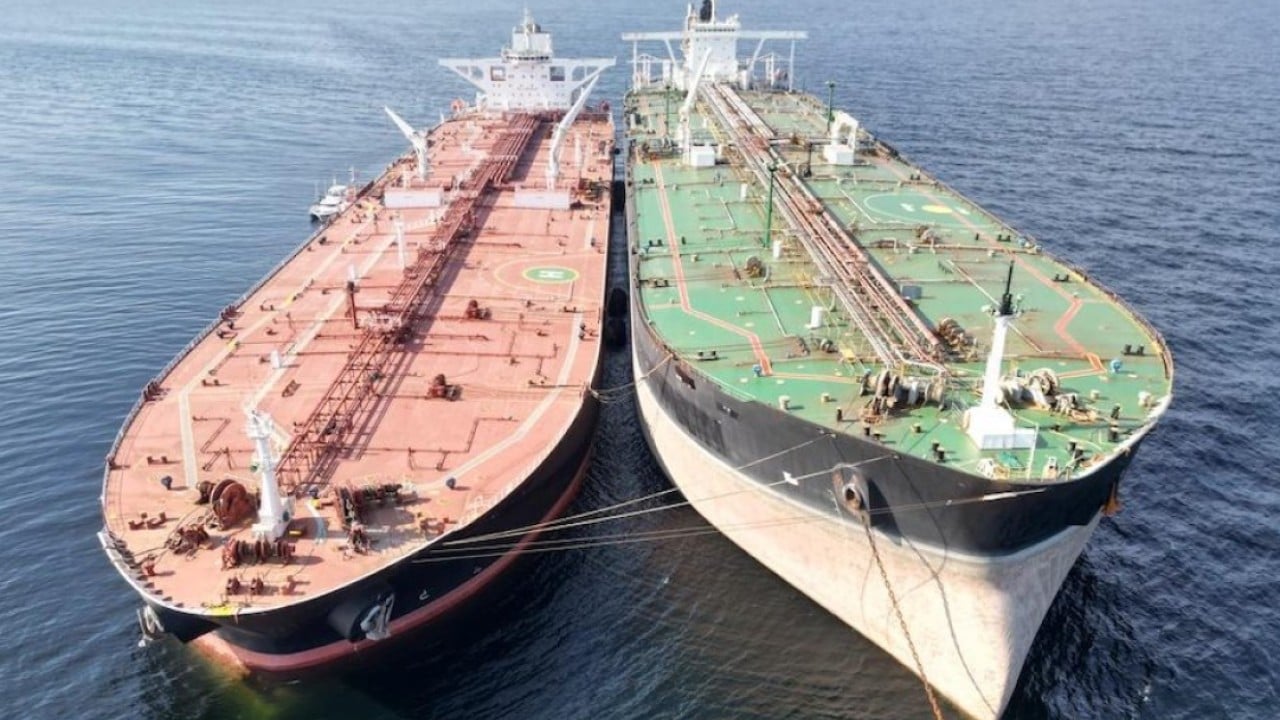
Malaysia Seizes Smuggled Diesel Worth $1.37 Million
Malaysian authorities have seized two tankers and 700,000 liters of diesel in a major fuel smuggling bust. The estimated value of the confiscated fue...

Firefighters Cut Off: No Commander at Deadly Hong Kong Blaze, Probe Hears
A critical commander role was left unfilled during Hong Kong's deadliest fire in decades, an independent inquiry heard. Senior firefighters are testi...

Congressman Exits Governor Race Amid Sexual Assault Allegations
U.S. Representative Eric Swalwell suspended his campaign for California governor on Sunday. The decision comes as he faces sexual assault accusations...

AI Solves Decade-Old Math Puzzle, No Humans Needed
A Chinese artificial intelligence (AI) system has solved a math problem that had puzzled experts for over ten years. Researchers say the AI did this...
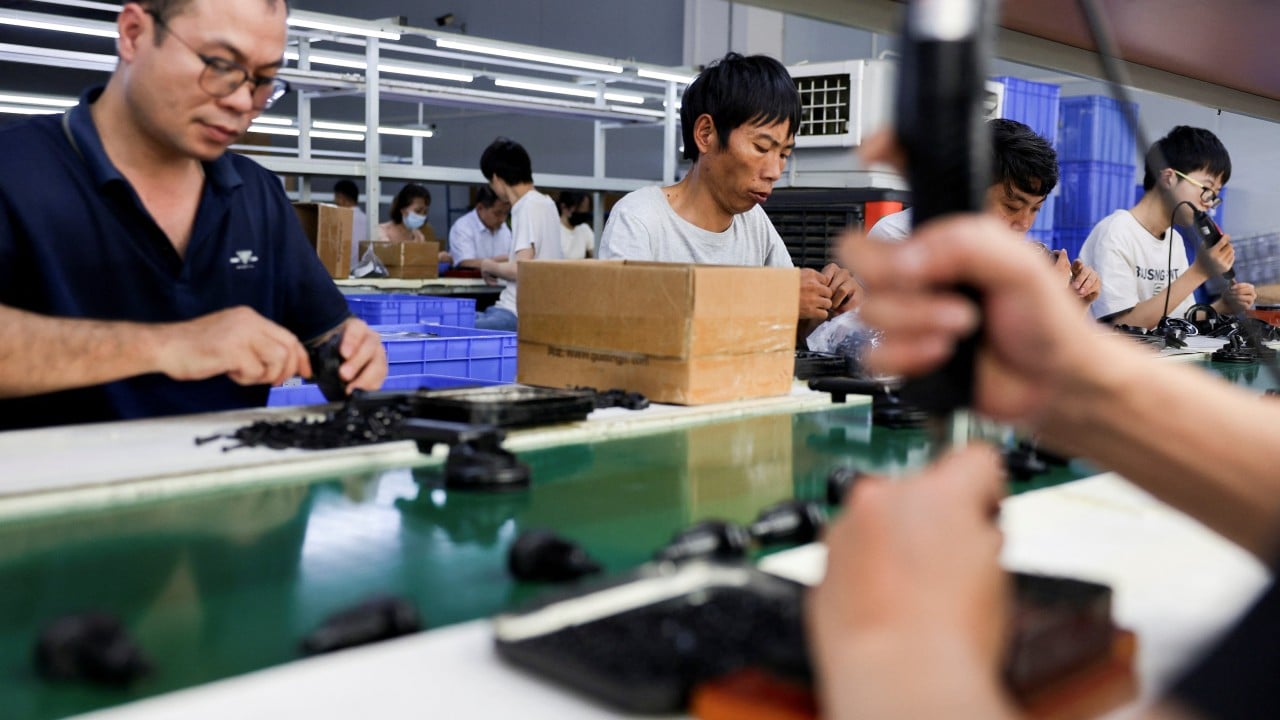
China's Economy Feels Hormuz Oil Shock: 5 Key Stories You Missed
Catch up on essential developments from Asia and beyond with these five reports from our recent coverage. **1. China Feels the Squeeze from Hormuz O...

Bubble Tea Price War Brews, Threatens Thousands of Shops
China’s massive bubble tea market is boiling over. Fierce price competition now threatens to push thousands of shops out of business. The industry h...

Australia Appoints First Female Army Chief in History
Australia has named Lieutenant General Susan Coyle as its next army chief. She will be the first woman to hold the position. The government announce...

Hong Kong Travel Agency Shut Down For Forcing Tourists to Shop
A Hong Kong travel agency has been permanently shut down after its tour guide forced mainland Chinese visitors to shop. The Travel Industry Authorit...
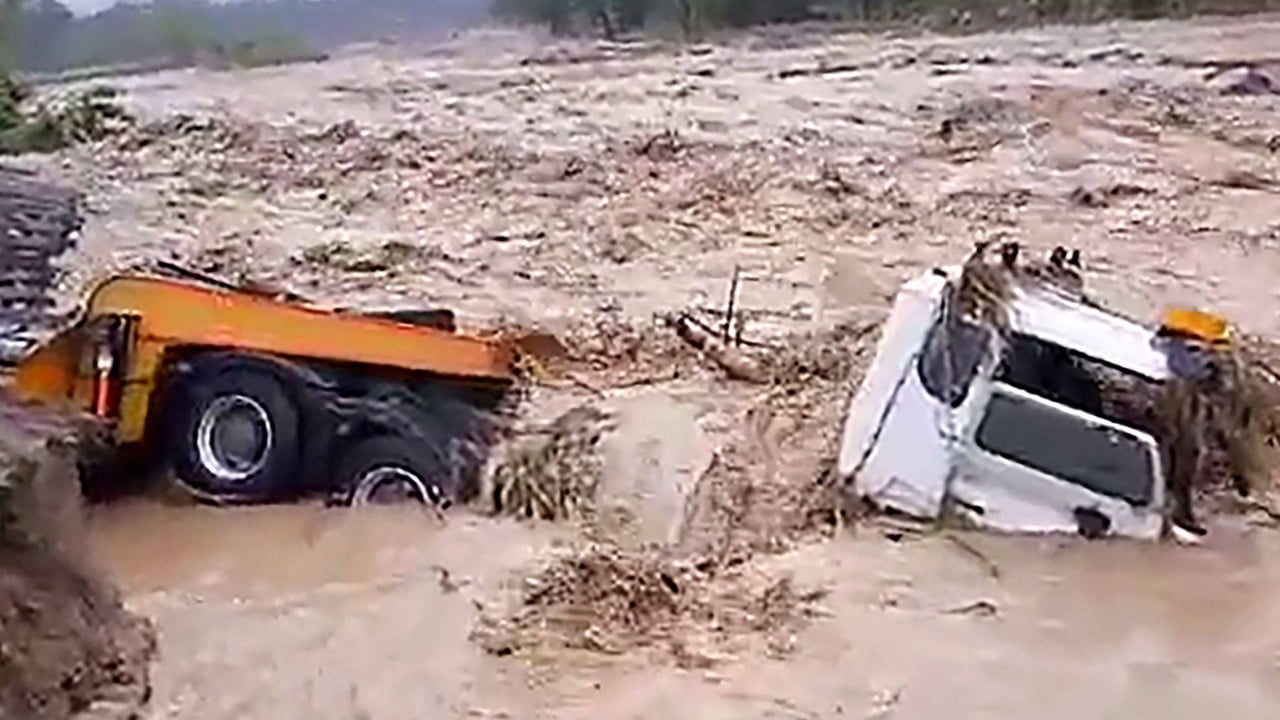
Cyclone Maila Kills 11, Australia Pledges Aid
Australia has pledged US$1.7 million in emergency aid to two Pacific nations. The money will help Papua New Guinea and the Solomon Islands recover fr...

Restaurant Rejects Fame, Closes Amid Overwhelming Crowds
A restaurant owner in China has shut down his popular business after it went viral online, saying the sudden fame was too stressful. The chicken pot...
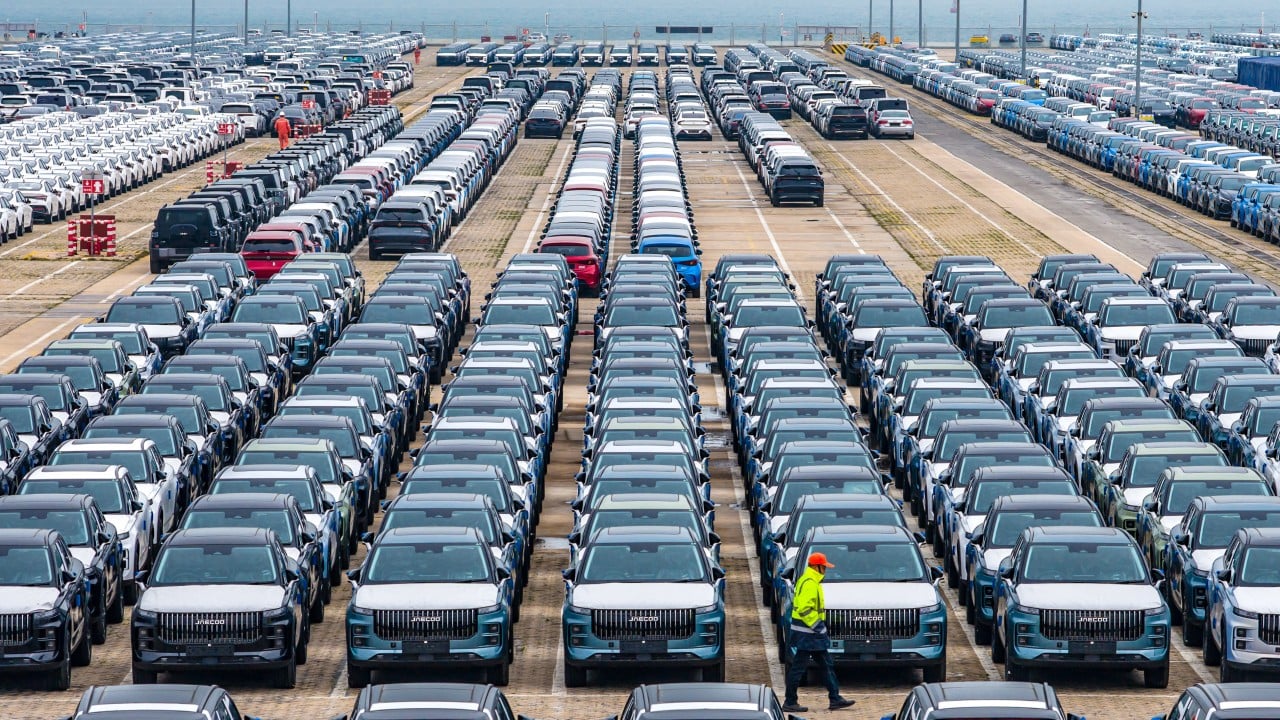
Chinese EV Stocks Defy Market Slump on Export Boom
Shares of major Chinese electric vehicle makers surged in Hong Kong trading on Monday. This rise happened even as the overall market fell. The jump...