US and Iran Hold High-Stakes Talks in Pakistan as Middle East War Escalates
US and Iran Hold High-Stakes Talks in Pakistan as Middle East War Escalates In a rare diplomatic move, senior United States and Iranian officials are meeting in Islamabad, Pakistan, in an urgent attempt to negotiate an end to a widening Middle East conflict. The talks come as military strikes between Israel and Iran-backed groups threaten to spiral into a full-scale regional war [125866][125940]. The U.S. delegation, led by Vice President Mike Vance, arrived in Pakistan on Saturday for the discussions [125874]. Vance issued a sharp warning to Iran before departing, stating, "Now is not the time for Iran to play games with the United States" [126108]. The Iranian side is expected to be led by Parliament Speaker Mohammad Bagher Ghalibaf [125686]. A major sticking point emerged just as talks were set to begin. Iranian negotiators demanded that any ceasefire agreement include an end to the fighting between Israel and the Lebanese militant group Hezbollah, which is backed by Tehran [125874]. This conflict along the Israel-Lebanon border has seen near-daily clashes and is a primary U.S. concern for preventing a broader war [126108]. The high-level meeting was convened as the conflict, which began with the Israel-Hamas war in Gaza, expanded dramatically. Recent weeks have seen direct Israeli missile strikes inside Iran, which reportedly damaged the historic Golestan Palace, a UNESCO World Heritage site in Tehran [126546]. Iran responded with drone and missile launches toward Israel [126546]. The violence has spread beyond the immediate combatants, affecting Gulf nations like the United Arab Emirates and Kuwait, and disrupting global trade [90697][127257]. Major shipping companies have suspended travel through the Red Sea due to security risks, forcing vessels onto a longer route around Africa and delaying perishable luxury exports from Japan to the Middle East by roughly two weeks [127257]. Further escalation could target global energy supplies. A senior Australian political adviser warned that any potential U.S. move to blockade the Strait of Hormuz—a critical chokepoint for the world's seaborne oil exports—would be a "bad thing" that could severely worsen the crisis [127165]. Environmental damage is already mounting, with an oil spill from a bombed Iranian ship threatening a protected mangrove forest in the Gulf [123126]. Pakistan is hosting the negotiations as a neutral party, sharing borders with Iran and maintaining relationships with regional powers [125866]. While no official agenda has been released, the location suggests a focus on regional security issues [125686]. International reaction has been cautiously hopeful; Indonesia's foreign ministry called the direct talks "encouraging" and urged both sides to seek a sustainable peace [125940]. Iran-Israel Conflict Disrupts Japan's Luxury Exports to Middle East US and Iran Meet for Talks as Middle East War Expands UNESCO Sites Damaged in Middle East Strikes Iran Demands Lebanon Ceasefire in Last-Minute Peace Talk Hurdle Vance to Iran: "Do Not Test Us" as Mideast Mission Begins Iran and US to Meet in Pakistan as Israel-Lebanon Tensions Rise Oil Slick From Bombed Iranian Ship Heads for Protected Wetland Middle East Conflict Widens: Strikes Hit Lebanon, Gulf States US and Iran Hold Rare Direct Talks in Pakistan to End Middle East War
Articles in this Cluster
Iran-Israel Conflict Disrupts Japan's Luxury Exports to Middle East
Australian PM's Adviser Warns: US Strait of Hormuz Blockade Could Inflame Middle East Crisis

UNESCO Sites Damaged in Middle East Strikes

Gaza's Christians Hold Easter Vigil Under Ceasefire
Eid Prayers Echo as War Thunder Rolls in Middle East

Middle East Conflict Diverts Medical Tourists to Malaysia
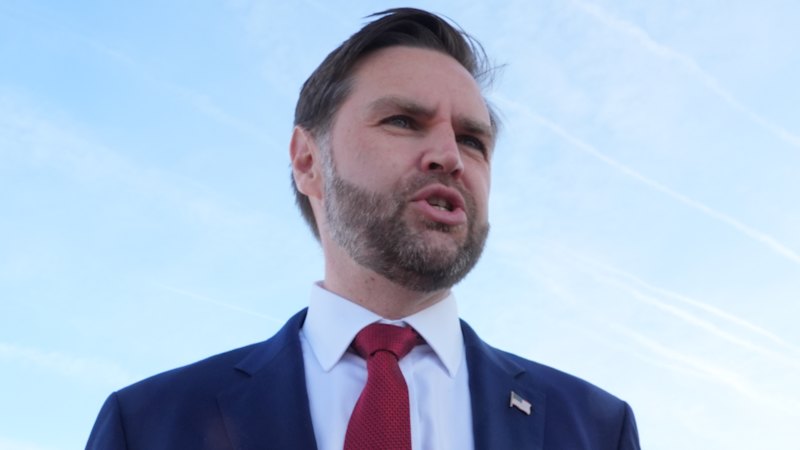
Vance to Iran: "Do Not Test Us" as Mideast Mission Begins
Oil Slick From Bombed Iranian Ship Heads for Protected Wetland
Middle East Conflict Widens: Strikes Hit Lebanon, Gulf States

Gulf Region Braces for "Complete Reset" After Iran Attacks

Iranian Athlete Seeks Asylum in Sydney as U.S. Warns of Major Strikes
