Latest News
Stay updated with the latest news and articles
Top Stories
Catastrophic Floods and Mudslides Kill Over 1,500, Devastate Southeast Asia
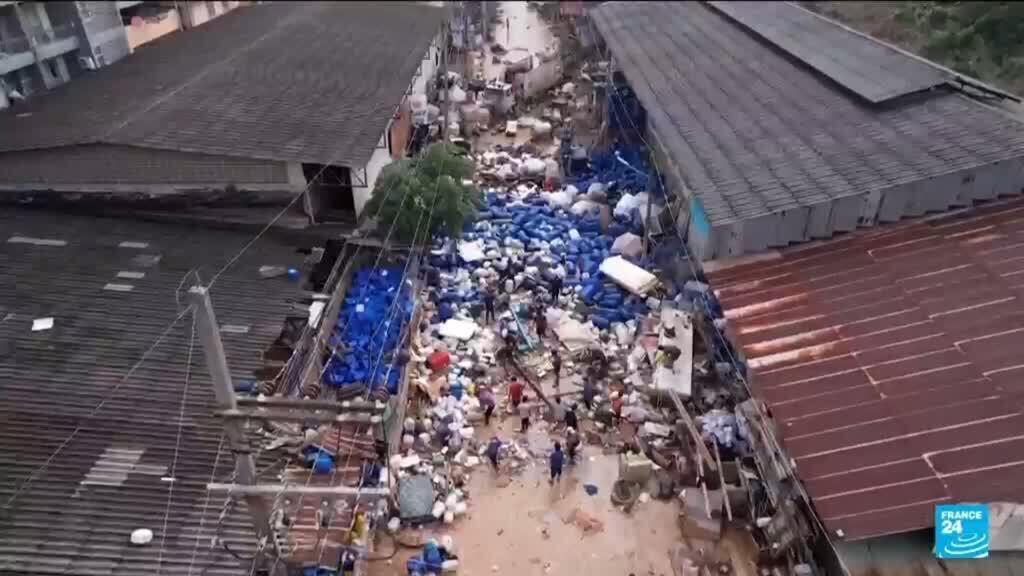
Catastrophic Floods and Mudslides Kill Over 1,500, Devastate Southeast Asia Catastrophic flooding and landslides have killed more than 1,500 people and affected millions across Southeast Asia, following a week of exceptionally heavy rainfall [17624][20084][25217]. The disasters have submerged villages, severed roads, and triggered deadly mudslides, leaving a trail of destruction primarily in Indonesia, Sri Lanka, Thailand, and Malaysia [17624][14786][25217]. In Indonesia, the death toll has reached 995, with rescuers still searching for 226 missing people [25217]. Neighboring Sri Lanka reports 640 dead and 211 missing [25217]. Combined, the two nations have nearly 4 million citizens impacted, with homes, roads, and farms destroyed [25217]. Southern Thailand has also suffered a severe loss of life, with authorities reporting at least 145 fatalities [14423]. Torrential rains caused rivers to overflow and saturated hillsides, leading to destructive landslides across the region [14423][17624]. Emergency crews are working to provide aid and reach isolated communities, but their efforts are hampered by damaged infrastructure and continuing access problems [20084][11385]. National governments and international aid agencies are mobilizing major relief efforts, focusing on providing emergency shelter, clean water, and medical supplies to displaced survivors [17624][20084]. Authorities have warned of rising health risks from damaged water supplies in the flooded regions [25217][11385]. The full scale of the damage is still being assessed as rescue operations continue [14423][14786]. Deadly Floods and Landslides Claim Over 1,400 Lives Across Southeast Asia Deadly Floods and Landslides Claim Over 1,500 Lives Across Asia Massive Floods Kill Over 1,600, Affect Millions in Asia Deadly Floods and Landslides Claim Over 250 Lives in Southeast Asia Southeast Asia Reels From Widespread Flooding Deadly Floods and Landslides Claim Lives Across Southeast Asia

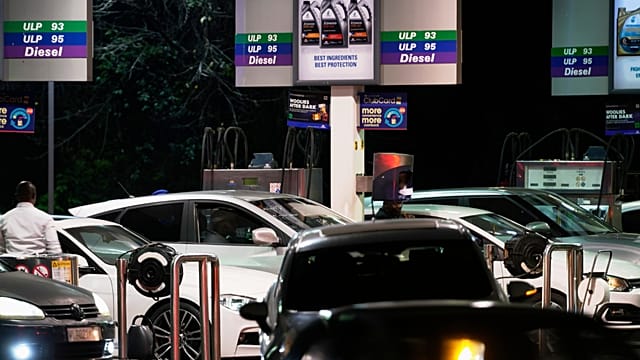
Fuel Panic Grips South Africa: Over 1,000 Stations Dry Ahead of Record Easter Price Hike
Fuel Panic Grips South Africa: Over 1,000 Stations Dry Ahead of Record Easter Price Hike
A frantic rush to beat a historic fuel price increase has emptied more than 1,000 petrol stations across South Africa, triggering a nationwide shortage just as the Easter holiday travel period begins [119693].
The crisis began when motorists swarmed stations to fill their tanks before a government-mandated price hike took effect on Wednesday, April 1 [119693]. The surge in demand overwhelmed supply chains, leaving storage tanks dry. The economic hub of Gauteng is hardest hit, with 306 stations out of diesel and 202 without petrol [119693].
The price increase itself is one of the steepest on record. Despite a government tax cut of 3 rand per litre designed to offer relief, the surge in global oil prices—driven by conflict in the Middle East—has led to a massive jump at the pump [117581]. Diesel rose by R7.51 per litre and petrol by R3.06 [118106].
This shock is now rippling through the economy. Security companies and water suppliers have begun adding emergency surcharges to customer bills, citing higher transportation costs, while taxi associations are warning of imminent fare hikes for commuters [118106].
The timing could not be worse for families planning Easter getaways. Long queues snake from the few stations that still have fuel available [119693] [116547]. Industry groups are working to resupply stations and are urging drivers to remain calm and only purchase what they immediately need [119693].
Easter Travel Crisis: Over 1,000 Fuel Stations Empty in South Africa
South Africa Cuts Fuel Tax, But Drivers Still Hit by Record Price Hike
Fuel Shockwave: Water, Security Prices Surge After Diesel Spike
Fuel Runs Out: South Africa Faces Nationwide Shortage

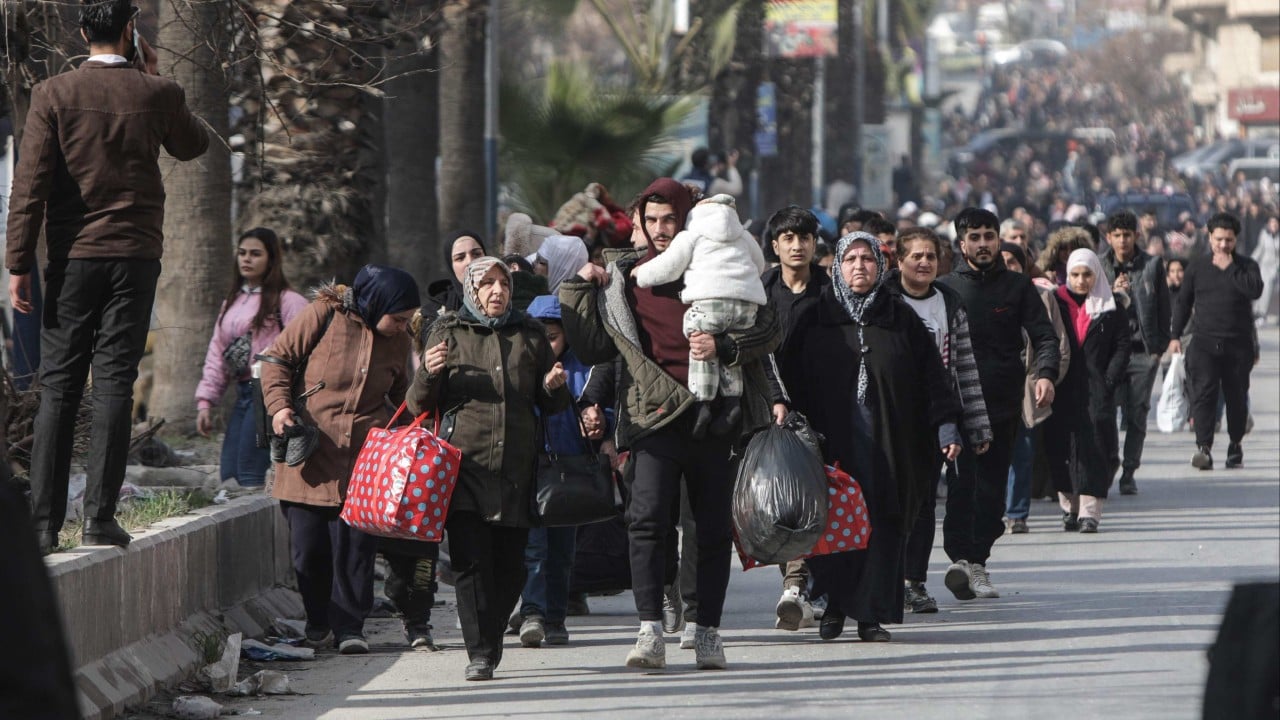
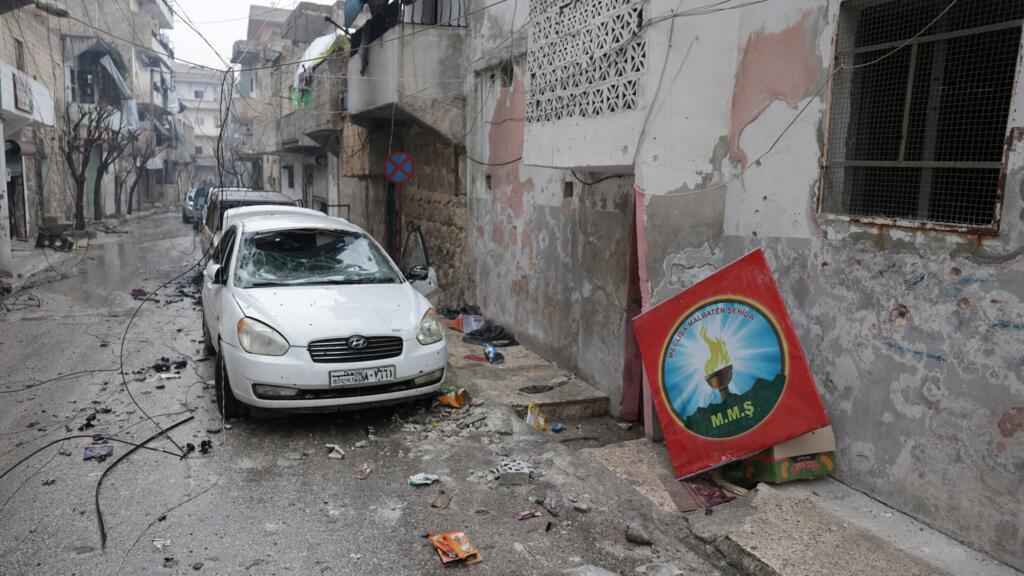
Syrian Army and Kurdish Forces Clash in Aleppo, Forcing Over 140,000 to Flee
Syrian Army and Kurdish Forces Clash in Aleppo, Forcing Over 140,000 to Flee A major military escalation between Syrian government forces and Kurdish-led fighters has shattered a fragile calm in Aleppo, triggering a massive civilian exodus and raising fears of a new, devastating front in Syria's long-running war. Intense fighting erupted this week in the northern city, pitting the Syrian Arab Army against the Kurdish-led Syrian Democratic Forces (SDF) [44512]. The clashes, concentrated in the Sheikh Maqsoud, Ashrafieh, and Bani Zaid districts, represent the most severe violence in Syria in over six months [45816]. The Syrian government declared a curfew and halted flights at Aleppo's airport as the battles raged [45172]. The violence has forced a rapid and large-scale displacement of civilians. More than 140,000 people have fled their homes under heavy shelling, according to reports following three days of combat [45816]. Local aid groups described thousands of families seeking safety away from the front lines, though exact numbers remain difficult to assess [45585]. The Syrian army distributed maps to civilians showing safe evacuation routes from several neighborhoods, indicating preparations for further military operations [44681]. The direct cause of the latest clashes is disputed, with each side blaming the other for initiating hostilities [44088]. The fighting began after unknown assailants opened fire on SDF checkpoints in Kurdish-majority neighborhoods [32527]. This breakdown follows a stall in political talks aimed at resolving the long-running conflict between the Damascus government and the SDF, which controls large parts of northeastern Syria [45585]. On Thursday, the Syrian government announced a ceasefire in an attempt to halt the violence. The truce, which began in the early morning hours, includes terms for Kurdish fighters to leave the contested Aleppo neighborhoods with safe passage to SDF-controlled northeast Syria [45816]. A U.S. envoy has welcomed the pause in hostilities, but it remains unclear if the agreement will hold [45816]. The situation threatens to unravel relative stability in northern Syria, displacing more families into a region already hosting millions displaced by earlier phases of the war [45588]. The United Nations has repeatedly warned that any major new offensive risks a humanitarian catastrophe [45585]. Syria's Aleppo Truce Shatters, Thousands Flee as U.S. Mediates Aleppo Exodus: Fighting Erupts as Syria Peace Talks Fail Syria Announces Aleppo Ceasefire After Clashes Displace 140,000 Syria's Aleppo: Army Strikes Kurds, Thousands Flee Syrian Army Distributes Evacuation Maps in Aleppo Amid Clashes Clashes Erupt Between Kurdish Forces and Syrian Army in Aleppo
China Bets Billions on AI and Chips to Break U.S. Tech "Chokehold"
China Bets Billions on AI and Chips to Break U.S. Tech "Chokehold" China is mobilizing hundreds of billions of dollars in state-backed investment to achieve self-sufficiency in advanced semiconductors and artificial intelligence, directly countering U.S. export controls and intensifying the global tech rivalry [51155][95150][59734]. The national push, framed as breaking foreign "chokepoints," is being executed through massive provincial and corporate spending plans targeting next-generation technologies [95150][59734]. Shanghai alone has launched a $10 billion investment plan focused on microchips and AI [43531], while a new national semiconductor fund worth over $47 billion aims to build a domestic supply chain for chipmaking equipment [86995]. Multiple Chinese provinces, including the tech hub of Zhejiang, have announced five-year strategies to achieve breakthroughs in manufacturing AI chips as advanced as 3 nanometers and to become central hubs for AI development [51155][19492][95148]. This provincial competition aligns with President Xi Jinping's directive for "high-level" technological independence, a core goal of the country's economic planning [71486][95148]. The strategy marks a pivotal shift from absorbing foreign technology to creating indigenous innovation in frontier fields [59734]. Private giants are following suit, with companies like Xiaomi announcing heavy multi-year investments into core technologies like semiconductors and AI to ensure growth and support national goals [86064]. China's draft national budget further reveals a $61.7 billion allocation for science and technology, specifically targeting "future industries" like AI, electric vehicles, and satellite internet that are critical to global competition [93804]. Analysts see the concerted effort as a move to secure leadership and reduce reliance on other nations' technology in strategic sectors [95150][86995]. China Targets 3nm AI Chips to Break US "Chokehold" China's New Plan: Beat US Tech Rivals with AI and Fusion Power China's Tech Pivot: From "Catch-Up" to Cutting-Edge China Bets $47 Billion to Break the Chip Barrier Shanghai Bets $10 Billion on Chips and AI in Tech Race Chinese Provinces Prioritize Tech and Self-Reliance in New Economic Plans Xi Inspects Tech Park, Stakes Claim in Global Innovation Race Xiaomi Bets Billions on Chips and AI as Rivals Build Robots China's Tech Giants Race for AI Dominance China's $62 Billion Bet Mirrors Musk's Vision

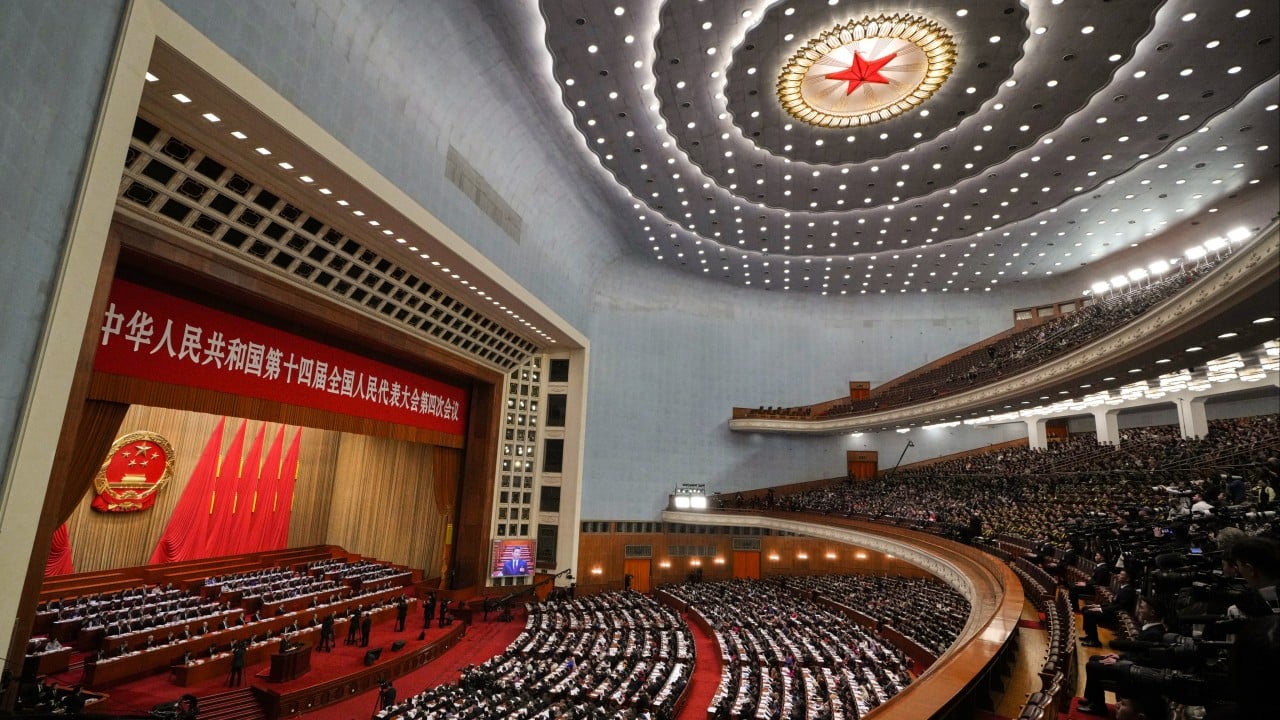

Climate Chaos Goes Global: 2025's Extreme Weather Kills Thousands, Costs Billions
Climate Chaos Goes Global: 2025's Extreme Weather Kills Thousands, Costs Billions From devastating floods in Europe to prolonged drought in Africa, the year 2025 marked a grim turning point where climate-driven disasters became a routine and costly reality across the globe. A convergence of extreme weather events, fueled by record levels of heat-trapping greenhouse gases, caused widespread destruction, claimed thousands of lives, and inflicted economic losses amounting to billions of dollars [113458]. Scientists and major institutions agree that the relentless sequence of storms, heatwaves, wildfires, and floods is a direct consequence of human-caused climate change [36941][49594]. What was once considered exceptional is now the new normal, with natural systems and human societies pushed to their breaking points [37315][36898]. In Europe, nations spent the year managing recovery from a brutal cycle of climate disasters, with experts warning that such severe events are likely to become standard [36941]. The continent faced everything from scorching heat and fierce wildfires to catastrophic autumn floods, which conservationists say have placed wildlife and landscapes under severe pressure [36898]. The human and economic toll was even more acute in Africa. A report from the World Meteorological Organization (WMO) confirmed that extreme weather killed thousands, impacted millions, and caused billions in losses across the continent last year [113458]. Eastern Africa faces a compounded "triple planetary crisis" where climate change, biodiversity loss, and pollution jointly threaten regional food security by ruining crops and killing livestock [91481]. The health impacts are also intensifying. In South Africa, doctors are reporting a rise in climate-related lung diseases as air pollution combines with increased wildfires and dust storms, putting children and the elderly at greatest risk [110220]. This global shift has prompted the world's top environmental body, the United Nations Environment Assembly (UNEA-7), to issue a strong call for accelerated international action to build planetary resilience [21446]. However, experts note that the crisis is being deepened by large-scale industrial projects, inadequate policies, and increasing pressure on natural resources, ensuring climate impacts are now embedded in everyday life [37775]. Europe's 2025 Weather: A New Normal of Extremes? **2025: The Year the Weather Broke** UK Wildlife Pushed to "Breaking Point" by Extreme Weather in 2025 Climate Crisis Costs Africa Billions, Claims Thousands Triple Planetary Crisis Starves East Africa **Title:** Every Breath a Risk: The Hidden Climate Threat to South Africa's Lungs **UN Environment Assembly Demands Urgent Global Action on Climate and Biodiversity** 2025: Climate Crisis Becomes Daily Life **2025: The Year Climate Chaos Became Routine**
U.S. Allies Scramble for New Partners as Trump Upends Decades of Global Order
U.S. Allies Scramble for New Partners as Trump Upends Decades of Global Order A wave of uncertainty emanating from the United States is forcing its closest allies to fundamentally rethink their reliance on Washington, accelerating a global shift toward a more fragmented and competitive world order. From the halls of the World Economic Forum in Davos to capitals across Europe and Asia, leaders are openly questioning American commitments and actively seeking to diversify their economic and strategic ties [57270][57549][55531]. The reassessment is driven by a series of statements and policy threats from U.S. President Donald Trump that have rattled traditional alliances. Recent comments, ranging from a renewed interest in purchasing Greenland to threats against long-standing partners, have created deep anxiety about the reliability and predictability of the United States [57549][55531]. At Davos, the pressing question among diplomats was whether the American-led world order is irreparably fraying [57549]. This volatility is prompting a global realignment. Nations that have depended on the U.S. for security and economic stability are now compelled to build alternatives [55531]. In Southeast Asia, the 10-nation Association of Southeast Asian Nations (ASEAN) bloc is actively working to reduce its economic reliance on both the U.S. and China amid trade tensions, seeking stronger ties with Europe, India, and the Middle East [103588]. Similarly, European and other Western leaders are recalibrating their approach to China, engaging with Beijing more cautiously as U.S. backing becomes less certain [57270]. Analysts describe the shift as a move from a "Pax Americana" to a "Lax Americana," where U.S. influence is declining as strategic partnerships weaken [109910]. The result is a multi-polar age where no single nation holds unchallenged dominance, and strategic locations like Greenland become focal points for competition among several powers [57847]. This new reality is marked by "geoeconomic fragmentation," with the U.S. and China forging separate economic paths and pressuring other nations to choose sides [12542]. The financial world is also adjusting its outlook, with experts now citing "U.S. risk" as a major concern. This term reflects growing fears that America's own political divisions and policy unpredictability pose a direct threat to global economic stability and investments, a significant change from its decades-long status as a safe haven [35492]. While the United States remains a military and economic superpower, its role is transforming from the undisputed leader of a united bloc to one major power among many. The rules and security once underpinned by American power are now in question, leaving allies and adversaries alike to navigate a more uncertain and competitive international system [109910]. World Shifts Toward China as Trump Upends Old Order Trump Stuns Davos: Allies Question U.S. Commitment Trump's Threats Force Allies to Rethink U.S. Dependence ASEAN Seeks New Partners as US-China Trade War Rages The Atlantic Splinters: As U.S. Power Wanes, Greenland Becomes a New Front U.S. Global Leadership Fades as Alliances Fracture, Experts Warn Wall Street Warns: "US Risk" Is the New Buzzword A New Economic Divide: US and China Forge Separate Paths

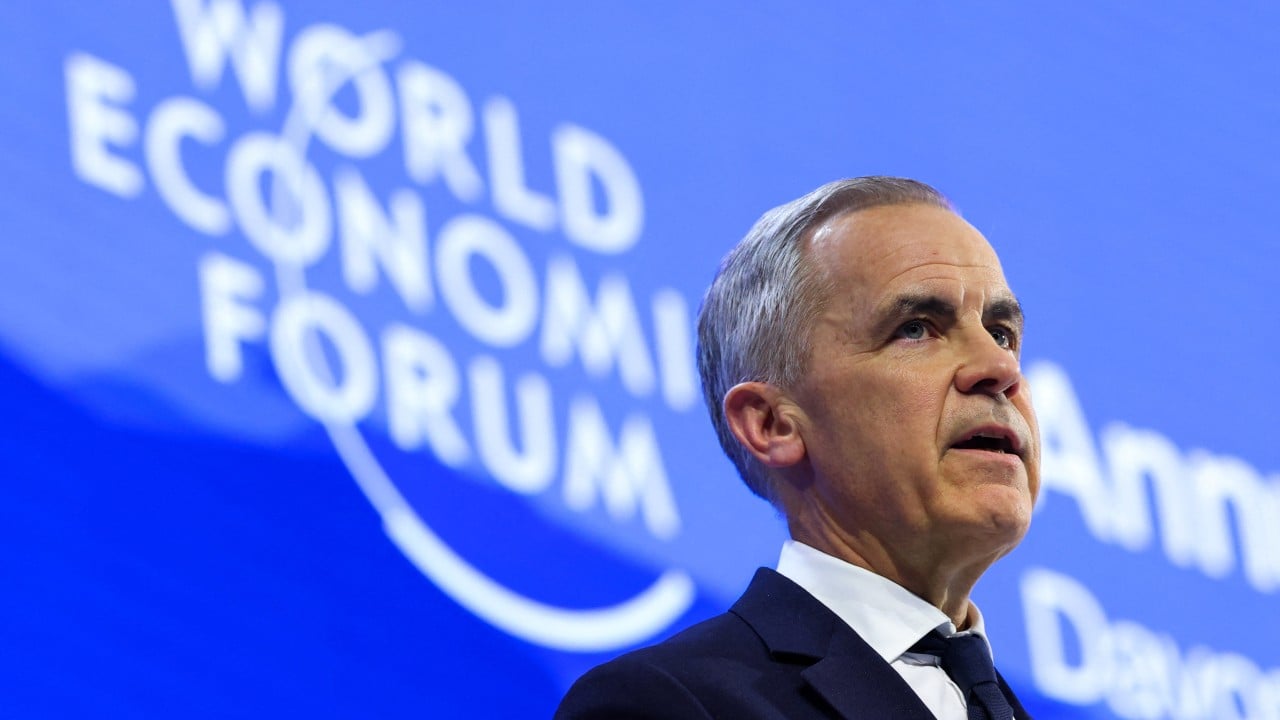

Tourist Hotspots Turn to Taxes and Off-Seak Travel to Fight Overcrowding
Tourist Hotspots Turn to Taxes and Off-Seak Travel to Fight Overcrowding Popular destinations around the world are hitting a breaking point, forcing local governments to implement new measures to control the crush of visitors. The widespread problem of overtourism—where too many travelers damage local life and the environment—is now being met with tourist taxes, campaigns for off-season travel, and efforts to redirect crowds [80040]. Experts say the issue is no longer confined to iconic landmarks. The rapid spread of trends on social media, combined with cheaper travel, can suddenly create a "must-see" phenomenon, overwhelming a location almost overnight [80040]. This was seen recently in Rio de Janeiro, where a single rooftop in the Rocinha favela, dubbed the "Gateway to Heaven," went viral and now draws global visitors who wait for hours for a photo [101397]. Similarly, a simple wooden dock in Venice, used by celebrity Kim Kardashian, has become an unlikely pilgrimage site for fans, reshaping tourist traffic in the ancient city [51924]. In Greece, a "pink veil" of peach blossoms in the Veria region now draws thousands of seasonal visitors, providing a major boost to local farmers [110288]. The goal of the new measures is to balance the economic benefits of tourism with the need to protect local communities, cultural sites, and natural environments [80040]. Destinations are actively seeking this balance. In the Indian-administered region of Kashmir, officials are promoting ski resorts and mountain tourism in an attempt to rebuild an economy long defined by conflict, investing in new hotels and direct flights [46233]. The Gambia is also diversifying its strategy, successfully welcoming cruise ships like the *Oceania Sirena* to become a major cruise destination in West Africa and spur spending on local services [130879]. Meanwhile, community-based models, like the Village Ways project in the Indian Himalayas, offer an alternative by connecting travelers with remote villages to support traditional economies and reduce urban migration [100125]. As the industry adapts, the push is for more sustainable travel that considers long-term impacts alongside immediate revenue [86140]. Tourist Destinations Hit Breaking Point: What Causes the Crush? Viral 'Gateway to Heaven' Rooftop Floods Rio Favela with Tourists Venice's New Tourist Hotspot: The 'Kardashian Jetty' Greece's "Pink Veil" Lures Thousands as Peach Blossoms Bloom Ski Resorts or Soldiers? Kashmir Bets on Tourism Over Conflict Gambia Welcomes Cruise Ship as Tourism Strategy Pays Off Village Tourism Pioneer Fights Urban Flight in India's Himalayas The Hidden Cost of Your Vacation


Climate Crisis Rewrites Migration Maps for People and Animals Alike
Climate Crisis Rewrites Migration Maps for People and Animals Alike From Pacific islanders to Mediterranean storks, the warming planet is triggering unprecedented movements, with nations now formally relocating citizens and wildlife altering millennia-old patterns. The first official climate migrants from the low-lying nation of Tuvalu have arrived in Australia under a landmark visa program. The initiative, launched last year, allows up to 280 Tuvaluans annually to resettle permanently in Australia, offering a direct escape from rising seas that threaten their homeland's existence [25540][10674]. This human migration is mirrored in the animal kingdom, where climate change is disrupting natural behaviors. In eastern Turkey, a group of white storks famously known for long seasonal journeys skipped their migration to Africa this winter. Experts directly link this to warmer temperatures, which allow the birds to find sufficient food year-round without undertaking the perilous trip [35962]. Simultaneously, a deep freeze in continental Europe is expected to drive an influx of birds like fieldfares and redwings into UK gardens this weekend, as they flee harsh conditions elsewhere [56893]. The coordinated relocation of Tuvaluans marks a significant shift in how countries are responding to environmental threats, moving from abstract policy discussions to concrete, state-sponsored migration pathways. Australia's program not only provides a new home but also a clear route to citizenship for those displaced by climate impacts [10674]. Meanwhile, the altered behavior of the storks in Turkey serves as a stark biological indicator of how rapidly ecosystems are changing, with scientists noting it as a clear signal of climate disruption's immediate effects [35962]. Tuvalu Citizens Arrive in Australia as First Official Climate Migrants Australia Opens Special Visa Pathway for Climate-Affected Tuvaluans Winter Leaks: Storks Skip Migration as Climate Warms European Freeze Sends Birds Fleeing to UK Gardens


Trump Eyes Greenland Purchase, Using Real Estate Tactics on World Stage
Trump Eyes Greenland Purchase, Using Real Estate Tactics on World Stage Former President Donald Trump is actively pursuing the purchase of Greenland, employing a mix of financial offers, threats, and public pressure tactics reminiscent of his real estate career, according to multiple reports and his own recent statements [55297][50444][55327]. The push centers on the autonomous Danish territory, which holds significant strategic value in the resource-rich Arctic. Trump has publicly expressed interest in buying the island, framing it as a straightforward real estate transaction for the United States [55297][50444]. His methods have reportedly included cash offers to Greenlanders, threats of imposing tariffs on Denmark if it obstructs a deal, and a refusal to rule out the use of military force to secure the territory [50444]. During a speech at the World Economic Forum in Davos, Switzerland, Trump stated he did not want to use force but called for immediate negotiations to purchase Greenland [55327]. The Danish and Greenlandic governments have consistently and firmly rejected the idea, stating the island is not for sale [50444]. Experts warn that applying high-pressure business tactics to complex international relations is fraught with risk, as national sovereignty and pride are not commodities to be traded [87536]. Trump’s focus on Greenland was paired with sharp criticism of NATO allies during his Davos address, where he lambasted European members for not contributing enough to the defense alliance [55297][55327]. Analysts note his approach largely ignores traditional diplomatic "soft power," emphasizing direct demands and economic nationalism instead [55327]. The combined actions highlight an unorthodox foreign policy approach that treats geopolitical strategy and international alliances through the lens of deal-making and transactional demands [55297][58552]. Trump at Davos: Questions NATO, Wants to Buy Greenland Trump Eyes Greenland: Cash, Threats, and Military Force Trump at Davos: Skips Soft Power, Targets Greenland and NATO Allies Iran Won't Fold: Why Trump's Real Estate Tactics Fail on World Stage Trump's 'New Imperialism': Land Grabs and a Rejected World Order
India's Farmers Block Highways, Fearing U.S. Trade Deal Will Crash Crop Prices
India's Farmers Block Highways, Fearing U.S. Trade Deal Will Crash Crop Prices Thousands of Indian farmers have taken to the streets and blocked major highways, launching a fresh wave of protests against a new trade agreement with the United States. The farmers fear the deal will flood the market with cheaper American agricultural goods and undermine the government's system of guaranteed crop prices, threatening their livelihoods [75183]. The protests, which have seen tractors and trucks used to barricade roads around the capital, New Delhi, center on the Minimum Support Price (MSP) system. This system sees the government purchase key staples like wheat and rice at pre-set minimum prices, providing a safety net for millions of farmers. Protest leaders argue the trade terms negotiated with the U.S. could force India to reduce these supports or allow a surge of imports, devastating local incomes [73750]. While the Indian government insists the MSP system remains protected under the deal, farmer unions express deep distrust. They are demanding a new law that would legally cement the current price guarantees, arguing that verbal assurances are insufficient [73750]. The strike action highlights the intense political pressure on Prime Minister Narendra Modi's government, which must balance a major diplomatic achievement with the demands of a powerful domestic voting bloc [73750]. The unrest comes amid a nationwide strike organized by farmers and trade unions specifically against the U.S. trade pact. Protesters have blocked roads and railways, arguing the agreement favors American corporate interests and will lower import taxes on U.S. farm goods, making them unfairly competitive [75183]. Negotiations between farmer leaders and government officials are ongoing, with security heightened at key entry points to the capital [73750]. Indian Farmers Strike, Fearing U.S. Trade Deal Will Flood Market India's Farmers Protest as Modi-Trump Trade Pact Threatens Key Crop Prices
Latest Articles

Top UK Diplomat Quits After Clashing Over Cuts
A senior British civil servant, brought in to slash costs at the Foreign Office, has resigned after a short and turbulent tenure. Olly Robbins, a po...