U.S. Allies Scramble for New Partners as Trump Upends Decades of Global Order
U.S. Allies Scramble for New Partners as Trump Upends Decades of Global Order A wave of uncertainty emanating from the United States is forcing its closest allies to fundamentally rethink their reliance on Washington, accelerating a global shift toward a more fragmented and competitive world order. From the halls of the World Economic Forum in Davos to capitals across Europe and Asia, leaders are openly questioning American commitments and actively seeking to diversify their economic and strategic ties [57270][57549][55531]. The reassessment is driven by a series of statements and policy threats from U.S. President Donald Trump that have rattled traditional alliances. Recent comments, ranging from a renewed interest in purchasing Greenland to threats against long-standing partners, have created deep anxiety about the reliability and predictability of the United States [57549][55531]. At Davos, the pressing question among diplomats was whether the American-led world order is irreparably fraying [57549]. This volatility is prompting a global realignment. Nations that have depended on the U.S. for security and economic stability are now compelled to build alternatives [55531]. In Southeast Asia, the 10-nation Association of Southeast Asian Nations (ASEAN) bloc is actively working to reduce its economic reliance on both the U.S. and China amid trade tensions, seeking stronger ties with Europe, India, and the Middle East [103588]. Similarly, European and other Western leaders are recalibrating their approach to China, engaging with Beijing more cautiously as U.S. backing becomes less certain [57270]. Analysts describe the shift as a move from a "Pax Americana" to a "Lax Americana," where U.S. influence is declining as strategic partnerships weaken [109910]. The result is a multi-polar age where no single nation holds unchallenged dominance, and strategic locations like Greenland become focal points for competition among several powers [57847]. This new reality is marked by "geoeconomic fragmentation," with the U.S. and China forging separate economic paths and pressuring other nations to choose sides [12542]. The financial world is also adjusting its outlook, with experts now citing "U.S. risk" as a major concern. This term reflects growing fears that America's own political divisions and policy unpredictability pose a direct threat to global economic stability and investments, a significant change from its decades-long status as a safe haven [35492]. While the United States remains a military and economic superpower, its role is transforming from the undisputed leader of a united bloc to one major power among many. The rules and security once underpinned by American power are now in question, leaving allies and adversaries alike to navigate a more uncertain and competitive international system [109910]. World Shifts Toward China as Trump Upends Old Order Trump Stuns Davos: Allies Question U.S. Commitment Trump's Threats Force Allies to Rethink U.S. Dependence ASEAN Seeks New Partners as US-China Trade War Rages The Atlantic Splinters: As U.S. Power Wanes, Greenland Becomes a New Front U.S. Global Leadership Fades as Alliances Fracture, Experts Warn Wall Street Warns: "US Risk" Is the New Buzzword A New Economic Divide: US and China Forge Separate Paths
Articles in this Cluster

US Political Crisis Coincides with Major Global Shifts
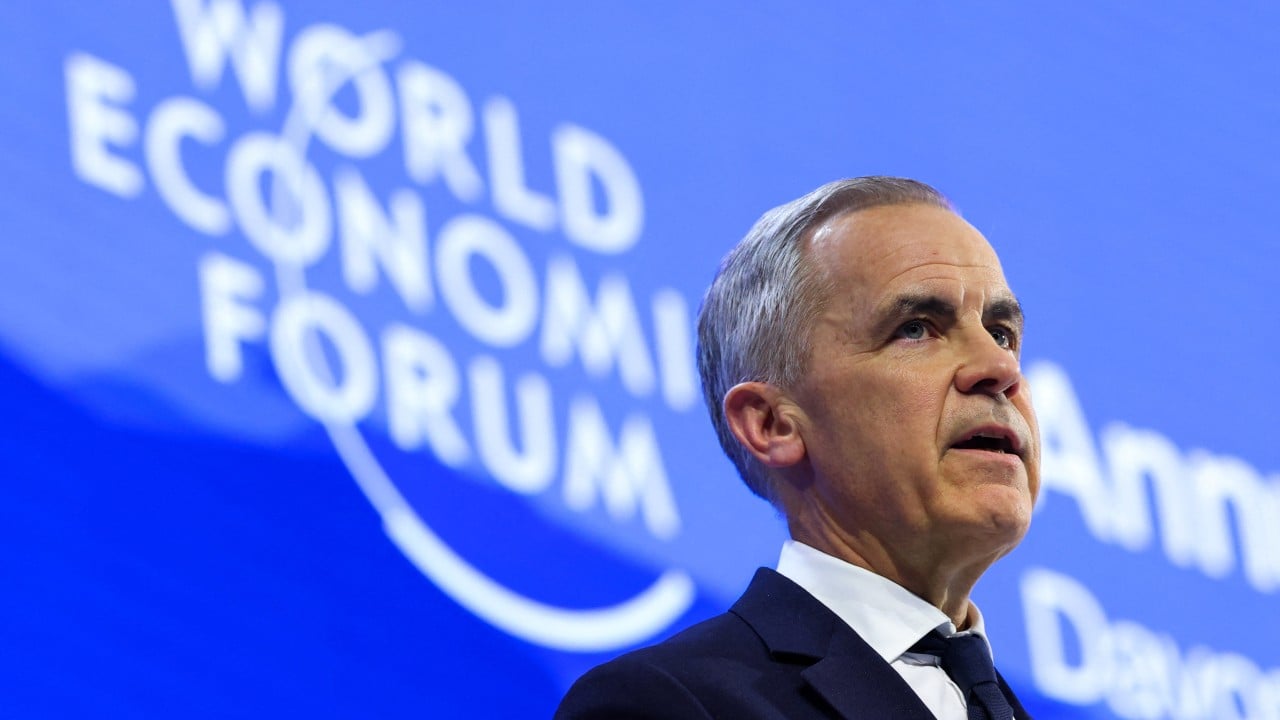
World Shifts Toward China as Trump Upends Old Order

Trump's Trade Threats Could Upend Global Finance

Trump Stuns Davos: Allies Question U.S. Commitment

The Atlantic Splinters: As U.S. Power Wanes, Greenland Becomes a New Front
U.S. Pillars of Power Face New Challenges
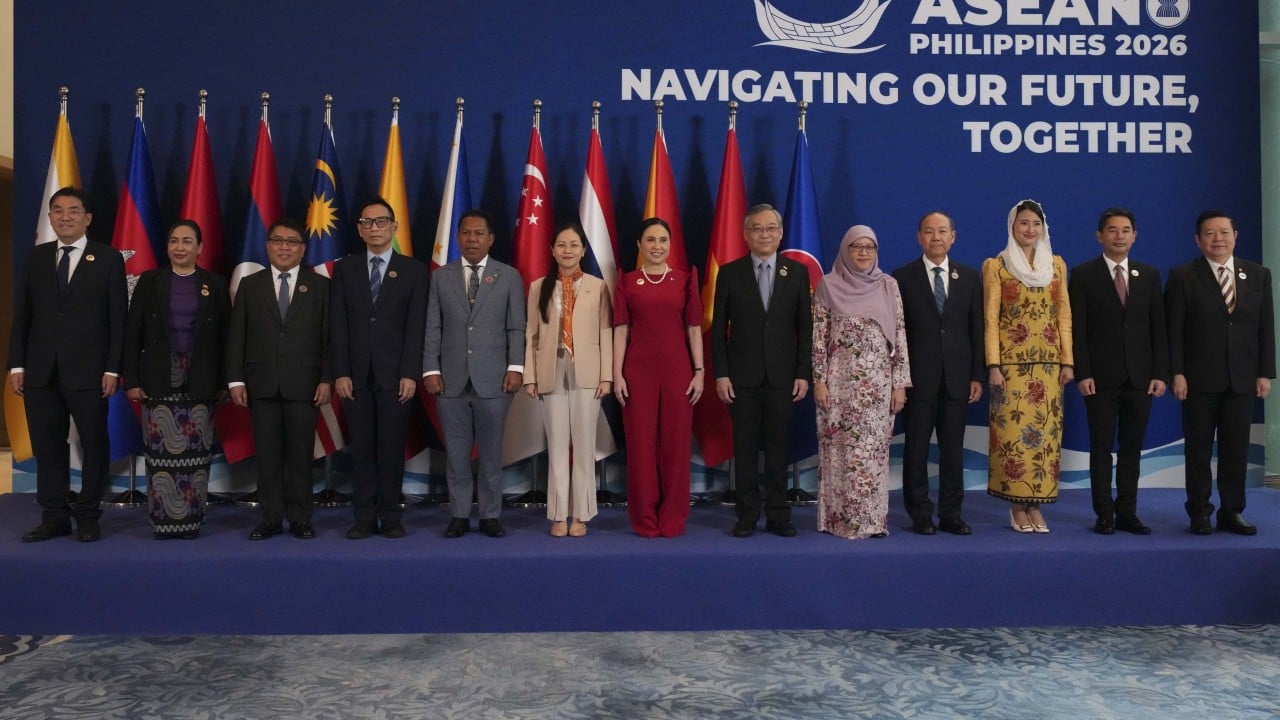
ASEAN Seeks New Partners as US-China Trade War Rages
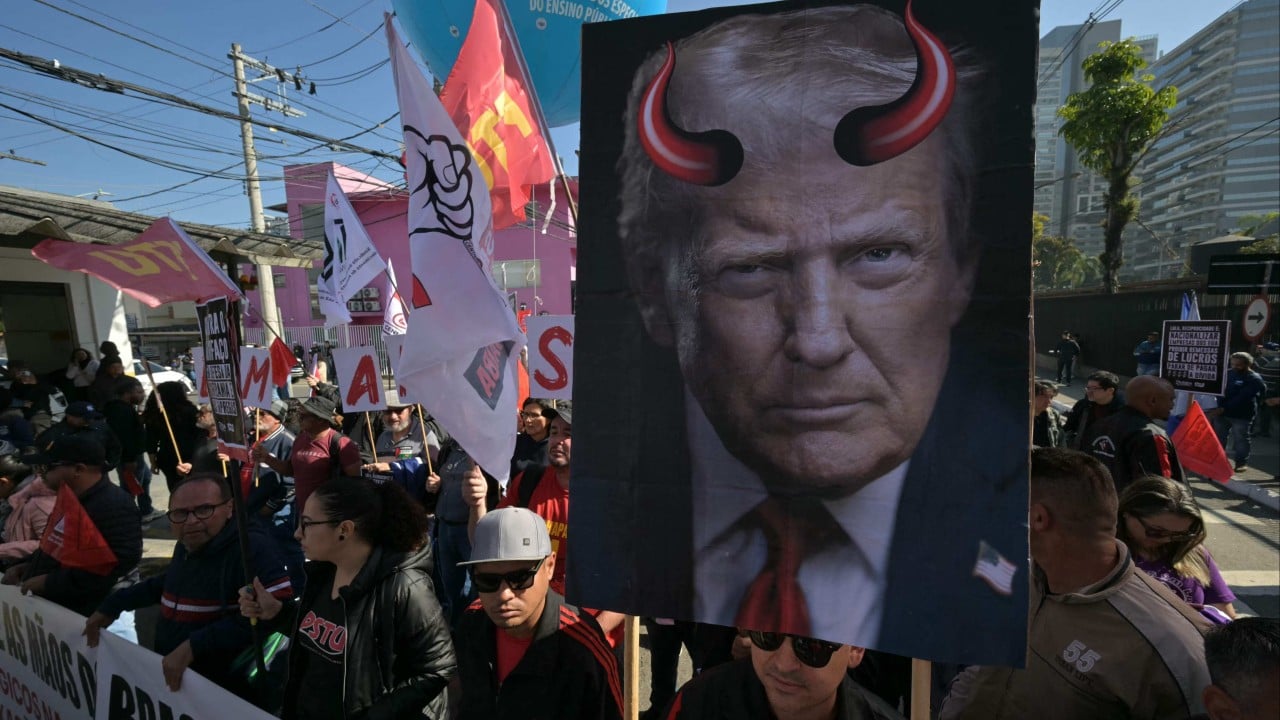
Global South Slams the Vents on US "Air Conditioner" Policy
A New Economic Divide: US and China Forge Separate Paths
US Actions Risk Undermining Global Order, Analysts Warn

Trump's "Donroe Doctrine": A New Threat to Asia?

Wall Street Warns: "US Risk" Is the New Buzzword
Trump's Threats Force Allies to Rethink U.S. Dependence
