War in Iran Exposes Deadly Flaw: World’s Lithium & Cobalt Supply Chain Is a “Critical” Weakness
**War in Iran Exposes Deadly Flaw: World’s Lithium & Cobalt Supply Chain Is a “Critical” Weakness** A top Turkish minister warned this week that the world’s dangerous reliance on just a handful of nations for lithium and cobalt—the essential minerals for electric vehicle batteries and renewable energy storage—has created a “critical vulnerability” in the global economy, a risk now being laid bare by the ongoing war in Iran. The conflict has already disrupted shipping routes, sent energy prices soaring, and strained economies worldwide, yet a parallel crisis is quietly building: the scramble for the raw materials needed for the green transition is turning into a new front of economic instability. Speaking on the issue, Turkish Trade Minister Ömer Bolat said the global dependency on a few countries for lithium and cobalt, combined with rising protectionist measures like export controls and tariffs, now threatens the stability of the world economy. “This dependency is a vulnerability,” Bolat stated, warning that without diversified supply sources and stronger international cooperation, the shift to green energy and digital industries could slow down [135367]. These fears are now compounded by the war in Iran. In just eight weeks, the conflict has disrupted much of the global economy. European and Asian markets have seen sharp declines, shipping routes face delays, and energy costs have risen dramatically [134553]. While the United States has been largely shielded by its domestic energy production and geographic distance, experts note that the situation remains fluid and a longer conflict could eventually reach American shores [134553]. The energy price spike is already dealing a severe blow to countries already struggling under heavy debt to the International Monetary Fund (IMF). These nations, many of which rely on imported fuel, now face skyrocketing costs for electricity and heating, creating an impossible choice between paying creditors and keeping the lights on for citizens [134735]. Analysts warn this pressure could slow economic recovery in vulnerable regions [134735]. Even China, which has strategic oil and natural gas reserves that have softened the blow, is now showing clear signs of weakness in its manufacturing-based economy [134265]. Adding to Beijing’s concerns, the country’s top anti-espionage agency has accused foreign forces of using social media to promote the “lying flat” trend among young people—a movement that rejects intense work and consumer culture—as a deliberate attempt to undermine China’s economic development by eroding the perseverance of its youth [135104]. The convergence of these crises—a critical mineral supply chain chokehold, a war disrupting global trade, soaring energy costs, and targeted disinformation campaigns—paints a stark picture. Economists warn that the economic shock from this war could last for years, fracturing trade alliances and keeping prices for essential goods high long after any ceasefire [124481]. Global Economy at Risk: Lithium, Cobalt Dependency Creates ‘Critical’ Vulnerabilities China Warns: Foreign Spies Push ‘Lying Flat’ to Weaken Economy Dow Jones Up? War in Iran, U.S. Economy Holds Steady IMF Debt Nations Hit by Energy Price Shock China’s Economy Shows Strain From Iran War Beyond the Battlefield: A War's Economic Shock Could Last for Years
Articles in this Cluster

Global Economy at Risk: Lithium, Cobalt Dependency Creates ‘Critical’ Vulnerabilities

China Warns: Foreign Spies Push ‘Lying Flat’ to Weaken Economy
Dow Jones Up? War in Iran, U.S. Economy Holds Steady
IMF Debt Nations Hit by Energy Price Shock

China’s Economy Shows Strain From Iran War
Africa’s Media Summit: Telling Its Own Story for Economic Power

2026 Economy: Five Critical Questions
Botswana Shakes Up Land Rules: From Counting Plots to Creating Jobs
Botswana Eyes Farming Boom to Boost Economy
Trump's Venezuela "Loot" Plan Risks U.S. Economic Power
Economics in 2024: A Strange Brew of Tariffs, AI, and "Vibecession"
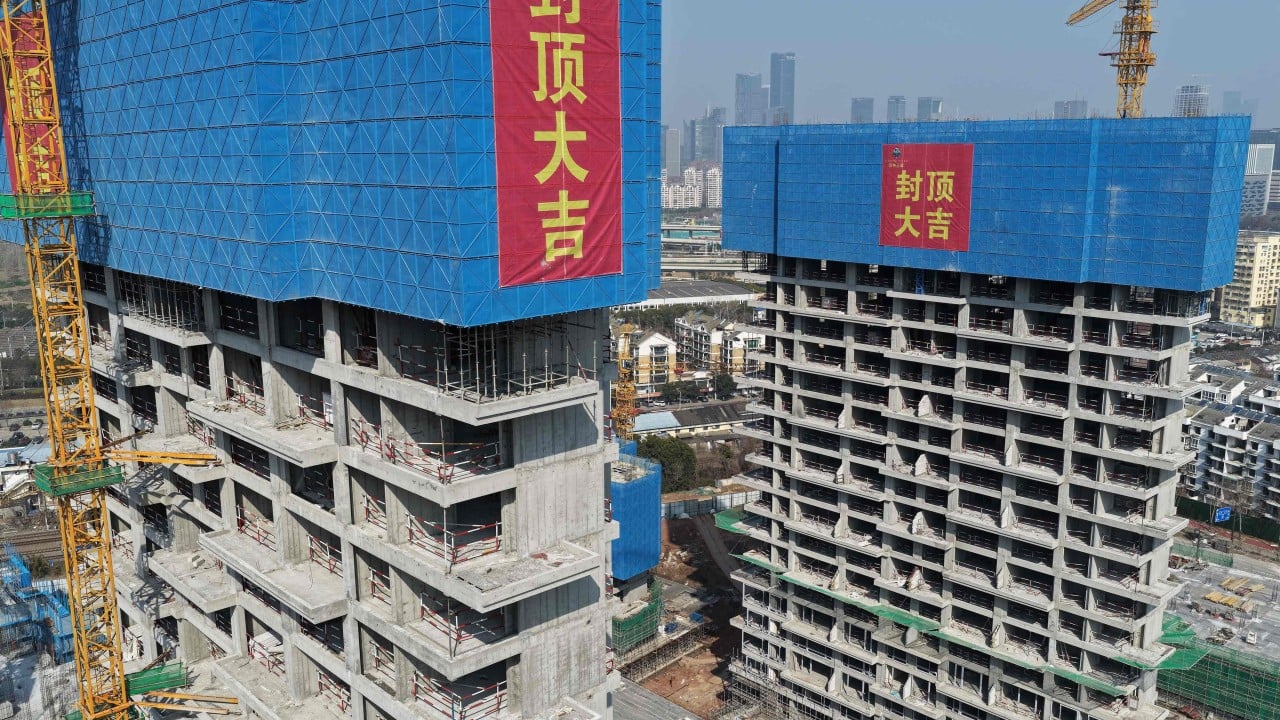
China's Real Estate Revolution: No Bailout, Just a Rebuild
China Shifts Focus from Property to "Peace of Mind"
Beyond the Battlefield: A War's Economic Shock Could Last for Years
