UAE Ditches OPEC, Global Economy Braces for $1 Trillion Hit as Iran War Spirals
**UAE Ditches OPEC, Global Economy Braces for $1 Trillion Hit as Iran War Spirals** The United Arab Emirates announced its departure from OPEC, the Organization of the Petroleum Exporting Countries, as the war with Iran shatters regional alliances and threatens to add a staggering $1 trillion in extra costs to the global economy, with oil companies raking in massive profits [135286][135303]. The war has triggered a refugee crisis driving thousands into Armenia, forced a "complete reset" of the Gulf region, and is reshaping daily life from Tehran to Dubai [134382][98764][135347]. The UAE's exit from OPEC comes amid escalating regional tensions following the U.S.-Israeli attack on Iran, a conflict that has now spread to Lebanon and Gulf states including Kuwait [90697][135303]. Analysts warn that the crisis could cost the global economy up to $1 trillion, as petroleum companies earn "obscene" profits from higher fuel prices, prompting climate groups to demand an urgent windfall tax [135286]. In Iran, life in the capital has returned to a semblance of normalcy since the ceasefire, with society undergoing a major transformation that accelerated in recent weeks [135347]. However, ordinary Iranians are rethinking their government and future. Behzad, a Tehran resident, told the Guardian, "I should not have wished for war" [134039]. A senior Iranian military officer, Mohsen Rezaee of the Revolutionary Guards, claims "the end of the war is in our hands," demanding U.S. withdrawal from the Gulf and payment for all damages [103486]. The war's collateral damage is extensive. An oil spill from a damaged Iranian drone carrier, the Shahid Bagheri, struck by a U.S. warplane, now threatens the Hara mangrove forest, a vital wetland home to migrating birds and endangered turtles [123126]. The influx of refugees into Armenia is adding pressure on a country already facing economic and security challenges, with experts warning the crisis could deepen if fighting continues [134382]. Meanwhile, some Gulf countries have begun stripping citizenship from residents they label "traitors," raising questions about whether this is a genuine security measure or a tool to silence political opposition [134301]. The conflict has also diverted medical tourists from the Middle East to safer destinations like Malaysia, as Dubai faces direct attacks [105998]. The fighting has forced a fundamental reassessment. A journalist for FRANCE 24 reported that the Gulf region faces a "complete reset" after the war, including a military reassessment of the need for U.S. defense assets stationed in the area [98764]. Persistent attacks are making families reconsider living in the Gulf, with security concerns influencing decisions to stay or move away [98764]. The global energy system, already under pressure before the war with rising demand and a slow shift to renewables, now forces a complete rethink [134718]. Middle East crisis could cost global economy $1tn as oil firms rake in ‘obscene’ profits Iran’s Quiet Revolution: Life Returns to Normal in Tehran UAE Quits OPEC: Fallout from Iran War Iran War Exposes Fragile Global Energy System Gulf states revoking citizenship of "traitors" amid Iran-Israel tensions Iran Conflict Sparks Refugee Crisis in Armenia Eid Prayers Echo as War Thunder Rolls in Middle East Middle East Conflict Diverts Medical Tourists to Malaysia Iranians Regret Wishing for War as US-Israel Conflict Hits Home Oil Slick From Bombed Iranian Ship Heads for Protected Wetland Middle East Conflict Widens: Strikes Hit Lebanon, Gulf States Gulf Region Braces for "Complete Reset" After Iran Attacks Iran Claims Control as Gulf Blockade Shocks World Economy
Articles in this Cluster
Middle East crisis could cost global economy $1tn as oil firms rake in ‘obscene’ profits

Iran’s Quiet Revolution: Life Returns to Normal in Tehran
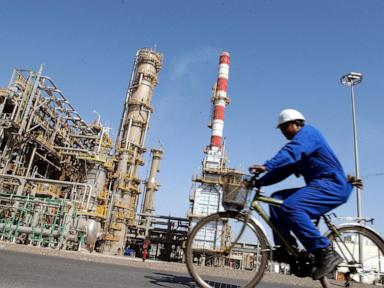
UAE Quits OPEC: Fallout from Iran War
Iran War Exposes Fragile Global Energy System

Gulf states revoking citizenship of "traitors" amid Iran-Israel tensions

Iran Conflict Sparks Refugee Crisis in Armenia
Eid Prayers Echo as War Thunder Rolls in Middle East

Middle East Conflict Diverts Medical Tourists to Malaysia
Iranians Regret Wishing for War as US-Israel Conflict Hits Home
Oil Slick From Bombed Iranian Ship Heads for Protected Wetland
Middle East Conflict Widens: Strikes Hit Lebanon, Gulf States

Gulf Region Braces for "Complete Reset" After Iran Attacks