Global Economy Stumbles as War Fuels Inflation, Slashes Growth
Global Economy Stumbles as War Fuels Inflation, Slashes Growth A wave of economic warnings from the world's top financial institutions signals that the ongoing conflict in the Middle East is actively damaging the global economy, driving up prices for consumers and forcing a widespread downgrade of growth forecasts. The International Monetary Fund (IMF) has repeatedly slashed its global growth projections, directly citing the war as the cause [128821][128546]. The fund now expects worldwide growth to slow to 3.1% this year, down from earlier, more optimistic predictions [128546]. Officials warn the conflict creates severe uncertainty, disrupts critical trade routes, and threatens to spike energy prices, a combination that risks derailing fragile economic recoveries [128821][128546][129381]. This geopolitical shock is translating into immediate pain for households and national economies. In Europe, European Central Bank President Christine Lagarde confirmed the euro area's economic performance has worsened due to the Middle East-driven energy price shock [128975]. In Argentina, the global energy crisis helped push annual inflation to a staggering 32.6% in March, with fuel prices a key driver [128953]. The ripple effects are particularly acute for vulnerable regions. The IMF has cut its growth forecast for Sub-Saharan Africa, warning that higher oil prices and increased shipping costs from trade disruptions are making imports more expensive and fueling inflation there [128698]. Analysts note that blockades of key shipping routes like the Strait of Hormuz are creating severe energy security and economic pressure for some of the world's poorest nations [129561]. Even economies with buffers are bracing for impact. Malaysia's government has warned its citizens to prepare for a prolonged economic squeeze, stating that national subsidies and gas reserves can no longer fully absorb the soaring global fuel prices caused by the war, with the full effect expected to hit by June [128807]. In the United States, the Federal Reserve reports that the wars in Ukraine and the Middle East have created "heightened uncertainty" for businesses [129942]. While U.S. economic activity continues to grow, the Fed's survey found American consumers are under "mounting financial pressure," spending less on non-essentials and increasingly relying on credit and savings [129942]. The collective assessments point to a global economy under growing strain, where geopolitical instability is no longer a distant risk but a present-day drag on growth and a direct contributor to the high cost of living worldwide. IMF Warns: Global Economic Resilience Nears Its Limit ECB Chief: Euro Economy Worsens After Middle East Shock Argentina's Inflation Accelerates to 32.6% Amid Fuel Price Surge IMF Slashes Global Growth Forecast Over Middle East War Malaysia Warns Citizens: Prepare for Long Economic Squeeze as Iran War Fallout Nears IMF Cuts Africa Growth Forecast as Middle East Conflict Rises IMF Slashes Global Growth Forecast, Cites War Impact Fed Sees "War-Driven Uncertainty" as U.S. Consumers Crack Under Pressure War's Ripple Effect: African Economies Hit by Gulf Blockades
Articles in this Cluster
Tax Day Overshadowed by Gaza War, Hurting GOP's Economic Message
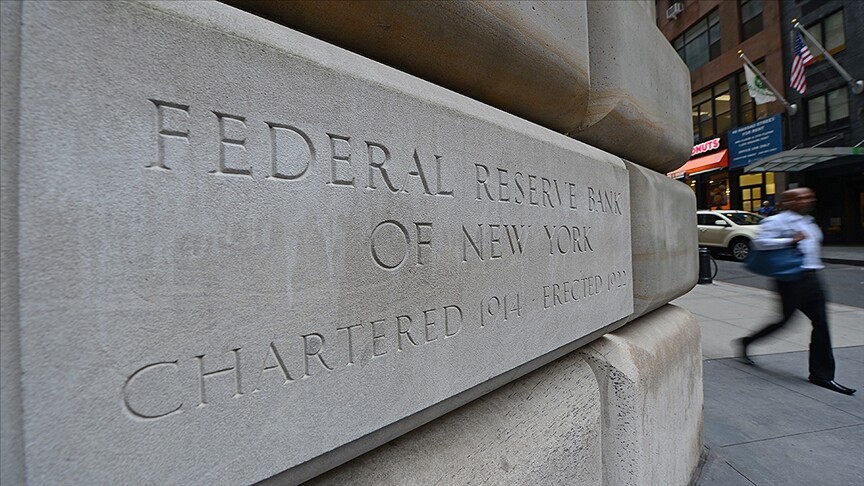
Fed Sees "War-Driven Uncertainty" as U.S. Consumers Crack Under Pressure
War's Ripple Effect: African Economies Hit by Gulf Blockades
Botswana Eyes Farming Boom to Boost Economy

IMF Warns: Global Economic Resilience Nears Its Limit

ECB Chief: Euro Economy Worsens After Middle East Shock

Argentina's Inflation Accelerates to 32.6% Amid Fuel Price Surge

Malaysia Warns Citizens: Prepare for Long Economic Squeeze as Iran War Fallout Nears
IMF Slashes Global Growth Forecast Over Middle East War

Beyond Diamonds: Botswana Signs Major Deals with Oman

IMF Cuts Africa Growth Forecast as Middle East Conflict Rises
