China Bets Billions on AI and Chips to Break U.S. Tech "Chokehold"
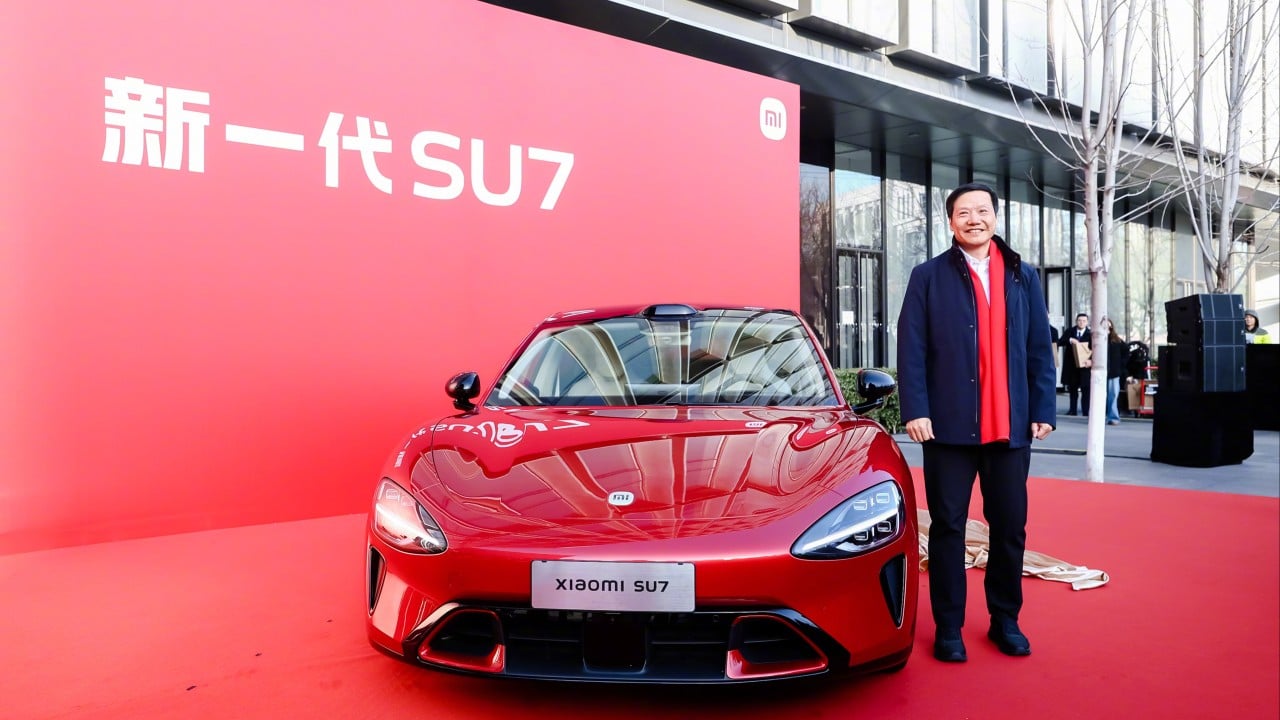
China Bets Billions on AI and Chips to Break U.S. Tech "Chokehold" China is mobilizing hundreds of billions of dollars in state-led investment to achieve self-sufficiency in advanced semiconductors and artificial intelligence, aiming to break a U.S.-imposed technological "chokehold" and dominate the next generation of critical technologies [51155][95150][86995]. The national strategy, formalized in the upcoming five-year plan, directs massive resources toward overcoming foreign dependencies in strategic industries [95150]. This marks a decisive pivot from China's decades-long model of absorbing foreign technology to one focused on creating and controlling cutting-edge innovations [59734]. Shanghai has launched a $10 billion investment plan targeting microchips and AI, while the eastern tech hub of Zhejiang aims to manufacture advanced AI chips as small as 3 nanometers within five years [43531][51155]. This provincial-level drive aligns with a national directive, with at least 22 provincial governments prioritizing high-tech industries like semiconductors and AI in their economic plans [19492]. The effort is backed by a new state-backed semiconductor fund worth over $47 billion, focused on developing the advanced equipment needed to make chips—an area currently controlled by the U.S., Japan, and the Netherlands, which have restricted China's access [86995]. Concurrently, China's national science and technology budget allocates over $61 billion to "future industries" including AI, satellite internet, and new energy, sectors that overlap with leading global innovators like Elon Musk [93804]. President Xi Jinping recently toured a major technology innovation park in Beijing, underscoring the national priority of achieving "high-level" technological independence [71486]. Private tech giants are following the state's lead, with companies like Xiaomi announcing intensified multi-year investment plans into core technologies such as semiconductors and AI [86064]. Analysts describe the U.S. strategy as one of export controls and market-driven innovation, while China's is defined by state coordination and systemic integration, deploying AI and advanced chips as core components of national infrastructure [109135]. The outcome of this competition is expected to shape international standards and the global balance of technological power for decades [109135]. China Targets 3nm AI Chips to Break US "Chokehold" China's New Plan: Beat US Tech Rivals with AI and Fusion Power China Bets $47 Billion to Break the Chip Barrier Shanghai Bets $10 Billion on Chips and AI in Tech Race Chinese Provinces Prioritize Tech and Self-Reliance in New Economic Plans China's $62 Billion Bet Mirrors Musk's Vision Xi Inspects Tech Park, Stakes Claim in Global Innovation Race Xiaomi Bets Billions on Chips and AI as Rivals Build Robots China's Tech Pivot: From "Catch-Up" to Cutting-Edge AI War: US Bets on Markets, China Bets on Control
Articles in this Cluster
Trump Doubts Shake Asia's China-US Tightrope
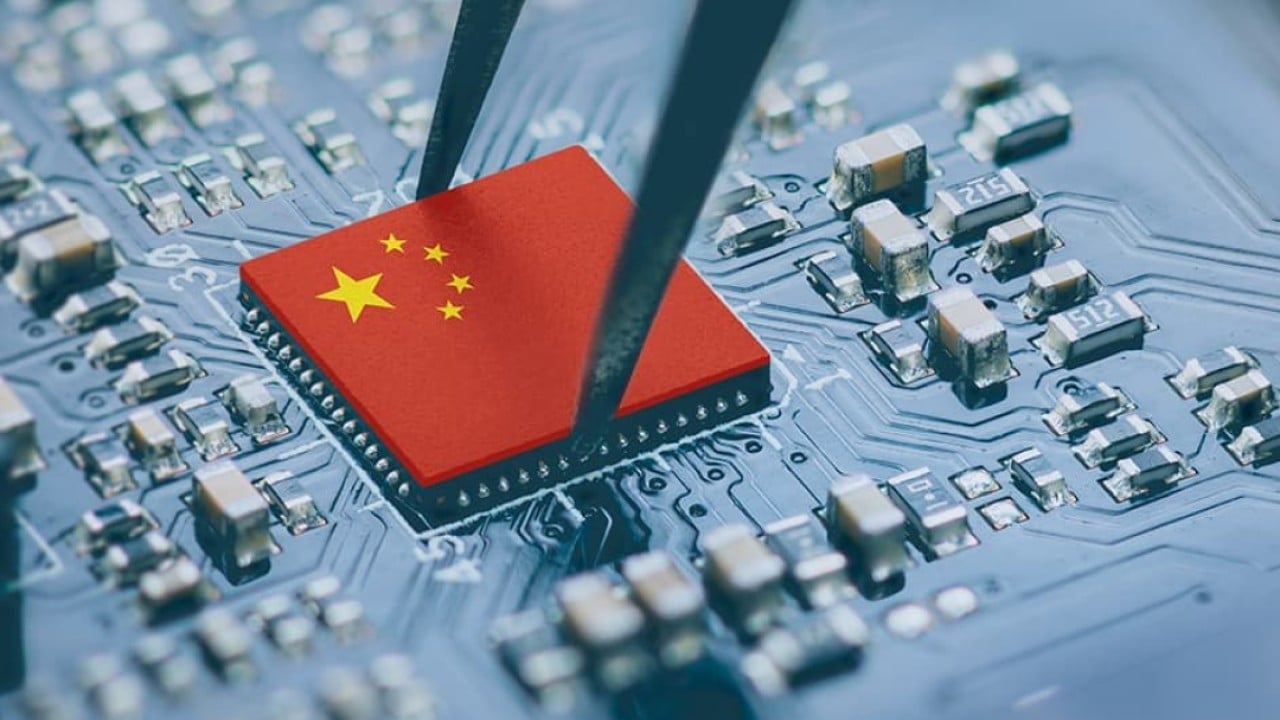
China Targets 3nm AI Chips to Break US "Chokehold"
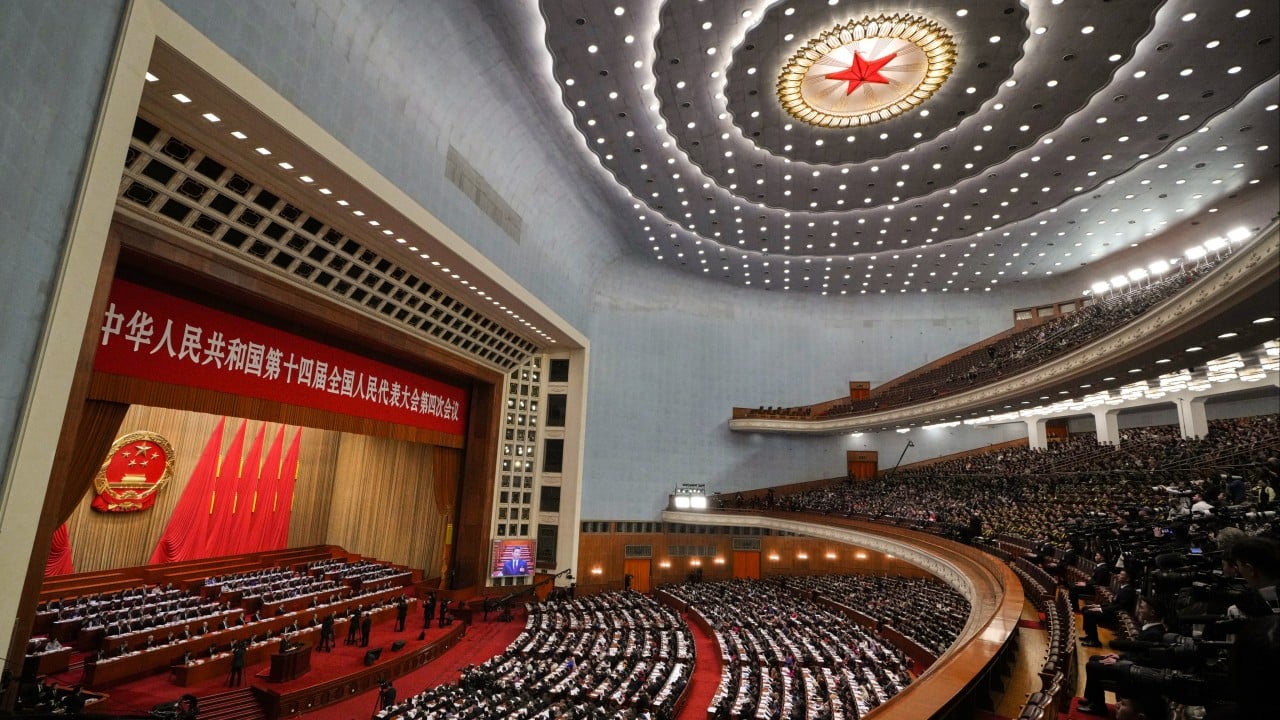
China's New Plan: Beat US Tech Rivals with AI and Fusion Power

China's Tech Pivot: From "Catch-Up" to Cutting-Edge

AI War: US Bets on Markets, China Bets on Control

China’s Corporate Giants Seek New Frontiers Abroad
China Bets $47 Billion to Break the Chip Barrier
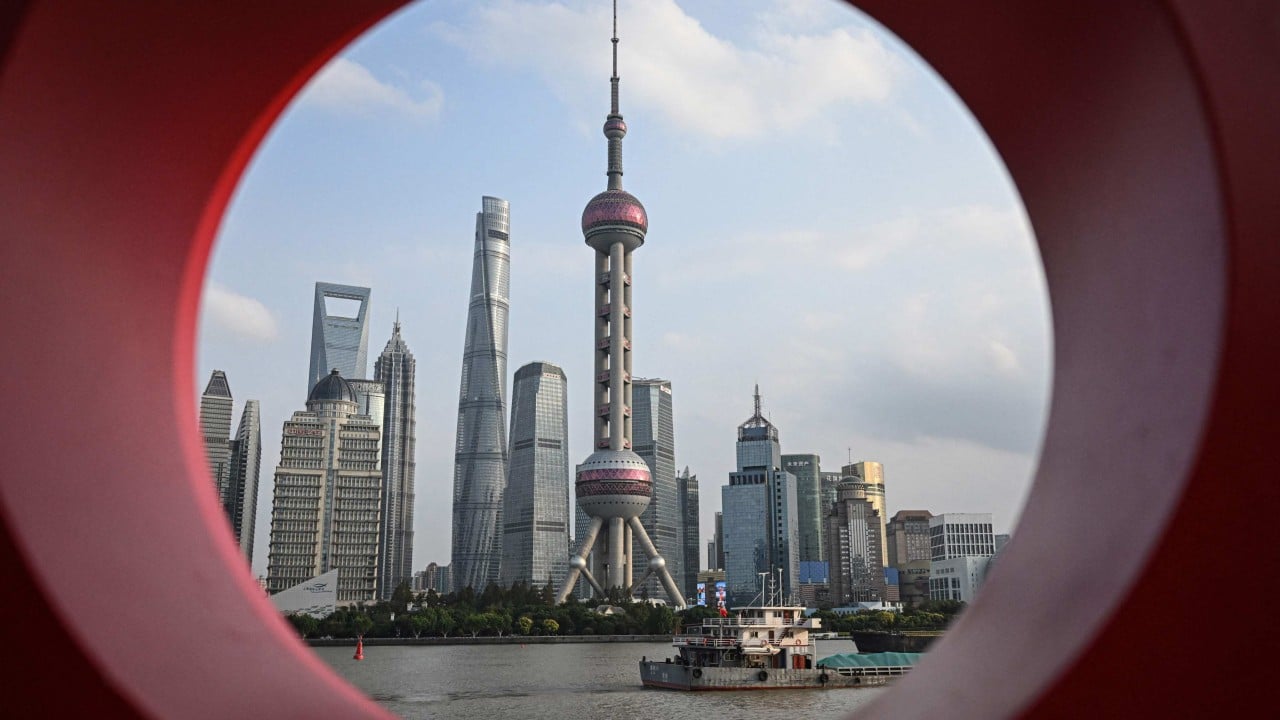
Shanghai Bets $10 Billion on Chips and AI in Tech Race

The New Great Game: A U.S.-China Clash Over Resources Begins
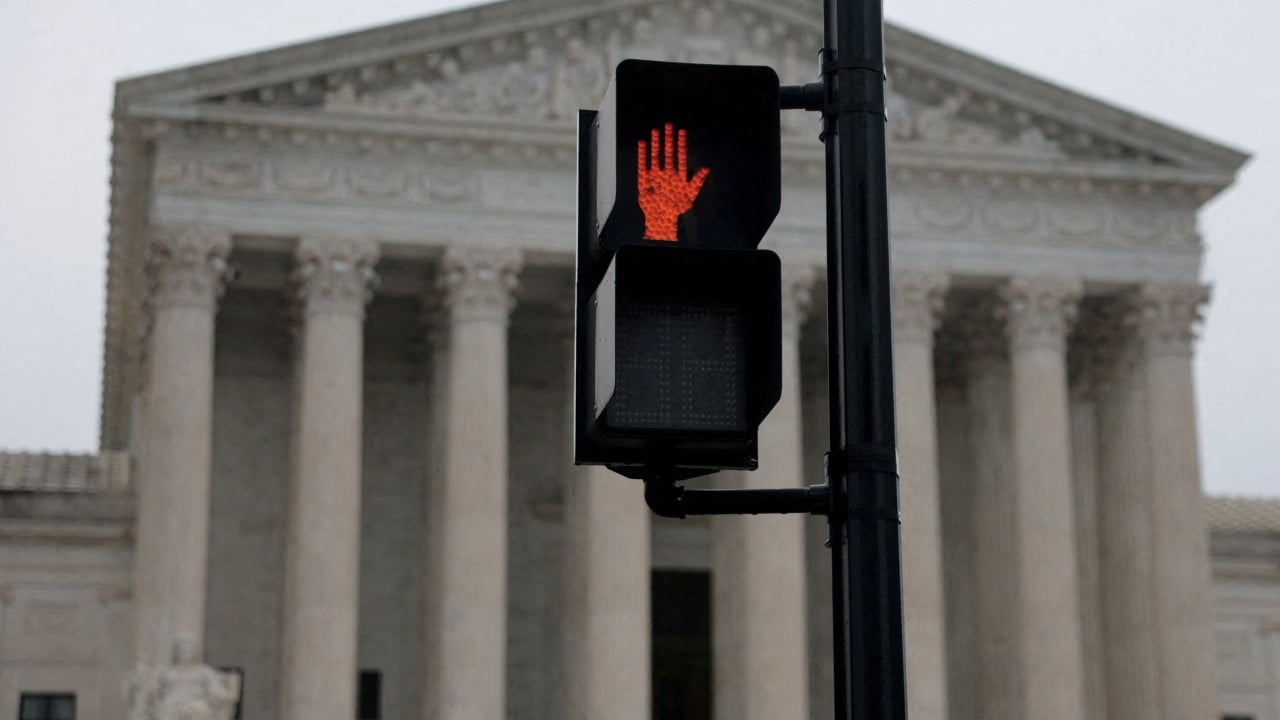
Trump Sets China Trip as EU Bans Tech Firms: Your Asia Brief
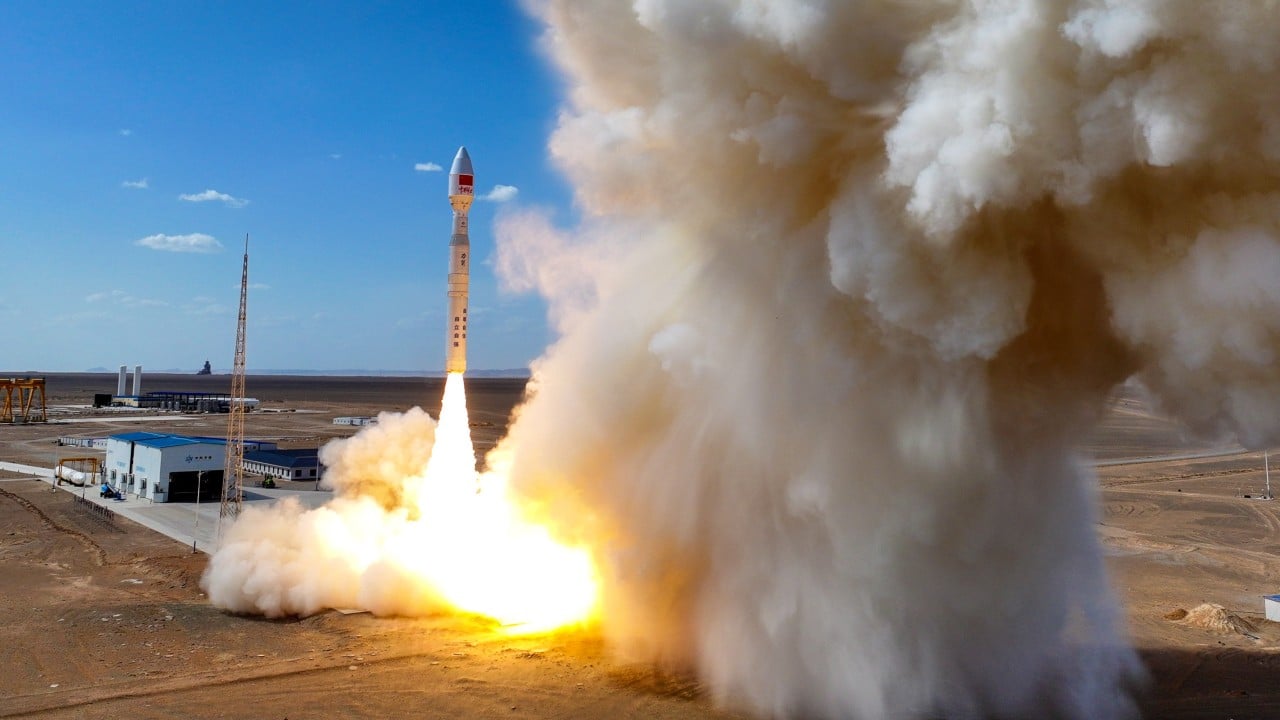
China's $62 Billion Bet Mirrors Musk's Vision
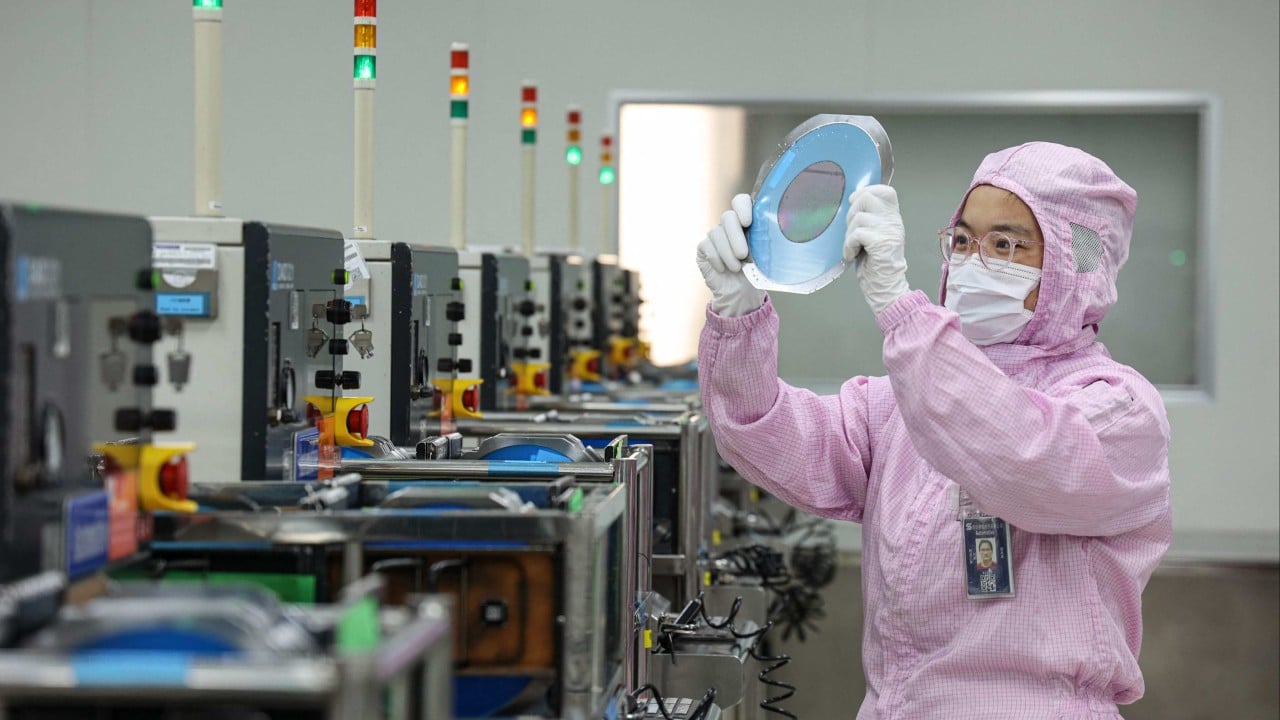
Chinese Provinces Prioritize Tech and Self-Reliance in New Economic Plans
China's Battery Grip Threatens U.S. Military and AI Race
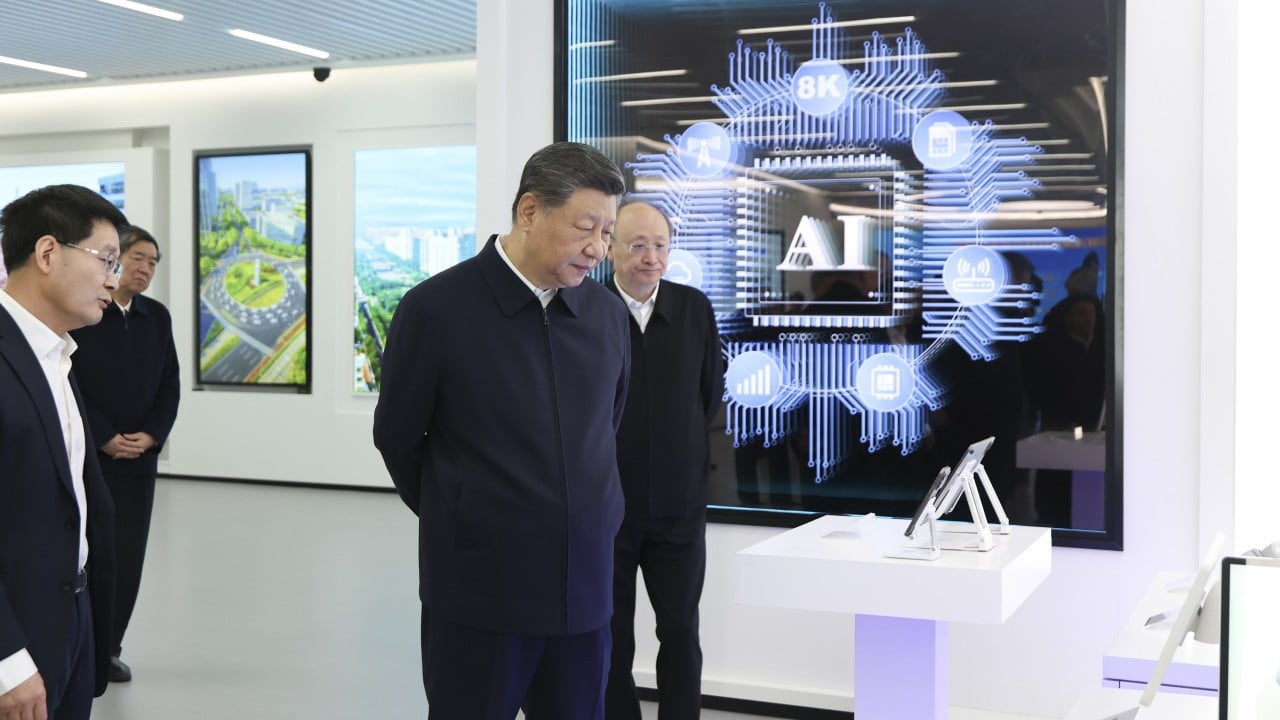
Xi Inspects Tech Park, Stakes Claim in Global Innovation Race