Latest News
Stay updated with the latest news and articles
Top Stories
Climate Crisis Becomes Daily Reality as Extreme Weather Shatters Records in 2025
Climate Crisis Becomes Daily Reality as Extreme Weather Shatters Records in 2025 A relentless barrage of extreme weather in 2025, from scorching heatwaves to catastrophic floods, has moved the climate crisis from a distant threat into the fabric of daily life across the globe [37775]. Scientists and major institutions confirm that these severe events, which caused billions in damage and claimed thousands of lives, are clear signals of human-driven climate change [49594][113458]. Last year was the planet's third hottest on record, but the defining story was the series of powerful and costly disasters that demonstrated a climate system under intense stress [49594]. In Europe, a year of devastating floods, heatwaves, and wildfires left countries managing a costly recovery, with experts warning such extremes may become the new standard [36941]. The United Kingdom's wildlife and landscapes were pushed to a "breaking point" by a destructive cycle of major storms, drought, fires, and severe floods [36898]. The driving force behind this shift is the continued rise of heat-trapping greenhouse gases from human activities [36941]. The World Meteorological Organization (WMO) reports that these rapid changes are causing lasting environmental damage, with consequences like melting ice and shifting weather patterns set to continue for generations [113458]. In Eastern Africa, this manifests as a "triple planetary crisis" where climate change, biodiversity loss, and pollution combine to directly threaten food security by ruining crops and killing livestock [91481]. The trend is not confined to a single season. Climate experts warn that a powerful "Super" El Niño event could trigger a sharp surge in global temperatures, pushing late summer and autumn heat far above normal averages and challenging historical records [130635]. This follows a year where extreme droughts, wildfires, and water shortages were no longer seen as exceptional disasters but as regular events [37775]. 2025: The Year the Weather Broke Europe's 2025 Weather: A New Normal of Extremes? UK Wildlife Pushed to "Breaking Point" by Extreme Weather in 2025 2025: Climate Crisis Becomes Daily Life "Super" El Niño Threatens to Scorch Summer and Fall with Record Heat Climate Crisis Costs Africa Billions, Claims Thousands Triple Planetary Crisis Starves East Africa


U.S. Push for New Alliances and Trade Pacts Sparks Global Economic Ripple Effects
U.S. Push for New Alliances and Trade Pacts Sparks Global Economic Ripple Effects A series of U.S. foreign policy and trade initiatives is reshaping international alliances and threatening to destabilize the global economic order, as nations scramble to adjust to Washington's new priorities. The Trump administration is actively lobbying global allies to back a "trade over aid" declaration at the United Nations, seeking to fundamentally change how billions in foreign assistance are spent by prioritizing international commerce [131145]. This shift coincides with a drive to finalize a new international trade pact explicitly designed to reduce global dependence on China for critical minerals used in technology and defense [131394]. Parallel to these economic moves, the U.S. is pursuing deeper military cooperation with partners in strategic regions. Indonesia is currently reviewing a U.S. request for access to its airspace for military monitoring missions, a move that has sparked domestic outcry over fears it could violate the nation's neutral foreign policy and draw it into U.S.-China tensions [131383]. Similarly, Australia's newly released defense strategy, which plans billions in spending, assumes a "central pillar" of continued, reliable U.S. military support—an assumption some security experts call into question given recent American political turmoil [130999]. These policy actions are creating significant economic uncertainty. Experts warn that the biggest danger to the global dominance of the U.S. dollar is now America's own policies, particularly the aggressive use of economic sanctions, which risk pushing nations to create alternative financial systems [131219]. Furthermore, a new global survey shows the investment appeal of both the U.S. and China has plummeted amid ongoing trade tensions, with only 13% of companies planning to invest in the U.S. and 24% in China, down sharply from previous years [130688]. The cumulative effect is a potential shock to the global economy. Analysts warn that persistent U.S. inflation, which could keep American interest rates high, would strengthen the dollar and make imports and debt repayment more expensive worldwide, creating a lasting drag on growth [130979]. Former UK Foreign Secretary David Miliband has added that cuts to international aid, including U.S. programs, will further "shock" the global economy and worsen worldwide economic instability [131283]. Trump Pushes UN to Swap Aid for Trade U.S. Policies Pose Greater Threat to Dollar Than China, Experts Warn Indonesia Considers US Military Access, Sparks Domestic Outcry US Pushes New Trade Pact to Counter China's Mineral Dominance Australia's New Defense Plan Assumes a Reliable US Ally. Experts Ask: Is That Wise? US and China Investment Appeal Plummets Amid Trade War U.S. Inflation Could Hit Global Economy for Years, Experts Warn Aid Cuts Will "Shock" Global Economy, Warns Ex-UK Minister

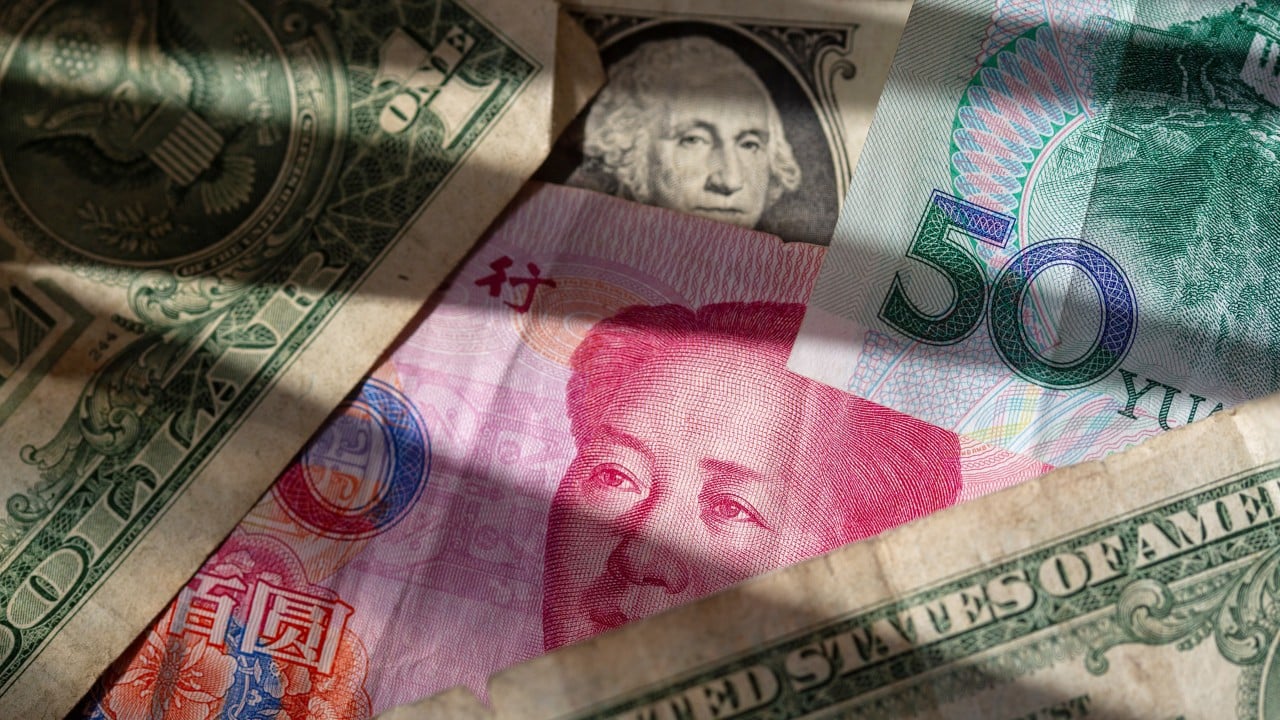
Tourist Taxes Spread as Cities Seek Cash from Visitors and Fight Overcrowding
Tourist Taxes Spread as Cities Seek Cash from Visitors and Fight Overcrowding Cities around the world are turning to new fees on tourists to raise millions for local services and manage the strain of surging visitor numbers. The strategy, known as a tourist tax, is gaining momentum as popular destinations seek to balance economic benefits with community needs. In Ireland, officials in Galway are proposing a nightly charge on all short-term accommodations, including hotels and rental properties. The city estimates the fee could generate €2 million ($2.1 million) annually [131240]. Supporters argue the revenue is essential for maintaining infrastructure and funding cultural events, but the plan faces local opposition from critics who warn it could make the city less affordable for visitors [131240]. The move reflects a broader global trend. Experts note that 'overtourism,' where too many visitors damage local life and the environment, is pushing governments to act [80040]. Solutions being implemented or considered in various hotspots include tourist taxes, promoting off-season travel, and redirecting crowds to less-visited areas [80040]. The funds are often framed as necessary for preservation. In Venice, mass tourism continues to reshape the city, with visitors now flocking to a simple wooden dock dubbed the "Kardashian jetty" because a celebrity used it, highlighting how fleeting social media trends can concentrate crowds [51924]. While not a tax, the phenomenon underscores the pressure on historic cities. Beyond European capitals, the strategy is also emerging in remote areas seeking sustainable models. In the Indian Himalayas, community-based tourism projects like Village Ways have worked for over two decades to use visitor income to support traditional village life and reduce urban migration, offering an alternative to high-impact tourism [100125]. Industry observers suggest the focus is shifting toward managing tourism's impact. "Travelers are now looking for more meaningful tourism," said Carl Cater, a tourism professor at Swansea University, predicting a move toward experience-driven trips that may ease pressure on classic landmarks [36959]. However, for now, the immediate tool for many city councils remains direct charges on the visitors themselves. Galway's Tourist Tax: A $2.1 Million Question Tourist Destinations Hit Breaking Point: What Causes the Crush? Venice's New Tourist Hotspot: The 'Kardashian Jetty' Village Tourism Pioneer Fights Urban Flight in India's Himalayas Beyond Paris: TV Drives 2026 "Meaningful Tourism" Trend
Climate Crisis Migration Begins: First Tuvaluans Arrive in Australia Under Landmark Visa Deal
Climate Crisis Migration Begins: First Tuvaluans Arrive in Australia Under Landmark Visa Deal The first citizens of Tuvalu have officially relocated to Australia, marking a historic step as the world's first government-sanctioned climate migrants. The arrivals are part of a new, permanent migration pathway created specifically for the Pacific island nation whose existence is threatened by rising seas [25540]. Australia established the special visa program in response to the direct and existential threat climate change poses to Tuvalu. The low-lying nation is experiencing severe land erosion and increased flooding due to sea-level rise, with experts warning parts of the country could become uninhabitable in the coming decades [25540][10674]. The program allows up to 280 Tuvalu citizens to migrate to Australia each year. It grants them the right to live, work, and study in Australia and provides a clear route to citizenship, offering a permanent solution for relocation [25540][10674]. The policy is a core part of a broader bilateral agreement, which also includes Australian funding for Tuvalu's coastal reclamation and climate adaptation efforts [10674]. This organized relocation represents a significant moment in global responses to climate change, moving from theoretical discussions to concrete planning for the displacement of entire populations [25540]. The arrival of the first group under this visa signals the beginning of a managed, long-term migration stream directly tied to environmental degradation [10674]. Tuvalu Citizens Arrive in Australia as First Official Climate Migrants Australia Opens Special Visa Pathway for Climate-Affected Tuvaluans


Trump Revives Bid to Buy Greenland, Questions NATO at Davos Summit
Trump Revives Bid to Buy Greenland, Questions NATO at Davos Summit Former U.S. President Donald Trump used a major global economic forum to renew his controversial interest in purchasing Greenland and to sharply criticize the NATO military alliance, highlighting his unorthodox approach to foreign policy [55297]. Addressing world leaders at the World Economic Forum in Davos, Switzerland, Trump questioned the value of the decades-old North Atlantic Treaty Organization, complaining that European members do not pay enough and that the U.S. is treated "very unfairly" [55297][55327]. Alongside these remarks, he publicly stated that the United States should be allowed to acquire Greenland, a self-governing Arctic territory of Denmark [55297]. This is not the first time Trump has expressed a desire to buy the strategically important island. His past overtures were firmly rejected, leading to diplomatic tension and the postponement of a state visit to Denmark [50444]. In his latest comments, Trump said he does not want to use force to acquire Greenland but called for immediate negotiations to purchase it [55327]. Analysts note that the push combines serious geopolitical interests with an unconventional, real estate-style proposition. Greenland is increasingly valuable due to its Arctic location, which offers access to new shipping routes and natural resources [50444]. However, the Danish and Greenlandic governments have consistently stated the island is not for sale [50444]. Trump's Davos speech largely ignored traditional "soft power" diplomacy—the use of cultural influence and partnerships—in favor of direct demands to allies and a focus on economic nationalism [55327]. His appearance at the elite forum, which champions a liberal, rules-based international order, was seen as a paradox, given his "America First" agenda [55515][54269]. Observers noted that the forum sidelined some of its typical focuses to secure his speech, as Trump represents a powerful shift toward protectionism and a rejection of multilateral groups [55515]. The combined message from Davos underscores a potential foreign policy direction that prioritizes transactional deals over established alliances, setting the stage for continued friction with traditional U.S. partners [55297][58552]. Trump at Davos: Questions NATO, Wants to Buy Greenland Trump at Davos: Skips Soft Power, Targets Greenland and NATO Allies Trump Eyes Greenland: Cash, Threats, and Military Force Davos' World Order Crumbles as Trump Takes the Stage Trump Is the Davos Man Trump's 'New Imperialism': Land Grabs and a Rejected World Order
Farmers Block Highways, Demand Price Guarantees as U.S. Trade Deal Looms
Farmers Block Highways, Demand Price Guarantees as U.S. Trade Deal Looms Indian farmers have launched massive protests, using tractors and trucks to block major highways around the capital, New Delhi. The demonstrations are a direct response to a new trade agreement with the United States, which farmers fear will flood the market with cheaper American crops and undermine their livelihoods [75183]. The core of the dispute centers on India's Minimum Support Price (MSP) system, a government policy that guarantees set prices for key staples like wheat and rice. Protesting farmers and trade unions argue that the terms of the U.S. trade pact could force India to reduce these price supports or allow more imports, leading to a catastrophic drop in their incomes [73750]. They are demanding a new law that would make the current MSP system permanent and legally binding. Police have heightened security at key entry points into the capital as negotiations between farmer leaders and government officials continue [73750]. The government has stated that the MSP system remains protected under the deal and that safeguards are in place for the agriculture sector, but protest leaders express deep distrust of these assurances [75183]. The agreement, struck during a visit by former U.S. President Donald Trump, represents a significant diplomatic achievement for Prime Minister Narendra Modi in strengthening ties with a major partner [73750]. However, it has ignited immediate domestic tension. The farming community is a vast and politically crucial voting bloc, putting pressure on the government to balance its international commitments with the need for domestic stability [73750]. The nationwide strike and road blockades highlight the high stakes of India's economic policymaking, where global trade ambitions directly collide with the welfare of millions dependent on agriculture [75183]. Indian Farmers Strike, Fearing U.S. Trade Deal Will Flood Market India's Farmers Protest as Modi-Trump Trade Pact Threatens Key Crop Prices
U.S. Forces Seize Venezuelan President Maduro in Military Strike, Plan to "Run" Country
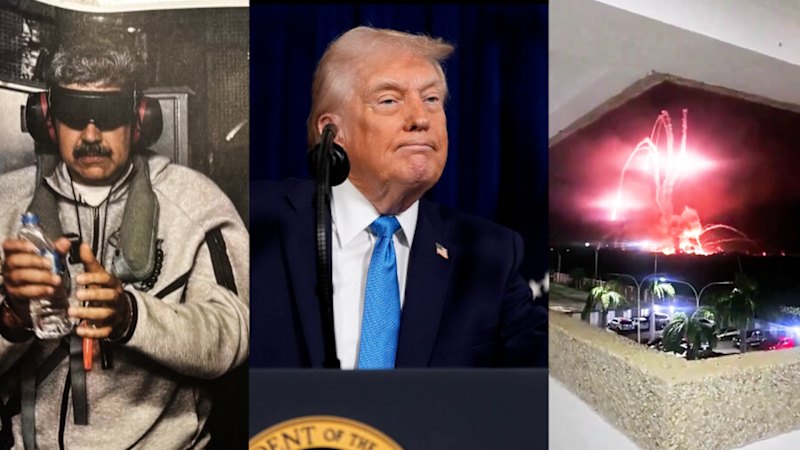
U.S. Forces Seize Venezuelan President Maduro in Military Strike, Plan to "Run" Country In a dramatic and unprecedented escalation, United States military forces have captured Venezuelan President Nicolás Maduro, removing the long-time leader from power in a direct military operation [41033][41227][41379]. The strike, which occurred on Saturday, also resulted in the detention of Maduro's wife, Cilia Flores [41227][40970]. Former U.S. President Donald Trump announced the operation, calling it a "large-scale strike" and stating that the United States will now "run" Venezuela [40942][41055][42114]. A central goal of the intervention, according to Trump, is to "take back the oil" and fix the country's collapsed oil infrastructure [41227][40871][41525]. Venezuela possesses the world's largest proven oil reserves, but its production has plummeted amid years of economic crisis [40871][42114]. Maduro and his wife are expected to face criminal charges in a New York court [41136][40871]. Specific charges have not been formally detailed, but reports indicate they include accusations related to terrorism and drug trafficking [40942][40970]. The capture of a sitting head of state on his own soil by a foreign military is a rare event in modern history and marks a direct intervention in the South American nation [40668][41088]. The U.S. has long considered Maduro's rule illegitimate, recognizing opposition leader Juan Guaidó as the country's legitimate president since 2019 [41379][40505]. The operation has created an immediate power vacuum and deep uncertainty for Venezuela's 30 million citizens [41136][42114]. There has been no immediate statement from the Venezuelan military or the remnants of Maduro's government regarding succession [41379]. While Trump suggested Maduro's deputy, Delcy Rodríguez, could follow U.S. orders as an interim leader, her compliance is not assured [41525]. The long-term plan for governing Venezuela and stabilizing its broken economy, which suffers from hyperinflation and severe shortages, remains unclear [42114][41055]. The action is expected to trigger a major political crisis and intense international debate over sovereignty and international law [40668][40737]. U.S. Forces Capture Venezuelan President in Military Strike Venezuela Leader Ousted in U.S. Strike, Faces Charges in New York US Strikes Venezuela, Captures President Maduro U.S. Captures Venezuela's President in Secret Operation U.S. Forces Capture Venezuelan President Nicolás Maduro US Strikes Venezuela, Abducts President Maduro US Captures Venezuelan President in "Large-Scale Strike" U.S. Military Strike Captures Venezuelan Leader Maduro U.S. Captures Maduro: What Now for Venezuela? US Seizes Venezuelan President, Vows to "Run" Country and "Take Back the Oil" U.S. Claims Capture of Venezuelan Leader in Military Strike U.S. Strikes Venezuela, Captures President Maduro US Captures Venezuelan President in Military Strike U.S. Strikes Venezuela, Captures President Maduro Venezuelan President Captured in U.S. Military Raid
China’s AI Chatbots Get a New Job: Babysit 400 Million Grandparents
China’s AI Chatbots Get a New Job: Babysit 400 Million Grandparents Chinese technology giants are retooling their artificial intelligence (AI) systems to serve the country’s rapidly aging population, rebranding chatbots as digital companions for seniors [129203]. With an estimated 400 million people in China expected to be aged 60 or over by 2035, companies see a vast, untapped market [129203]. To attract elderly users, they are overhauling popular AI assistants with features like voice-only operation, support for local dialects, and slower, louder, more repetitive responses [129203]. The goal is to provide constant companionship, allowing seniors to ask the AI to tell stories, play opera, or remind them to take medicine [129203]. This push into elder care is part of a broader strategic race in advanced AI within China. Major firms and startups, including one founded by AI pioneer Li Fei-Fei, are competing to develop sophisticated "world models" that understand the physical world, moving beyond simple text processing [130687]. Supporting this AI expansion, Chinese scientists recently unveiled a breakthrough in cooling technology critical for data centers. A new diamond-coated copper composite material, developed by the Chinese Academy of Sciences, boosts cooling efficiency by up to 80 percent and is already installed in an AI computing node [130988]. The integration of AI into daily life and national strategy is drawing global attention. A U.S. State Department advisory report has recommended creating a new government agency dedicated to maintaining a significant AI lead over competitors, citing economic strength and innovation as key stakes beyond military advantage [130765]. Meanwhile, the underlying technologies enabling these advances continue to evolve. Separate Chinese research has produced a "smart surface" that can transform electromagnetic waves, like enemy radar, into electricity—a innovation that could benefit both future stealth technology and next-generation 6G networks [36179]. China’s AI Chatbots Get a New Job: Babysit Grandma AI "Godmother" Li Fei-Fei, Chinese Giants Race for "World Model" Dominance Diamond-Coated Copper Cools AI's Red-Hot Data Centers AI as a National Security Asset: From Battlefields to Household Pets Chinese Stealth Tech Could Turn Enemy Radar into a Power Source


Female Athletes Forge New Paths in Exile After Fleeing Oppressive Regimes
Female Athletes Forge New Paths in Exile After Fleeing Oppressive Regimes In the face of political repression and bans on women's sports, female athletes from Afghanistan and Iran are rebuilding their lives and careers through asylum, forming new teams and pursuing professional dreams on distant shores. When the Taliban retook control of Afghanistan in 2021 and reinstated a ban on women’s sports, numerous female athletes were forced to flee [20194]. A group of these refugees has now settled in Houston, Texas, where they have formed a new soccer team. The pitch serves as a crucial space for community, exercise, and reclaiming their identity far from home [20194]. In a parallel story, two members of Iran's women's national football team, Fatemeh Pasandideh and Atefeh Ramezanisadeh, were granted asylum in Australia after a tournament earlier this year [131273]. They have begun training with the professional club Brisbane Roar, stating their intention to return to elite football while building new lives away from the spotlight [131273]. These movements highlight a growing trend of female athletes seeking refuge to continue their sporting careers under regimes that restrict or prohibit women's participation. For the Afghan players in Houston, the team is an active effort to create a better future through sport [20194]. For the Iranian footballers in Australia, the focus is on quietly integrating into a new professional environment to revive their athletic ambitions [131273]. Afghan Refugee Women Build New Team and Community on the Soccer Field Iranian Footballers Seek Asylum, Train with Australian Club

How Indigenous and Local Cultures Are Fighting Back in a Globalized World
How Indigenous and Local Cultures Are Fighting Back in a Globalized World From the Arctic to Africa, communities are turning to ancient traditions, not just as heritage, but as active tools for survival, identity, and modern relevance. In the face of globalization and digital homogenization, a global movement is seeing people use their unique cultural practices to solve contemporary problems, assert their place in the world, and connect with new audiences on their own terms. In Senegal’s capital, a new landmark for cultural exchange is built from the earth itself. The Goethe-Institut’s Dakar building, designed by architect Francis Kéré, uses compressed earth blocks, a local and sustainable material, to make a statement about blending tradition with contemporary global dialogue [131302]. Similarly, in a Gabonese village, residents performed an ancient animist ritual to calm the spirits of the sea, believing the ceremony helps protect their coastline from severe erosion [130928]. This practice shows how spiritual traditions are being applied to address urgent environmental concerns. This cultural resilience is also thriving in the arts. In Burundi, author Aïta Chancella Kanyange writes children’s books to pass on national customs and language to the youngest generation, seeing stories as a vital shield for cultural preservation [129635]. Meanwhile, in Ukraine, a new collection of Christmas carols, or *koliadky*, highlights how music has historically preserved language and carried messages of national identity during periods of oppression [32337]. The digital age presents both a threat and an opportunity. A viral trend dubbed "Chinamaxxing" saw global audiences briefly adopt Chinese habits like drinking hot water and wearing house slippers, reducing deep customs to fleeting internet memes [109231]. Conversely, Sámi DJs from the Arctic are successfully leveraging their Indigenous heritage, blending traditional *joik* singing with electronic beats to meet a growing global appetite for authentic cultural expression in music [79759]. Even in diaspora, communities maintain this balance. The Circassian community in Syria has preserved its language and North Caucasian traditions for over a century while fully integrating into Syrian society, serving as a model of sustained cultural identity [36001]. These examples underscore a widespread pattern: cultural expression is being actively mobilized as a form of practical resilience and a means to claim a distinct voice in an interconnected world. Dakar's New Cultural Hub is Built from Earth Gabonese Village Fights Erosion with Ancient Ritual Burundian Author Fights to Save Culture with Children's Books Ukrainian Christmas Carols: Ancient Sounds of Defiance and Hope Chinamaxxing: When Your Culture Becomes a Viral Meme Remote DJs Rise with Sámi Sound, Fueling Indigenous Pride Syria's North Caucasus Legacy: The Circassians' Enduring Identity

Latest Articles
Oceans in Shock: 2026 Could Be Last Chance for Dying Coral Reefs, Warns UN Advocate
At 1.5°C of global warming, scientists warn up to 90% of the world's coral reefs could vanish. The next few months are a critical turning point. For...
Puffin 'Bromance' and Blushing Turtles: This Week's Wildest Shots
See the animal world's most surprising moments, captured by photographers globally. A rescued puffin shows unexpected affection for its human careta...
Grafting: Grow Two Plants as One in Your Garden
Is your garden too small for a favorite fruit tree? Or have a plant with a broken stem? An ancient gardening technique called grafting can solve both...
Attenborough Revisits Gorillas 50 Years After Famous Encounter
Naturalist David Attenborough returns to the family of mountain gorillas that made history with him almost 50 years ago. A new documentary follows hi...
$3,200 to Meet Meghan: Duchess's Exclusive Sydney Retreat Sparks Questions
I am standing across the street from a five-star hotel in Sydney. I am wearing sunglasses and a large hat. My goal is to see Meghan, Duchess of Susse...
Olivia Rodrigo's New Single Asks: Is Love Worth Dying For?
Pop star Olivia Rodrigo returns with "Drop Dead," the first single from her upcoming third album. The track shifts from her recent rock style to capt...
"Did They Just Make That Up? The Viral Myth of Improvised Movie Scenes"
From "The Godfather" to "Saltburn," a persistent myth floods the internet: that iconic movie moments were improvised. Why are we so eager to believe...
Colombia Leads 50-Nation Revolt Against UN Climate Deadlock
A new global coalition is forming to break the political logjam on fossil fuels. It was born from frustration with the slow pace of United Nations cl...
Pope and Trump Aide Clash Over Iran War Justification
A top aide to former U.S. President Donald Trump has angered the head of the Catholic Church. The dispute is about using religious doctrine to justif...
From Coachella to Statesman: Justin Trudeau's Unusual Post-PM Life
Former Canadian Prime Minister Justin Trudeau is redefining life after political office. While past leaders often choose quiet retirements, Trudeau...
Drone Threat at Israeli Embassy in London Spurs Major Police Response
Police in central London are responding to a security incident near the Israeli embassy. Counter-terrorism officers are investigating a video posted...
86-Year-Old French Widow Detained by ICE, Flies Home After Ordeal
An 86-year-old French woman has returned home after being arrested and held in a U.S. immigration detention center. Marie-Thérèse Ross was detained...
Orbán Era Ends as EU Rushes to Reshape Ties with Hungary
Senior EU officials have arrived in Budapest for urgent talks with Hungary's government. The meetings aim to reset the bloc's strained relationship w...
Starmer Blindsided: PM Not Told of Mandelson's Failed Vetting
Prime Minister Keir Starmer has said it is "staggering" and "unforgivable" that he was not informed the Foreign Office overrode a failed security che...
Trump Attacks Pope, Posts AI Image of Himself as Jesus
President Donald Trump launched a late-night social media attack against Pope Leo, criticizing the pontiff's stance on crime and foreign policy. The...
Turkey Replaces Ambassadors in Seven Nations, Recalls Three
Turkey's Ministry of Foreign Affairs has announced a major diplomatic reshuffle, appointing new ambassadors to seven countries and recalling three se...
Mayor Among Five Detained in Uşak Municipality Raid
Turkish police have detained the mayor of Uşak's Eşme district and four other individuals in an operation targeting the local municipality. Mayor Yı...
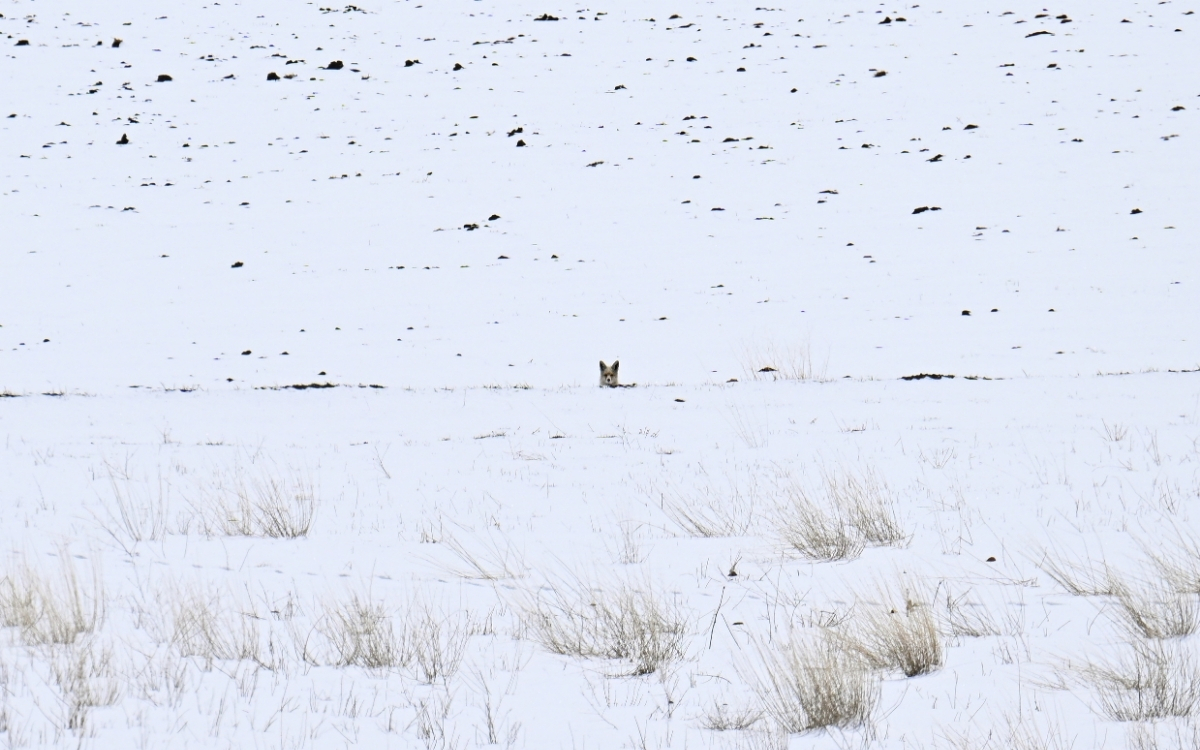
Turkey's Highest Peak Records Most Extreme Winter in 66 Years
A severe and prolonged winter in eastern Turkey has set a major record. The province of Ağrı, home to the legendary Mount Ararat, has received its hi...
Former Provincial Governor Suspended Amid Investigation
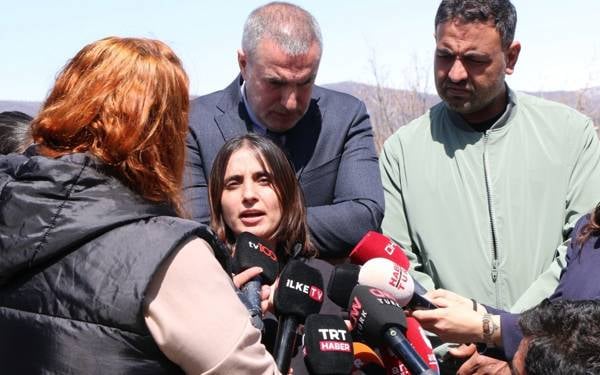
Turkey's Interior Ministry has announced an investigation into Tuncay Sonel, a former governor of Tunceli province. He has been suspended from duty....
TV's Hidden Violence: 97% of Shows Contain Psychological Abuse, Viewers Split
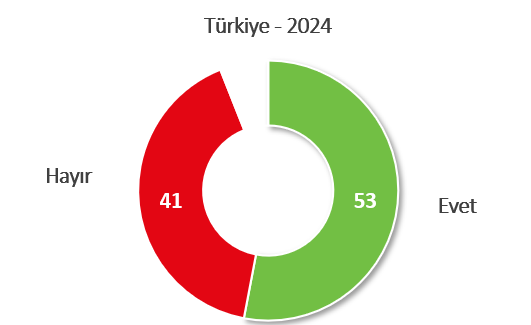
A new study reveals that psychological violence is nearly universal in television series, present in 97% of shows analyzed. The research examined com...