How Indigenous and Local Cultures Are Fighting Back in a Globalized World
How Indigenous and Local Cultures Are Fighting Back in a Globalized World From the Arctic to Africa, communities are turning to ancient traditions, not just as heritage, but as active tools for survival, identity, and modern relevance. In the face of globalization and digital homogenization, a global movement is seeing people use their unique cultural practices to solve contemporary problems, assert their place in the world, and connect with new audiences on their own terms. In Senegal’s capital, a new landmark for cultural exchange is built from the earth itself. The Goethe-Institut’s Dakar building, designed by architect Francis Kéré, uses compressed earth blocks, a local and sustainable material, to make a statement about blending tradition with contemporary global dialogue [131302]. Similarly, in a Gabonese village, residents performed an ancient animist ritual to calm the spirits of the sea, believing the ceremony helps protect their coastline from severe erosion [130928]. This practice shows how spiritual traditions are being applied to address urgent environmental concerns. This cultural resilience is also thriving in the arts. In Burundi, author Aïta Chancella Kanyange writes children’s books to pass on national customs and language to the youngest generation, seeing stories as a vital shield for cultural preservation [129635]. Meanwhile, in Ukraine, a new collection of Christmas carols, or *koliadky*, highlights how music has historically preserved language and carried messages of national identity during periods of oppression [32337]. The digital age presents both a threat and an opportunity. A viral trend dubbed "Chinamaxxing" saw global audiences briefly adopt Chinese habits like drinking hot water and wearing house slippers, reducing deep customs to fleeting internet memes [109231]. Conversely, Sámi DJs from the Arctic are successfully leveraging their Indigenous heritage, blending traditional *joik* singing with electronic beats to meet a growing global appetite for authentic cultural expression in music [79759]. Even in diaspora, communities maintain this balance. The Circassian community in Syria has preserved its language and North Caucasian traditions for over a century while fully integrating into Syrian society, serving as a model of sustained cultural identity [36001]. These examples underscore a widespread pattern: cultural expression is being actively mobilized as a form of practical resilience and a means to claim a distinct voice in an interconnected world. Dakar's New Cultural Hub is Built from Earth Gabonese Village Fights Erosion with Ancient Ritual Burundian Author Fights to Save Culture with Children's Books Ukrainian Christmas Carols: Ancient Sounds of Defiance and Hope Chinamaxxing: When Your Culture Becomes a Viral Meme Remote DJs Rise with Sámi Sound, Fueling Indigenous Pride Syria's North Caucasus Legacy: The Circassians' Enduring Identity
Articles in this Cluster
Dakar's New Cultural Hub is Built from Earth

Gabonese Village Fights Erosion with Ancient Ritual

France's Loudest Tradition: The Fanfare

Burundian Author Fights to Save Culture with Children's Books
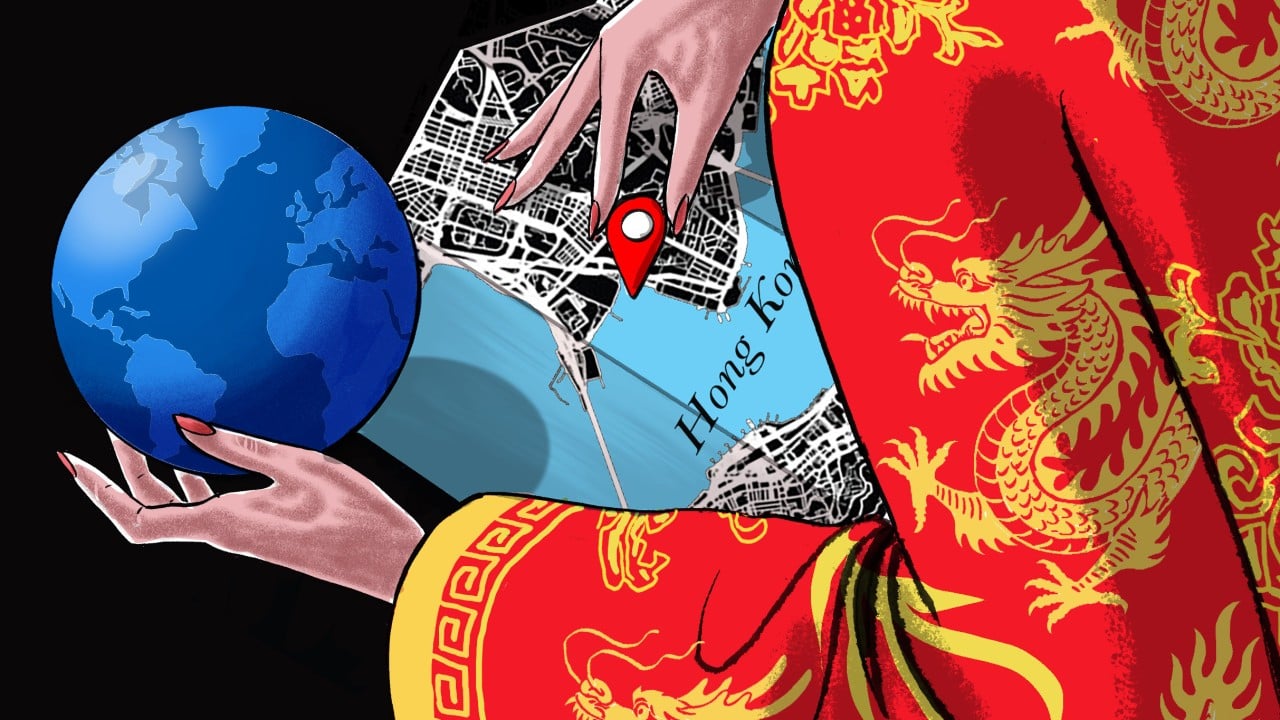
Hong Kong's Next Big Trade: Culture Over Capital?
Korean Wave Washes Over Latin America, Shifting Cultural Tides

China’s Cultural Heritage May Offer an Edge in Guiding AI

Ukrainian Christmas Carols: Ancient Sounds of Defiance and Hope

Feng Jicai: Chinese New Year is More Than Fireworks
Chinamaxxing: When Your Culture Becomes a Viral Meme

Christmas 2025: Surfing Santas, Dancing Cows, and Global Carols

Ch

Celine Dion's Paris Return: More Than a Concert, A "Cultural Treasure Hunt"
Remote DJs Rise with Sámi Sound, Fueling Indigenous Pride
