Latest News
Stay updated with the latest news and articles
Top Stories
Catastrophic Southeast Asia Floods Kill Over 1,400, Displace Millions
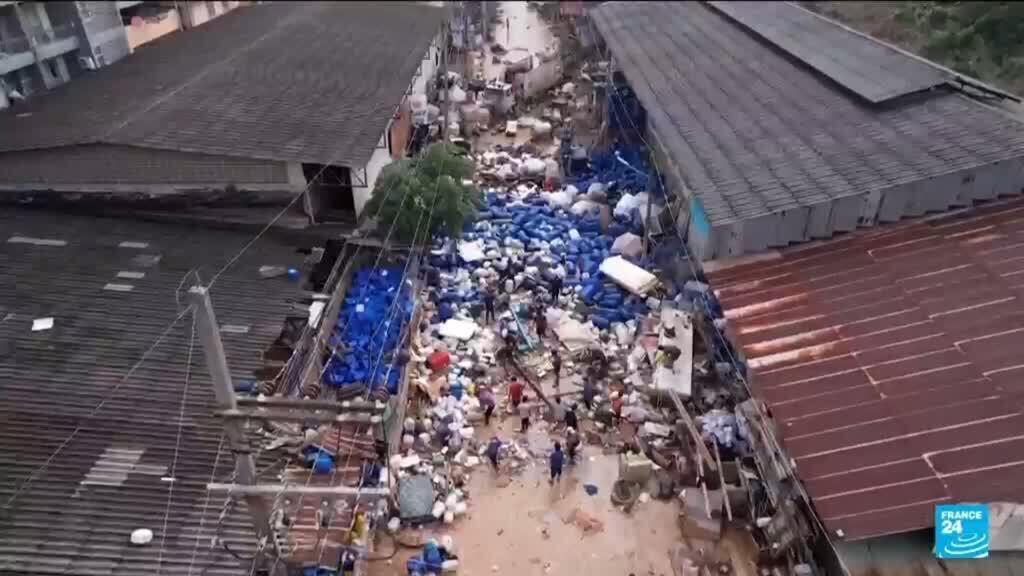
Catastrophic Southeast Asia Floods Kill Over 1,400, Displace Millions A series of devastating floods and landslides, triggered by weeks of exceptionally heavy rainfall, has killed more than 1,400 people and affected millions across Southeast Asia [17624]. The catastrophic weather has submerged villages, severed roads, and buried homes under mud, prompting massive international relief efforts. The hardest-hit nations include Indonesia, Sri Lanka, Thailand, and Malaysia [17624]. In Indonesia, the death toll has climbed to 995, with rescuers still searching for 226 missing people. Neighboring Sri Lanka reports 640 dead and 211 missing [25217]. Combined, nearly 4 million citizens in these two countries alone have been impacted, with homes, roads, and farms destroyed [25217]. Southern Thailand has also suffered severe losses, with authorities reporting at least 145 fatalities [14423]. Torrential rains caused rivers to overflow and saturated hillsides, leading to destructive landslides that have left communities reeling and isolated [14423][17624]. Emergency crews across the region are working to evacuate residents from submerged towns, provide aid to displaced communities, and search for survivors [14786][20084]. National governments and aid agencies are mobilizing to provide emergency shelter, clean water, and medical supplies [17624]. Authorities have warned of additional dangers, including further landslides and the spread of waterborne diseases in the aftermath of the floods [11385]. The full scale of the destruction is still being assessed as rescue operations continue [14423]. Deadly Floods and Landslides Claim Over 1,400 Lives Across Southeast Asia Massive Floods Kill Over 1,600, Affect Millions in Asia Deadly Floods and Landslides Claim Over 250 Lives in Southeast Asia Southeast Asia Reels From Widespread Flooding Deadly Floods and Landslides Claim Lives Across Southeast Asia Deadly Floods and Landslides Claim Over 1,500 Lives Across Asia

Global Fuel Crisis Deepens as Conflict and Supply Shocks Send Prices Soaring
Global Fuel Crisis Deepens as Conflict and Supply Shocks Send Prices Soaring A wave of fuel emergencies and record-high prices is sweeping across the globe, driven by geopolitical conflict and critical supply disruptions. From national emergencies in Africa to unprecedented costs in Europe and Asia, governments and consumers are grappling with the economic shock of soaring fuel costs. The crisis has multiple epicenters. In Madagascar, the government declared a state of emergency due to severe fuel shortages, directly linking the situation to the war in Iran which has disrupted global oil shipments [123851][123416]. Similarly, Zambia declared a national emergency, citing the Middle East conflict as the primary cause of spiking global oil prices that have created a critical situation [122023]. The supply shock is being felt acutely in energy markets. A vital global oil route, the Strait of Hormuz, has been effectively shut, blocking a channel used for about one-fifth of the world's seaborne oil [123168]. Analysts at J.P. Morgan warn that U.S. gasoline prices could surge to $5 per gallon if the closure continues [123168]. The disruption is compounded by environmental damage, as an oil spill from a damaged Iranian ship, struck during recent conflict, now threatens a protected wetland near the strait [123126]. In Europe, drivers are facing historic price levels. Germany's diesel fuel has surged past €2 per liter, prompting the nation's largest automobile association to demand a temporary cut to the country's high fuel taxes [122922]. Belgium is bracing for diesel to hit a predicted record of 2.90 euros per liter, a sharp jump that places severe pressure on transport companies [122941]. France is experiencing a "perfect storm" of steep diesel price spikes, exacerbated by its historic policy that encouraged diesel car use and its current reliance on imported fuel [122900]. The ripple effects are global. In South Africa, drivers rushed to gas stations ahead of a midnight price hike expected to be the most expensive in the country's history, a direct result of the Iran war's disruption of global oil supplies [117884]. In China, drivers queued at pumps before the largest single fuel price increase of the year took effect, as government-set prices adjusted to rising international crude costs [109102]. Liberia officially raised its price ceiling for gasoline and diesel, citing global market pressures [121970]. The economic pain is accelerating a shift in consumer behavior. In the Philippines, record-high fuel costs are sparking a noticeable rush toward electric vehicles, with consumers actively seeking alternatives to unpredictable petrol prices [122504]. Meanwhile, Africa's new Dangote Refinery in Nigeria is attempting to provide a regional lifeline, shipping petrol to several African countries to address supply disruptions caused by the war [122838]. Madagascar Declares Emergency: No Fuel, Fears of Chaos Madagascar Declares Emergency as Iran War Hits Fuel Supply Germany's Diesel Hits Record High, Drivers Demand Tax Break U.S. Gas Prices Could Hit $5 if Key Oil Passage Remains Closed Diesel Shock: Belgian Prices Set to Break Record Oil Slick From Bombed Iranian Ship Heads for Protected Wetland Diesel Shock: Why France Can't Escape Soaring Fuel Prices South Africa Braces for Record Fuel Price Surge Dangote Refinery Sends Fuel Lifeline to Africa Amid Global Shortage Zambia Declares Emergency Over Fuel Supply Drivers Race to Pumps Ahead of China's Biggest Fuel Price Jump of 2024 Liberia Hikes Gas Prices, Citing Global Market Pressures Filipinos' "Breaking Point": Soaring Fuel Prices Spark Electric Car Rush



Syrian Army and Kurdish Forces Clash in Aleppo, Forcing Thousands to Flee
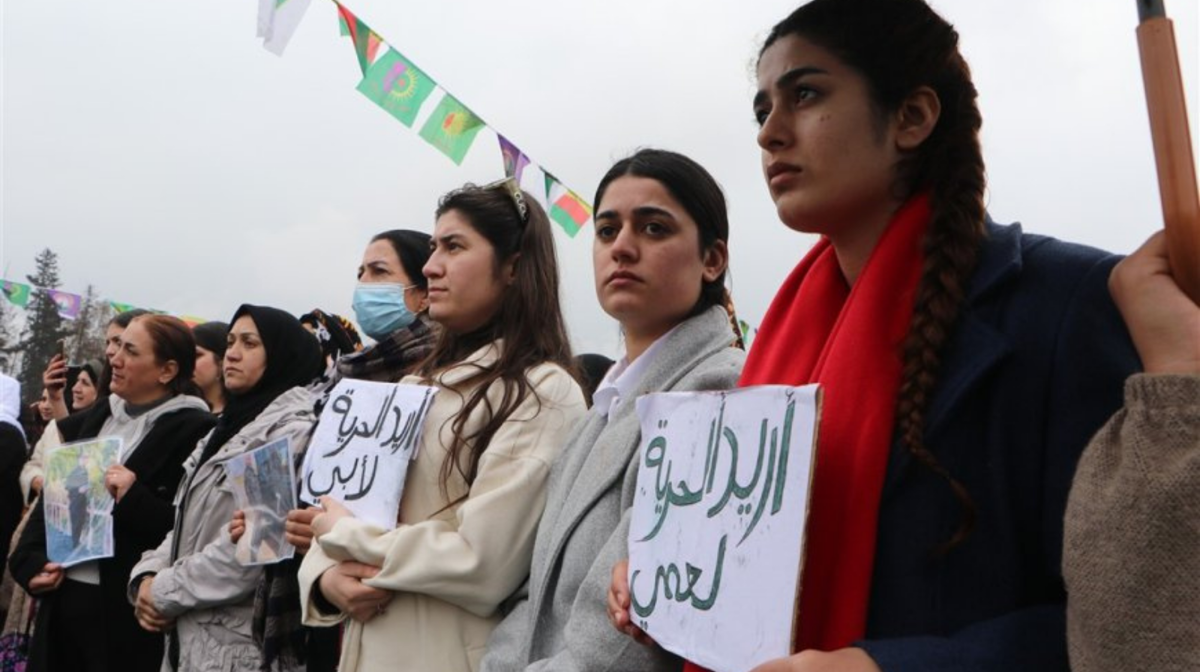
Syrian Army and Kurdish Forces Clash in Aleppo, Forcing Thousands to Flee Intense fighting has erupted between Syrian government forces and Kurdish-led fighters in and around the strategic city of Aleppo, sparking a mass civilian exodus and shattering a period of fragile calm [44512][45585][45588]. The clashes, concentrated in Aleppo's northern suburbs and the eastern Deir Hafer district, have forced tens of thousands of residents to flee their homes [45585][45588][49667]. Local aid groups report a rapid movement of displaced families seeking safety as front lines shift [45585]. The violence pits the Syrian Arab Army against the US-backed Syrian Democratic Forces (SDF), a coalition of Kurdish and Arab fighters [43634]. Key supply routes into Aleppo, including the Castello road, have become battlegrounds [43634]. The fighting follows the collapse of political talks between the two sides and the recent evacuation of SDF fighters from several Aleppo neighborhoods [45585][47153][49667]. A brief ceasefire was declared by both sides on Monday after deadly clashes, but the overall situation remains highly volatile [32516]. The stalemate between the Damascus government and the SDF, which controls large parts of northern Syria, is deepening and becoming more deadly [44512]. The renewed combat threatens to unravel relative stability in northern Syria, a region already hosting millions displaced by the country's long-running civil war [45585][45588]. The United Nations has repeatedly warned that any major new offensive risks a humanitarian catastrophe [45585]. Aleppo Exodus: Fighting Erupts as Syria Peace Talks Fail Aleppo Exodus: Fighting Erupts as Syria Peace Talks Fail Syrian Army Advances on Aleppo, Sparking Mass Exodus Fresh Clashes Erupt Between Syrian Army and Kurdish Forces Syrian Army and US-Backed Forces Clash in Aleppo Syrian Forces and Kurds Clash, Then Halt Fire After Deadly Fighting Syria Detains, Expels Kurds in Aleppo as US Bombs ISIS
China Bets Billions on AI and Chip Breakthroughs to Beat US Tech "Chokehold"
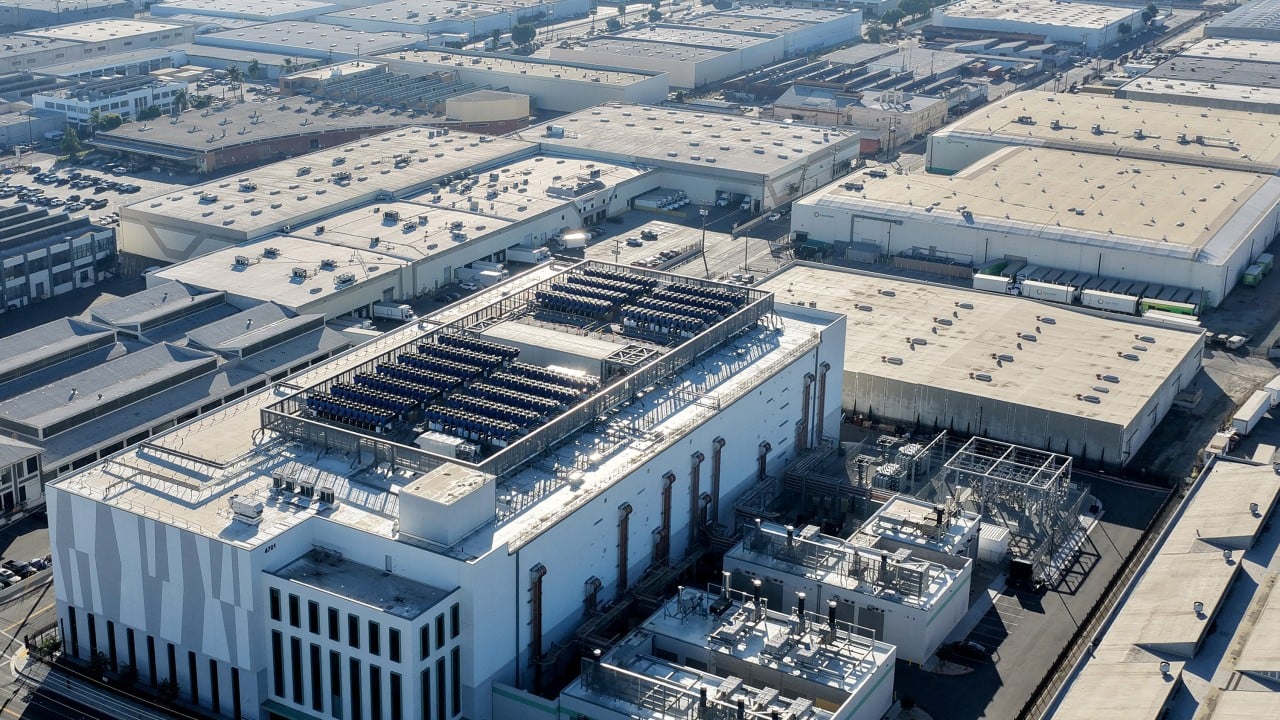
China Bets Billions on AI and Chip Breakthroughs to Beat US Tech "Chokehold" A massive, state-coordinated push is underway in China to achieve self-sufficiency and global leadership in critical technologies, with a sharp focus on artificial intelligence (AI) and advanced semiconductors. This national strategy, driven by billions in government investment, aims to break foreign dependencies and win a defining technological race with the United States. Multiple Chinese provinces and cities are launching multi-billion dollar initiatives targeting these sectors. Shanghai has directed a $10 billion investment plan specifically into microchips and AI [43531]. At the national level, a new state-backed semiconductor fund worth over $47 billion has been established to finance the development of domestic chip manufacturing equipment [86995]. The eastern tech hub of Zhejiang has announced a five-year plan to produce advanced AI chips as small as 3 nanometers, a direct effort to counter U.S. export controls described as a strategic "chokehold" [51155]. This investment is fueling tangible advances. Chinese tech giant Alibaba recently launched one of the country's largest home-grown computing clusters, built with 10,000 of its own "Zhenwu" AI chips in collaboration with a state-owned telecom firm [123660]. Officials highlighted the system as "fully domestic," underscoring the drive to create an independent AI infrastructure. Analysts note the U.S. and China are locked in a split AI race, with China taking a lead in the volume of patents and research papers through state-driven effort [122661]. However, the broader Chinese strategy extends beyond AI hardware. A newly revealed national blueprint for 2026-2030 prioritizes dominating frontier technologies like AI and nuclear fusion to secure the future and break foreign "chokepoints" [95150]. This marks a definitive pivot from China's old strategy of absorbing foreign technology to one of creating cutting-edge innovation domestically [59734]. The approach contrasts with the U.S., where AI development is largely market-led. China's model is defined by state coordination, aiming to integrate AI as a core component of national infrastructure and planning [109135]. The government is also tightening oversight of the tech sector, imposing stricter rules on companies using offshore structures to list abroad, ensuring fundraising aligns with developing core businesses inside China [122505]. AI and Rivalry Redraw the World's Economic Map China Deploys 10,000-Chip AI "Brain" in Tech Race with U.S. U.S. and China Locked in Split AI Race, With Stakes for Global Power China Targets 3nm AI Chips to Break US "Chokehold" China's New Plan: Beat US Tech Rivals with AI and Fusion Power China's Tech Pivot: From "Catch-Up" to Cutting-Edge AI War: US Bets on Markets, China Bets on Control China Bets $47 Billion to Break the Chip Barrier Shanghai Bets $10 Billion on Chips and AI in Tech Race China Tightens Grip on Offshore IPOs, Targeting Tech and Biotech


Climate Chaos Is Here: 2025's Extreme Weather Pushed Nature to the "Breaking Point"
**Climate Chaos Is Here: 2025's Extreme Weather Pushed Nature to the "Breaking Point"** A relentless barrage of extreme weather battered Europe and the UK in 2025, pushing wildlife and ecosystems to a "breaking point" and signaling a dangerous new normal of climate-driven disasters [36898]. Scientists and conservationists warn that the devastating floods, heatwaves, droughts, and storms of the past year are a direct consequence of human-caused climate change and a preview of crises to come [36941][49594]. The year unfolded as a destructive cycle of climate extremes. It began and ended with major storms—Éowyn and Bram—that caused widespread damage [36898]. In between, a sun-soaked spring and summer led to severe drought and fierce wildfires across heath and moorlands, which were later broken by intense autumn floods [36898]. This pattern of whiplash between dry and wet extremes placed immense stress on natural environments. Conservation charity the National Trust, in its annual review, stated these events served as "alarm signals we cannot ignore," showing that UK nature is being pushed to its limits by climate breakdown [36898]. The broader European continent faced a similar onslaught, managing costly recoveries from a relentless series of disasters throughout the year [36941]. Experts directly link the increasing frequency and intensity of these events to greenhouse gas emissions from human activities [36941]. Last year was the planet's third hottest on record, but scientists emphasize that the real story was the global cascade of extreme and costly weather, which demonstrates a climate system under increasing stress [49594]. They urge that without urgent global action to cut emissions, such severe weather will become a standard, recurring reality [36941]. The environmental toll extends beyond infrastructure. In Europe, long-term monitoring data confirmed a dramatic "insect apocalypse," with flying insect populations crashing by up to 80% over the past 30 years [122935]. Scientists cite intensive agriculture, pesticide use, and climate-linked habitat loss as primary causes for the collapse, which poses a direct threat to food security and biodiversity [122935]. UK Wildlife Pushed to "Breaking Point" by Extreme Weather in 2025 Europe's 2025 Weather: A New Normal of Extremes? 2025: The Year the Weather Broke Insect Apocalypse in Europe: Populations Crash by 80%

U.S. and Allies Scramble to Build New Supply Chains, Fueling Global Economic Split
U.S. and Allies Scramble to Build New Supply Chains, Fueling Global Economic Split A worldwide economic realignment is accelerating as the United States and its allies, driven by strategic rivalry with China and a race for technological supremacy, aggressively restructure global supply chains. This shift is moving critical industries away from China and toward friendly nations, fundamentally rewriting the rules of international trade [123918]. The strategy, often called "friend-shoring," prioritizes national security and reliable access to key materials over pure cost efficiency. A central focus is securing minerals essential for advanced technologies like electric vehicle batteries and defense systems. The U.S. and Japan are actively working to develop the Philippines into a major supplier of nickel, copper, and cobalt to break China's dominance in that market [123895]. This fragmentation is powered by two converging forces: intense geopolitical competition and the transformative potential of artificial intelligence (AI). Nations now view leadership in AI as critical for both economic and military dominance, prompting massive state investment in domestic semiconductor manufacturing and related technologies [123918]. The European Union is pursuing a parallel strategy, building a "hedging alliance" with Indo-Pacific nations to reduce reliance on any single global power. This partnership aims to integrate defense industries and coordinate economic policy, creating a collaborative bloc distinct from both the U.S. and China [123271]. Investor Ray Dalio has labeled the deteriorating U.S.-China relationship a "global emergency," warning that poor relations between the superpowers risk catastrophic worldwide damage [123894]. This tension is creating a "new normal" of permanent instability, prompting major corporations like conglomerate CK Hutchison to alter their strategies and pursue large-scale acquisitions to grow during the turmoil [123473]. Analysts observe that the old framework of globalized free trade is breaking down, replaced by a system where economics is inseparable from politics and technology strategy. This new pattern of global imbalance, defined by competing blocs and strategic investment, marks a decisive departure from the pre-2008 economic order [123918]. AI and Rivalry Redraw the World's Economic Map US, Japan Target Philippines to Rival China in Minerals Race EU Seeks New Allies to Counter U.S.-China Rivalry Ray Dalio: US-China Relations Now a Global Emergency CK Hutchison Bets Big on Expansion Amid Global 'Turmoil'

Tourism Hotspots Pivot to Save Themselves from Crowds, Damage, and Displacement
**Tourism Hotspots Pivot to Save Themselves from Crowds, Damage, and Displacement** From the ancient canals of Venice to the remote peaks of Kashmir, popular tourist destinations are taking drastic action to combat the crushing effects of overtourism. Faced with environmental damage, strained infrastructure, and the displacement of local communities, governments and businesses are implementing new fees, promoting off-season travel, and redirecting visitor traffic to protect their future [80040]. The problem is no longer confined to iconic landmarks. Experts say social media and cheaper travel create sudden "must-see" trends that can overwhelm a destination almost overnight [80040]. This has led to a global search for solutions that balance vital economic benefits with the need to preserve local life. In response, a clear strategy is emerging. Many locations are now introducing tourist taxes, a direct measure to manage visitor numbers and fund conservation efforts [80040]. Authorities are also actively promoting travel during quieter periods to ease the pressure of peak-season crowds [80040][86148]. Alongside these measures, there is a push to redirect tourists away from saturated hotspots. This involves creating new attractions and promoting lesser-known areas to spread the economic benefits and physical impact [80040]. The goal is to prevent the cultural commodification and resident displacement that often accompany unchecked tourist booms. The shift represents a fundamental change in how the industry operates. As one tourism professor noted, travelers in 2026 and beyond are increasingly "looking for more meaningful tourism" [36959]. This demand for deeper, more sustainable experiences is aligning with the industry's urgent need for self-preservation, driving a global pivot toward managed, responsible travel. Tourist Destinations Hit Breaking Point: What Causes the Crush? The Hidden Cost of Your Vacation Beyond Paris: TV Drives 2026 "Meaningful Tourism" Trend

Iran War Sparks Two-Way Exodus: 1,100 Afghans Stuck, Rich Flee Dubai, Civilians Cross Mountains
Iran War Sparks Two-Way Exodus: 1,100 Afghans Stuck, Rich Flee Dubai, Civilians Cross Mountains A complex migration crisis is unfolding across the Middle East and Asia, driven directly by the intensifying conflict involving Iran and its ripple effects. From stranded allies and displaced civilians to wealthy elites seeking safety, thousands are on the move as war reshapes lives and borders. The United States is urgently negotiating with other countries to accept approximately 1,100 Afghan allies who have been stranded in Qatar for months, following a freeze on their relocation to America [123840]. Evacuated due to threats for working with U.S. forces, they now live in legal limbo at a U.S.-run facility as officials seek temporary homes for them abroad [123840]. Meanwhile, the war's disruption is forcing civilian populations into difficult choices. At the remote Kapıköy mountain crossing between Iran and Turkey, a steady stream of Iranians is fleeing into Turkey, citing constant bombing and government internet blackouts at home [119947]. "Every night they are bombarding," said one recent arrival [119947]. In a contrasting movement, other Iranians are traveling from Turkey back into Iran, driven by fears for family members trapped in the conflict zones [95980][119947]. The perception of danger is also altering the decisions of the wealthy. A number of affluent individuals are leaving Dubai, a former safe-haven, for destinations like Milan, Italy, following Iranian missile attacks on the United Arab Emirates [122567]. Italy's attractive flat-tax scheme for foreign income is a further draw for these relocating elites [122567]. The conflict's economic shockwaves are also triggering displacement farther afield. In India, a shortage of cooking gas, linked to Middle East energy market disruptions, is pushing migrant workers in cities to return to their home villages, as obtaining liquefied petroleum gas (LPG) cylinders becomes unsustainable [123448]. These movements are part of broader regional migration shifts. New data from the European Border and Coast Guard Agency (Frontex) shows Egyptian nationals have become the leading group of African migrants entering Europe irregularly this year, with just over 16,000 such crossings recorded [40271]. Most depart from Libya aiming for Italy [40271]. U.S. Scrambles to Move 1,100 Stranded Afghans from Qatar Iranians Cross Border in Both Directions as War Intensifies Two-Way Flight: Iranians Flee Bombs, Others Rush Back to Family Missile Fears Drive Super-Rich from Dubai to Milan War Disrupts Gas, Drives India's Migrant Workers Home Egyptians Now Top African Migrants to Europe, EU Agency Reports


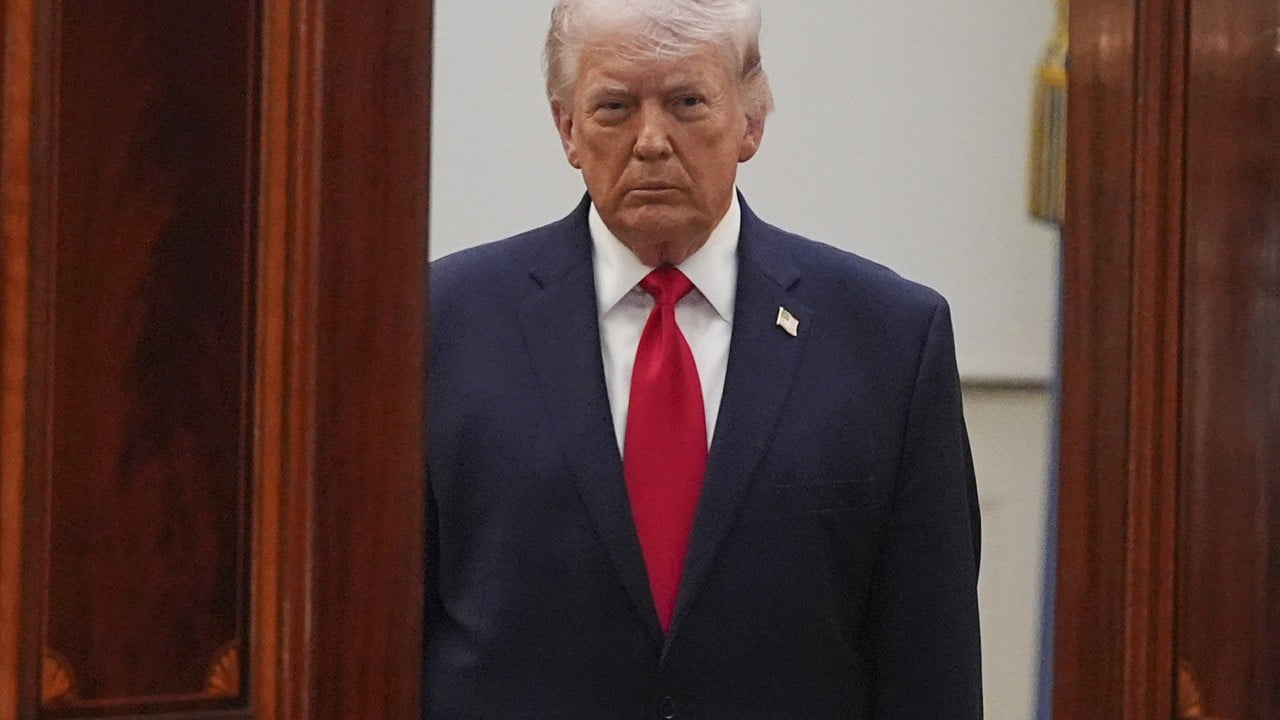
Trump Revives Push to Buy Greenland, Mixing Real Estate Tactics with Geopolitics
Trump Revives Push to Buy Greenland, Mixing Real Estate Tactics with Geopolitics Former U.S. President Donald Trump is renewing his unorthodox campaign to purchase Greenland, employing a mix of financial offers, diplomatic pressure, and veiled threats that mirror his real estate deal-making, according to multiple reports and analyses of his recent statements. The large, autonomous Arctic island, which is a territory of Denmark, has been a persistent focus for Trump due to its strategic location and resources. Speaking at the World Economic Forum in Davos, Switzerland, Trump publicly called for immediate negotiations to buy Greenland and criticized NATO allies in the same address [55297][55327]. He stated he did not want to use force for the acquisition but emphasized the United States should be allowed to purchase it [55297][55327]. This push is not new. Trump’s past interest was firmly rejected by Denmark, leading him to call the response “nasty” and postpone a state visit [50444]. His current methods, however, are reported to include direct cash offers to Greenlanders, threats of tariffs against Denmark, and a refusal to rule out using military force [50444]. Experts see this as a pattern where Trump conflates genuine strategic interests with unrealistic expansionist ideas, applying high-pressure tactics from his business career to international relations [50444][87536]. Analysts warn that such an approach dangerously underestimates the role of national sovereignty and pride in geopolitics, where capitulation is often seen as an existential threat rather than a business transaction [87536]. The Danish and Greenlandic governments have consistently stated the island is not for sale, rejecting the premise of a transaction outright [50444]. Historians have compared Trump’s territorial ambitions and his rejection of diplomatic alliances to 19th-century imperial behaviors, warning that such intense rivalry has historically led to conflict [58552]. Trump’s focus on Greenland at a major global forum, alongside his criticism of NATO, highlights a foreign policy approach that sidelines traditional “soft power” diplomacy in favor of direct demands and economic nationalism [55327]. Trump at Davos: Questions NATO, Wants to Buy Greenland Trump Eyes Greenland: Cash, Threats, and Military Force Trump at Davos: Skips Soft Power, Targets Greenland and NATO Allies Iran Won't Fold: Why Trump's Real Estate Tactics Fail on World Stage Trump's 'New Imperialism': Land Grabs and a Rejected World Order
India's Farmers Block Highways, Fearing U.S. Trade Deal Will Crash Crop Prices
India's Farmers Block Highways, Fearing U.S. Trade Deal Will Crash Crop Prices Thousands of Indian farmers have taken to the streets, using tractors and trucks to blockade major highways in protest of a new trade agreement with the United States. The demonstrations, which have heightened security around the capital, stem from a deep fear that the pact will flood the market with cheap American agricultural goods and dismantle a crucial system of government price supports [75183]. The protests center on the Minimum Support Price (MSP) system, under which the Indian government buys staple crops like wheat and rice at guaranteed rates. Farmers fear the trade terms negotiated with the U.S. could force India to reduce these supports or allow a surge of imports, devastating their incomes [73750]. "We don't trust these promises," said one protest leader, referring to government assurances of safeguards [75183]. The agreement, struck during a visit by former U.S. President Donald Trump, represents a significant diplomatic achievement for Prime Minister Narendra Modi in strengthening ties with a key partner [73750]. However, it has ignited immediate domestic turmoil. The farming community is a massive and politically crucial voting bloc, putting pressure on the government to balance its international commitments with the need for domestic stability [73750]. Police have increased security at key border points into New Delhi as negotiations between farmer unions and government officials continue [73750]. While officials insist the MSP system remains protected, protesters are demanding a legal guarantee to ensure its continuation, highlighting a profound distrust in the government's assurances [73750][75183]. Indian Farmers Strike, Fearing U.S. Trade Deal Will Flood Market India's Farmers Protest as Modi-Trump Trade Pact Threatens Key Crop Prices
Latest Articles

Title: Prisoners Care for Elderly as Istanbul Trial Drags On
**Article:** A major trial in Istanbul has entered its 18th day. The case centers on the city's municipality (İBB). A surprising detail emerged in c...

Attack Outside Israeli Consulate in Istanbul: Detentions Rise to 12
Turkish authorities have increased the number of detainees to 12 following an attack outside the Israeli Consulate in Istanbul. The attack happened...

Turkish Rights Group Demands Independent Probe Into Prison Death
The Human Rights Association (İHD) of Turkey has called for an immediate and transparent investigation into the death of a prisoner, Rojhat Babat. I...
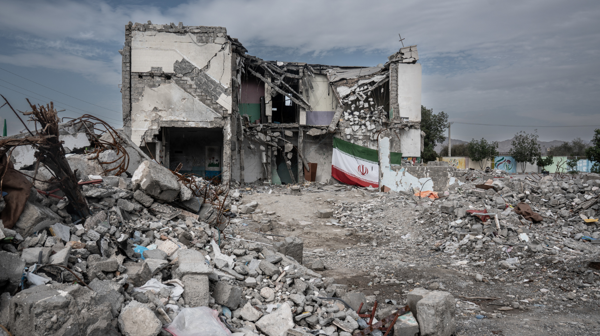
Israel Debates U.S.-Iran Ceasefire: Security Fears and Political Blame Game
A new, indirect ceasefire between the United States and Iran has sparked intense debate in Israel. The discussions focus on national security and the...
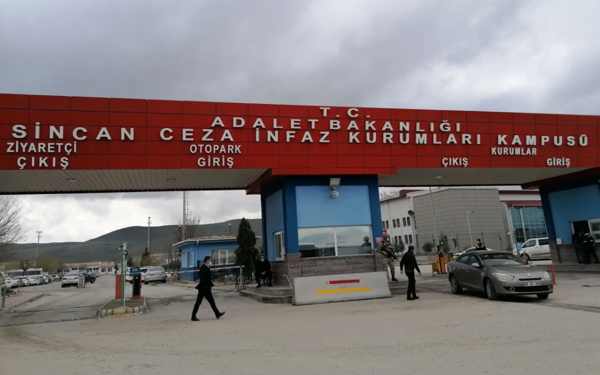
Title: Prison "Torture" Claims Demand Investigation, Says Official
**Article:** A senior official has called for an investigation into alleged human rights abuses at a Turkish prison. The call concerns Çarşamba S-T...

Istanbul Film Festival Faces Director Boycott Over Censorship Concerns
Several prominent Turkish film directors are boycotting the 45th Istanbul Film Festival. Their protest focuses on the removal of a documentary from t...

Turkish Opposition Leader Accuses Government of Constitutional Violation
Main opposition leader Özgür Özel has claimed the government is avoiding a potential early election. He says this is because the ruling party fears l...
University Accused of Hiding Professor's Identity After Assault Allegations
A major Turkish university is facing accusations that it is protecting a professor accused of violence. The controversy centers on Middle East Techn...
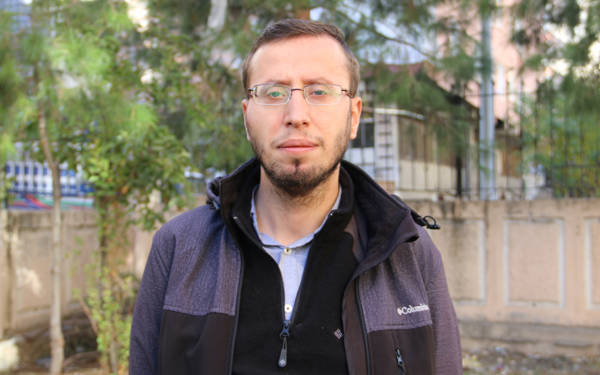
Lawyer for Notorious Police Chief Signed Confessions of People He Did Not Represent
A lawyer for a former Turkish police chief, whose false testimonies led to the detention of over 600 people, has been accused of misconduct. Lawyer A...

Lawyer Unfolds Rainbow Flag as Evidence in Turkish LGBT Association Trial
In a dramatic courtroom moment, a lawyer opened a rainbow flag as her final piece of evidence. The incident occurred during the first hearing of a c...
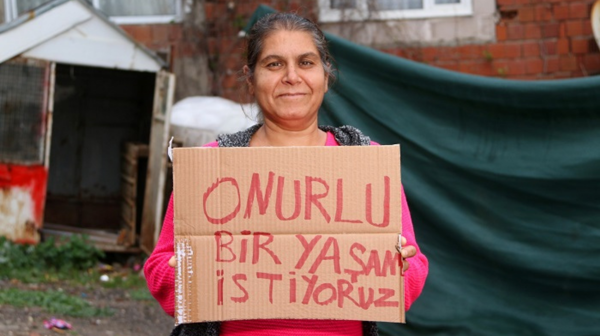
Turkish Party Marks World Roma Day, Calls for Equality and Justice
Turkey's DEM Party has used World Roma Day to highlight ongoing discrimination and poverty faced by the Roma community. The party's Peoples and Fait...
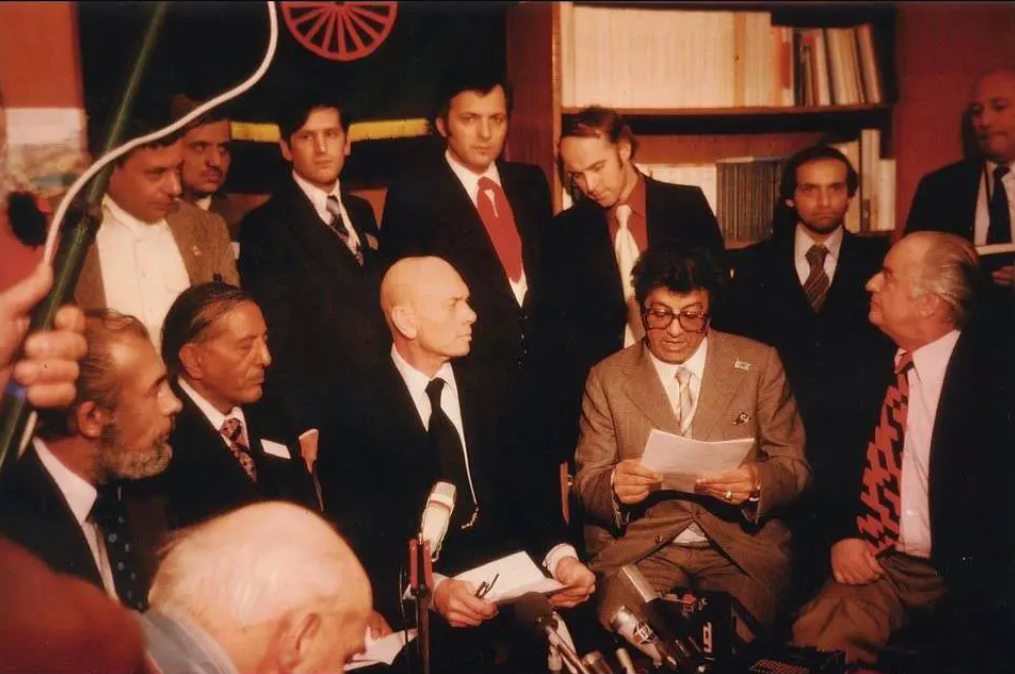
Roma Rights Group: "Stop Making Policy About Us, Start Making It With Us"
A leading Roma rights organization has issued a stark call for change on World Roma Day. Romani Godi stressed that concrete and binding policies are...
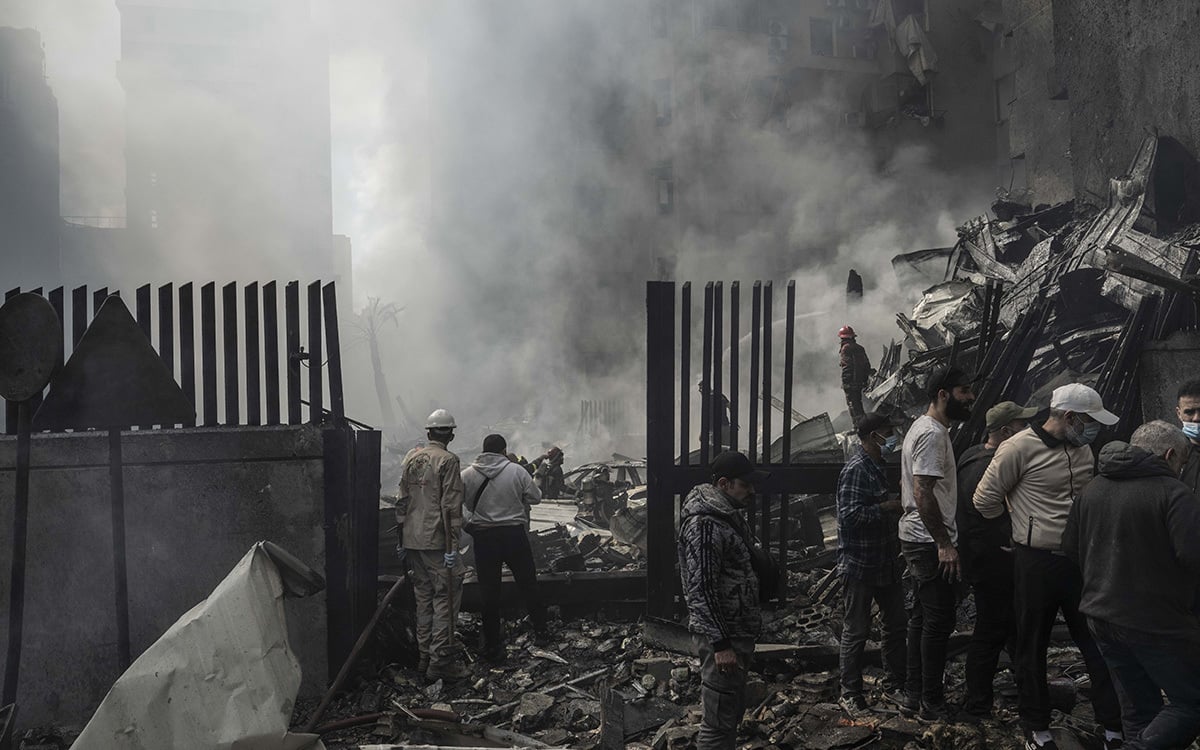
Israel Launches 100 Strikes in 10 Minutes, Despite Truce
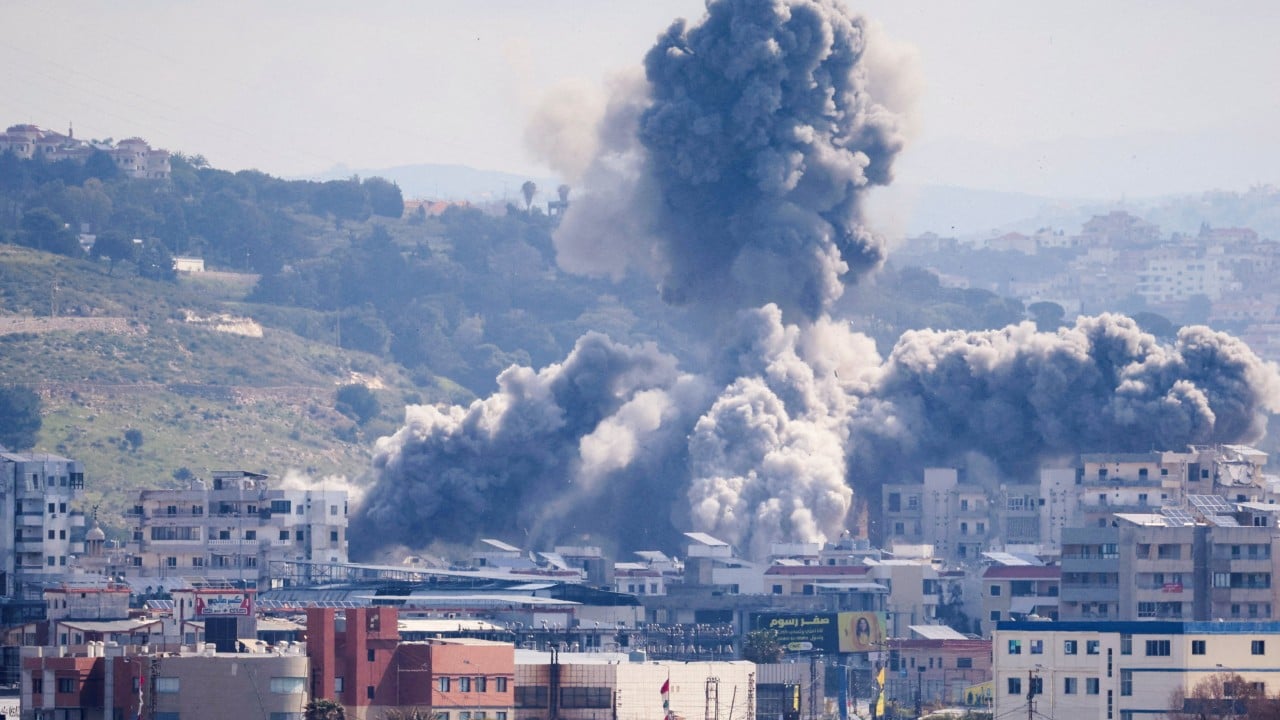
Israeli forces have carried out 100 simultaneous strikes on Lebanon within just 10 minutes. This major military action happened despite a temporary ce...

Attack on Kurdish Workers in Niğde Reaches Turkish Parliament
A Turkish opposition lawmaker has demanded answers from the government after an armed attack on seasonal workers. Ömer Öcalan, a member of parliamen...
Eight Detained, Retailer Fires Staff Over Mocking Video of Israeli Consulate Attack
Turkish police have detained eight people in connection with a controversial video filmed during an attack on the Israeli Consulate in Istanbul. The...
Your Own Power Plant? Home Energy Bills Spark DIY Revolution.
Soaring energy costs and extreme weather are pushing homeowners to a radical solution: generating their own electricity. Record-breaking heat waves...
U.S. and Iran Agree to Ceasefire After Secret Proposal
President Donald Trump has stepped back from earlier threats to destroy Iran, agreeing to a temporary halt in hostilities. The move follows a secret...