Climate Chaos Is Here: 2025's Extreme Weather Pushed Nature to the "Breaking Point"
**Climate Chaos Is Here: 2025's Extreme Weather Pushed Nature to the "Breaking Point"** A relentless barrage of extreme weather battered Europe and the UK in 2025, pushing wildlife and ecosystems to a "breaking point" and signaling a dangerous new normal of climate-driven disasters [36898]. Scientists and conservationists warn that the devastating floods, heatwaves, droughts, and storms of the past year are a direct consequence of human-caused climate change and a preview of crises to come [36941][49594]. The year unfolded as a destructive cycle of climate extremes. It began and ended with major storms—Éowyn and Bram—that caused widespread damage [36898]. In between, a sun-soaked spring and summer led to severe drought and fierce wildfires across heath and moorlands, which were later broken by intense autumn floods [36898]. This pattern of whiplash between dry and wet extremes placed immense stress on natural environments. Conservation charity the National Trust, in its annual review, stated these events served as "alarm signals we cannot ignore," showing that UK nature is being pushed to its limits by climate breakdown [36898]. The broader European continent faced a similar onslaught, managing costly recoveries from a relentless series of disasters throughout the year [36941]. Experts directly link the increasing frequency and intensity of these events to greenhouse gas emissions from human activities [36941]. Last year was the planet's third hottest on record, but scientists emphasize that the real story was the global cascade of extreme and costly weather, which demonstrates a climate system under increasing stress [49594]. They urge that without urgent global action to cut emissions, such severe weather will become a standard, recurring reality [36941]. The environmental toll extends beyond infrastructure. In Europe, long-term monitoring data confirmed a dramatic "insect apocalypse," with flying insect populations crashing by up to 80% over the past 30 years [122935]. Scientists cite intensive agriculture, pesticide use, and climate-linked habitat loss as primary causes for the collapse, which poses a direct threat to food security and biodiversity [122935]. UK Wildlife Pushed to "Breaking Point" by Extreme Weather in 2025 Europe's 2025 Weather: A New Normal of Extremes? 2025: The Year the Weather Broke Insect Apocalypse in Europe: Populations Crash by 80%
Articles in this Cluster
Iran War Sparks Global Fertilizer Crisis, Farmers Scramble
Former UN Climate Chief: World "Held Hostage" by Fossil Fuels

Storm Threatens NFL Opener as Global Travel Chaos Grows
UK Pushes New Oil Drilling, Risks Global Climate Deal
Sea-Level Rise Is a Health Crisis, Says Climate Leader
Title: Africa's Week: From Coup Fallout to Climate Cash and a $15 Billion Energy Gamble
Astronaut's Moon View Sparks Hope and Fear for New Space Race
A Global Push to Curb Carbon Emissions

Insect Apocalypse in Europe: Populations Crash by 80%
Europe's 2025 Weather: A New Normal of Extremes?
2025: The Year the Weather Broke
UK Wildlife Pushed to "Breaking Point" by Extreme Weather in 2025
War's Toxic Toll: Iran's Environment Under Fire
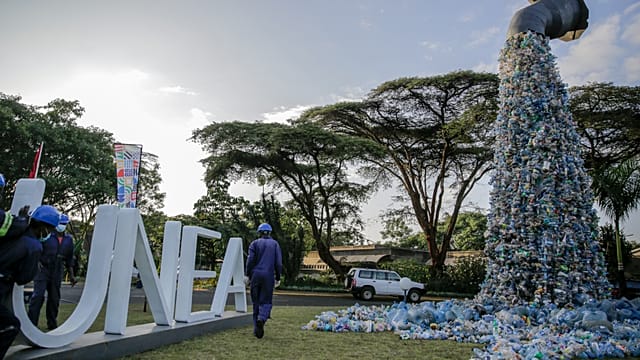
UN Environment Assembly Demands Urgent Global Action on Climate and Biodiversity