U.S. and Allies Scramble to Build New Supply Chains, Fueling Global Economic Split
U.S. and Allies Scramble to Build New Supply Chains, Fueling Global Economic Split A worldwide economic realignment is accelerating as the United States and its allies, driven by strategic rivalry with China and a race for technological supremacy, aggressively restructure global supply chains. This shift is moving critical industries away from China and toward friendly nations, fundamentally rewriting the rules of international trade [123918]. The strategy, often called "friend-shoring," prioritizes national security and reliable access to key materials over pure cost efficiency. A central focus is securing minerals essential for advanced technologies like electric vehicle batteries and defense systems. The U.S. and Japan are actively working to develop the Philippines into a major supplier of nickel, copper, and cobalt to break China's dominance in that market [123895]. This fragmentation is powered by two converging forces: intense geopolitical competition and the transformative potential of artificial intelligence (AI). Nations now view leadership in AI as critical for both economic and military dominance, prompting massive state investment in domestic semiconductor manufacturing and related technologies [123918]. The European Union is pursuing a parallel strategy, building a "hedging alliance" with Indo-Pacific nations to reduce reliance on any single global power. This partnership aims to integrate defense industries and coordinate economic policy, creating a collaborative bloc distinct from both the U.S. and China [123271]. Investor Ray Dalio has labeled the deteriorating U.S.-China relationship a "global emergency," warning that poor relations between the superpowers risk catastrophic worldwide damage [123894]. This tension is creating a "new normal" of permanent instability, prompting major corporations like conglomerate CK Hutchison to alter their strategies and pursue large-scale acquisitions to grow during the turmoil [123473]. Analysts observe that the old framework of globalized free trade is breaking down, replaced by a system where economics is inseparable from politics and technology strategy. This new pattern of global imbalance, defined by competing blocs and strategic investment, marks a decisive departure from the pre-2008 economic order [123918]. AI and Rivalry Redraw the World's Economic Map US, Japan Target Philippines to Rival China in Minerals Race EU Seeks New Allies to Counter U.S.-China Rivalry Ray Dalio: US-China Relations Now a Global Emergency CK Hutchison Bets Big on Expansion Amid Global 'Turmoil'
Articles in this Cluster
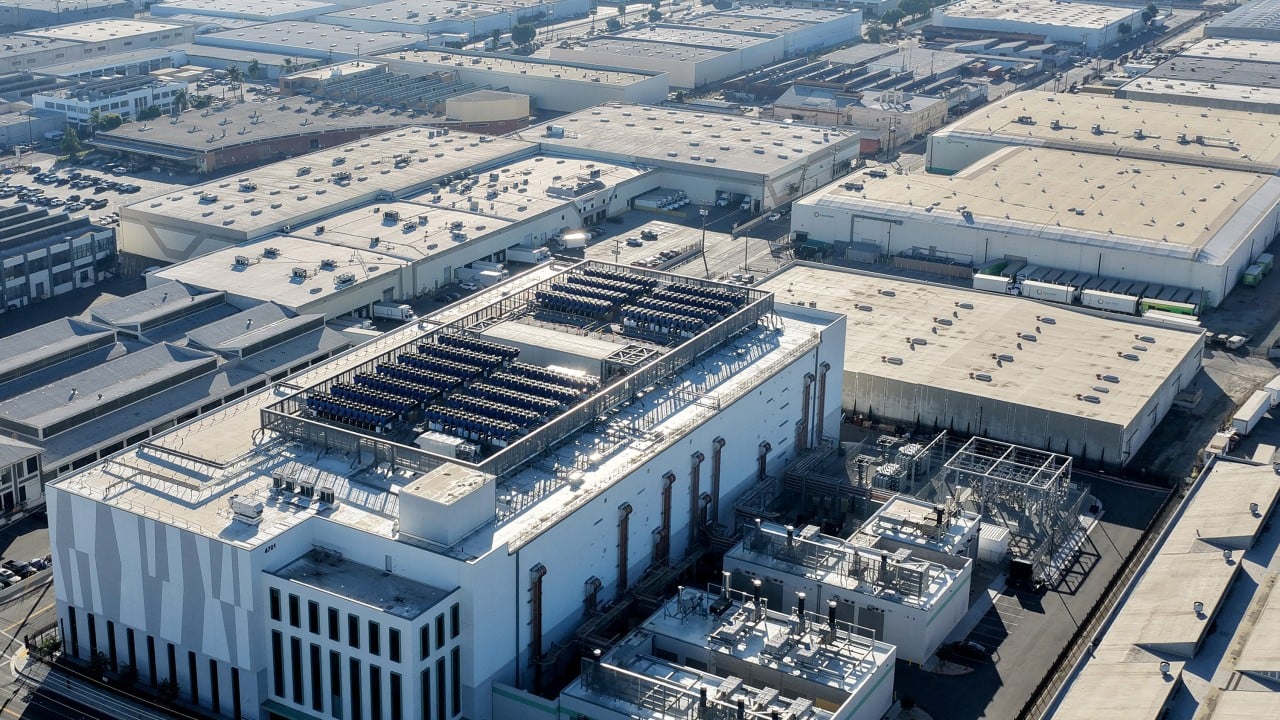
AI and Rivalry Redraw the World's Economic Map

China Eyes Global Gold Hub Role as France Recalls Reserves
Is the "New World Order" Ending? Analysts See Echoes of a Pre-1945 World
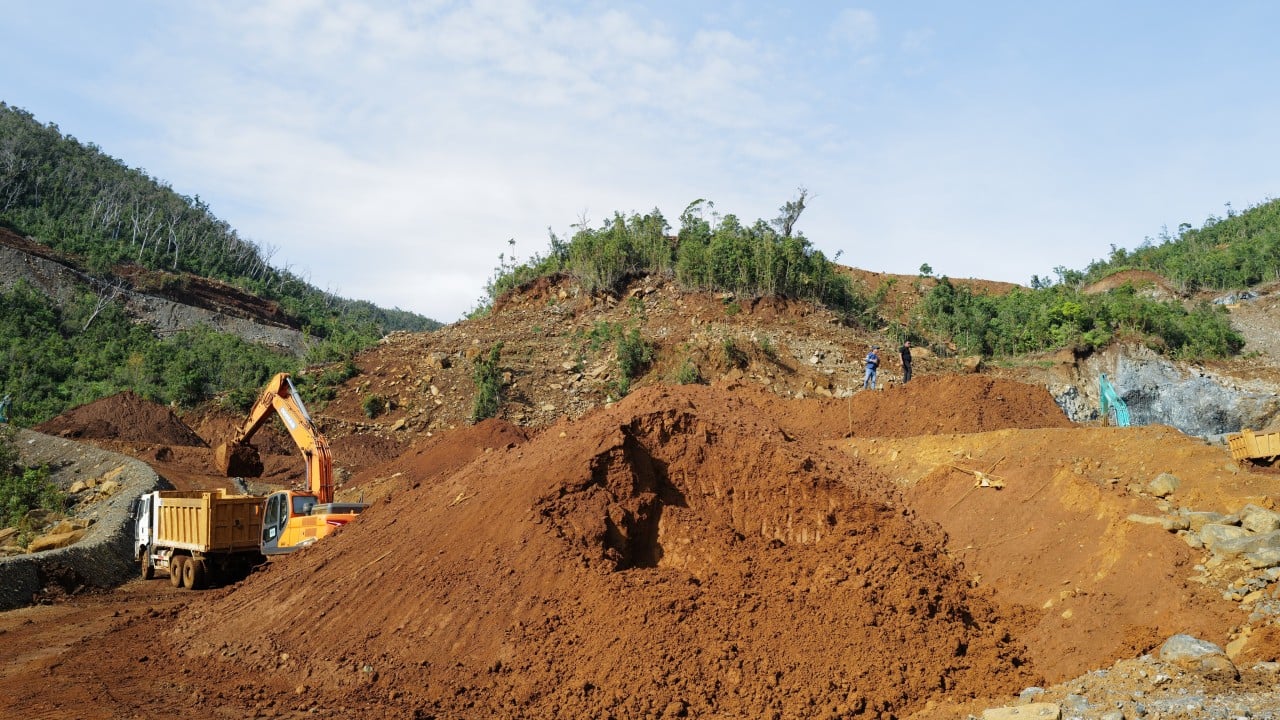
US, Japan Target Philippines to Rival China in Minerals Race

Ray Dalio: US-China Relations Now a Global Emergency
Trump and Netanyahu: Aligned on Iran, Edging Toward Conflict?

US Political Crisis Coincides with Major Global Shifts
US Accused of "History Repeating" in New Cold War Tactics
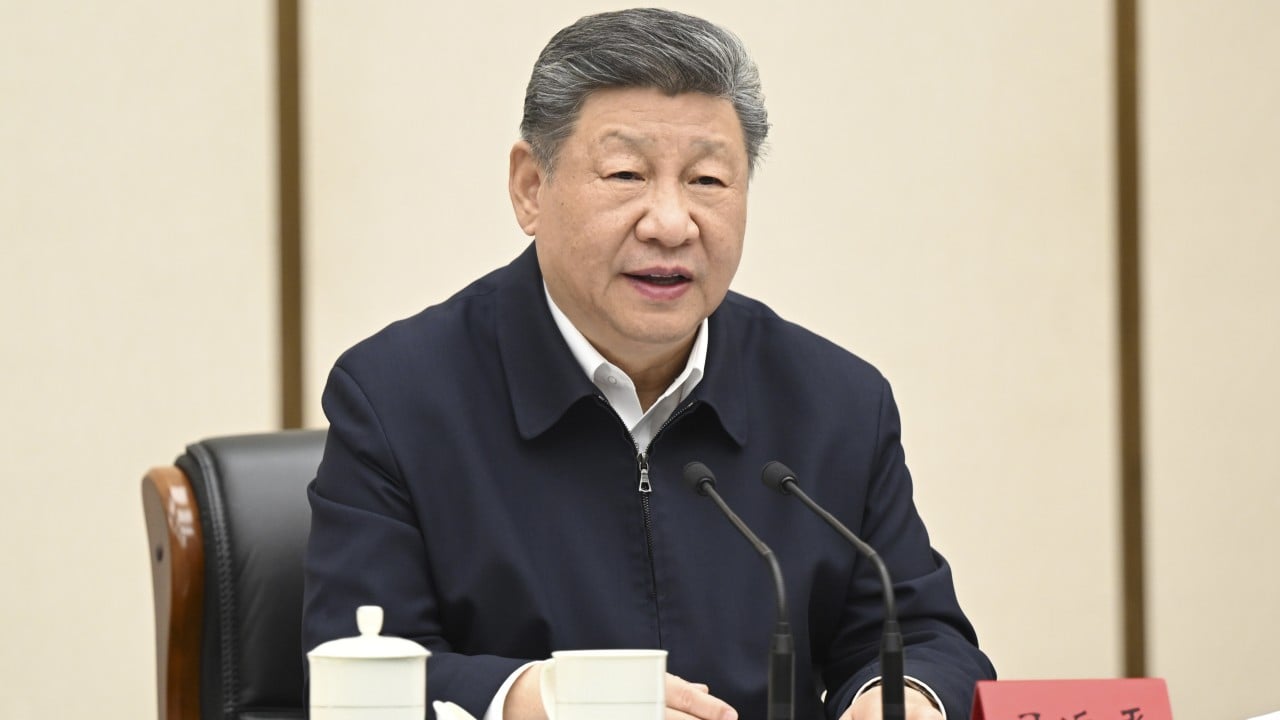
Xi Jinping: China's New Growth Engine Is "Services"
EU Seeks New Allies to Counter U.S.-China Rivalry
Europe's Warning: A Post-Trump U.S. May Not Return to "Normal"
Trump Eyes Social Programs to Fund Military Surge
NATO Future in Doubt as U.S. Threats Rattle Allies

US Leadership Fades: Europe's Uneasy Alliance Enters New Era
