China Bets Billions on AI and Chip Breakthroughs to Beat US Tech "Chokehold"
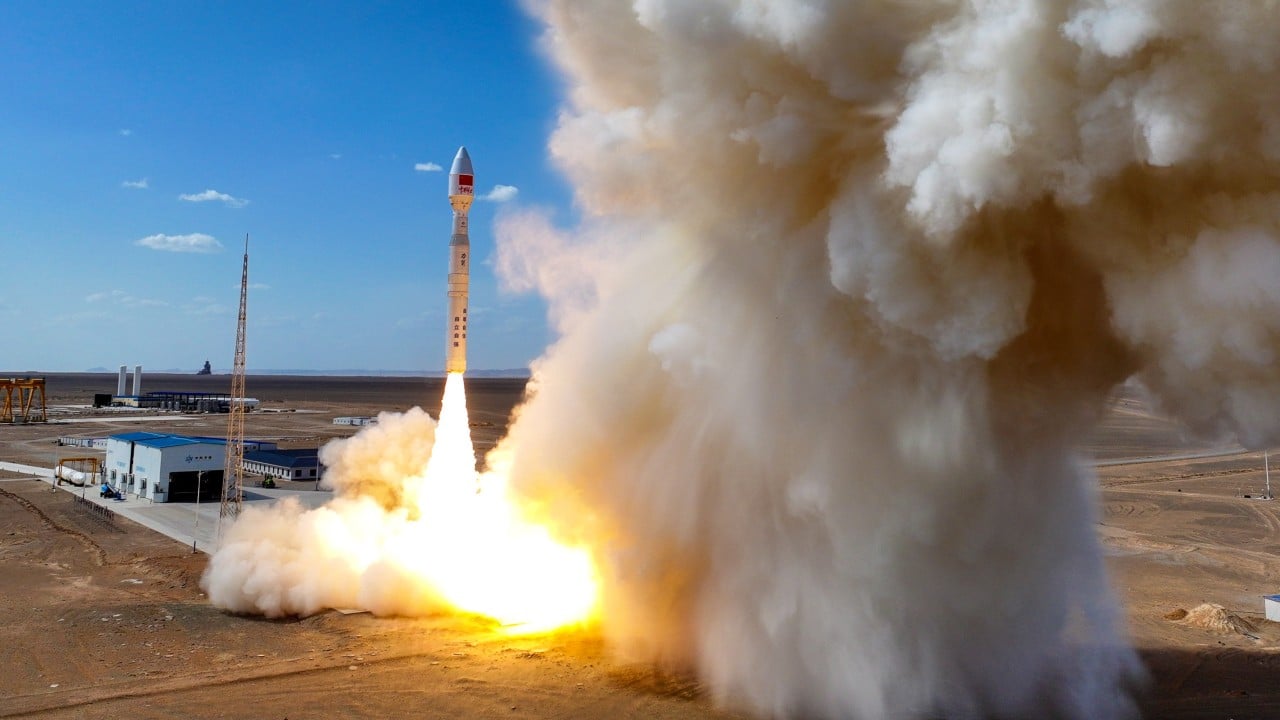
China Bets Billions on AI and Chip Breakthroughs to Beat US Tech "Chokehold" A massive, state-coordinated push is underway in China to achieve self-sufficiency and global leadership in critical technologies, with a sharp focus on artificial intelligence (AI) and advanced semiconductors. This national strategy, driven by billions in government investment, aims to break foreign dependencies and win a defining technological race with the United States. Multiple Chinese provinces and cities are launching multi-billion dollar initiatives targeting these sectors. Shanghai has directed a $10 billion investment plan specifically into microchips and AI [43531]. At the national level, a new state-backed semiconductor fund worth over $47 billion has been established to finance the development of domestic chip manufacturing equipment [86995]. The eastern tech hub of Zhejiang has announced a five-year plan to produce advanced AI chips as small as 3 nanometers, a direct effort to counter U.S. export controls described as a strategic "chokehold" [51155]. This investment is fueling tangible advances. Chinese tech giant Alibaba recently launched one of the country's largest home-grown computing clusters, built with 10,000 of its own "Zhenwu" AI chips in collaboration with a state-owned telecom firm [123660]. Officials highlighted the system as "fully domestic," underscoring the drive to create an independent AI infrastructure. Analysts note the U.S. and China are locked in a split AI race, with China taking a lead in the volume of patents and research papers through state-driven effort [122661]. However, the broader Chinese strategy extends beyond AI hardware. A newly revealed national blueprint for 2026-2030 prioritizes dominating frontier technologies like AI and nuclear fusion to secure the future and break foreign "chokepoints" [95150]. This marks a definitive pivot from China's old strategy of absorbing foreign technology to one of creating cutting-edge innovation domestically [59734]. The approach contrasts with the U.S., where AI development is largely market-led. China's model is defined by state coordination, aiming to integrate AI as a core component of national infrastructure and planning [109135]. The government is also tightening oversight of the tech sector, imposing stricter rules on companies using offshore structures to list abroad, ensuring fundraising aligns with developing core businesses inside China [122505]. AI and Rivalry Redraw the World's Economic Map China Deploys 10,000-Chip AI "Brain" in Tech Race with U.S. U.S. and China Locked in Split AI Race, With Stakes for Global Power China Targets 3nm AI Chips to Break US "Chokehold" China's New Plan: Beat US Tech Rivals with AI and Fusion Power China's Tech Pivot: From "Catch-Up" to Cutting-Edge AI War: US Bets on Markets, China Bets on Control China Bets $47 Billion to Break the Chip Barrier Shanghai Bets $10 Billion on Chips and AI in Tech Race China Tightens Grip on Offshore IPOs, Targeting Tech and Biotech
Articles in this Cluster
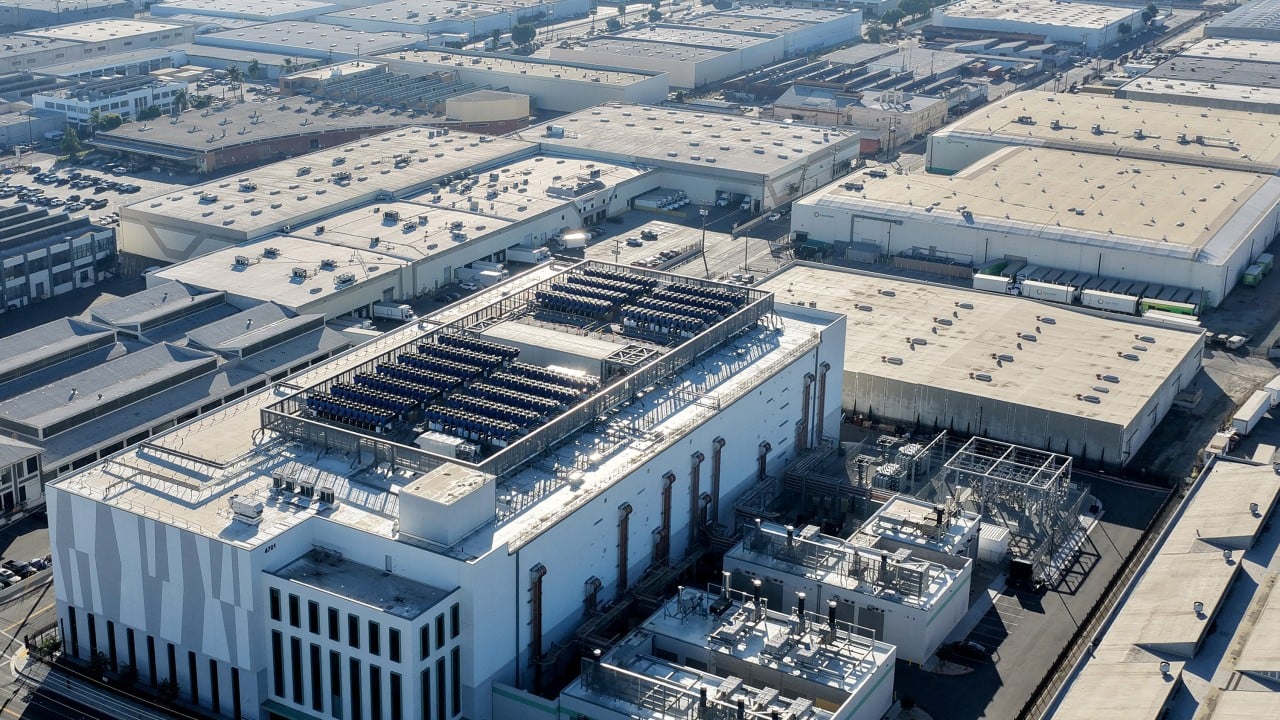
AI and Rivalry Redraw the World's Economic Map
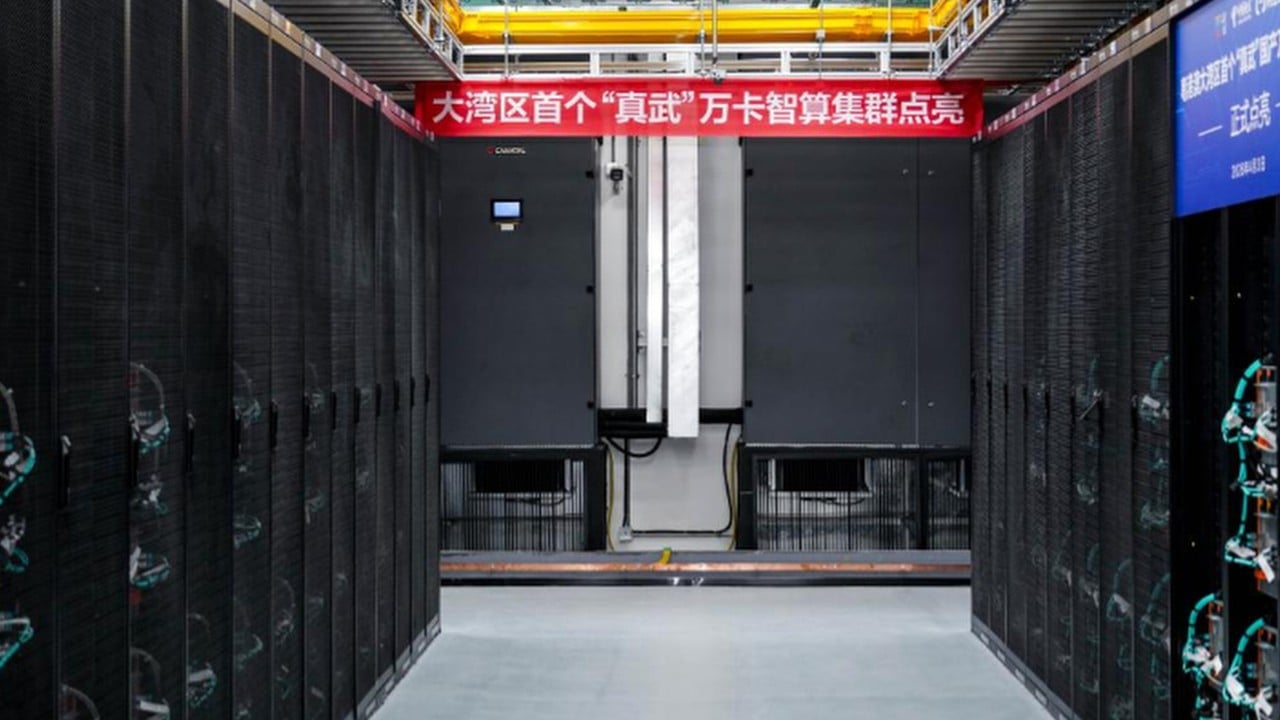
China Deploys 10,000-Chip AI "Brain" in Tech Race with U.S.

China's EV Giants Bet on Solid-State Battery Breakthrough
U.S. and China Locked in Split AI Race, With Stakes for Global Power
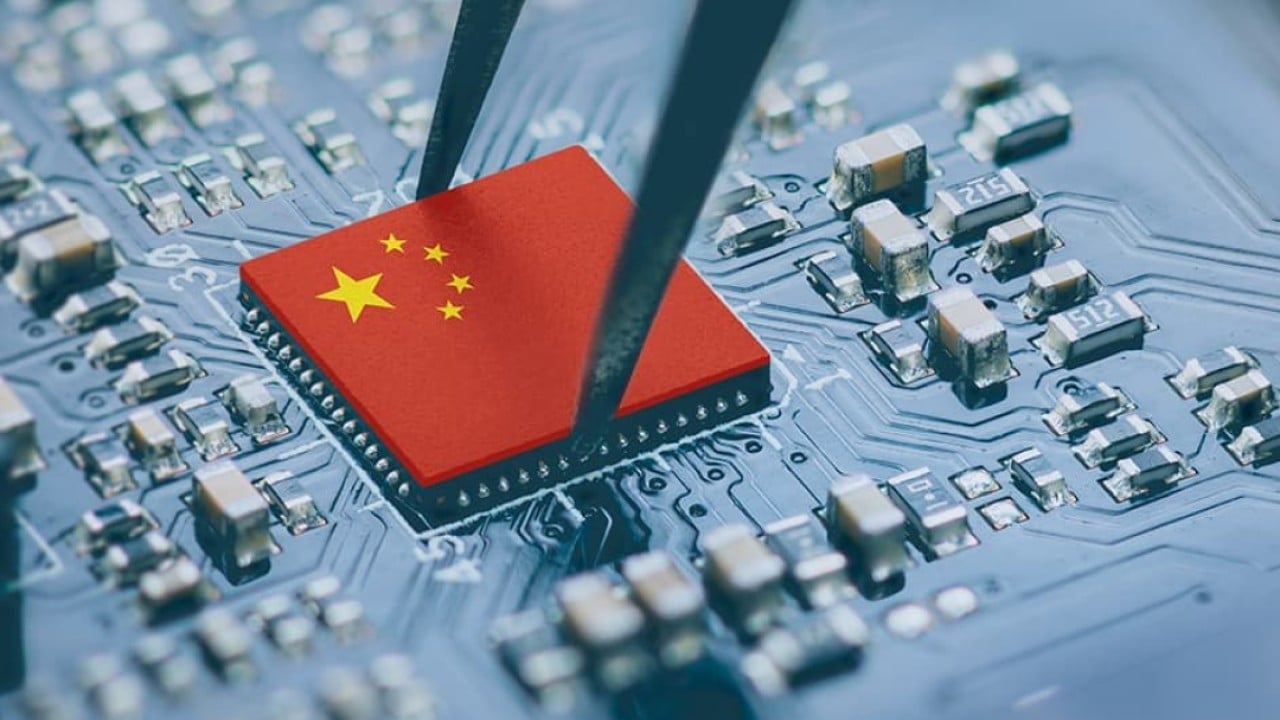
China Targets 3nm AI Chips to Break US "Chokehold"

China Tightens Grip on Offshore IPOs, Targeting Tech and Biotech
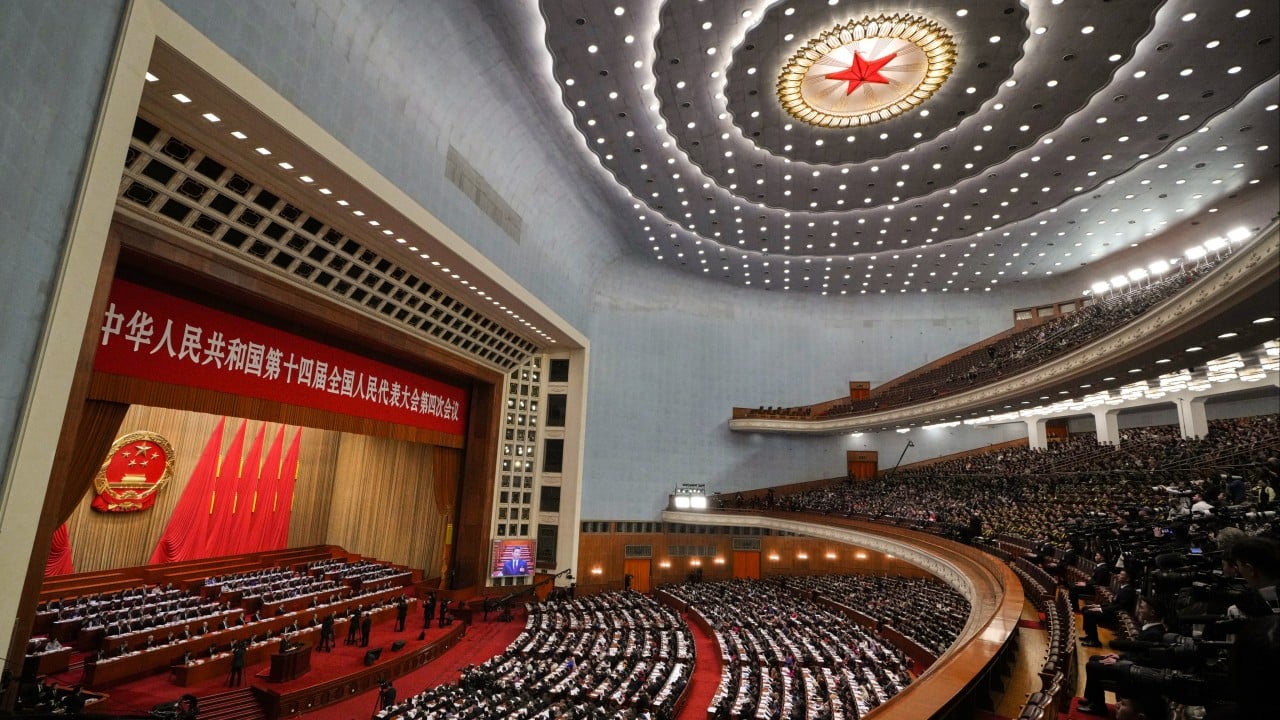
China's New Plan: Beat US Tech Rivals with AI and Fusion Power

China's Tech Pivot: From "Catch-Up" to Cutting-Edge

AI War: US Bets on Markets, China Bets on Control

China’s Corporate Giants Seek New Frontiers Abroad
China Bets $47 Billion to Break the Chip Barrier

Shanghai Bets $10 Billion on Chips and AI in Tech Race

The New Great Game: A U.S.-China Clash Over Resources Begins
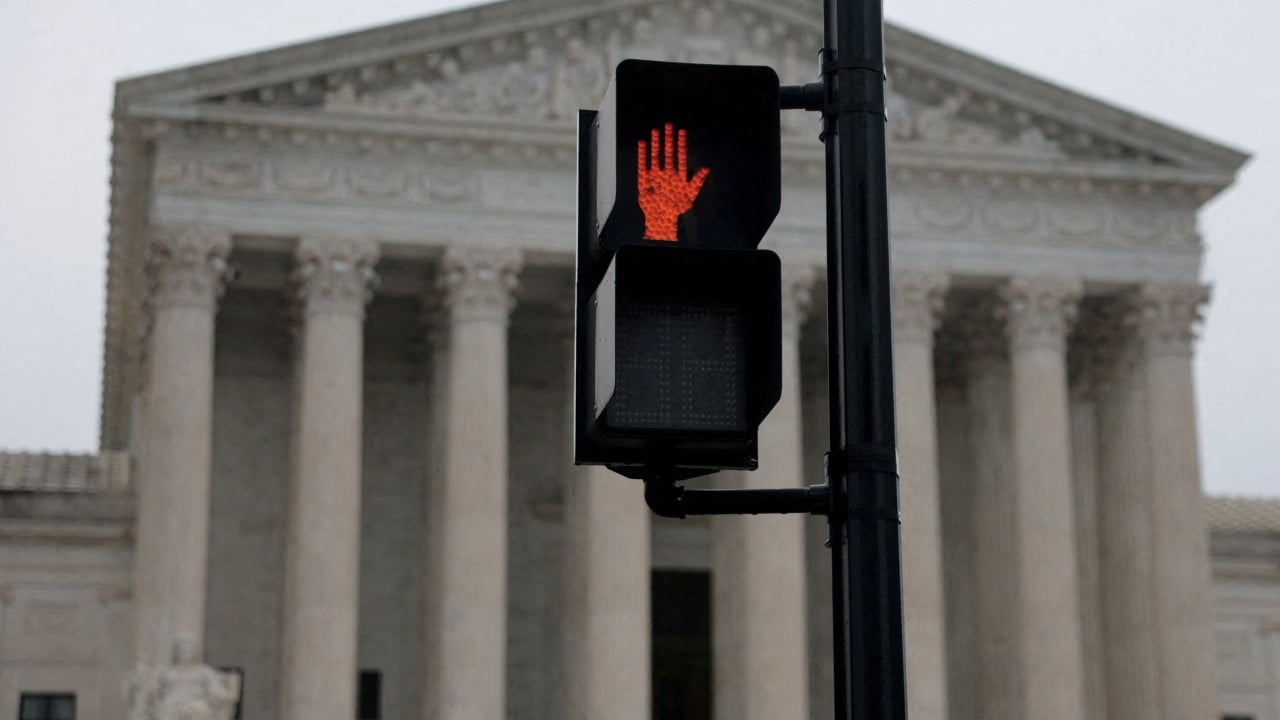
Trump Sets China Trip as EU Bans Tech Firms: Your Asia Brief