Latest News
Stay updated with the latest news and articles
Top Stories
U.S. and Allies Scramble to Build New Supply Chains, Fueling Global Economic Split
U.S. and Allies Scramble to Build New Supply Chains, Fueling Global Economic Split A worldwide economic realignment is accelerating as the United States and its allies, driven by strategic rivalry with China and a race for technological supremacy, aggressively restructure global supply chains. This shift is moving critical industries away from China and toward friendly nations, fundamentally rewriting the rules of international trade [123918]. The strategy, often called "friend-shoring," prioritizes national security and reliable access to key materials over pure cost efficiency. A central focus is securing minerals essential for advanced technologies like electric vehicle batteries and defense systems. The U.S. and Japan are actively working to develop the Philippines into a major supplier of nickel, copper, and cobalt to break China's dominance in that market [123895]. This fragmentation is powered by two converging forces: intense geopolitical competition and the transformative potential of artificial intelligence (AI). Nations now view leadership in AI as critical for both economic and military dominance, prompting massive state investment in domestic semiconductor manufacturing and related technologies [123918]. The European Union is pursuing a parallel strategy, building a "hedging alliance" with Indo-Pacific nations to reduce reliance on any single global power. This partnership aims to integrate defense industries and coordinate economic policy, creating a collaborative bloc distinct from both the U.S. and China [123271]. Investor Ray Dalio has labeled the deteriorating U.S.-China relationship a "global emergency," warning that poor relations between the superpowers risk catastrophic worldwide damage [123894]. This tension is creating a "new normal" of permanent instability, prompting major corporations like conglomerate CK Hutchison to alter their strategies and pursue large-scale acquisitions to grow during the turmoil [123473]. Analysts observe that the old framework of globalized free trade is breaking down, replaced by a system where economics is inseparable from politics and technology strategy. This new pattern of global imbalance, defined by competing blocs and strategic investment, marks a decisive departure from the pre-2008 economic order [123918]. AI and Rivalry Redraw the World's Economic Map US, Japan Target Philippines to Rival China in Minerals Race EU Seeks New Allies to Counter U.S.-China Rivalry Ray Dalio: US-China Relations Now a Global Emergency CK Hutchison Bets Big on Expansion Amid Global 'Turmoil'

Tourism Hotspots Pivot to Save Themselves from Crowds, Damage, and Displacement
**Tourism Hotspots Pivot to Save Themselves from Crowds, Damage, and Displacement** From the ancient canals of Venice to the remote peaks of Kashmir, popular tourist destinations are taking drastic action to combat the crushing effects of overtourism. Faced with environmental damage, strained infrastructure, and the displacement of local communities, governments and businesses are implementing new fees, promoting off-season travel, and redirecting visitor traffic to protect their future [80040]. The problem is no longer confined to iconic landmarks. Experts say social media and cheaper travel create sudden "must-see" trends that can overwhelm a destination almost overnight [80040]. This has led to a global search for solutions that balance vital economic benefits with the need to preserve local life. In response, a clear strategy is emerging. Many locations are now introducing tourist taxes, a direct measure to manage visitor numbers and fund conservation efforts [80040]. Authorities are also actively promoting travel during quieter periods to ease the pressure of peak-season crowds [80040][86148]. Alongside these measures, there is a push to redirect tourists away from saturated hotspots. This involves creating new attractions and promoting lesser-known areas to spread the economic benefits and physical impact [80040]. The goal is to prevent the cultural commodification and resident displacement that often accompany unchecked tourist booms. The shift represents a fundamental change in how the industry operates. As one tourism professor noted, travelers in 2026 and beyond are increasingly "looking for more meaningful tourism" [36959]. This demand for deeper, more sustainable experiences is aligning with the industry's urgent need for self-preservation, driving a global pivot toward managed, responsible travel. Tourist Destinations Hit Breaking Point: What Causes the Crush? The Hidden Cost of Your Vacation Beyond Paris: TV Drives 2026 "Meaningful Tourism" Trend

Iran War Sparks Two-Way Exodus: 1,100 Afghans Stuck, Rich Flee Dubai, Civilians Cross Mountains
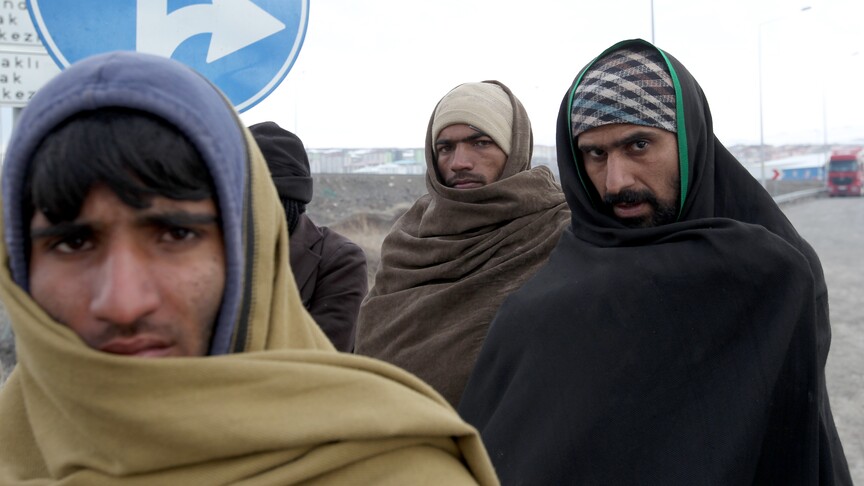
Iran War Sparks Two-Way Exodus: 1,100 Afghans Stuck, Rich Flee Dubai, Civilians Cross Mountains A complex migration crisis is unfolding across the Middle East and Asia, driven directly by the intensifying conflict involving Iran and its ripple effects. From stranded allies and displaced civilians to wealthy elites seeking safety, thousands are on the move as war reshapes lives and borders. The United States is urgently negotiating with other countries to accept approximately 1,100 Afghan allies who have been stranded in Qatar for months, following a freeze on their relocation to America [123840]. Evacuated due to threats for working with U.S. forces, they now live in legal limbo at a U.S.-run facility as officials seek temporary homes for them abroad [123840]. Meanwhile, the war's disruption is forcing civilian populations into difficult choices. At the remote Kapıköy mountain crossing between Iran and Turkey, a steady stream of Iranians is fleeing into Turkey, citing constant bombing and government internet blackouts at home [119947]. "Every night they are bombarding," said one recent arrival [119947]. In a contrasting movement, other Iranians are traveling from Turkey back into Iran, driven by fears for family members trapped in the conflict zones [95980][119947]. The perception of danger is also altering the decisions of the wealthy. A number of affluent individuals are leaving Dubai, a former safe-haven, for destinations like Milan, Italy, following Iranian missile attacks on the United Arab Emirates [122567]. Italy's attractive flat-tax scheme for foreign income is a further draw for these relocating elites [122567]. The conflict's economic shockwaves are also triggering displacement farther afield. In India, a shortage of cooking gas, linked to Middle East energy market disruptions, is pushing migrant workers in cities to return to their home villages, as obtaining liquefied petroleum gas (LPG) cylinders becomes unsustainable [123448]. These movements are part of broader regional migration shifts. New data from the European Border and Coast Guard Agency (Frontex) shows Egyptian nationals have become the leading group of African migrants entering Europe irregularly this year, with just over 16,000 such crossings recorded [40271]. Most depart from Libya aiming for Italy [40271]. U.S. Scrambles to Move 1,100 Stranded Afghans from Qatar Iranians Cross Border in Both Directions as War Intensifies Two-Way Flight: Iranians Flee Bombs, Others Rush Back to Family Missile Fears Drive Super-Rich from Dubai to Milan War Disrupts Gas, Drives India's Migrant Workers Home Egyptians Now Top African Migrants to Europe, EU Agency Reports


Trump Revives Push to Buy Greenland, Mixing Real Estate Tactics with Geopolitics
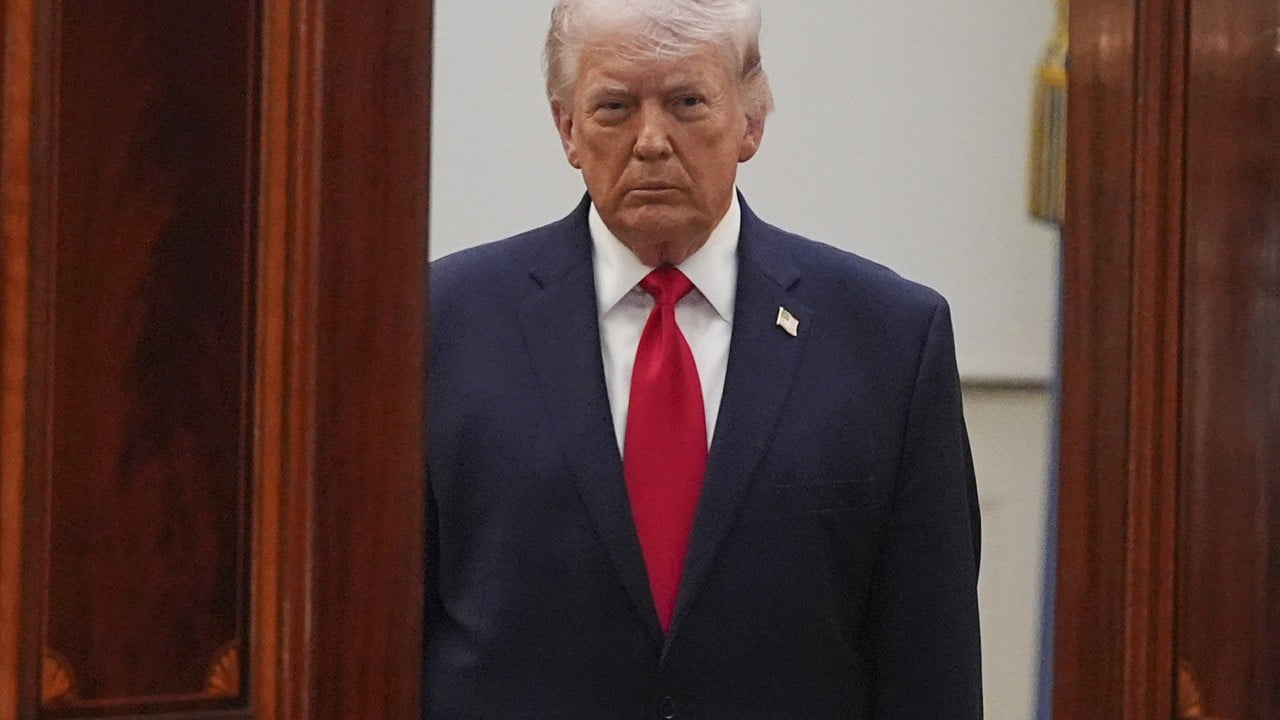
Trump Revives Push to Buy Greenland, Mixing Real Estate Tactics with Geopolitics Former U.S. President Donald Trump is renewing his unorthodox campaign to purchase Greenland, employing a mix of financial offers, diplomatic pressure, and veiled threats that mirror his real estate deal-making, according to multiple reports and analyses of his recent statements. The large, autonomous Arctic island, which is a territory of Denmark, has been a persistent focus for Trump due to its strategic location and resources. Speaking at the World Economic Forum in Davos, Switzerland, Trump publicly called for immediate negotiations to buy Greenland and criticized NATO allies in the same address [55297][55327]. He stated he did not want to use force for the acquisition but emphasized the United States should be allowed to purchase it [55297][55327]. This push is not new. Trump’s past interest was firmly rejected by Denmark, leading him to call the response “nasty” and postpone a state visit [50444]. His current methods, however, are reported to include direct cash offers to Greenlanders, threats of tariffs against Denmark, and a refusal to rule out using military force [50444]. Experts see this as a pattern where Trump conflates genuine strategic interests with unrealistic expansionist ideas, applying high-pressure tactics from his business career to international relations [50444][87536]. Analysts warn that such an approach dangerously underestimates the role of national sovereignty and pride in geopolitics, where capitulation is often seen as an existential threat rather than a business transaction [87536]. The Danish and Greenlandic governments have consistently stated the island is not for sale, rejecting the premise of a transaction outright [50444]. Historians have compared Trump’s territorial ambitions and his rejection of diplomatic alliances to 19th-century imperial behaviors, warning that such intense rivalry has historically led to conflict [58552]. Trump’s focus on Greenland at a major global forum, alongside his criticism of NATO, highlights a foreign policy approach that sidelines traditional “soft power” diplomacy in favor of direct demands and economic nationalism [55327]. Trump at Davos: Questions NATO, Wants to Buy Greenland Trump Eyes Greenland: Cash, Threats, and Military Force Trump at Davos: Skips Soft Power, Targets Greenland and NATO Allies Iran Won't Fold: Why Trump's Real Estate Tactics Fail on World Stage Trump's 'New Imperialism': Land Grabs and a Rejected World Order
India's Farmers Block Highways, Fearing U.S. Trade Deal Will Crash Crop Prices
India's Farmers Block Highways, Fearing U.S. Trade Deal Will Crash Crop Prices Thousands of Indian farmers have taken to the streets, using tractors and trucks to blockade major highways in protest of a new trade agreement with the United States. The demonstrations, which have heightened security around the capital, stem from a deep fear that the pact will flood the market with cheap American agricultural goods and dismantle a crucial system of government price supports [75183]. The protests center on the Minimum Support Price (MSP) system, under which the Indian government buys staple crops like wheat and rice at guaranteed rates. Farmers fear the trade terms negotiated with the U.S. could force India to reduce these supports or allow a surge of imports, devastating their incomes [73750]. "We don't trust these promises," said one protest leader, referring to government assurances of safeguards [75183]. The agreement, struck during a visit by former U.S. President Donald Trump, represents a significant diplomatic achievement for Prime Minister Narendra Modi in strengthening ties with a key partner [73750]. However, it has ignited immediate domestic turmoil. The farming community is a massive and politically crucial voting bloc, putting pressure on the government to balance its international commitments with the need for domestic stability [73750]. Police have increased security at key border points into New Delhi as negotiations between farmer unions and government officials continue [73750]. While officials insist the MSP system remains protected, protesters are demanding a legal guarantee to ensure its continuation, highlighting a profound distrust in the government's assurances [73750][75183]. Indian Farmers Strike, Fearing U.S. Trade Deal Will Flood Market India's Farmers Protest as Modi-Trump Trade Pact Threatens Key Crop Prices
U.S. Forces Capture Venezuelan President Maduro in Military Strike, Plan to "Run" Country
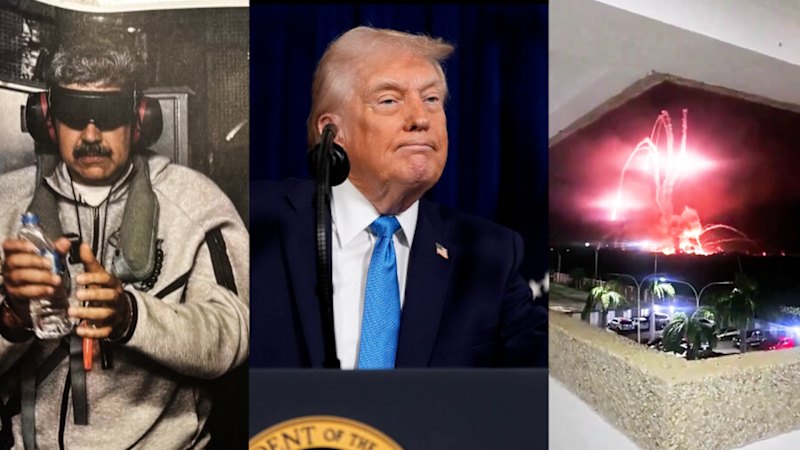
U.S. Forces Capture Venezuelan President Maduro in Military Strike, Plan to "Run" Country In an unprecedented military escalation, United States forces have captured Venezuelan President Nicolás Maduro and his wife, Cilia Flores, during a large-scale strike on Venezuelan territory [41033][41227][40942]. The operation, ordered by the Trump administration, has removed the long-time leader from power and plunged the oil-rich nation into immediate uncertainty [42114]. The capture occurred overnight on Saturday, with reports indicating the couple was taken from their home in the capital, Caracas [40970]. Following the operation, former U.S. President Donald Trump announced that the United States would now "run" Venezuela, with a stated goal to "take back the oil" and fix the country's collapsed energy infrastructure [41227][40871][41525]. Venezuela holds the world's largest proven oil reserves, but its production has cratered amid years of economic crisis [40871]. Maduro and Flores are now in U.S. custody and have been flown to New York to face criminal charges, which include accusations of narco-terrorism and running a "narco terrorist organisation" [41136][40942][40970]. U.S. officials have long labeled Maduro's government as illegitimate, accusing it of corruption, human rights abuses, and stealing elections [41136][40668][41525]. The direct military intervention and capture of a sitting head of state marks a dramatic break from established international law and sets a dangerous global precedent, analysts say [40737][41525]. The action creates a severe power vacuum in Caracas, with no clear successor named and the status of the remaining government unclear [41136][41379]. While the U.S. has recognized opposition leader Juan Guaidó as Venezuela's legitimate president since 2019, Trump has suggested Maduro's deputy, Delcy Rodríguez, should follow U.S. orders, though she has so far defied them [41379][41525]. The immediate military action appears complete, but the long-term plan for governing a nation of 30 million people suffering from hyperinflation and humanitarian crisis remains undefined [42114][41055]. The international community is awaiting further details and confirmation, with reactions from global capitals still emerging [40668][40505]. U.S. Forces Capture Venezuelan President in Military Strike Venezuela Leader Ousted in U.S. Strike, Faces Charges in New York US Strikes Venezuela, Captures President Maduro U.S. Captures Venezuela's President in Secret Operation U.S. Forces Capture Venezuelan President Nicolás Maduro US Captures Venezuelan President in "Large-Scale Strike" U.S. Military Strike Captures Venezuelan Leader Maduro U.S. Captures Maduro: What Now for Venezuela? US Seizes Venezuelan President, Vows to "Run" Country and "Take Back the Oil" U.S. Claims Capture of Venezuelan Leader in Military Strike US Captures Venezuelan President in Military Strike U.S. Strikes Venezuela, Captures President Maduro Venezuelan President Captured in U.S. Military Raid
Spy Tech Gets Cheap: Military-Grade Sensors Now Cost Less Than a Video Game
**Spy Tech Gets Cheap: Military-Grade Sensors Now Cost Less Than a Video Game** A technological breakthrough in China is poised to flood the global market with advanced surveillance and targeting systems, drastically lowering the cost of military-grade hardware. Researchers have successfully manufactured high-performance infrared imaging chips for just dozens of U.S. dollars, down from thousands [122499]. The innovation, led by a team at Xidian University, replaces rare and expensive materials with standard silicon manufacturing techniques. These chips detect heat signatures rather than visible light, forming the core technology for night-vision equipment, missile guidance systems, and long-range surveillance [122499]. The collapse in price could make these powerful sensors widely accessible. This shift is accelerating a broader, invisible arms race defined by surveillance and data control. Across the Asia-Pacific region, power is increasingly determined not by ship tonnage but by who controls information. Satellites, digital tracking, and artificial intelligence now monitor fishing fleets, trade routes, and military movements in real-time, granting unprecedented maritime awareness [122500]. The same university behind the cheap infrared chips has also pioneered a "smart surface" that can harvest enemy radar signals and convert them into electricity. This dual-use technology could enable next-generation stealth systems for military aircraft while also forming the backbone of future 6G wireless networks [36179]. Meanwhile, the proliferation of surveillance is evolving beyond traditional methods. Experts warn that as certain technologies, like fixed security cameras, face restrictions, the threat is migrating to more agile platforms. Smaller, harder-to-detect spy drones are rapidly being adopted for intelligence gathering, creating new challenges for security agencies [122343]. Mass production of the low-cost infrared chips is scheduled to begin before the end of the year. Their potential applications extend beyond defense, promising upgrades to smartphone cameras, autonomous vehicle navigation, and industrial safety systems [122499]. The development signals a fundamental democratization of technology that was once the exclusive domain of major militaries, potentially altering global security and industry dynamics. Chinese Military-Grade Tech Now Costs Less Than a Video Game Satellite Spy Wars: The Invisible Fight for Asia's Seas Chinese Stealth Tech Could Turn Enemy Radar into a Power Source US Ban on Spy Cameras Backfires, Fuels Drone Threat


Court Overturns African Football Champion, Strips Senegal of Title in Unprecedented Ruling
Court Overturns African Football Champion, Strips Senegal of Title in Unprecedented Ruling A top sports court has made a historic and shocking decision, stripping Senegal of its 2023 Africa Cup of Nations championship and awarding the title to Morocco instead [105769]. The Court of Arbitration for Sport (CAS) announced the ruling on Tuesday, overturning the result of the tournament's final, which was played in January [105769]. Senegal had originally won the match to claim its first-ever continental title, but the case was later referred to the court by the Confederation of African Football (CAF), the sport's governing body on the continent [105769]. The court's decision is final and cannot be appealed [105769]. No official reason for the overturn was provided in the initial announcement, with CAF stating it would release the full details of the judgment later this week [105769]. The ruling immediately rewrites the recent history of African football, erasing Senegal's celebrated victory from the record books [105769]. The Africa Cup of Nations is the continent's premier international football competition [32394]. The unprecedented move comes after a tournament that featured dramatic moments on the field, including a last-minute equalizer by Zambia's Patson Daka against Mali in the group stage [32394]. The final group stage matches included one seemingly meaningless game between already-qualified Ivory Coast and eliminated Gabon, played for pride and momentum under tournament rules [38697]. Court Shocker: Morocco Awarded Africa Cup Title, Overturning Senegal's Win Daka's Last-Minute Header Stuns Mali in AFCON Opener AFCON Finale: Why Play a Game That Doesn't Matter?


Young People Around the World Are Reinventing Ancient Traditions to Reclaim Their Roots
Young People Around the World Are Reinventing Ancient Traditions to Reclaim Their Roots From the Arctic Circle to Latin America, a global generation is breathing new life into ancient cultural practices, blending them with modern life to forge powerful identities. This movement sees young people not as passive inheritors of tradition, but as active creators, using tools from social media to electronic music to ensure their heritage thrives. In China, the solemn Qingming tomb-sweeping festival is being transformed. Young people are documenting their family outings online, researching ancestral histories, and leaving modern letters and snacks at gravesides, turning a private duty into a proud, shared act of cultural identity [123476]. Similarly, the Chinese Spring Festival is celebrated not just for its fireworks, but as a vital, unbroken "cultural river" linking millions to their history [84043]. This revival is happening far beyond Asia. In Norway, a Sámi DJ duo is gaining international acclaim by blending modern electronic beats with traditional Indigenous *joik* singing, meeting a growing global appetite for authentic cultural sounds [79759]. In Ukraine, ancient Christmas carols, or *koliadky*, are being shared in new playlists, carrying messages of resilience and connecting a nation’s past to its present struggle [32337]. The trend also highlights how culture spreads and adapts. Across Latin America, Korean culture has become a major influence, with young people learning K-pop dance routines in public squares, signaling a significant shift in the region's cultural landscape [118721]. Even for the very young, cultural roots run deep, as seen in an Arizona family where a nine-month-old baby enthusiastically attempts the traditional Māori haka dance [122617]. Experts note that this cultural engagement is more than nostalgia; it is a form of resilience. An American scholar studying Ukraine argues that defending unique literature, art, and history can make a fight for survival more relatable and powerful than graphic imagery alone [122155]. For communities like the Circassians in Syria, maintaining a distinct language and customs across generations while integrating into national society demonstrates a successful model of cultural preservation [36001]. The movement shows that in a globalized world, the desire to connect with a unique heritage is stronger than ever, with a new generation using the tools of the present to safeguard the treasures of the past. Young Chinese Reimagine Ancient Tomb-Sweeping Ritual Feng Jicai: Chinese New Year is More Than Fireworks Remote DJs Rise with Sámi Sound, Fueling Indigenous Pride Ukrainian Christmas Carols: Ancient Sounds of Defiance and Hope Korean Wave Washes Over Latin America, Shifting Cultural Tides Arizona Baby's First Words? A Haka. Why Showing Atrocities Fails: A Scholar's View on Ukraine's Cultural War Syria's North Caucasus Legacy: The Circassians' Enduring Identity



Africa's Health Leaders Take Charge to Fight Rising Disease Crisis
Africa's Health Leaders Take Charge to Fight Rising Disease Crisis A new public health initiative is launching across Africa to combat a sharp increase in serious, long-term diseases. The effort focuses on using technology and cross-border cooperation to strengthen the continent's medical defenses. The Academy of Public Health (APH) has formally inducted new leaders to address the growing burden of non-communicable diseases (NCDs) [13670]. These illnesses, which include cancer, diabetes, and heart disease, are not passed from person to person but are becoming more prevalent [13670]. The academy's strategy calls for accelerated digital innovation and shared leadership among nations to build a unified response [13670]. This push comes as global health experts highlight both historic progress and a critical next phase. Over the past two decades, millions more people have gained access to basic care, and significant investments in primary health clinics and HIV treatment have saved lives and raised life expectancy [23147]. The current focus is on achieving universal health coverage for all by 2030, a goal experts say will require a major effort, particularly in Africa [23147]. Part of that effort involves safeguarding recent successes. Malawi, for instance, is being praised as a top performer in Africa for improving adolescents' sexual and reproductive health through better access to services and contraception [121979]. However, experts warn that persistent poverty, gender inequality, and rural healthcare gaps threaten to reverse these gains, underscoring the need for continued investment [121979]. The new APH initiative aims to build more resilient health systems to manage and prevent these long-term challenges continent-wide [13670]. New Health Leaders to Combat Africa's Rising Disease Challenge Africa's Health Revolution: Can 2030 Goals Be Met? Malawi's Teen Health Success Faces Old Threats


Latest Articles
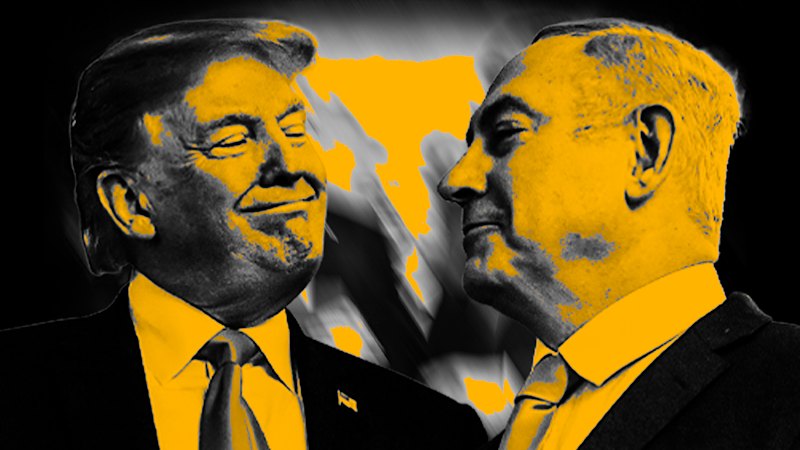
Trump and Netanyahu: Aligned on Iran, Edging Toward Conflict?
A shared, hardline view of Iran between former U.S. President Donald Trump and Israeli Prime Minister Benjamin Netanyahu created a powerful alliance....

US-Iran Ceasefire: Deal or No Deal?
The United States and Iran have agreed to a two-week ceasefire. This move prevented a threatened US attack. However, the exact details of the agreem...

Iran War Ends, Reveals New Global Power Balance
The direct conflict between Iran and the United States appears to have paused, if not ended. The fighting has created a new reality for global politi...

Trump's Iran War Paused, Poet's Tomb Spared
A ceasefire has been agreed by parties to the Iran war. This pause denies former US President Donald Trump a current opportunity for major military e...

Trump Accepts Iran Ceasefire After 'Stone Age' Threat
President Donald Trump has agreed to a temporary ceasefire in the war with Iran. The move follows his severe threats to bomb Iran back to the "stone...
Kyrgyzstan Becomes Secret Crypto Bridge for Russia
Kyrgyzstan is now a major hidden route for moving digital money, according to financial analysts. This "crypto corridor" helps move funds from sancti...

China's Top Diplomat Heads to North Korea After 4-Year Gap
China's Foreign Minister, Wang Yi, will visit North Korea on Thursday and Friday. The trip comes at the invitation of North Korea's government. This...
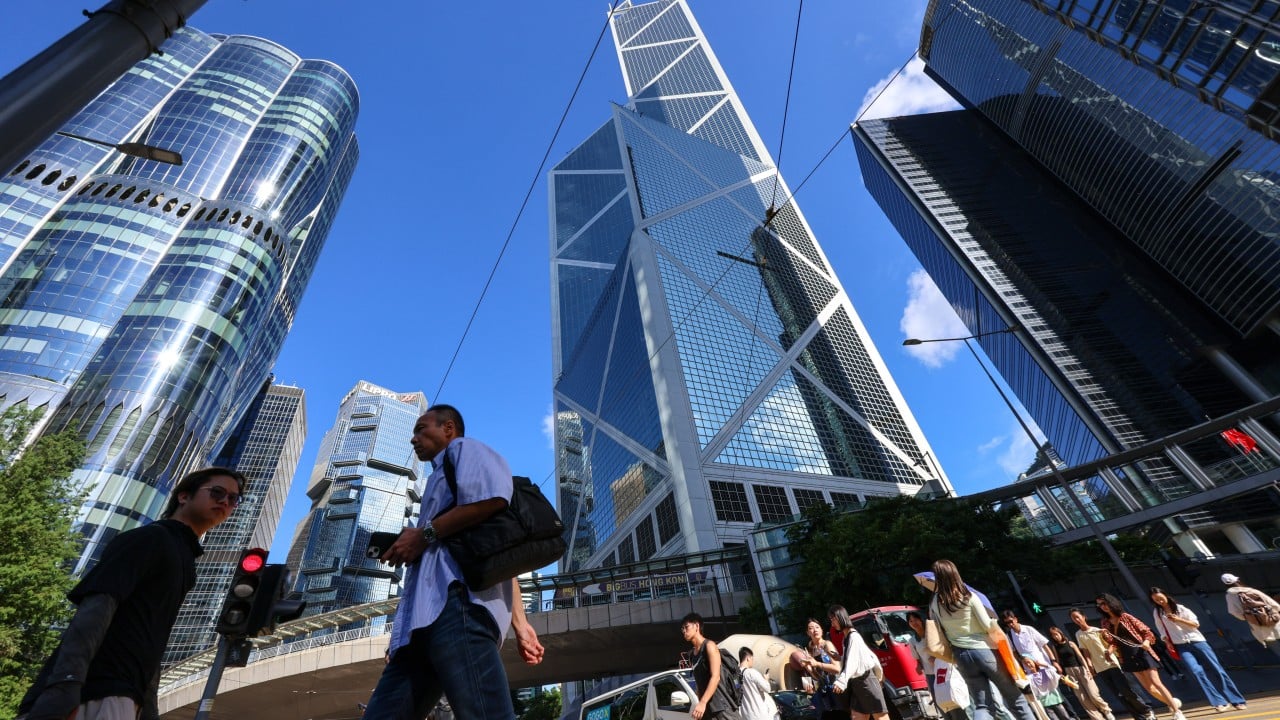
AI to Cut Jobs? 1 in 4 Hong Kong Firms Rushes Adoption
Nearly one-quarter of Hong Kong companies plan to widely use artificial intelligence (AI) this year. That number has tripled since last year. A new...

Hong Kong Moves to Seize Jimmy Lai's Properties
A Hong Kong court will hold a hearing in July on confiscating properties belonging to jailed media tycoon Jimmy Lai Chee-ying. The city's justice se...

AI and Rivalry Redraw the World's Economic Map
A new pattern of global economic imbalance is forming. But it looks very different from the one that led to the 2008 financial crisis. Before that c...

Wang Fuk Owners Denied Meeting After Deadly Fire
The management company for Wang Fuk Court has refused a formal request from over 300 owners to hold a general meeting. The request followed a deadly...

HKUST Hunts for "Longevity Genes" in City's Oldest Residents
Hong Kong scientists have launched a major hunt for the secrets of long life. The Hong Kong University of Science and Technology (HKUST) will spend f...

Hospital Contractor Arrested in Massive Patient Data Theft
Hong Kong police have arrested a man suspected of stealing the personal data of over 56,000 patients. The suspect worked for a contractor hired by th...

Trump Credits China for Iran Ceasefire Deal
U.S. President Donald Trump has acknowledged China's role in securing a temporary halt in the conflict with Iran. The two-week ceasefire includes reo...
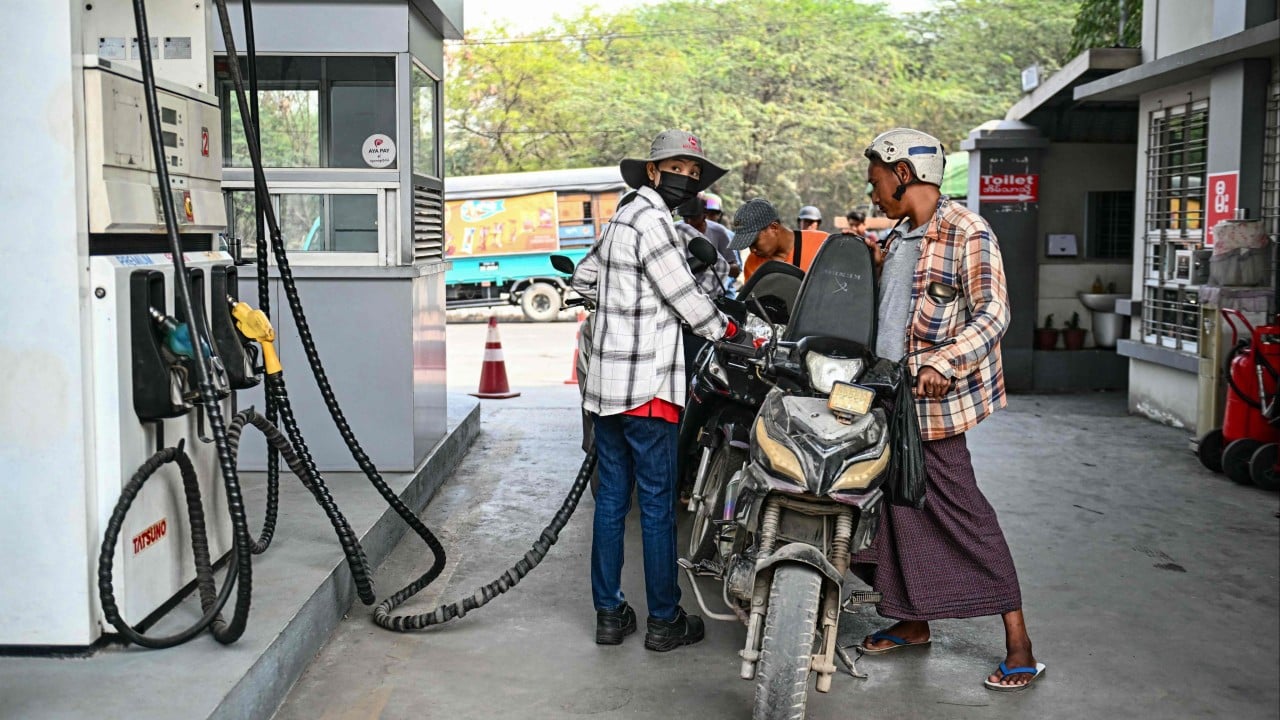
Fuel and Fertilizer Crisis Threatens Famine in Myanmar
A severe shortage of fuel and fertilizer is pushing Myanmar toward a national food crisis. Farmers cannot get fuel for tractors during the critical...

KMT Leader in China: Japan "Divided" Taiwan from Mainland
The chairwoman of Taiwan's main opposition party blamed Japanese "imperialist forces" for the separation of Taiwan from mainland China. Cheng Li-wun...
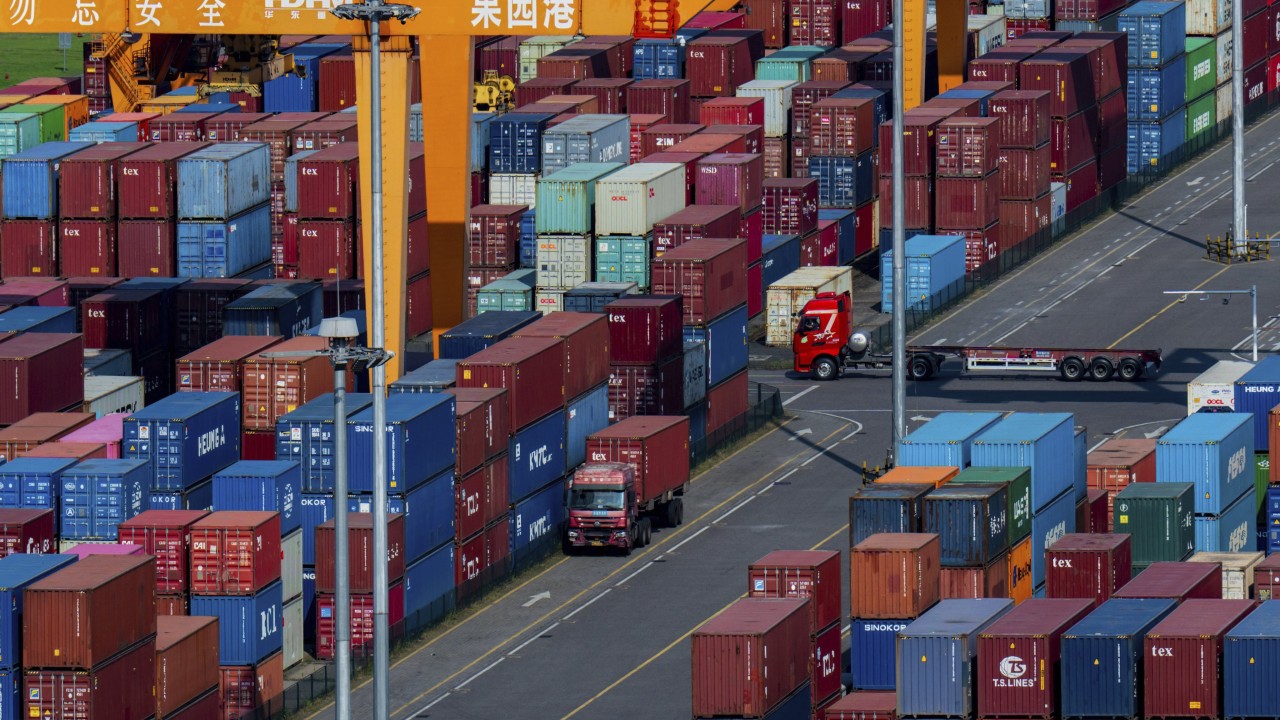
China's New Rule: Threaten Our Supply Chains, Face Punishment
China has enacted a new national security rule to protect its supply chains. Officials now have the power to punish any company or group seen as a th...

HSBC's $5 Billion Bet on Hong Kong's Future
The new global headquarters of The Hongkong and Shanghai Banking Corporation (HSBC) officially opened on April 7, 1986. The ceremony was simple: Hong...
DeepSeek's New "Expert Mode" Hints at Powerful V4 AI Release
The Chinese AI company DeepSeek has launched a major update to its chatbot, introducing new "instant" and "expert" modes. This is the biggest change...

ZXMOTO Founder Backtracks After "Not a Cent" Government Funding Claim
The founder of Chinese motorcycle brand ZXMOTO has revoked his claim that the company never received government money. The reversal follows a public...