Spy Tech Gets Cheap: Military-Grade Sensors Now Cost Less Than a Video Game
**Spy Tech Gets Cheap: Military-Grade Sensors Now Cost Less Than a Video Game** A technological breakthrough in China is poised to flood the global market with advanced surveillance and targeting systems, drastically lowering the cost of military-grade hardware. Researchers have successfully manufactured high-performance infrared imaging chips for just dozens of U.S. dollars, down from thousands [122499]. The innovation, led by a team at Xidian University, replaces rare and expensive materials with standard silicon manufacturing techniques. These chips detect heat signatures rather than visible light, forming the core technology for night-vision equipment, missile guidance systems, and long-range surveillance [122499]. The collapse in price could make these powerful sensors widely accessible. This shift is accelerating a broader, invisible arms race defined by surveillance and data control. Across the Asia-Pacific region, power is increasingly determined not by ship tonnage but by who controls information. Satellites, digital tracking, and artificial intelligence now monitor fishing fleets, trade routes, and military movements in real-time, granting unprecedented maritime awareness [122500]. The same university behind the cheap infrared chips has also pioneered a "smart surface" that can harvest enemy radar signals and convert them into electricity. This dual-use technology could enable next-generation stealth systems for military aircraft while also forming the backbone of future 6G wireless networks [36179]. Meanwhile, the proliferation of surveillance is evolving beyond traditional methods. Experts warn that as certain technologies, like fixed security cameras, face restrictions, the threat is migrating to more agile platforms. Smaller, harder-to-detect spy drones are rapidly being adopted for intelligence gathering, creating new challenges for security agencies [122343]. Mass production of the low-cost infrared chips is scheduled to begin before the end of the year. Their potential applications extend beyond defense, promising upgrades to smartphone cameras, autonomous vehicle navigation, and industrial safety systems [122499]. The development signals a fundamental democratization of technology that was once the exclusive domain of major militaries, potentially altering global security and industry dynamics. Chinese Military-Grade Tech Now Costs Less Than a Video Game Satellite Spy Wars: The Invisible Fight for Asia's Seas Chinese Stealth Tech Could Turn Enemy Radar into a Power Source US Ban on Spy Cameras Backfires, Fuels Drone Threat
Articles in this Cluster

Satellites vs. Sprawl: Rwanda's High-Tech Fight for Farmland
Google's A.I. Answers: A Mix of Expert and Internet Gossip

US Ban on Spy Cameras Backfires, Fuels Drone Threat
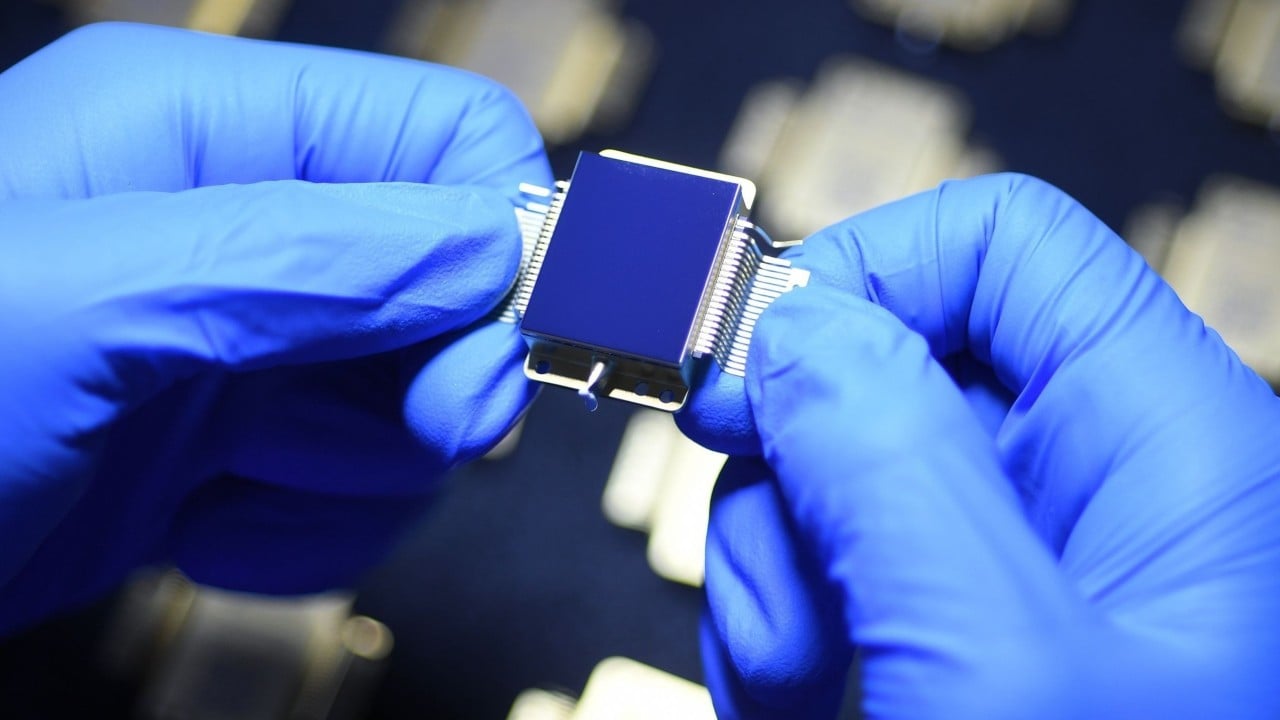
Chinese Military-Grade Tech Now Costs Less Than a Video Game
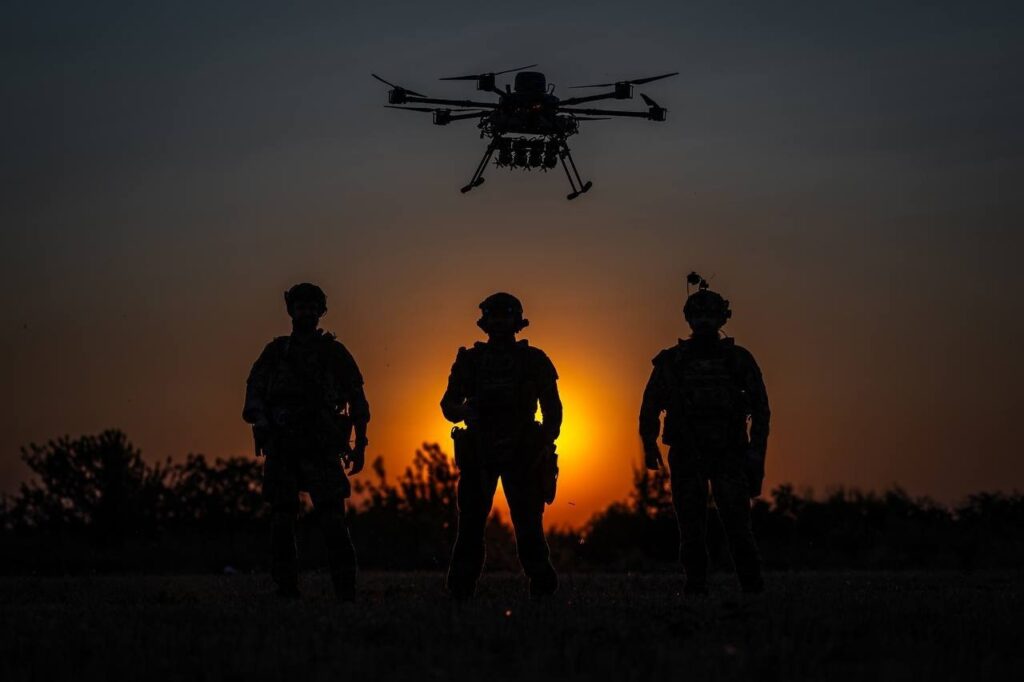
Ukraine Suspected of Using U.S. "Blackout Bomb" Tech
Vintage Cameras Capture 2026 Olympics for Modern Crowd
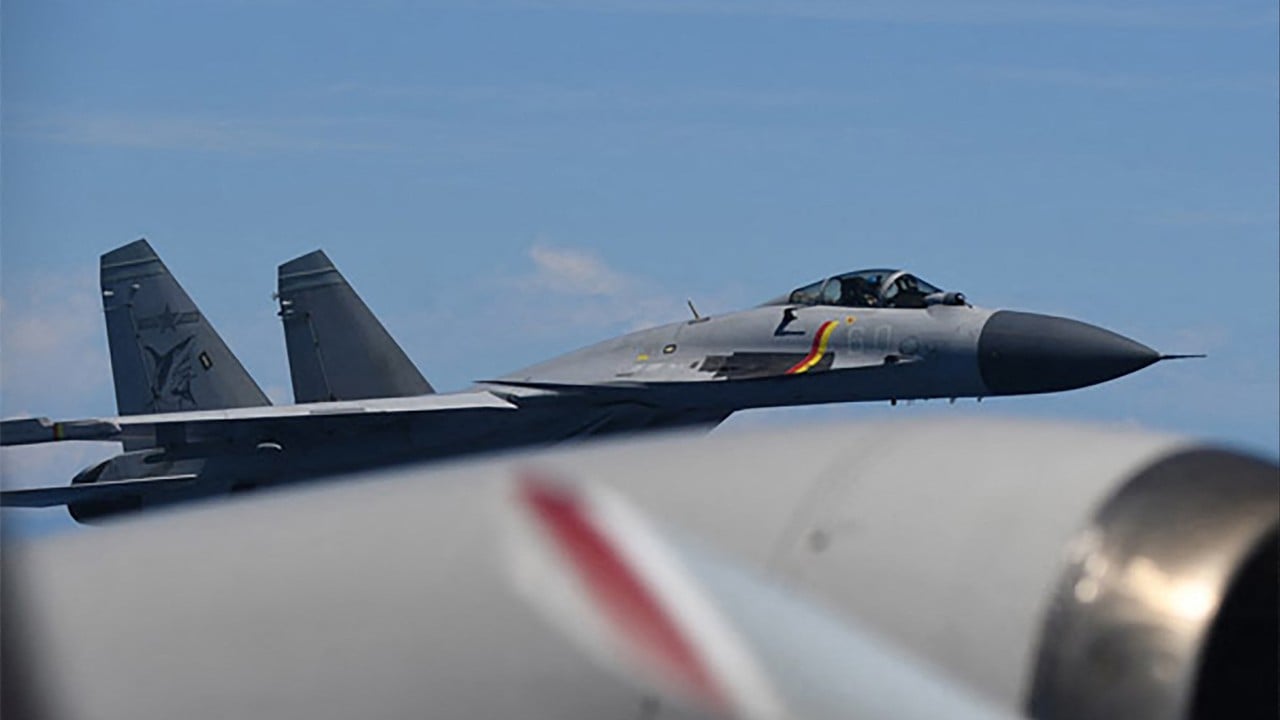
Satellite Spy Wars: The Invisible Fight for Asia's Seas

AI Replay Tech Makes Olympic Jumps Spin on Screen

Chinese Stealth Tech Could Turn Enemy Radar into a Power Source

Imperfect Diamonds: The New Heart of a Quantum Revolution

AI Drones Hunt Landmines: UK Tests Life-Saving Tech
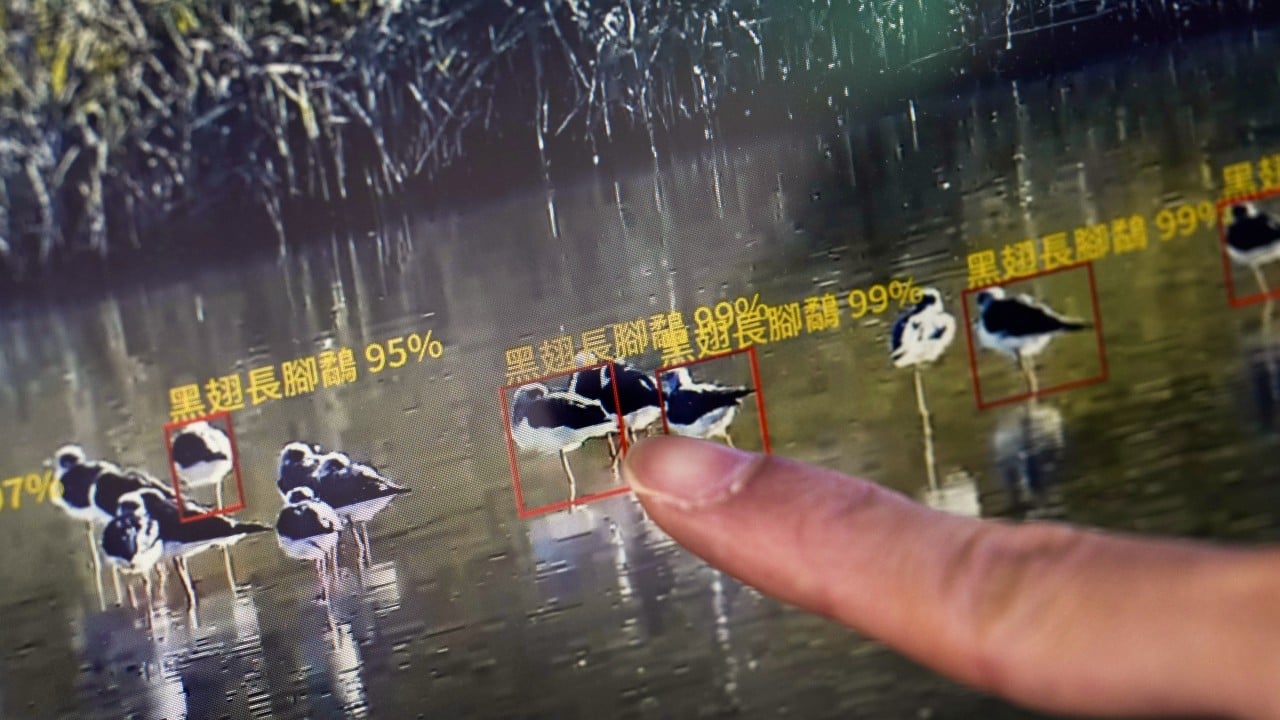
Hong Kong Deploys AI Robot Dogs to Scan for Wildlife
Swapping My Smartphone for a 90s Kit: A Month of Analogue Life

Spy Roaches: German Firm Turns Insects into Tiny Agents
