Young People Around the World Are Reinventing Ancient Traditions to Reclaim Their Roots
Young People Around the World Are Reinventing Ancient Traditions to Reclaim Their Roots From the Arctic Circle to Latin America, a global generation is breathing new life into ancient cultural practices, blending them with modern life to forge powerful identities. This movement sees young people not as passive inheritors of tradition, but as active creators, using tools from social media to electronic music to ensure their heritage thrives. In China, the solemn Qingming tomb-sweeping festival is being transformed. Young people are documenting their family outings online, researching ancestral histories, and leaving modern letters and snacks at gravesides, turning a private duty into a proud, shared act of cultural identity [123476]. Similarly, the Chinese Spring Festival is celebrated not just for its fireworks, but as a vital, unbroken "cultural river" linking millions to their history [84043]. This revival is happening far beyond Asia. In Norway, a Sámi DJ duo is gaining international acclaim by blending modern electronic beats with traditional Indigenous *joik* singing, meeting a growing global appetite for authentic cultural sounds [79759]. In Ukraine, ancient Christmas carols, or *koliadky*, are being shared in new playlists, carrying messages of resilience and connecting a nation’s past to its present struggle [32337]. The trend also highlights how culture spreads and adapts. Across Latin America, Korean culture has become a major influence, with young people learning K-pop dance routines in public squares, signaling a significant shift in the region's cultural landscape [118721]. Even for the very young, cultural roots run deep, as seen in an Arizona family where a nine-month-old baby enthusiastically attempts the traditional Māori haka dance [122617]. Experts note that this cultural engagement is more than nostalgia; it is a form of resilience. An American scholar studying Ukraine argues that defending unique literature, art, and history can make a fight for survival more relatable and powerful than graphic imagery alone [122155]. For communities like the Circassians in Syria, maintaining a distinct language and customs across generations while integrating into national society demonstrates a successful model of cultural preservation [36001]. The movement shows that in a globalized world, the desire to connect with a unique heritage is stronger than ever, with a new generation using the tools of the present to safeguard the treasures of the past. Young Chinese Reimagine Ancient Tomb-Sweeping Ritual Feng Jicai: Chinese New Year is More Than Fireworks Remote DJs Rise with Sámi Sound, Fueling Indigenous Pride Ukrainian Christmas Carols: Ancient Sounds of Defiance and Hope Korean Wave Washes Over Latin America, Shifting Cultural Tides Arizona Baby's First Words? A Haka. Why Showing Atrocities Fails: A Scholar's View on Ukraine's Cultural War Syria's North Caucasus Legacy: The Circassians' Enduring Identity
Articles in this Cluster
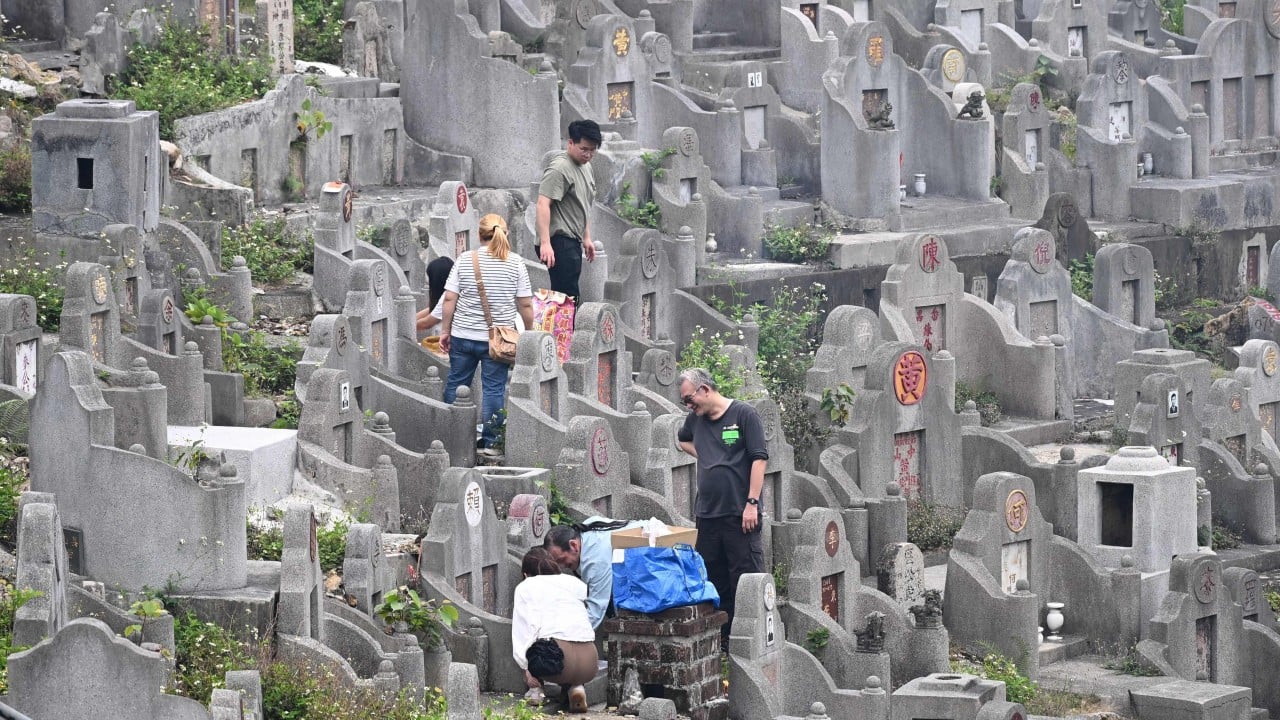
Young Chinese Reimagine Ancient Tomb-Sweeping Ritual

Arizona Baby's First Words? A Haka.
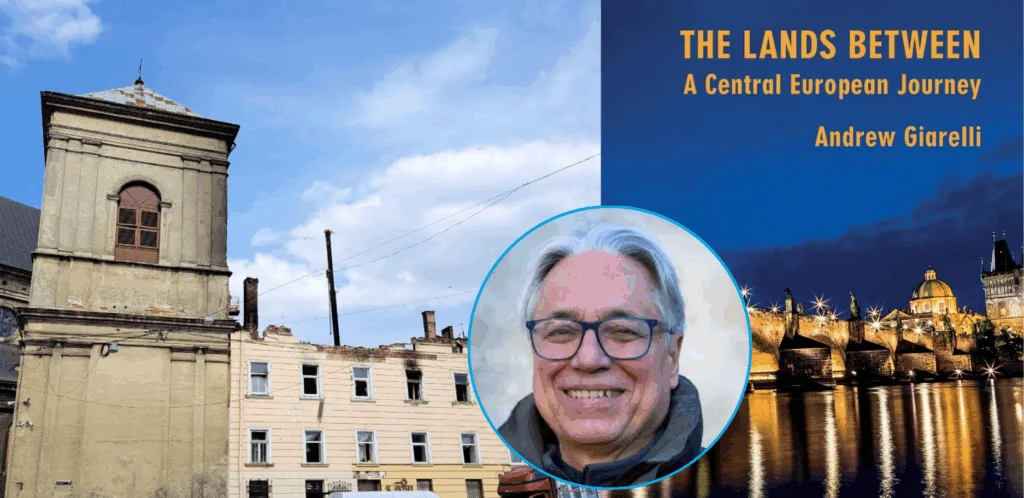
Why Showing Atrocities Fails: A Scholar's View on Ukraine's Cultural War
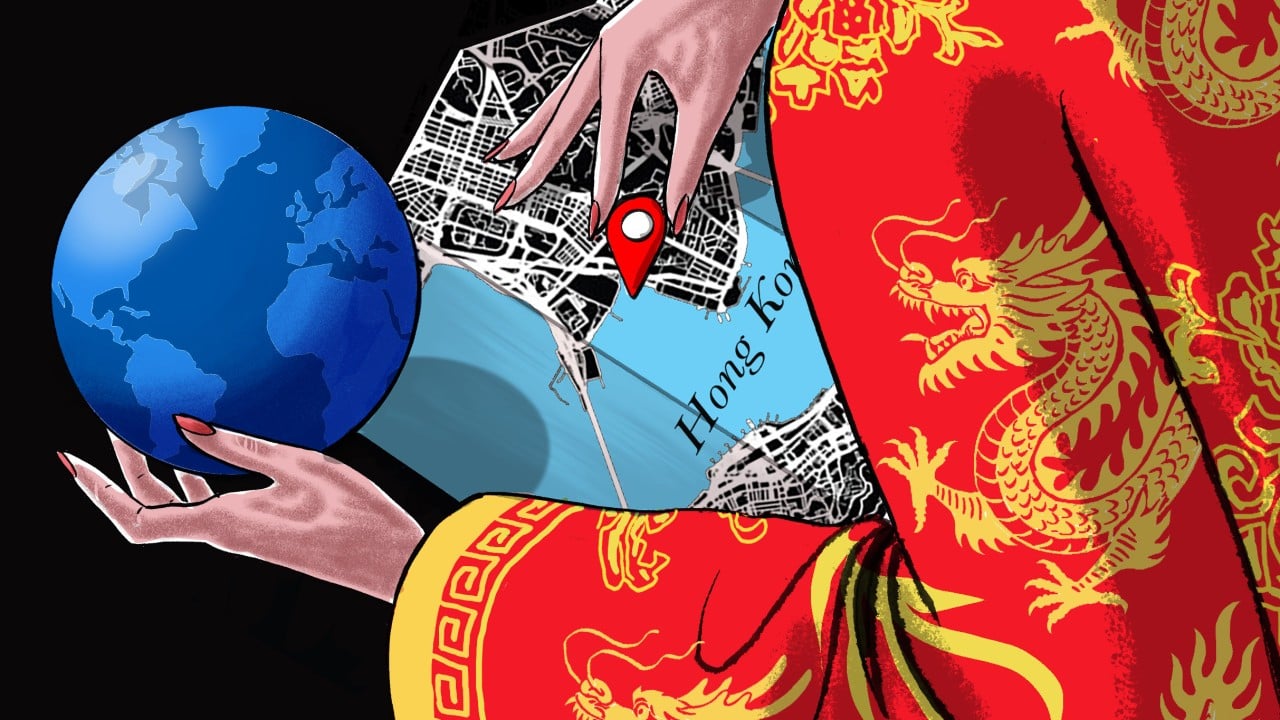
Hong Kong's Next Big Trade: Culture Over Capital?
Korean Wave Washes Over Latin America, Shifting Cultural Tides

China’s Cultural Heritage May Offer an Edge in Guiding AI
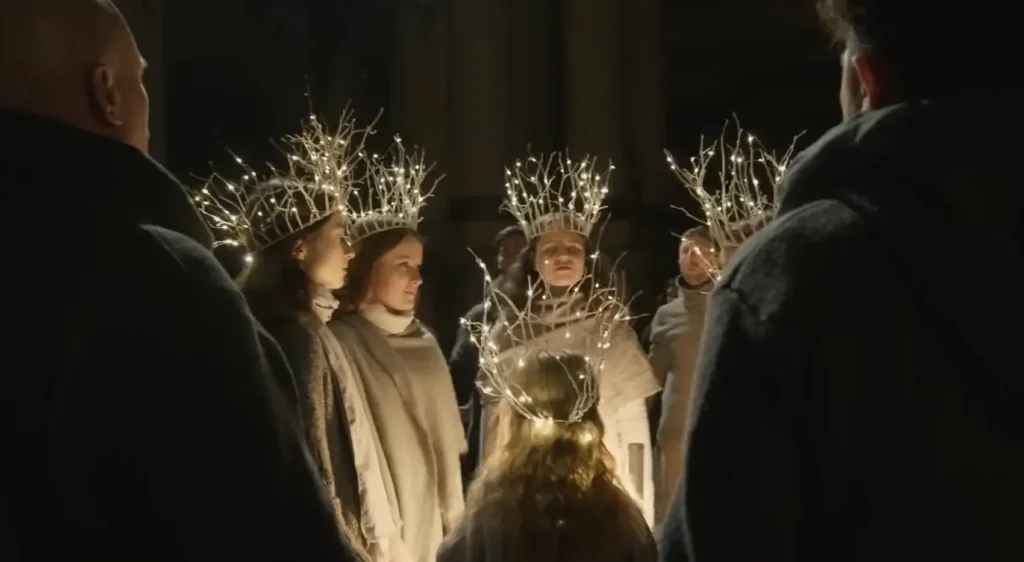
Ukrainian Christmas Carols: Ancient Sounds of Defiance and Hope

Feng Jicai: Chinese New Year is More Than Fireworks
Chinamaxxing: When Your Culture Becomes a Viral Meme

Christmas 2025: Surfing Santas, Dancing Cows, and Global Carols

Ch

Celine Dion's Paris Return: More Than a Concert, A "Cultural Treasure Hunt"
Remote DJs Rise with Sámi Sound, Fueling Indigenous Pride

Syria's North Caucasus Legacy: The Circassians' Enduring Identity