Latest News
Stay updated with the latest news and articles
Top Stories
Trump Backs Spirit Airlines Bailout While Threatening to Nuke Iran – Double Play for Donor Cash and Defense Dollars
**Trump Backs Spirit Airlines Bailout While Threatening to Nuke Iran – Double Play for Donor Cash and Defense Dollars** President Donald Trump is juggling two high-stakes financial maneuvers this week: pushing a taxpayer-funded bailout for struggling Spirit Airlines while simultaneously escalating threats against Iran with a flashy AI-generated image of himself holding a weapon. The moves, analyzed through a political-economy lens, appear designed to squeeze cash from two very different money streams—corporate bailout fees from the airline industry and a surge in defense-contractor spending tied to a potential Middle East conflict. On the bailout front, Trump has publicly backed a rescue package for Spirit Airlines, a budget carrier drowning in debt and operational losses. Critics, including former Obama auto czar Steven Rattner, argue the airline’s failure would be a “natural market correction” that frees up resources for stronger competitors [136091]. But supporters warn a collapse could disrupt travel for low-income passengers and reduce competition [136091]. The underlying financial mechanics: Trump’s endorsement signals a willingness to funnel taxpayer money to a private company in exchange for political loyalty and potential campaign donations from the airline’s investors and unions. Simultaneously, Trump has renewed his threats against Iran, claiming the country is “in a state of collapse” and posting an AI-generated image of himself holding a weapon [136238]. His administration is flooding the public sphere with updates on a military offensive against Iran, warning of total collapse even as the messaging blitz stirs controversy [134955]. The financial logic: escalating tensions with Iran drives up demand for U.S. defense contracts, benefiting Trump’s allies in the military-industrial complex. The AI image itself is a cheap propaganda tool to rally his base and justify increased Pentagon spending. The two moves are not contradictory—they are part of a single transactional playbook. Trump extracts wealth from the federal budget via bailouts for friendly corporate interests while simultaneously stoking foreign crises to boost defense-sector payouts. The broader message: whether it’s saving a failing airline or threatening a nuclear showdown, the president’s actions are designed to maximize donor capture and asset protection, not sound economic or foreign policy. Trump Backs Spirit Airlines Bailout. Critics Ask: Why? Trump Threatens Iran, Posts AI Image of Himself with Weapon Trump: Iran offensive will kill a civilization. Inside the messaging blitz.

Japan’s Record $Billions Flood India as Deals Dry Up – Foreign Cash Hits a Wall
**Japan’s Record $Billions Flood India as Deals Dry Up – Foreign Cash Hits a Wall** Japanese investment in India’s financial sector has hit an all-time record, with Tokyo pouring cash into insurance, banking, and digital payments as it sidesteps China amid geopolitical tensions [108165]. But a paradox is emerging: while foreign money rushes in, it can’t find a home. Global investors in India’s private credit market are sitting on a pile of cash, struggling to spend it because there just aren’t enough high-yield loans to go around [118404]. Private credit funds—which lend directly to companies instead of through banks—saw India as a prime growth target. Instead, they face brutal competition for a limited number of attractive deals. Foreign funds typically hunt for annual returns of 18% or more, but the bidding war is dragging yields down to 13-16% [118404]. At those levels, many international lenders say the risk no longer justifies the reward. The problem reveals a split in India’s credit market. Large, well-established Indian companies can borrow cheaply, while smaller, riskier firms fail the strict quality checks of big foreign funds [118404]. That leaves foreign capital stuck in limbo. At the same time, Japanese financial giants have deepened their presence in India, making the country a strategic alternative to China for long-term investment [108165]. But even as these record sums arrive, economists warn that India’s headline GDP ranking—now the world’s fourth-largest—masks a deeper imbalance. The benefits of growth remain concentrated, and job creation lags [46393]. For foreign cash to truly land, investors may need to accept lower yields, build local teams, and chase riskier smaller companies [118404]. The outcome will test whether India can absorb global capital—or whether the money keeps circling, unable to touch ground. Japan Pours Record Cash Into India, Sidestepping China Foreign Cash Floods India, But Can't Find a Home India Overtakes Japan in GDP, But Where's the Wealth?
AI Mania Created 18 New Billionaires This Quarter Alone
**AI Mania Created 18 New Billionaires This Quarter Alone** The artificial intelligence boom is minting fortunes at a velocity unseen since the dawn of the internet, with leading AI companies raising a record $297 billion in just three months [118024]. This explosive concentration of capital is not merely funding research; it is reshaping the global distribution of wealth and power, creating a new oligarchy of tech founders and investors almost overnight [37301]. OpenAI alone now commands a $730 billion valuation after a $110 billion investment round led by Amazon, Nvidia, and SoftBank, cementing its position as a private behemoth whose valuation rivals the GDP of entire nations [88285]. This gusher of cash is not an accident of the market but a deliberate consolidation of control. The $297 billion figure represents a coordinated bet by the world’s most powerful corporations to lock down the infrastructure of the future—specialized chips, massive data centers, and proprietary AI models [118024]. Nvidia CEO Jensen Huang has emerged as the poster child of this concentration, his personal wealth skyrocketing as his company’s chips become the singular bottleneck for all AI compute [35065]. Meanwhile, established industrial powers like Siemens and Fanuc are weaponizing decades of factory-floor data to embed “physical AI” into manufacturing, a move that promises to automate human labor out of production lines entirely, handing factories over to algorithms that never tire, unionize, or demand higher wages [135427]. For workers, the implications are stark. Major German industries—including Siemens, BASF, and Volkswagen—are pouring billions into AI systems and robot fleets, with experts warning that this rapid technological shift will directly impact thousands of industrial jobs [14604]. In the United States, companies like Meta and Microsoft have confirmed they will continue massive AI spending, even as Tesla reported its first annual revenue drop and pivoted entirely from electric vehicles toward AI and robotics [62159]. The message from the C-suite is clear: human labor is a liability to be minimized, and the machine is the asset to be scaled. The geopolitical scramble for compute is redrawing the map of global leverage. Chinese power equipment manufacturers are surging on orders to upgrade electrical grids worldwide, a direct consequence of the insatiable energy demands of American and Japanese AI data centers [11315]. This creates a dangerous dependency: the US and its allies cannot run their AI empires without Chinese hardware for power infrastructure, handing Beijing a strategic chokehold on the very grids that sustain the technology. The boom also fuels an unprecedented race for new energy sources, with tech giants now hunting for next-generation nuclear power to keep their digital factories humming [43347]. The financial architecture is bending to serve this new concentration. A potential “mega IPO” year in 2026—featuring SpaceX, OpenAI, and Anthropic—could flood Wall Street with hundreds of billions in new stock, testing whether ordinary investors are willing to buy into a sector where a handful of private insiders already hold all the cards [50077]. The $500 billion windfall for US tech billionaires in 2025 alone underscores that this is not a rising tide lifting all boats, but a hydraulic pump sucking wealth upward into the accounts of a tiny elite [35065]. The AI boom, for all its talk of progress, is a machine designed to concentrate power—and it is running at full speed.

Rugby Kid's Try Was So Crazy It Beat a World Record Marathon
Rugby Kid's Try Was So Crazy It Beat a World Record Marathon Saracens winger Noah Caluori scored a try so incredible that it outshone a world-record marathon run that happened on the same day. On the day Sebastian Sawe broke the two-hour barrier at the London Marathon, Caluori delivered a stunning finish for his team that got rugby fans talking even more than the historic run [135269]. The play started near Leicester's 22-meter line, where Caluori kicked the ball over defenders, sprinted past them, leaped to catch it while staying in bounds, and scored in the corner [135269]. BBC commentator Steve Cram called Sawe's marathon finish "absolutely incredible," but rugby fans saw something even better in London that weekend [135269]. Caluori’s speed and aerial skill are making him a dream player for the sport, quickly turning him into one of rugby's most exciting young talents [135269]. Rugby's New Star Outshines a Marathon World Record

Yazidis, Burundians, and Ukrainians Fight for Culture—While Internet Memes Cash In
**Yazidis, Burundians, and Ukrainians Fight for Culture—While Internet Memes Cash In** Three separate communities—a Yazidi village in Turkey, a children’s author in Burundi, and Ukrainian musicians—are actively fighting to keep their ancient traditions alive, even as global trends like “Chinamaxxing” treat cultural habits as disposable online entertainment. In the remote Kurdish village of Bozan, also known as “Little Laleş,” residents gather each year for a ceremony called “Çarşema Sor” (Red Wednesday). The ritual is central to the Yazidi faith, an ancient religion rooted in Mesopotamia. For locals, the ceremony is not a holiday but a way to preserve cultural memory and ensure continuity in a changing world [136142]. Far from the headlines, this small village is a living archive of a belief system that spans thousands of years. Nearly 2,500 miles away, 33-year-old Burundian writer Aïta Chancella Kanyange is using children’s books to protect her country’s heritage. Her tales, written for kids aged 2 to 10, focus on celebrating Burundi’s traditions. She believes these stories are a key tool for preserving national identity as globalization pressures many cultures [129635]. In Ukraine, a new playlist of Christmas carols—ancient folk chants and modern adaptations—carries messages of resistance and national identity. Scholars say these *koliadky* have long preserved language and culture during periods of oppression. The collection offers international listeners a window into a resilient tradition [32337]. All three efforts stand in stark contrast to a viral internet trend called “Chinamaxxing,” which saw millions of users on TikTok, Instagram, and X adopt Chinese habits like drinking hot water and wearing house slippers. The trend, which gathered hundreds of thousands of views from mid-2025, prompted many Chinese people to ask whether this appreciation would “fade when the algorithm changes” [109231]. Sources: Ancient Ritual Keeps Kurdish Village’s Memory Alive Burundian Author Fights to Save Culture with Children's Books Ukrainian Christmas Carols: Ancient Sounds of Defiance and Hope Chinamaxxing: When Your Culture Becomes a Viral Meme
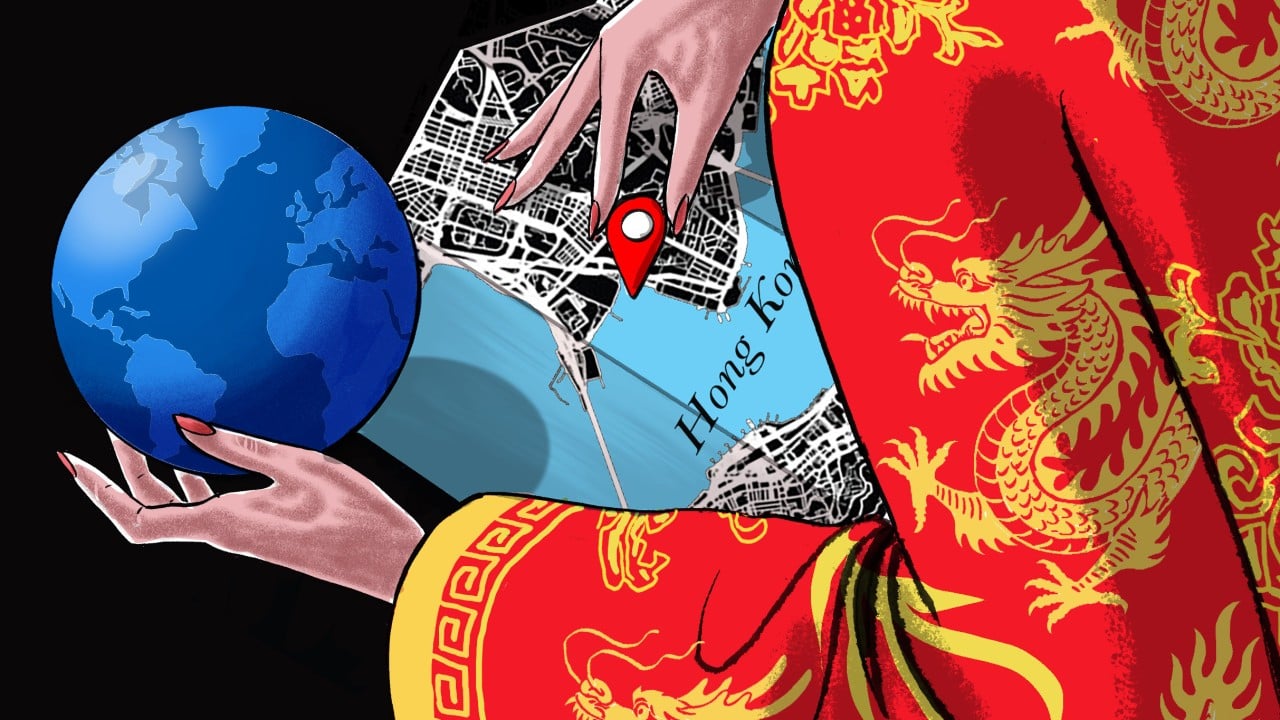

El Salvador’s Google AI App Screens Patients, Raises Cost and Privacy Alarms
**El Salvador’s Google AI App Screens Patients, Raises Cost and Privacy Alarms** El Salvador has begun using an artificial intelligence tool developed by Google to screen people for chronic illnesses, sending those flagged as high-risk to private laboratories for further testing and specialist consultations. The app uses AI to assist with diagnoses, but questions are mounting over who pays for the follow-up care and how sensitive patient data will be kept secure [135504]. The system is designed to catch conditions such as diabetes and high blood pressure early, potentially saving lives and reducing long-term healthcare costs. However, experts and critics point out that the program funnels patients into private-sector labs and clinics, raising concerns about affordability for a population where many cannot afford even basic medical services. There is also no clear public guarantee about the storage or protection of the health data collected by the AI [135504]. The initiative comes as countries like the United Kingdom are seeing their population’s health decline. According to a new analysis by the Health Foundation, people in the UK now live fewer years in good health than they did a decade ago, a measure known as “healthy life expectancy” that has fallen while rising in most other wealthy nations [133891]. Another study by the same foundation confirms that this downward trend is linked to long-standing problems: the obesity crisis, a record 2.8 million working-age Britons too sick to work, and a growing prevalence of mental illness [133886]. Meanwhile, Africa is facing a surge in non-communicable diseases—cancers, diabetes, and heart disease—that do not spread from person to person. The Academy of Public Health has inducted new leaders and is calling for stronger digital innovation and shared leadership among nations to build a united response across the continent [13670]. These efforts mirror El Salvador’s use of AI, but the challenge of ensuring equitable access remains. Sources: El Salvador Uses Google AI to Track Chronic Patients UK health is going backwards: Years of good health falling. UK health crisis deepens: People sicker, sooner New Health Leaders to Combat Africa's Rising Disease Challenge
U.S. Troops Snatch Venezuela’s Maduro in Historic Raid—1st Direct Military Attack on South America
**U.S. Troops Snatch Venezuela’s Maduro in Historic Raid—1st Direct Military Attack on South America** U.S. forces have captured Venezuelan President Nicolás Maduro in a surprise military operation in Caracas, marking the first direct U.S. military attack on a South American nation in history [41064]. The precision operation, which also detained Maduro’s wife, was carried out on Saturday, and the couple is now being held in New York [41460][41880]. Maduro, 63, faces drug trafficking charges and is scheduled to appear in a New York court on Monday [41880]. President Donald Trump announced the capture, stating that the U.S. will run Venezuela’s government but did not set a date for new elections [41460]. Trump declared that “American dominance in the western hemisphere will never be questioned again” [41064]. The dramatic seizure has split Latin American governments. While some, like Colombia and Brazil, have offered cautious support, others—including Mexico and Bolivia—condemn it as a dangerous violation of international law and sovereignty [47297]. Analysts say that despite their public disagreements, regional leaders are privately worried that their nations could be next, leading to urgent internal reviews of their vulnerability to similar foreign actions [47126][47297]. The operation sets a precedent for direct foreign intervention in the region. For the first time, the United States has directly seized a sitting head of state from Latin America in an act of “extraterritorial apprehension”—capturing a person outside U.S. borders without the host country’s consent [47297]. The United Nations Security Council will hold an emergency meeting on Monday at Venezuela’s request to address the incident [41880]. Experts warn this aggressive move revives the Monroe Doctrine, the long-standing U.S. policy opposing foreign powers in the Americas, and is expected to discourage Latin American nations from deepening ties with Beijing [41460]. China has invested heavily in the region, and the sudden U.S. intervention creates a major test for its diplomatic and economic partnerships [41460][22432]. The action returns the U.S. to a historical pattern of intervening to remove leaders, a practice that has yielded mixed long-term results [41465]. For over a century, Washington has used military or political power to force changes in government to align with U.S. interests, but not all such efforts created lasting stability [41465]. U.S. Capture of Venezuela's Maduro Sends Shockwaves Through Latin America U.S. Capture of Maduro Sends Shockwave Through Latin America U.S. Captures Venezuela's Leader, Challenging China's Regional Reach Trump Revives US Habit of Ousting Latin American Leaders Venezuela's President Seized by U.S., Faces Court in New York Trump Orders First Direct US Military Attack on South America
Global Tensions and a "Geoeconomic War" Top WEF's 2026 Risk List
**Global Tensions and a "Geoeconomic War" Top WEF's 2026 Risk List** A new report from the World Economic Forum (WEF) warns that "geoeconomic confrontation" — where countries weaponize trade, supply chains, and investments — is now the top global threat for the next two years, surpassing all other dangers [49991]. This finding comes as international attention remains fixed on high-stakes diplomatic negotiations and a fragmented global landscape [133316]. The WEF's latest Global Risks Report states that geopolitical rivalry is forcing states to directly use economic tools in their strategic competitions, creating a volatile environment that threatens international stability and economic growth [49991]. This assessment aligns with analysts' views that a deliberate global power shift is underway, marking a decisive break from the existing international system [54213]. Beyond the direct economic conflict, the WEF report identifies three interconnected short-term threats: geopolitical rivalry, the rapid spread of misinformation, and severe social and political polarization [49991]. These forces are combining to create an uncertain climate where, as one global news briefing noted, economic markets are reacting cautiously to mixed signals from central banks in Asia and Europe as governments adjust interest rates to control inflation [133316]. This backdrop of instability is shaping critical political events. The world is entering a turbulent political year, with 2026's midterm elections in several nations already under a cloud of global uncertainty [42503]. Key issues include the aftermath of a military raid in Venezuela that could destabilize the region and affect global oil markets, persistent economic unease as growth slows and prices rise, and upcoming elections in France and Germany that will test European Union unity [42503]. International correspondents also highlight that the defining global story of 2026 will be the U.S. presidential election, as the race for the White House is expected to influence everything from the war in Ukraine to competition with China and global climate policy [35508]. Meanwhile, in the Middle East, security forces report no major incidents, though patrols remain high in several contested zones, and humanitarian agencies continue to call for increased aid access [133316]. The findings from the WEF are scheduled to be discussed at the organization's annual meeting in Davos, Switzerland [49991]. Global Tensions Rise: Anadolu’s Daily Briefing for April 26 Six Global Flashpoints That Will Define 2026 Geoeconomic Warfare Named Top Global Threat for 2026 Trump's Plan to Remake the World Order Begins 2026: A World Shaped by Washington
North Carolina's Outer Banks Homes Get Put on Wheels to Escape the Atlantic—19 Houses Already Lost
North Carolina's Outer Banks Homes Get Put on Wheels to Escape the Atlantic—19 Houses Already Lost On Hatteras Island, moving house has become a literal act of survival. The narrow strip of land off North Carolina’s coast is losing homes to the Atlantic Ocean at a startling rate. Since September, 19 houses have been torn from their pilings by waves, crashing into other structures before breaking apart. Now, some homeowners are fighting back by lifting entire buildings onto wheels and hauling them inland. They call Barry Crum, a lifelong resident who has become the island’s main house mover. His business is booming as the coastline rapidly erodes. The pace of sea-level rise has turned the Outer Banks into a “canary in the coal mine” for other East Coast communities. What is happening here may soon happen elsewhere [136156]. Homes on wheels flee the sea in North Carolina
Semiconductor Surge Catapults Emerging Market Stocks to All-Time Record High
**Semiconductor Surge Catapults Emerging Market Stocks to All-Time Record High** A powerful rally in Asian chipmaker stocks has driven the combined emerging markets stock index to a new all-time high, reversing sharp losses suffered earlier this week [135956]. The surge, led by industry giants like Taiwan Semiconductor Manufacturing Company (TSMC), Samsung, and SK Hynix, pushed the index past its previous record and fully recovered from a brief sell-off triggered by news of conflict between Iran and Israel [135956]. The strong performance in semiconductor stocks signals growing investor confidence in the global tech sector, particularly in Asia’s key manufacturing hubs [135956]. Meanwhile, other major markets showed mixed results. U.S. stock markets retreated on Tuesday, with the tech-heavy Nasdaq falling 0.9% and the S&P 500 losing 0.49% after hitting an all-time high just one day earlier [135604]. Investors sold off semiconductor stocks in the U.S., and rising oil prices added to the selling pressure [135604]. In Europe, markets closed with mixed results as the pan-European Stoxx 600 index fell 0.37%, dragged down by losses in France and Germany [135626]. France's CAC 40 dropped 0.46%, while Germany's DAX slipped 0.27% [135626]. The UK's FTSE 100 managed a slight gain of 0.11%, though it had earlier dropped to its lowest level in nearly a month over concerns about the economic impact of the war with Iran on UK exports to the Middle East [135859] [135626]. Turkey’s main stock index, the BIST 100, also posted strong gains, closing at a record high on Monday after jumping 1.28 percent [134445]. The index rose again on Tuesday, finishing up more than 1 percent [128734], following a single-day rally of 2.34% earlier in the week [71758]. Chipmaker Rally Pushes Emerging Market Stocks to Record High UK stocks fall as Iran war hits exports European Stocks End Mixed: France and Germany Dip, UK Edges Up Wall Street Slips: Chip Stocks and Oil Prices Trigger Sell-Off Turkey’s Stock Market Hits All-Time High Turkish Stocks Surge as Key Index Jumps Over 1% Turkish Stocks Surge 2.3% in Single-Day Rally

Latest Articles
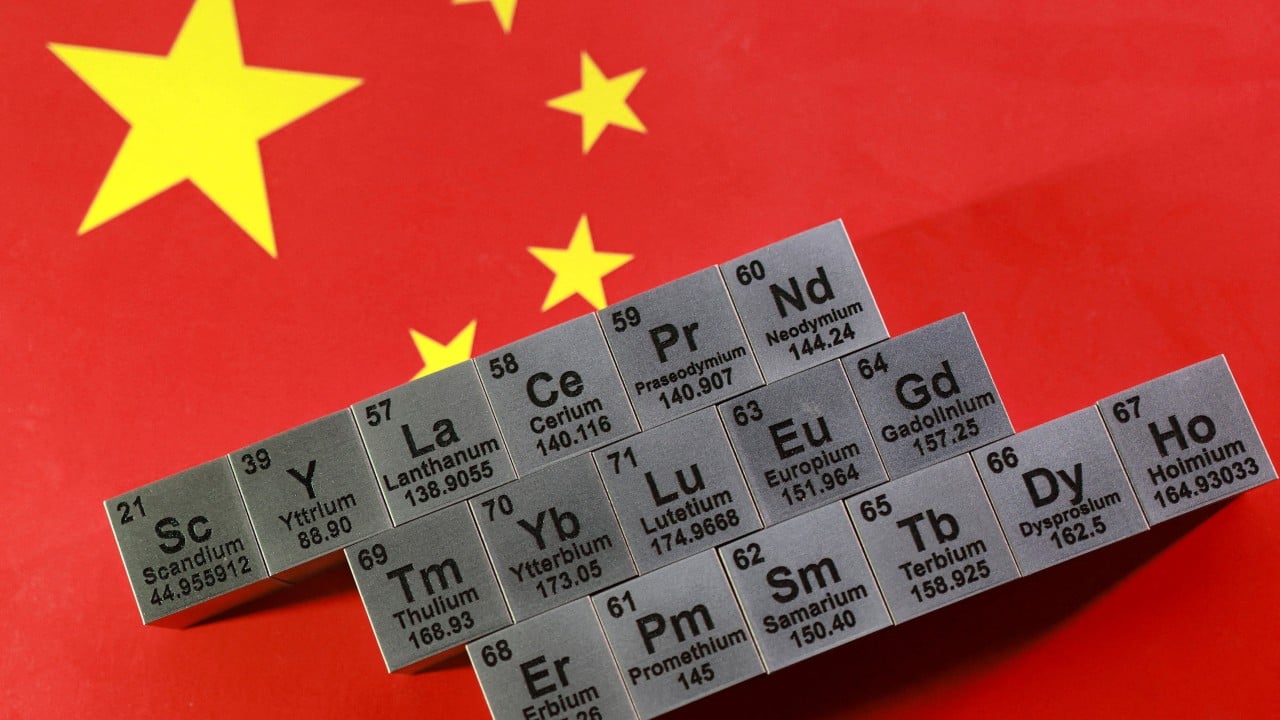
China claims top spot for 14 key minerals ahead of Trump visit
China announced on Wednesday that it holds the world’s largest reserves of 14 essential minerals, including rare earths and graphite. The announcemen...
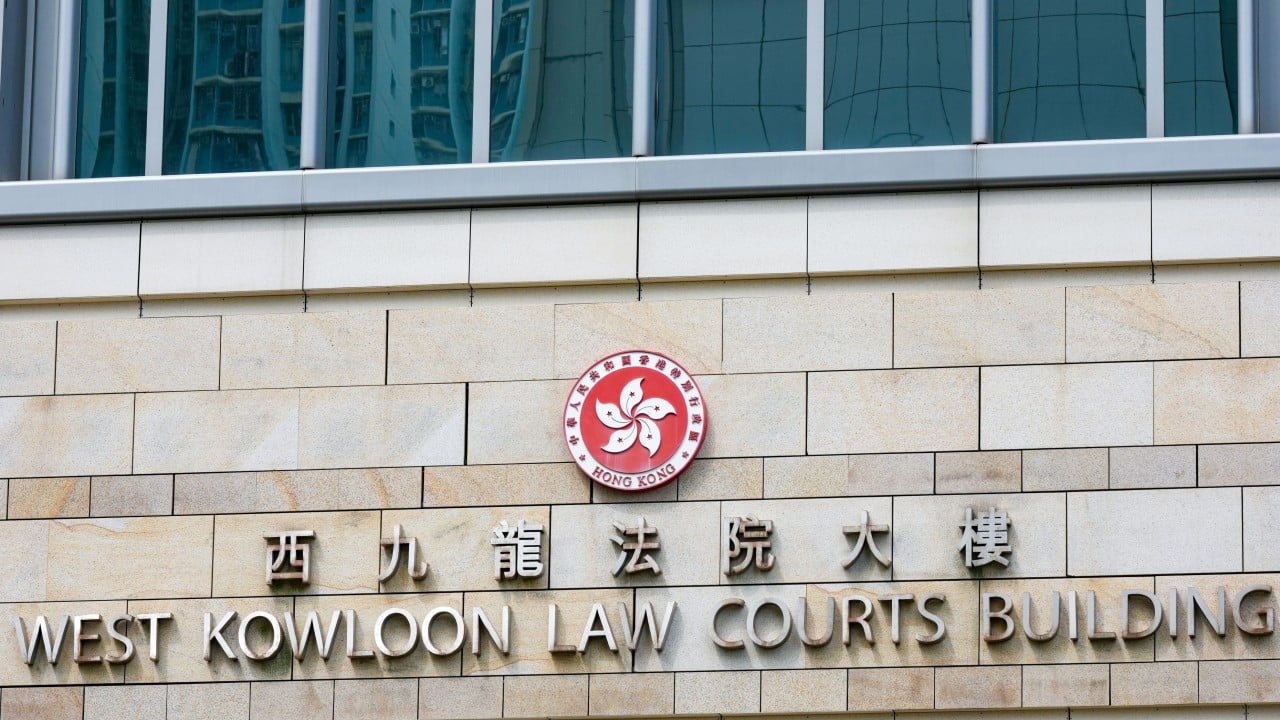
Hong Kong man jailed 2 months for urging Legco election boycott
A Hong Kong security guard has been sentenced to two months in prison for sharing a social media post that urged people to boycott last year’s Legisl...

Hong Kong Throws SMEs $78 Billion Lifeline as Fuel Crisis Bites
Hong Kong’s central bank has announced a major rescue package for small businesses, raising available bank loans by 21 per cent to HK$450 billion (US...

Rare Earth Mines Poison Mekong, Threatening Thai Fishing
CHIANG SAEN, Thailand — Seventy-five-year-old fisherman Sukjai Yana untangled a handful of small fish from his net, disappointed by his catch and wor...

Hong Kong Penthouse Sold for $54 Million to Mainland Buyer
A luxury penthouse in Hong Kong’s Mid-Levels West neighbourhood has sold for HK$420 million (US$53.7 million). The deal signals continued strong dema...
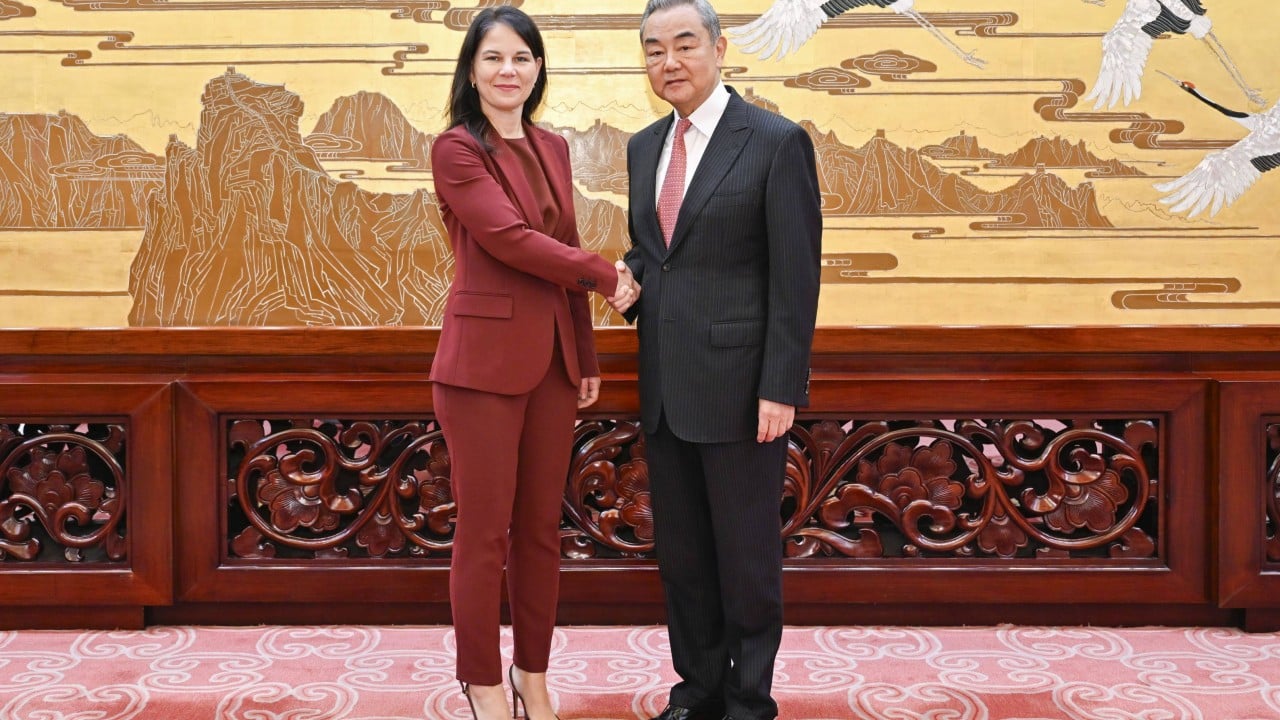
China warns: ‘Might over right’ threatens global justice
China’s top diplomat Wang Yi warned Wednesday that international justice is under threat from nations that put power before rules, a clear criticism...
Hong Kong Law Society shuts firm over ‘crash-for-cash’ scams
Hong Kong’s Law Society has ordered the immediate closure of a law firm linked to a series of “crash-for-cash” scams. The council announced on Wednes...

China Deploys Weaponised Cargo Ship for Taiwan Strait
Beijing has turned a civilian container ship into a low-cost weapon to deter foreign intervention in a potential Taiwan conflict, according to a main...
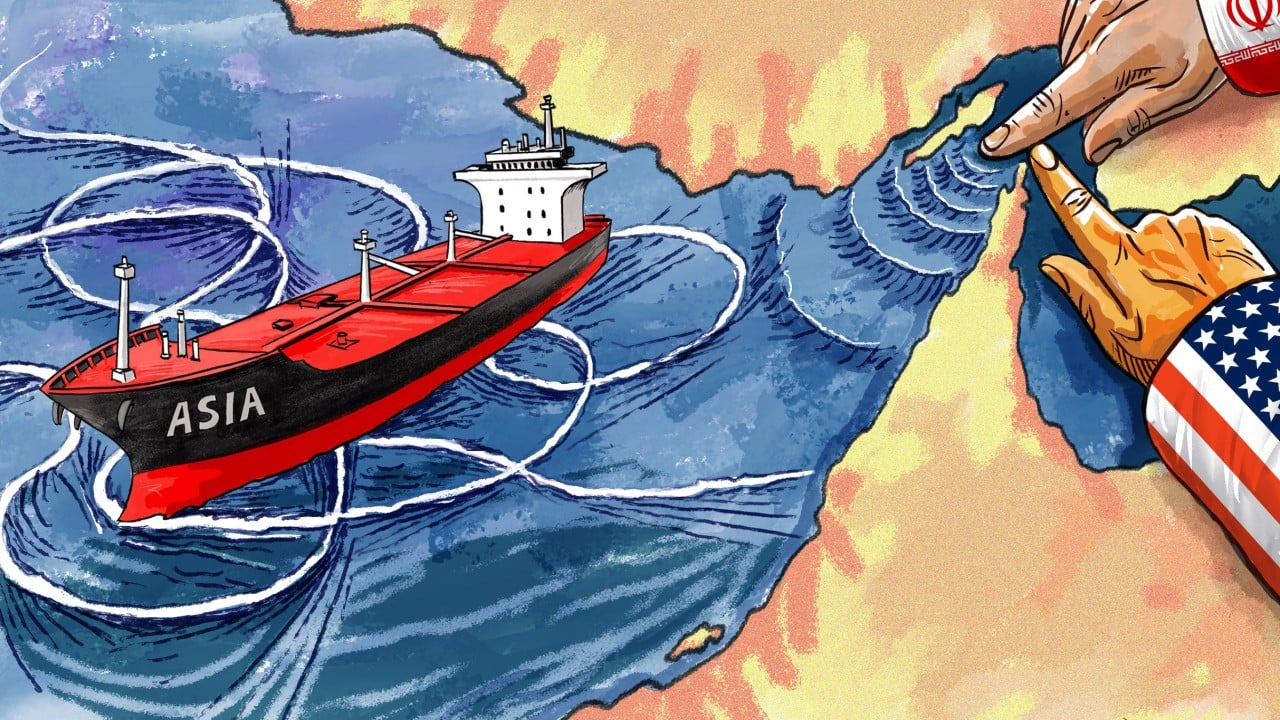
Asia faces new risk: Hormuz may stay open but unreliable
Even if fighting in the Gulf stops, the region will not go back to how it was before. For Asian countries, the main concern is no longer just whether...

BYD raises driving-tech price as memory chip costs soar
China’s electric vehicle giant BYD is raising the price of its high-end driver-assistance system, blaming a sharp rise in global storage hardware cos...

Sudan war rape fuels mental health crisis, UN warns
The widespread use of rape and other sexual violence as a weapon of war in Sudan has triggered a massive mental health crisis, United Nations agencie...

Hong Kong’s $13 million education portal sits unused
A government-funded online resource portal for Hong Kong teachers and students has failed to attract users, with thousands of digital items never dow...
UAE leaves OPEC; China to gain oil supply amid Iran war crisis.
The United Arab Emirates will formally leave the Organization of the Petroleum Exporting Countries, or OPEC, on May 1, a move that analysts say could...

Guangdong to ‘Actively Align’ with Hong Kong’s Northern Metropolis Megaproject
Guangdong will “actively align” with Hong Kong’s Northern Metropolis strategy, a major development project, as part of the province’s next five-year...

China GPU Makers Surge 160% as Local AI Chip Demand Booms
Chinese chip designers Cambricon Technologies and MetaX Integrated Circuits reported strong growth in the first quarter. The rise comes as the artifi...
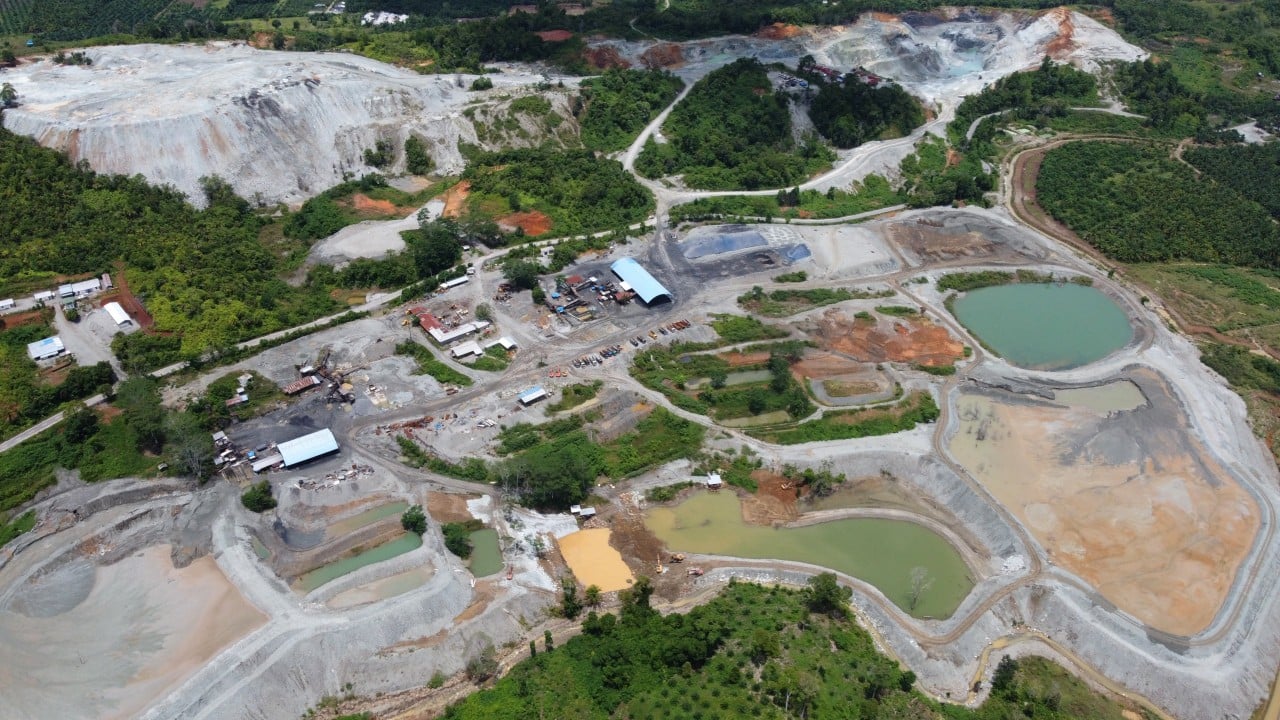
Tropical Forest Loss Slows, but Still ‘11 Football Fields a Minute’
The world lost 4.3 million hectares of tropical primary rainforest in 2025, a 36 percent drop from the record losses in 2024, researchers said Wednes...

US Secret Service Agent Spotted with Chinese Red Dot Sight
A press photograph of a US Secret Service agent responding to a security breach at last weekend’s White House Correspondents’ Association dinner has...
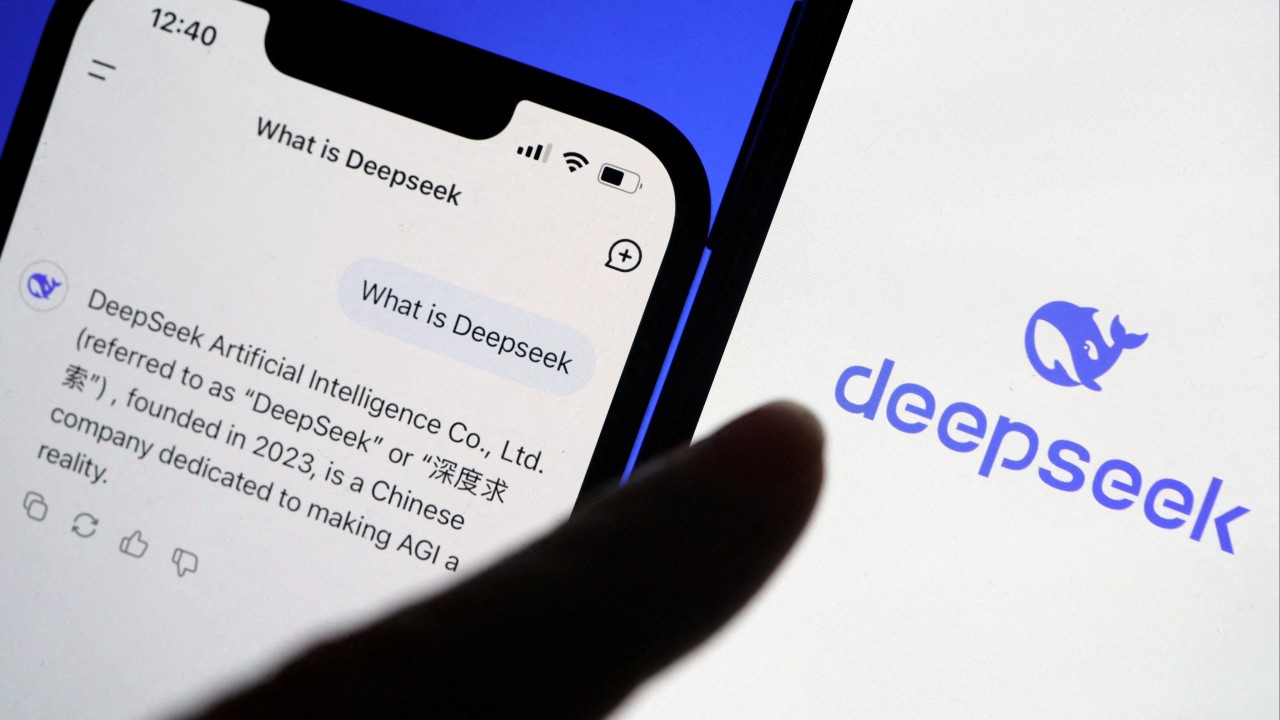
DeepSeek adds vision: AI can now see images, video
Chinese artificial intelligence startup DeepSeek has added vision to its chatbot for the first time. The update allows the AI to process images and v...

UK Police: London Stabbing of Two Jewish Men Declared Terror Attack
Police in London have declared the stabbing of two Jewish men a terrorist incident. The attack took place on Wednesday in the Golders Green area, a n...

China Southern Airlines buys 137 Airbus jets in $21B deal, leaving Boeing waiting
Airbus won a major order for 137 A320neo jets from Chinese airlines, strengthening its lead over US rival Boeing in one of the world’s most competiti...