AI Mania Created 18 New Billionaires This Quarter Alone
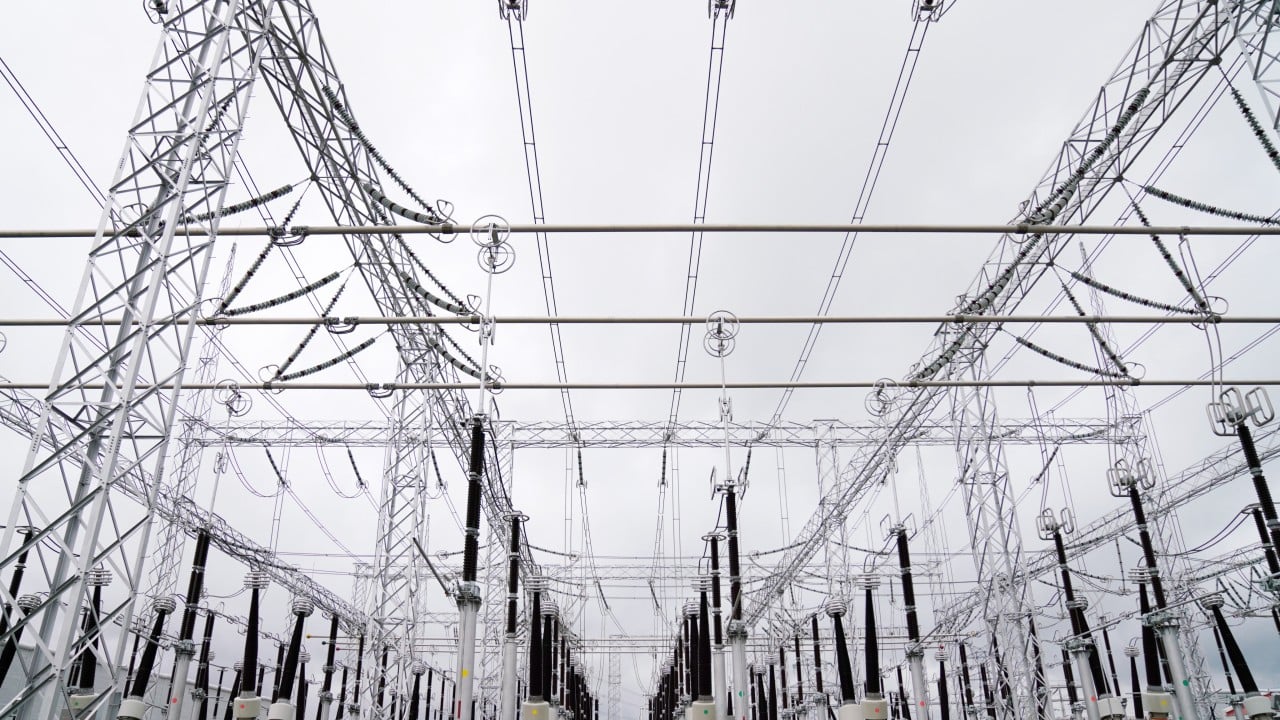
**AI Mania Created 18 New Billionaires This Quarter Alone** The artificial intelligence boom is minting fortunes at a velocity unseen since the dawn of the internet, with leading AI companies raising a record $297 billion in just three months [118024]. This explosive concentration of capital is not merely funding research; it is reshaping the global distribution of wealth and power, creating a new oligarchy of tech founders and investors almost overnight [37301]. OpenAI alone now commands a $730 billion valuation after a $110 billion investment round led by Amazon, Nvidia, and SoftBank, cementing its position as a private behemoth whose valuation rivals the GDP of entire nations [88285]. This gusher of cash is not an accident of the market but a deliberate consolidation of control. The $297 billion figure represents a coordinated bet by the world’s most powerful corporations to lock down the infrastructure of the future—specialized chips, massive data centers, and proprietary AI models [118024]. Nvidia CEO Jensen Huang has emerged as the poster child of this concentration, his personal wealth skyrocketing as his company’s chips become the singular bottleneck for all AI compute [35065]. Meanwhile, established industrial powers like Siemens and Fanuc are weaponizing decades of factory-floor data to embed “physical AI” into manufacturing, a move that promises to automate human labor out of production lines entirely, handing factories over to algorithms that never tire, unionize, or demand higher wages [135427]. For workers, the implications are stark. Major German industries—including Siemens, BASF, and Volkswagen—are pouring billions into AI systems and robot fleets, with experts warning that this rapid technological shift will directly impact thousands of industrial jobs [14604]. In the United States, companies like Meta and Microsoft have confirmed they will continue massive AI spending, even as Tesla reported its first annual revenue drop and pivoted entirely from electric vehicles toward AI and robotics [62159]. The message from the C-suite is clear: human labor is a liability to be minimized, and the machine is the asset to be scaled. The geopolitical scramble for compute is redrawing the map of global leverage. Chinese power equipment manufacturers are surging on orders to upgrade electrical grids worldwide, a direct consequence of the insatiable energy demands of American and Japanese AI data centers [11315]. This creates a dangerous dependency: the US and its allies cannot run their AI empires without Chinese hardware for power infrastructure, handing Beijing a strategic chokehold on the very grids that sustain the technology. The boom also fuels an unprecedented race for new energy sources, with tech giants now hunting for next-generation nuclear power to keep their digital factories humming [43347]. The financial architecture is bending to serve this new concentration. A potential “mega IPO” year in 2026—featuring SpaceX, OpenAI, and Anthropic—could flood Wall Street with hundreds of billions in new stock, testing whether ordinary investors are willing to buy into a sector where a handful of private insiders already hold all the cards [50077]. The $500 billion windfall for US tech billionaires in 2025 alone underscores that this is not a rising tide lifting all boats, but a hydraulic pump sucking wealth upward into the accounts of a tiny elite [35065]. The AI boom, for all its talk of progress, is a machine designed to concentrate power—and it is running at full speed.
Articles in this Cluster

Chipmaker Rally Pushes Emerging Market Stocks to Record High
Why an A.I. Investment Boom Might Be Necessary
Fanuc and Siemens Bring Factory Expertise to Physical AI
OpenAI Hits $730 Billion Valuation in Mega-Deal Led by Tech Titans
AI Giants Raise $297 Billion in Just Three Months
AI Bubble or Boom? Why the Frenzy May Have Further to Run

AI Boom Creates $500 Billion Windfall for US Tech Billionaires
Gold Rush Meets AI Boom: Investors Bet on 2026
Tech's 2026 Pivot: AI Shifts From Training to Action
AI Spending Soars: Big Tech Bets $200 Billion in 2026
Major German Industries Invest Billions in AI
AI Boom Creates New Billionaires Overnight
2026: The $1 Trillion IPO Storm?