Latest News
Stay updated with the latest news and articles
Top Stories
Tourism Hotspots Hit Breaking Point as Crowds Overwhelm Cities and Nature
Tourism Hotspots Hit Breaking Point as Crowds Overwhelm Cities and Nature From the favelas of Rio to the ancient streets of Venice, popular destinations worldwide are struggling under the weight of too many visitors, a phenomenon experts call "overtourism" [80040]. The crush is damaging local life, straining infrastructure, and threatening the very sites people flock to see. The problem is accelerating, driven by social media and cheaper travel, which can create sudden "must-see" trends that overwhelm a location almost overnight [80040]. In Rio de Janeiro, a single rooftop in the Rocinha favela, dubbed the "Gateway to Heaven" for its photogenic view of Christ the Redeemer, has become a global pilgrimage site due to viral videos. Tourists now wait for hours, with local guides offering special motorbike taxi rides up the narrow streets to reach the spot [101397]. Similarly, in Venice, a simple wooden dock outside a luxury hotel—dubbed the "Kardashian Jetty" after a celebrity used it during a high-profile wedding—has become an unlikely tourist magnet. Visitors now seek out this floating jetty and other locations linked to the event, reshaping tourist traffic in the historic city [51924]. The impact extends beyond cities. In Morocco's Atlas Mountains, the trail to North Africa's highest peak, Mount Toubkal, is a major draw. The influx has transformed local economies, with many residents shifting from traditional farming to tourism work [83740]. In South Africa's Kalk Bay, wild seals have become a daily tourist spectacle as they waddle into the fishing village to beg for scraps, creating a direct, and sometimes disruptive, interaction between industry and wildlife [55467]. Local governments and communities are scrambling for solutions. Measures include implementing tourist taxes, promoting off-season travel, and redirecting visitors to less crowded areas to balance economic benefits with the need to protect local communities and cultural sites [80040]. Some pioneers are offering alternatives, like community-based tourism in the Indian Himalayas, where treks connect travelers with remote villages to support traditional life and reduce urban migration [100125]. Experts predict a longer-term shift, with travelers in 2026 increasingly "looking for more meaningful tourism" and deeper cultural experiences beyond crowded landmarks, inspired in part by popular TV shows and films [36959]. For now, however, the pressure on the world's most famous spots continues to build. Tourist Destinations Hit Breaking Point: What Causes the Crush? Viral 'Gateway to Heaven' Rooftop Floods Rio Favela with Tourists Venice's New Tourist Hotspot: The 'Kardashian Jetty' From Walnuts to Tourists: A Changing Valley Leads to North Africa's Peak Seals Beg at the Fish Market: A South African Village's Daily Show Village Tourism Pioneer Fights Urban Flight in India's Himalayas Beyond Paris: TV Drives 2026 "Meaningful Tourism" Trend
Iranians Flee Bombs, Others Rush Back as War Tears Families Apart
Iranians Flee Bombs, Others Rush Back as War Tears Families Apart A remote mountain pass between Iran and Turkey has become a stark symbol of the brutal choices civilians face in wartime, with a surge of Iranians crossing the border in both directions to escape bombs or reunite with endangered family. The Kapıköy crossing, once a route for tourists, is now a critical escape and return point. Eyewitnesses report a steady stream of refugees entering Turkey, fleeing relentless military strikes and government-imposed internet blackouts inside Iran [95980][119947]. "Every night they are bombarding," said one recent arrival, who gave only the name Amir for safety [119947]. In a contrasting movement, other Iranians are making the perilous journey in the opposite direction, returning from Turkey to Iran. They are driven by fears for relatives trapped in conflict zones and an inability to contact them due to widespread communication disruptions [95980][119947]. The snow-covered pass is one of the few direct routes from Iran to the west, forcing families into agonizing decisions between personal safety and the safety of loved ones [119947]. The dual flow highlights the war's divisive impact on the civilian population. People are moving in opposite directions for the same fundamental reasons: seeking security and protecting their families amid intensifying violence [119947]. Two-Way Flight: Iranians Flee Bombs, Others Rush Back to Family Iranians Cross Border in Both Directions as War Intensifies

Trump Revives Bid to Buy Greenland, Using Tariff Threats and Cash Offers
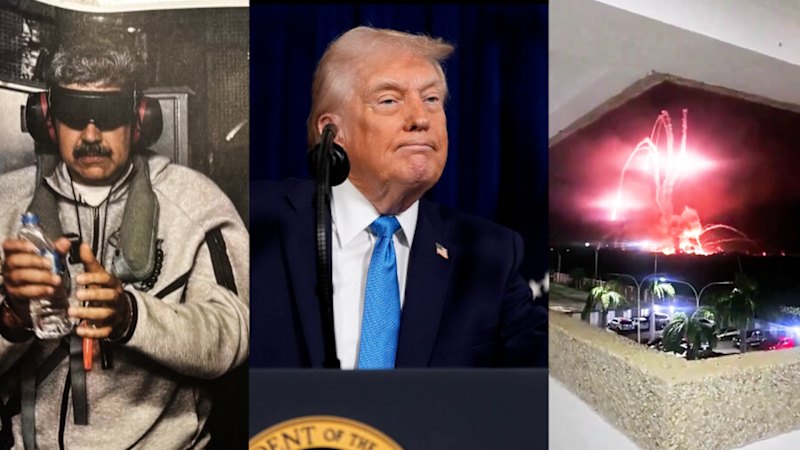
Trump Revives Bid to Buy Greenland, Using Tariff Threats and Cash Offers Former President Donald Trump is renewing his controversial push for the United States to purchase Greenland, employing a mix of financial offers, tariff threats, and public pressure tactics more common to real estate deals than international diplomacy. The autonomous Danish territory has repeatedly stated it is not for sale [50444]. Speaking at the World Economic Forum in Davos, Switzerland, Trump publicly called for negotiations to buy the massive Arctic island, while also taking aim at NATO allies over defense spending [55297][55327]. He stated he does not want to use military force for the acquisition but emphasized his desire for a transactional approach [55327]. This follows earlier reports that his methods have included direct cash offers to Greenlanders and threats to impose tariffs on Denmark if the sale is blocked [50444]. Greenland holds significant strategic value due to its location in the Arctic, a region of growing importance for shipping lanes and natural resource extraction [50444]. Trump’s interest, however, has been consistently and firmly rejected by both the Greenlandic and Danish governments [50444][52669]. Analysts see the approach as an attempt to apply high-pressure business tactics to geopolitics, a strategy they warn is destined to fail [52669][87536]. Experts point out that Greenland is a modern, self-governing nation whose future cannot be decided by economic coercion [52669]. They argue that tariff threats are an ineffective tool, as damaging Greenland's economy would likely harden local opposition rather than force a sale [52669]. The public revival of the proposal on a global stage underscores Trump’s unorthodox foreign policy, which often sidelines traditional diplomacy and "soft power" in favor of direct demands and economic nationalism [55327]. The push combines a serious geopolitical goal—expanding U.S. presence in the Arctic—with a method that critics equate with a bygone era of imperial expansion [58552]. Trump at Davos: Questions NATO, Wants to Buy Greenland Trump Eyes Greenland: Cash, Threats, and Military Force Trump at Davos: Skips Soft Power, Targets Greenland and NATO Allies Trump's Tariff Plan Fails to "Capture" Greenland

India's Farmers Rise Up, Fearing U.S. Trade Deal Will Crash Crop Prices
India's Farmers Rise Up, Fearing U.S. Trade Deal Will Crash Crop Prices Thousands of Indian farmers have taken to the streets and blocked major highways, launching a wave of protests against a new trade agreement with the United States that they fear will flood the market with cheap imports and destroy their livelihoods [75183]. The protests, which have seen tractors and trucks used to barricade roads around the capital, New Delhi, center on concerns that the deal will force India to lower import taxes on American agricultural goods [75183]. Farmers argue this would allow subsidized U.S. produce to enter the country at lower prices, undercutting local growers and collapsing the income they rely on [73750]. A core demand of the protest movement is a legal guarantee from the government to continue its system of minimum support prices for key staple crops like wheat and rice [73750]. This system sees the government purchase these crops at set prices, providing a safety net for farmers' incomes. Protest leaders say they do not trust government assurances that the trade pact includes safeguards for the agriculture sector, demanding the deal be scrapped entirely [75183]. The agreement, struck during a visit by former U.S. President Donald Trump, represents a significant diplomatic achievement for Prime Minister Narendra Modi in strengthening ties with a major partner [73750]. However, it has ignited immediate domestic tension with the nation's massive farming community, a crucial voting bloc with deep political influence [73750]. Officials have stated that the minimum price system remains protected and negotiations with farmer unions are ongoing [73750]. Police have heightened security at key entry points to Delhi as the standoff continues, with no immediate resolution in sight [73750]. Indian Farmers Strike, Fearing U.S. Trade Deal Will Flood Market India's Farmers Protest as Modi-Trump Trade Pact Threatens Key Crop Prices
U.S. Forces Capture Venezuelan President Maduro in Military Strike, Plan to "Run" Country
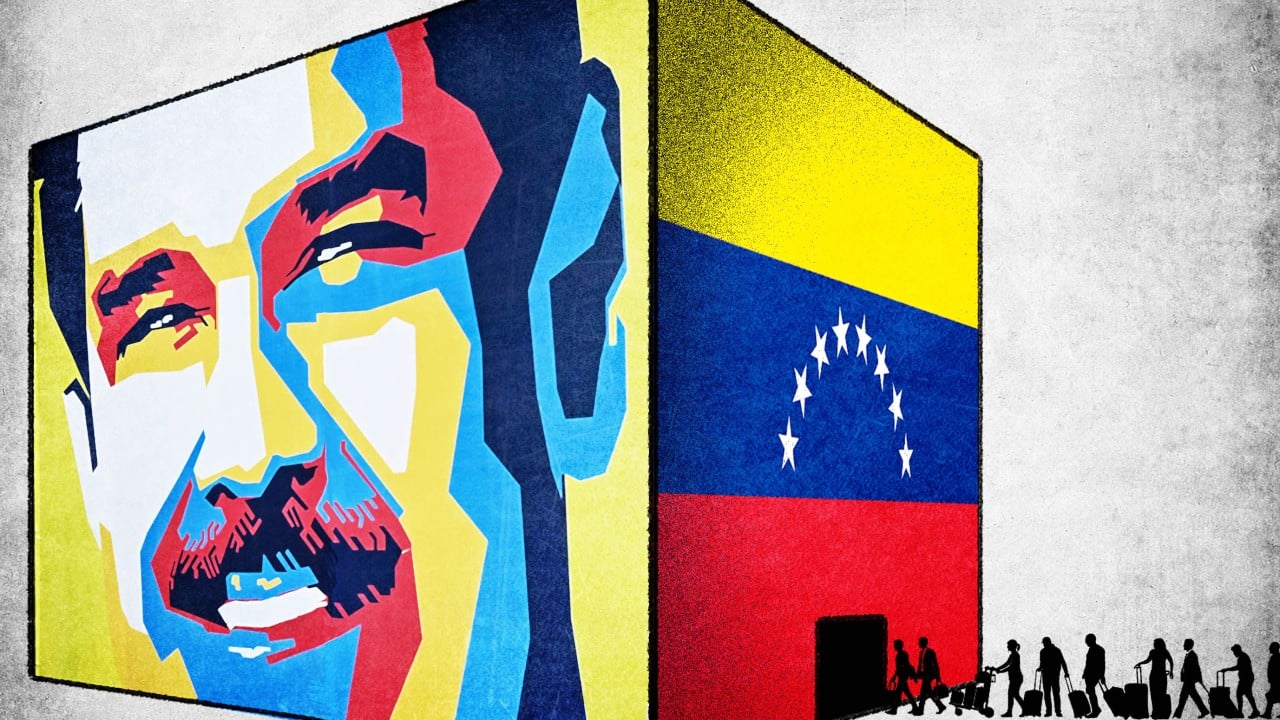
U.S. Forces Capture Venezuelan President Maduro in Military Strike, Plan to "Run" Country In a dramatic and unprecedented escalation, United States military forces have captured Venezuelan President Nicolás Maduro and his wife, Cilia Flores, following a series of strikes on Venezuelan territory. The operation, which occurred on Saturday, January 3, has removed the long-time leader from power and plunged the South American nation into a leadership crisis [41033][41227][41379]. Former U.S. President Donald Trump, who announced the operation, stated that the United States will now "run" Venezuela [41227][41055][42114]. He emphasized a key goal is to "take back the oil" and fix the country's collapsed oil infrastructure, aiming to access Venezuela's vast proven reserves, the largest in the world [40871][41227][41525]. Maduro and his wife have been taken to New York, where they will face criminal charges, including terrorism and drugs offenses [41136][40871][40942]. U.S. officials have long labeled Maduro's government as illegitimate, accusing it of corruption, human rights abuses, and stealing elections [41136][40668][41525]. The immediate aftermath has created a dangerous power vacuum, with no clear successor named within Venezuela [41136]. The U.S. action represents a direct military intervention in a sovereign nation, a move that analysts say sets a dangerous global precedent and marks a major shift in foreign policy [40737][41525]. The Venezuelan government has not issued an immediate public response, and the status of the country's military and remaining officials is unclear [40668][41379]. The long-term plan for governing Venezuela's 30 million people remains uncertain. The nation is already suffering from a profound economic collapse, hyperinflation, and a severe humanitarian crisis despite its oil wealth [42114][40871]. U.S. Forces Capture Venezuelan President in Military Strike Venezuela Leader Ousted in U.S. Strike, Faces Charges in New York US Strikes Venezuela, Captures President Maduro U.S. Captures Venezuela's President in Secret Operation U.S. Forces Capture Venezuelan President Nicolás Maduro US Strikes Venezuela, Abducts President Maduro US Captures Venezuelan President in "Large-Scale Strike" U.S. Military Strike Captures Venezuelan Leader Maduro U.S. Captures Maduro: What Now for Venezuela? US Seizes Venezuelan President, Vows to "Run" Country and "Take Back the Oil" U.S. Claims Capture of Venezuelan Leader in Military Strike U.S. Strikes Venezuela, Captures President Maduro US Captures Venezuelan President in Military Strike U.S. Strikes Venezuela, Captures President Maduro
AI Takes Over the Olympics: New Tech Spins Athletes in 3D and Hunts for Landmines
AI Takes Over the Olympics: New Tech Spins Athletes in 3D and Hunts for Landmines A wave of artificial intelligence is transforming global events and security operations, from creating impossible camera angles at the Olympics to hunting for deadly explosives. At the recent Winter Olympics in Milano Cortina, a new broadcasting technology made its global debut. It used AI to generate replays of athletic moves from angles where no physical camera could exist. When American figure skater Ilia Malinin performed a quadruple jump, viewers saw a replay that appeared to orbit around him in mid-air, showing all four revolutions in a startling new perspective [82096]. The system creates detailed 3D models from standard footage, allowing broadcasters to show replays from any vantage point [82096]. Beyond entertainment, AI is being deployed for critical safety missions. The United Kingdom is testing drones that use artificial intelligence to scan the ground and automatically identify hidden landmines and other explosive threats from a safe distance. A successful trial has shown the system works, aiming to make bomb disposal faster and much safer for soldiers who currently often must check dangerous areas on foot [118535]. In environmental protection, Hong Kong is using similar technology to balance development with conservation. The Environmental Protection Department is testing AI-powered cameras to automatically identify bird species and a laser-scanning robot, resembling a robotic dog, to map and measure the health of trees in sensitive areas like the Hong Kong Wetland Park. Officials say these tools eliminate human error from wildlife surveys, providing precise data for upcoming infrastructure projects [47560]. Meanwhile, the drive for more powerful AI itself is fueling a race for next-generation hardware. Chinese scientists announced a new method to grow ultra-thin "2D" semiconductors—materials often just one atom thick—at speeds 1,000 times faster than before. This advance could accelerate the production of the advanced chips needed to power increasingly demanding artificial intelligence systems [126743]. AI Replay Tech Makes Olympic Jumps Spin on Screen AI Drones Hunt Landmines: UK Tests Life-Saving Tech Hong Kong Deploys AI Robot Dogs to Scan for Wildlife China Claims 1,000x Faster Chip Breakthrough


Court Overturns African Football Champion, Strips Senegal of Title in Unprecedented Ruling
Court Overturns African Football Champion, Strips Senegal of Title in Unprecedented Ruling A top international sports court has made a stunning decision, stripping Senegal of its Africa Cup of Nations championship and awarding the title to Morocco instead. The Court of Arbitration for Sport (CAS) issued the ruling on Tuesday, overturning the result of the tournament's final played in January [105769]. The court's decision is final and cannot be appealed, though an official reason for the overturn was not immediately provided [105769]. This unprecedented move erases Senegal's celebrated first continental title from the record books and rewrites the recent history of African football [105769]. The governing body for African football, which referred the case to the court, stated it will release full details of the judgment later this week [105769]. The Africa Cup of Nations (AFCON) is the continent's premier international football competition [32394]. The ruling comes after a tournament that saw dramatic moments on the pitch, including a last-minute equalizer by Zambia's Patson Daka against Mali in the group stage [32394]. Court Shocker: Morocco Awarded Africa Cup Title, Overturning Senegal's Win Daka's Last-Minute Header Stuns Mali in AFCON Opener AFCON Finale: Why Play a Game That Doesn't Matter?


Viral Trends and Grandmas Fuel a Global Craze for Cultural Heritage
Viral Trends and Grandmas Fuel a Global Craze for Cultural Heritage From tattoo studios in Hong Kong to living rooms in Canada, a powerful global trend is emerging: people are turning to cultural heritage for identity, pride, and connection, often using modern tools to preserve ancient traditions. This movement spans continents, driven by both communities safeguarding their practices and a massive online audience eager to learn. In the Arctic, the Indigenous Sámi DJ duo Article 3 is building an international following by blending electronic music with traditional *joik* singing, proving that remote origins can be a unique advantage in a digital world [79759]. Similarly, in Syria, researchers highlight the ancient craft of embroidery as a "powerful symbol of living cultural identity" that has endured through war, passed down through generations as a vital form of expression [47200]. This revival isn't limited to communities in crisis. In Malaysia, the vibrant Chingay parade, featuring performers balancing massive flagpoles on their chins, is the subject of a joint UNESCO bid aimed at securing global recognition and protection for the century-old tradition [31985]. Meanwhile, the Circassian community in Syria is cited by experts as a model for maintaining a distinct language and customs for over a century while fully integrating into national society [36001]. The demand for authentic cultural knowledge is being met in unexpected, viral ways. A Canadian teacher and his 88-year-old Italian grandmother have amassed millions of views online by creating humorous lessons about Italian traditions and slang, with one video surpassing 20 million views [80130]. Their success underscores a widespread appetite for personal, intergenerational storytelling about heritage. Even commercial trends are tapping into this deep well. The recent "frog buttons" craze, sparked by a jacket at Shanghai Fashion Week, led many to discover the intricate history behind the traditional Chinese fasteners [44500]. However, this online fascination can be a double-edged sword, as seen with the "Chinamaxxing" trend, where everyday Chinese customs became a short-lived viral meme, leaving many to question the depth of such fleeting appreciation [109231]. Together, these developments paint a picture of a world where cultural expression is increasingly valued as a core component of identity, actively sustained by communities and sought out by a global public. Remote DJs Rise with Sámi Sound, Fueling Indigenous Pride Syrian Embroidery Survives War, Defines Identity Malaysia's Chin-Balancing Spectacle Aims for UNESCO Glory Syria's North Caucasus Legacy: The Circassians' Enduring Identity Grandma's Viral Hits: Italian Lessons for Millions **Hidden Stories: From Tattoo Needles to Viral Buttons** Chinamaxxing: When Your Culture Becomes a Viral Meme

Americans Sleep in Cars for Days, Hoping to See a Doctor for Free
Americans Sleep in Cars for Days, Hoping to See a Doctor for Free Across the United States, hundreds of people are arriving days in advance and sleeping in their vehicles in parking lots, all for a chance to receive basic medical care at no cost [126324]. The scenes are playing out at temporary pop-up clinics operated by the charity Remote Area Medical (RAM). The non-profit organization provides free dental work, eye exams, and general medical check-ups through volunteer staff in communities with limited access to healthcare [126324]. Demand for these services has surged dramatically, according to RAM's leadership. Chris Hall, the organization's Chief Executive Officer, states that people now arrive up to two days early to secure a spot in line, citing soaring healthcare costs that have put treatment financially "out of reach" for many [126324]. The long lines and overnight waits underscore a significant gap in the U.S. healthcare system, where even insured individuals can face prohibitively high deductibles and out-of-pocket expenses for essential procedures like dental fillings or eyeglasses [126324]. **Americans Sleep in Cars for Free Healthcare**

U.S. Forces Capture Venezuelan President Maduro in Unprecedented Military Strike
U.S. Forces Capture Venezuelan President Maduro in Unprecedented Military Strike In a dramatic escalation, United States military forces have captured Venezuelan President Nicolás Maduro, marking the first direct U.S. military attack on a South American nation in history [41064]. The operation, which took place in Caracas on Saturday, detained Maduro and his wife, who were subsequently transported to New York to face drug trafficking charges [41880]. President Donald Trump announced the capture, stating the U.S. would oversee Venezuela's government and vowing that "American dominance in the western hemisphere will never be questioned again" [41064][41460]. The surprise military strike has sent shockwaves across Latin America, creating a deep political split among regional governments [47126]. While nations like Colombia and Brazil have offered cautious support, others, including Mexico and Bolivia, have condemned the action as a dangerous violation of international law and sovereignty [47297]. This public division masks a private fear shared by leaders across the political spectrum: the worry that their nation could be next [47126]. Analysts say the operation sets a major precedent for direct foreign intervention, reviving the long-standing U.S. policy of opposing foreign powers in the Americas, known as the Monroe Doctrine [41460][41465]. The move is also seen as a direct challenge to China's growing economic and diplomatic influence in the region, where Beijing has become a leading trade partner and lender [41460][45747]. The United Nations Security Council is scheduled to hold an emergency meeting on Monday at Venezuela's request to address the incident [41880]. The capture has fundamentally altered the region's political landscape, forcing every capital to urgently re-examine its relationships with Washington and assess its own vulnerability to similar actions [47297]. U.S. Capture of Venezuela's Maduro Sends Shockwaves Through Latin America U.S. Capture of Maduro Sends Shockwave Through Latin America U.S. Captures Venezuela's Leader, Challenging China's Regional Reach Trump Revives US Habit of Ousting Latin American Leaders Venezuela's President Seized by U.S., Faces Court in New York Trump Orders First Direct US Military Attack on South America
Latest Articles
Orbán's Rule Ends: Trump Ally Loses After 16 Years
Hungarian Prime Minister Viktor Orbán, a longtime political ally of Donald Trump, has lost power after 16 years in office. Orbán was defeated in an...
Report: Iran's New Supreme Leader Suffered Severe Injuries in Attack That Killed His Predecessor
A new report claims Iran's new Supreme Leader, Ayatollah Ali Khamenei, is badly disfigured from injuries sustained in the same attack that killed his...
Australian PM's Adviser Warns: US Strait of Hormuz Blockade Could Inflame Middle East Crisis
A senior political adviser to Australian Prime Minister Anthony Albanese has issued a stark warning about potential US action against Iran. The advi...
Nigerian Airstrike Hits Village Market, Killing Scores
A Nigerian military airstrike killed dozens of people in a village market on Sunday, according to witnesses and human rights groups. The incident has...
Elon Musk Joins TikTok, Fuels SpaceX IPO Rumors
Elon Musk has created an official account on TikTok. The billionaire owner of X, formerly Twitter, now appears on the Chinese-owned video platform....
Sam Levinson on "Euphoria" End, Angus Cloud, and the Cost of Fame
"Euphoria" creator Sam Levinson is speaking out as the hit show prepares for its final season. In a new interview, Levinson addressed the intense pu...
New Costume Designer Takes Over HBO's 'Euphoria'
Natasha Newman-Thomas is the new costume designer for the upcoming third season of "Euphoria." She replaces previous designer Heidi Bivens on the pop...
Pearl Fryar, the Man Who Made Plants Dance, Dies at 86
Pearl Fryar, a self-taught artist who turned trees and shrubs into living sculptures, has died. He was 86. Mr. Fryar discovered his talent for topia...
Patients Rejected by Dozens of ERs: South Korea's Fatal Hospital Hunt
Hundreds of patients in South Korea are turned away from emergency rooms each year, a new report reveals. This happens despite the country's globally...
Paradise Overload? America's Fastest-Growing County Pushes Back
Jasper County, South Carolina, is now the fastest-growing county in the United States. But this boom is creating a sharp debate among its residents....
Date Nights Drained: How Inflation is Changing City Social Lives
In New York City, rising prices are forcing residents to make difficult choices about their social lives. The high cost of living is changing how peo...
NYC to Launch First City-Owned Grocery Store
Mayor Zohran Mamdani has announced a plan to open a municipal grocery store in East Harlem. The store will be located at La Marqueta, a public retail...
Sharpton's Convention Scorecard: Who Impressed for 2028?
At the recent National Action Network convention, a parade of potential Democratic presidential candidates took the stage. In an interview, the Rev....
Congressman Drops Governor Bid Amid Sexual Assault Allegations
U.S. Representative Eric Swalwell has suspended his campaign for Governor of California. The decision follows public allegations of sexual assault....
Trump Warns High Gas Prices May Last Past Midterms, Rattling GOP
President Trump has given conflicting statements about how long Americans should expect high fuel costs. His latest warning suggests prices may not f...
Orban's Rule Shaken: The Unlikely Man Now Leading Hungary
A new political force has emerged in Hungary. Peter Magyar, a former insider, has achieved a stunning election result. His success is largely a resp...
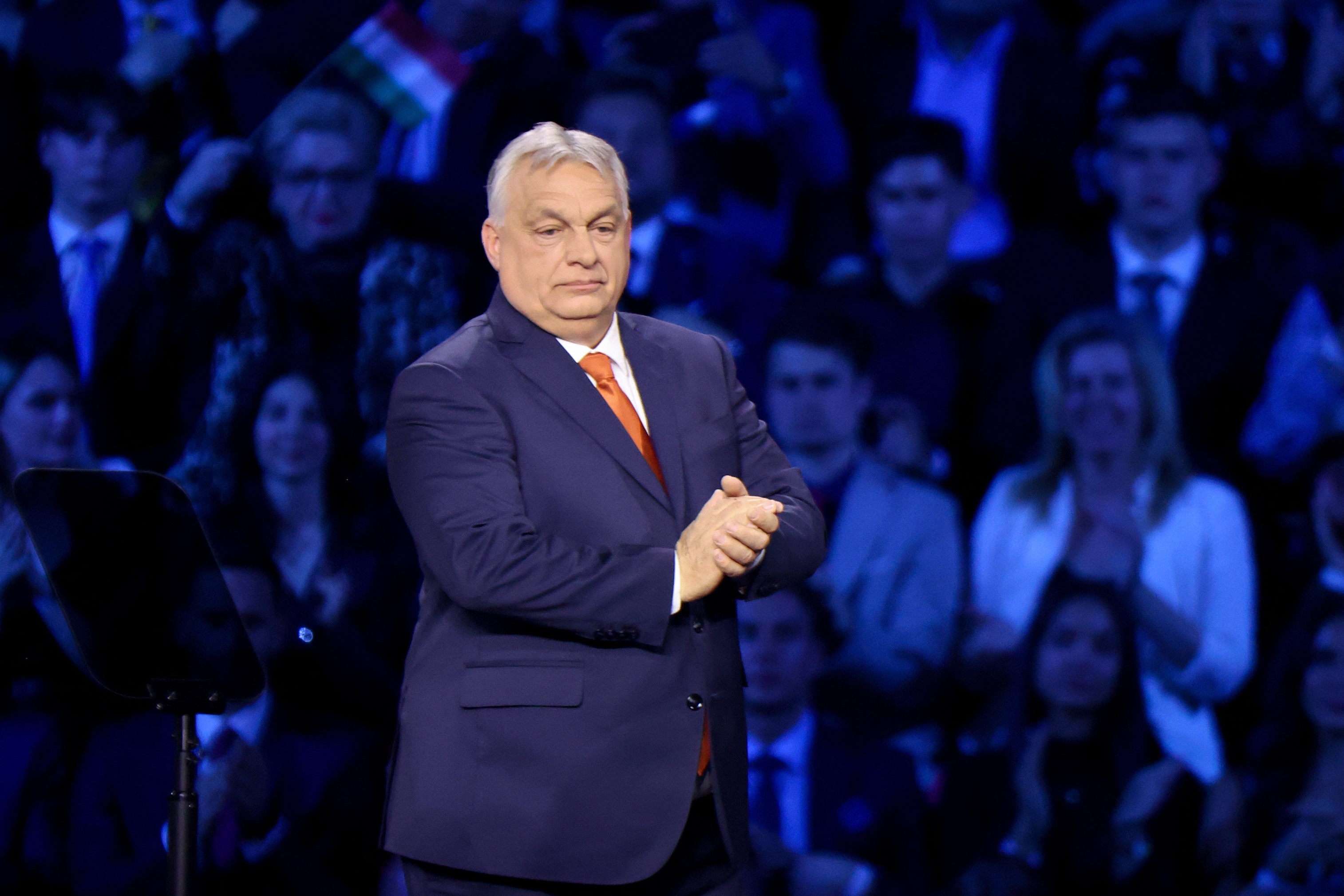
Orbán Out: Voters End 16-Year Rule in Historic Turnout
Hungarian voters have removed Prime Minister Viktor Orbán from power. His right-wing populist party, Fidesz, lost a national election on Sunday. The...
Orban's Supermajority: Hungary's Vote Reshapes Europe
Hungarian Prime Minister Viktor Orban has secured a powerful new mandate. His party's election victory is so decisive that it grants him a "supermajo...

Orbán Loses? Hungarians Vote in Record Numbers to Challenge PM
Hungarian voters delivered a stunning blow to Prime Minister Viktor Orbán and his Fidesz party in Sunday's election. Citizens voted in historic numbe...

Orbán Out: Hungary's EU Future in Question After Shock Vote
A historic number of Hungarian voters have removed Prime Minister Viktor Orbán from power. This political shift could dramatically change the countr...