Latest News
Stay updated with the latest news and articles
Top Stories
China Drops $47 Billion Chip Bomb to Smash US Tech Blockade
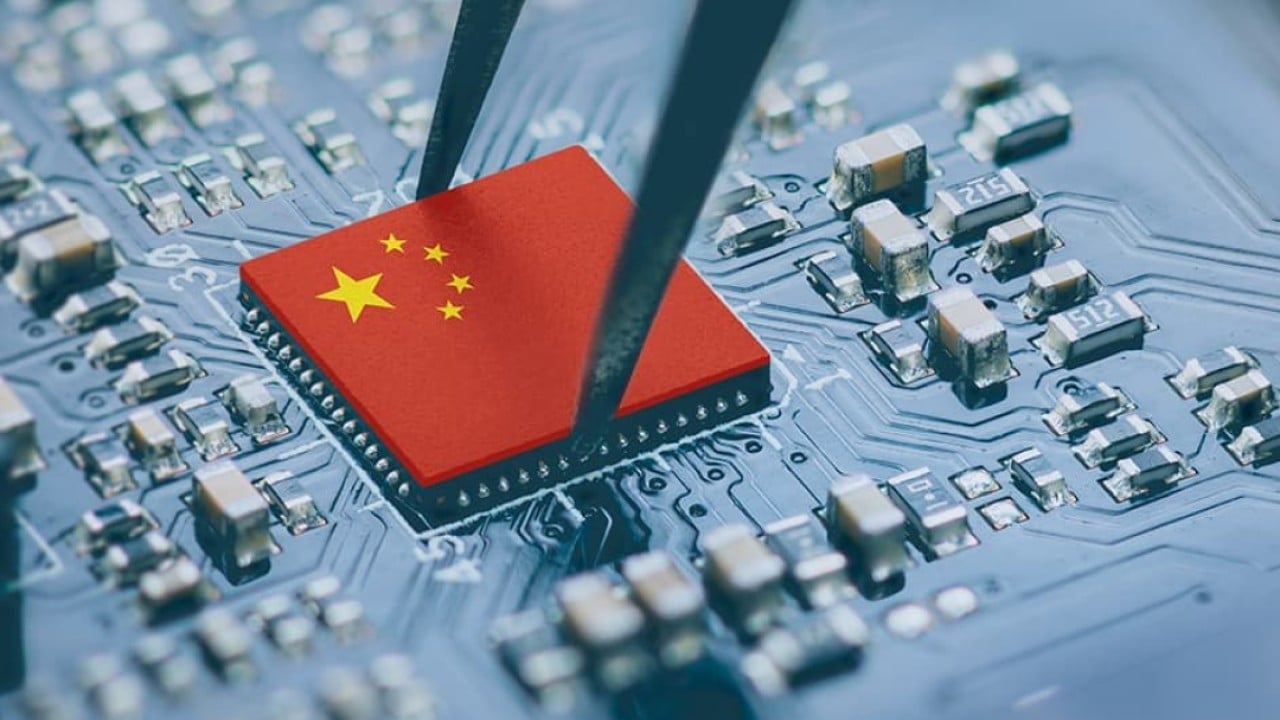
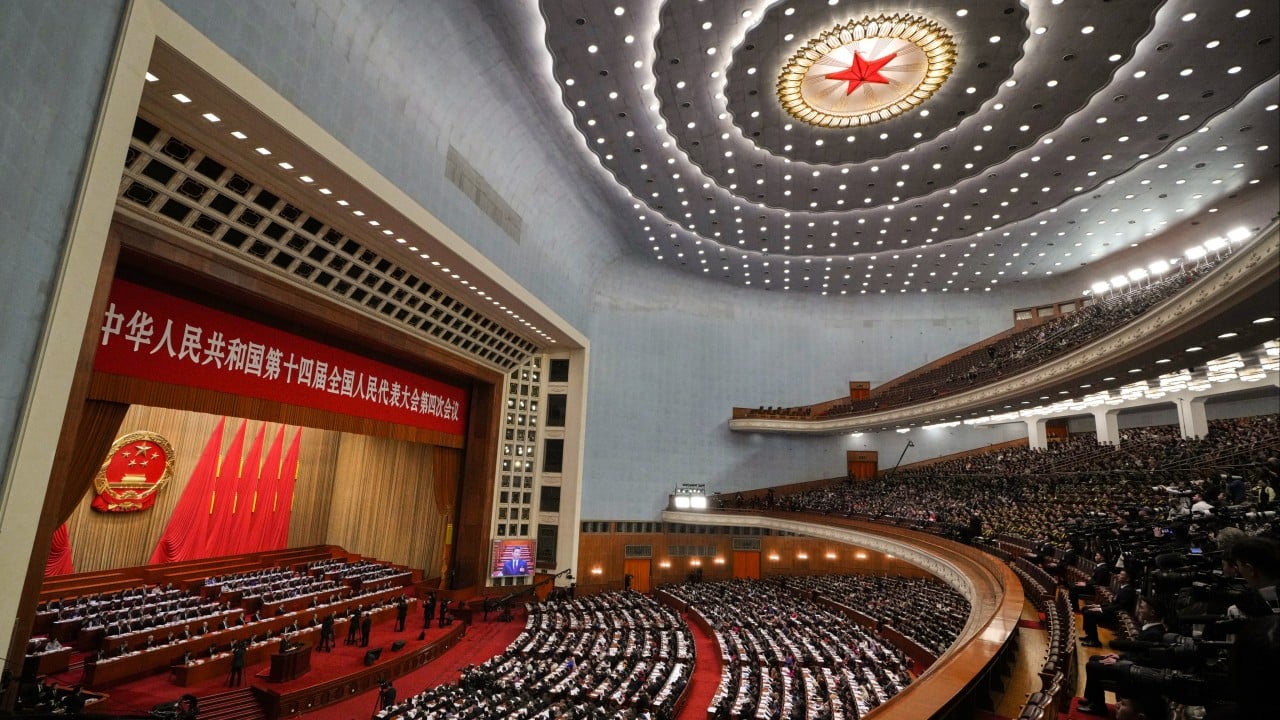
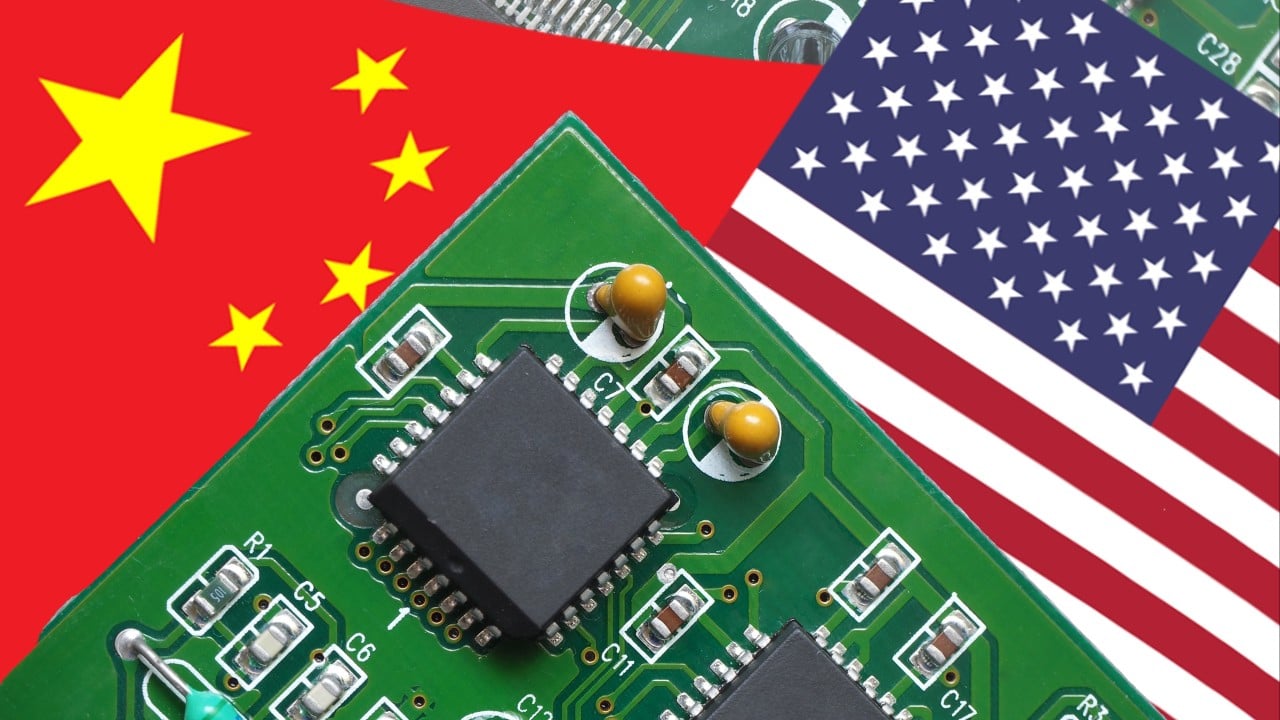
China Drops $47 Billion Chip Bomb to Smash US Tech Blockade China has launched a massive state-backed investment fund worth over $47 billion to break free from US restrictions on advanced semiconductor technology [86995]. The move is a direct response to American export controls that experts describe as a strategic "chokehold" on China's access to cutting-edge chipmaking equipment [51155]. The new fund will focus on developing domestic chip manufacturing machinery, an area currently dominated by US, Japanese, and Dutch companies [86995]. At the same time, China's provinces are racing to implement the national strategy. Zhejiang province, home to e-commerce giant Alibaba, has announced a five-year plan to manufacture semiconductors as small as 3 to 7 nanometers [51155]. Shanghai's Pudong district has launched 50 major projects worth over $10 billion, with most funds going into microchips and artificial intelligence [43531]. At least 22 provincial-level governments have published draft plans prioritizing advanced technology and local industrial strengths [19492]. The broader national blueprint for 2026 to 2030, known as the 15th five-year plan, targets key areas like AI, nuclear fusion, and advanced defense systems to break foreign "chokepoints" [95150]. China's budget allocates 426.42 billion yuan (US$61.7 billion) specifically for science and technology, focusing on "future industries" such as satellite internet, electric vehicles, and brain-computer interfaces [93804]. This aggressive push marks a fundamental shift from China's old strategy of acquiring foreign technology to creating its own [59734]. The government is now directing massive state resources toward frontier technologies under a coordinated, centralized approach—contrasting sharply with the US market-driven model [109135]. The results are already visible: Chinese carmakers have overtaken Japanese and European competitors in global electric vehicle sales, powered by AI features and batteries offering over 600 kilometers of range [134482]. China Bets $47 Billion to Break the Chip Barrier China Targets 3nm AI Chips to Break US "Chokehold" Shanghai Bets $10 Billion on Chips and AI in Tech Race Chinese Provinces Prioritize Tech and Self-Reliance in New Economic Plans China's New Plan: Beat US Tech Rivals with AI and Fusion Power China's $62 Billion Bet Mirrors Musk's Vision China's Tech Pivot: From "Catch-Up" to Cutting-Edge AI War: US Bets on Markets, China Bets on Control China’s carmakers overtake Japan and Europe with AI and battery edge
Tropical Forests Still Getting Slaughtered — 11 Football Fields a Minute Despite Big Drop
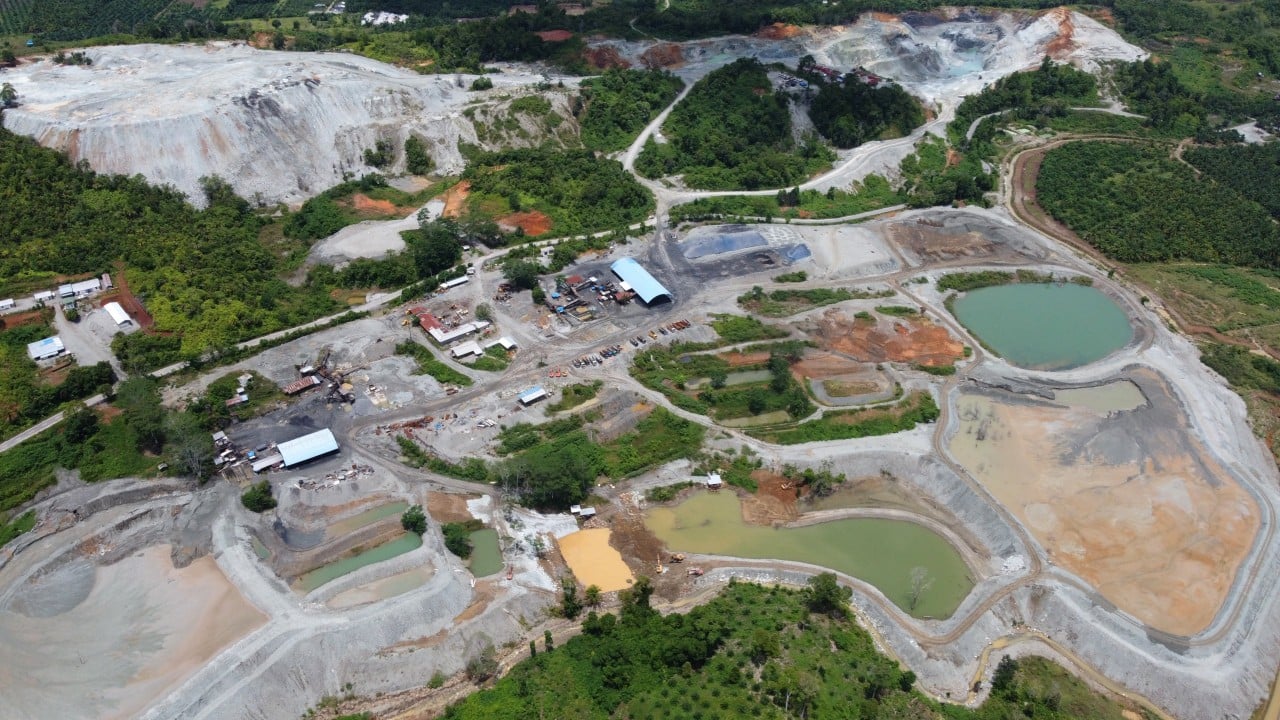
Tropical Forests Still Getting Slaughtered — 11 Football Fields a Minute Despite Big Drop The world lost 4.3 million hectares of tropical primary rainforest in 2025, a 36 percent drop from the record losses the year before, but the destruction is still happening at a staggering rate equivalent to 11 football fields every minute [136356]. While researchers at the World Resources Institute and the University of Maryland called the decline "encouraging" and a sign of what decisive action can achieve, they warned that the ongoing pace remains far too high to meet global climate goals [136356]. At the same time, global warming is making wildfires more frequent and intense, eating away at the progress made in cutting down forests directly [136088]. Scientists say the trend shows that simply reducing forest loss is not enough—fighting climate change itself is essential to protecting the world's remaining trees [136088]. Forests act as critical "carbon sinks," absorbing CO2 from the atmosphere, and protecting them is vital for managing global carbon levels [8843]. The destruction of old-growth rainforests—which store huge amounts of carbon and house vast wildlife populations—releases large quantities of greenhouse gases into the air [136356]. The 2024 record year saw 6.4 million hectares cleared, driven by fires and agricultural expansion in countries like Brazil and the Democratic Republic of Congo, and while the 2025 improvement marks a positive step, experts say continued efforts are needed to protect what's left [136356]. Meanwhile, the rush for lithium, cobalt, and nickel—metals essential for batteries and microchips and now called the "oil of the 21st century"—is creating severe problems in poor communities, draining water supplies, destroying farmland, and poisoning people with toxic heavy metals, according to a new UN report [136146]. Tropical Forest Loss Slows, but Still ‘11 Football Fields a Minute’ Deforestation Hits Decade Low in 2025, but Wildfires Surge A Global Push to Curb Carbon Emissions Critical minerals are ‘oil of 21st century’ as demand fuels poverty and pollution in poorer countries

UAE Dumps OPEC, Oil Market in Chaos as Asia Gets Hammered by Iran War
**UAE Dumps OPEC, Oil Market in Chaos as Asia Gets Hammered by Iran War** The United Arab Emirates is quitting the Organization of the Petroleum Exporting Countries (OPEC), blowing up a decades-old alliance with Saudi Arabia as the war with Iran sends global energy markets into a tailspin [136404][136023][136325]. The move is a direct blow to the cartel’s ability to control prices, and it comes just as Asia is getting crushed by the worst oil shock in years thanks to the US-Iran conflict [135955]. Analysts say the desertion shifts oil power straight to Asia, where demand is skyrocketing and the old rules no longer apply [136024]. The UAE’s exit isn’t just a petty squabble over production quotas. It signals a massive realignment in global energy politics, with the Gulf state prioritizing its own national plans over the group’s unity [136023]. Without the UAE, OPEC is significantly weaker, and new power centers—especially in Asia—are already shaping the market [136404][136024]. The message from Abu Dhabi is clear: the old oil alliance is dead [136023]. Meanwhile, Trump’s military strike on Iran has sent crude prices surging within hours, exposing how fragile the global economy really is [135955]. Asia, once the engine of global growth, is now facing what experts call a “game-changer” in 2026, as disrupted supplies hit energy-dependent economies from Japan to India [136024]. The nightmare is only beginning [136024]. UAE Quits OPEC Amid Saudi Feud and Iran War Tensions UAE leaves OPEC. Oil market power shifts to Asia. UAE exits OPEC: A move that could reshape global oil markets Asia’s Oil Shock: 2026 becomes a 'game-changer' for the region Trump’s Iran Strike Exposes a Fragile Global Economy


83-Mile Welsh Trail Opens as Mainland Chinese Ditch Hong Kong Crowds for Slow Travel
**83-Mile Welsh Trail Opens as Mainland Chinese Ditch Hong Kong Crowds for Slow Travel** A new 83-mile (133km) walking trail through gorges and ruins is launching in Wales, coinciding with a sharp shift in Chinese tourism: mainland visitors are skipping packed Hong Kong attractions for curated, slow-paced experiences [134936][135994]. Hong Kong expects roughly 980,000 mainland Chinese tourists during the May 1-5 Labour Day golden week—a 7% increase from last year [135994]. But instead of rushing through major landmarks, many now choose meticulously planned itineraries focused on art exhibitions, neighborhood walks, and timed photo spots, largely driven by social media platform RedNote [135994]. Meanwhile, in western Wales, the new Teifi Valley Trail runs from the Cambrian Mountains to Cardigan Bay, following the River Teifi past 12th-century abbey ruins and wide sandy beaches [134936]. The path was created by local volunteers hoping to revive a historic region that has seen declining tourism [134936]. The broader trend is reshaping travel globally. Experts predict that by 2026, tourists will increasingly seek "meaningful" experiences rather than simply visiting famous cities, with TV shows and films driving new travel patterns [36959]. This aligns with the Chinese shift away from crowded, traditional sightseeing toward personalized, story-driven trips [135994][36959]. Mainland Chinese tourists skip Hong Kong crowds for curated slow travel Wales unveils 83-mile walking trail through gorges, ruins, and sweeping sands Beyond Paris: TV Drives 2026 "Meaningful Tourism" Trend

Homes on Wheels: 19 Houses Crashed Into the Sea — Now North Carolina Homeowners Are Hauling Them Inland
Homes on Wheels: 19 Houses Crashed Into the Sea — Now North Carolina Homeowners Are Hauling Them Inland On Hatteras Island, moving house has become a literal act of survival. The narrow strip of land off North Carolina’s coast is losing homes to the Atlantic Ocean at a startling rate. Since September, 19 houses have been torn from their pilings by waves, crashing into other structures before breaking apart. Now, some homeowners are fighting back by lifting entire buildings onto wheels and hauling them inland. They call Barry Crum, a lifelong resident who has become the island’s main house mover. His business is booming as the coastline rapidly erodes. The pace of sea-level rise has turned the Outer Banks into a “canary in the coal mine” for other East Coast communities. What is happening here may soon happen elsewhere [136156]. Homes on wheels flee the sea in North Carolina

Trump Backs Spirit Airlines Bailout While Threatening to Nuke Iran – Double Play for Donor Cash and Defense Dollars
**Trump Backs Spirit Airlines Bailout While Threatening to Nuke Iran – Double Play for Donor Cash and Defense Dollars** President Donald Trump is juggling two high-stakes financial maneuvers this week: pushing a taxpayer-funded bailout for struggling Spirit Airlines while simultaneously escalating threats against Iran with a flashy AI-generated image of himself holding a weapon. The moves, analyzed through a political-economy lens, appear designed to squeeze cash from two very different money streams—corporate bailout fees from the airline industry and a surge in defense-contractor spending tied to a potential Middle East conflict. On the bailout front, Trump has publicly backed a rescue package for Spirit Airlines, a budget carrier drowning in debt and operational losses. Critics, including former Obama auto czar Steven Rattner, argue the airline’s failure would be a “natural market correction” that frees up resources for stronger competitors [136091]. But supporters warn a collapse could disrupt travel for low-income passengers and reduce competition [136091]. The underlying financial mechanics: Trump’s endorsement signals a willingness to funnel taxpayer money to a private company in exchange for political loyalty and potential campaign donations from the airline’s investors and unions. Simultaneously, Trump has renewed his threats against Iran, claiming the country is “in a state of collapse” and posting an AI-generated image of himself holding a weapon [136238]. His administration is flooding the public sphere with updates on a military offensive against Iran, warning of total collapse even as the messaging blitz stirs controversy [134955]. The financial logic: escalating tensions with Iran drives up demand for U.S. defense contracts, benefiting Trump’s allies in the military-industrial complex. The AI image itself is a cheap propaganda tool to rally his base and justify increased Pentagon spending. The two moves are not contradictory—they are part of a single transactional playbook. Trump extracts wealth from the federal budget via bailouts for friendly corporate interests while simultaneously stoking foreign crises to boost defense-sector payouts. The broader message: whether it’s saving a failing airline or threatening a nuclear showdown, the president’s actions are designed to maximize donor capture and asset protection, not sound economic or foreign policy. Trump Backs Spirit Airlines Bailout. Critics Ask: Why? Trump Threatens Iran, Posts AI Image of Himself with Weapon Trump: Iran offensive will kill a civilization. Inside the messaging blitz.

Japan’s Record $Billions Flood India as Deals Dry Up – Foreign Cash Hits a Wall
**Japan’s Record $Billions Flood India as Deals Dry Up – Foreign Cash Hits a Wall** Japanese investment in India’s financial sector has hit an all-time record, with Tokyo pouring cash into insurance, banking, and digital payments as it sidesteps China amid geopolitical tensions [108165]. But a paradox is emerging: while foreign money rushes in, it can’t find a home. Global investors in India’s private credit market are sitting on a pile of cash, struggling to spend it because there just aren’t enough high-yield loans to go around [118404]. Private credit funds—which lend directly to companies instead of through banks—saw India as a prime growth target. Instead, they face brutal competition for a limited number of attractive deals. Foreign funds typically hunt for annual returns of 18% or more, but the bidding war is dragging yields down to 13-16% [118404]. At those levels, many international lenders say the risk no longer justifies the reward. The problem reveals a split in India’s credit market. Large, well-established Indian companies can borrow cheaply, while smaller, riskier firms fail the strict quality checks of big foreign funds [118404]. That leaves foreign capital stuck in limbo. At the same time, Japanese financial giants have deepened their presence in India, making the country a strategic alternative to China for long-term investment [108165]. But even as these record sums arrive, economists warn that India’s headline GDP ranking—now the world’s fourth-largest—masks a deeper imbalance. The benefits of growth remain concentrated, and job creation lags [46393]. For foreign cash to truly land, investors may need to accept lower yields, build local teams, and chase riskier smaller companies [118404]. The outcome will test whether India can absorb global capital—or whether the money keeps circling, unable to touch ground. Japan Pours Record Cash Into India, Sidestepping China Foreign Cash Floods India, But Can't Find a Home India Overtakes Japan in GDP, But Where's the Wealth?
AI Mania Created 18 New Billionaires This Quarter Alone
**AI Mania Created 18 New Billionaires This Quarter Alone** The artificial intelligence boom is minting fortunes at a velocity unseen since the dawn of the internet, with leading AI companies raising a record $297 billion in just three months [118024]. This explosive concentration of capital is not merely funding research; it is reshaping the global distribution of wealth and power, creating a new oligarchy of tech founders and investors almost overnight [37301]. OpenAI alone now commands a $730 billion valuation after a $110 billion investment round led by Amazon, Nvidia, and SoftBank, cementing its position as a private behemoth whose valuation rivals the GDP of entire nations [88285]. This gusher of cash is not an accident of the market but a deliberate consolidation of control. The $297 billion figure represents a coordinated bet by the world’s most powerful corporations to lock down the infrastructure of the future—specialized chips, massive data centers, and proprietary AI models [118024]. Nvidia CEO Jensen Huang has emerged as the poster child of this concentration, his personal wealth skyrocketing as his company’s chips become the singular bottleneck for all AI compute [35065]. Meanwhile, established industrial powers like Siemens and Fanuc are weaponizing decades of factory-floor data to embed “physical AI” into manufacturing, a move that promises to automate human labor out of production lines entirely, handing factories over to algorithms that never tire, unionize, or demand higher wages [135427]. For workers, the implications are stark. Major German industries—including Siemens, BASF, and Volkswagen—are pouring billions into AI systems and robot fleets, with experts warning that this rapid technological shift will directly impact thousands of industrial jobs [14604]. In the United States, companies like Meta and Microsoft have confirmed they will continue massive AI spending, even as Tesla reported its first annual revenue drop and pivoted entirely from electric vehicles toward AI and robotics [62159]. The message from the C-suite is clear: human labor is a liability to be minimized, and the machine is the asset to be scaled. The geopolitical scramble for compute is redrawing the map of global leverage. Chinese power equipment manufacturers are surging on orders to upgrade electrical grids worldwide, a direct consequence of the insatiable energy demands of American and Japanese AI data centers [11315]. This creates a dangerous dependency: the US and its allies cannot run their AI empires without Chinese hardware for power infrastructure, handing Beijing a strategic chokehold on the very grids that sustain the technology. The boom also fuels an unprecedented race for new energy sources, with tech giants now hunting for next-generation nuclear power to keep their digital factories humming [43347]. The financial architecture is bending to serve this new concentration. A potential “mega IPO” year in 2026—featuring SpaceX, OpenAI, and Anthropic—could flood Wall Street with hundreds of billions in new stock, testing whether ordinary investors are willing to buy into a sector where a handful of private insiders already hold all the cards [50077]. The $500 billion windfall for US tech billionaires in 2025 alone underscores that this is not a rising tide lifting all boats, but a hydraulic pump sucking wealth upward into the accounts of a tiny elite [35065]. The AI boom, for all its talk of progress, is a machine designed to concentrate power—and it is running at full speed.

Rugby Kid's Try Was So Crazy It Beat a World Record Marathon
Rugby Kid's Try Was So Crazy It Beat a World Record Marathon Saracens winger Noah Caluori scored a try so incredible that it outshone a world-record marathon run that happened on the same day. On the day Sebastian Sawe broke the two-hour barrier at the London Marathon, Caluori delivered a stunning finish for his team that got rugby fans talking even more than the historic run [135269]. The play started near Leicester's 22-meter line, where Caluori kicked the ball over defenders, sprinted past them, leaped to catch it while staying in bounds, and scored in the corner [135269]. BBC commentator Steve Cram called Sawe's marathon finish "absolutely incredible," but rugby fans saw something even better in London that weekend [135269]. Caluori’s speed and aerial skill are making him a dream player for the sport, quickly turning him into one of rugby's most exciting young talents [135269]. Rugby's New Star Outshines a Marathon World Record

Yazidis, Burundians, and Ukrainians Fight for Culture—While Internet Memes Cash In
**Yazidis, Burundians, and Ukrainians Fight for Culture—While Internet Memes Cash In** Three separate communities—a Yazidi village in Turkey, a children’s author in Burundi, and Ukrainian musicians—are actively fighting to keep their ancient traditions alive, even as global trends like “Chinamaxxing” treat cultural habits as disposable online entertainment. In the remote Kurdish village of Bozan, also known as “Little Laleş,” residents gather each year for a ceremony called “Çarşema Sor” (Red Wednesday). The ritual is central to the Yazidi faith, an ancient religion rooted in Mesopotamia. For locals, the ceremony is not a holiday but a way to preserve cultural memory and ensure continuity in a changing world [136142]. Far from the headlines, this small village is a living archive of a belief system that spans thousands of years. Nearly 2,500 miles away, 33-year-old Burundian writer Aïta Chancella Kanyange is using children’s books to protect her country’s heritage. Her tales, written for kids aged 2 to 10, focus on celebrating Burundi’s traditions. She believes these stories are a key tool for preserving national identity as globalization pressures many cultures [129635]. In Ukraine, a new playlist of Christmas carols—ancient folk chants and modern adaptations—carries messages of resistance and national identity. Scholars say these *koliadky* have long preserved language and culture during periods of oppression. The collection offers international listeners a window into a resilient tradition [32337]. All three efforts stand in stark contrast to a viral internet trend called “Chinamaxxing,” which saw millions of users on TikTok, Instagram, and X adopt Chinese habits like drinking hot water and wearing house slippers. The trend, which gathered hundreds of thousands of views from mid-2025, prompted many Chinese people to ask whether this appreciation would “fade when the algorithm changes” [109231]. Sources: Ancient Ritual Keeps Kurdish Village’s Memory Alive Burundian Author Fights to Save Culture with Children's Books Ukrainian Christmas Carols: Ancient Sounds of Defiance and Hope Chinamaxxing: When Your Culture Becomes a Viral Meme

Latest Articles

Ukraine Drone Strikes Hit Russian Supply Lines. Hardened Targets Survive.
Ukraine is expanding its drone attacks deeper into Russian territory, focusing on the country’s logistical network. These strikes target supply route...

King Charles to US Congress: Don't abandon Ukraine
The British king invoked the historic US-UK alliance, forged through multiple wars, to call for the same resolve in defending Ukraine. Charles warned...

Ukraine’s heavy drones break through Soviet-era bunkers in Crimea
For months, Russia believed its troops were safe inside bunkers built to survive Cold War-era ballistic missiles. That assumption has now been shatte...

Russia’s Central Bank Chief: 2.5 Million Workers Missing
Russia's central bank chief has admitted the country faces a severe labor shortage. The shortfall is 2.5 million workers. The official described the...

Ukraine launches global damage registry against Russia; reconstruction cost hits $587.7 billion.
Ukraine has opened an international register to officially document damage caused by Russian aggression. The system operates under the Council of Eur...

Ukraine’s Gulf Deals Under Threat as Russia Bolsters Africa Forces
Despite Moscow’s intensified efforts to block Ukraine’s defense partnerships with Gulf states, President Volodymyr Zelenskyy confirmed Kyiv will cont...

Ukraine’s Existential Threat: Why the Forum Could Not Name the Real Problem
The Kyiv Security Forum agreed that Russia poses an existential threat to Ukraine. Yet the event avoided a crucial question: how to defeat Moscow. T...

Russia hits hospitals in two cities; woman dies in apartment fire
A 60-year-old woman died from smoke inhalation after a Russian strike set her apartment building on fire in the city of Shostka. The same night, a Ru...
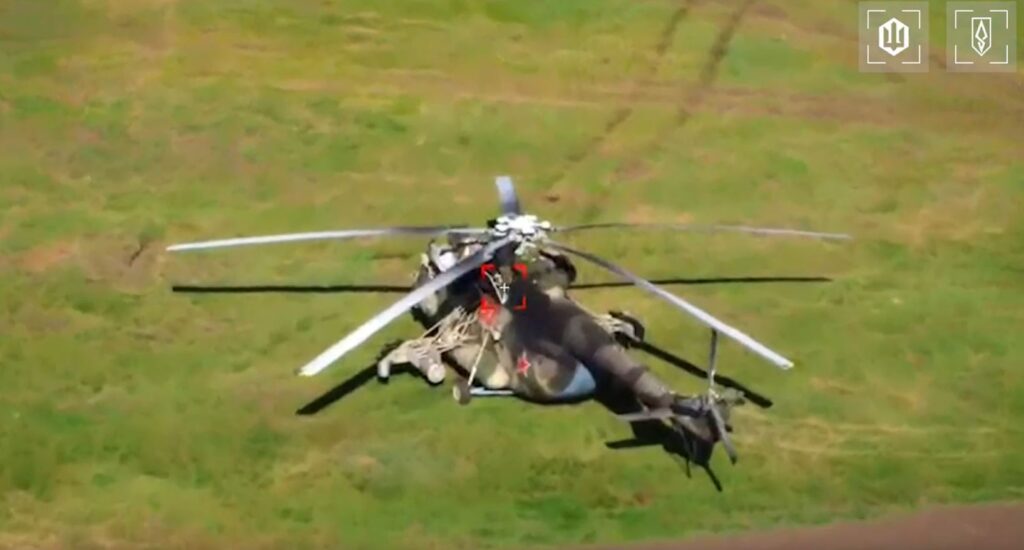
Ukrainian Drones Destroy Russian Attack Helicopters 150km Inside Russia
Ukrainian special forces and drone units destroyed a Russian Mi-28 attack helicopter and an Mi-17 transport helicopter during a joint operation on Ap...

Ukraine’s Sea Drones Blow Hole in Russian Shadow Tanker
Two unmanned kamikaze sea drones struck an empty Cameroon-flagged oil tanker off Russia’s Black Sea coast on the morning of 29 April, Ukraine’s Gener...

Russia copies Tesla? Cybertruck clone appears.
Russia’s Russo-Balt just unveiled a vehicle that looks almost exactly like Tesla’s Cybertruck. The clone features an angular design, sharp body lines...
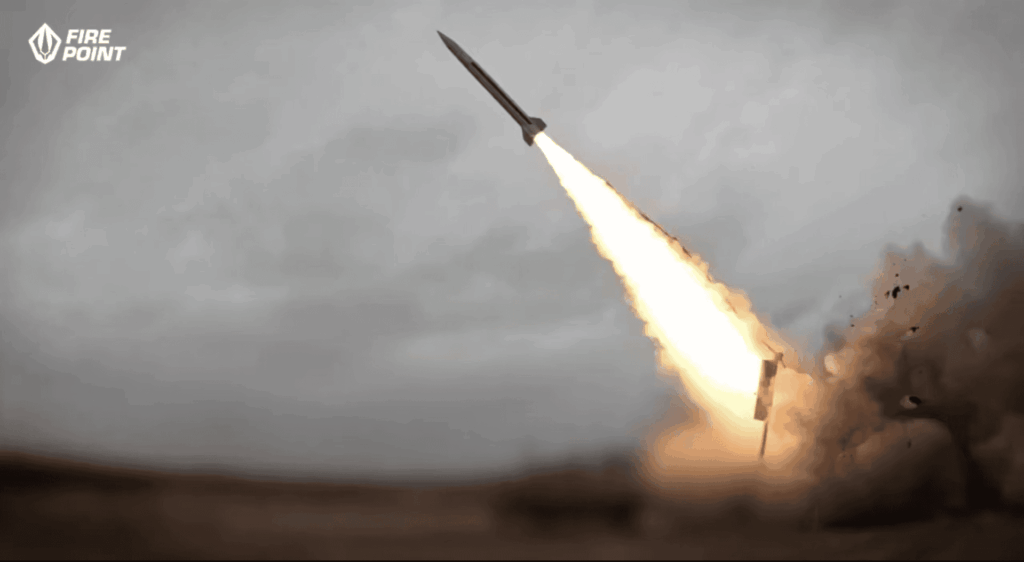
Ukraine warned: don't boast about new missiles until factories can launch them
A former Ukrainian security officer has cautioned Kyiv against advertising its new ballistic missiles before they can be mass-produced. Ivan Stupak w...

Ukraine forced to build own drones network as China supplies Russia, Western gear too costly
Ukraine must develop its own high-speed, mesh-based communication system for drones. The need is urgent: encrypted signals that can resist electronic...

German Chancellor Merz: "I Am Dissatisfied with the Mood in Germany"
In a broad interview with DER SPIEGEL, German Chancellor Friedrich Merz criticized the current national mood. He addressed his relationship with U.S....

Two Jewish Men Stabbed in London Knife Attack
Two Jewish men were stabbed in Golders Green, a London neighborhood with a large Jewish population. Police are investigating the attack, which occurr...

AI must serve human rights, not old biases
A new framework for artificial intelligence proposes grounding the technology in fundamental human rights. By requiring AI systems to respect the rig...
Germany's Merz Loses Patience: Trump Friendship Fails
Throughout the war in Iran, German Chancellor Friedrich Merz worked hard to keep President Trump satisfied. This week, Merz appeared to lose his temp...
"No train to the game? Fans consider walking to MetLife Stadium"
Some football fans are proposing an unusual solution to high travel costs: walking to MetLife Stadium. Instead of paying $150 for NJ Transit tickets...
Trump Stays Inside: A President’s Confined World
President Donald Trump rarely travels beyond the White House compound or his private club, Mar-a-Lago. This limited movement sets him apart from most...
Swim With Killer Whales? Only 2 Places Allow It—And Experts Are Worried
Only two places in the world let tourists swim with killer whales in the wild. But as the number of visitors grows, experts are raising alarms about...